
Specialized Bar Bags
Specialized bar bags cover a lot of ground - from a lightweight roll that clips on for a day out on the South Downs to a rigid-mounted rack system built for multi-day Scottish island-hopping. Whatever the mission, they give you accessible, weather-resistant storage up front without turning your cockpit into a lopsided nightmare.
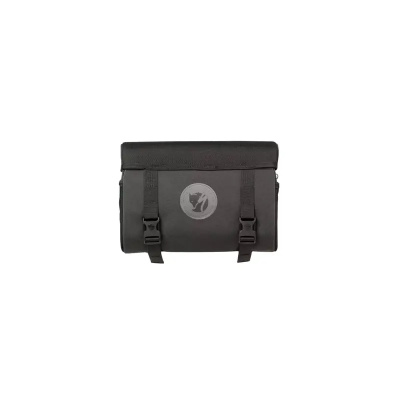
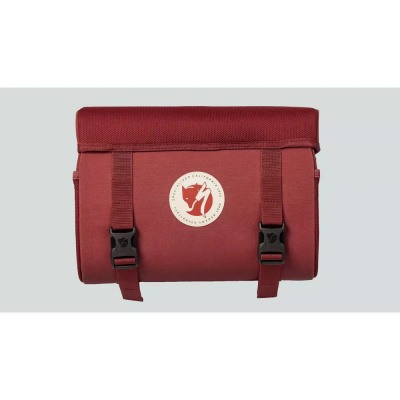
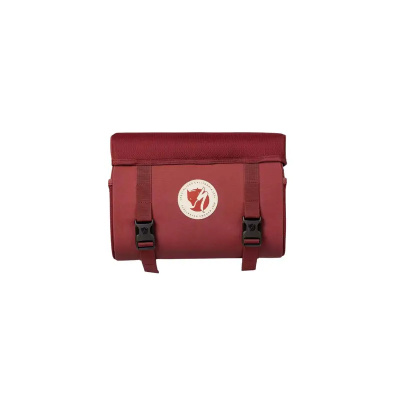
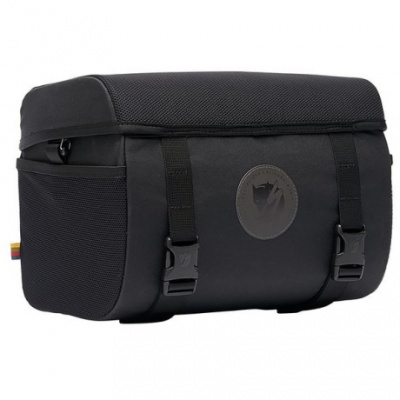
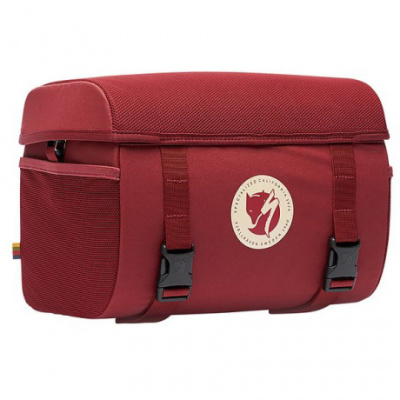
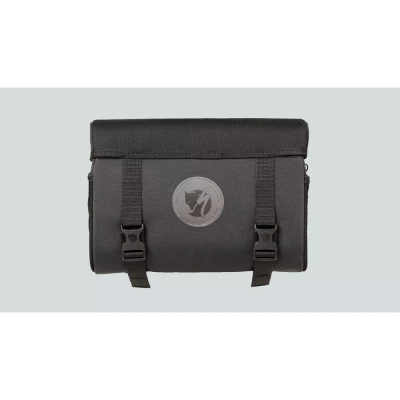
The range splits broadly into strap-on burrito-style bags and the premium Specialized/Fjällräven (S/F) Handlebar Rack system - a collaboration that brings Fjällräven's expertise in durable, considered kit to Specialized's bike-specific engineering. The S/F bags use Vinylon F, a dense, wax-friendly fibre that handles moisture and abrasion well and ages into something you'd actually want to keep. Both ends of the range use ripstop nylon or Spandura construction where it counts, keeping weight honest while resisting the kind of hedge-scraping, grit-blasting punishment UK bridleways tend to dish out.
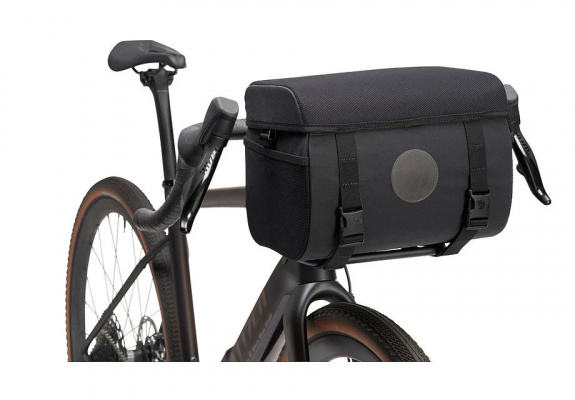
Mounting is where a lot of bar bags fall over, and Specialized have thought it through. The S/F rack uses a rigid aluminium frame that integrates directly with compatible stems, projecting the bag forward cleanly. That matters for cable routing and computer mount clearance - two things that catch riders out when they're bolting on a bag for the first time. If you're looking at the best Specialized handlebar bag for gravel or bikepacking, the system you pick should be decided by your cockpit setup as much as your capacity needs.


Prices and availability can change quickly. Delivery charges are not always included in listed prices.
Final price, stock status and delivery terms are set by retailer. We may receive a commission on purchases made.
Getting the Fit Right: Cockpit Clearance and Cable Routing
Before you order, check your handlebar width and how your cables exit the stem. On a standard non-integrated cockpit - hydraulic hoses and gear cables running externally along the bars - a wide strap-on bag can compress cables as it rolls and shifts. That's not dangerous in most cases, but it can create annoying cable rub over distance. Measure the usable clamping zone between your brake levers and stem; most Specialized burrito bags need at least 60 - 70mm of clear bar on each side to strap down securely.
Drop bar riders have less to worry about on width, but the bag's depth matters more. A bag that hangs too low will catch your knees on climbs or foul your front mudguard on rough ground. Flat bar riders on wider cockpits - 780mm and up - have more real estate to work with but need to think about how the bag sits relative to bar-end accessories or dropper remotes.
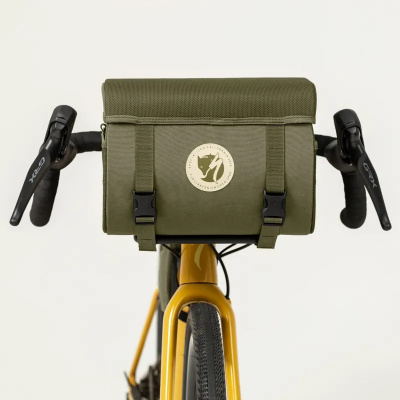
Out-front computer mounts are the other common snag. Most strap-on bags can be routed with straps running underneath a Garmin or Wahoo mount, but it's fiddly and the mount can end up slightly elevated, which some riders find uncomfortable to read. The cleaner fix - especially if you're running a Specialized computer mount - is to move the GPS to a stem-top or bar-end position, freeing up the front for the bag without compromise. The S/F rack system sidesteps the problem entirely: the rigid aluminium rack projects the bag forward of the stem, so your computer sits behind it in its usual spot without any strap interference.
How the Specialized Bar Bag Range Stacks Up
The burrito bags are the straightforward end of the range. Compact, light, and strap-on, they suit day rides where you want your phone, a gel or two, and maybe a thin gilet within reach. Capacity is modest - typically in the 0.5 - 2 litre bracket depending on which version you're looking at - but that's the point. They're not trying to be full bikepacking bags. The Specialized Burrito Bar Bag uses water-resistant fabrics and a roll-top or zip closure; accessible from the saddle, sensible for mixed-surface commutes or gravel day trips around the Peak District.
Step up to the Specialized/Fjällräven Handlebar Rack and Bag and you're in different territory. The rigid aluminium rack mounts to compatible stems and holds the bag clear of cables and hands. Capacity jumps considerably, and the Vinylon F outer takes wax treatments well - useful if you want to refresh the weather resistance after heavy use rather than relying purely on a DWR coating. The roll-top closure keeps things sealed without needing welded seams. It's the option that makes sense if you're building a full setup for a bikepacking route like the Cairngorms Loop or a loaded gravel weekend - and if you're going that route, pairing it with Specialized frame bags and Specialized saddle bags gives you a cohesive, balanced system that won't upset the handling.
If Specialized's range doesn't quite match your setup, it's worth comparing against Apidura bar bags, which offer a strong range of welded waterproof options, or Ortlieb bar bags if outright waterproofing is your priority. For budget-focused commuters, Altura bar bags cover the basics without the premium spec.
Protecting Your Frame and Keeping the Kit in Good Shape
Here's something that catches people out: road grit and mud collect behind mounting straps, and as the bars move - even slightly - that grit acts like wet-and-dry paper on your head tube. On a carbon frame, that's an expensive lesson. On a painted steel or alloy bike, it's still grim. Fit clear frame protection tape to the head tube and top of the downtube before you strap anything on. Specialized sell their own Specialized frame protection kits that are worth having on the bike regardless - but they're especially important once you're running front luggage.
Cleaning the bags is straightforward if you don't overthink it. For ripstop nylon and Spandura bags, a soft brush and warm water with mild soap is enough for most mud. Avoid machine washing - tumble heat destroys DWR coatings, and harsh detergents strip the treatment from ripstop. Let bags dry fully before rolling them closed; damp roll-top interiors breed mildew over a UK winter.
Vinylon F on the S/F bags is more involved. The material benefits from periodic waxing - a thin coat of Fjällräven's own wax works well - which re-establishes weather resistance without needing a separate DWR spray. Wipe the bag down after muddy rides before the grit dries into the weave; it's much easier to clean fresh than baked-on. The waterproof Specialized bar bag UK riders need for genuinely wet conditions is the S/F with roll-top closure - or, for the burrito bags, a simple drybag liner inside for electronics when the heavens properly open.
Specialized Bar Bags FAQs
Do handlebar bags scratch the bike frame?
They can, yes. Grit traps behind the mounting straps and grinds against your head tube every time the bars turn - it's effectively sandpaper on carbon or paint. Stick clear frame protection tape on the head tube before fitting any strap-on bag; it takes five minutes and saves an expensive repair.
How do I fit a Specialized bar bag with an out-front computer mount?
You can route strap-on bag straps beneath most out-front mounts, though it's fiddly and can raise the mount angle slightly. The cleaner solution is relocating your GPS to a stem-top position or switching to the Specialized/Fjällräven rack system, which projects the bag forward of the stem and leaves your computer mount completely clear.
Are Specialized bar bags fully waterproof?
Standard burrito-style bags are weather-resistant and cope well with showers and light spray, but they're not submersible or seam-sealed. For proper UK downpours, the S/F bags with roll-top closures perform better - or use a drybag liner inside a burrito bag to keep electronics dry when it's genuinely grim out.