
Specialized Mini Pumps
Specialized mini pumps are the kind of kit you only appreciate the moment you actually need them - standing in a muddy lay-by with a flat and the light fading. Specialized has built its pump range around reliable inflation in compact, well-engineered packages, covering everything from skinny road rubber to wide MTB casings. Whether you're running a Tarmac on fast tarmac sportives or throwing a Stumpjumper at the Peak District chunk, there's a model tuned to how you ride.
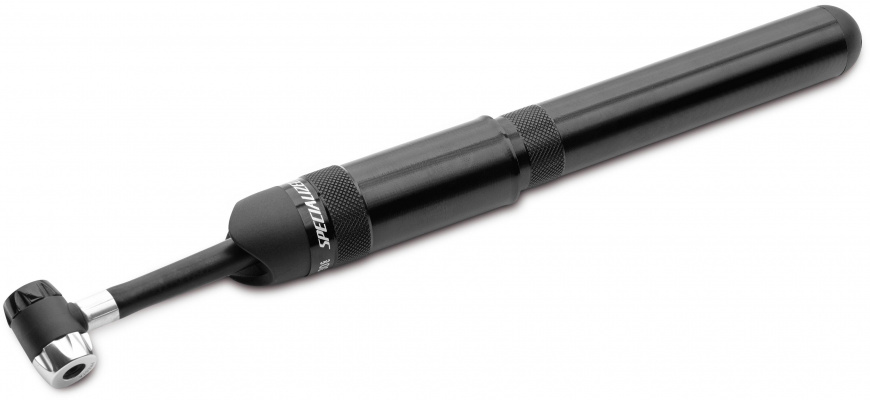
The range splits cleanly between High Pressure (HP) pumps - designed to reach 100-plus PSI for road and gravel applications - and High Volume (HV) versions that move more air per stroke to get wider, lower-pressure tyres back up to speed without completely destroying your arms. Proprietary tech like the SwitchHitter II smart head auto-selects between Presta and Schrader valves without you fumbling around with internal parts roadside. For riders who want their pump invisible, SWAT integration hides it inside the steerer tube or a SWAT-compatible downtube box. Compact, capable, and built to handle British riding year-round - compare the latest models and UK prices below.
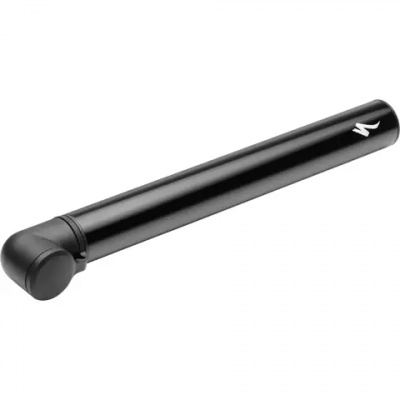
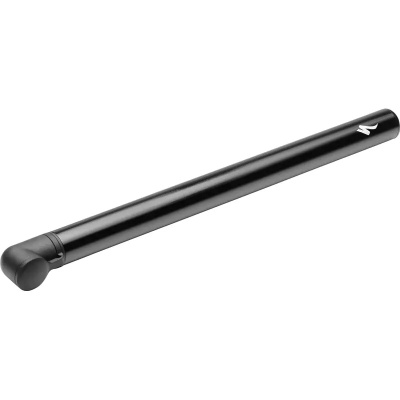
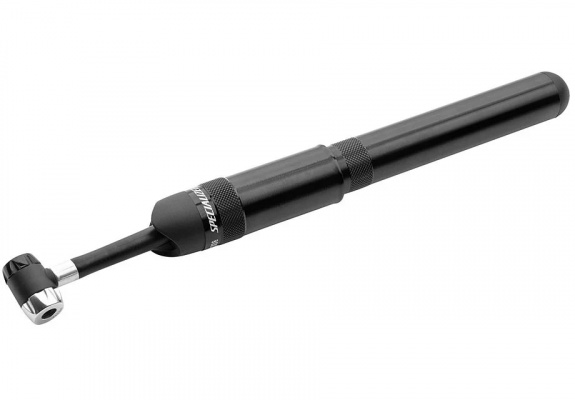
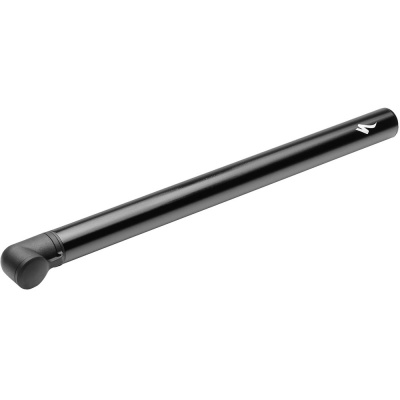
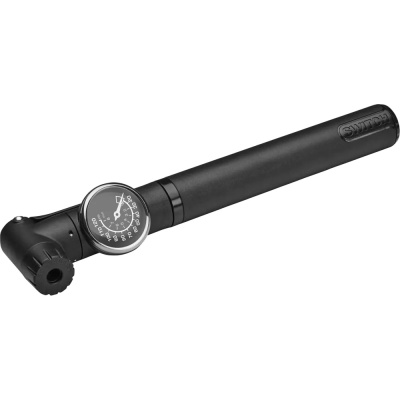
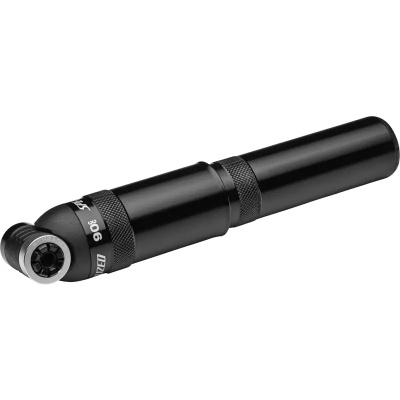
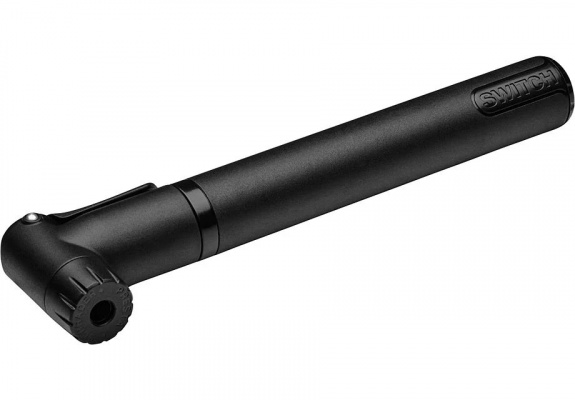
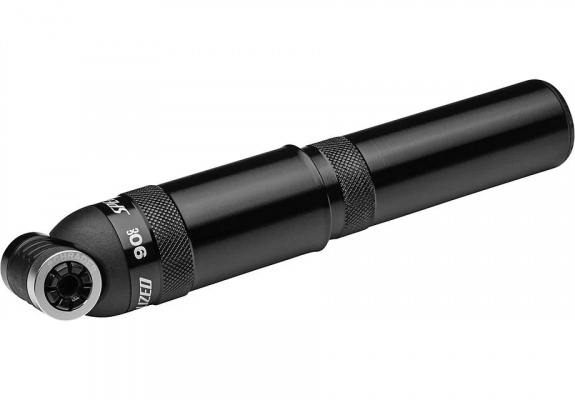
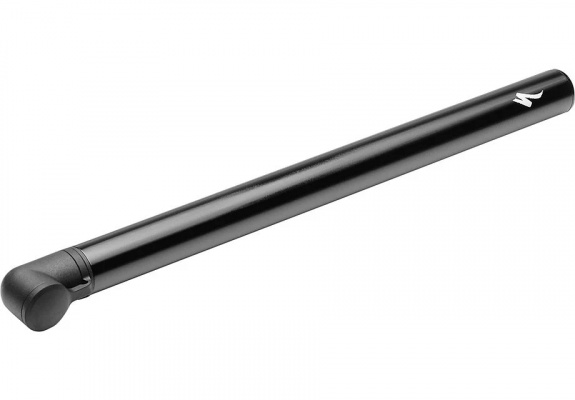
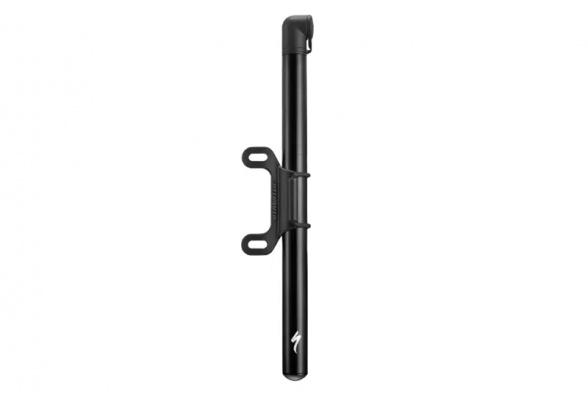
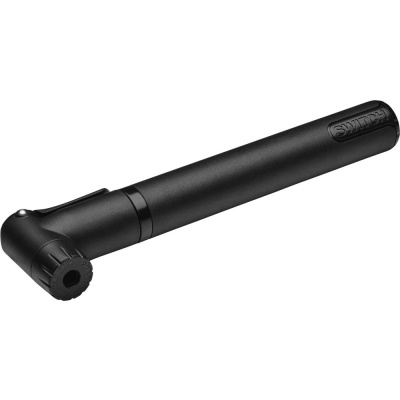
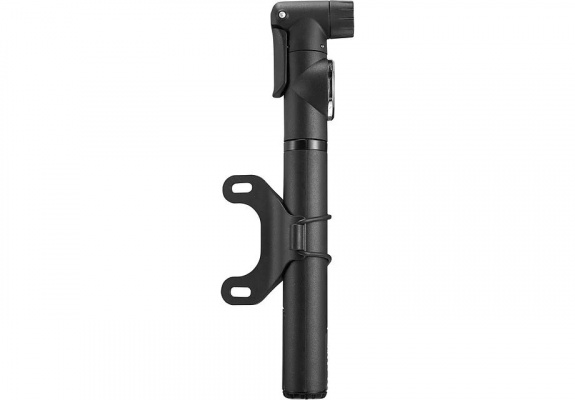
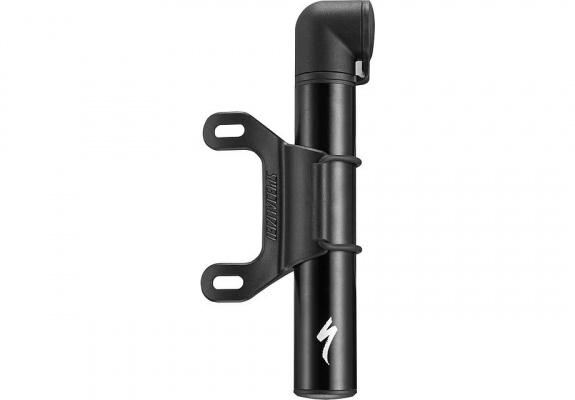
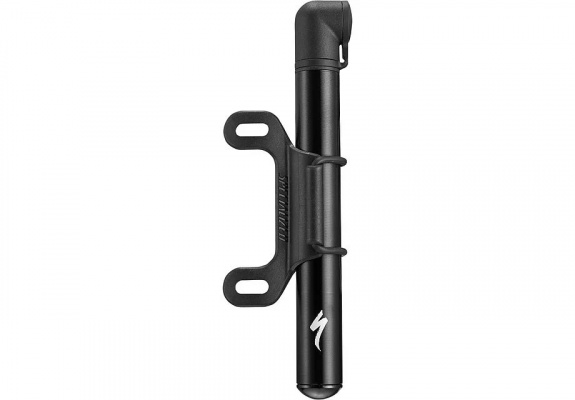
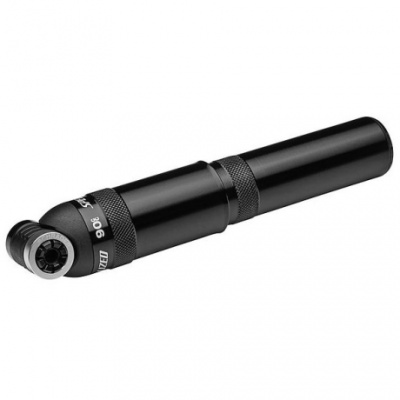
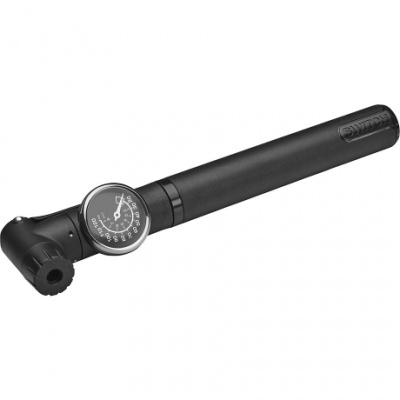
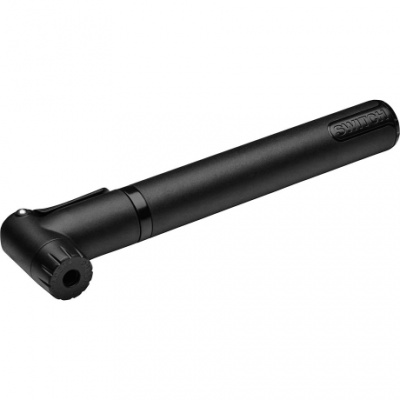
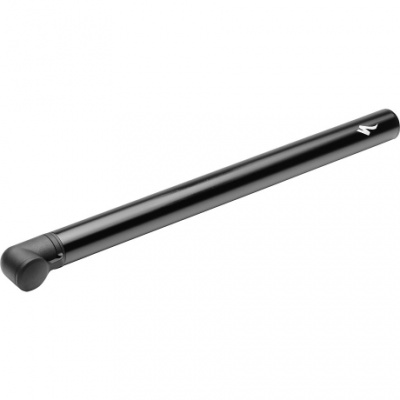
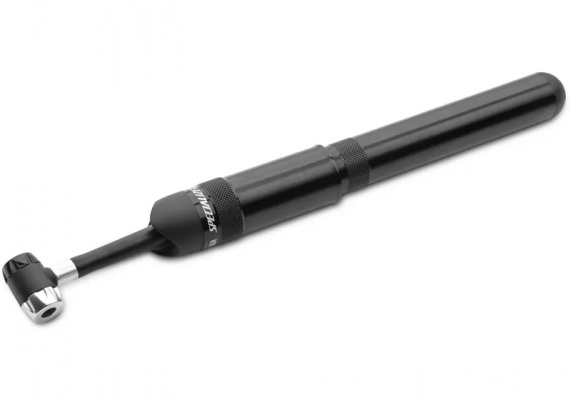
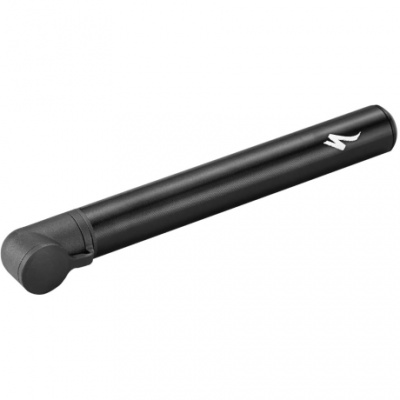
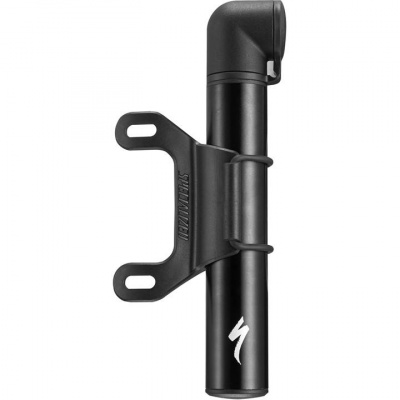
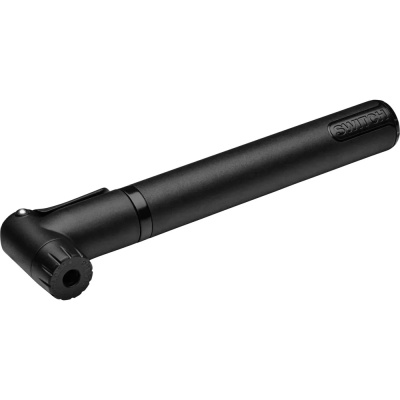
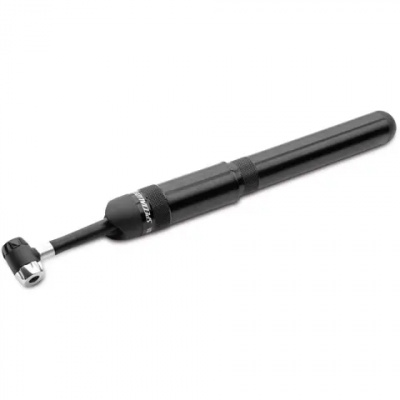
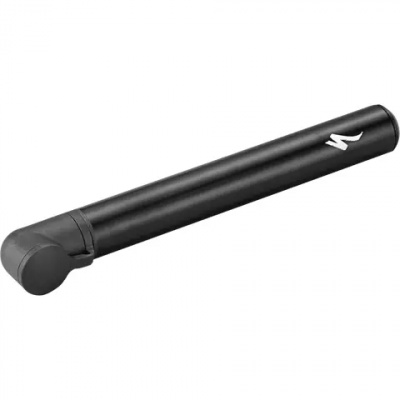
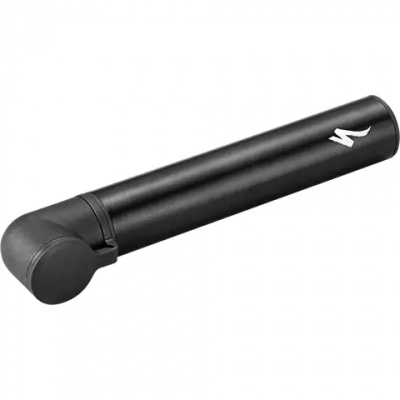
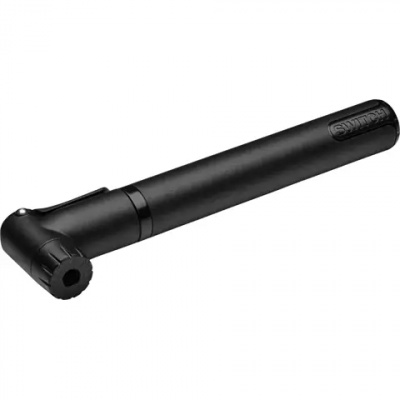
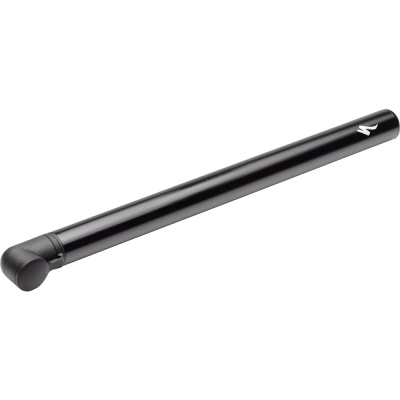
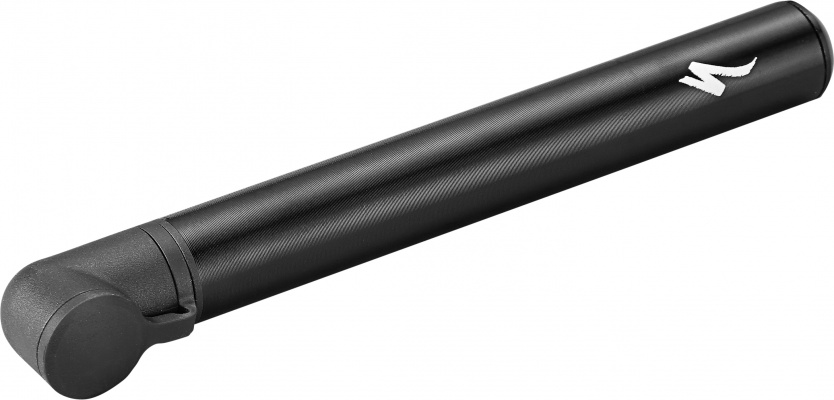
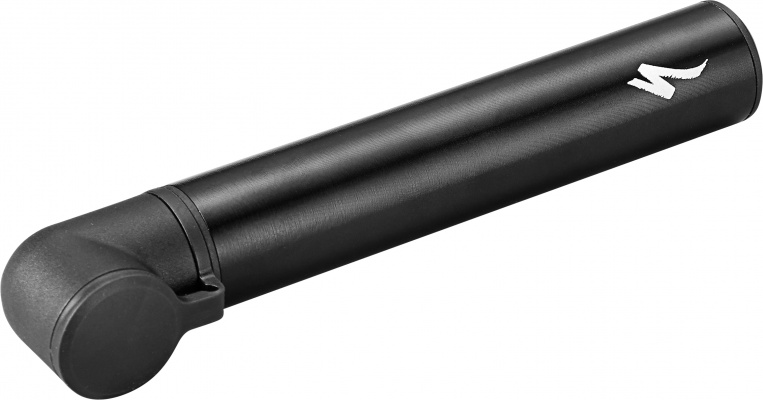
Prices and availability can change quickly. Delivery charges are not always included in listed prices.
Final price, stock status and delivery terms are set by retailer. We may receive a commission on purchases made.
HP vs HV and Getting the Valve Right
The single most useful question to ask before buying is: what tyres am I inflating? Road tyres - 25mm, 28mm, 32mm - run at high pressure and need a pump that can actually get there without you bouncing off the barrel for ten minutes. High pressure (HP) mini pumps are built for exactly that, typically rated to 120 PSI or more, with tighter tolerances that trade air-per-stroke volume for compression efficiency. Get one of these on your road or gravel bike and you can realistically hit 90-plus PSI by the side of the road. Fewer strokes than you'd expect. Not comfortable, but manageable.
Go the other way - MTB or plus-size gravel - and a high volume (HV) pump makes far more sense. Wider tyres at 20-35 PSI need a lot of air shifted quickly. An HV pump moves more with each stroke, so you're not standing there until your back gives out. The trade-off is a lower max PSI ceiling, but that's irrelevant when you're running 2.4-inch rubber at 28 PSI through the Tweed Valley.
Valve compatibility is where the SwitchHitter II head earns its place. Older pumps required you to unscrew the cap, fish out a rubber grommet, flip it, and reassemble - fine at home, deeply irritating in the rain with cold hands. The SwitchHitter II reads the valve automatically and seals correctly without any internal swapping. Push it onto a Presta, it works. Push it onto a Schrader, it works. No thinking required. For older Specialized models without this head, the flip-grommet method still applies: unscrew the front cap and reverse the internal insert.
One thing the Specialized range doesn't cover well at the mini-pump level is CO2 speed inflation or suspension tuning - those are separate tools. Looking for rapid race inflation or suspension tuning? Check out our Specialized CO2 Inflators and Specialized Shock Pumps pages for those jobs.
Air Tool Series vs SWAT: What You Actually Get
Specialized's mini pump lineup sits in two distinct camps, and the difference goes beyond just looks.
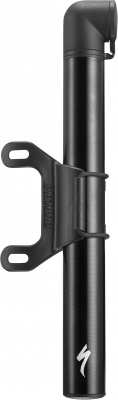
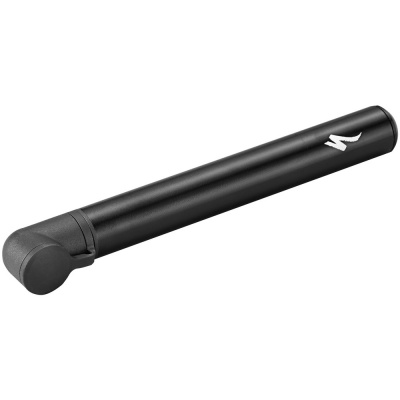
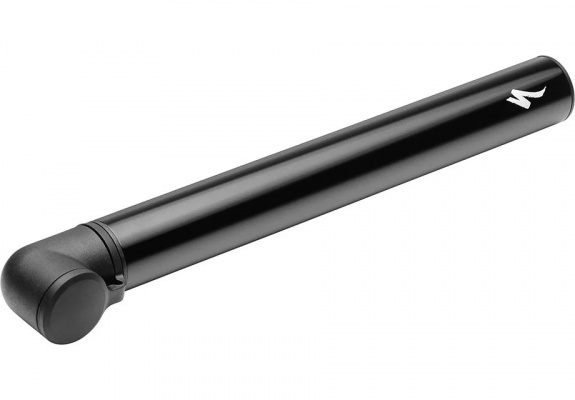
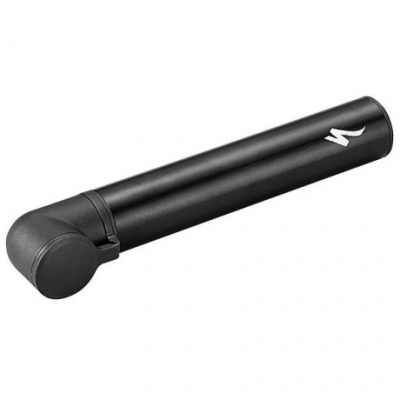
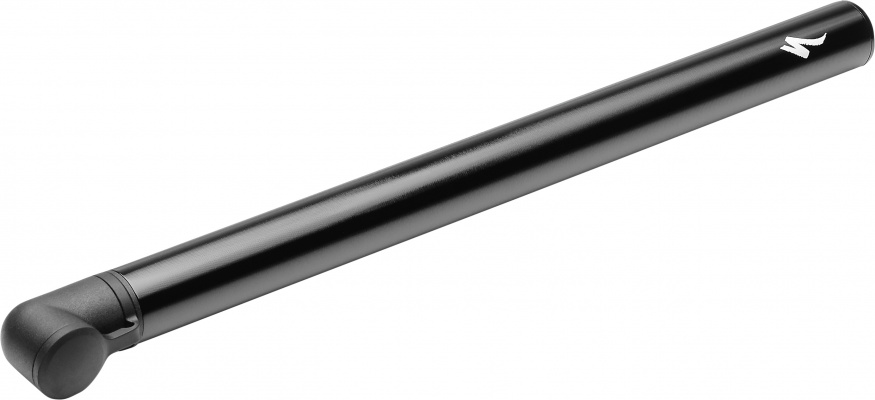
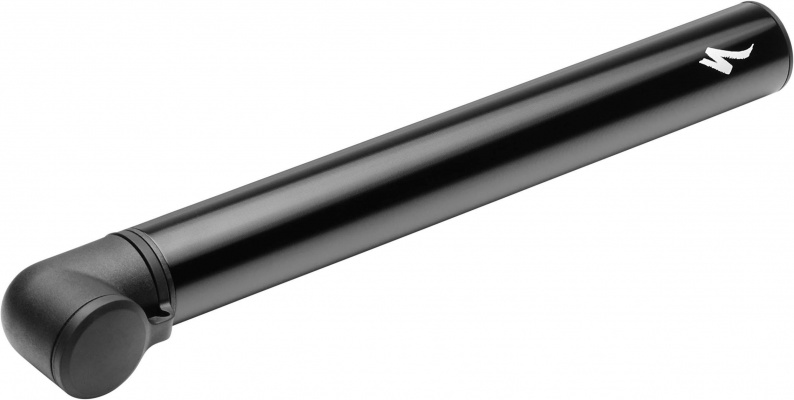
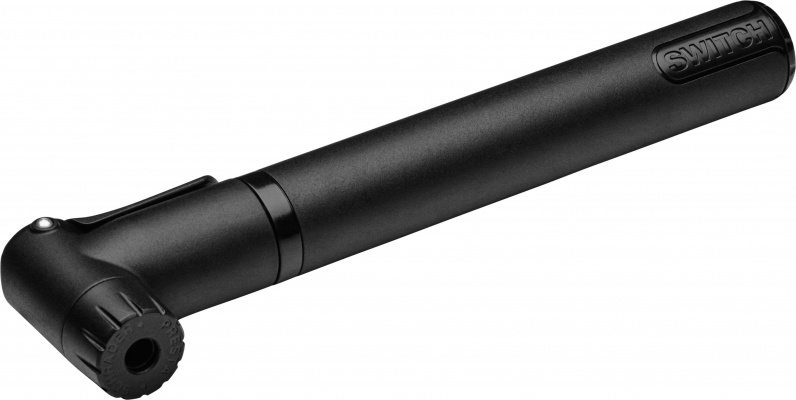
The Air Tool Road and MTB series represent the core of the range. These are bracket-mounted pumps with aluminum barrel construction - light enough to forget about, stiff enough to actually pump efficiently. The aluminum barrel matters more than it sounds: plastic barrels flex under compression, losing air with each stroke. Metal keeps the energy going where it should. Most Air Tool models include a rubber-tipped frame bracket that sits under your bottle cage bolts. Neat, accessible, and easy to grab mid-ride. Lezyne mini pumps take a similar approach with their CNC-machined alloy barrels, and it's worth comparing both if finish and build quality are priorities for you.
The SWAT-integrated options are for riders who want zero aerodynamic drag and no visible clutter. SWAT (Storage, Water, Air, Tools) is Specialized's system for hiding essentials inside the bike itself - specific pumps are sized to drop into the steerer tube or slot into SWAT-compatible downtube compartments on bikes like the S-Works Tarmac SL8 or Diverge. You won't see the pump at all. The catch is compatibility: SWAT pumps only work with SWAT-equipped frames, so double-check your frame spec before buying. If your bike isn't SWAT-compatible, the Air Tool bracket mount is the more practical route.
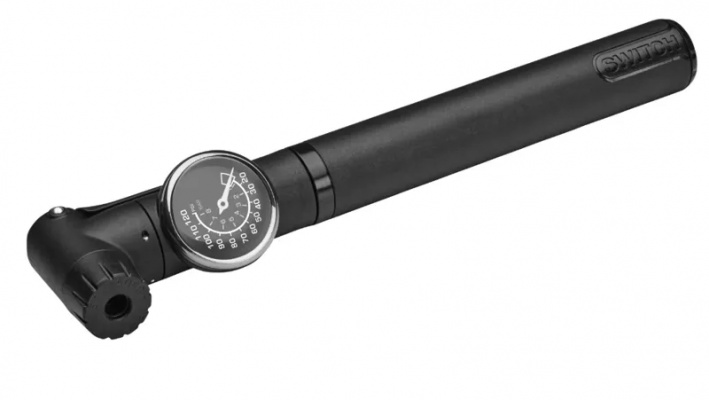
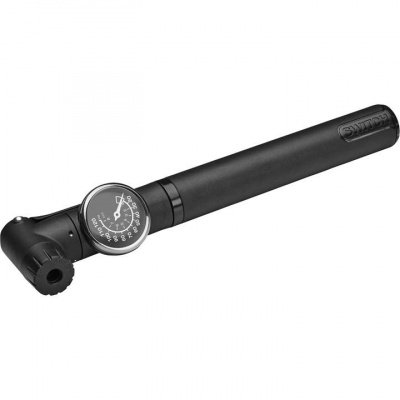
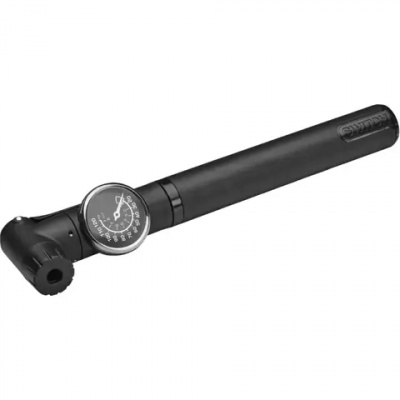
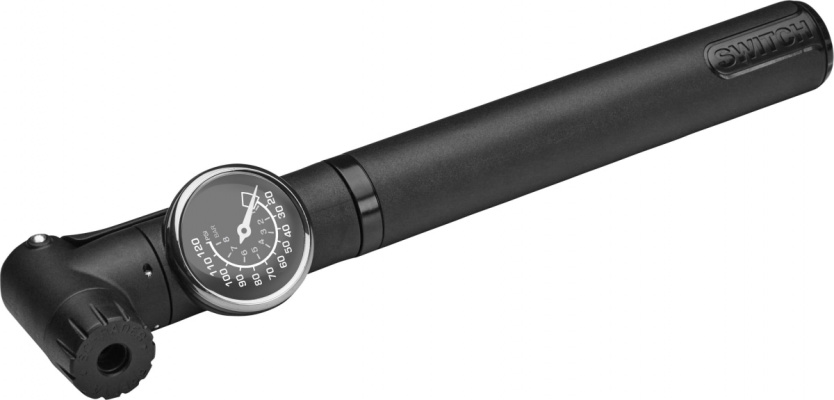
At the top of the range, some models add an integrated pressure gauge - genuinely useful for tubeless setups where accurate pressure matters more than it does with inner tubes. CNC-machined bodies and tighter manufacturing tolerances also show up on higher-tier options, giving a more precise pump action with less slop. Whether that's worth the price step is a fair question. For most riders on most rides, the standard Air Tool performs the job well. If you're also carrying a Specialized saddle bag, there's often room for a folding tyre lever and a spare Specialized inner tube alongside your pump - worth thinking about your whole roadside kit together rather than pump in isolation. Topeak mini pumps offer a similarly broad model hierarchy if you want to cross-shop gauge-equipped options.
The inverted barrel design used across several models is worth calling out. By inverting the internal mechanism, Specialized extracts more air volume from a barrel that's physically shorter than a conventional design. That's how a pump that fits in your jersey pocket still manages credible inflation performance. It's not magic - you'll still be pumping for longer than you would with a track pump - but it closes the gap meaningfully.
Keeping Your Pump Working When the Roads Get Grim
A mini pump mounted under your bottle cage in November is basically soaking in salt water and road grit every time it rains. UK winters are not kind to exposed metal and rubber. The pump head is the most vulnerable part - mud and grit can pack around the valve interface, making it stiff to engage or causing it to leak when you're trying to inflate quickly. If your pump has a dust cap for the head, use it. Every ride. It takes two seconds and keeps the internal seals clean.
The main O-ring inside the barrel is what actually seals each compression stroke. When it dries out - and in cold, dry winter air it will - you lose efficiency stroke by stroke, until the pump feels like it's barely doing anything. Fix is simple: every few months, unscrew the barrel end, slide out the piston, and wipe a small amount of silicone grease onto the O-ring. Don't use petroleum-based grease - it degrades rubber over time. Silicone only. Reassemble, do a few dry strokes to distribute it, and the pump will feel noticeably better.
Frame-mount brackets can also corrode or crack if the pump is repeatedly soaked and frozen. Check the bracket clips seasonally and replace them before they fail rather than after - a pump bouncing down the road behind you is not how you want to find out the clip gave up. SKS mini pumps are worth a look if you want a steel-barrelled alternative that handles UK moisture well as a comparison point. For riders using SWAT integration inside the steerer, moisture ingress is less of a concern - the pump is fully protected - but check the steerer bung seal periodically to keep water out of the steerer tube entirely. Pairing your pump with a Specialized frame bag is another option for sheltering your pump from the worst of it while keeping it accessible.
Specialized Mini Pumps FAQs
How do I switch my Specialized mini pump from Schrader to Presta?
On current models with the SwitchHitter II head, you don't need to do anything - it auto-adjusts to whichever valve you push it onto. On older Specialized pumps without that head, unscrew the front cap, remove the internal rubber grommet and plastic insert, flip them over, and reassemble. Takes about 30 seconds once you've done it once.
Should I buy a High Volume (HV) or High Pressure (HP) mini pump?
Road bike with narrow tyres? Go HP - you need to reach 90-plus PSI and HV pumps struggle to get there. MTB or wide gravel tyres running below 40 PSI? Go HV - you need air shifted quickly and the lower pressure ceiling doesn't matter. Buying one pump for both disciplines is a compromise either way.
Can I mount a Specialized mini pump to my bike frame?
Yes. Most Air Tool models come with a bracket that mounts under your bottle cage bolts - no tools needed, fits most frames. If your bike has SWAT-compatible architecture (specific Specialized frames only), SWAT-spec pumps stow completely inside the steerer tube or downtube compartment, keeping the pump hidden and protected.