
Lezyne Mini Pumps
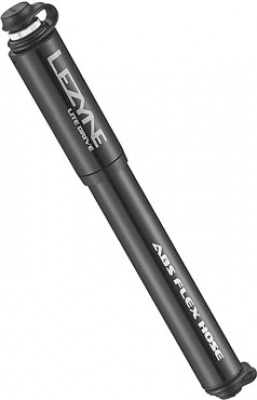
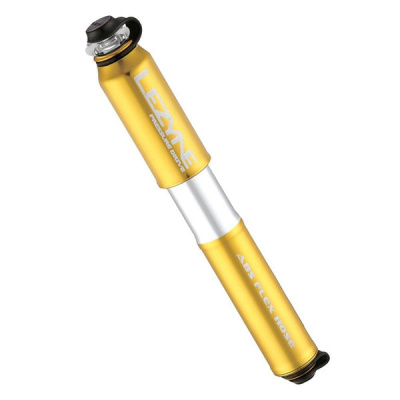
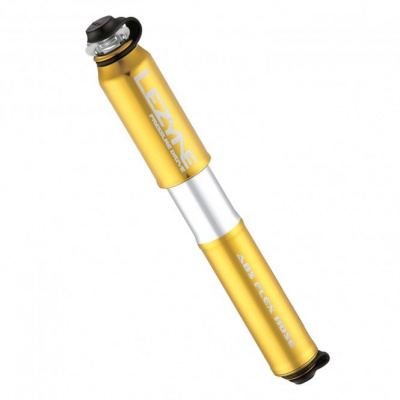
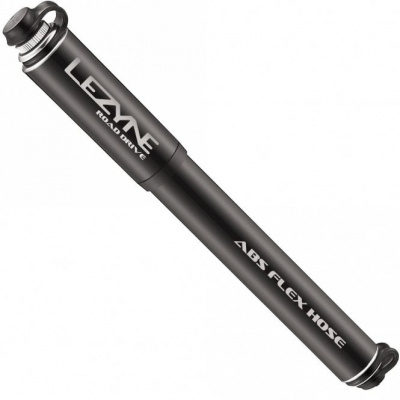
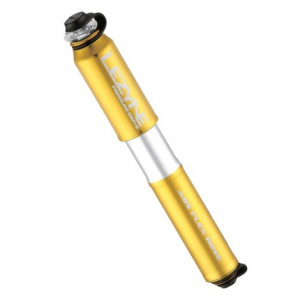
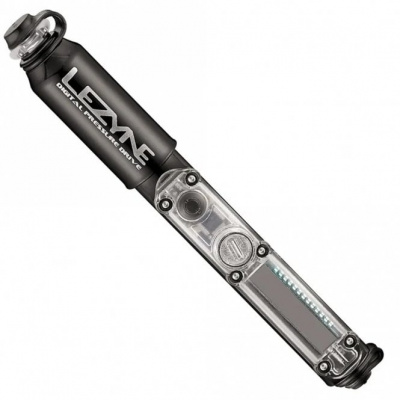
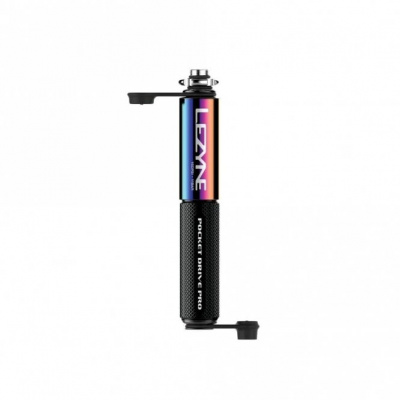
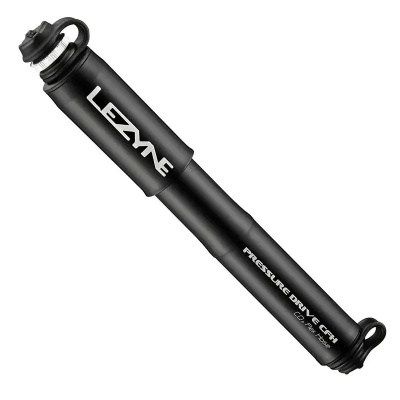
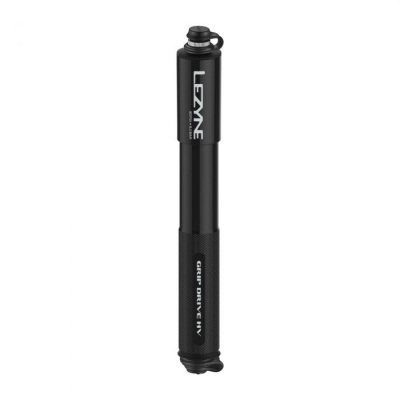
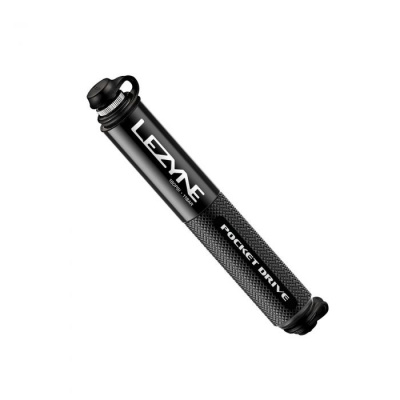
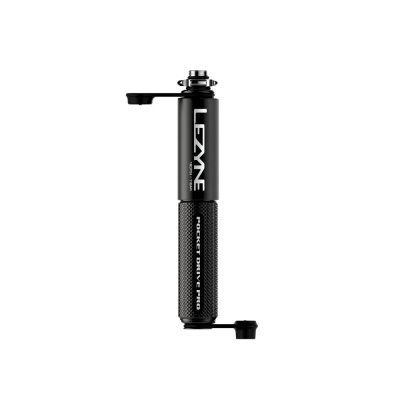
Lezyne mini pumps have built a deserved reputation for precision engineering at a point where most mini pumps are little more than glorified plastic tubes. The key difference you notice immediately is the CNC machined aluminum construction - there's no flex, no rattle, no sense that the thing will give up somewhere on the South Downs. These are pumps mechanics actually rate.
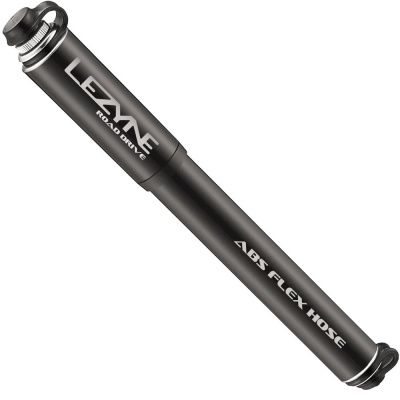
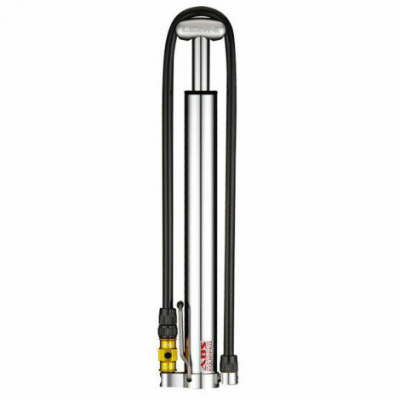
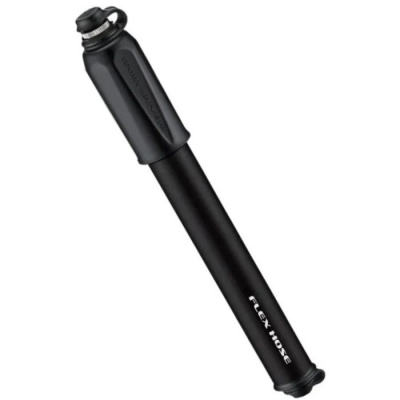
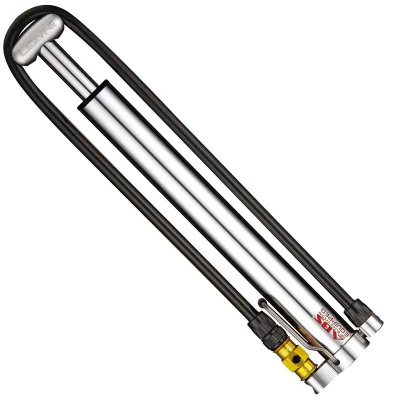
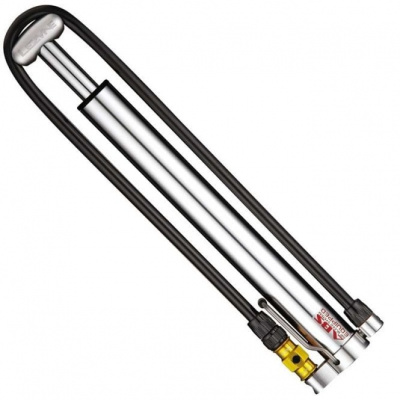
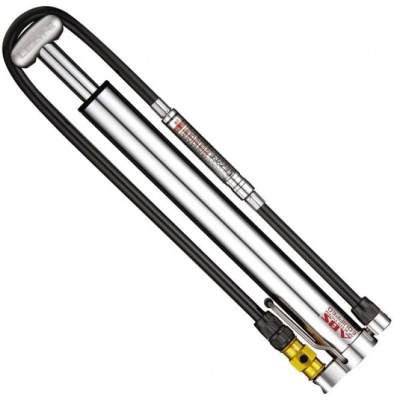
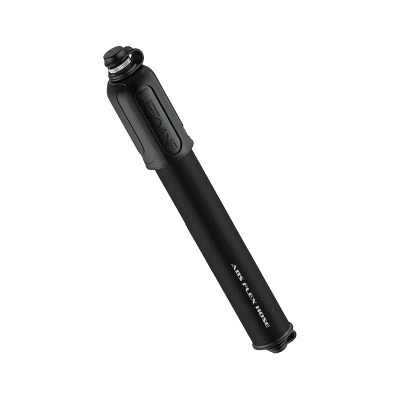
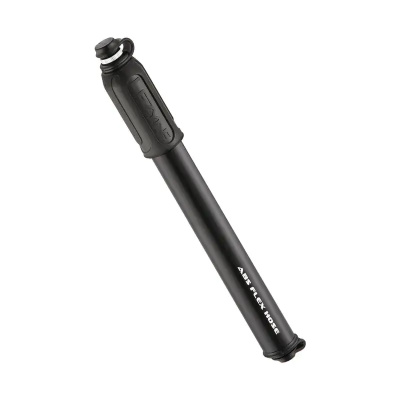
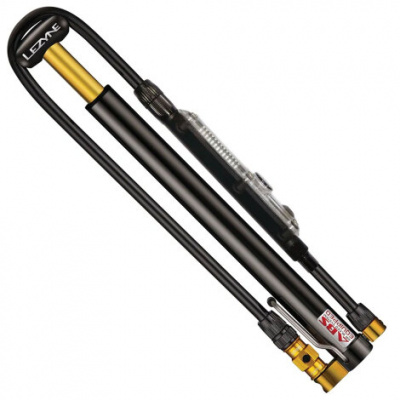
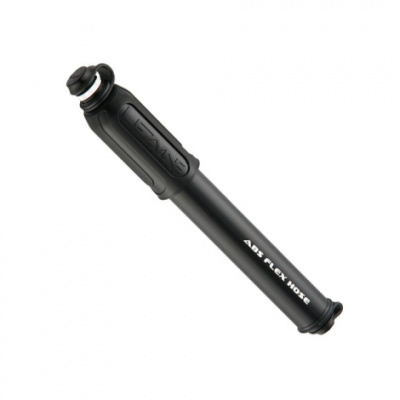
The design that matters most is the ABS (Air Bleed System) Flex Hose. On a standard push-on pump, you yank it off a Presta valve and occasionally pull the valve core clean out - ride over, walk home. Lezyne's threaded hose screws on securely, and the ABS button bleeds off the line pressure before you unscrew, so the core stays exactly where it should. That single feature is worth the price difference over budget alternatives.
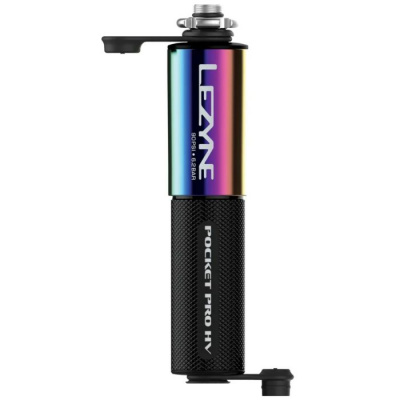
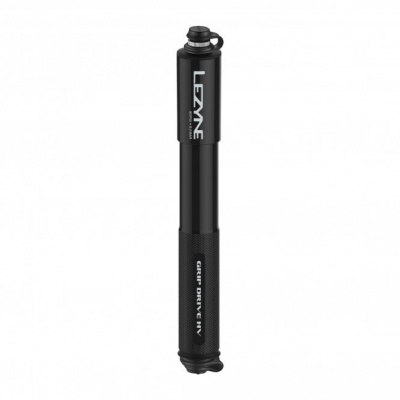
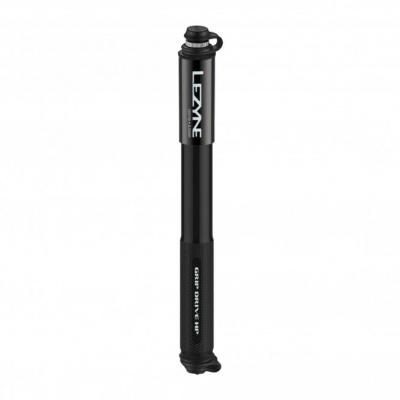
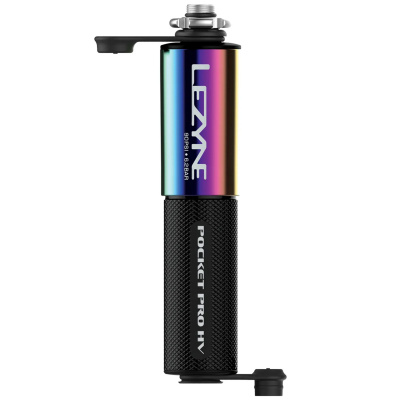
The range splits sensibly into High Pressure (HP) models for road tyres and High Volume (HV) models for MTB and gravel. Get that choice wrong and you'll be pumping forever. All models come with a frame mount bracket that handles real-world vibration - potholed B-roads included - without shedding the pump at the worst possible moment.
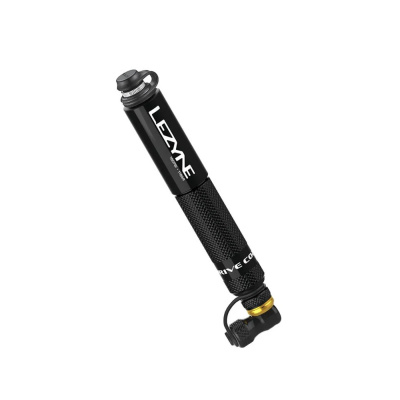
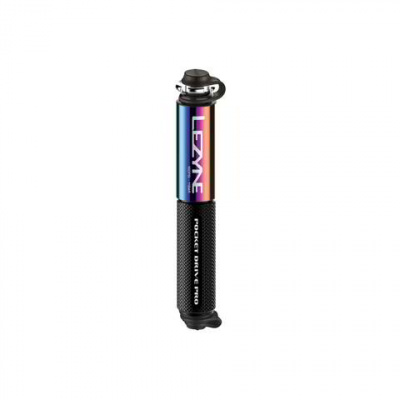
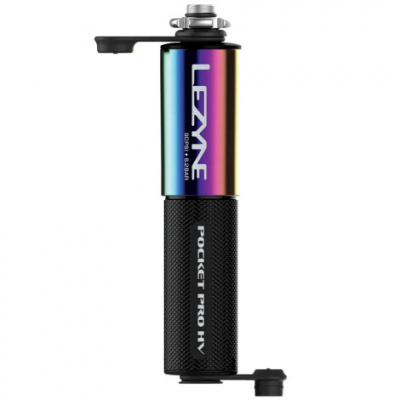
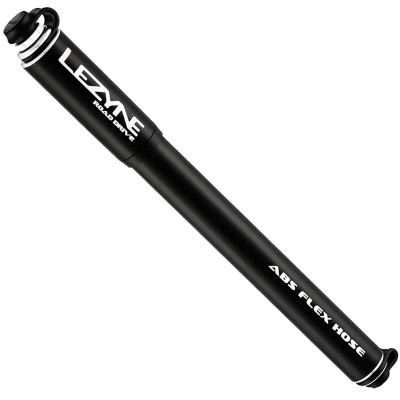
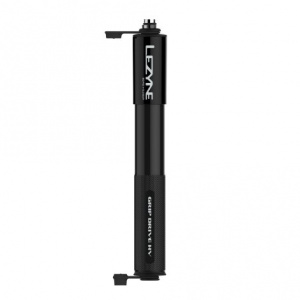
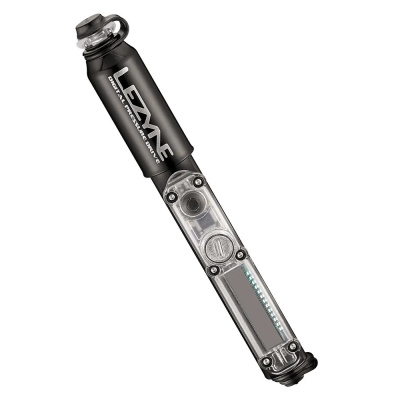
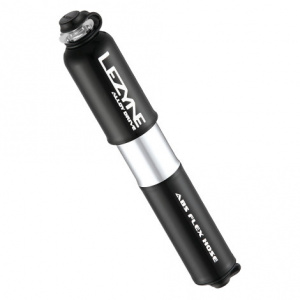
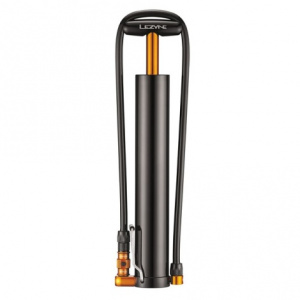
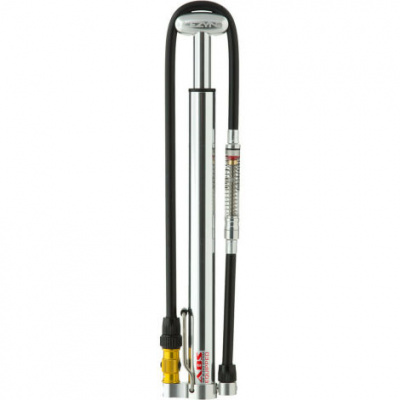
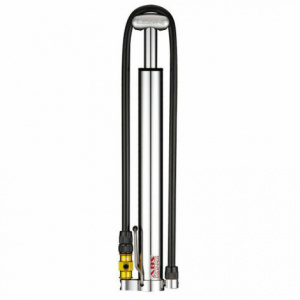
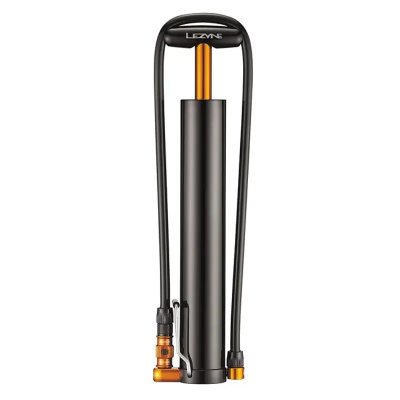
Prices and availability can change quickly. Delivery charges are not always included in listed prices.
Final price, stock status and delivery terms are set by retailer. We may receive a commission on purchases made.
HP vs HV: Getting the Right Pump for Your Tyres
The split between High Pressure (HP) and High Volume (HV) is the first decision to make, and it genuinely matters. An HP pump has a narrow barrel - each stroke moves less air but at higher mechanical advantage, so reaching 90 - 120+ max PSI for a road tyre is realistic without your arms giving out. Try that with an HV pump and you'll be there all day. Conversely, an HV pump's wider barrel pushes a significantly larger volume of air per stroke, which is exactly what you need when inflating a 2.4-inch MTB tyre to 30 PSI on a Pennine trail - you want it done in under a minute, not five.
Both variants use the same ABS Flex Hose system, which handles both Presta and Schrader valves via Lezyne's reversible Slip-Fit and Thread-On chuck. Flip the chuck head and you're compatible with virtually any bike you'll encounter. The hose itself stores internally when not in use, which keeps the chuck interface protected from road grit - useful when the pump has been rattling around in a Lezyne saddle bag through a muddy Welsh winter.
One thing to be clear on: Lezyne mini pumps are for roadside top-ups and emergency inflation, not for setting tubeless bead at home. For that, you want a track pump or a dedicated tubeless inflator. Looking to adjust your suspension sag or seat your tyres at home? Check out our dedicated ranges of Lezyne Shock Pumps and Lezyne Track Pumps.
Pocket Drive, Grip Drive, Alloy Drive: What the Tiers Actually Mean
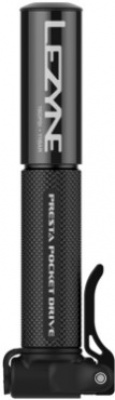
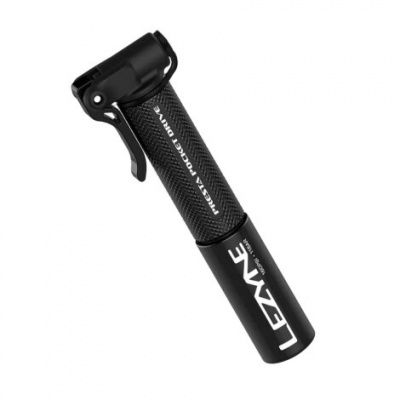
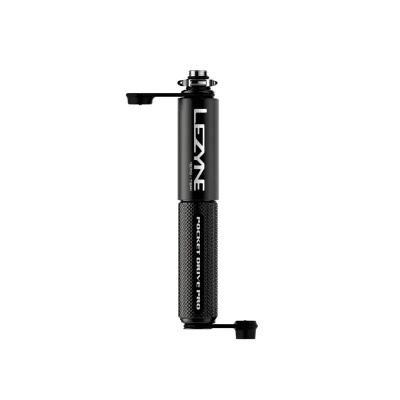
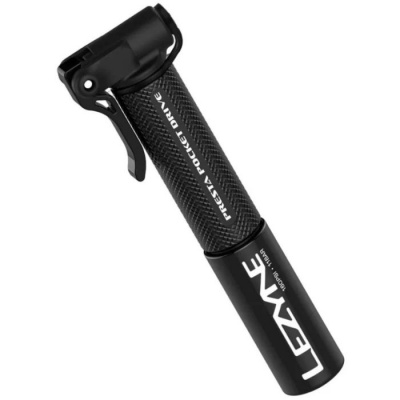
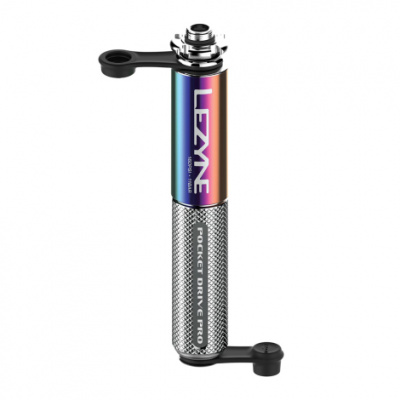
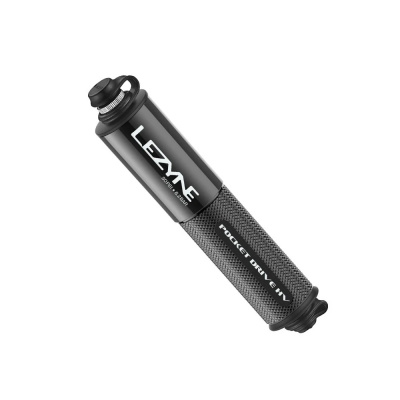
Lezyne structures its mini pump range in a way that makes the trade-offs fairly transparent once you know what you're looking at. The Pocket Drive sits at the compact end - short enough to slip into a back jersey pocket without digging into your spine on a four-hour ride. It's capable, but the shorter barrel means more strokes to pressure and less to grip onto when your hands are cold and damp. Fine for occasional use; less fun on a January morning in the Peak District.
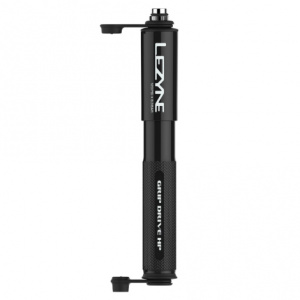
Step up to the Grip Drive and you get a longer barrel with a knurled grip section machined into the barrel itself. Wet gloves, cold fingers - that texture makes a genuine difference to pumping efficiency when conditions are working against you. It's the model a lot of riders settle on as the best balance of packability and usability.
The Alloy Drive is full CNC machined aluminum throughout, including the end caps, rather than the Matrix Composite polymer ends used on lower models. It's heavier than the Pocket Drive, but the zero-flex barrel means every stroke is working efficiently - no energy lost to body distortion under pressure. If you're running high road pressures regularly and want a pump that feels like a proper tool rather than an emergency spare, this is the one. Compared to something like a Topeak mini pump at a similar price, the Lezyne's all-metal construction feels noticeably more solid in the hand.
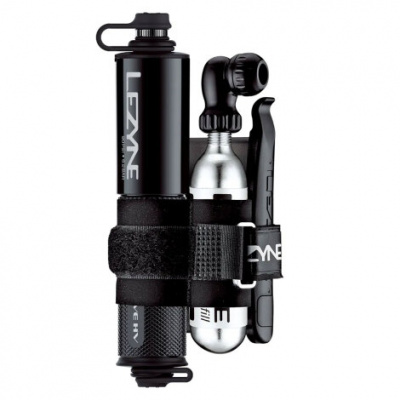
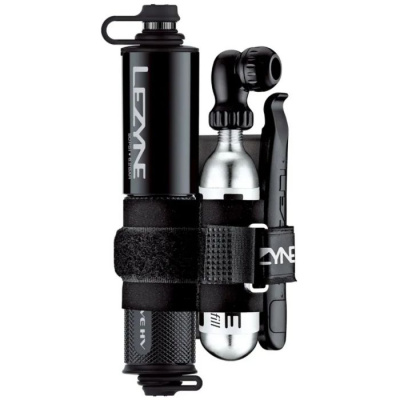
If you need instant inflation for race day rather than a mechanical pump entirely, browse our Lezyne CO2 Inflators and Canisters.
Keeping It Working Through UK Mud and Cold
A mini pump that lives on your bike is exposed to everything the UK throws at it - and that's considerable. Road grit, trail mud, salt spray, and the kind of persistent damp that settles into every crevice. The good news is that Lezyne's internal hose storage is a practical design choice, not just a tidy one: the chuck and valve interface stay protected from contamination when the pump is mounted and bouncing down a gravel track.
Occasionally lubricate the internal O-rings with a silicone-based grease - don't use petroleum-based products, they'll degrade the rubber. This is especially worth doing before winter, when cold temperatures make seals less pliable and you'll notice the pump feeling stiffer than it should. It takes two minutes and keeps the pump working properly when you actually need it.
The Air Bleed System button deserves a mention here because it's the feature most riders ignore until they snap a valve core and wish they hadn't. Before unscrewing the hose from your valve, press the ABS button to release the residual pressure in the line. On a Presta valve, that trapped pressure is what drags the core out when you pull the hose away quickly. Press, wait for the hiss, then unscrew. Simple habit, saves a walk.
The Matrix Composite end caps and mounts on mid-range models are tougher than they look - we've seen these survive significant drops on concrete at expos without cracking. That said, if you're regularly riding rock-strewn singletrack, the full alloy construction of the top-tier models is more reassuring. Worth pairing your pump with a Lezyne puncture kit or tubeless repair kit so you're actually prepared for a roadside fix, not just inflating around a problem.
If you want to see how the range compares to other quality mini pump options, Silca and SKS both offer strong alternatives at comparable price points, though neither matches Lezyne's breadth of HP and HV variants in one range.
Lezyne Mini Pumps FAQs
How do you use a Lezyne mini pump?
Unthread the ABS Flex Hose from the pump handle, choose the correct end for your valve - Presta or Schrader - and thread it on securely. Attach the hose to the pump body and inflate to your target pressure. Before removing, press the ABS button to bleed off the line pressure, then unscrew the hose. That last step stops the valve core coming out with the hose on Presta valves.
What is the difference between Lezyne HP and HV pumps?
HP (High Pressure) pumps use a narrow barrel to reach 90 - 120+ PSI, making them right for road tyres. HV (High Volume) pumps have a wider barrel that shifts more air per stroke - ideal for MTB and gravel tyres at lower pressures where volume matters more than maximum PSI. Buy the wrong one and you'll know about it within about thirty strokes.
Can a Lezyne mini pump inflate a tubeless tyre?
A Lezyne HV mini pump can top up a tubeless tyre on the trail without any issue. It generally can't seat a tubeless bead from scratch, though - that needs a sudden burst of air volume that a mini pump can't deliver. For initial seating, use a track pump, a tubeless inflator canister, or a CO2 cartridge.