
Silca Mini Pumps
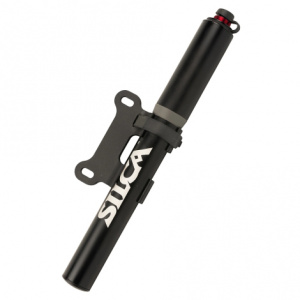
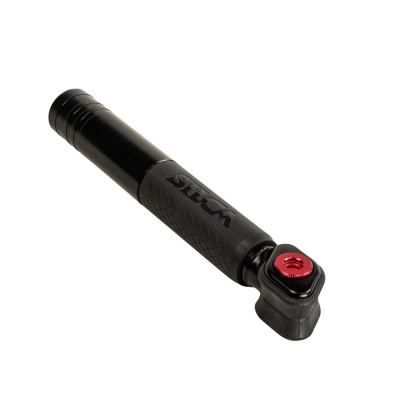
Silca mini pumps have a reputation that precedes them on any UK roadside: when your ride depends on getting back to 90 PSI in a January headwind with numb fingers, these are the tools that don't let you down. Built from CNC machined aerospace-grade aluminium rather than the injection-moulded plastic that turns brittle and cracks in freezing temperatures, every pump in the Silca range is engineered to last decades, not seasons. The barrels are designed to dissipate heat during prolonged high-pressure inflation, and the proprietary elastomer gaskets seal reliably without chewing up your Presta valve core - a small detail that matters enormously when you're already cold and stressed on a quiet lane in the Yorkshire Dales. Every component is replaceable, which means a Silca pump can be rebuilt rather than binned. That's a meaningful difference from what most brands offer. The locking chuck design works with both Presta and Schrader valves, and the silicone grips stay tactile even when your hands are wet and cold. These are precision tools, made to professional workshop standards in a pocket-sized format. Compare current UK prices across the full Silca range below.
Prices and availability can change quickly. Delivery charges are not always included in listed prices.
Final price, stock status and delivery terms are set by retailer. We may receive a commission on purchases made.
Valve Standards, Pressure Ratings, and Mounting Options
Before you pick a pump, it helps to know what you're actually asking it to do. Road bikes running narrow, high-pressure tyres need a pump capable of hitting 90 PSI or beyond - that's a high pressure (HP) requirement, and it demands a small-bore barrel that builds pressure efficiently with each stroke. Wider tyres on gravel or MTB setups need a high volume (HV) approach instead: less pressure, more air per stroke, because seating a 40mm gravel tyre or getting a tubeless bead to pop into place is a volume game, not a pressure one.
All Silca mini pumps use reversible locking chucks with custom synthetic elastomer gaskets, so switching between Presta and Schrader valves is straightforward - flip the chuck insert, and you're set. The gasket design matters more than it sounds: cheaper O-rings degrade quickly against the sharp edges of alloy valve cores, particularly after a few gritty winter rides. Silca's elastomer compounds hold their shape and seal reliably across repeated use.
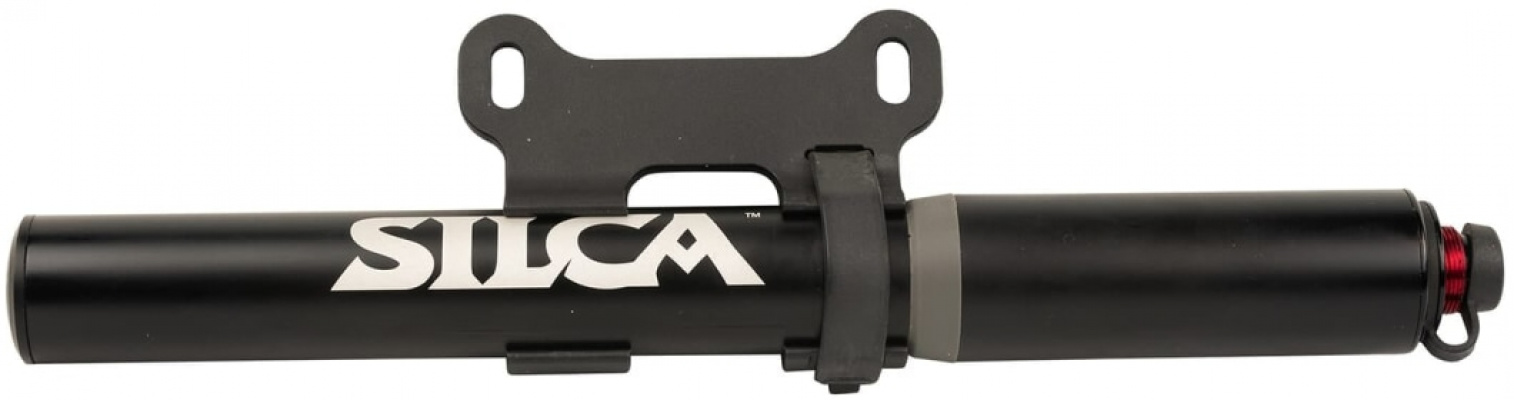
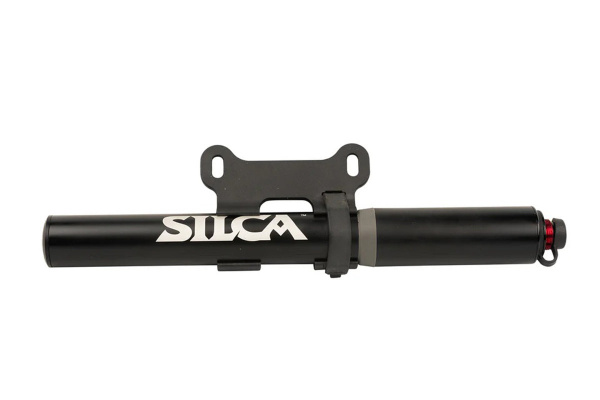
Mounting is worth thinking through before you buy. Some models come with a frame bracket for bottle cage mounting, while others are slim enough to sit in a jersey back pocket or tuck into a Silca saddle bag without bulk. If you're heading out on longer days, having the pump secured to the frame rather than bouncing around in your pocket is genuinely more practical.
This page covers portable mini pumps only. If you're setting up suspension, you want a dedicated shock pump. For home workshop inflation, a track pump will get you to pressure far faster. If you want a full-length aesthetic with classic frame fit, look at Silca frame pumps. For rapid race-day inflation, CO2 inflators and canisters are the quicker option. And for battery-powered ease at home or on tour, electric pumps do the heavy lifting for you.
Pocket Impero, Tattico, and Gravelero: What Each Model Actually Does
Silca's mini pump range splits into three distinct tools, each aimed at a different kind of rider with different inflation priorities. Understanding the differences saves you from buying the wrong one.
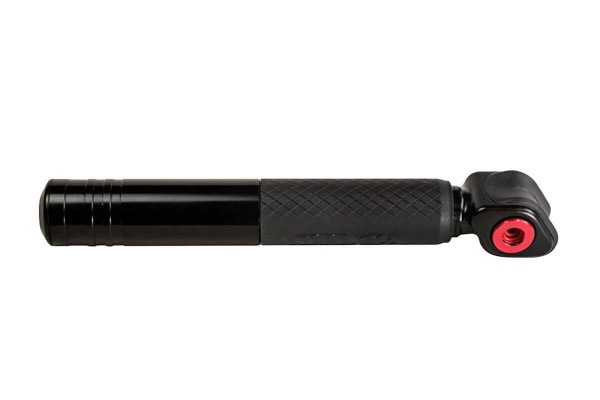
The Pocket Impero is the road cyclist's instrument. It's built around a pure high-pressure barrel, machined with Silca's asymmetric CNC profile - those flat and curved faces aren't just aesthetic, they dramatically increase the surface area exposed to air, which keeps the barrel cooler during the sustained pumping effort required to get a road tyre back up to pressure. A silicone insulating grip wraps the barrel, so even on a freezing February morning on the South Downs, you're not pressing bare metal into your palms. The slide-on chuck is precise and leak-free. If you ride road and want nothing compromised, this is the one.
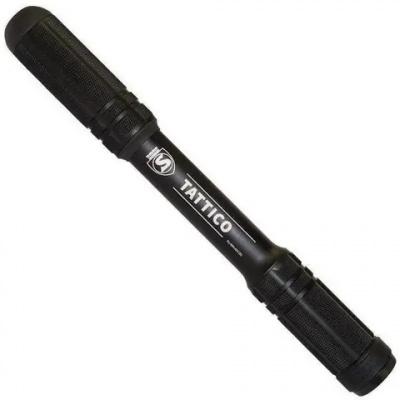
The Tattico is the more versatile option, designed for riders who cover mixed ground. Its headline feature is a hidden extendable hose that stows inside the barrel - deploy it when you need to reach an awkward valve without stressing the pump-to-valve joint, which is how valve cores get damaged mid-pump. The locking lever chuck clamps firmly onto Presta or Schrader valves and creates an airtight seal, making vigorous pumping strokes possible without the chuck popping off. The Tattico Bluetooth variant goes further still, integrating a Bluetooth-enabled pressure gauge directly into the pump barrel, pairing with your phone so you can read accurate PSI or Bar without guesswork. It's a genuinely useful feature for anyone who's ever wondered whether they've pumped enough into a 28mm tyre after a puncture in the Peak District. Compared to Lezyne mini pumps at a similar price point, the Tattico's rebuildable internals and hose design give it a meaningful edge in long-term reliability.
The Gravelero is the big-bore option. Silca engineered it to push roughly 35% more air per stroke than a standard road pump, which makes a real difference when you're trying to inflate a 45mm gravel tyre or reseat a tubeless setup on a remote Welsh lane. It won't get a gravel tyre to road pressure in the same stroke count as a HP pump handles a 25mm, but that's not the point - it gets you rideable volume faster with less fatigue, which is exactly what you need when you're a long way from anywhere. Topeak and Crank Brothers offer high-volume alternatives at lower price points, but neither matches the Gravelero's build quality or rebuildability. Pair it with a set of Silca inner tubes for a properly matched setup.
Cold, Gritty UK Conditions and Keeping Your Pump Running
UK riding conditions are genuinely hard on pump mechanics. Flinty winter lanes mean punctures happen when it's coldest and wettest - exactly when cheap plastic pump bodies crack under hand pressure or fail to seal because the O-rings have gone hard. CNC machined alloy doesn't have that problem. The material stays dimensionally stable whether it's January in Scotland or August in Surrey.
Road grit is the other issue. It works into unprotected pump heads and destroys standard rubber O-rings fast. Silca's integrated dust caps on the chuck help, but the real answer is that the elastomer gaskets are replaceable - order a service kit, swap the gasket, and the pump seals as well as the day you bought it. That's not something you can do with most rivals.
Servicing the pump yourself is straightforward. Remove the chuck, clean it with a dry cloth to clear any grit accumulation, then inspect the elastomer gasket for flattening or cracking. If it's lost its shape, replace it. Apply a small drop of Silca's proprietary lubricant to the internal shaft before reassembly - it keeps the piston running smoothly and maintains the seal under high-pressure strokes. Do this once a season or any time the pump feels stiffer than usual to pull. It takes five minutes and keeps the pump performing correctly. Riders who ignore this step and then complain about pumps losing pressure mid-stroke are usually just a quick service away from fixing the problem. SKS mini pumps offer solid value if budget is tight, but they don't have the same rebuildable ecosystem - you replace the whole unit rather than individual components.
Silca Mini Pumps FAQs
Are Silca mini pumps worth the premium price?
If you ride regularly in UK conditions, yes. The CNC machined alloy body won't crack in freezing temperatures the way plastic does, and the rebuildable gasket system means you're replacing a £5 seal rather than a whole pump. Over several years, the maths work in Silca's favour - and a pump that fails mid-puncture isn't worth any saving.
How do you use the Silca Tattico mini pump locking chuck?
Push the chuck firmly and squarely onto your Presta or Schrader valve, then pull the locking lever up to clamp it in place. This creates an airtight seal and decouples the mechanical stress of pumping from the valve itself - so you're not rocking the valve core with every stroke, which is exactly how delicate cores get damaged or snapped off.
Which Silca mini pump is best for gravel bikes?
The Gravelero is the natural fit for gravel and mixed-surface riding - its larger bore pushes around 35% more air per stroke than a road-focused HP pump, so getting a 40mm-plus tyre to rideable pressure is far less work. The Tattico is worth considering too if you want one pump that covers both road and gravel duties with the added convenience of an extendable hose.