
Crank Brothers Mini Pumps
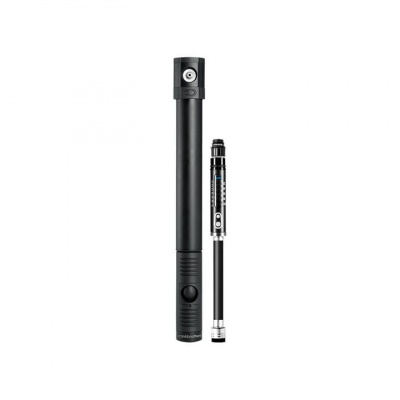
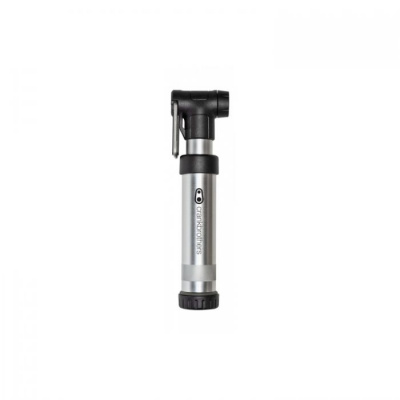
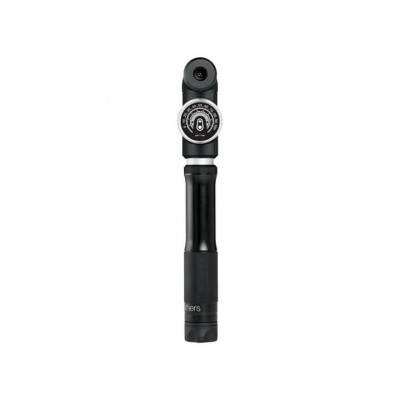
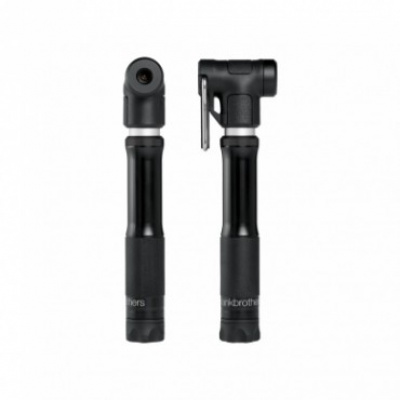
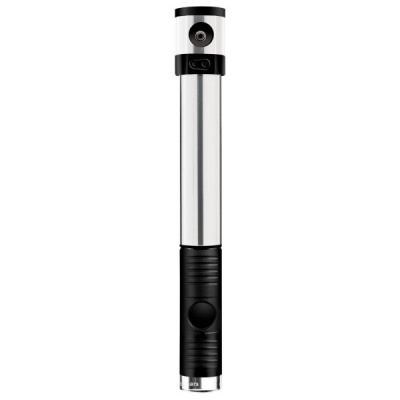
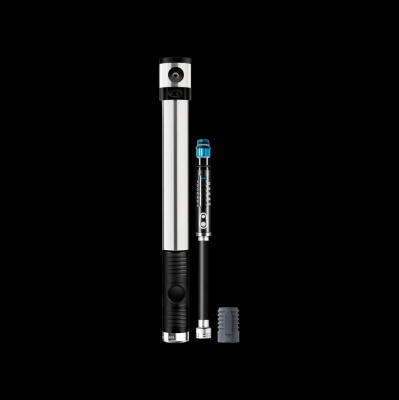
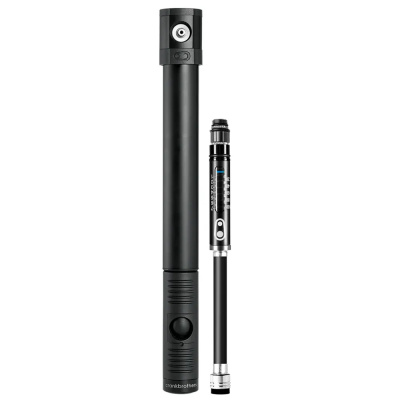
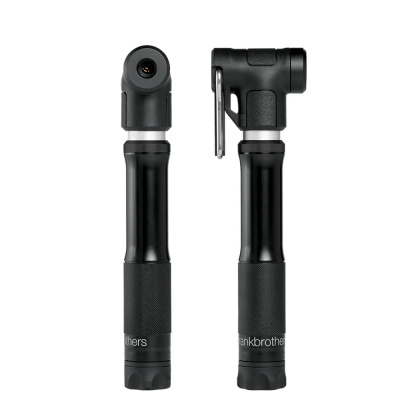
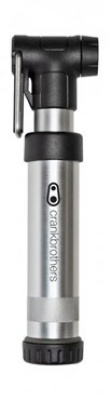
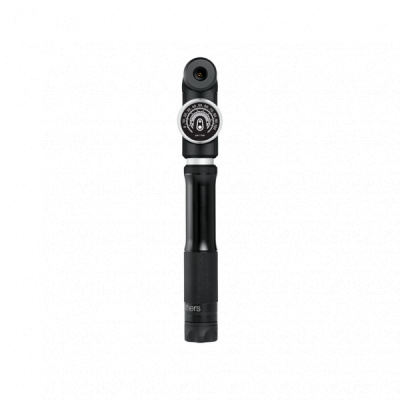
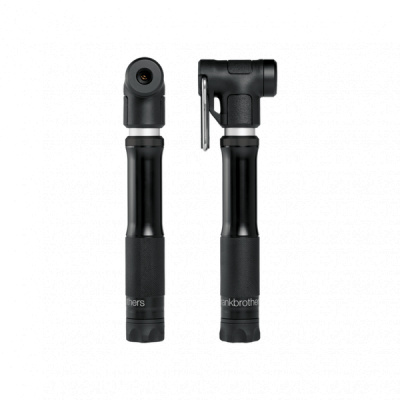
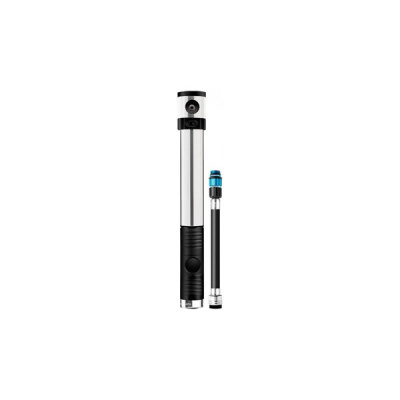
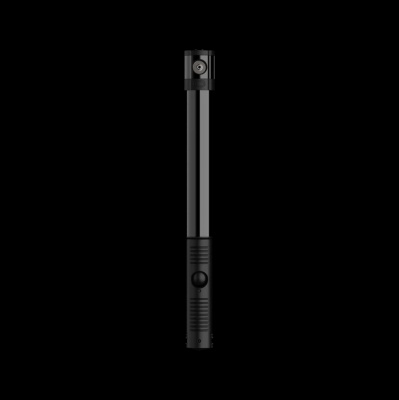
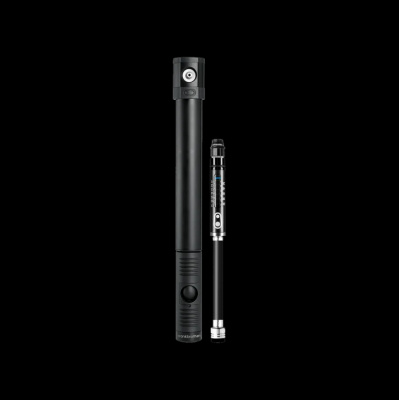
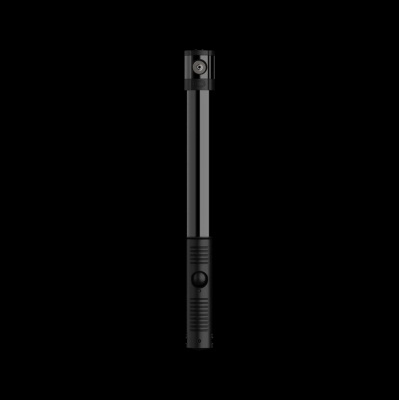
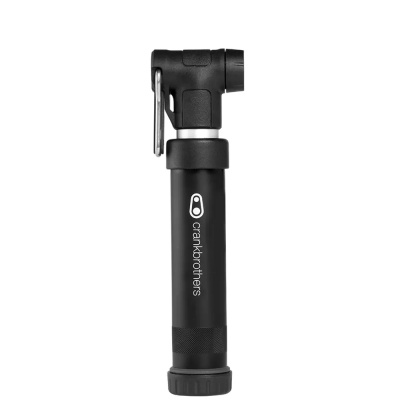
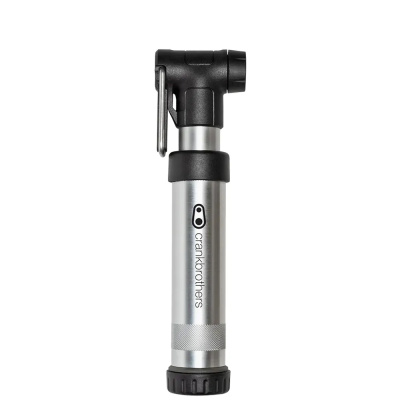
Crank Brothers mini pumps are the kind of kit you only truly appreciate when you're standing in the rain somewhere above Betws-y-Coed with a flat tyre and numb fingers. These aren't just alloy tubes with a plunger - they're engineered around the specific miseries of trailside repairs. The Klic series uses a magnetic flexible hose that clicks onto the pump body, keeping your pumping motion isolated from the valve stem so you're not torquing a fragile Presta valve core with every stroke. That's a small detail that saves big grief. The Gem series takes a different approach with a dual-stage High Volume/High Pressure toggle switch built into the base, letting you switch between rapid tyre filling and precise pressure topping without swapping pumps. Both series handle Presta and Schrader valves, and both are built from alloy rather than the hollow plastic you find on budget options. Whether you're running a 2.4-inch enduro tyre or a 28mm winter road tyre, there's a model sized to the job. The range is tighter than some rivals - Topeak and Lezyne both offer wider lineups - but what Crank Brothers offers is focused and genuinely well thought through.
Prices and availability can change quickly. Delivery charges are not always included in listed prices.
Final price, stock status and delivery terms are set by retailer. We may receive a commission on purchases made.
High Volume vs High Pressure: Picking the Right Engine for Your Tyres
This is the decision that matters most, and it's simpler than it sounds. A High Volume pump moves more air per stroke, which means faster inflation for larger-volume tyres - think 2.3-inch trail rubber, 650b gravel tyres, or anything 40c and wider. The trade-off is that HV pumps typically top out around 60 PSI, which is more than enough for tubeless MTB setups but falls short of what a road tyre needs. A High Pressure pump is the opposite: fewer millilitres per stroke, but the mechanical advantage lets you push past 100 PSI without your arms giving up. It'll fill a big tyre eventually, but you'll be there a while.
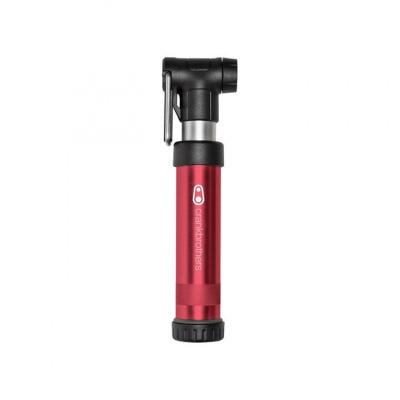
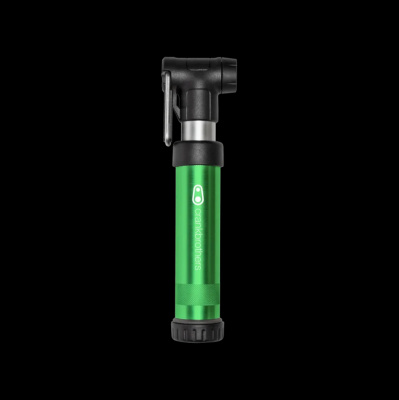
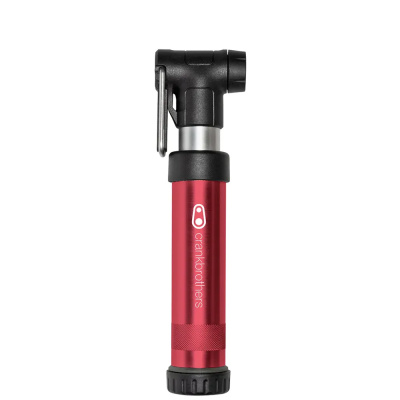
The Crank Brothers Gem series sidesteps this binary with its dual-stage switch. Flick it to High Volume mode to get air in quickly, then toggle to High Pressure once you're near your target to fine-tune without over-inflating. For riders who split time between a gravel bike and a hardtail, that versatility is genuinely useful rather than a marketing checkbox. Worth noting: neither a mini pump nor a Crank Brothers model is the right tool for rapid race-day inflation from zero - for that, look at Crank Brothers CO2 inflators and canisters or their track pumps for workshop use.
On valve compatibility: both the Klic and Gem series handle Presta and Schrader without an adaptor rattle. The Klic hose end is reversible and threaded, while the Gem uses a reversible internal rubber gasket and chuck inside the pump head. Either way, you're covered. If you're running tubeless and want a backup for sealant-clogged valves, pair the pump with a Crank Brothers tubeless repair and plug kit - saves having to bodge it with a twig.
Klic vs Gem: Where Each Model Sits
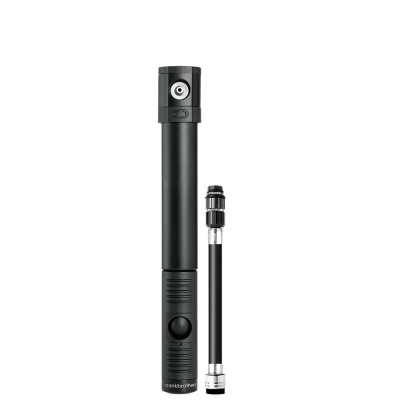
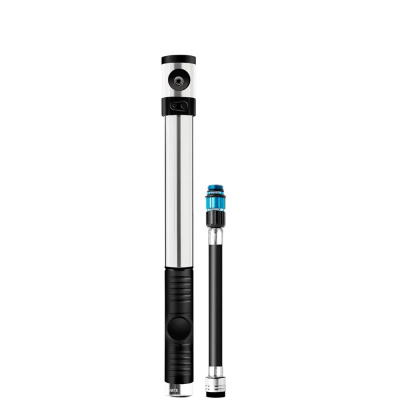
The Klic series is the premium option. The defining feature is the magnetic locking flexible hose, which stores concealed inside the pump handle when not in use. Pull it out, thread it onto your valve, then click the magnetic collar onto the pump body - the hose locks on and stays put while you pump. That connection point matters more than it might seem. On a conventional direct-mount pump, every stroke transmits force directly through the pump head to the valve. On a Presta valve, particularly one that's already been stressed by a tubeless setup, that lateral movement is how you damage the core. The Klic removes that risk entirely.
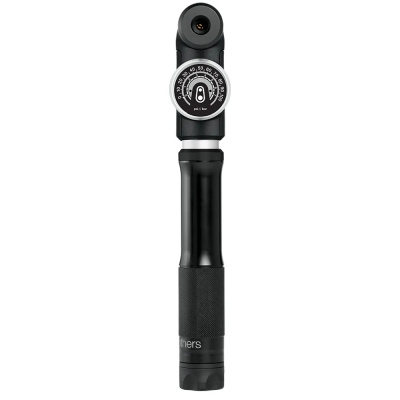
Higher-spec Klic models also include an inline PSI gauge, so you're not guessing at pressure by feel, and a hidden CO2 inflator integrated into the handle cap. That concealed CO2 head is a neat piece of design - one tool does two jobs without the bulk of carrying separate kit. If you're the sort of rider who logs long days in the Scottish Borders and needs genuine redundancy in your pack, the Klic HP or HV with the integrated CO2 is worth the extra spend.
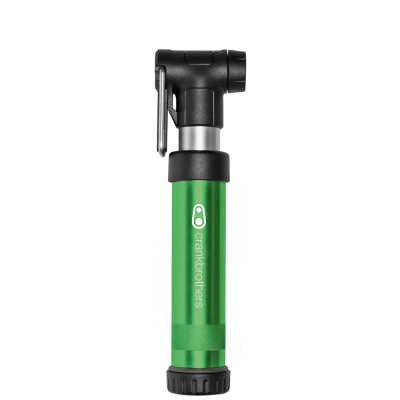
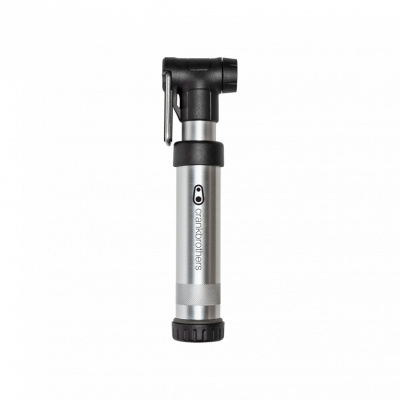
The Gem series is the workhorse. No hose, no gauge, direct-mount head - but the dual-stage High Volume/High Pressure toggle switch is patented and legitimately clever. It's the better choice for riders who want one pump that covers both a hardtail and a road bike without overthinking it. The frame mounting bracket means you can bolt it to your downtube and forget about it until you need it. Compared to something like a OneUp mini pump, the Gem is bulkier but the HV/HP toggle gives it a functional edge for mixed-use riders. SKS offer competitive direct-mount options too, but the Gem's switch mechanism sets it apart.
Keeping Them Working Through a UK Winter
British trail conditions are genuinely hostile to pump mechanisms. Wet grit works into threads, magnetic surfaces attract ferrous muck from Peak District limestone trails, and dried mud locks switches in place. None of this is catastrophic, but a pump that fails to connect at 4pm in January on a Welsh hillside is worse than useless.
On the Klic series, the magnetic collar that locks the hose onto the pump body is brilliant in use but does pick up ferrous grit from muddy rides. Before you click it into place, wipe both the collar and the mating surface with a cloth - even a bit of jersey will do. Grit on that joint will score the O-ring over time, and a scored O-ring means air loss mid-stroke. Keep a puncture kit handy as a belt-and-braces backup regardless.
For the Gem, the dual-stage switch needs to move freely to work. Dried mud from a Surrey Hills winter ride can stiffen it enough that you end up pumping on the wrong setting without realising. A quick rinse after muddy rides and a check that the switch clicks cleanly between positions takes ten seconds and saves a trailside headache.
On both models, the main plunger O-ring benefits from occasional attention. Unthread the collar, apply a small smear of silicone grease - not lithium-based, not petroleum jelly, silicone specifically, which won't swell the rubber - and the pump will maintain a proper air seal through cold, wet months when dried-out rubber is at its worst. It's the sort of thing you do once and then forget about for a season. Check the Crank Brothers tools range if you're building out a proper trail maintenance kit alongside it.
Crank Brothers Mini Pumps FAQs
How do you use a Crank Brothers Klic mini pump?
Pull the flexible hose from inside the pump handle and thread it onto your valve stem. Once it's seated, click the magnetic end of the hose onto the pump body - it locks firmly in place - and pump normally. The magnetic connection keeps the hose stable so you're not stressing the valve with each stroke.
Should I get a high volume or high pressure mini pump?
Go High Volume for MTB and gravel tyres - it moves more air per stroke and gets a large tyre usable quickly, up to around 60 PSI. Go High Pressure for road bikes, where you need to hit 100 PSI or more without exhausting yourself. If you ride both, the Gem's dual-stage switch covers both modes in one pump.
Can Crank Brothers mini pumps do both Presta and Schrader valves?
Yes, both series are dual-compatible without adaptors. The Klic series uses a reversible threaded hose end - flip it for the valve type you need. The Gem series has a reversible internal rubber gasket and chuck inside the pump head. Either way, no loose adaptors to lose on the trail.