
Crank Brothers Track Pumps
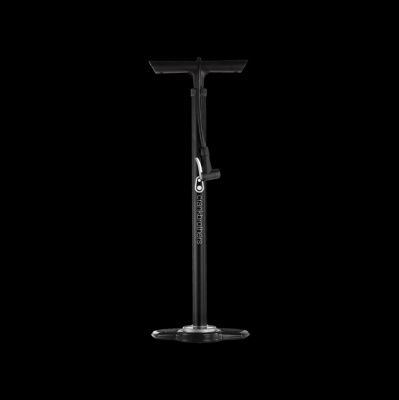
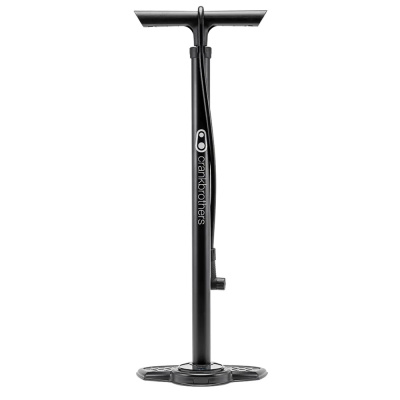
Crank Brothers track pumps do something most floor pumps don't bother with: they make the whole inflation process genuinely less annoying. The Klic system sits at the heart of the range - a magnetic hose that stows inside the pump body and clicks onto an exterior collar rather than flopping around your shed floor. No untangling, no fumbling with valve connections when your hands are cold and your gloves are still on from the commute home.
The range splits into high-volume and high-pressure models, so whether you're seating a fresh set of tubeless MTB tyres or dialling in a road bike to the last psi, there's a pump built for the job. The Burst Tank models go further still, letting you charge a removable canister to seat stubborn tubeless tyres at home without needing a compressor. That's a proper workshop tool, not a gimmick.
Aluminium construction handles life in a damp UK garage better than most, and the ergonomic handles make light work of a full pump stroke. Digital or analogue gauge? That depends on how precise you need to be. We've laid out the full range below so you can find the right one for your setup.
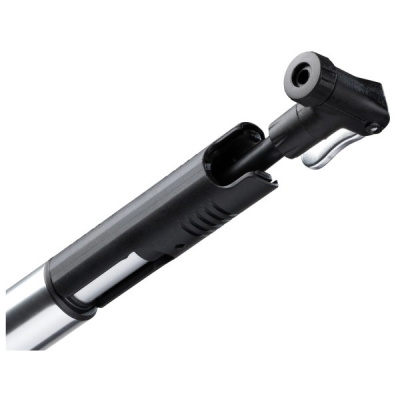
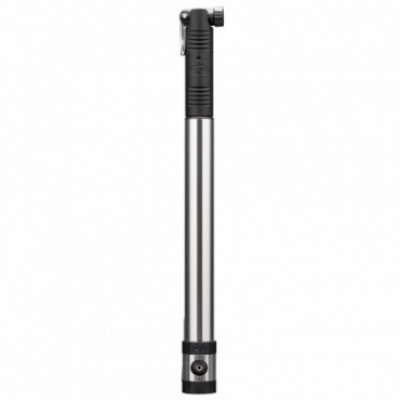
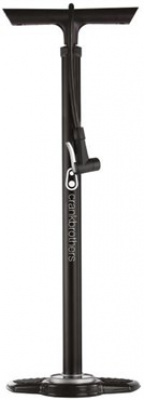
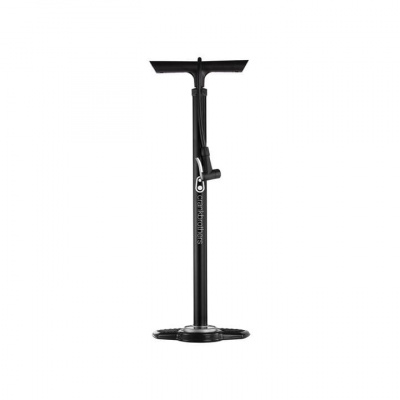
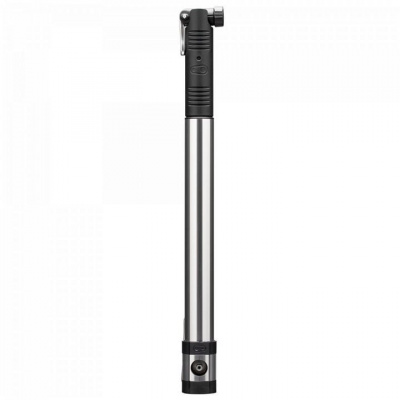
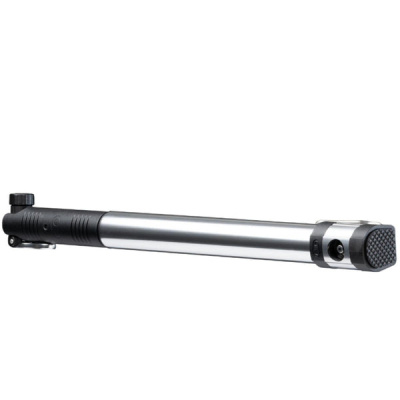
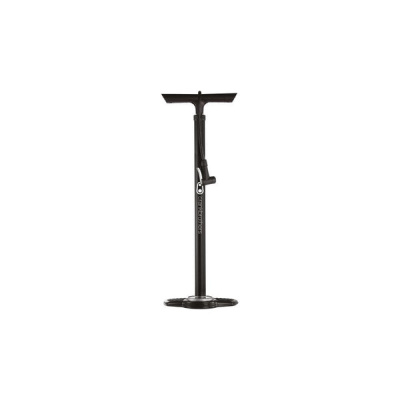
Prices and availability can change quickly. Delivery charges are not always included in listed prices.
Final price, stock status and delivery terms are set by retailer. We may receive a commission on purchases made.
Valve Compatibility and Choosing the Right Pump Volume
Every Crank Brothers Klic pump head runs a reversible internal chuck that handles both Presta and Schrader valves without any adapter faff. To switch, unscrew the faceplate of the pump head, flip the rubber grommet and plastic pin, then reassemble. Takes about 30 seconds. Dead simple, and worth knowing before you're staring at a road bike valve after a winter of MTB use.
Where it gets more interesting is the split between High Volume (HV) and High Pressure (HP) models. HV pumps move a bigger column of air per stroke - exactly what you want when you're inflating a 2.4-inch MTB or gravel tyre, where you need volume fast and the pressure ceiling sits around 60 - 80psi. HP models are built for narrower road and gravel tyres that need precise pressure up to 160psi, delivering smaller strokes with a tighter gauge reading. Running the wrong type doesn't break anything, but an HP pump on a chunky MTB tyre turns a two-minute job into a ten-minute slog.
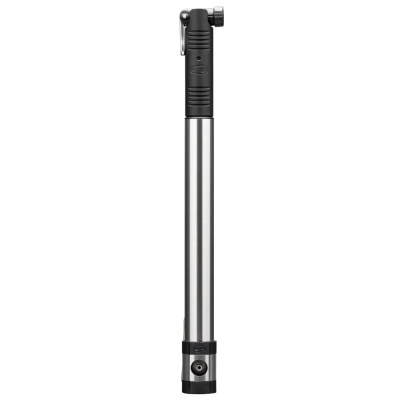
If you're running tubeless - and most UK riders on gravel and trail bikes are these days - the HV models pair naturally with the Burst Tank system. On-the-trail inflation is a different conversation entirely: for that, Crank Brothers Mini Pumps or Crank Brothers Co2 Inflators and Cannisters are what you're after.
Breaking Down the Klic Floor Pump Range
The Klic lineup climbs in three clear steps, and the differences are practical rather than cosmetic. The entry point is the analogue gauge model - a large-dial floor pump with the magnetic hose system and solid aluminium barrel. The gauge reads accurately enough for most riders, and the hidden tripod base (three fold-out legs that tuck flush for storage) keeps it upright on uneven garage floors without drama. It's the workhorse of the range.
Step up to the digital gauge model and you get a backlit display reading to a single psi - worth it if you're running road tubeless or experimenting with tyre pressure setups where a 2psi difference actually changes how the bike handles. The Crank Brothers Klic Floor Pump analog vs digital debate usually comes down to this: analogue is fast and reliable with no battery to worry about; digital gives you the precision to be methodical about pressure drops over time.
The Burst Tank models are the standout. The removable canister charges to 160psi using the floor pump itself, then releases in one rapid dump when you flip the lever. That sudden high-volume burst drives the tyre bead onto the rim shelf in a way that steady hand-pumping simply can't replicate - it's the difference between a tyre that seats first time and one that's still burping sealant after three attempts. For anyone doing regular tyre swaps between summer and winter rubber, or fitting fresh tubeless setups at home, the Burst Tank removes the need for a workshop compressor. If you're comparing alternatives, Lezyne track pumps and Topeak track pumps both offer burst-style tubeless solutions, but the Klic magnetic hose system is a genuine differentiator in daily use.
Pair any of the Burst Tank pumps with Crank Brothers tubeless repair and plug kits and you've got a complete home tubeless setup that covers seating, sealing, and roadside repairs.
Keeping a Crank Brothers Pump Running in a UK Garage
British garages are not kind to precision tools. Unheated, often damp, and regularly gritty from bikes coming in off muddy Peak District descents or Welsh trail centre runs - it adds up. The aluminium barrel resists the surface corrosion that kills cheaper pumps, but the Klic system needs a bit of attention to stay performing.
The magnetic hose collar is the one area that repays cleaning. Grit works into the collar gap over time and compromises the airtight seal - you'll notice it as a slight pressure loss on connection. A wipe with a damp cloth every few months, or more often if you're pumping up after every muddy ride, keeps the seal clean and the connection positive. It takes ten seconds.
The main plunger O-ring is worth a drop of silicone grease once a year. You'll feel the difference immediately - strokes get lighter and the pump stops that slightly sticky, dragging sensation it develops when the seal dries out. Don't use petroleum-based grease; it degrades rubber seals faster than it helps them.
For Burst Tank owners, keep the canister valve threads clean and dry. Sealant residue from tubeless setups can migrate onto the threads and cause pressure leaks when the tank is charged. A quick wipe of the valve threads after any tubeless session keeps everything sealing properly. The digital gauge battery - a standard CR2032 coin cell - will last a couple of years under normal use, so it's not a regular maintenance item, but it's worth keeping a spare in your kit bag rather than discovering it's dead mid-setup. If you're building out a home workshop, Crank Brothers puncture kits are a sensible addition alongside the pump.
For riders who want to see how the Klic range sits against the broader market, Park Tool track pumps and Silca track pumps are the natural points of comparison at the precision end - both excellent, both with their own engineering approaches, and both worth a look if gauge accuracy and long-term durability are your primary concerns.
Crank Brothers Track Pumps FAQs
How does the Crank Brothers Klic tubeless tank work?
Charge the removable canister to 160psi using the floor pump itself, then flip the release lever to dump the air in one fast burst. That sudden rush of high-volume air forces the tyre bead onto the rim shelf - exactly what's needed to seat stubborn tubeless tyres without reaching for a compressor.
Are Crank Brothers track pumps compatible with Presta and Schrader?
Yes. The Klic pump head uses a reversible internal chuck. Unscrew the head faceplate, flip the rubber grommet and plastic pin inside, then reassemble. That's it - you're switched between Presta and Schrader. No separate adapters needed, and it takes under a minute.
How do you replace the battery in a Crank Brothers digital gauge?
The digital gauge runs on a standard CR2032 coin cell. Carefully unscrew the back panel of the gauge unit, slide out the old battery, and fit the new one. CR2032s are available in any supermarket or hardware shop, so it's never an urgent problem to solve.