
Topeak Track Pumps
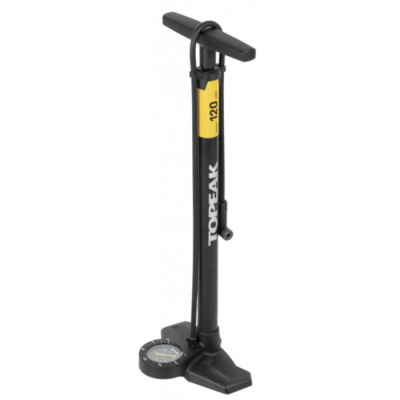
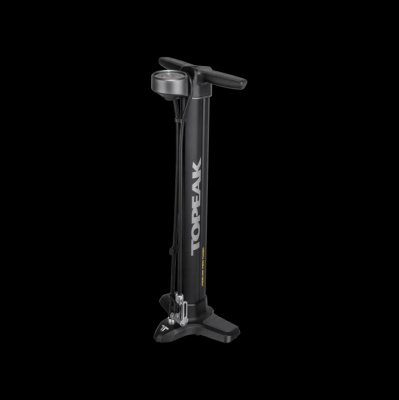
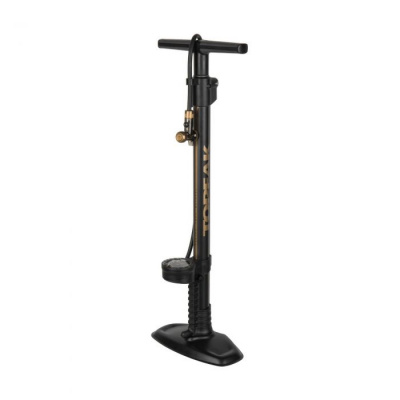
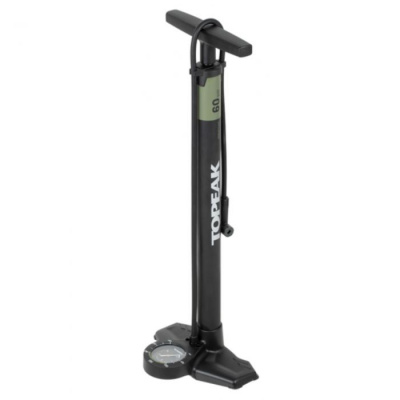
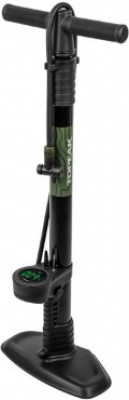
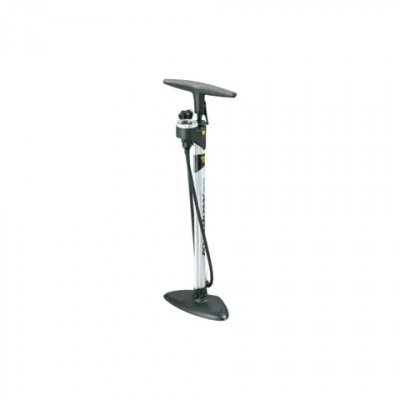
Topeak track pumps have earned their place in workshops and garages across the UK by doing one thing consistently well: getting air into tyres quickly, accurately, and without drama. The JoeBlow series in particular has become the floor pump most riders reach for without thinking twice - and that trust isn't accidental. Topeak's SmartHead technology auto-adjusts between Presta and Schrader valves without fiddling with adaptors, while TwinTurbo Technology compresses air on both the push and pull strokes, cutting inflation time roughly in half. These aren't gimmicks - they're features you'll appreciate at 7am before a club run when your fingers are cold and the clock is ticking.
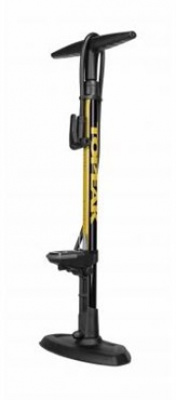
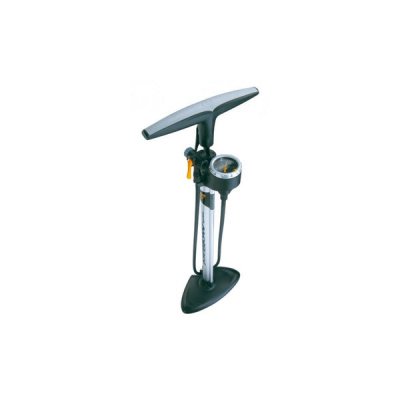
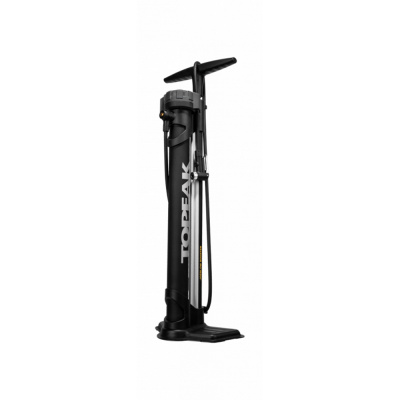
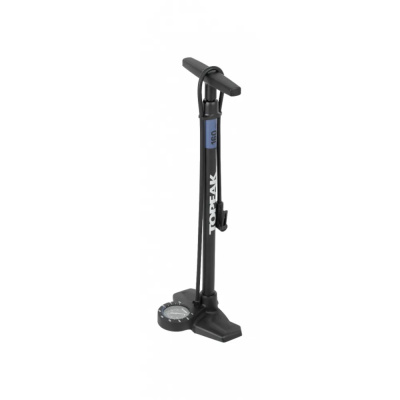
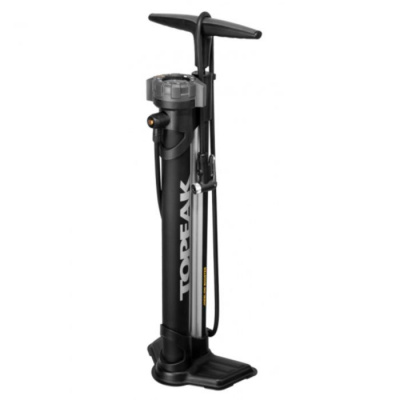
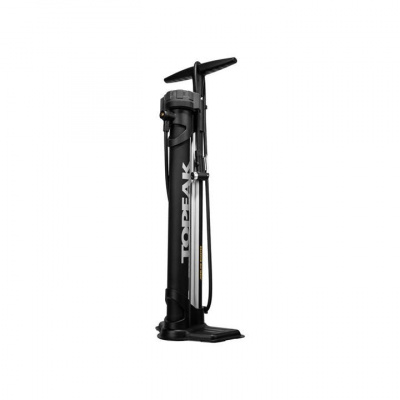
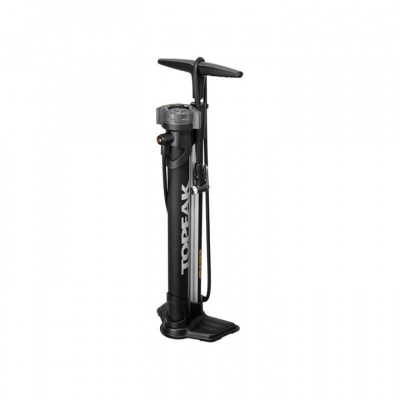
Across the range you'll find pumps built for different jobs: high-pressure road models capable of pushing past 160 PSI, high-volume versions suited to MTB and gravel, and the JoeBlow Booster with its integrated charge cylinder for seating stubborn tubeless beads. Heavy-duty steel barrels, wide stable bases, and large pressure gauges are standard on the mid-range and above. If you need automated inflation for travel or race-day use, our Topeak Electric Pumps page covers that ground instead.
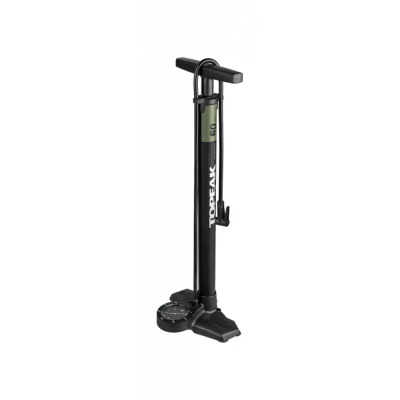
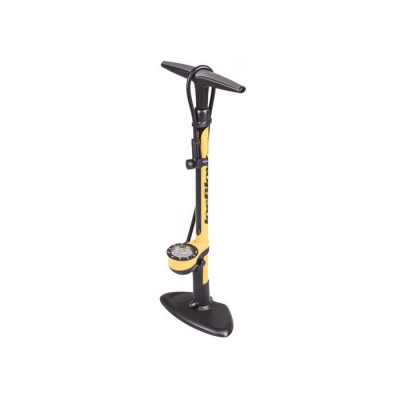
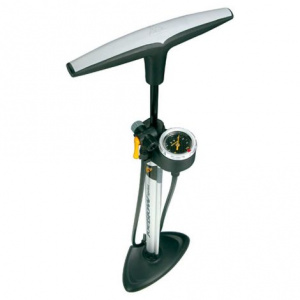
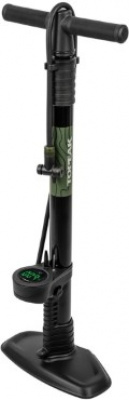
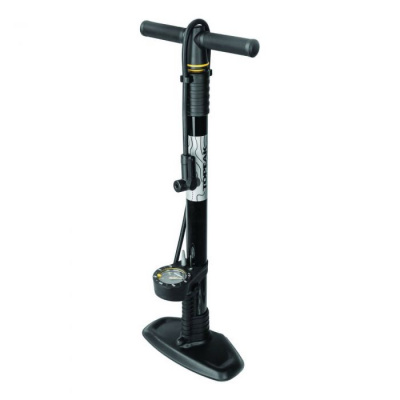
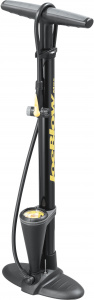
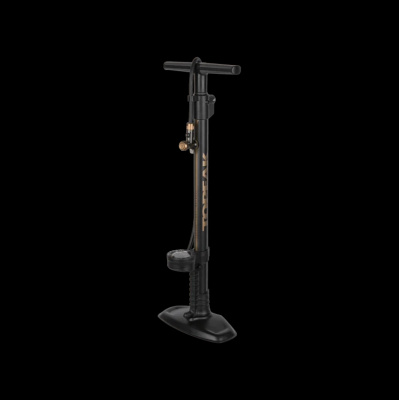
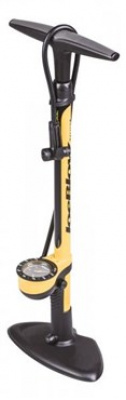
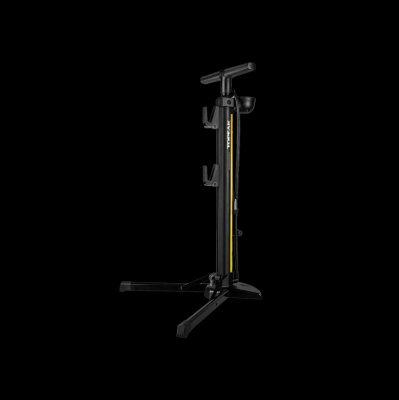
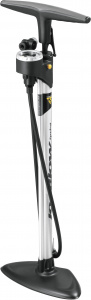
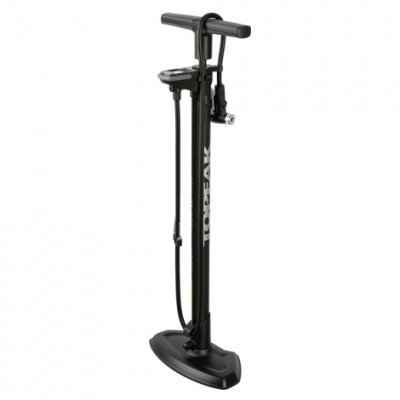
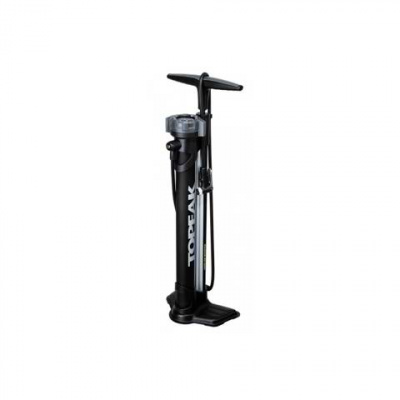
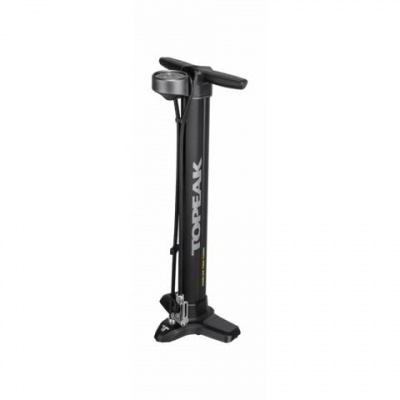
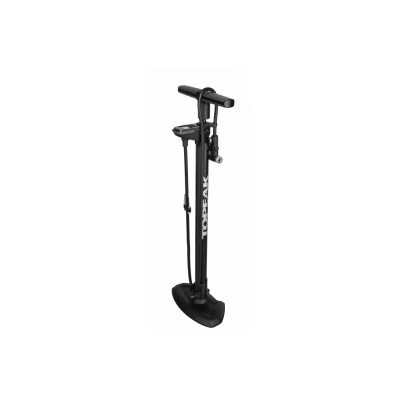
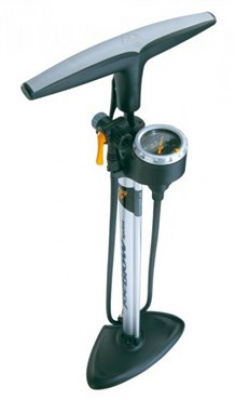
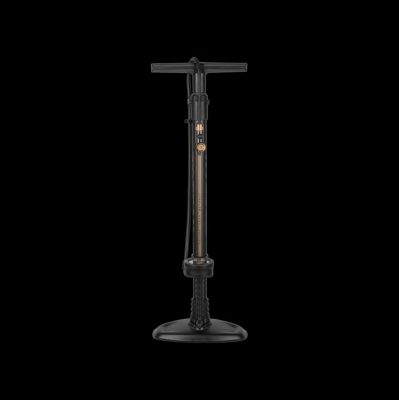
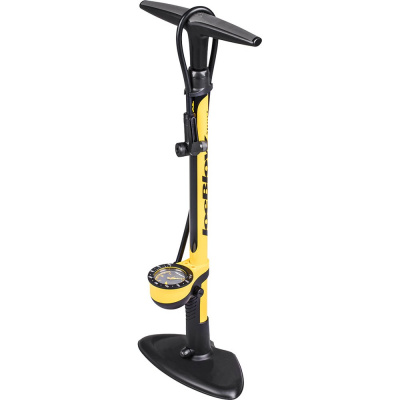
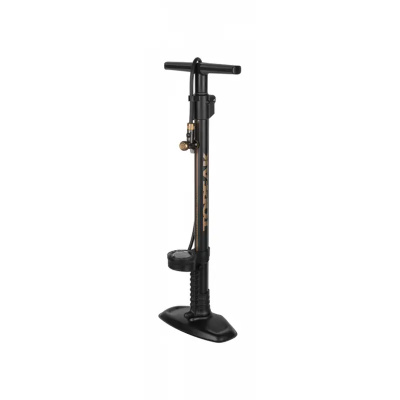
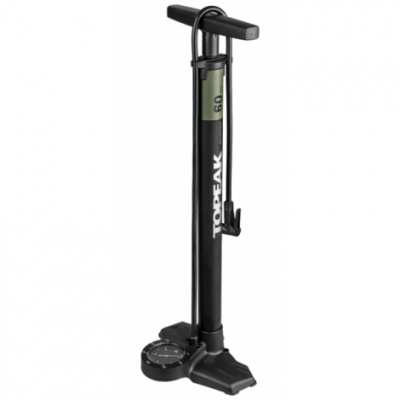
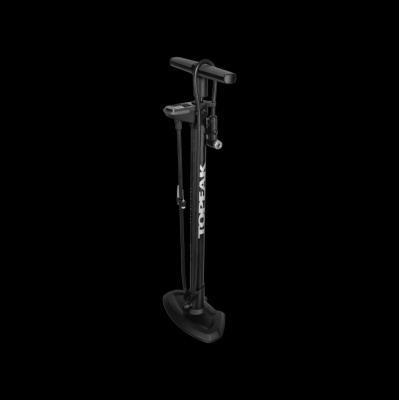
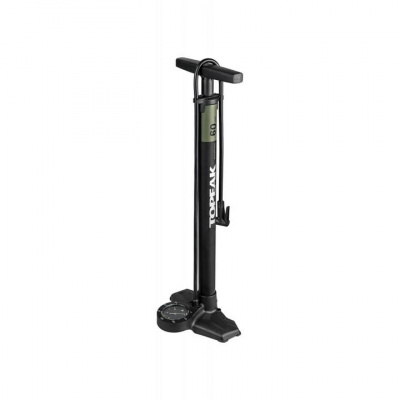
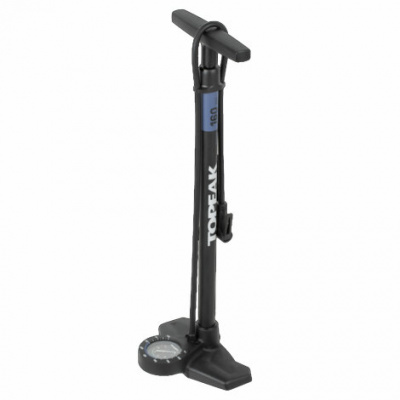
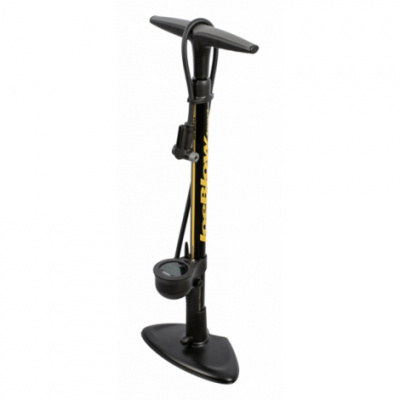
Prices and availability can change quickly. Delivery charges are not always included in listed prices.
Final price, stock status and delivery terms are set by retailer. We may receive a commission on purchases made.
SmartHead vs TwinHead: Getting the Valve Connection Right
Topeak runs two distinct pump head systems across its floor pump range, and knowing the difference saves you a frustrating return. The SmartHead is the slicker of the two - push it onto any valve stem and the internal mechanism self-configures for either Presta or Schrader without swapping inserts or unscrewing a collar. Flip the locking lever and you're sealed and ready. It's the kind of detail that sounds minor until you've spent two minutes wrestling a conventional chuck onto a narrow Presta valve in fading light after a Peak District loop.
The TwinHead takes a dual-sided approach instead, with each face of the chuck machined for a different valve standard. It's a proven design - no moving internals to wear out - and it suits riders who prefer mechanical simplicity over automation. Neither head is objectively better; it comes down to how much you value speed versus robustness.
Beyond the head, think about what you're actually inflating. Road tyres running 90 - 120 PSI need a pump with a narrow, high-pressure barrel - more stroke effort per push, less volume moved, but precise. MTB and gravel setups running lower pressures need the opposite: a wider bore that shifts more air per stroke so you're not standing there pumping forever. The air bleed button found on most mid-range and premium JoeBlow models lets you release small amounts of air to dial in exact pressures - genuinely useful when you're trying to hit 23 PSI for a sloppy winter ride rather than eyeballing it. Always wipe your valve clean before attaching the head; grit from a muddy trail transfers straight into the rubber seals and quietly destroys them.
Which JoeBlow Model Actually Fits Your Needs?
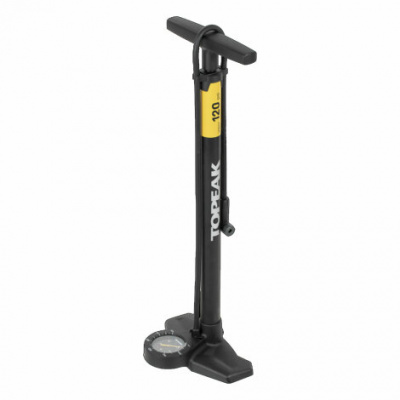
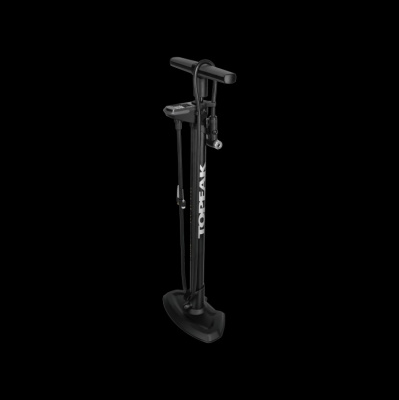
The JoeBlow range spans from honest entry-level tools to workshop-grade floor pumps, and the differences are more than cosmetic. At the base of the range, the JoeBlow Max gives you a plastic base, a functional analogue gauge, and reliable inflation for riders who want a straightforward pump at a sensible price. It does the job. It's not going to tip over on a smooth floor though, so keep that in mind if your garage surface isn't perfectly flat.
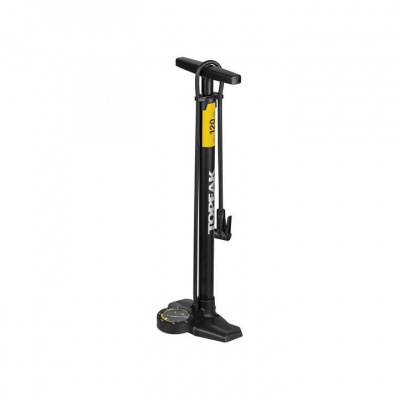
Step up to the JoeBlow Sport and you get a steel base that sits planted, an oversized gauge that's actually readable across the garage, and a longer hose length that means you're not hunching awkwardly over the tyre. This is where the range starts to feel genuinely workshop-standard rather than consumer-grade. Compared to what SKS track pumps offer at a similar level, the Sport holds its own on gauge accuracy and head quality.
The JoeBlow TwinTurbo introduces TwinTurbo Technology - air is compressed on both the downstroke and the upstroke, which cuts the strokes needed to reach pressure by around half. If you're running a road bike at 100 PSI-plus every morning, that's a meaningful difference in effort over a week. It's also a good shout for anyone with shoulder or wrist niggles who finds high-pressure pumping uncomfortable over time.
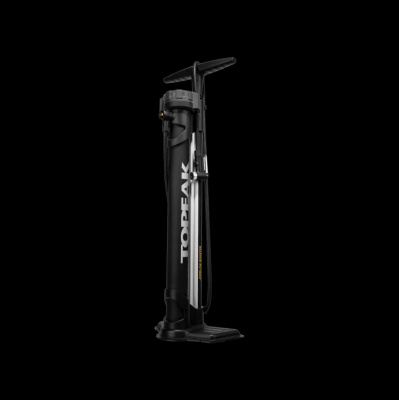
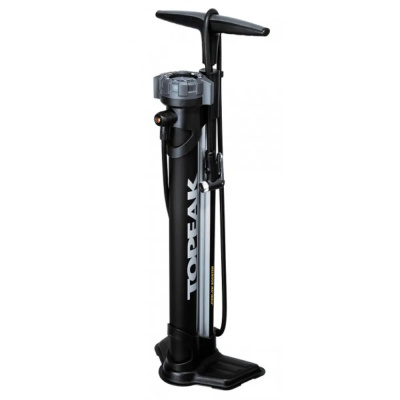
At the top sits the JoeBlow Booster, Topeak's answer to the tubeless seating problem. The integrated aluminium air chamber works like a mini compressor tank built into the pump body - you pressurize the chamber first, then release the stored air in one rapid burst that drives the tyre bead home. Standard floor pumps, including the Sport, can seat some tubeless setups on well-matched rim and tyre combinations, but for tight-fitting MTB tyres or wider gravel setups, the Booster removes the guesswork entirely. It's the kind of tool that pays for itself the first time it saves you dragging a wheel to a petrol station forecourt. If you're comparing options, Lezyne track pumps and Silca track pumps both offer high-end alternatives, but neither integrates a tubeless charge cylinder at the same price point as the Booster.
What you're actually paying for as you move up the JoeBlow hierarchy: rebuildable internals, longer hoses, heavier tip-resistant bases, and better gauge accuracy. Park Tool track pumps follow a similar philosophy of serviceability over replacement, and Topeak matches them here - you can swap a worn seal or plunger without binning the whole pump.
UK Conditions and Keeping Your Pump Working Long-Term
Most UK cyclists store their pump in an unheated shed or garage. That's fine - these pumps are built for it - but damp, cold air does have consequences worth knowing about. Condensation inside analogue gauge dials is the most common problem: over months, moisture works into the gauge housing and the needle starts giving inaccurate readings or sticking. It won't ruin the pump, but you'll stop trusting the number it gives you, which defeats the point of having a good gauge in the first place. Keeping the pump off a concrete floor (where moisture wicks up fastest) and giving the gauge a wipe-down occasionally helps.
The bigger risk is grit. Winter riding in the UK means valves caked in road salt, mud, and general filth - especially if you've been out on wet lanes or through a muddy Suffolk bridleway. Push a dirty valve straight into the pump head and you're grinding that debris into the rubber O-rings and grommets inside the SmartHead. They wear out anyway with use, but dirty valves accelerate the process significantly. A quick wipe with a rag before connecting takes two seconds and extends the head's life considerably.
The good news is that Topeak track pumps are fully rebuildable. When the SmartHead grommet eventually gives up - and it will, after enough use - a replacement seal kit costs a fraction of a new pump and takes about five minutes to fit. Same goes for the main plunger seal: once it starts letting air past on the compression stroke, a rebuild kit restores it to new. This is worth factoring into your buying decision - a higher-spec JoeBlow with replaceable internals works out cheaper over five years than replacing budget pumps every eighteen months. If you're setting up a complete workshop, Topeak's storage and carry range pairs well, and their skewer range is worth a look while you're at it.
Topeak Track Pumps FAQs
How do I use the Topeak SmartHead on a Presta valve?
Push the SmartHead firmly down onto the Presta valve stem - the internal mechanism adjusts automatically, no adaptors needed. Once it's seated squarely, flip the locking lever upward to create an airtight seal, then start pumping. If it's leaking around the connection, the head isn't fully seated; remove it, check the valve is straight, and reseat.
Can a Topeak JoeBlow seat tubeless tyres?
Some tubeless setups will seat with a standard JoeBlow Sport, particularly on road or gravel rims with a good bead-to-rim fit. For tighter MTB tyre and rim combinations, you really want the JoeBlow Booster - its integrated aluminium air chamber releases a rapid burst of pressurised air that drives stubborn beads home where a standard pump simply can't build flow fast enough.
Why is my Topeak track pump leaking air at the valve?
Nine times out of ten it's a worn or grit-damaged rubber grommet inside the pump head. Dirty valves are the main culprit - grit works into the seal over time and stops it closing cleanly around the valve stem. Pick up a Topeak rebuild kit, swap the O-ring out, and you're back to a perfect seal without replacing the whole pump.