
Oneup Mini Pumps
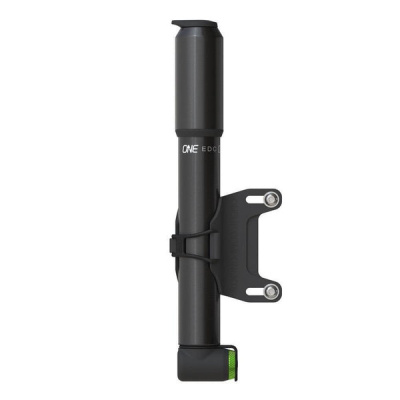
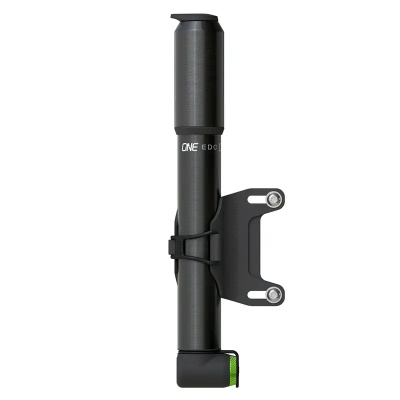
OneUp Mini Pumps are the rare piece of trail kit that actually earns their place on the bike rather than just adding to the clutter. CNC machined from high-grade aluminum, they push serious air volume per stroke - enough to seat a stubborn tubeless tyre on the side of a Welsh trail centre without a CO2 canister in sight. That alone would make them worth a look, but the real trick is the hollow shaft. Both the 70cc and 100cc models are designed to swallow the OneUp EDC tool system whole, turning your pump into a discreet carry solution for a multi-tool, chain breaker, and tyre plugs. No bulky pack required.
The Fast-On Head snaps straight onto a Presta valve - no threading, no fumbling with a lever when your hands are cold and caked in Peak District mud. Sealed internals keep grit out of the CNC shaft, which matters more than it sounds after a winter in the UK. If you've ever ruined a cheap pump by letting the British drizzle do its work over six months, you'll appreciate the engineering here. Two models, one clear-headed decision to make. We'll walk you through it.
Prices and availability can change quickly. Delivery charges are not always included in listed prices.
Final price, stock status and delivery terms are set by retailer. We may receive a commission on purchases made.
Fitting the EDC System: Compatibility and Frame Mounting
Both OneUp pump models are Presta-only. The Fast-On Head is a push-on design - you press it onto the valve, it locks, and you pump. There's no Schrader compatibility and no adaptor in the box, so if you're running tubes with a Schrader valve on a second bike, this isn't your pump. For tubeless MTB setups running Presta, though, the Fast-On Head is genuinely faster to attach than a threaded alternative, particularly when you're wearing gloves.
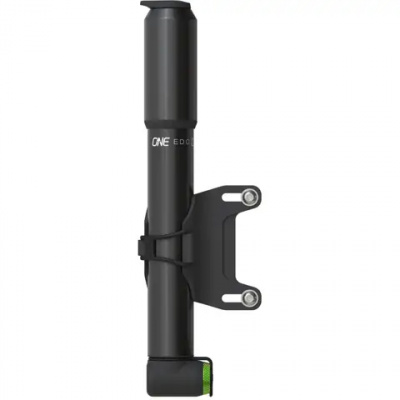
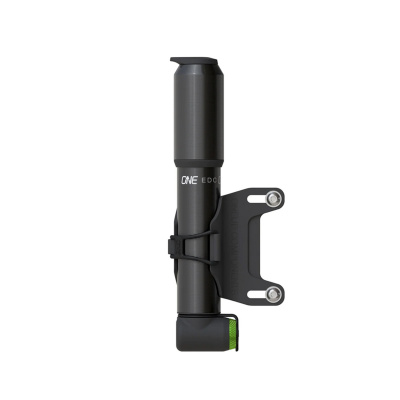
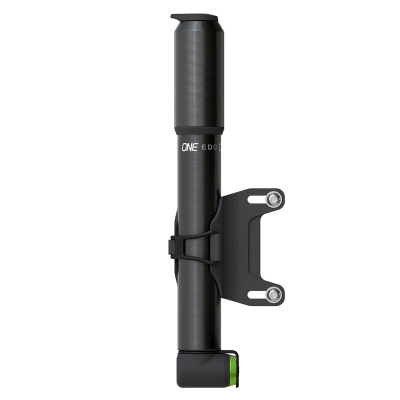
The pump ships with a dedicated frame bracket that bolts directly into standard 64mm bottle cage boss spacing. Crucially, the bracket is offset, so you can run a water bottle cage and the pump on the same set of frame bosses simultaneously - useful on frames with only one set of mounts. The pump shaft is hollow and sized to accept the OneUp EDC tool system, so it doubles as a carry solution without adding a separate pouch or pack. For the actual multi-tools and plug kits that slot inside, head to our OneUp Tools page. For spare O-rings, replacement brackets, and other pump-specific accessories, our OneUp Accessories page covers what you need.
70cc vs 100cc: Which OneUp Pump Suits Your Setup?
This is the decision most people overthink, but the differences are concrete enough to make the call straightforward. The 70cc pump measures 176mm and weighs 135g - it's the one that disappears into a hip pack or tucks into a tight frame triangle without argument. The trade-off is storage: it holds the EDC tool or a tyre plug kit, not both. You're choosing one or the other before you leave the car park.
The 100cc pump is 243mm long and weighs 160g. It pushes more air per stroke, which means faster tubeless seating when a tyre has fully burped on a rocky descent. More importantly, it's long enough to hold the EDC tool and the storage capsule simultaneously. If you're heading out on a long Scottish backcountry loop where a puncture and a mechanical on the same ride isn't an outlandish scenario, the 100cc gives you the full toolkit in one tube.
Frame clearance is the practical filter here. Measure the space in your triangle before ordering. If the 100cc fits, it's the more capable option for most riders. If you're on a smaller frame or want something that travels light on shorter blasts, the 70cc does the job cleanly. Neither is a compromise on air volume per se - the 70cc still seats tubeless tyres - but the 100cc does it in fewer strokes. Worth knowing if you've ever re-seated a 2.5-inch casing tyre on a cold morning with a knackered pump.
If you're weighing up alternatives, Lezyne mini pumps offer strong CNC construction with dual-valve heads, which suits riders who swap between Presta and Schrader regularly. Topeak mini pumps are a solid option if integrated storage isn't a priority and you want a wider range of sizes and price points. The OneUp range is narrower by design - it's built around a specific system, and if that system matches how you ride, there's nothing quite like it at this size.
Keeping It Running: Maintenance in UK Conditions
British riding does things to equipment that a dry Californian trail wouldn't. Abrasive grit suspended in winter mud is the main threat to any mini pump - it works into the shaft gap on cheaper models and scores the internals until compression drops off a cliff. OneUp's fully sealed internals are the answer to that, with the O-ring seal doing the work of keeping the CNC shaft clean and compression consistent across seasons.
That said, sealed doesn't mean maintenance-free. Every six months or so - more often if you're riding through Surrey Hills clay or Scottish moorland grit regularly - it's worth unscrewing the pump head, wiping the main shaft clean, and applying a light coat of silicone-based suspension grease or slick honey grease to the main O-ring. This keeps the seal supple and maintains full compression. Don't reach for WD-40 or a degreaser. Both will dry out and degrade the rubber, and you won't notice until the pump starts feeling spongy mid-ride.
Cold, wet hands are a real-world factor here too. The textured CNC machining on the pump body gives you something to grip even through wet gloves - a detail that sounds minor until you're trying to operate a smooth-barrelled pump at 4°C on a November ride in the Peaks. High-grade aluminum also resists the corrosion that UK rain accelerates on cheaper alloys, so the pump should look and perform as well in year three as it did out of the box, provided you keep the O-ring looked after.
If you're building out a full trail-ready setup around the OneUp system, the OneUp dropper posts are worth a look for the same reasons - consistent engineering, minimal faff. And if Crank Brothers mini pumps are on your shortlist, they're worth comparing for dual-valve compatibility, though they don't offer the integrated tool storage that makes the OneUp system distinctive.
Oneup Mini Pumps FAQs
What is the difference between OneUp 70cc and 100cc pumps?
The 70cc is shorter (176mm, 135g) and fits tighter spaces, but it holds either the EDC tool or a plug kit - not both. The 100cc (243mm, 160g) pushes more air per stroke for quicker tubeless seating and is long enough to carry the EDC tool and storage capsule at the same time.
Does the OneUp EDC tool fit inside the mini pump?
Yes. Both the 70cc and 100cc pumps have a hollow shaft built to house the OneUp EDC V2 Tool system. You don't need to thread your fork steerer to carry the tool - it lives inside the pump body. The 100cc also fits the storage capsule alongside the tool; the 70cc fits one or the other.
How do you mount a OneUp pump to a bike frame?
The pump includes a dedicated frame bracket that bolts into standard 64mm bottle cage boss spacing. The bracket is offset, so you can run a water bottle cage and the pump on the same set of bosses simultaneously - handy on frames with a single mount position.