
Topeak Mini Pumps
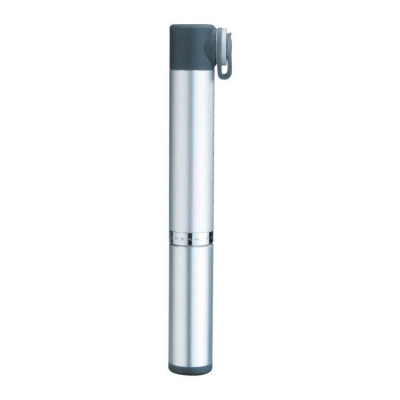
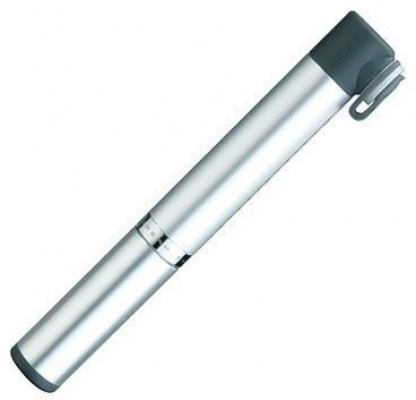
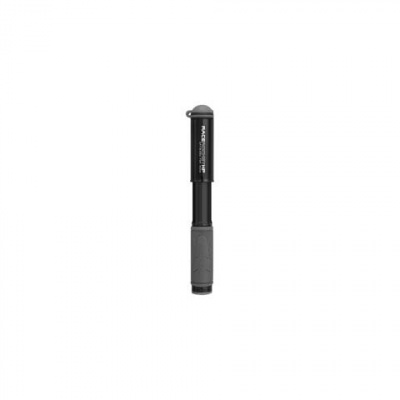
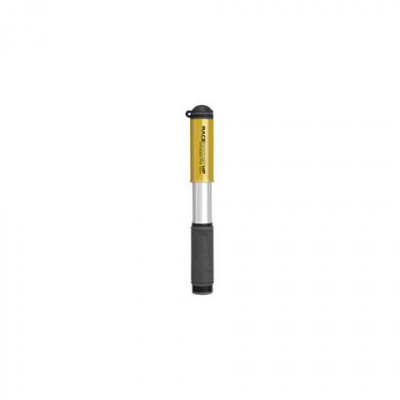
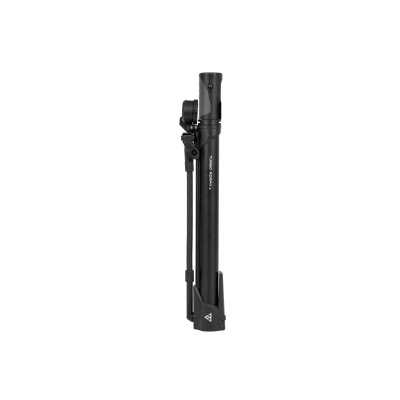
Topeak mini pumps have become the default shove-in-the-jersey-pocket choice for UK riders who know that a puncture on a wet B-road or a remote moorland track demands something that actually works first time. These aren't just compact cylinders - Topeak's engineering puts CNC aluminum construction, SmartHead auto-adjusting valve compatibility, and Dual-Action inflation technology into pumps that weigh next to nothing but punch well above their size. When your hands are numb and you're kneeling in a puddle on a January morning, the difference between a push-on chuck that plays nice with your Presta valve and one that strips the core is the difference between riding home and calling someone for a lift. Whether you're chasing 120 PSI into a road tyre or trying to get enough air into a 2.4-inch MTB casing to limp to the trailhead car park, Topeak has a pump sized and specced for the job. The range splits clearly between high-pressure options for road and high-volume designs for off-road use - browse below to match the right pump to your setup, valve type, and how much space you've got to carry it.





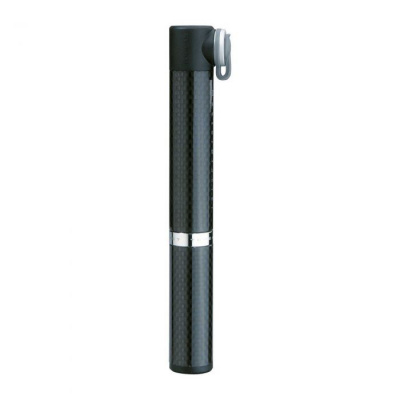
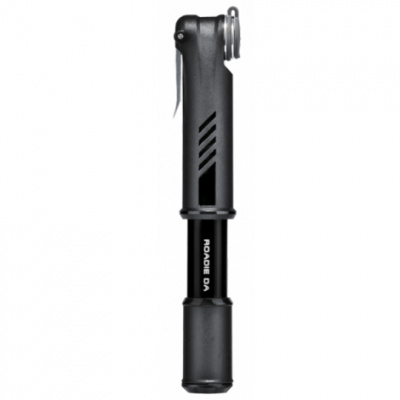
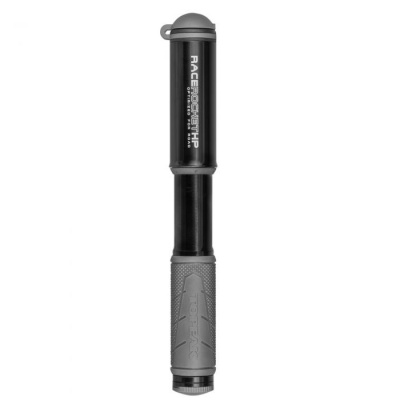
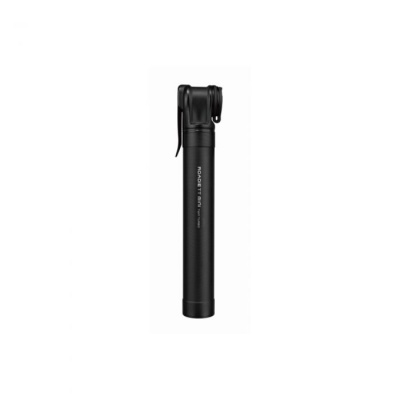

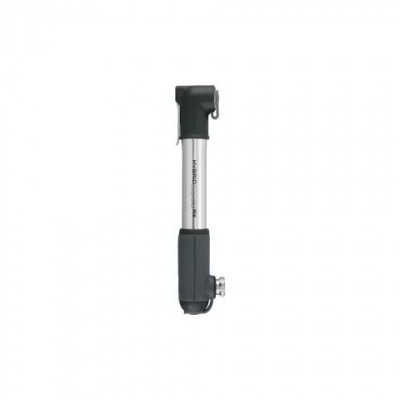
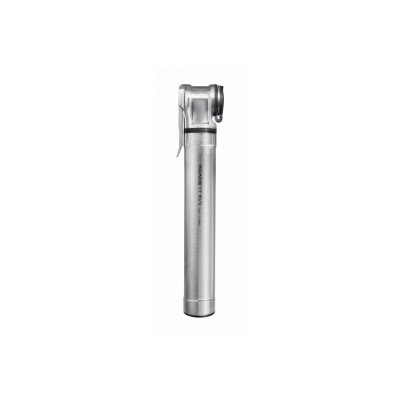
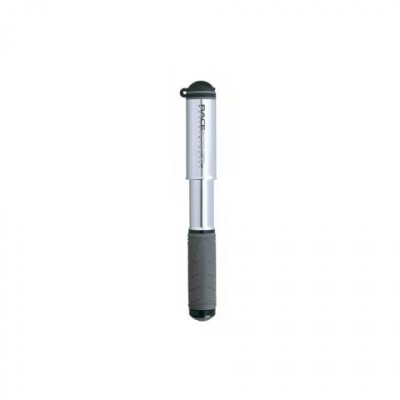
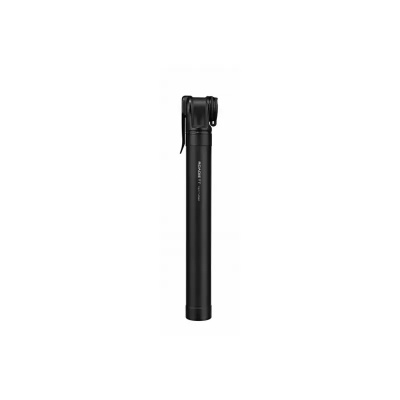
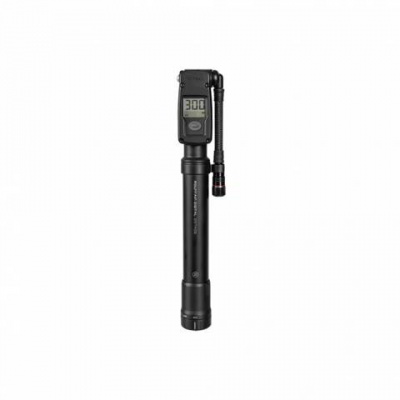
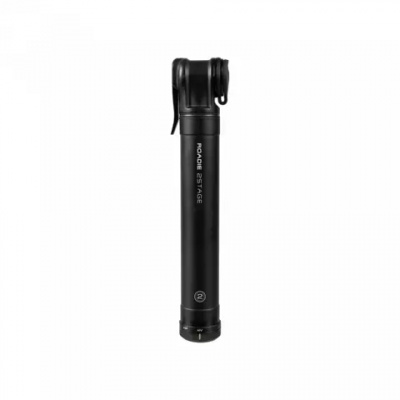
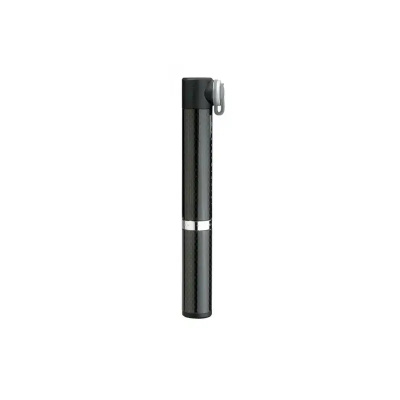

Prices and availability can change quickly. Delivery charges are not always included in listed prices.
Final price, stock status and delivery terms are set by retailer. We may receive a commission on purchases made.
High Pressure vs High Volume: Getting the Compatibility Right
The single most important question before you pick a Topeak mini pump isn't size or weight - it's what tyre you're inflating. High Pressure (HP) pumps use a narrower barrel that makes it physically manageable to push air to 90 PSI and beyond, which is exactly what a road or cyclocross tyre needs. High Volume (HV) pumps flip that logic: a wider barrel moves more air per stroke, so you're not standing there pumping for ten minutes to get a 2.4-inch MTB casing to a rideable 30 PSI. The trade-off is that HV pumps typically max out around 60 PSI - plenty for gravel and trail riding, not enough for a skinny road tyre.
Across most of the range, Topeak's SmartHead technology handles valve compatibility automatically. Push it onto a Presta or Schrader valve and the internal mechanism self-selects - no fiddling with reversible inserts, no losing a tiny rubber adaptor in the dark. On models with the SmartHead ThreadLock, there's also an extendable flexible hose that threads directly onto the valve, which is a genuinely useful feature when you're trying to get purchase on a deep-section rim or an awkward valve angle. If you're running a different inflation strategy altogether, check out our dedicated pages for Topeak Frame Pumps, Topeak Shock Pumps, or Topeak CO2 Inflators and Canisters.
Pocket Rocket, RaceRocket, Mountain TT: Which Tier Fits Your Kit?
Topeak's mini pump range isn't one-size-fits-all, and understanding where each model sits saves you from buying something that frustrates you on the road. Think of it in three tiers.
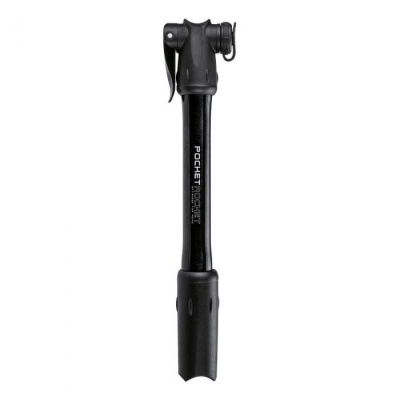
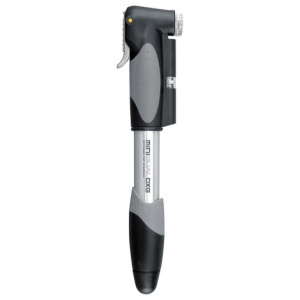
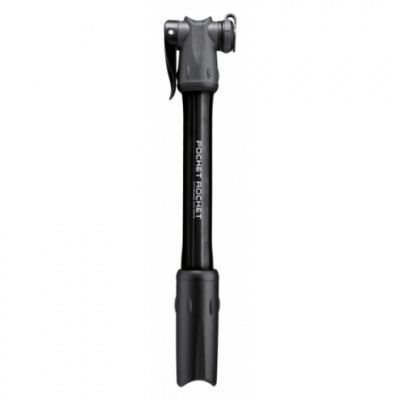
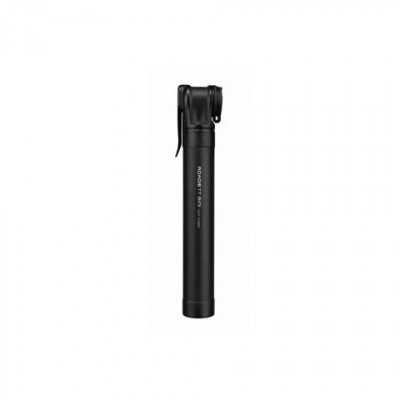
The Pocket Rocket is the entry point - compact, light, and perfectly honest about what it is. It's a no-frills emergency pump for riders who want something tucked in a jersey pocket or clipped to a frame without overthinking it. The push-on chuck is straightforward, PSI capacity is solid for road use, and the price reflects the simplicity. Fine for occasional mechanicals, less ideal if you're regularly dealing with cold hands and fiddly valves.
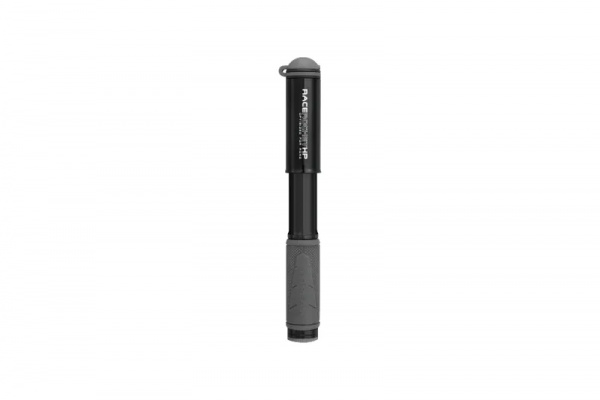
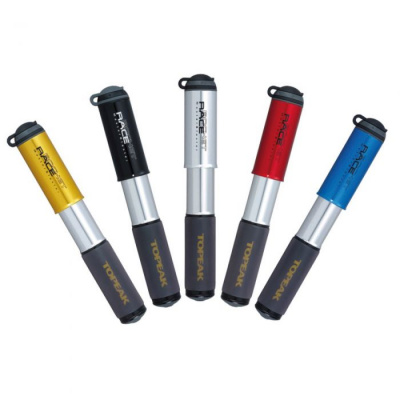
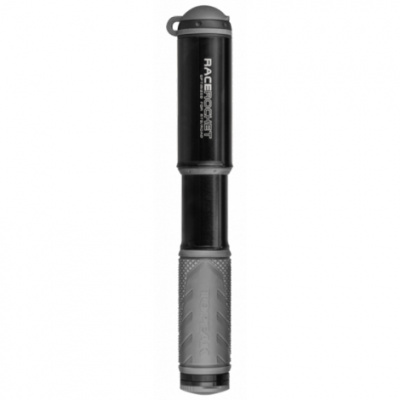
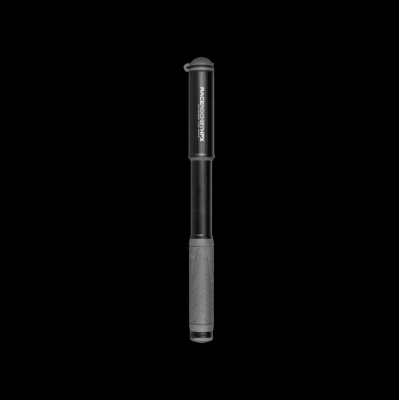
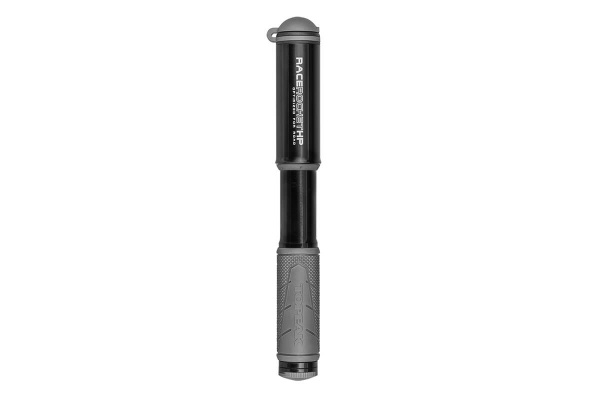
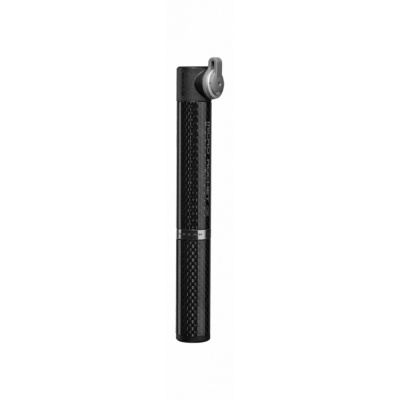
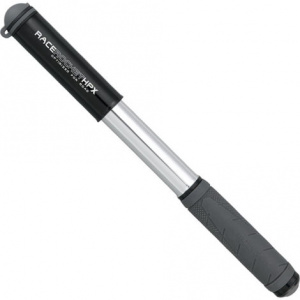
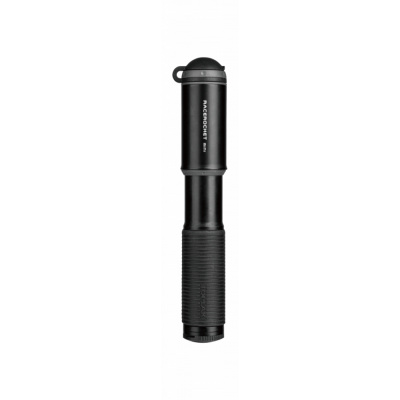
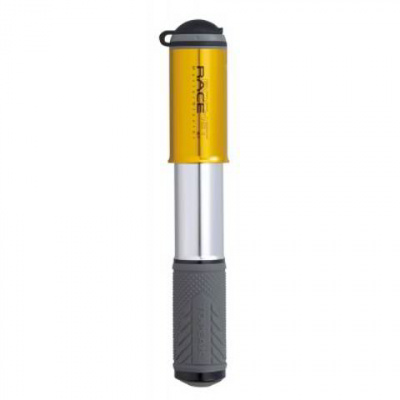
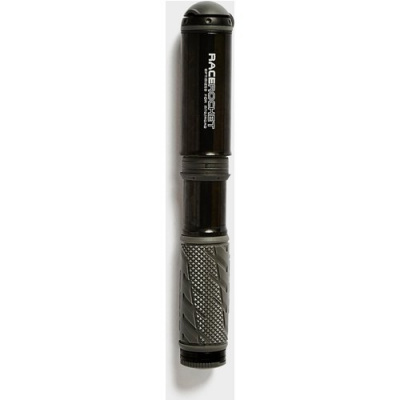
The RaceRocket steps up with CNC aluminum construction and, critically, the SmartHead ThreadLock flexible hose. That hose threads onto your valve rather than relying on a friction fit, which matters enormously on a January ride when your technique isn't at its smoothest. It's the pump most road and gravel riders should be looking at - refined enough for regular use, light enough that you won't feel it in a saddle bag. If you're comparing at this level, Lezyne and Silca both compete here with similarly premium alloy options, though Topeak's SmartHead integration keeps valve swapping straightforward where some rivals still require manual adjustment.
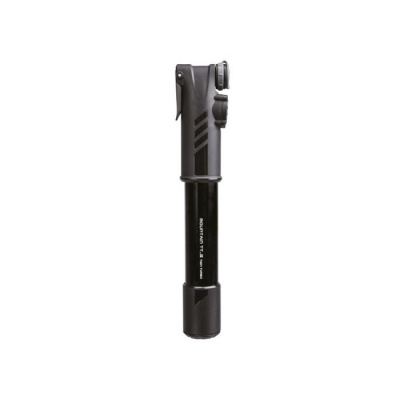
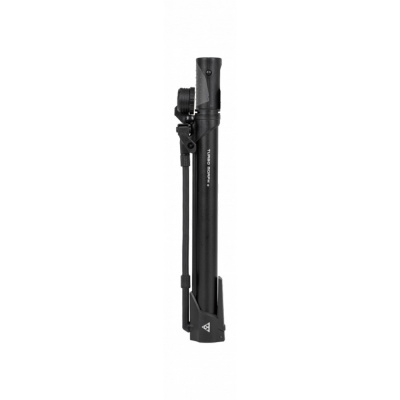
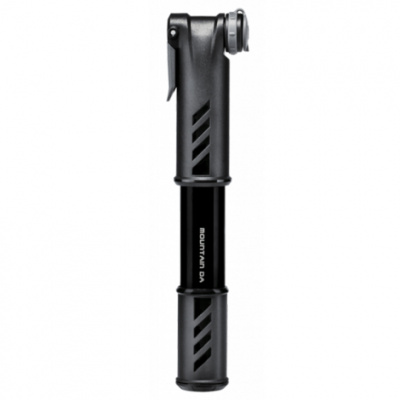
The Mountain TT is built for off-road volume work. It uses Topeak's Dual-Action (Twin Turbo) technology, which pushes air on both the push and pull strokes. That's not a marketing claim - it genuinely halves the number of strokes needed to inflate a large tyre, which you'll appreciate when you're trying to get a 29er back to pressure after a trail-side repair. It's heavier and bulkier than the road options, but for MTB use that's an entirely reasonable trade-off. Blackburn and Crank Brothers offer comparable dual-action designs if you want to comparison shop, but the Mountain TT's build quality is consistently well-regarded in test coverage.
Keeping Valve Cores Intact: What UK Riding Actually Demands
UK lanes - particularly the flint-heavy chalk downland of the South East or the thorn-strewn gravel tracks of the Welsh borders - mean punctures aren't rare events. You need a pump you can use reliably, not just one that looks good clipped to your frame. Cold, wet hands are the real enemy of a rigid push-on pump head. When you're shivering on a Peak District descent in November, a pump that requires you to hold a push-on chuck firmly against a Presta valve while simultaneously stroking creates a very specific failure mode: a snapped valve core. The ThreadLock hose on the RaceRocket series eliminates that problem by letting you thread on the chuck and use both hands for pumping.
Mud and grit ingress is the other thing worth thinking about. UK riding - especially anything off-road - covers pump heads in abrasive material that works its way into O-rings and degrades the seal over time. Topeak's integrated dust caps help, but it's worth wiping the pump head before use if you've been dragging it through a muddy trail bag. On tubeless setups, always check your valve core is finger-tight before unthreading the ThreadLock head, or use the integrated PCT Cap - Topeak's built-in valve core removal and tightening tool - to secure it first. Losing a valve core on a tubeless tyre is the kind of thing that ruins a ride fast.
Pair your pump with a Topeak Tubeless Repair Kit and a decent Topeak Saddle Bag to carry it all, and you've got a practical on-ride repair kit that handles most roadside scenarios. A set of Topeak Tyre Levers rounds that out for tubed setups. If you want to compare across brands before committing, SKS also produce well-made mini pumps with solid cold-weather performance worth a look at this level.
Topeak Mini Pumps FAQs
How do you use a Topeak mini pump on a Presta valve?
On SmartHead models, push the chuck straight onto the open Presta valve and flip the locking lever up to secure it - the head self-selects the correct setting automatically. If you're using a ThreadLock model, extend the flexible hose, select the Presta side of the chuck, and thread it clockwise onto the valve until it's finger-tight before you start pumping.
What is the difference between Topeak High Volume and High Pressure pumps?
High Volume (HV) pumps have a wider barrel that shifts more air per stroke, making them far more practical for inflating larger MTB or gravel tyres to lower pressures quickly. High Pressure (HP) pumps use a narrower barrel so you can physically push past 90 PSI - necessary for road tyres, but slower going if you're trying to fill a big casing.
Can a Topeak mini pump inflate a tubeless tyre?
Topping up a tubeless tyre that's already seated and holding air is no problem for any Topeak mini pump. Initially seating the bead is a different matter - that requires a sudden high-volume burst that a mini pump can't deliver, so you'll need a track pump with a built-in chamber, an air compressor, or a CO2 inflator for the first-time setup.