
Blackburn Mini Pumps
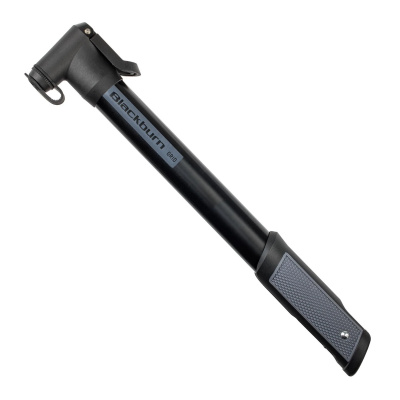
Blackburn mini pumps have one job: get you rolling again when a puncture hits somewhere cold, remote, and thoroughly inconvenient. That might be a January commute through salted city streets, a soggy Peak District loop, or the tail end of a big day on the South Downs - wherever it is, the last thing you want is a pump that fumbles on your valve type. Blackburn's AnyValve™ pump head removes that fumble entirely, automatically adapting to Presta, Schrader, and Dunlop valves without any internal grommet-flipping. Push it on, lock the lever, pump. Done.
The range splits clearly between high pressure (HP) models built for road tyres that need 100 PSI or more, and high volume (HV) options designed to shift enough air quickly to seat a chunky gravel or MTB tyre. All models feature an aluminum barrel that stays rigid under load and doesn't turn brittle in cold air the way cheaper plastic barrels can. Most come with a frame mount bracket so the pump travels on the bike rather than rattling around a jersey pocket. Backed by a lifetime warranty, these are pumps you buy once and forget about - until the moment you genuinely need one.
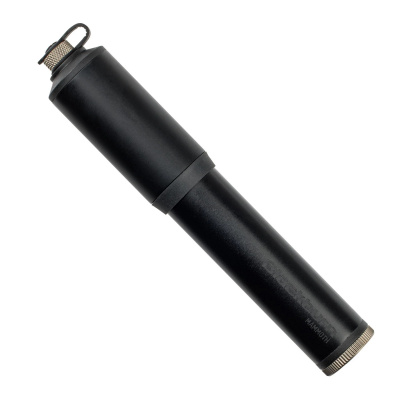
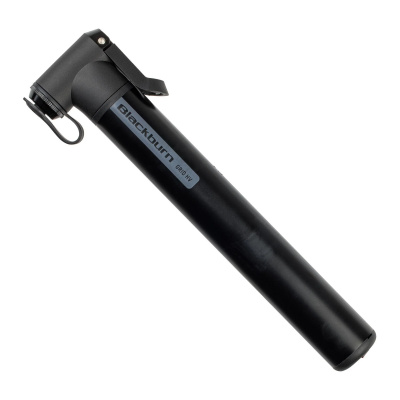
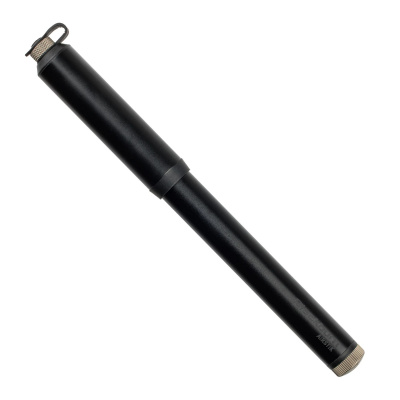
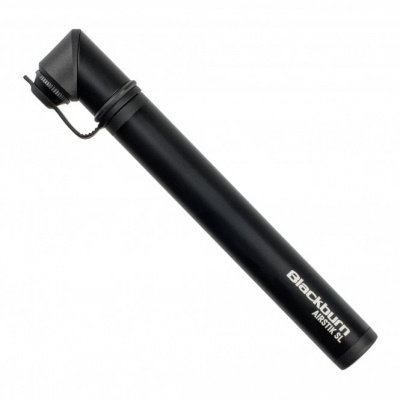
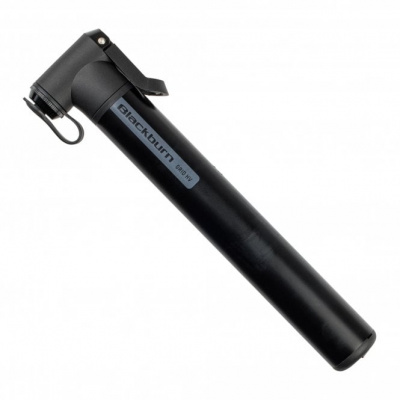
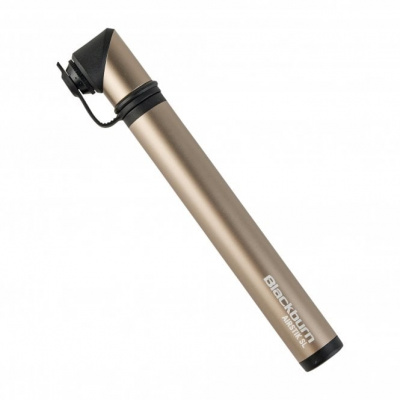
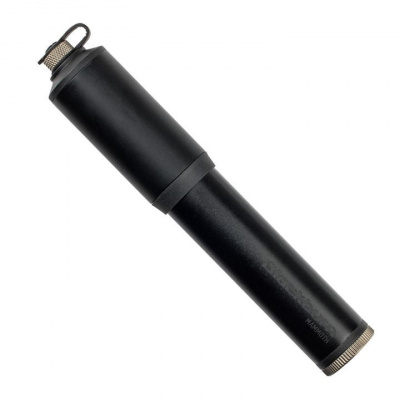
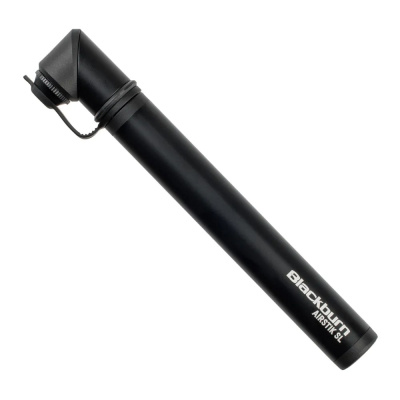
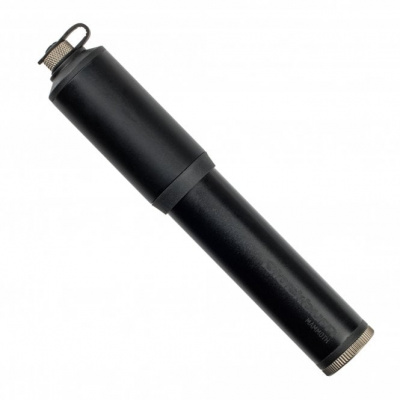
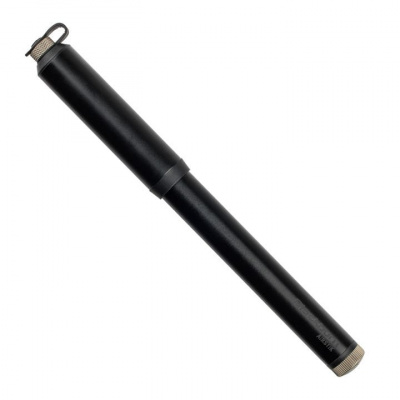
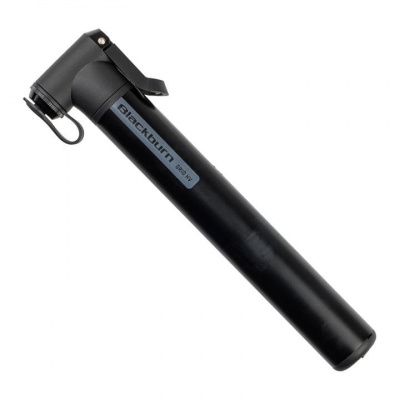
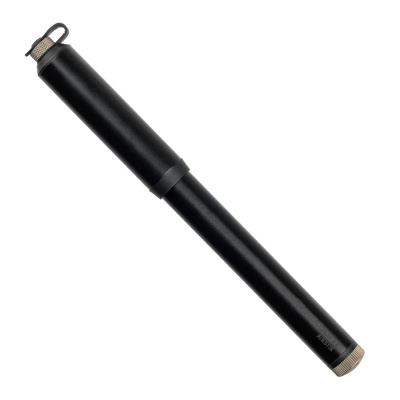
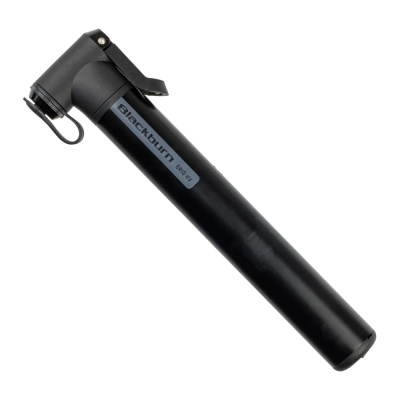
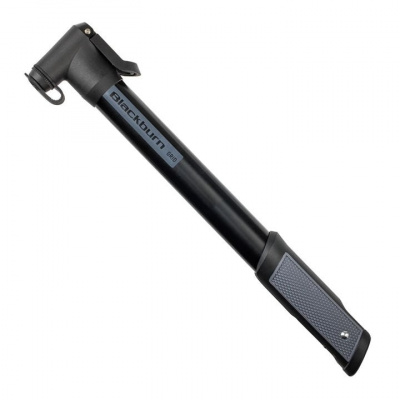
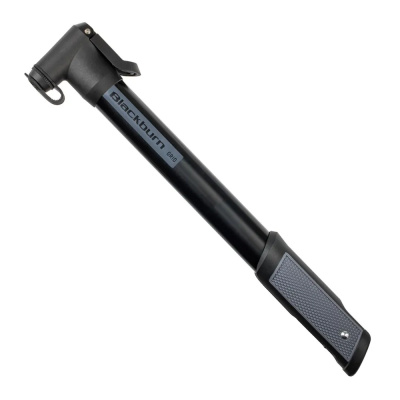
Prices and availability can change quickly. Delivery charges are not always included in listed prices.
Final price, stock status and delivery terms are set by retailer. We may receive a commission on purchases made.
Valve Compatibility and Choosing the Right Pump Standard
The AnyValve™ pump head is Blackburn's most practically useful piece of engineering. Rather than housing a reversible rubber grommet you have to dig out with a fingernail at the roadside, it uses a self-adjusting elastomer that seats correctly on both Presta valves and Schrader valves the moment you push it home. If you've ever cross-threaded a pump head onto a Presta stem mid-winter with numb fingers, you'll understand exactly why this matters.
Beyond valve compatibility, the choice between high volume (HV) and high pressure (HP) is the one most riders get wrong. An HV pump has a wider aluminum barrel, moving more air per stroke - ideal for MTB and gravel tyres where you're targeting 30 - 60 PSI and volume is the priority. An HP pump uses a narrower barrel; each stroke shifts less air but requires far less force to push against the resistance of a tight road tyre at 100 - 120 PSI. Trying to hit road pressures with an HV pump is hard work. Trying to seat a 2.4-inch MTB tyre quickly with an HP pump is even harder. Pick by discipline, not by size.
One more thing worth knowing: mini pumps are strictly roadside rescue tools, not substitutes for a proper floor pump before you set off. For home workshop inflation, a Blackburn track pump will get your tyres to precise pressure in seconds. For replacement valve cores or worn frame mount brackets, check the Blackburn tools and accessories range.
How the Model Families Stack Up
Blackburn's mini pump lineup breaks into three distinct families, and understanding them saves you buying the wrong one.
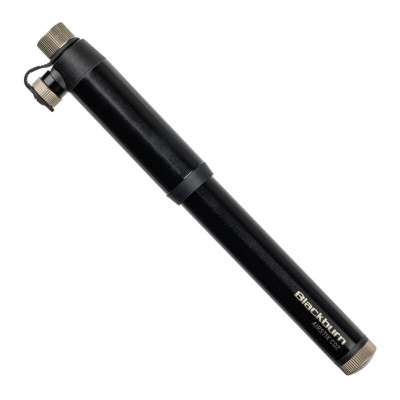
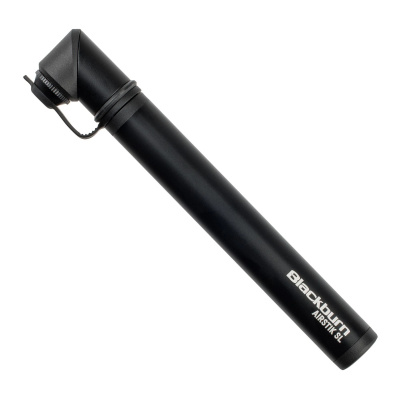
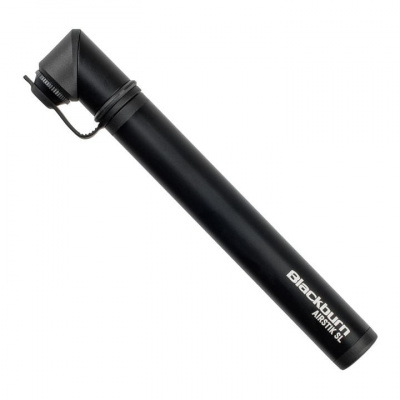
The AirStik series is the road rider's choice. It uses AirStik dual-stroke internals that pump on both the push and pull strokes, which halves the number of strokes needed to reach road pressures - a genuine benefit when you're already tired and standing at the side of a lane in the rain. The barrel is slim, the weight is low, and it fits cleanly into a jersey pocket or a Blackburn saddle bag without bulk. If you're running Presta valves on a road or gravel bike and want something genuinely lightweight, this is where to start.
The Mammoth is the other end of the spectrum. Wider barrel, more air per stroke, built for the kind of MTB tyre volumes that make an AirStik feel like blowing up a bouncy castle with a straw. It's bulkier - it won't disappear into a back pocket - but for trail riding in the Brecon Beacons or the Tweed Valley, getting a 2.5-inch tyre from flat to rideable quickly is what counts. The Mammoth does that.
The premium Core series sits above both and addresses a specific problem: snapping a Presta valve core during aggressive pumping. The Core uses a thread-on flexible extendable hose that screws directly onto the valve stem, so there's no lateral force transmitted to the valve during the pumping stroke. It also integrates a valve core tool in the cap. Fiddly? Slightly. Worth it for riders on carbon rims where replacing a damaged valve stem is an expensive afternoon? Absolutely. If you're comparing against the likes of Lezyne mini pumps or Topeak mini pumps at the premium end, the Core's hose design is a meaningful differentiator rather than a spec-sheet flourish.
For riders who want something more compact for a frame bag setup, both SKS and Crank Brothers offer shorter-format alternatives, though neither matches the AnyValve head's hands-free valve detection.
Keeping Your Pump Working Through a UK Winter
A mini pump lives on your bike, which means it gets everything your bike gets - road grit, trail mud, salt spray, and the kind of persistent damp that makes O-rings weep. A pump that works perfectly in September can be seized solid by February if you ignore it.
The AnyValve™ head is the component most vulnerable to contamination. Road salt and dried trail mud work into the locking lever mechanism and around the rubber elastomer, eventually preventing a clean seal. Every month or so - more often in winter - unscrew the pump head cap and pull out the elastomer and plastic spacers. Rinse them under warm water, dry them off, and apply a small amount of silicone lubricant before reassembling. Don't use lithium grease; it degrades rubber over time and you'll end up with a sticky, swollen elastomer that seals on nothing.
The main shaft O-ring is the other point of failure. Freezing temperatures and reduced lubrication cause compression to drop noticeably - you'll feel it as a spongier, less efficient stroke. A single drop of silicone lube worked around the O-ring every few months keeps compression consistent. Rigid plastic pump heads can also become brittle in hard frosts, which is one reason Blackburn's aluminum barrel construction is worth paying for over budget plastic alternatives.
Finally, think about how the pump is mounted. If the pump head faces upward on the frame, water pools inside the head and sits on the elastomer all winter. Mount it with the head facing down, or choose a model with a rubber dust cap. It sounds minor. It isn't, after you've tried to pump up a tyre on a frozen Welsh hillside with a head full of iced grit.
Blackburn Mini Pumps FAQs
How do you use a Blackburn mini pump on a Presta valve?
On AnyValve-equipped models, open the Presta valve by unscrewing the brass nut, push the pump head firmly onto the stem, and flip the locking lever upward to seal it - no internal adjustment needed. On Core series pumps, extract the flexible hose and thread the Presta end directly onto the valve stem until it's finger-tight before pumping.
What is the difference between Blackburn high volume and high pressure pumps?
High volume (HV) pumps have a wider barrel that shifts more air per stroke, making them practical for MTB and gravel tyres where 30 - 60 PSI is the target. High pressure (HP) pumps use a narrower barrel that requires less physical effort to push against the resistance of a road tyre at 100 - 120 PSI. Match the pump to your tyre, not your preference.
How do you rebuild or maintain a Blackburn AnyValve pump head?
Unscrew the pump head faceplate to access the rubber elastomer and plastic spacers inside. Clean out any grit or dried mud, then coat the rubber components lightly with silicone-based lubricant - avoid lithium grease, which degrades rubber over time. Reassemble in the correct order and test the seal before your next ride.