
SKS Mini Pumps
SKS mini pumps are the kind of kit you only appreciate fully when everything else has gone wrong - ten miles from the car, rear tyre flat, no signal. Engineered in Germany and backed by a five-year warranty, they're built to work first time, whether you're wrestling a Presta valve in frozen fingers on the South Downs or trying to seat a tubeless tyre after a sidewall gash on the Pennine Bridleway.
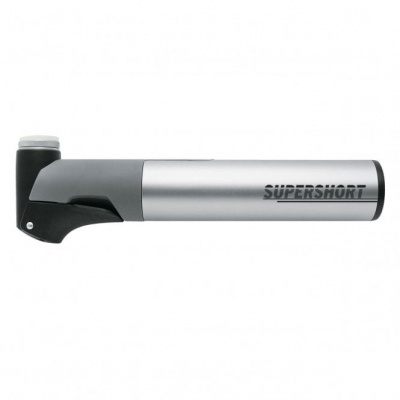
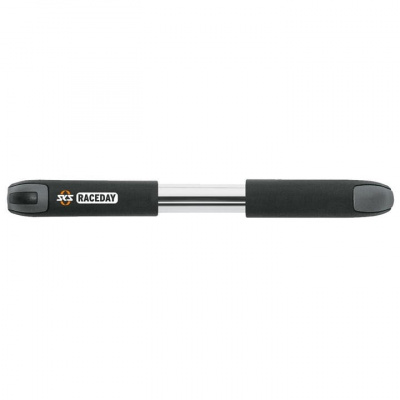
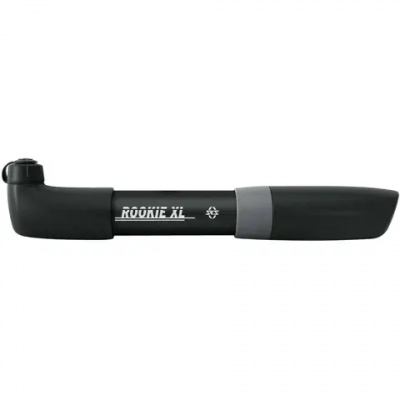
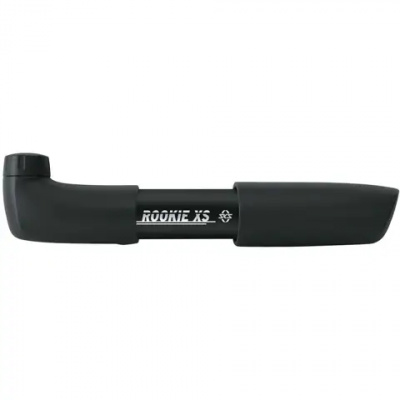
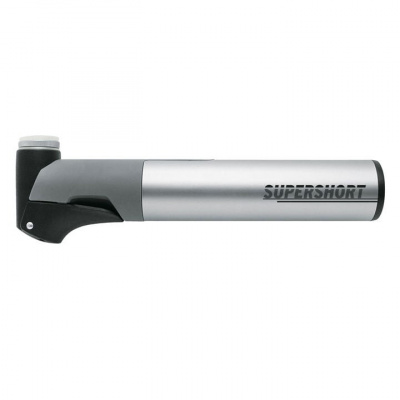
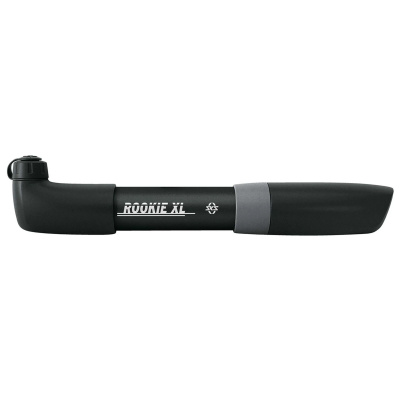
The range splits cleanly by job. High-Pressure (HP) models use a narrow aluminium barrel to make it physically manageable to push road tyres back up past 80 PSI - something a standard-bore pump will have your arms burning over. High-Volume (HV) pumps run a wider barrel so each stroke shifts real air, which matters when you're trying to inflate a 2.4-inch MTB tyre before your riding mates lose patience entirely.
What ties the range together is SKS's Multi-Valve head - no screwdrivers, no fumbling with tiny internal parts trailside, just push it on and pump. Integrated dust caps keep UK road grit and mud out of the valve seat. These aren't vanity items on the specification sheet; on a wet January ride in the Peaks, they're the difference between a working pump and a blocked one.

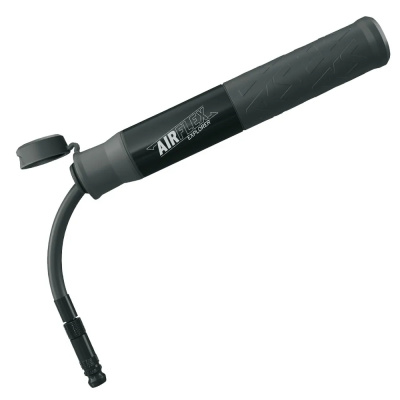
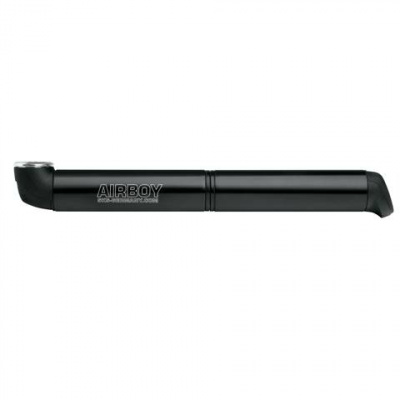
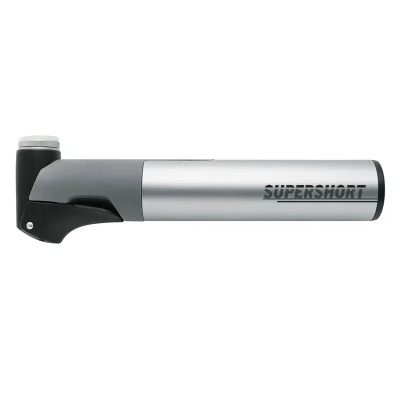
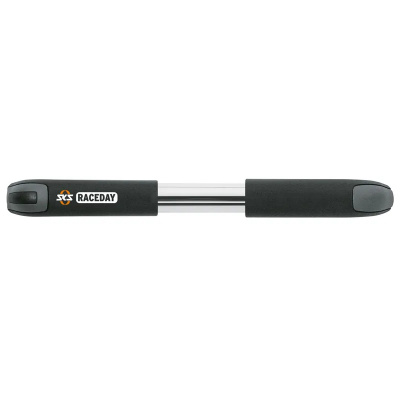
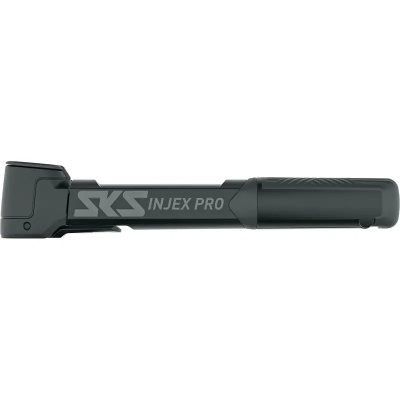
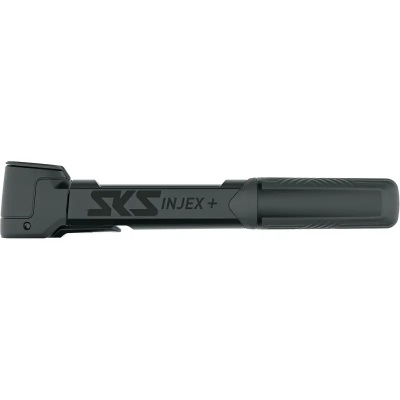
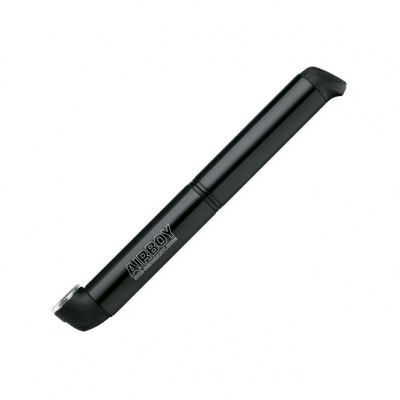
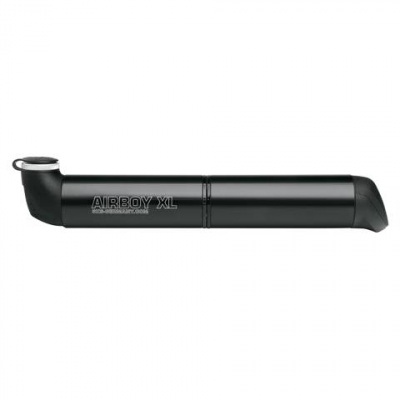
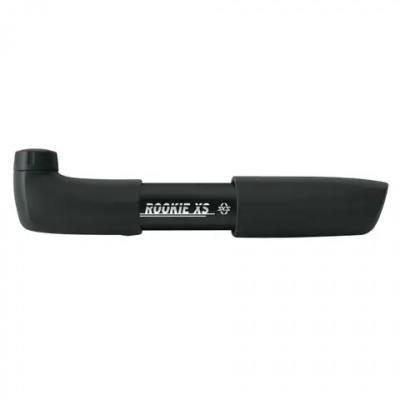
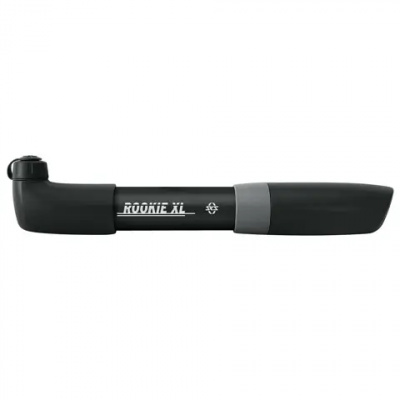
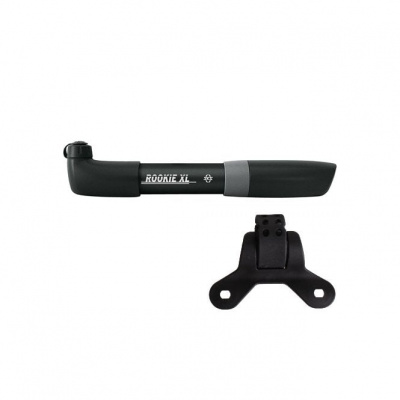
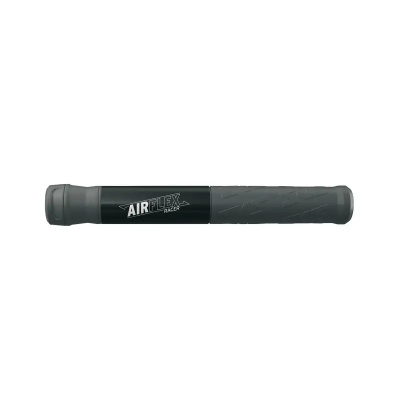
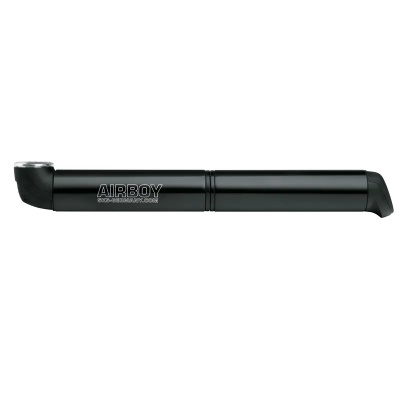
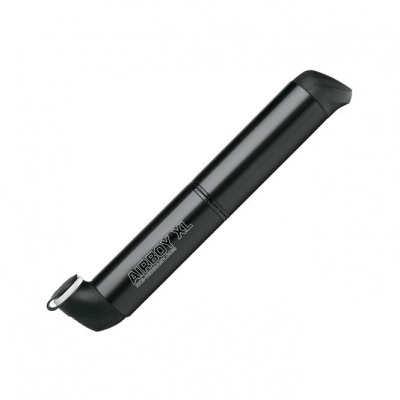
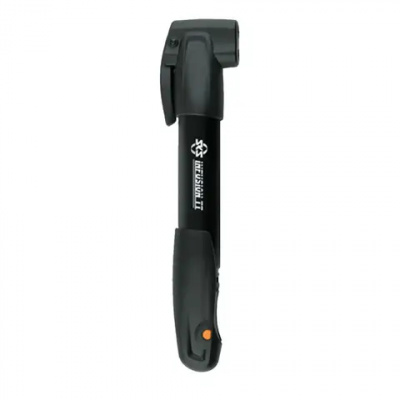
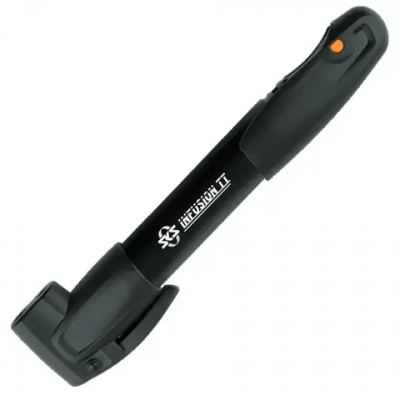
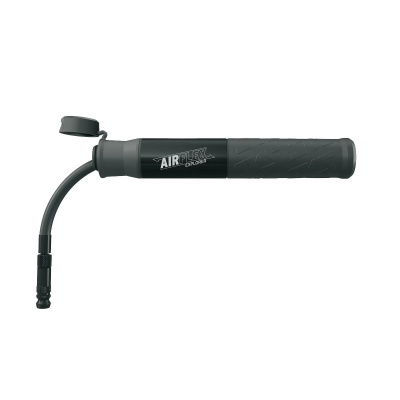
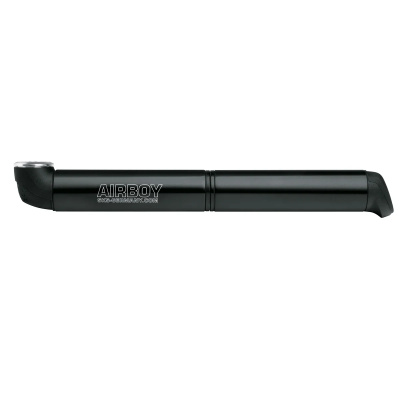
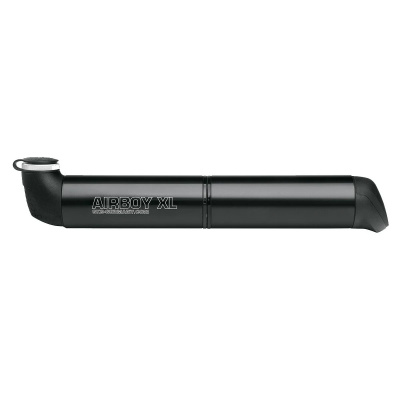
Prices and availability can change quickly. Delivery charges are not always included in listed prices.
Final price, stock status and delivery terms are set by retailer. We may receive a commission on purchases made.
Valve Compatibility and Choosing Between HP and HV
The barrel diameter is what separates an HP pump from an HV pump, and getting this wrong is a genuinely frustrating mistake. A high-pressure pump has a narrow bore - less air per stroke, but the mechanical advantage means you can actually reach the pressures that road and cross tyres need without leaning your full bodyweight into it. A high-volume pump shifts far more air per stroke thanks to a wider barrel, so you're not standing there pumping for three minutes to inflate a 29-inch MTB tyre, but the trade-off is that hitting 100 PSI becomes a real physical fight. Match the pump to the tyre, not the other way around.
SKS's Multi-Valve head is worth singling out here. On many competing pumps - including some well-regarded Lezyne mini pumps - switching between Presta and Schrader means unscrewing the head and flipping a small rubber insert, which is fine at home and genuinely annoying when your hands are cold and muddy. SKS's solution removes that step entirely: the valve head reads whichever valve you push it onto and seals accordingly. For riders who swap between bikes with different valve standards, that's a quiet but meaningful convenience. If you also run suspension, SKS shock pumps handle the precision low-volume work that a mini pump can't. For rapid race-day top-ups, their CO2 inflators are worth a look, and for home workshop inflation, the SKS track pump range covers the full spectrum. Dialling in tubeless pressures accurately is a different job again - that's where SKS pressure gauges come in.
How the SKS Range Breaks Down
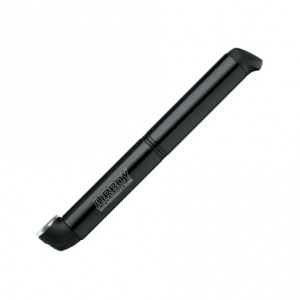
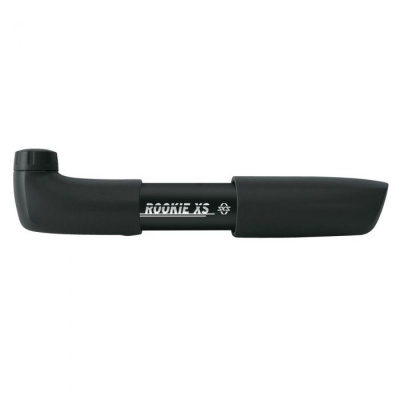
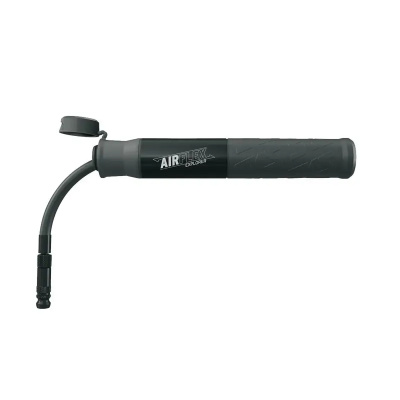
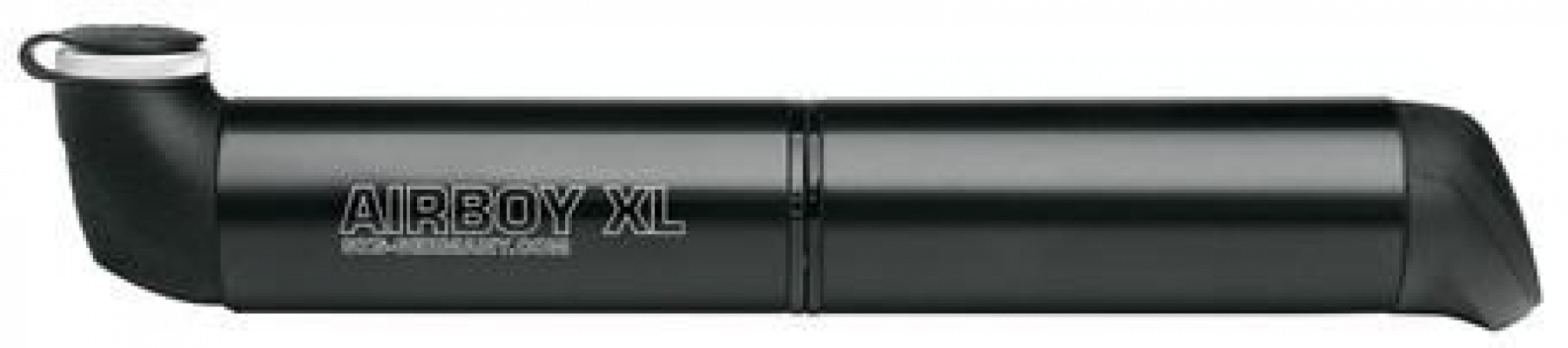
The Airboy series sits at the compact, minimalist end. These are jersey-pocket pumps - short enough to forget about until you need one, light enough that you won't notice the weight on a long day out. The trade-off is stroke volume: you'll be pumping more often to get a road tyre to pressure, and they're less suited to wider MTB rubber. For road riders who want something that disappears into a back pocket or clips into a SKS saddle bag, they're a tidy answer.
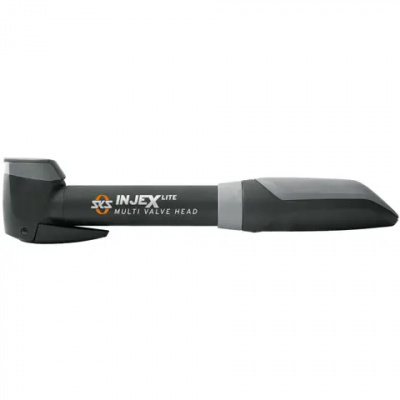
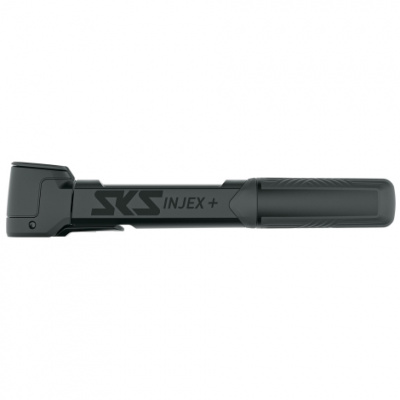
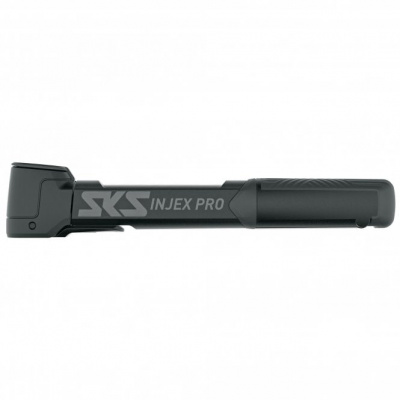
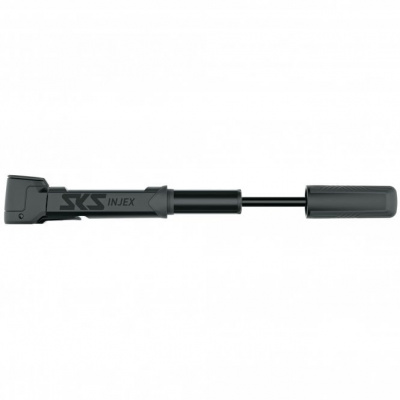
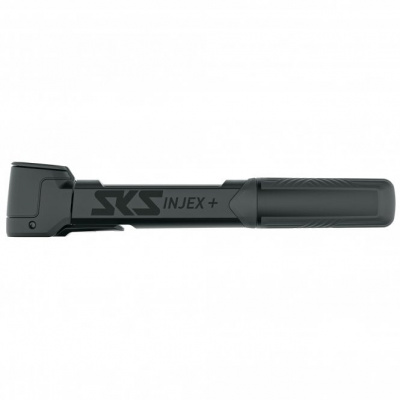
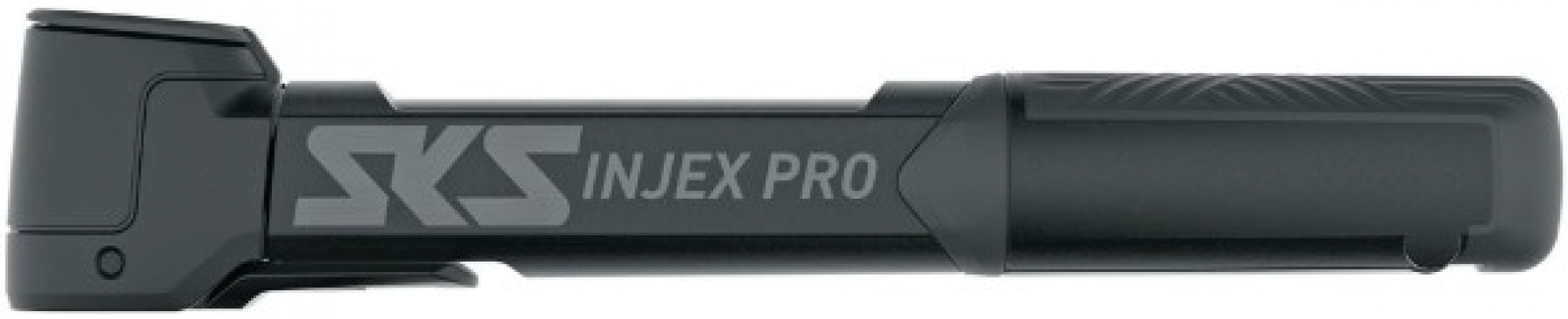
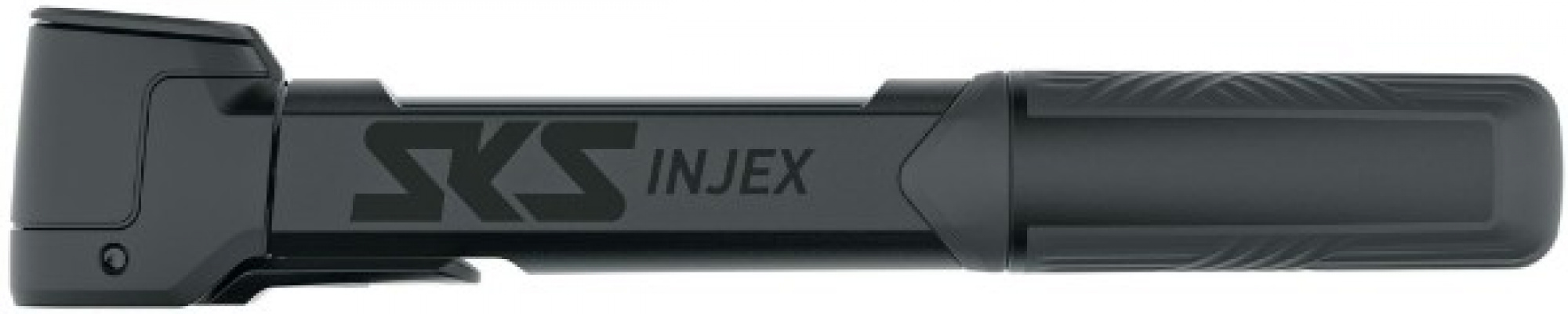
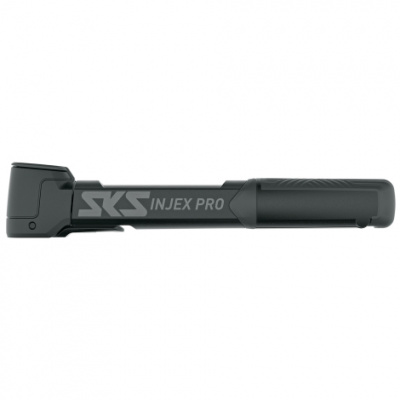
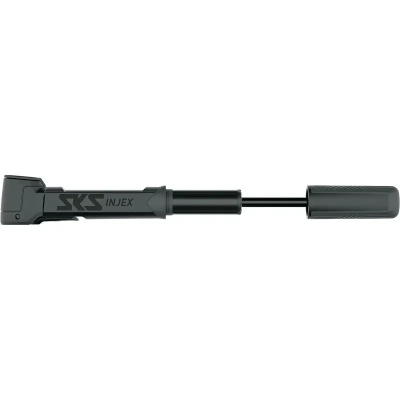
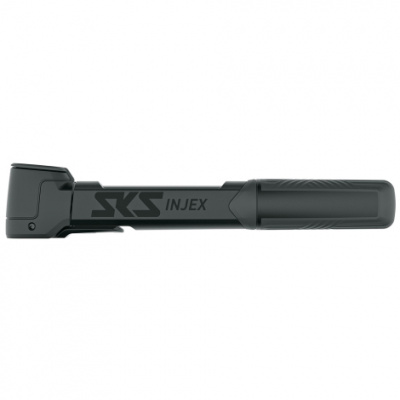
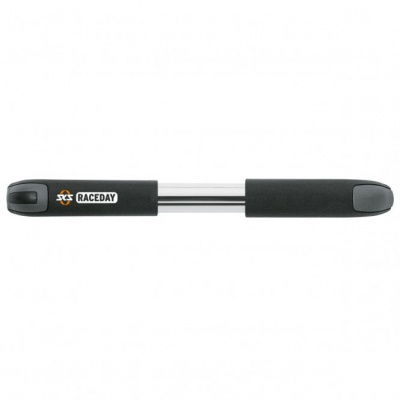
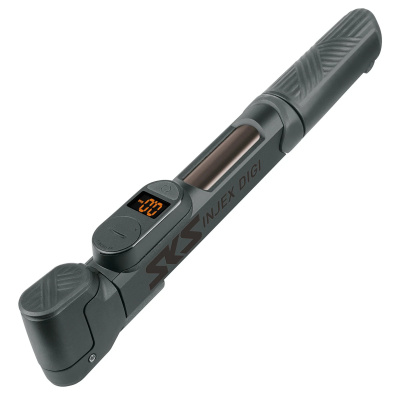
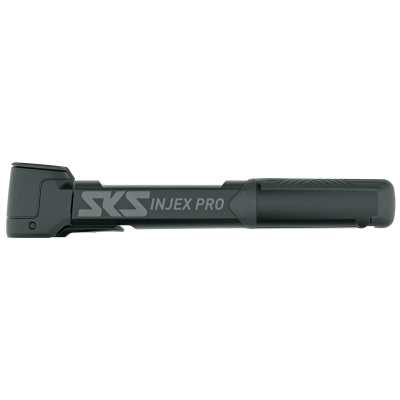
The Injex series is the more capable tier. The headline feature is the INJEX T-Zoom telescopic function - the barrel extends under load, which increases the stroke volume and makes each pump more productive without adding bulk when the pump is stowed. The folding T-handle gives you something to grip properly rather than pinching a thin barrel between your fingers, which makes a noticeable difference when you're trying to push a tyre up to pressure in cold conditions. Frame-mounted models in this range use a bracket that bolts under a bottle cage bolt - straightforward enough, though you'll want to check clearances on frames with tight cage positioning.
Moving up the range, you gain CNC-machined aluminium barrels over moulded plastic, which improves both feel and longevity. Some models add integrated pressure gauges - not as accurate as a dedicated track pump gauge, but useful for getting into the right ballpark without carrying extra kit. Dual-action pumping mechanisms, which push air on both the in and out stroke, also appear at the upper end and cut the time spent pumping meaningfully. Topeak mini pumps and Silca mini pumps compete at this premium level, though SKS's German manufacturing and warranty position it strongly on the value side of that comparison.
Keeping Your Pump Working Through a UK Winter
A mini pump that seizes up mid-ride isn't a mini pump - it's dead weight. UK winters are hard on exposed pump internals. Road grit in December is abrasive, salt water from spray gets into everything, and repeated freeze-thaw cycles dry out rubber O-ring seals faster than most riders expect.
The practical answer starts at the buying stage: choose a model with an integrated rubber dust cap over the valve head. It's a small detail, but it stops the grit from grinding into the sealing surfaces. Frame-mounted pumps take more punishment than pocket pumps, so if you're riding exposed routes through winter - Peak District loops, anything on the North York Moors - it's worth pulling the pump off the bike every month or so and checking the head for debris.
The O-ring seal on the main plunger is the component most likely to cause a gradual loss of compression over time. Unscrew the pump head, clean off any dried grit with a damp cloth, and work a small amount of silicone spray into the seal. Avoid petroleum-based lubricants - they degrade rubber over time and will make the problem worse. Silicon grease in a small tube is cheap, takes up no space in a toolkit, and can extend the working life of a pump significantly. Do this at the start and end of winter and most pumps will outlast the five-year warranty with no drama.
SKS Mini Pumps FAQs
How do you change an SKS mini pump from Presta to Schrader?
Most current SKS pumps use a Multi-Valve head that handles both Presta and Schrader automatically - just push it on and it seals without any adjustment. On older models with reversible internals, unscrew the valve cap, flip the rubber grommet and plastic insert, then reassemble. Takes about thirty seconds once you've done it once.
What is the difference between high volume and high pressure mini pumps?
High-Volume (HV) pumps have a wider barrel, so each stroke shifts more air - useful for MTB and gravel tyres where you need volume fast. High-Pressure (HP) pumps run a narrower bore, giving you the mechanical advantage to reach 80 - 100 PSI without destroying your wrists. Match the type to your tyre width and you'll save yourself a lot of frustration trailside.
How do you mount an SKS mini pump to a bike frame?
SKS mini pumps come with a plastic bracket that bolts directly under or alongside a bottle cage using the existing cage bolts. Secure the pump itself with the provided rubber O-ring strap - without it, the pump will rattle and eventually drop off on anything rougher than smooth tarmac. Check the fit is snug before you head out.