
SKS Track Pumps
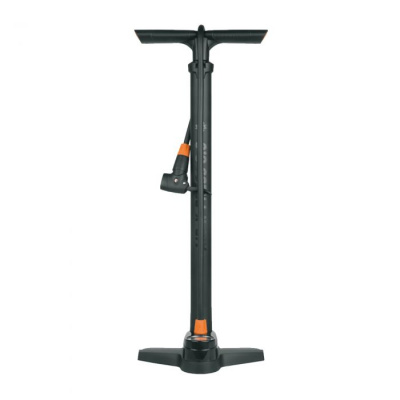
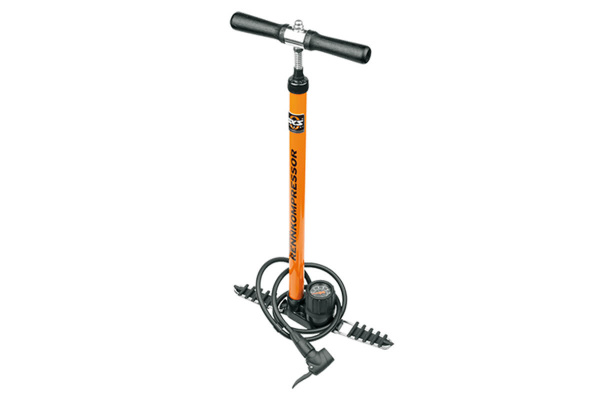
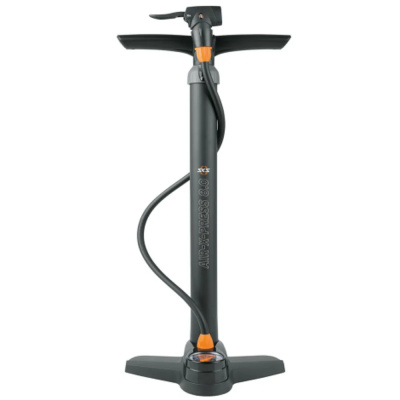
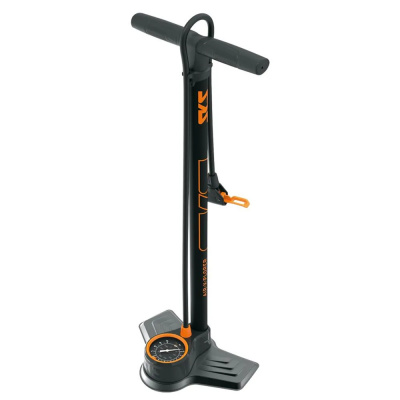
SKS track pumps have earned their place on the workshop floor the hard way - decades of daily use in bike shops, cold garages, and muddy sheds across the UK, with barely a part replaced beyond a rubber seal. Made in Germany, the range runs from the iconic Rennkompressor, a professional-grade floor pump with a cast iron base that's been doing the rounds since the 1970s, through to modern high-volume models built to seat stubborn tubeless mountain bike tyres in a single run. What sets SKS apart from the crowd isn't just build quality - it's the philosophy behind it. Every component is replaceable. The rubber grommet in the head, the pressure gauge, the hose: all available as spares, which means you're buying a pump you rebuild rather than one you bin. Steel barrels stay stiff and true; cast iron bases don't flex or crack in an unheated garage over a British winter. Whether you're chasing 230 PSI for a track bike or need serious stroke volume to pop a 2.4-inch winter tyre bead, there's an SKS floor pump sized for the job. Here's how to find the right one.
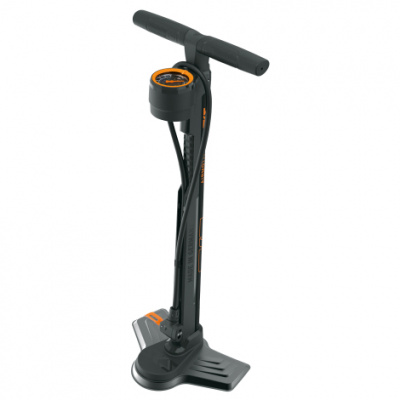
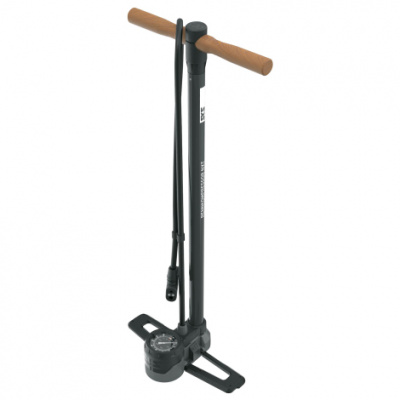
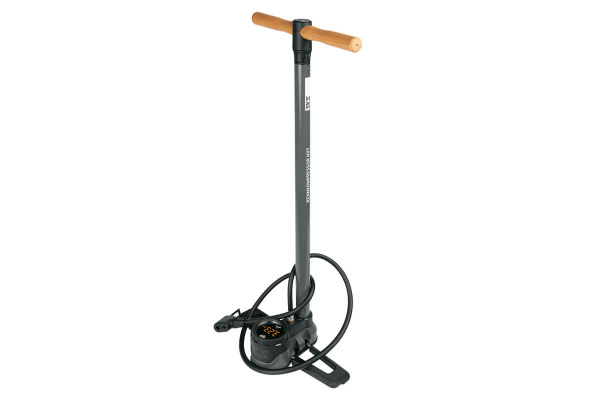
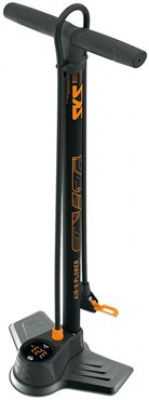
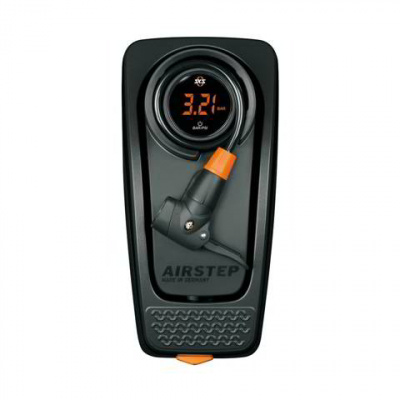
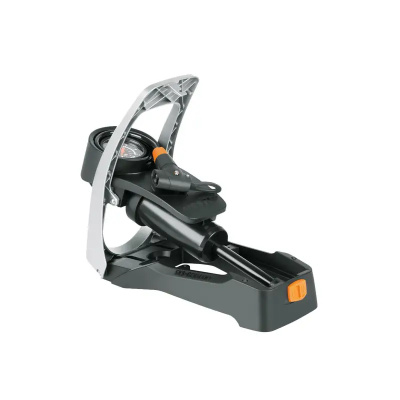
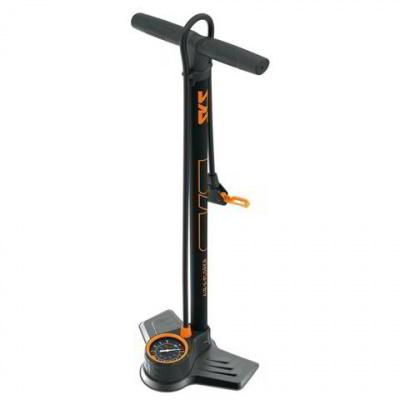
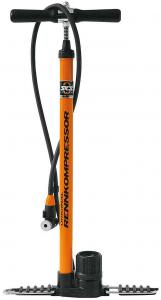
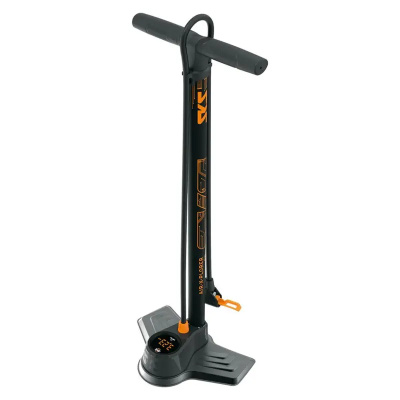
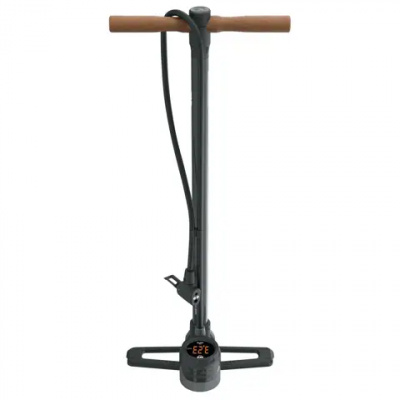
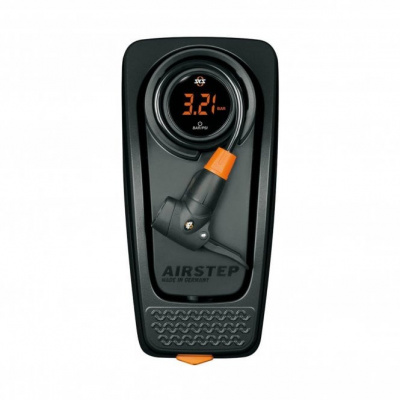
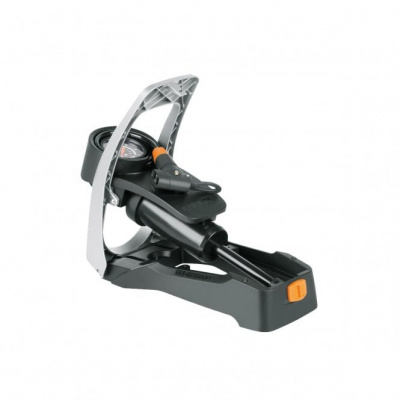
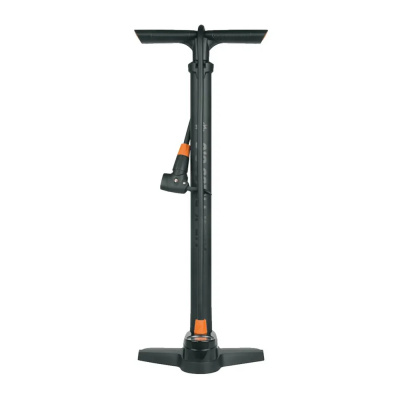
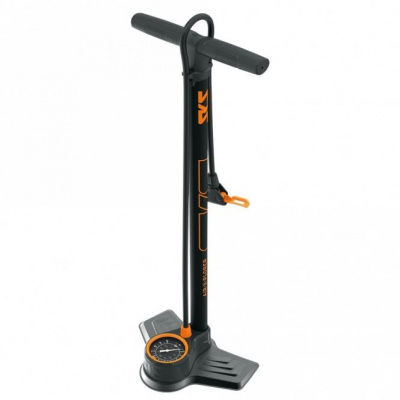
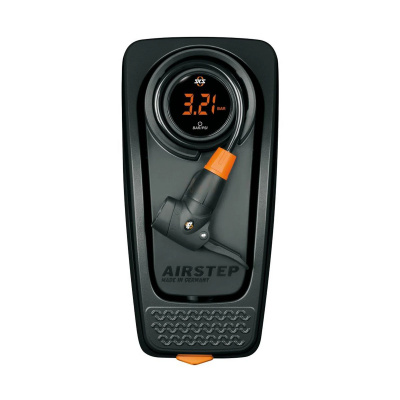
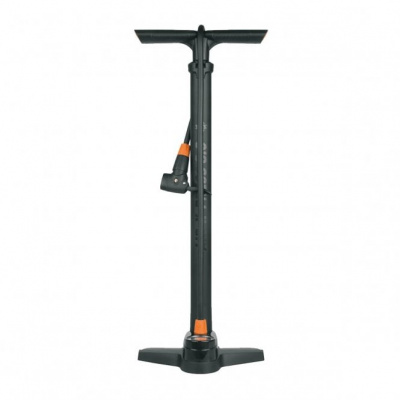
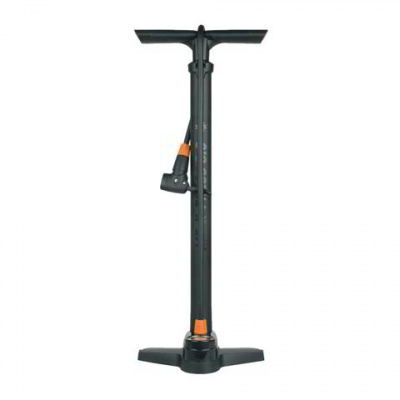
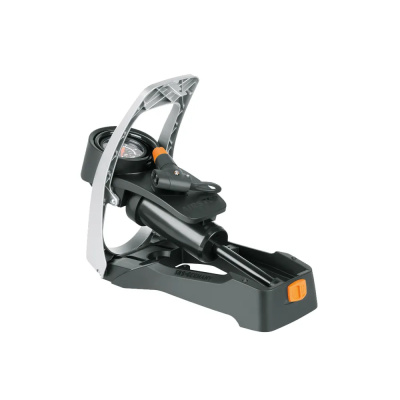
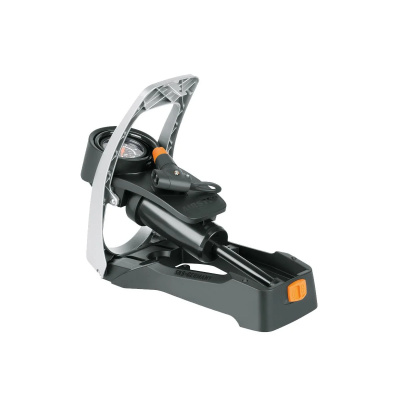
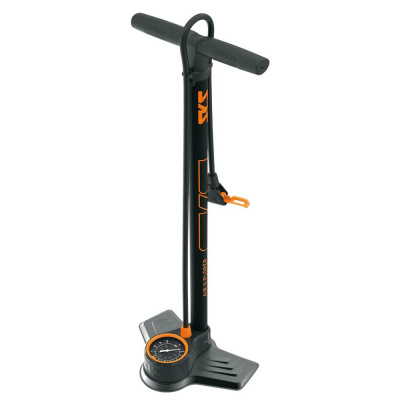
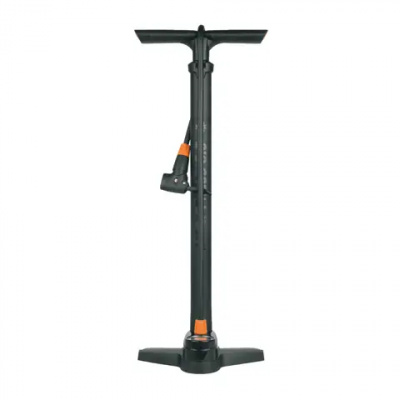
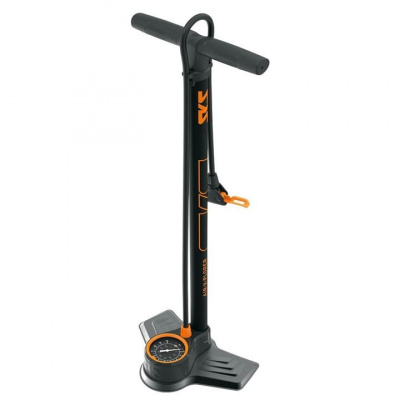
Prices and availability can change quickly. Delivery charges are not always included in listed prices.
Final price, stock status and delivery terms are set by retailer. We may receive a commission on purchases made.
Valve Heads, Stroke Volume, and What Actually Matters
SKS offers three distinct pump head designs, and picking the right one changes how the pump feels to use every single day. The Multi-Valve (MV) Head is the most versatile - it carries dual ports that cover Presta and Schrader compatible valves, plus Dunlop, without fiddling with internal adaptors. Push the correct port on, flip the locking lever, and you're pumping. That's it. No faff, no adaptor rattling around in a drawer somewhere. Most SKS floor pumps in the current range ship with this head, and for a household or club workshop running a mix of road, gravel, and MTB, it's the obvious choice.
The E.V.A. (Easy Valve Access) pump head takes a slightly different approach. The design prioritises a clean, tool-free connection - useful if you're frequently swapping between bikes or working with awkward deep-section valve extenders. It locks on positively without the lever needing much force, which matters when you're topping off a tyre at 100-plus PSI and the last thing you want is the head twisting off the valve. Track cyclists and those running traditional tubular rims tend to favour the older brass push-on nipple style instead - it threads directly onto the valve for a near-airtight connection that holds steady all the way up to the pump's max PSI/bar ceiling.
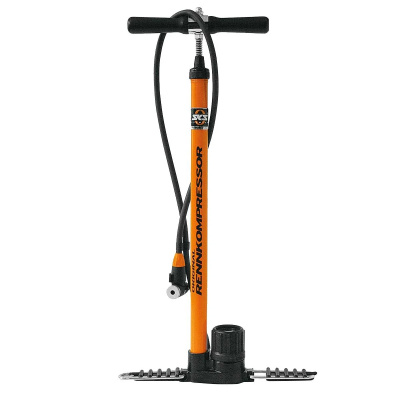
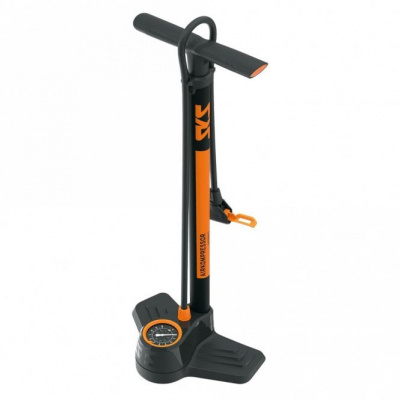
On the numbers side: stroke volume and maximum pressure pull in opposite directions. A pump optimised for high pressure - the Rennkompressor will hit 230 PSI, enough for the hardest track tyre - has a relatively narrow barrel, so each stroke delivers less air. That's fine for road and track. For tubeless seating, you need the opposite: a wide barrel pushing a large volume of air in fast enough to pop the bead before it leaks back down. Models like the Aircon 6.0 are built specifically around that requirement.
Looking for on-the-go inflation or suspension setup? Our dedicated SKS Mini Pumps and SKS Shock Pumps pages cover those. For replacement hoses, heads, or gauges, head over to SKS Tools and Accessories.
Breaking Down the SKS Range: Three Pumps, Three Jobs
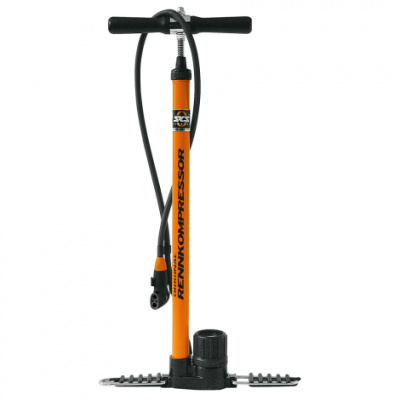
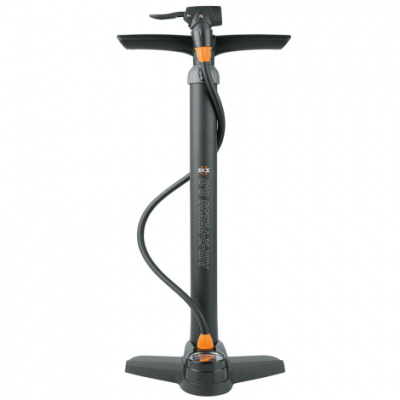
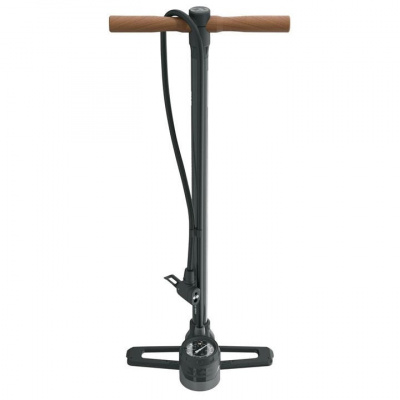
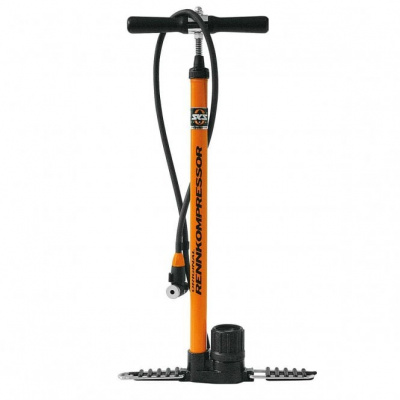
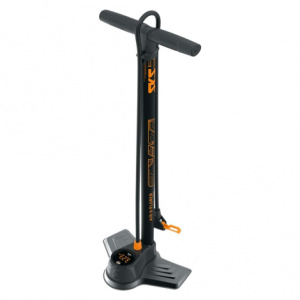
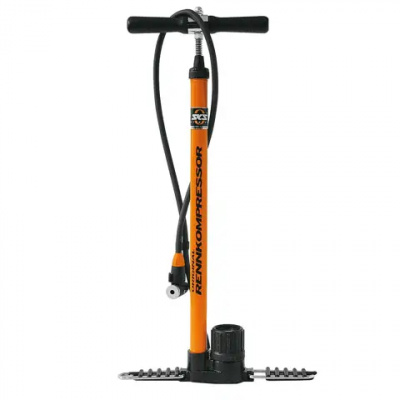
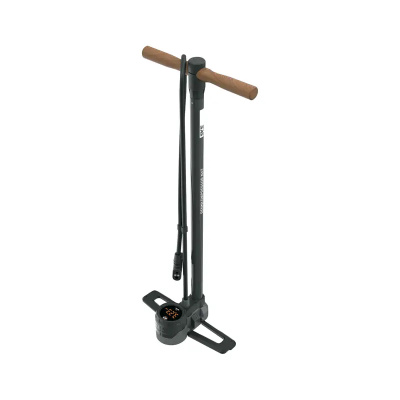
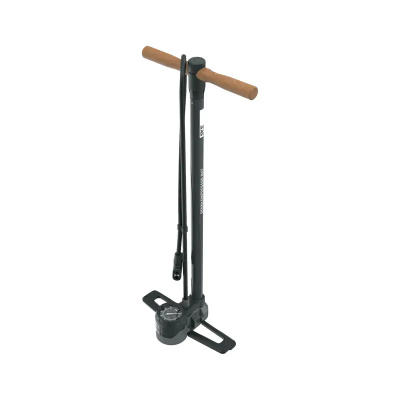
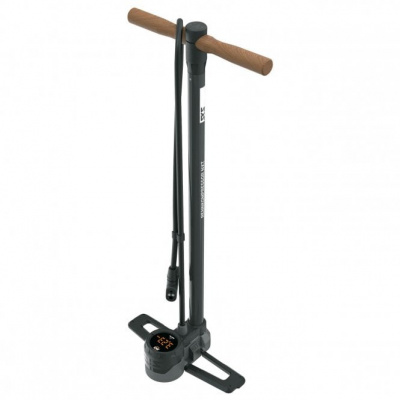
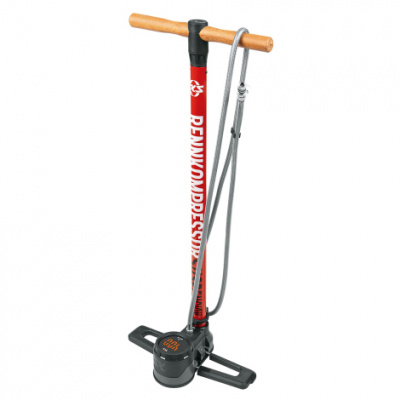
The SKS Rennkompressor is the one that started it all, and it's still the benchmark. The cast iron base and folding feet give it a planted, weighted feel that cheaper pumps simply can't replicate - press down on the handle and the pump stays where it is rather than skidding across the floor. The steel barrel is long and narrow, which explains the 230 PSI ceiling. Road riders and anyone running track bikes or high-pressure tubulars will find it does everything needed without compromise. The pressure gauge is large, easy to read, and mounted where you can actually see it mid-stroke. It costs more than a generic floor pump from a supermarket shelf. It should also outlast three or four of them without drama.
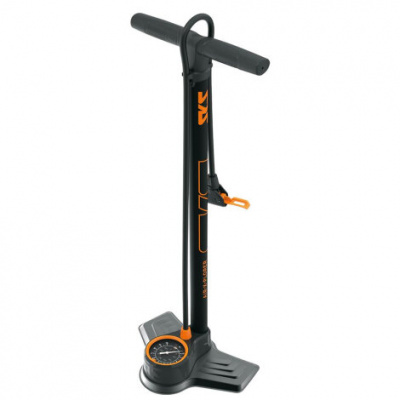
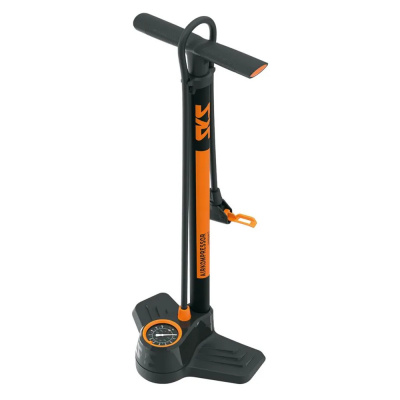
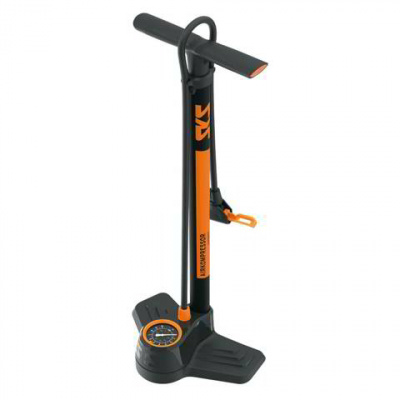
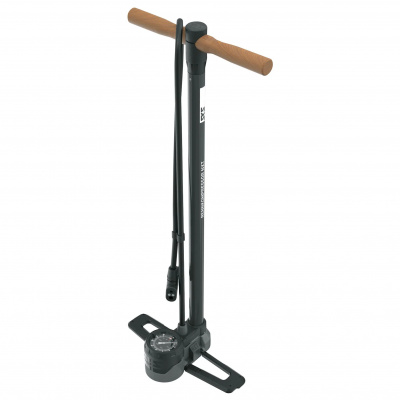
Step across to the Air-X-Plorer and you're looking at a pump that's been designed for all-round workshop use. The oversized steel barrel shifts more air per stroke than the Rennkompressor, so it handles road pressures without complaint while also being genuinely useful for 29er and plus-size tyres. The hose is longer on this model, which sounds like a minor detail until you're crouched beside a loaded bikepacking rig and the valve is pointing into an awkward corner. If you're running one pump for everything - road, gravel, MTB - this is the range to look at first.
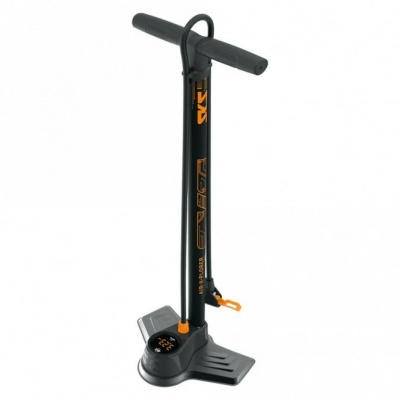
The SKS Aircon 6.0 sits at the high-volume end of the lineup. It's the tool you want if tubeless seating is a regular job. Wide barrel, serious stroke volume, and a pump head designed to deliver air faster than the tyre can lose it. If you've ever spent ten frustrating minutes trying to seat a stubborn trail tyre with an underpowered pump, you'll know exactly why this category exists. It's less suited to road bikes where you want fine pressure control in the 90 - 120 PSI range, but for winter MTB prep - swapping out a summer tyre for something with more grip before a weekend in the Peaks - it's the right tool.
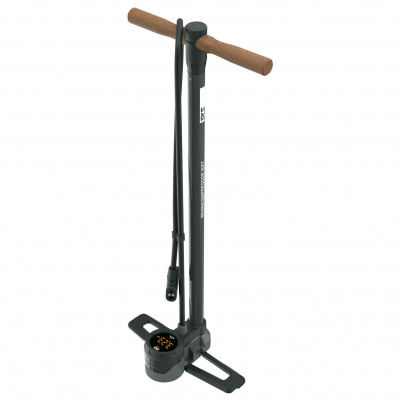
What you generally get as you move up the range: more metal, a larger and more accurate pressure gauge, a longer and more flexible hose, and wider valve head compatibility. The step-up is straightforward - pay more, get more, replace less. Brands like Topeak and Lezyne offer well-regarded alternatives at similar price points, while Silca and Park Tool compete at the premium end - but few match SKS on the combination of build quality, parts availability, and longevity.
Cold Garages, Winter Grit, and Why Serviceability Matters
A cheap plastic-based floor pump left in an unheated British garage through January will likely crack before spring. The base flexes under load, stress fractures form around the fixing points, and eventually something snaps. SKS's cast iron base on the Rennkompressor and heavy-gauge steel on the rest of the range don't have that problem. Metal stays metal. It might get cold to the touch on a February morning, but it won't deform or shatter.
Winter riding brings grit and mud back to the pump head every time you top up after a wet ride. That grit works its way into the seal against the valve, and over months it wears the rubber down - which is why pump heads start leaking even on otherwise good pumps. The fix is straightforward with an SKS: the rubber grommet inside the head is a stock spare part, costs almost nothing, and takes two minutes to swap. Unscrew the head cap, pull out the worn seal, press in the new one flush, screw the cap back. Done.
That repairability runs through the entire product line. Need a new pressure gauge because yours took a knock and the needle's sticking? It's available. Hose split at the fitting after years of use? Replaceable. This is what genuinely separates SKS from much of the competition - it's not just that the pumps are built well, it's that SKS has made sure you never need to replace the whole unit. A Rennkompressor bought in the mid-2000s can still be running perfectly today with nothing more than a couple of seal replacements. You won't find that kind of parts support from most manufacturers. Check the SKS pressure gauges and SKS accessories pages if you're looking to keep an older pump in service.
SKS Track Pumps FAQs
How do I change the rubber seal on an SKS track pump?
Unscrew the cap on the Multi-Valve or EVA head, pull out the worn rubber grommet, and press the replacement in so it sits flush. Screw the cap back on firmly. The whole job takes under two minutes, and the seal itself is available as an inexpensive spare direct from SKS stockists.
Does the SKS Multi-Valve head work with Presta and Schrader?
Yes. The Multi-Valve head has dual ports covering Presta, Schrader, and Dunlop valves - no internal adaptor swap needed. Push the correct port onto the valve, flip the locking lever to seal it, and pump. It's genuinely tool-free and works across road, MTB, and hybrid bikes without compromise.
Why is my SKS track pump leaking air at the valve?
Nine times out of ten it's a worn or dried-out rubber washer inside the pump head - grit from winter valves accelerates this. The fix is a replacement rubber seal, which costs very little and is a stock SKS spare part. Fit the new seal and you'll get an airtight lock straight away.