
Silca Saddle Bags
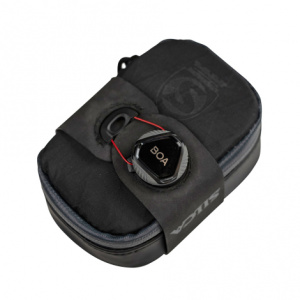
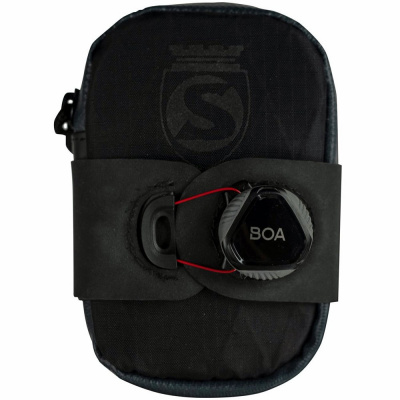
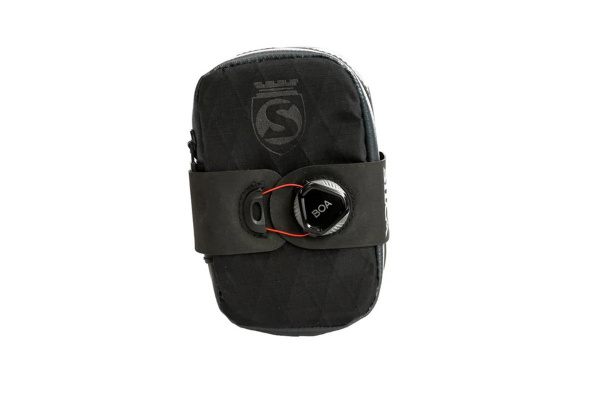
Silca saddle bags sit at a different level to the flapping nylon pouches that haunt most saddle rails - engineered to eliminate sway, rattle, and the slow fabric degradation that cheaper alternatives accept as standard. The range splits broadly into structured zippered capsules and unrolling seat rolls, each using a BOA® Fit System that cinches directly against your saddle rails with enough tension to stay put even on corrugated Peak District tarmac or the kind of cobbled descent that shakes fillings loose.
The materials back that up properly. Hypalon - the same rubber compound used in serious outdoor kit - lines contact points and external surfaces, resisting the grinding paste of rear-tyre spray that destroys lesser fabrics inside a season. YKK Aquaguard® zippers handle the weather resistance side, keeping the grit and moisture that follows every UK wet-road ride away from your spare tube, CO2, and multi-tool.
Whether you're running a lean road setup - one tube, a CO2, and a tyre lever - or packing a fuller gravel kit with a fat 29er tube and a proper multi-tool, there's a Silca format that fits the job. Carbon rail owners get a specific benefit here too: the Hypalon strap contact means no bare metal or hard plastic digging into your rails mid-ride. This is storage that takes itself seriously, and it shows.
Prices and availability can change quickly. Delivery charges are not always included in listed prices.
Final price, stock status and delivery terms are set by retailer. We may receive a commission on purchases made.
Rail Compatibility and Getting the Fit Right
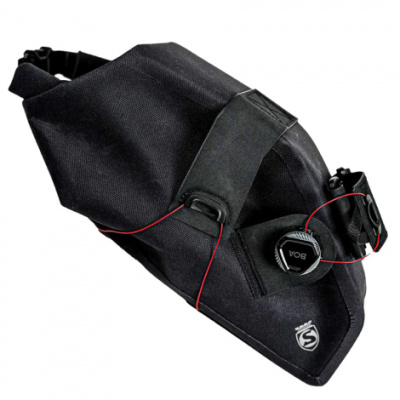
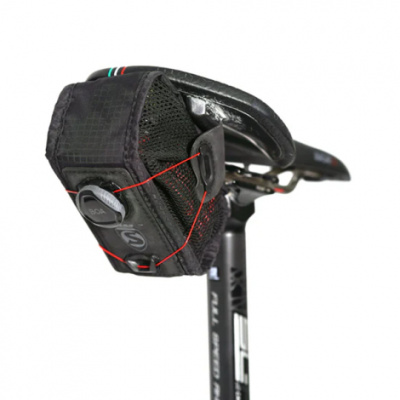
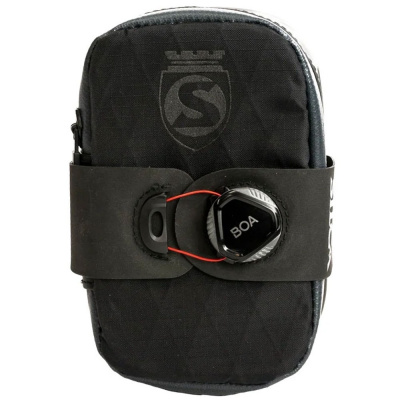
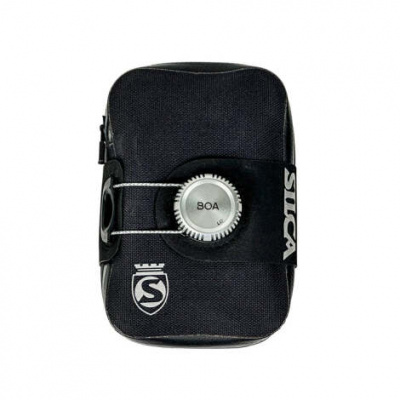
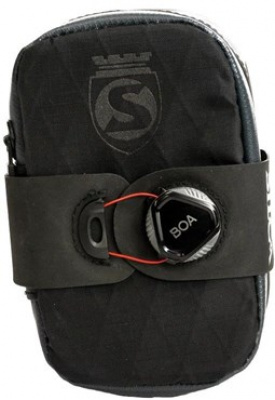
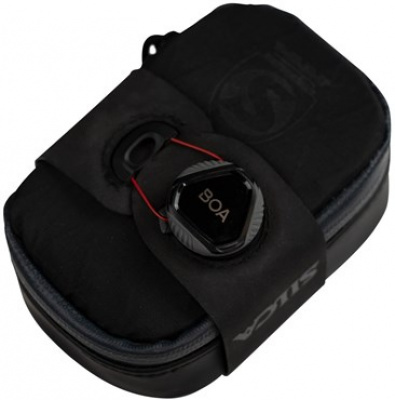
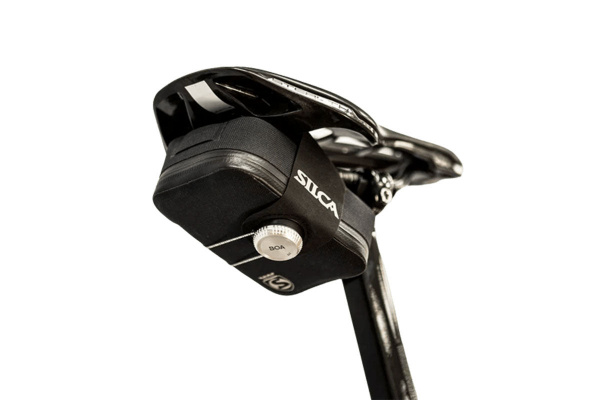
Fitting a Silca saddle bag isn't complicated, but it rewards a minute of attention. The BOA® Fit System uses a single micro-adjustable dial to pull the mounting strap tight around your saddle rails - thread it over, press the dial in to engage the ratchet, then twist clockwise until the bag sits flush against the saddle base with zero lateral movement. No secondary velcro tabs, no rubber straps that stretch and slip over winter. Done properly, it's rattle-free from the first pedal stroke.
Rail compatibility covers the two standard profiles: 7x7mm round rails in steel or titanium, and the wider 7x9mm oval section common on carbon-railed saddles. Both work without adapters. If you're running carbon rails specifically, the Hypalon contact patch on the strap is worth noting - it grips without the abrasion risk that bare metal buckles create, which matters when you're talking about rails that can cost as much as a budget wheelset to replace.
Dropper post users on gravel or trail bikes have a legitimate question here: will the BOA strap foul the stanchion or collar? In most setups, no. The strap sits tightly against the saddle clamp area rather than hanging low around the post, so full dropper travel is usually unaffected. That said, it's worth checking clearance with your specific saddle and post combination before heading out - a quick manual drop in the car park before the ride saves faff mid-route. If you're loading the bag with Silca tyre levers and a multi-tool, keep the packed weight central and avoid overloading one side, which can introduce pendulum movement on rough surfaces regardless of how tight the BOA is dialled.
Mattone, Premio, and Asymmetrico: Which Format Suits You
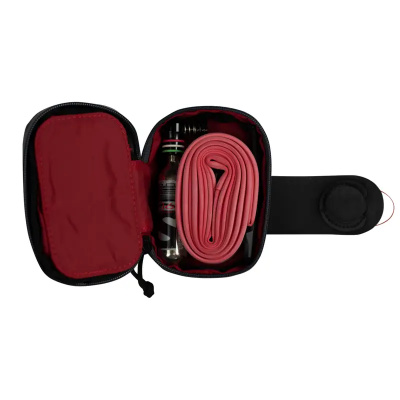
Silca's bag range has a clear hierarchy once you understand what each format is actually doing. The Mattone is the structured capsule - a rigid-ish zippered shell that holds its shape whether packed or empty, making it easy to drop a spare inner tube and a CO2 inflator in and out quickly at the roadside. The standard Mattone is sized for road use: a 700x28c or 700x30c tube sits alongside a CO2 head and a short multi-tool without stretching the zip. Neat, compact, aerodynamically tidy under the saddle.
Step up to the Mattone Grande and the capacity opens up meaningfully. A 700x45c gravel tube fits, as does a larger multi-tool, a pair of tyre levers, and a CO2 - which is roughly the roadside kit most gravel riders want covered. The structure stays, so you're not rummaging through a collapsed fabric bag in the rain trying to find the valve core tool.
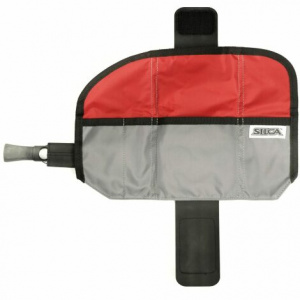
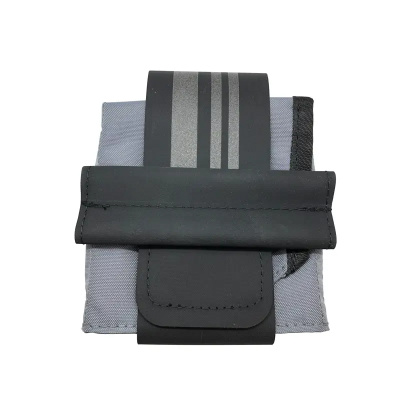
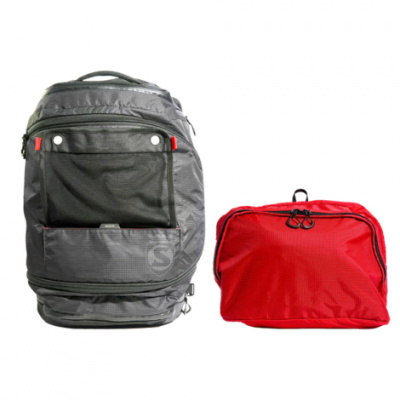
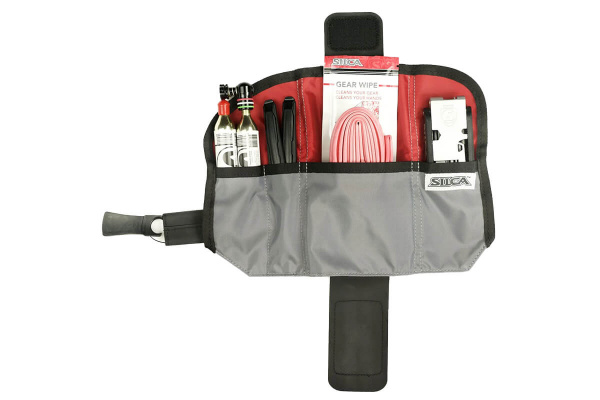
The Premio Seat Roll and Asymmetrico Seat Roll take a different approach entirely. These are unfolding tool wraps - fabric rolls that open out to reveal organised pockets for tools, tubes, and accessories. The Asymmetrico is the larger of the two and is shaped to accommodate a 29x2.4 or 29x2.5 MTB tube alongside a reasonable tool kit, making it the format that makes most sense for trail or enduro riders who need the capacity but don't want a full frame bag. The roll format also means you can swap contents between bikes easily - unroll, repack, re-attach. If you're often borrowing kit between a road bike and a gravel rig, that flexibility is genuinely useful.
For comparison, Apidura's saddle bags lean more towards soft, high-volume expedition packing, while Lezyne's range covers the budget-to-mid end of structured capsules. Silca sits in a narrower, more premium bracket - closer in philosophy to Brooks' crafted-goods approach in terms of longevity focus, but with an explicitly technical rather than heritage-led execution. Worth knowing before you compare prices.
Keeping Silca Bags Working Through a UK Winter
UK riding puts saddle bags through it. The rear wheel throws up a continuous mist of road grit, salt, and water from October through to April, and most of that lands directly on whatever's hanging under your saddle. Cheaper bags show the damage within a season - zippers seize, fabrics abrade, stitching saturates and rots. Silca's material choices address each of those failure points deliberately.
Hypalon is the key material on external surfaces. It handles abrasion the way a good tyre sidewall handles scuffing - the grit doesn't dig in and open up the weave. After a muddy winter ride, a rinse and wipe is enough to clear the surface without scrubbing the material apart. That said, don't ignore the zip.
The YKK Aquaguard® zippers on the Mattone range are water-resistant by design - the outer facing and taping deflect spray and light rain effectively. They are not submersion-proof, so if the bike goes over in a ford or you're riding through standing water deep enough to lap the underside of the saddle, some ingress is possible. For most UK road and gravel riding, though, they perform well above what standard zippers manage. To keep them that way: use a dry brush after muddy rides to clear grit from the zip teeth before it dries and embeds, and a very occasional pass of dry silicone lubricant keeps the action smooth without attracting more dirt. Avoid oil-based lubes - they collect grit and accelerate wear.
After any properly wet ride, open the bag and let it air out before storing it. This is basic but often skipped. A damp sealed bag is where stored multi-tools and CO2 heads start to rust, and where fabric linings begin to smell. Thirty seconds of airing saves the contents. If you're building a complete kit for year-round use, pairing the bag with Silca bar bags for overflow storage means you can keep the saddle bag load lighter and lower, which reduces swing on rough surfaces - a practical split worth considering if you're regularly carrying more than tube-plus-CO2.
Silca Saddle Bags FAQs
How do you attach a Silca saddle bag?
Thread the BOA strap over your saddle rails so it sits flat against the rail material - no twisting. Press the BOA dial in to engage the ratchet, then turn it clockwise until the bag is drawn tight against the saddle base with no lateral play. The whole process takes about 20 seconds and doesn't require tools.
Does the Silca Mattone fit a gravel tube?
The standard Mattone is sized for road tubes up to around 700x30c - enough for a road or light gravel setup. For wider gravel tubes up to 700x45c, or MTB tubes up to 29x2.5, you'll want the Mattone Grande or the Asymmetrico Seat Roll, both of which are built for the larger capacity.
Are Silca saddle bags waterproof?
Silca bags use YKK Aquaguard® zippers and waterproof-treated fabrics that handle road spray, rain, and wet conditions well - far above standard zipper bags. They're not seam-sealed dry bags and shouldn't be submerged, but for UK road and gravel riding in typical wet conditions, the weather resistance is more than adequate.