
Giant Gravel Bikes
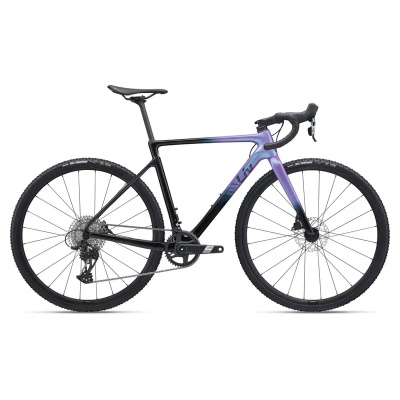
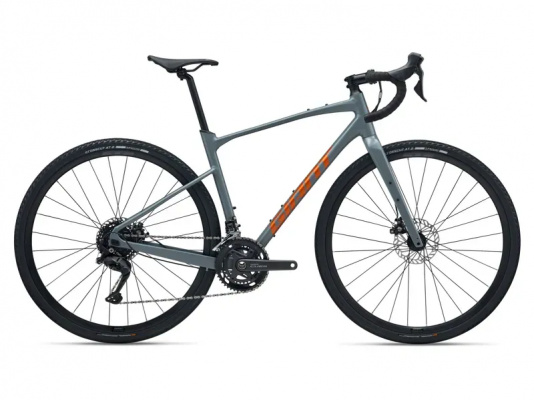
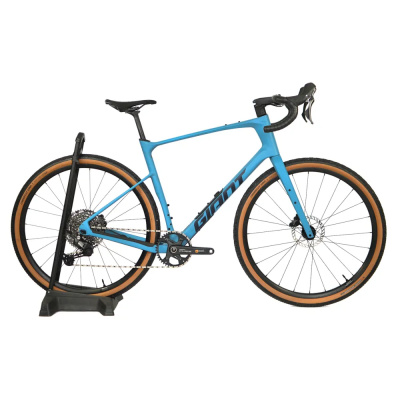
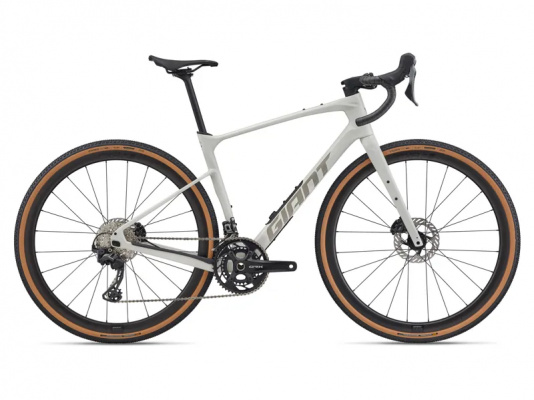
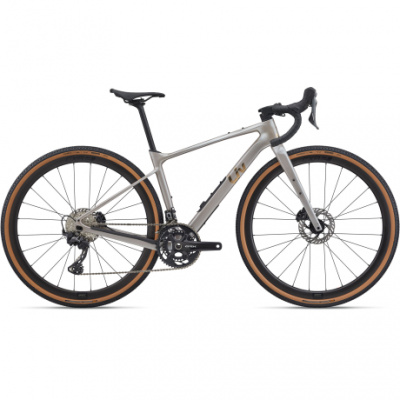
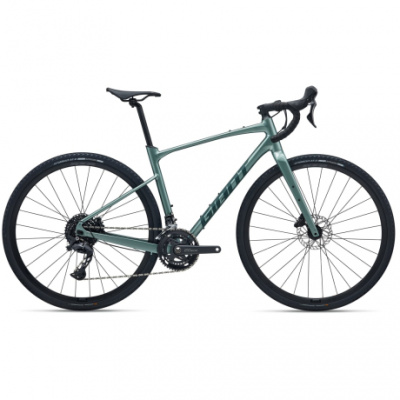
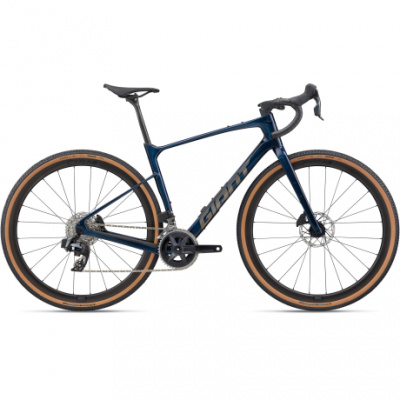
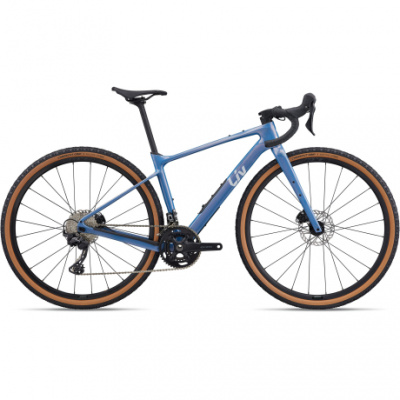
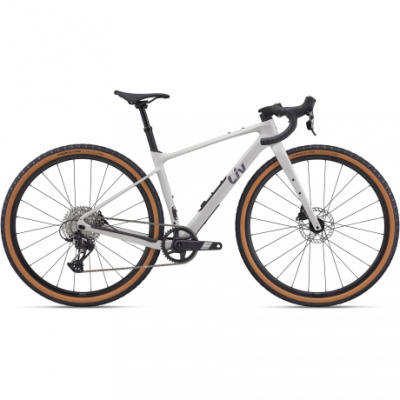
Giant gravel bikes sit at a genuinely difficult-to-argue-with point in the market: in-house carbon manufacturing, proprietary compliance tech, and a model range that stretches from race-sharp all-roaders to proper rough-stuff machines. The Revolt family is the backbone of that range, and it's become a benchmark other brands are measured against.
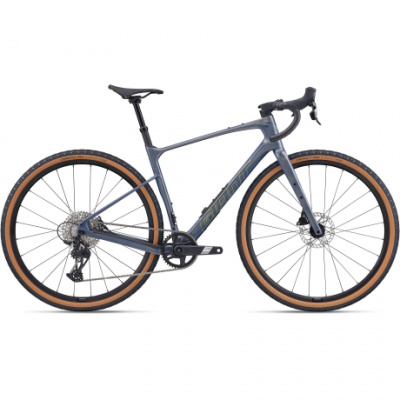
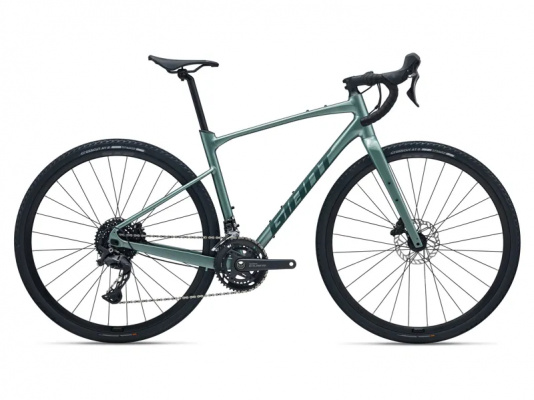
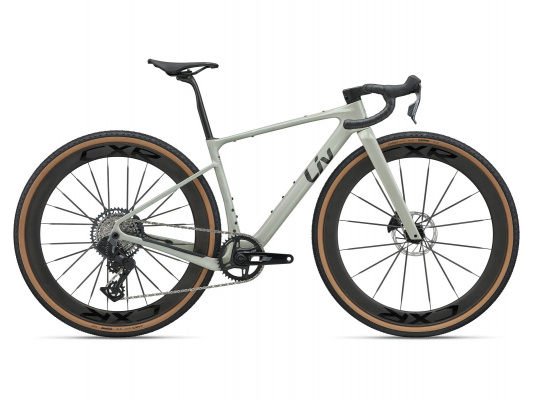
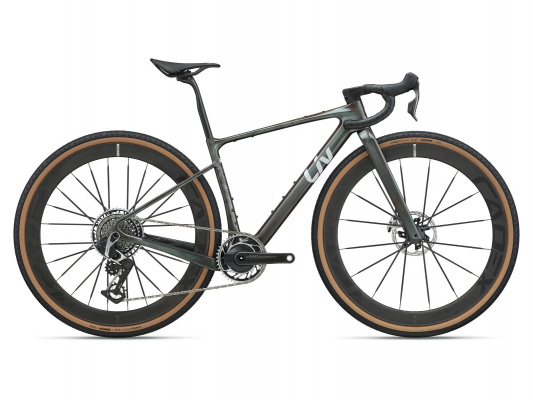
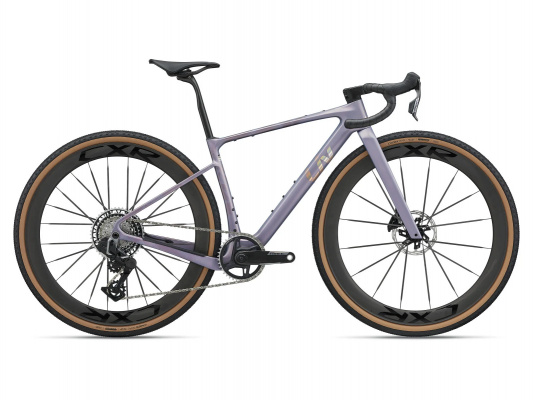
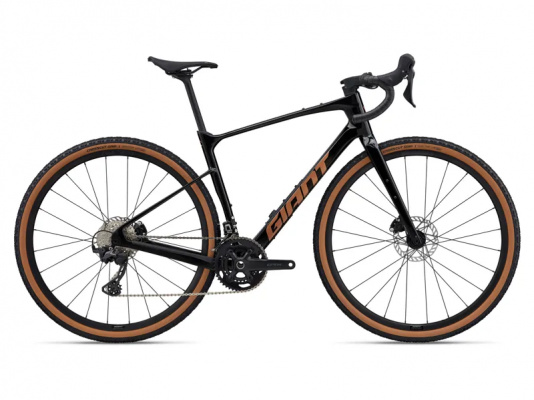
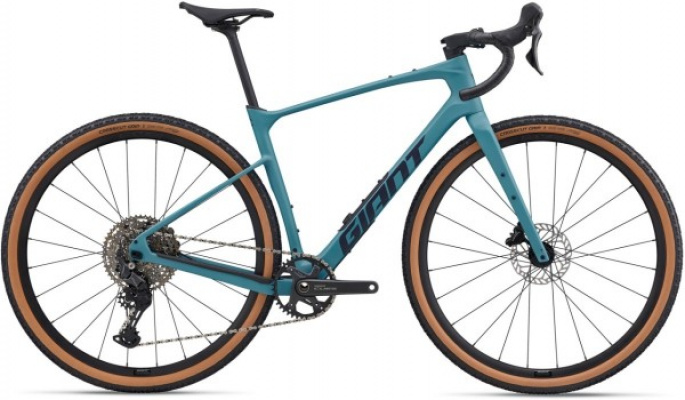
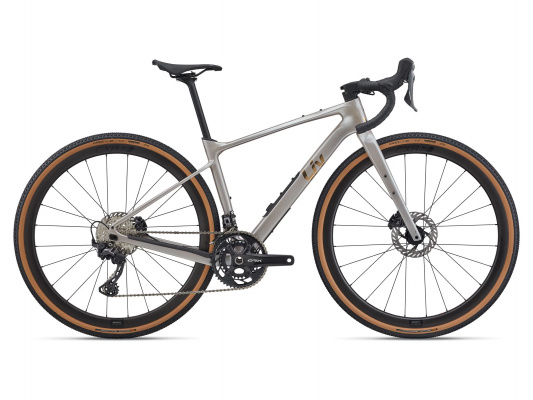
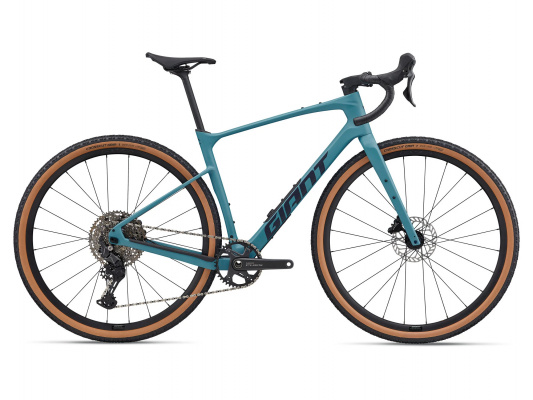
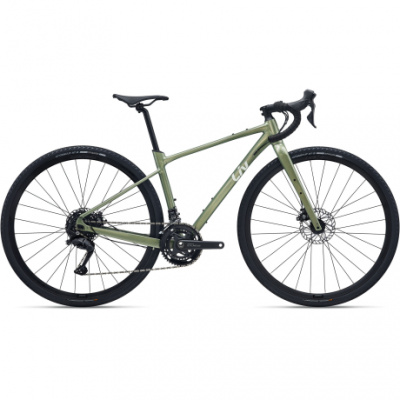
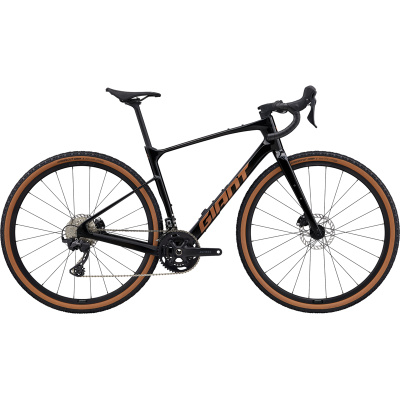
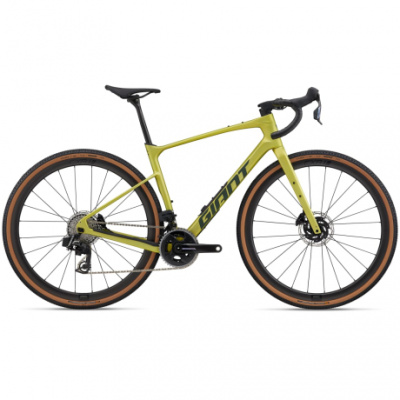
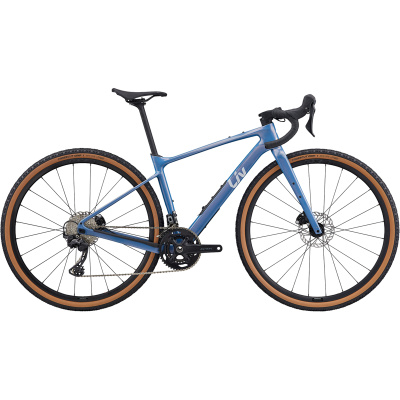
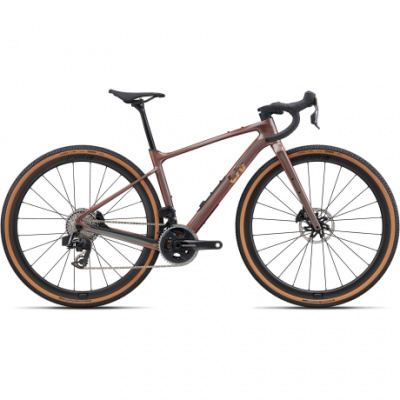
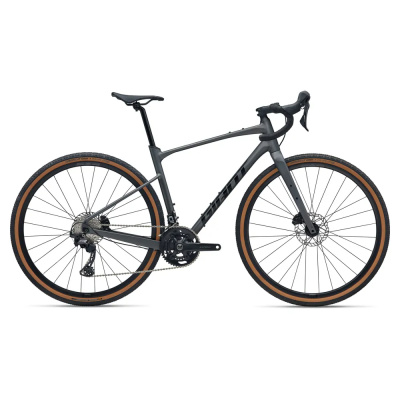
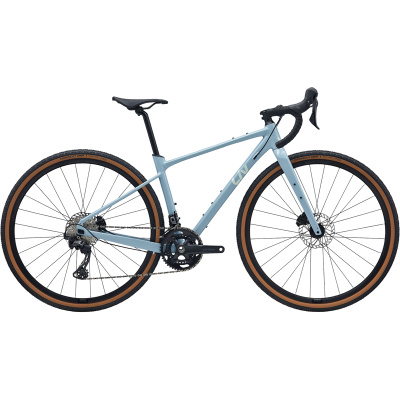
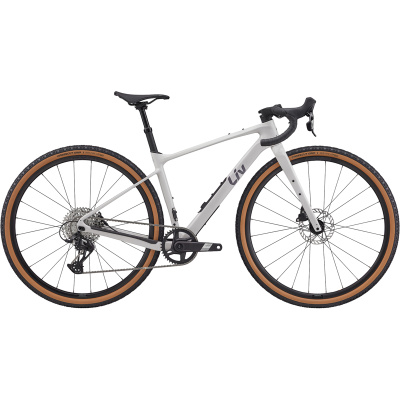
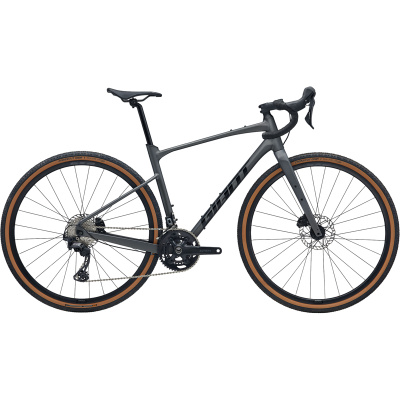
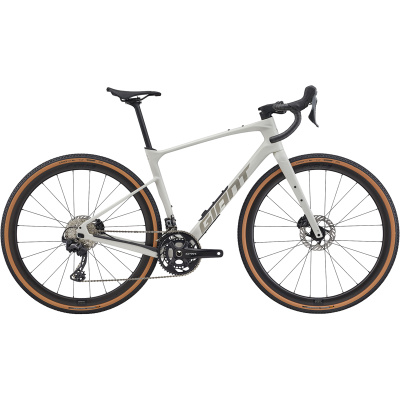
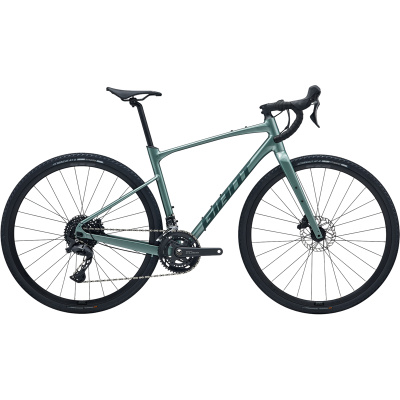
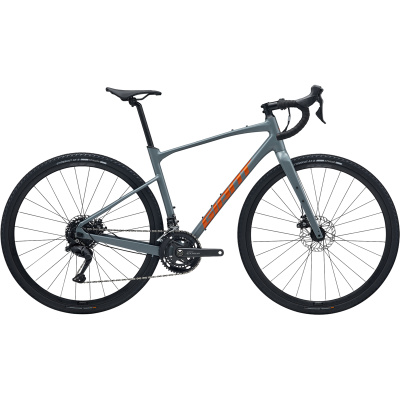
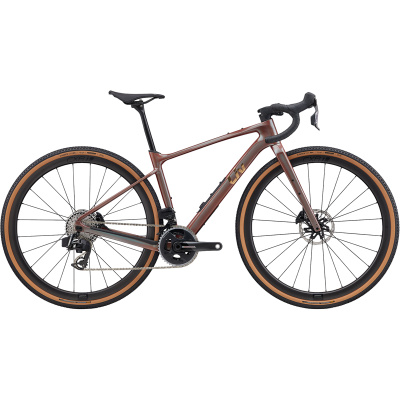
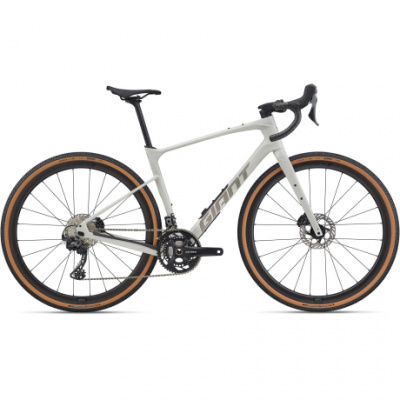
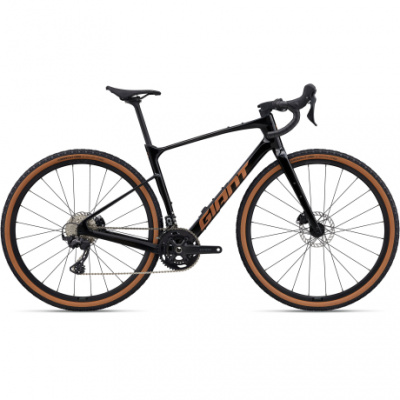
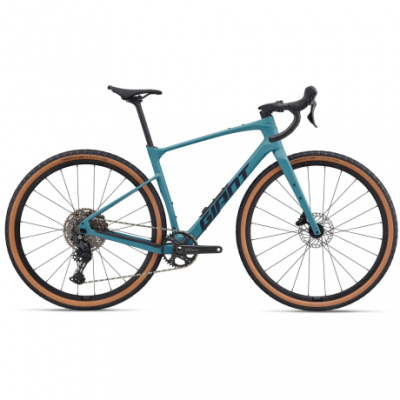
At the top, the Revolt Advanced Pro uses Giant's Advanced-Grade Composite carbon - made in their own facilities, not farmed out - which means tight quality control and frame weights that challenge bikes costing considerably more. Step down to the Revolt Advanced for the same carbon construction without the flagship wheel spec. Prefer alloy? The base Revolt models use ALUXX aluminum, Giant's in-house alloy, shaped for an honest strength-to-weight ratio without the brittle-feeling ride some budget alloy frames can produce.
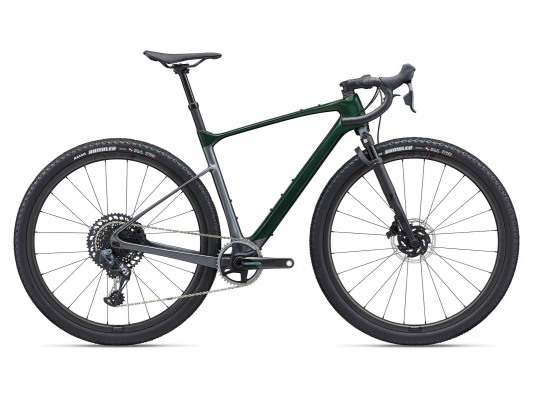
Then there's the Revolt X - a suspension-fork, dropper-post variant aimed at riders who spend more time on bridleways than B-roads. Whether you're eyeing a fast gravel race, a loaded bikepacking route across the Peaks, or a daily mixed-surface commute, there's a Giant gravel bike UK riders should seriously consider. Filter by material or budget to find your match.
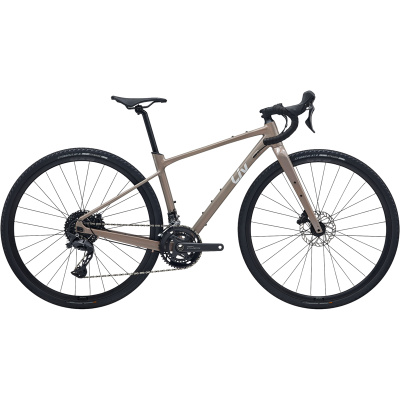
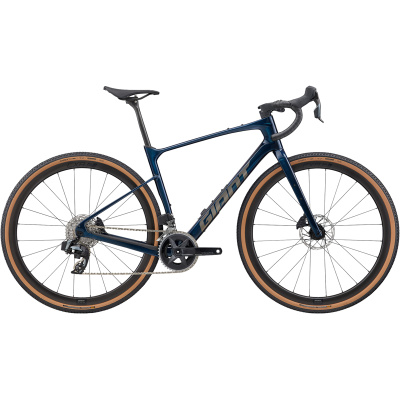
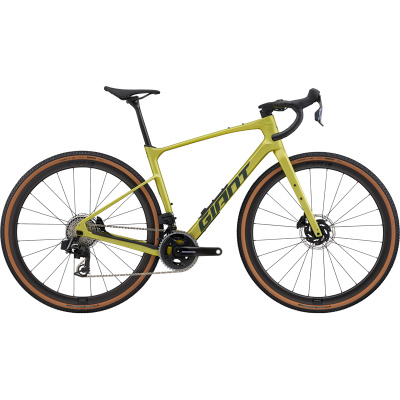
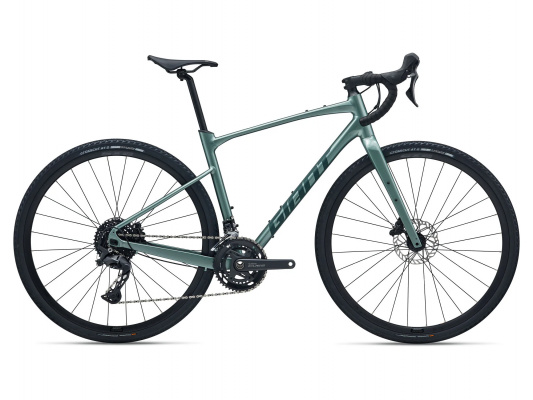
Prices and availability can change quickly. Delivery charges are not always included in listed prices.
Final price, stock status and delivery terms are set by retailer. We may receive a commission on purchases made.
Mapping the Revolt Family: Which Bike Does What
The Revolt range isn't a single bike with a few colour options - it's a structured family with distinct personalities. Getting the right one depends on what your rides actually look like, not what you imagine they might.
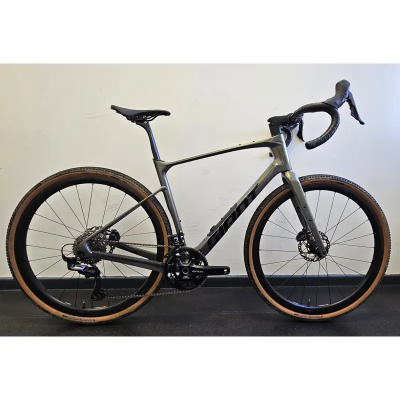
The standard Revolt is a rigid-fork gravel bike built around efficiency and mixed-surface speed. Its gravel geometry sits between an endurance road bike and a full-on adventure rig - committed enough to handle long days on gravel tracks, composed enough that a stretch of tarmac between sectors doesn't feel like punishment. This is the one for riders who race gravel events, tackle fast club rides on varied surfaces, or want a do-it-all bike that leans toward pace. Trim levels climb from the ALUXX aluminum-framed base models through the Revolt Advanced (carbon frame, mid-range components) to the Revolt Advanced Pro, which pairs the flagship carbon layup with carbon wheelsets and top-shelf groupset specs. Each step up shaves weight and tightens the component spec; the jump from alloy to carbon is the most significant shift in ride feel.
The Revolt X is a different conversation. It runs a short-travel suspension fork - typically 40mm of travel - and comes with a dropper seatpost as standard. The geometry is slacker and longer. Where the standard Revolt is happiest threading a fast line through a loose gravel sector, the Revolt X is the one you'd reach for on a rocky Welsh bridleway or a rooty Scottish forest track. It's heavier and not as efficient on tarmac, but it handles genuinely technical ground with a lot more composure. If your rides regularly involve chunky off-road sections where a rigid fork would be chattering your hands numb, the Revolt X is worth a close look. For riders comparing options across brands, Cannondale gravel bikes offer a comparable range split between efficiency-focused and adventure-focused models.
The Tech Behind the Bikes: What Actually Matters
Giant don't load their bikes with tech for marketing copy - most of what's on a Revolt has a specific, testable job to do. Two systems stand out.
The Flip Chip dropout at the rear axle lets you switch between two wheelbase settings. In the short position, you're running standard gravel geometry with tyre clearance up to 45mm. Flip the chip to the long position and the wheelbase grows, the bike feels more planted at speed, and - crucially - tyre clearance opens up to a substantial 53mm. That's not a small difference. Running 53mm rubber on a gravel bike puts you close to a 29er mountain bike in terms of traction and mud-shedding ability, which is relevant if your local bridleways turn into brown soup between October and March. The flip chip also means the Revolt can genuinely grow with your riding - you're not locked into one setup.
The D-Fuse technology is the other piece worth understanding. Both the seatpost and, on higher-spec builds, the handlebar use a D-shaped cross-section that's engineered to flex laterally. It's not suspension - there are no pivots, no linkages, no additional weight - but the controlled flex does take the edge off high-frequency road buzz and gravel chatter. Think of it as the difference between a full-carbon road bike seatpost that transmits everything and a well-designed compliant post that smooths the signal without going slack. Over a four-hour mixed-surface ride, that distinction matters more than any spec sheet suggests. On rough descents, it's the OverDrive steerer taper - Giant's oversized headtube interface - that keeps the front end feeling precise rather than vague.
For riders weighing Giant against other well-engineered options, Canyon gravel bikes and Cube gravel bikes both have their own compliance and geometry thinking worth comparing directly.
Running a Giant Revolt in the UK: Practical Bits
A few things are worth knowing before you pull the trigger, particularly if you're riding UK conditions year-round.
The flip chip's long setting isn't just for riders who want to run massive tyres - even on a standard 40c setup, the longer wheelbase adds stability on loose, wet descents where the front wheel wants to wash. If you're commuting on towpaths or riding winter bridleways, it's worth setting the bike up in long position from day one and leaving it there. Switching back to short for a summer race is a five-minute job.
D-Fuse seatposts are alloy or carbon depending on the build level, and both need proper carbon assembly compound if you're running them in wet, gritty conditions. Without it, the post can creep under load - and discovering that mid-ride on a long climb is not a good time. A small tube of the right paste is cheap insurance. The post is also tubeless ready as standard across the range, which pairs well with Giant's own valve and tape spec - one less compatibility headache when you're setting up.
The tubeless ready wheels across the Revolt range are worth converting if your build doesn't come set up that way. Gravel tubeless takes a bit more sealant than road - budget for a top-up every few months, especially over winter when sealant dries faster in cold temperatures. To get your Revolt properly sorted for UK riding, have a look at Giant gravel and cyclocross tyres for rubber that suits the flip chip's clearance options, and Giant frame bags and Giant bar bags if you're planning longer routes. Worth noting: the Revolt's frame bag compatibility is tight on some triangle shapes, so check the specific frame size against the bag dimensions before ordering.
Giant Gravel Bikes FAQs
What is the difference between Giant Revolt and Revolt X?
The standard Revolt is a rigid gravel bike - efficient, race-capable, and at home on mixed surfaces from gravel sectors to tarmac. The Revolt X adds a short-travel suspension fork (typically 40mm) and a dropper seatpost as standard, with slacker geometry suited to rougher, more technical ground. More capable off-road, but heavier and less efficient on road.
What is the maximum tyre clearance on a Giant Revolt?
Thanks to the Flip Chip rear dropout, the Revolt accommodates up to 45mm tyres in the short position and up to 53mm in the long position. That 53mm clearance is genuinely substantial - enough to run proper mud tyres for UK winter bridleway riding without the bike feeling compromised the rest of the year.
Are Giant gravel bikes good for road riding?
The standard Revolt is very capable on tarmac. The gravel geometry is slightly more relaxed than a pure road bike, but swap in a set of slick or semi-slick tyres and it makes an excellent endurance road bike or year-round commuter. The D-Fuse seatpost and OverDrive front end keep it feeling composed and controlled at road pace.