
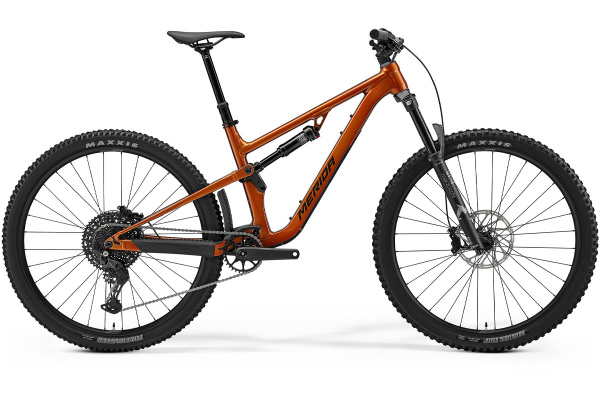
Merida ONE-FORTY 400
Climb technical trails with efficiency, descend with confidence, and tailor the fit to your riding style - all without breaking the bank.
- AGILOMETER sizing: choose reach by ride style, not just height
- FAST kinematic: climbs tight, descends planted
- Marzocchi Z2 fork and Bomber shock: no-nonsense trail control
- Steep 80° seat angle keeps you over the pedals
- Flip chip lets you run mullet or full 29er
- Threaded bottom bracket for hassle-free maintenance
Merida ONE-FORTY 400 Deals
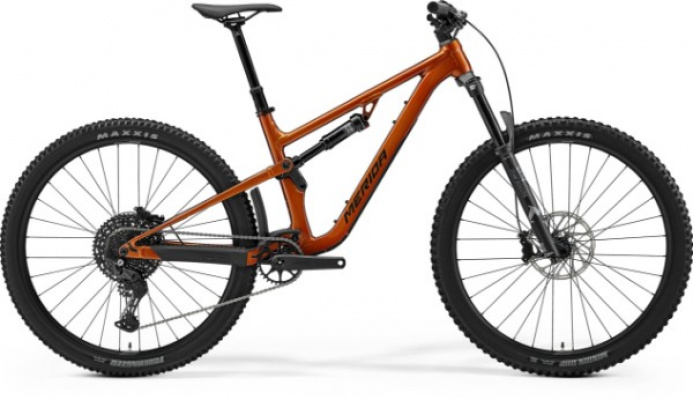
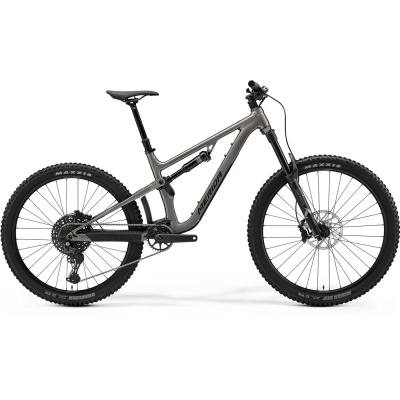
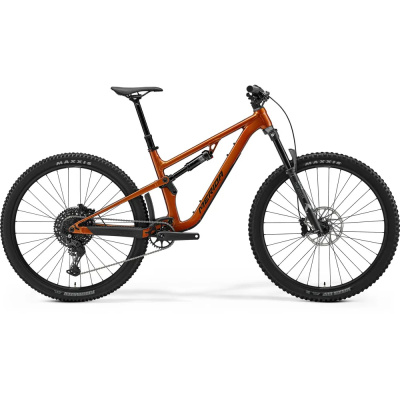

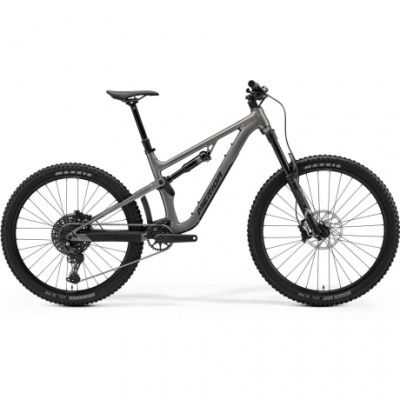
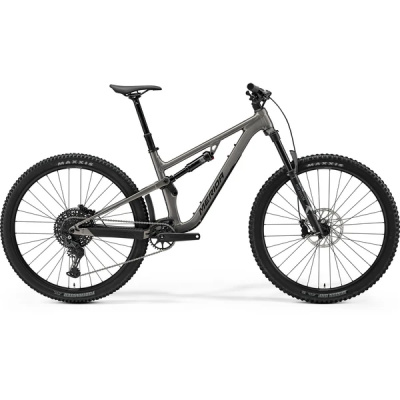
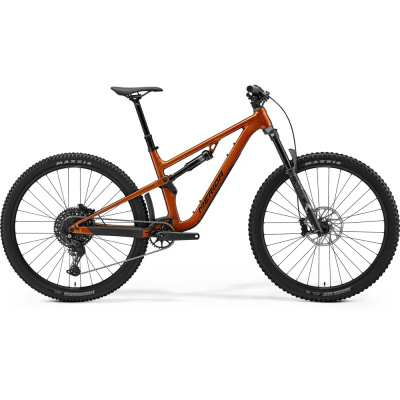
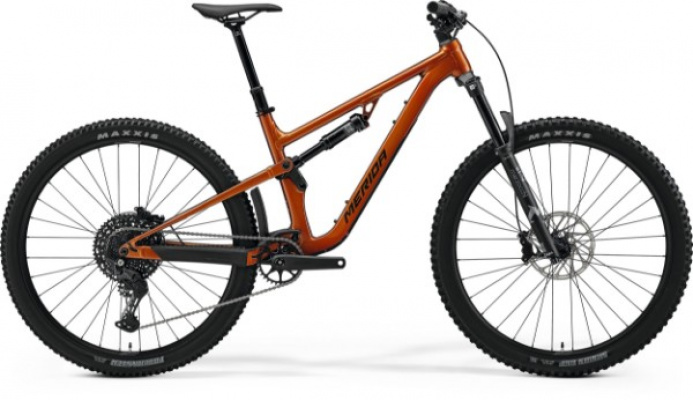
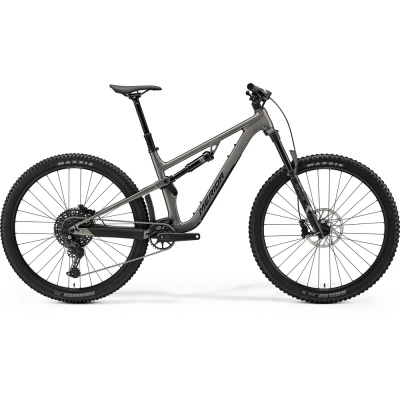
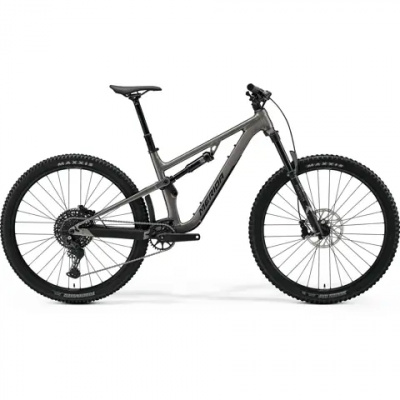
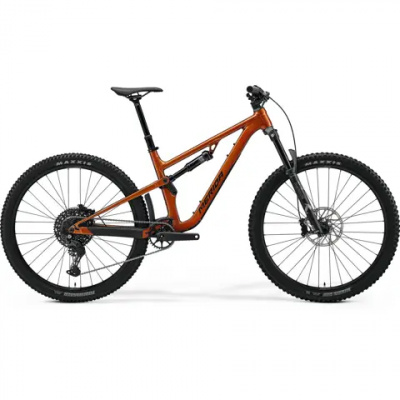
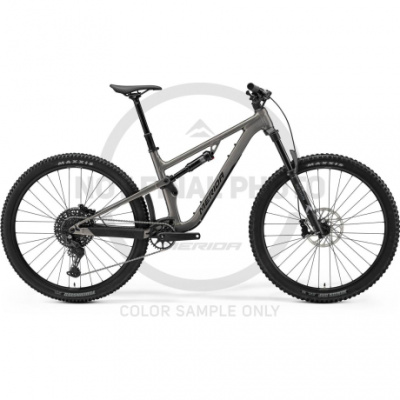
Prices and availability can change quickly. Delivery charges are not always included in listed prices.
Final price, stock status and delivery terms are set by retailer. We may receive a commission on purchases made.
Bikesy's Verdict
The ONE-FORTY 400 is the sort of bike that makes you wonder why you'd spend more. It climbs like a bike with half the travel, descends with the composure of something twice the price, and adapts to your riding style through Merida's AGILOMETER sizing system in a way that feels genuinely useful rather than gimmicky. The Marzocchi suspension is honest and effective, the Shimano drivetrain shifts without fuss, and the progressive geometry inspires the kind of confidence that has you carrying more speed and committing to lines you'd normally second-guess.
It's not the lightest bike in its class, and if you're chasing pure XC race pace or regularly riding full-on enduro stages, you'll want something more specialised. But for the vast majority of trail riders who want one bike to do it all - technical climbs, rowdy descents, all-day epics - the 400 hits the mark. It's a bike that rewards ambition without punishing mistakes, and it does so at a price that leaves room in the budget for tyres, a dropper upgrade, or simply more riding. If you're serious about trail riding but sensible about money, this is where you start.
Pros
- Exceptional climbing efficiency thanks to steep seat angle and supportive suspension
- Progressive geometry inspires confidence on descents without feeling sluggish on climbs
- AGILOMETER sizing lets you tailor reach and handling to your riding style
- Marzocchi suspension and Shimano CUES drivetrain deliver reliable, no-nonsense performance
- Threaded bottom bracket and sensible spec make maintenance straightforward
- Flip chip allows mullet or full 29er setup for terrain-specific tuning
Cons
- Heavier than racier XC options if you're chasing KOMs or race pace
- Suspension lacks the fine-tuning adjustments of pricier forks and shocks when terrain gets truly gnarly
- Steep seat angle won't suit every rider's preferred climbing posture
About the Merida ONE-FORTY 400
The ONE-FORTY 400 lands squarely in that sweet spot where ambitious trail riding meets sensible money. Built around Merida's ONE-FORTY LITE III aluminium frame, it inherits the same progressive geometry and FAST suspension kinematic that define the pricier models in the range, then wraps them in a spec that's refreshingly honest about what matters on trail. Marzocchi suspension front and rear, Shimano's CUES 11-speed drivetrain, four-piston SRAM brakes, and a Maxxis tyre pairing that balances grip with rolling speed - it's a build that prioritises function over flash, and the bike rides all the better for it.
What sets this frame apart is the way Merida's designed it to adapt. The AGILOMETER sizing system decouples reach from rider height, so you're choosing how the bike handles rather than simply ticking a box based on your inseam. Want a longer front centre for stability at speed? Go Long. Prefer a more compact, flickable feel? Drop down a size. The flip chip lets you swap between full 29er and mullet configurations, tweaking the head angle and bottom bracket height to suit your local trails or mood. It's a level of customisation you don't often see at this price point, and it makes the 400 feel less like a one-size-fits-most compromise and more like a bike that's been tailored to you.
On trail, the ONE-FORTY 400 delivers the kind of ride that makes you forget you're on the entry-level aluminium model. The steep seat angle plants you over the cranks, turning technical climbs into a rhythm game rather than a suffer-fest. The FAST kinematic keeps the rear end supportive without feeling dead, so you're not bobbing away watts on fire roads but you've still got the traction and composure to rail rough descents. It's a bike that rewards commitment - lean into a corner and it holds, point it downhill and it tracks - but it's also forgiving enough that you're not walking on eggshells when the trail gets scrappy. If you're the sort of rider who wants one bike to handle everything from long valley loops to gnarly weekend epics, the 400 makes a compelling case.
Merida ONE-FORTY 400 geometry
The numbers here translate into a bike that feels planted without being ponderous. That 65-degree head angle sits right in the modern trail sweet spot - calm enough to inspire confidence when the gradient tips negative, but not so slack that you're wrestling the front end through tight switchbacks. Paired with a steep effective seat angle hovering around 80 degrees, you're positioned well forward when you're seated, which keeps weight over the front wheel on climbs and stops the bike from feeling like it's trying to loop out beneath you on steep technical pitches.
Reach grows sensibly across the size range, from 456 millimetres on the XShort up to 521 on the XLong, and because Merida's AGILOMETER system encourages you to think about handling preference rather than just standover height, you're free to size up for stability or down for agility without feeling like you've made a mistake. The chainstays stay consistent at 437.5 millimetres across all sizes, which keeps the rear end snappy and responsive - useful when you need to pop over a root or manual into a compression - but the longer front centre on the bigger sizes stretches the wheelbase out enough that high-speed stability doesn't suffer.
Bottom bracket drop is modest, so you're not scraping pedals on every off-camber root section, and the stack figures rise predictably as you move up the size chart, keeping the cockpit from feeling cramped even on the longer frames. When you drop into a descent, the bike settles into a balanced, centred posture that lets you weight the front or rear as the terrain demands. It's geometry that doesn't shout about itself - it just works, letting you focus on the trail rather than fighting the bike's manners.
Component choices & upgrades
The stock build on the 400 is already well sorted for the kind of riding this bike was designed to do. Marzocchi's Z2 fork and Bomber Inline shock deliver 150 millimetres of travel up front and 143 at the rear, and while they're not dripping with adjustment dials, they're damped well enough that you're not left hunting for support or traction. Shimano's CUES drivetrain offers an 11-speed, 10-50-tooth range that covers steep climbs and fast descents without leaving you spinning out or grinding to a halt, and the Shadow Plus clutch keeps the chain quiet and secure. SRAM's four-piston DB4 brakes haul you down with enough power and modulation that you're not second-guessing your speed into corners, and the 200-millimetre rotors front and rear give you plenty of thermal mass for longer descents.
The Maxxis tyre pairing - Minion DHF up front, Forekaster out back - strikes a sensible balance between grip and rolling efficiency. The DHF's aggressive tread hooks up in loose or wet conditions, while the Forekaster's lower-profile knobs keep rolling resistance in check when you're pedalling. If you're riding particularly loose or muddy trails, swapping the rear for a Minion DHR II or Aggressor will give you more bite without a huge weight penalty. The MERIDA COMP TR rims are 28 millimetres internal width, which supports those 2.4 and 2.5-inch tyres well, and the Shimano hubs are reliable if unremarkable - they'll spin smoothly for seasons if you keep them greased.
Where you might consider upgrades is if your riding consistently pushes beyond what the stock spec was designed for. If you're chasing faster descents or riding particularly rough terrain, a fork with more sophisticated damping - something like a RockShox Pike or Fox 36 - will give you finer control over compression and rebound, and a coil shock conversion could add a touch more small-bump sensitivity if you're finding the air shock a bit firm. The MERIDA EXPERT TR II dropper post offers decent travel across the size range, but if you're between sizes or want more drop, an aftermarket post with adjustable travel might suit you better. The MERIDA COMP TR cockpit - 780-millimetre bar, 40-millimetre stem - is a sensible starting point, but if you prefer a wider bar or shorter stem for a more aggressive riding position, those are easy swaps that can noticeably change the bike's feel. Just remember: the stock build is already capable of handling serious trail riding, so upgrades are about tailoring the bike to your specific demands rather than fixing shortcomings.
Where the Merida ONE-FORTY 400 excels
This bike is outstanding at technical trail riding where you're mixing sustained climbs with rowdy descents. The steep seat angle and efficient suspension kinematic mean you're not losing energy on the way up, and the progressive geometry gives you the confidence to carry speed and commit to lines on the way down. If your local trails involve long fire-road slogs followed by rocky, rooty singletrack, the 400 will feel right at home - it pedals well enough that you're not cursing the climbs, and it descends with enough composure that you're grinning rather than gripping.
It also does well on all-day epics where you're covering varied terrain and need a bike that won't wear you out or leave you wishing you'd brought something burlier. The comfortable ride position, supportive suspension, and reliable drivetrain mean you can settle into a rhythm and keep it there for hours. The AGILOMETER sizing system is a genuine asset here, because it lets you dial in a fit that suits your riding style - whether that's a longer reach for stability on fast, open trails or a shorter reach for nimbleness in tight, technical sections.
Where it's not ideal is if you're chasing pure cross-country race pace or if you're regularly riding full-on enduro stages. At 16.8 kilograms for a medium, it's not a lightweight, and while the suspension is supportive, it's not as plush or adjustable as what you'd find on a dedicated enduro rig. If you're spending most of your time on smooth, fast XC trails, you'll notice the extra weight and travel slowing you down. Conversely, if you're regularly hitting bike park laps or charging steep, technical descents where you need every millimetre of travel and the most sophisticated damping, you'll want something with more descending pedigree. But for the vast majority of trail riders who want one bike to do it all - and do it well - the 400 hits the mark.
Merida ONE-FORTY 400 FAQs
What is the Merida ONE-FORTY 400 ideal for?
The 400 is ideal for ambitious trail riding where you're tackling technical climbs and descents in equal measure. It's a bike that rewards riders who want versatility - something that climbs efficiently, descends confidently, and handles all-day adventures without complaint. If you're mixing long valley loops with gnarly singletrack, this is the bike that'll keep up.
How much travel does the Merida ONE-FORTY 400 have?
It runs 150 millimetres of travel up front via the Marzocchi Z2 fork and 143 millimetres at the rear through the Marzocchi Bomber Inline shock. That's enough to smooth out rough trails and give you confidence on descents, but not so much that you're lugging around unnecessary weight or fighting excessive bob on climbs.
What is the AGILOMETER sizing on Merida bikes?
AGILOMETER is Merida's sizing system that lets you choose your reach and handling characteristics based on your riding style rather than just your height. It decouples frame size from rider stature, so you can size up for stability at speed or down for a more agile, playful feel. It's about tailoring the bike to how you ride, not just how tall you are.
Is the Merida ONE-FORTY 400 a good climber?
Yes, it's an excellent climber. The steep 80-degree effective seat angle keeps you positioned over the cranks, which helps maintain traction and efficiency on technical ascents. The FAST suspension kinematic is designed to be supportive without feeling dead, so you're not wasting energy bobbing through the travel, and the bike's balanced geometry means it doesn't feel like it's trying to tip backwards on steep pitches.
What are the key features of the Merida ONE-FORTY 400 frame?
The frame is built from ONE-FORTY LITE III aluminium and features internal cable routing, a threaded bottom bracket for easy maintenance, and bottle bosses plus trail mounts for carrying gear. It's designed around the FAST suspension kinematic and progressive geometry, and it includes a flip chip that lets you switch between full 29er and mullet configurations. Maximum tyre clearance is 2.5 inches up front and 2.4 to 2.6 inches at the rear, depending on setup.
Can the Merida ONE-FORTY 400 be run as a mullet?
Yes, the frame includes a flip chip that allows you to run a mullet setup - 29-inch wheel up front, 27.5-inch at the rear. This tweaks the head angle and bottom bracket height slightly, making the bike feel more agile and playful in tight, technical terrain. It's a useful option if your local trails favour quick direction changes over outright stability, or if you simply prefer the feel of a smaller rear wheel.
Key Features & Benefits
- AGILOMETER sizing system: Choose your reach and handling feel based on riding style, not just height, so the bike fits how you ride rather than forcing a compromise
- FAST suspension kinematic with 150mm front / 143mm rear travel: Climbs efficiently without bobbing, descends with traction and composure, giving you one bike that handles technical trails in both directions
- Steep 80° effective seat angle: Keeps you positioned over the cranks on climbs, maintaining traction and power transfer even on steep, technical ascents
- Flip chip for mullet or 29er setup: Adapt the bike's agility and stability to your local trails or riding preference without needing a second frame
- Threaded BSA bottom bracket: Simplifies maintenance and eliminates the creaks and hassle often associated with press-fit standards
Merida ONE-FORTY 400 2025 and 2024 differences
The 2025 ONE-FORTY 400 shared much of the same frame platform and geometry as the 2026 model, but component specifications varied slightly. Some 2025 builds were fitted with Tektro Gemini M535 brakes rather than the SRAM DB4 four-piston units found on the 2026 spec, which may have affected braking power and modulation. The Marzocchi suspension and Shimano CUES drivetrain remained consistent across both years, maintaining the bike's reputation for reliable, no-nonsense performance.
Earlier 2023 and 2024 iterations of the ONE-FORTY 400 featured different suspension components, with some models running Suntour XCR34 forks and RockShox Deluxe Select+ shocks. Drivetrain options also varied, with Shimano Deore or SLX appearing on certain builds. Despite these component changes, the core geometry and FAST suspension kinematic have remained largely consistent across model years, preserving the bike's progressive trail character and versatile handling. The move to Marzocchi suspension and SRAM brakes on the 2026 model represents a refinement of the spec rather than a fundamental redesign, keeping the focus on reliable trail performance at an accessible price point.
Alternatives to Consider
Within Merida's own range, the ONE-SIXTY 400 offers more travel - 160 millimetres front and rear - and a slacker head angle, making it better suited to enduro-focused riding where descents matter more than climb times. If you're after something lighter and more XC-oriented but still want Merida's progressive geometry, the ONE-TWENTY 400 drops travel to 120 millimetres and sheds weight, though you'll sacrifice some descending composure in the process.
Cross-brand, the Trek Fuel EX 5 sits in similar territory - 140 millimetres of travel, trail-focused geometry, and a spec that prioritises reliability over bling. The Fuel EX leans slightly more towards all-round versatility, while the ONE-FORTY 400 feels a touch more aggressive on descents. The Specialized Stumpjumper Alloy is another direct peer, offering 150/140 millimetres of travel and Specialized's adjustable geometry, though it typically commands a higher price for a comparable build. The Scott Genius 940 brings TwinLoc suspension adjustment into the mix, letting you switch between climb, trail, and descend modes on the fly - useful if you're riding varied terrain and want instant setup changes, though the added complexity isn't for everyone. Finally, the Giant Trance X 2 offers similar travel and a proven Maestro suspension platform, often at a competitive price, though its geometry skews slightly more conservative than the ONE-FORTY's progressive numbers.
Each of these bikes brings its own strengths - adjustability, weight savings, or brand-specific suspension feel - but the ONE-FORTY 400 stands out for its combination of progressive geometry, AGILOMETER sizing flexibility, and a spec that's refreshingly focused on what matters on trail rather than what looks good on a spec sheet.
Reviews
Longer reach and a steep seat angle combine to create a bike that feels planted on climbs and poised on descents. The FAST kinematic keeps the rear end active enough to track over roots and rocks without feeling vague or wallowy, and the Marzocchi suspension delivers consistent damping that doesn't demand constant fiddling. When you're grinding up a technical pitch, the bike stays composed and efficient; when the trail tips downhill, it settles into a balanced stance that lets you weight the front or rear as the terrain demands.
Traction is excellent, thanks to the Maxxis Minion DHF up front and the supportive suspension tune. The bike holds lines through loose corners and doesn't get deflected easily by off-camber roots or embedded rocks. Because the chainstays are relatively short, the rear end feels snappy and responsive - useful when you need to manual over an obstacle or pump through a compression - but the longer front centre on the bigger sizes keeps high-speed stability from suffering. It's a ride that rewards commitment without punishing mistakes.
Shimano's CUES drivetrain shifts cleanly and the 10-50-tooth range covers everything from steep pinches to fast valley floors. SRAM's four-piston brakes offer strong, predictable power, and the 200-millimetre rotors give you plenty of thermal capacity for longer descents. The bike feels like it's been specced by people who actually ride trails rather than just ticking boxes on a spreadsheet, and that shows in how well the components work together. If you're the sort of rider who wants one bike to handle everything from long fire-road slogs to gnarly singletrack, the 400 delivers without drama or compromise.
Full Specification
| Spec | Value |
|---|---|
| Frame Material | ONE-FORTY LITE III Aluminium |
| Frame Design | FAST kinematic suspension system with radical trail geometry |
| Frame Features | Internal cable routing, threaded bottom bracket, trail mounts, bottle bosses, flip chip for mullet or 29er setup |
| Tyre Clearance | 2.5" front, 2.4 - 2.6" rear |
| Bottom Bracket | Threaded BSA 24mm (Samox BSA 24mm EB2401) |
| Rear Axle | 148x12mm Boost |
| Fork | Marzocchi Z2 |
| Fork Travel | 150mm |
| Fork Type | Air, tapered steerer, 44mm offset |
| Rear Shock | Marzocchi Bomber Inline |
| Rear Travel | 143mm |
| Suspension Platform | FAST kinematic suspension |
| Shifters | Shimano CUES U6000 |
| Rear Derailleur | Shimano CUES U6000 Shadow Plus |
| Crankset | MERIDA Expert TR II |
| Crank Length | 170mm |
| Cassette | SunRace 10 - 50t CS-UX400 EA5, 11-speed, Linkglide |
| Chain | KMC xGlide |
| Drivetrain Gearing | 11-speed, 10 - 50t |
| Brakes | Hydraulic disc |
| Brake Calipers | SRAM DB4, 4-piston |
| Rotors | SRAM CenterLine, 200mm |
| Rims | MERIDA COMP TR II, 28mm internal width |
| Hubs (Front) | Shimano TC500-B, 110x15mm |
| Hubs (Rear) | Shimano TC500-HM-B, 148x12mm Boost |
| Spokes | Black stainless |
| Tyres (Front) | Maxxis Minion DHF, 29x2.5", wired bead |
| Tyres (Rear) | Maxxis Forekaster, 29x2.4", wired bead |
| Handlebar | MERIDA COMP TR, 780mm width, 20mm rise |
| Stem | MERIDA COMP TR, 40mm length, 35mm clamp diameter |
| Headset | Acros ICR MERIDA EXTERNAL |
| Seatpost | MERIDA EXPERT TR II, 34.9mm diameter, 0mm setback |
| Seatpost Travel | XShort/Short 150mm, Mid 170mm, Long 200mm, XLong 230mm |
| Saddle | MERIDA COMP SL |
| Weight (Approx) | 16.8 kg (Size M) |