
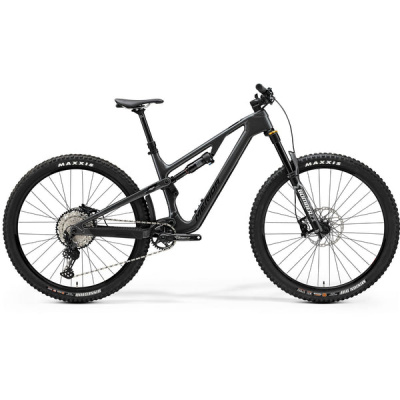
Merida ONE-FORTY 6000
Climb like you're on rails, descend with proper confidence, and enjoy a supple ride that rewards commitment.
- 150mm Marzocchi Z1 fork, 143mm RockShox rear
- P-FLEX flexstay: one less pivot, smoother feel
- Steep seat angle puts you over pedals
- Integrated tool storage and FidLock bottle mounts
- Mullet-compatible flip-chip for travel and geometry tweaks
- Shimano SLX 4-piston brakes, 203mm rotors
Merida ONE-FORTY 6000 Deals

Prices and availability can change quickly. Delivery charges are not always included in listed prices.
Final price, stock status and delivery terms are set by retailer. We may receive a commission on purchases made.
Bikesy's Verdict
The Merida ONE-FORTY 6000 is a trail bike that gets the fundamentals right and then adds a few clever touches that make it genuinely enjoyable to ride. The geometry is aggressive enough to inspire confidence on descents but not so extreme that you're fighting it on climbs, and the P-FLEX suspension delivers a supple, low-maintenance ride feel that's rare at this price point. It's a bike that'll make you a better rider simply because it lets you focus on the trail rather than wrestling with the machine beneath you.
If you're after a do-it-all trail bike that climbs brilliantly, descends with composure, and offers genuine versatility through smart sizing and flip-chip adjustment, the ONE-FORTY 6000 deserves serious attention. It's not the lightest or the flashiest, but it's one of the most capable and rewarding trail bikes you'll find at this spec level. Ride it hard, and it'll reward you.
Pros
- Steep seat angle and efficient suspension make it one of the best-climbing trail bikes in its class
- Slack head angle and long reach deliver confidence and stability on technical descents
- P-FLEX flexstay suspension is supple, low-maintenance, and tracks beautifully over chatter
- AGILOMETER sizing lets you choose reach based on riding style, not just height
- Integrated tool storage and FidLock bottle mounts are genuinely practical for all-day rides
Cons
- Around 15kg - heavier than some carbon trail bikes if you're chasing the lightest build
- Steep seat angle can feel forward for riders with longer femurs or on very long fire-road grinds
- Headset cable routing makes servicing slightly more involved when you need to replace cables
About the Merida ONE-FORTY 6000
Merida's ONE-FORTY 6000 lands in the sweet spot where trail bikes stop being polite and start getting properly capable. Built around a CF4 carbon frame with 150mm up front and 143mm out back, it's aimed squarely at riders who want a bike that climbs like it's been stung but still has the composure to let you send it when the gradient flips. The geometry is what Merida calls 'radical' - and they're not overselling it. A slack 65-degree head angle, long reach figures across the size run, and an 80-degree seat tube that plants you right over the cranks add up to a bike that feels planted at speed yet surprisingly nimble when the trail tightens. It's not trying to be an enduro sled or an XC whippet; it's the bike you grab when the ride might involve both.
What sets the 6000 apart in the ONE-FORTY range is its spec: Marzocchi's Bomber Z1 fork brings 150mm of GRIP-damped travel, while the RockShox Deluxe Select+ shock drives Merida's FAST kinematic suspension platform. That platform uses P-FLEX flexstay technology - essentially a carefully tuned flex zone in the seat stay that replaces a traditional pivot. You lose a bearing, gain suppleness, and the bike tracks over chatter with a smoothness that belies its travel figures. Shimano SLX anchors the drivetrain and braking, with four-piston callipers and 203mm rotors front and rear. Maxxis Minion DHF rubber up front and a Dissector out back give you grip where it counts. It's a build that works straight out of the box, and the frame's integrated tool storage and FidLock magnetic bottle mounts show Merida's been thinking about the ride, not just the spec sheet.
The AGILOMETER sizing system deserves a mention. Rather than locking you into a frame based purely on height, Merida offers five sizes - XShort through to XLong - each with a distinct reach figure. You pick the cockpit length that suits your style: shorter for quick, poppy handling; longer for stability and confidence at speed. It's a refreshingly rider-first approach, and it means the ONE-FORTY 6000 can feel like your bike, not just a bike. Flip-chip adjustment lets you run a mullet setup (29-inch front, 27.5-inch rear) or tweak geometry and travel slightly, so there's headroom to adapt as your riding evolves. At around 15 kilos, it's not the lightest carbon trail bike you'll find, but that weight brings stiffness and durability - and when you're mid-descent, you'll appreciate the planted feel more than you'll miss a few hundred grams.
Merida ONE-FORTY 6000 geometry
The numbers translate to a bike that feels long, low, and confident without tipping into sluggish. Reach spans from 426mm in XShort to 535mm in XLong, so there's genuine choice here - not just token sizing. That length pushes your weight forward on descents, giving you room to move the bike beneath you and keeping the front wheel weighted through rough sections. The 65-degree head angle is slack enough to inspire confidence when things get steep and loose, yet it's not so laid-back that you're wrestling the bars through tight switchbacks. You'll notice the bike wants to hold a line rather than dart around, which suits fast, open trails and technical rock gardens equally well.
The 80-degree seat tube angle is where the climbing magic happens. It's steep - properly steep - and it puts your hips directly over the bottom bracket. When you're grinding up a rooty climb or punching through a technical step, you're not fighting to keep the front wheel down or scrabbling for traction at the rear. Your weight is exactly where it needs to be, and the bike just gets on with it. If you're used to slacker seat angles, the position might feel a touch forward at first, but give it a ride or two and you'll wonder why every trail bike doesn't do this. The trade-off? Riders with longer femurs or those who prefer a more laid-back pedalling position might find it less comfortable over very long days in the saddle.
Chainstays sit at 437.5mm across all sizes, which is short enough to keep the rear end playful and responsive but long enough to maintain stability when you're on the gas. The wheelbase grows with frame size, stretching from 1167mm in XShort to 1302mm in XLong, so bigger riders get the same balanced feel as smaller ones. Bottom bracket drop hovers around 70mm, giving you a low centre of gravity for cornering grip without leaving you vulnerable to pedal strikes on technical climbs. It's a geometry package that rewards commitment: the harder you push, the more composed it feels.
Component choices & upgrades
The stock build on the ONE-FORTY 6000 is well sorted. Marzocchi's Bomber Z1 fork is a proven workhorse - it's essentially a RockShox Lyrik with different decals and a simpler damper tune, and it handles everything from fast compressions to slow, wallowy hits with aplomb. The RockShox Deluxe Select+ shock offers a lockout for fire-road slogs, and its tune works well with Merida's FAST suspension platform. Shimano SLX brakes are powerful, consistent, and easy to service; the four-piston callipers and 203mm rotors give you plenty of stopping power even on long, steep descents. The Shimano Deore/SLX 12-speed drivetrain shifts cleanly and offers a 10-51T range that covers most terrain without leaving you spinning out or grinding to a halt.
That said, if you're chasing marginal gains or your local trails are particularly demanding, there's room to refine. The Maxxis Minion DHF and Dissector tyres are a solid pairing, but they're specced with EXO casings - fine for most riders, but if you're regularly riding sharp rocks or pushing hard into corners, a step up to EXO+ or even DoubleDown casings will give you more puncture protection and sidewall support. The Merida-branded cockpit - 780mm bars, 40mm stem - works well, though some riders might want a touch more rise or a different grip compound for comfort on longer rides. The dropper post offers 230mm of travel on larger sizes, which is generous, but if you're on the XShort or Short frame, you might find yourself wishing for a bit more drop.
Wheelwise, the Merida Expert TR II rims are tubeless-ready and reasonably tough, but they're not the lightest or stiffest option out there. If you're a heavier rider or you're regularly smashing through rock gardens, a set of burlier hoops - something with a wider internal width and a stronger rim profile - will add compliance and durability. The fork and shock are both air-sprung, so dialling in your sag and rebound settings is essential; if you're not getting the feel you want, consider a volume spacer tweak or a custom tune from a suspension specialist. But honestly? For most riders, the stock setup is more than capable. Ride it as it comes, learn where it excels, and only upgrade when your skills or terrain genuinely demand it.
Where the Merida ONE-FORTY 6000 excels
This bike is outstanding at aggressive trail riding where the terrain mixes technical climbs with rowdy descents. If your local loops involve punchy ascents followed by fast, rough descents - think rooty singletrack, rock gardens, and off-camber corners - the ONE-FORTY 6000 will feel like it was built for your backyard. The steep seat angle and efficient suspension platform mean you can attack climbs without feeling like you're hauling a boat anchor, and the slack head angle and long reach give you the confidence to let off the brakes and trust the bike when gravity takes over. It's also brilliant for riders who want one bike that can handle weekend epics and midweek blasts without needing a quiver.
It does well on longer rides, too. The suspension is supple enough to soak up trail chatter over hours in the saddle, and the geometry keeps you comfortable without feeling cramped. The integrated tool storage and bottle mounts are genuinely useful - no need to strap a pack on for shorter rides - and the flip-chip adjustment means you can tweak the bike's character if you're heading somewhere new. It's also a strong choice for riders who like to session features: the playful rear end and responsive handling make it easy to pop off lips, manual through sections, or pump through berms. It's not a jump bike, but it's happy to get airborne when you ask.
Where it's not ideal: pure XC racing. The weight and travel figures mean it's not going to keep pace with a dedicated cross-country race bike on smooth, fast courses. If you're chasing podiums in short-track events or you spend most of your time on groomed flow trails, you'll find lighter, more efficient options elsewhere. It's also not a full-blown enduro rig. While it handles rough descents confidently, riders who regularly tackle bike-park runs or ultra-steep, high-speed terrain might want the extra travel and stability of a 160mm-plus enduro bike. The steep seat angle, while brilliant for climbing, can feel a bit forward for some riders on very long, mellow fire-road grinds. And if you're after the absolute lightest carbon trail bike on the market, the ONE-FORTY 6000's 15-kilo weight will feel a touch portly. But for the vast majority of trail riding - the stuff that's actually fun - it's right in the zone.
Merida ONE-FORTY 6000 FAQs
What is the travel of the Merida ONE-FORTY 6000?
The ONE-FORTY 6000 runs 150mm of travel up front via the Marzocchi Bomber Z1 fork and 143mm at the rear through the RockShox Deluxe Select+ shock. The flip-chip adjustment can alter rear travel slightly, and the P-FLEX flexstay design adds a touch of compliance that makes the bike feel more supple than the numbers suggest.
Is the Merida ONE-FORTY 6000 good for climbing?
Yes, it's one of the best-climbing trail bikes in its class. The 80-degree seat tube angle puts your weight directly over the cranks, giving you excellent traction and pedalling efficiency on technical ascents. The FAST suspension platform is designed to minimise bob, and the relatively light weight for a 150mm bike means you're not hauling dead weight uphill.
What are the key features of the Merida ONE-FORTY 6000?
The standout features include the P-FLEX flexstay suspension design, which replaces a rear pivot for smoother performance and lower maintenance; the AGILOMETER sizing system, which lets you choose reach based on riding style rather than just height; integrated tool storage and FidLock magnetic bottle mounts; and flip-chip geometry adjustment for mullet setups or travel tweaks. The steep seat angle and slack head angle geometry package is also a defining characteristic.
What year is the Merida ONE-FORTY 6000?
The most recent confirmed model year widely available and reviewed is 2024. Specifications for 2023 and 2025 models are very similar, with only minor component variations. No definitive 2026 model has been confirmed in the research.
How does the Merida ONE-FORTY 6000 compare to the Merida ONE-SIXTY?
The ONE-SIXTY shares the same frame platform but runs longer travel - 160mm front and rear - making it more enduro-focused. The ONE-FORTY 6000 is lighter, more efficient on climbs, and better suited to all-day trail riding, while the ONE-SIXTY offers more descending capability and stability on very rough, steep terrain. If you spend more time going up than down, the ONE-FORTY is the better choice.
What size Merida ONE-FORTY 6000 should I get?
Merida's AGILOMETER system gives you five sizes based on reach, not just height. If you want quick, nimble handling, size down; if you prefer stability and confidence at speed, size up. As a rough guide, XShort suits riders around 150 - 160cm, Short 160 - 170cm, Mid 168 - 178cm, Long 175 - 185cm, and XLong 183cm and above. Test-ride if you can, or consult Merida's fit guide for your riding style.
What is the weight of the Merida ONE-FORTY 6000?
The complete bike weighs approximately 15 to 15.4 kilograms, depending on frame size and exact build. It's not the lightest carbon trail bike out there, but the weight brings stiffness and durability, and it's still manageable for all-day rides and technical climbs.
Can the Merida ONE-FORTY 6000 run a mullet setup?
Yes, the flip-chip adjustment allows you to run a 29-inch front wheel with a 27.5-inch rear wheel. This mullet configuration can make the bike feel more playful and easier to manoeuvre in tight terrain, though you'll sacrifice a bit of rollover capability at the rear. It's a useful option if you want to experiment with different handling characteristics.
Key Features & Benefits
- P-FLEX flexstay suspension design: Replaces a rear pivot with a tuned flex zone, giving you smoother tracking over chatter, less maintenance, and a more supple ride feel without sacrificing support
- 80-degree seat tube angle: Plants your weight directly over the cranks for exceptional traction and pedalling efficiency on technical climbs, so you can attack ascents without the front wheel lifting
- AGILOMETER sizing system: Five distinct reach options let you choose cockpit length based on your riding style - shorter for nimble handling, longer for stability - rather than being locked into height-based sizing
- Flip-chip geometry adjustment: Lets you run a mullet (29/27.5) setup or tweak travel and geometry slightly, so the bike can adapt as your riding evolves or when you tackle different terrain
- Integrated tool storage and FidLock bottle mounts: Keeps essentials on the bike for shorter rides, so you can leave the pack at home and enjoy a lighter, more agile feel on the trail
Merida ONE-FORTY 6000 2023 differences
The 2023 model shares the same core CF4 carbon frame, FAST kinematic suspension platform, and P-FLEX flexstay design as the 2024 version. Suspension travel remains 150mm front and 143mm rear, with the Marzocchi Bomber Z1 fork and RockShox Deluxe Select+ shock carrying over. Geometry figures - including the 65-degree head angle, 80-degree seat angle, and reach measurements across the five AGILOMETER sizes - are identical, so the ride character and handling are effectively unchanged.
Component specifications are very similar, with Shimano SLX/Deore 12-speed drivetrain, Shimano SLX four-piston brakes, and Maxxis Minion DHF/Dissector tyres appearing on both years. Minor variations in rim width (29mm versus 32mm internal) and crankset arm lengths are noted across different sources, but these are likely spec-sheet inconsistencies rather than deliberate year-on-year changes. The integrated tool storage, FidLock bottle mounts, and flip-chip geometry adjustment are present on both model years. In practical terms, the 2023 and 2024 ONE-FORTY 6000 are the same bike, so if you find a 2023 model at a better price, you're not sacrificing performance or features.
Alternatives to Consider
Within Merida's own range, the ONE-SIXTY 6000 shares the same frame platform but stretches travel to 160mm front and rear, making it a more enduro-focused option if you prioritise descending capability over climbing efficiency. If you want something lighter and more XC-oriented, the Merida Ninety-Six RC 6000 offers 100mm of travel and a race-ready build, though it sacrifices the ONE-FORTY's descending composure.
Cross-brand, the Specialized Stumpjumper EVO Comp is a close rival, offering similar travel and aggressive geometry with Specialized's own suspension platform and a slightly more enduro-leaning character. The Trek Fuel EX 8 sits in the same 140 - 150mm trail category, with Trek's Active Braking Pivot for composed descending, though some riders find it less playful than the Merida. The Giant Trance X Advanced Pro 29 2 brings Maestro suspension and a slightly more balanced, less radical geometry, appealing to riders who want versatility without the ONE-FORTY's steep seat angle. For a UK-built alternative, the Whyte G-180 S offers longer travel and a more gravity-focused setup, though it's heavier and less efficient on climbs. Finally, the Nukeproof Reactor 290 Comp delivers similar travel and a proven Horst-link platform at a competitive price, with a slightly more playful rear end and a build that's easy to upgrade over time.
Reviews
Radical geometry and P-FLEX suspension combine to create a trail bike that climbs with the best and descends with real composure. The steep seat angle puts you right over the pedals, so technical ascents feel manageable rather than a battle, and the slack head angle gives you the confidence to let the bike run when the trail points down. Handling is stable without feeling sluggish - it holds a line through rough sections and corners with grip, yet the short chainstays keep the rear end responsive enough to flick through tight turns or pop off features when you want to play.
Suspension performance is a highlight. The flexstay design tracks over chatter and small bumps with a smoothness that belies the travel figures, and the FAST kinematic platform offers good support under power without feeling dead or overly firm. When you're pushing hard into compressions or landing off drops, the bike soaks it up and keeps moving forward. Because the rear pivot is replaced by a tuned flex zone, there's less maintenance to worry about and a more connected feel to the trail.
Weight is the main trade-off. At around 15 kilos, it's not the lightest carbon trail bike, and you'll notice that on long climbs or when you're trying to accelerate out of tight corners. The steep seat angle, while brilliant for climbing, can feel a touch forward for some riders on mellow fire-road grinds or very long days in the saddle. Headset cable routing is tidy but makes servicing slightly more involved. Still, the overall package delivers exceptional value - this is a bike that encourages you to ride harder and faster, and it rewards commitment with a planted, confidence-inspiring feel that makes technical terrain feel manageable.
Full Specification
| Spec | Value |
|---|---|
| Frame Material | ONE-FORTY CF4 III carbon |
| Frame Design | Progressive trail geometry with FAST kinematic suspension |
| Available Sizes | XShort, Short, Mid, Long, XLong |
| Bottom Bracket | Threaded BSA 73mm |
| Rear Axle | 148x12mm Boost |
| Tyre Clearance | 29x2.5" (front), 29x2.4" (rear) |
| Cable Routing | Internal, through headset (WIRE PORT) |
| Mounts | Internal tool storage, FidLock magnetic bottle cage mounts, GoPro & Supernova mount point on stem, integrated rear fender |
| Fork | Marzocchi Bomber Z1 |
| Fork Travel | 150mm |
| Fork Type | Air, GRIP damper |
| Rear Shock | RockShox Deluxe Select+ lockout |
| Rear Travel | 143mm |
| Suspension Platform | FAST kinematic with P-FLEX Flexstay technology |
| Drivetrain | 1x12-speed |
| Shifters | Shimano XT M8100 or Shimano SL-MT500-IL |
| Rear Derailleur | Shimano Deore M6100 SGS or Shimano SLX M7100 |
| Crankset | Race Face Turbine, 170mm |
| Cassette | Shimano Deore M6100 or Shimano SLX, 10-51T |
| Chain | KMC X12 or GX Eagle T-Type |
| Brakes | Hydraulic disc |
| Brake Levers & Calipers | Shimano SLX M7120 (4-piston) or Shimano Deore M6120 (4-piston) |
| Rotors | 203mm front and rear |
| Rims | Merida Expert TR II or Reynolds 329 Trail Comp |
| Hubs | Shimano TC500-B / Shimano TC600-MS-B (front/rear) or Shimano SLX Boost |
| Spokes | Black stainless |
| Tyres Front | Maxxis Minion DHF 29x2.5" |
| Tyres Rear | Maxxis Dissector 29x2.4" |
| Handlebar | Merida Expert TR II, 780mm width, 18mm rise (XS/S) or 30mm rise (M/L/XL) |
| Stem | Merida Expert eTRII, 35mm diameter, 40mm length |
| Grips | Merida Expert EC |
| Headset | Acros ICR MERIDA INTEGRATED neck with IPS sealing |
| Seatpost | Merida Team TR II or III, 34.9mm diameter, 10mm setback, 30-230mm travel |
| Saddle | Merida Expert SL with V-mount and integrated multitool |
| Weight | Approximately 15.11 - 15.4 kg |