
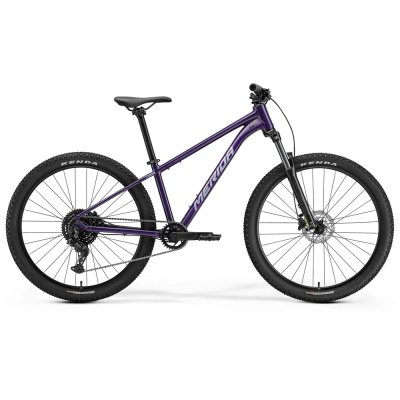
Merida BIG.SEVEN 20
Comfortable, capable hardtail that makes trail riding accessible with nimble 27.5" wheels and all-day geometry.
- 27.5" wheels: nimble on tight trails, easy to flick
- Relaxed geometry puts you upright for all-day comfort
- Hydraulic disc brakes: confident stopping in any weather
- Mudguard and rack mounts for year-round versatility
- TFS aluminium frame: proven strength, clean lines
- 100mm fork smooths moderate trail chatter
Merida BIG.SEVEN 20 Deals
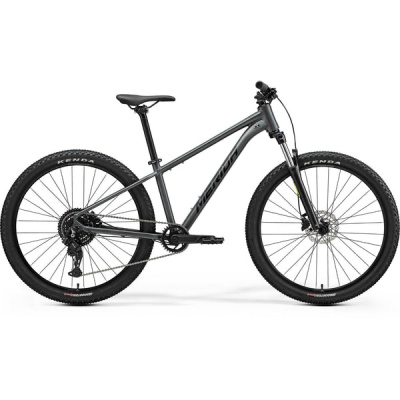
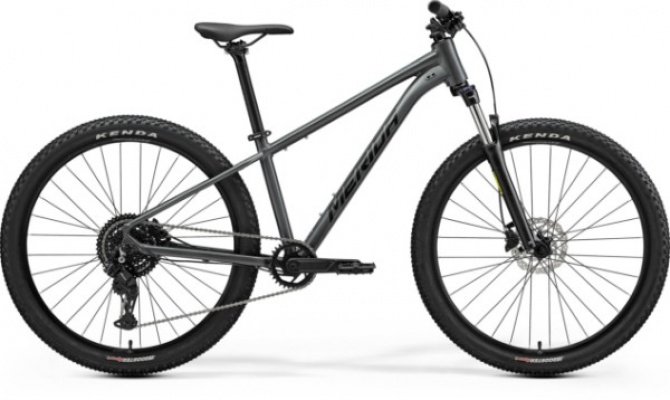
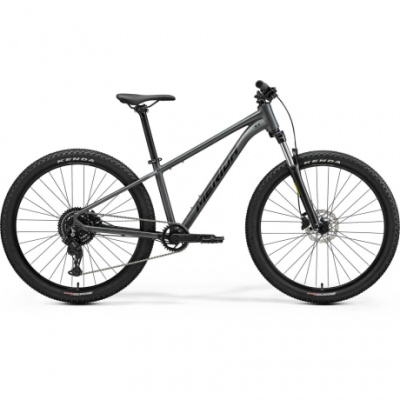
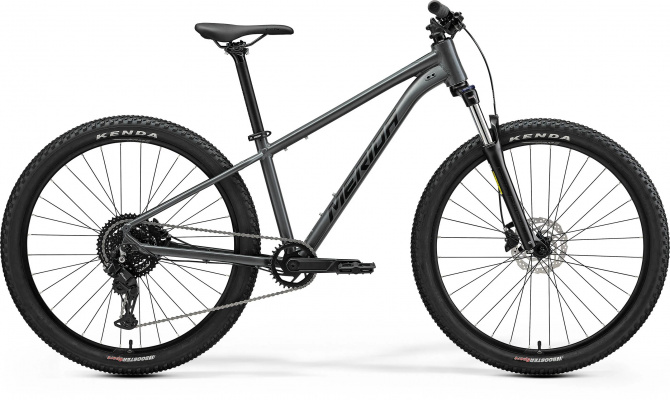
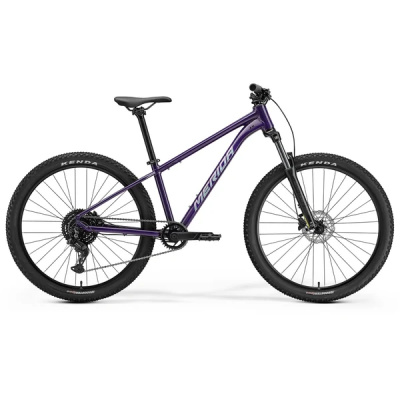

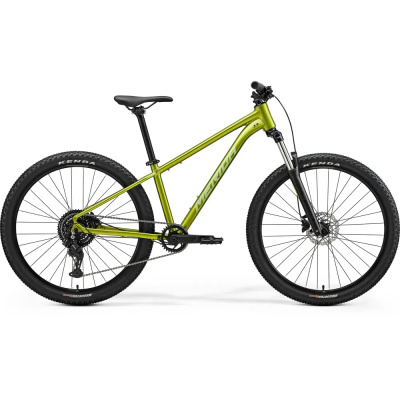
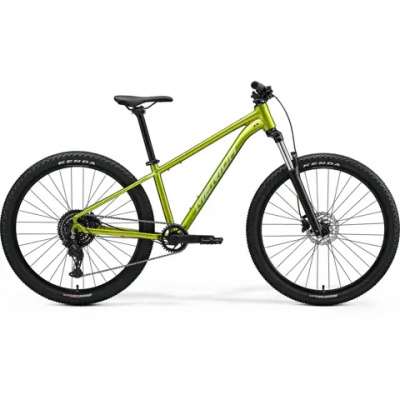
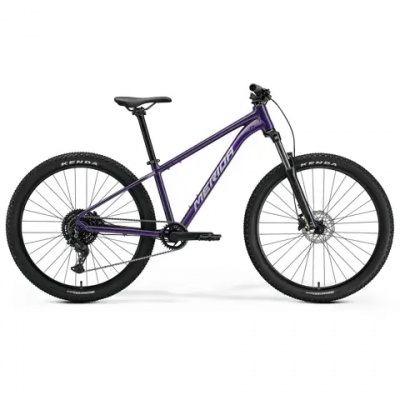
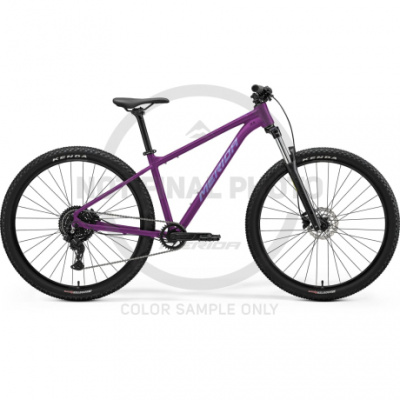
Prices and availability can change quickly. Delivery charges are not always included in listed prices.
Final price, stock status and delivery terms are set by retailer. We may receive a commission on purchases made.
Bikesy's Verdict
The Merida BIG.SEVEN 20 is the hardtail that gets out of your way and lets you ride. It's comfortable enough for all-day adventures, capable enough for proper trails, and practical enough to handle commuting or touring when the mood strikes. The geometry puts you in a position where control feels natural, the 27.5-inch wheels give you nimble handling without sacrificing rollover, and the hydraulic brakes inspire confidence in any weather. It's not chasing race results or Instagram glory - it's chasing the simple pleasure of riding well-built trails on a well-built bike.
If you're stepping into mountain biking or want a dependable trail companion that doesn't demand constant upgrades or maintenance, the BIG.SEVEN 20 delivers honest performance at a fair price. It's the bike you'll actually ride, not the one you'll spend weekends fettling. That's worth more than a spec sheet full of superlatives.
Pros
- Comfortable, upright geometry suits all-day riding and newer riders
- 27.5" wheels deliver nimble handling on tight, twisty trails
- Hydraulic disc brakes offer reliable stopping power in all conditions
- Mudguard and rack mounts make it genuinely versatile year-round
- Solid aluminium frame with internal cable routing and proven build quality
Cons
- Heavier than racier hardtails if you're chasing KOMs or competition pace
- Basic coil fork can feel overwhelmed on aggressive, rocky descents
- Eight-speed drivetrain offers narrower range than modern one-by-twelve setups
About the Merida BIG.SEVEN 20
Merida's BIG.SEVEN 20 lands squarely in that sweet spot where comfort meets capability without asking you to remortgage. Built around 27.5-inch wheels and a relaxed aluminium frame, it's the hardtail that doesn't punish you for wanting to ride trails without racing them. The geometry sits you upright enough to see what's coming and steer with confidence, while a hundred millimetres of fork travel takes the sting out of roots and rocks you'd rather roll over than avoid. It's not trying to be a race weapon - it's trying to be the bike you actually want to ride on a Saturday morning when the trails are calling but your legs aren't fresh.
The frame itself is Merida's TFS aluminium, double-butted and techno-formed into slim tubes that look modern and hide the cables inside. You get mounts for mudguards, racks, and a kickstand, which tells you everything about the bike's real-world intent: this is a machine that works beyond the trailhead. Hydraulic disc brakes and an eight-speed drivetrain keep things simple and functional, and the whole package weighs in around fourteen and a half kilos - not featherweight, but honest for the spec. If you're stepping into mountain biking or want a dependable trail companion that doesn't demand constant fettling, the BIG.SEVEN 20 makes a strong case.
For the latest iteration, Merida has refined the cockpit dimensions and may have nudged fork travel up to 120mm on some builds, though the core character remains unchanged. The 27.5-inch hoops give you a more playful feel than the bigger-wheeled BIG.NINE siblings, and the chainstay-mounted disc brake keeps the rear triangle tidy. It's a bike that rewards steady progress over heroics, and that's exactly what many riders need.
Merida BIG.SEVEN 20 geometry
The BIG.SEVEN 20's geometry is all about putting you in a position where control comes naturally. The head angle sits at a relaxed sixty-nine degrees, which means the front wheel tracks calmly rather than darting around, and the higher stack height lifts your torso so you're not hunched over the bars like a time-triallist. Reach figures are moderate - 378mm in extra-small, stretching to 425mm in large - so you're not stretched out chasing aero gains you don't need on a hardtail. The result is a posture that lets you scan the trail ahead, weight the front wheel when you need grip, and unweight it when you need to lift over obstacles.
Chainstays are a consistent 430mm across all sizes, which keeps the rear end snappy and the bike easy to manual or hop. The wheelbase grows with frame size, from just over a metre in extra-small to 1,120mm in large, giving taller riders the stability they need without making the bike feel like a barge. Bottom bracket drop is a modest thirty millimetres, so you're not riding super-low - pedal strikes are less of a worry on technical climbs, and the bike feels planted without being sluggish. When you're threading through tight trees or pumping rollers, that slightly higher bottom bracket lets you lean the bike under you without clipping a crank.
The seat angle is seventy-three degrees, which is steep enough to keep your weight forward on climbs without feeling like you're perched on the nose of the saddle. Combined with the relaxed head angle, you get a bike that climbs with composure and descends without feeling nervous. It's not a geometry that chases speed at all costs - it chases confidence, and that's what makes the BIG.SEVEN 20 so easy to live with.
Component choices & upgrades
Out of the box, the BIG.SEVEN 20 arrives with a sensible spread of components that work together without drama. The SR Suntour XCT30 fork - or the XCM32 on newer builds - delivers a hundred to 120 millimetres of coil-sprung travel with a lockout lever, which is perfectly adequate for smoothing moderate trails and fire roads. The Shimano eight-speed drivetrain, whether it's the two-by-eight or the simpler one-by-eight setup, gives you enough range to spin up climbs and roll along flats without constantly hunting for gears. Shimano's hydraulic disc brakes - MT200 calipers with 160mm rotors - bite cleanly and modulate well, even when the trails turn damp.
If you're planning to ride harder or more often, a few targeted upgrades will sharpen the bike's performance. Swapping the stock tyres for something with a more aggressive tread - say, a Maxxis Ardent or Schwalbe Nobby Nic - will give you noticeably more grip on loose or muddy trails. The fork is the next logical step: an air-sprung unit like a RockShox Judy or a Suntour Raidon will shed weight, offer better small-bump sensitivity, and let you tune the spring rate to your weight. A dropper post is worth considering if you're riding varied terrain - the 30.9mm seatpost diameter is a common standard, so options abound. Beyond that, lighter wheels or a wider handlebar can refine the ride feel, but the stock build is already well-sorted enough that you'll get plenty of miles in before any of these upgrades feel urgent.
The beauty of the BIG.SEVEN 20 is that it doesn't arrive half-finished. You can ride it as-is and enjoy it, then upgrade when your skills or ambitions outgrow the spec. That's a rare quality in an entry-level hardtail.
Where the Merida BIG.SEVEN 20 excels
The BIG.SEVEN 20 is outstanding at making trail riding accessible and enjoyable for newer riders or those who value comfort over outright speed. Its relaxed geometry and upright position mean you can ride for hours without your back or wrists complaining, and the 27.5-inch wheels strike a lovely balance between nimble handling and rollover capability. If your typical ride involves flowing singletrack, moderate climbs, and the occasional rocky descent, this bike will feel right at home. It's also brilliant for mixed-use riding - commuting during the week, trails at the weekend - thanks to those mudguard and rack mounts.
It does well on fire roads and gravel byways, where the suspension fork smooths out the chatter and the gearing range lets you maintain a steady pace. The hydraulic brakes inspire confidence on descents, and the stable geometry means you're not fighting the bike when the trail gets rough. It's not a bike that begs to be thrashed, but it rewards smooth, deliberate riding with a composed, predictable feel.
Where it's not ideal is on genuinely aggressive terrain - steep, rocky descents or jump lines will expose the limits of the basic fork and the bike's weight. If you're chasing podiums in cross-country races or planning to ride bike parks regularly, you'll want something lighter and more capable. But for the vast majority of riders who want a dependable, comfortable hardtail that handles real-world trails without fuss, the BIG.SEVEN 20 delivers exactly what it promises.
Merida BIG.SEVEN 20 FAQs
What is the best Merida BIG.SEVEN 20 model year to buy?
The 2026 model brings potential refinements like longer fork travel and updated componentry, but the 2025 version is widely available and offers proven performance. If you can find a well-priced 2025 bike, you're not missing much - the core frame and geometry remain consistent. Choose based on availability and condition rather than chasing the absolute latest spec.
How much travel does the Merida BIG.SEVEN 20 fork have?
Most builds come with 100mm of travel from an SR Suntour XCT30 fork, though some 2026 models may feature 120mm via the XCM32. Either way, it's enough to smooth moderate trails and take the edge off rough sections without feeling oversprung for cross-country riding.
What is the maximum tyre size for a Merida BIG.SEVEN 20?
The frame officially clears 27.5 x 2.25-inch tyres, though some riders report fitting 2.4-inch rubber with careful tyre and rim choice. If you're planning to run wider tyres, check clearance at the chainstays and fork crown before committing.
Is the Merida BIG.SEVEN 20 suitable for downhill riding?
No, it's not designed for dedicated downhill use. The 100 - 120mm fork, hardtail design, and relaxed geometry are optimised for cross-country and trail riding, not the sustained steep descents and big hits of a downhill course. It'll handle moderate descents confidently, but it's not a gravity bike.
What are the differences between the Merida BIG.SEVEN and BIG.NINE?
The BIG.SEVEN runs 27.5-inch wheels for a more agile, playful feel, while the BIG.NINE uses 29-inch wheels that roll faster and smoother over obstacles. If you're taller or prioritise speed and momentum, the BIG.NINE makes sense; if you want nimbler handling and easier manoeuvrability, the BIG.SEVEN is your bike.
How do I size a Merida BIG.SEVEN 20?
Merida's size chart runs from extra-small (for riders 151 - 164cm) up to large (171 - 184cm). If you're between sizes, go smaller for a more playful, responsive feel, or larger for added stability and a roomier cockpit. Test-riding is always best, but the geometry is forgiving enough that most riders will be comfortable in their recommended size.
Can I fit a dropper post to a Merida BIG.SEVEN 20?
Yes, the 30.9mm seatpost diameter is a common standard, so you'll have plenty of dropper options. Check the frame's internal routing to see if it's dropper-compatible, though many riders run an external cable without issue. A dropper will transform the bike's versatility on varied terrain.
What is the weight of the Merida BIG.SEVEN 20?
Around 14.5 kilograms for recent models, which is typical for an aluminium hardtail at this price point. It's not a race-weight machine, but the heft brings durability and stability, and you'll stop noticing it once you're rolling.
Key Features & Benefits
- TFS aluminium frame with internal cable routing: Clean lines, protected cables, and proven strength for years of dependable trail riding
- Relaxed geometry with upright riding position: Reduces strain on back and wrists, giving you confidence and comfort on longer rides
- 27.5-inch wheels with 100 - 120mm suspension fork: Nimble handling meets smooth rollover, perfect for flowing singletrack and moderate climbs
- Shimano hydraulic disc brakes with 160mm rotors: Consistent, powerful braking in wet or dry conditions without constant adjustment
- Mudguard, rack, and kickstand mounts: Transforms the bike into a year-round workhorse for commuting, touring, or trail adventures
Merida BIG.SEVEN 20 2025 and 2024 differences
The 2025 model introduced Merida's TFS IV frame generation, refining tube shapes and internal cable routing for a cleaner aesthetic. Most 2025 builds featured a two-by-eight Shimano drivetrain with ST-EF505 shifters and MT200 hydraulic brakes, though some regional variants switched to a simpler one-by-eight ESSA setup. The SR Suntour XCT30 fork remained standard, delivering 100mm of travel with hydraulic lockout. Geometry stayed consistent with the 2024 model, maintaining the relaxed sixty-nine-degree head angle and moderate reach figures across all sizes.
The 2024 model ran the earlier TFS III frame, which shared the same geometry but used slightly different tube profiles and welding techniques. Componentry was nearly identical - Shimano eight-speed shifting, hydraulic disc brakes, and the same Suntour fork - though some 2024 bikes shipped with Power DS100 brakes instead of the MT200 calipers. Tyre spec varied slightly, with some builds using narrower 2.2-inch rubber compared to the 2.4-inch Kenda Boosters appearing on 2026 models. The core ride character remained unchanged across these years, with updates focused on refinement rather than reinvention.
Alternatives to Consider
Within Merida's own range, the BIG.NINE 20 offers the same approachable spec and geometry but swaps in 29-inch wheels for riders who want faster rolling speed and smoother momentum over rough ground. If you're after a step up in capability, the BIG.SEVEN 40 brings a more refined fork, wider-range drivetrain, and lighter componentry without a huge jump in price - ideal if your skills are progressing quickly.
Cross-brand, the Trek Marlin 6 is a direct peer, offering similar comfort-focused geometry, hydraulic brakes, and versatile mounts, though it typically runs 29-inch wheels. The Specialized Rockhopper Sport 27.5 matches the BIG.SEVEN 20's wheel size and trail intent, often with a slightly more aggressive tyre spec and a touch more standover clearance. The Giant Talon 2 delivers comparable value with a proven aluminium frame and Shimano drivetrain, while the Scott Aspect 950 leans a fraction more towards cross-country speed with a slightly steeper geometry. For riders who prefer a more upright, stability-first feel, the Cannondale Trail 7 offers a similar ethos with a slightly burlier fork and wider tyres. Each of these bikes shares the BIG.SEVEN 20's mission - making trail riding accessible and enjoyable - but tweaks the formula with different wheel sizes, geometry angles, or component choices to suit slightly different priorities.
Reviews
Comfortable geometry and reliable componentry define the ride. The upright position keeps your weight centred and your sightlines clear, so you're reading the trail rather than reacting to it. When the path tilts upward, the seventy-three-degree seat angle plants you over the pedals without feeling perched, and the eight-speed range offers enough low gears to spin through technical climbs without grinding. The fork soaks up moderate chatter - roots, gravel, small rocks - without wallowing, and the lockout lever is there when you want efficiency on smooth fire roads.
Descending, the bike feels composed rather than frantic. The relaxed head angle and longer wheelbase mean the front wheel tracks predictably, and the hydraulic brakes modulate cleanly when you need to scrub speed mid-corner. It's not a bike that begs you to charge; it rewards smooth, deliberate lines. The 27.5-inch wheels make tight switchbacks and tree-lined singletrack feel manageable, and the bike flicks into corners with less effort than a 29er demands. Push it hard on steep, rocky descents and you'll feel the limits of the coil fork and the bike's weight, but ride within its comfort zone and it's impressively sure-footed.
We appreciate how little fuss the BIG.SEVEN 20 demands. The Shimano drivetrain shifts cleanly, the brakes stay consistent, and the frame shrugs off the kind of abuse that comes with learning to ride trails properly. It's a bike that builds confidence rather than testing it, and that's exactly what newer riders need. When your local loop mixes gravel climbs, flowing singletrack, and the occasional rooty descent, this hardtail handles it all without drama.
Full Specification
| Specification | Detail |
|---|---|
| Frame Material | 6061 Aluminium (double butted and techno-formed) |
| Frame Technology | TFS (Thinwall Advanced) with tapered head tube and internal cable routing |
| Bike Type | Hardtail Mountain Bike |
| Wheel Size | 27.5 inches |
| Tyre Clearance | 27.5 x 2.25 inches (standard) |
| Fork Model | SR Suntour XCT30 HLO or SR Suntour XCM32 NLO (2026) |
| Fork Travel | 100mm (XCT30) or 120mm (XCM32, 2026) |
| Fork Type | Coil spring with hydraulic lockout |
| Drivetrain | 2x8 speed or 1x8 speed (varies by model year) |
| Brakes | Hydraulic disc brakes with 160mm rotors |
| Bottom Bracket | BSA threaded |
| Rear Axle | 135x9mm quick release |
| Approximate Weight | 14.5 kg |
| Frame Sizes Available | XS, S, M, L, XL, XXL |
| Seatpost Diameter | 30.9mm |
| Frame Mounts | Mudguard, rack and kickstand compatible |