
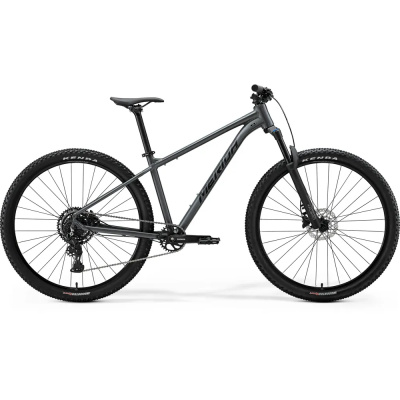
Merida BIG.NINE 40
Tackle technical trails with modern geometry, 120mm air suspension, and a dropper-ready frame that grows with your skills.
- 120mm X-Fusion air fork with lockout for trail confidence
- Modern trail geometry: longer reach, slacker head angle
- Clearance for 2.4" tyres boosts comfort and grip
- Shimano CUES 1x9 drivetrain with 11-46T range
- Dropper-post ready for future upgrade
- Size-tuned cockpit components for optimised fit
Merida BIG.NINE 40 Deals
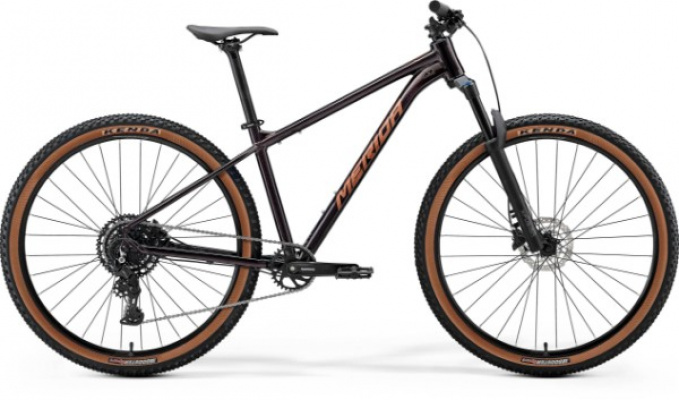
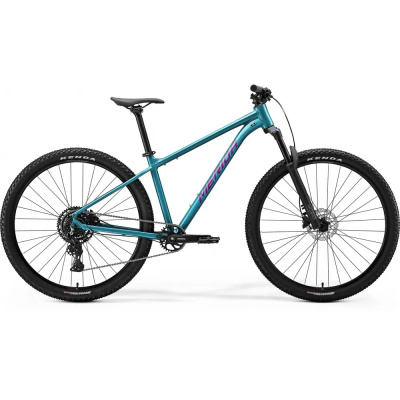
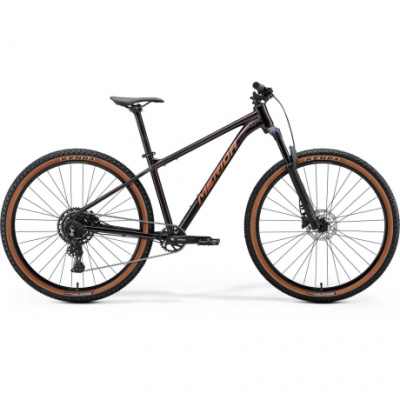
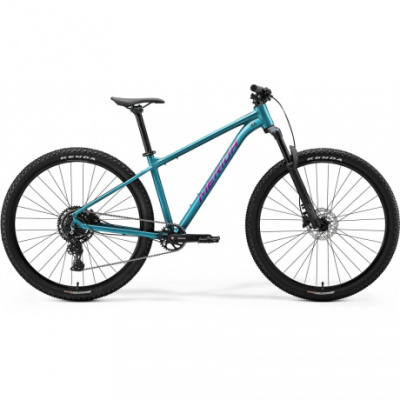
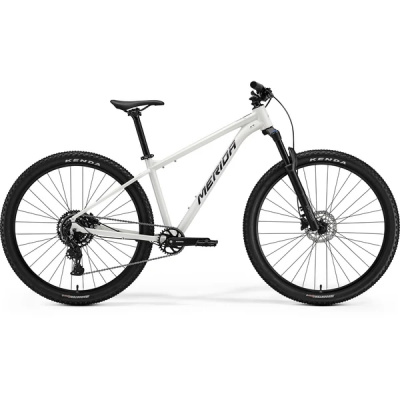
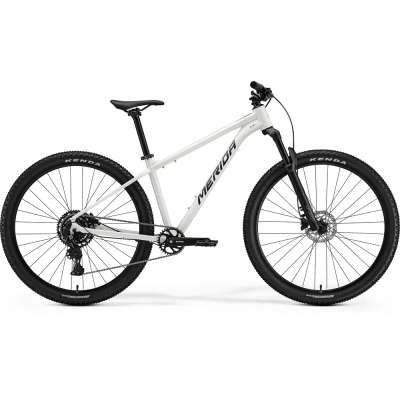

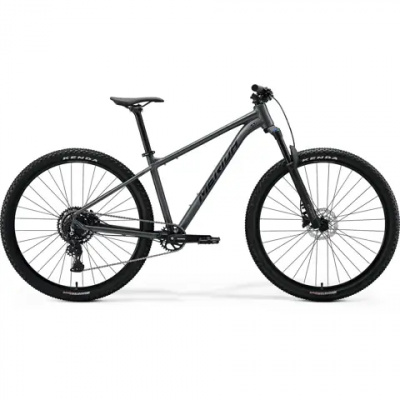
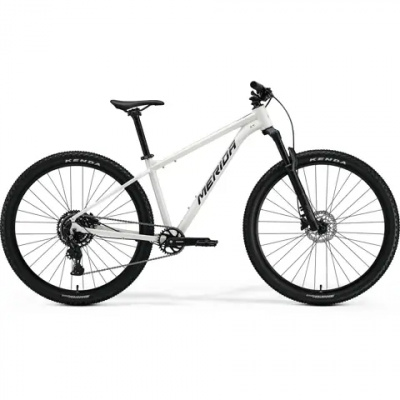
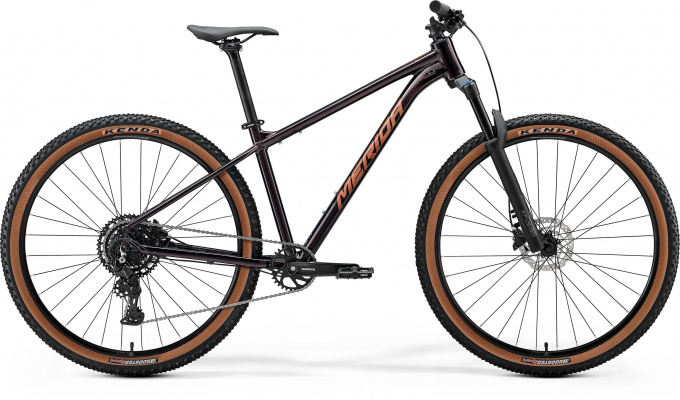
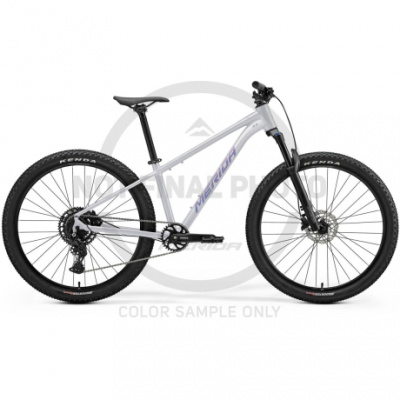
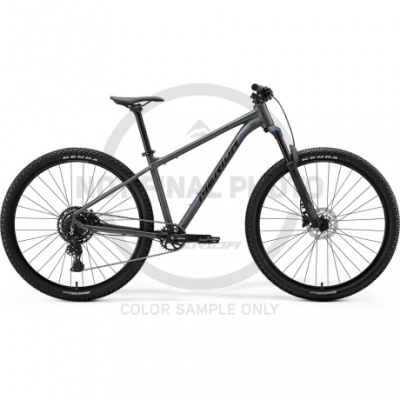
Prices and availability can change quickly. Delivery charges are not always included in listed prices.
Final price, stock status and delivery terms are set by retailer. We may receive a commission on purchases made.
Bikesy's Verdict
The Merida BIG.NINE 40 is the hardtail that doesn't ask you to compromise. You're getting modern trail geometry that makes descending feel calm and controlled, a 120mm air fork that actually works, and a frame that's ready for the upgrades you'll want when your riding outpaces the stock kit. It's not a race bike, and it's not trying to be - it's a versatile, capable hardtail that rewards effort, handles a wide range of trails, and doesn't demand constant maintenance or a second mortgage.
If you're new to mountain biking or stepping up from an older, more basic hardtail, this is a bike that will let you ride more trails, more often, without holding you back. The Shimano CUES drivetrain is simple and reliable, the hydraulic brakes work predictably, and the 2.4" tyres offer real grip and comfort. When you're ready to add a dropper post or upgrade the fork, the frame is already set up for it. It's a smart, well-judged build that punches well above its price point, and it's one of the best entry tickets to proper mountain biking you'll find.
Pros
- Modern trail geometry with longer reach and slacker head angle delivers confident handling on descents and technical sections
- 120mm air fork with lockout is a meaningful upgrade over coil springers at this price
- Dropper-post ready frame and tapered head tube make future upgrades straightforward
- 2.4" tyre clearance offers real grip and comfort without sacrificing rolling speed
- Size-tuned cockpit components ensure proportional fit across the size range
Cons
- Entry-level Shimano MT200 brakes and CUES 1x9 drivetrain will feel limiting if you progress to aggressive trail riding or racing
- Quick-release rear axle is less stiff than a thru-axle when sprinting or loading the rear wheel hard
- Weight is higher than premium hardtails if you're chasing KOMs or race-day performance
About the Merida BIG.NINE 40
Merida's BIG.NINE 40 is the hardtail that doesn't ask you to choose between trail fun and sensible money. Built around a TFS aluminium frame that's been given a proper geometry refresh - longer reach, slacker head angle, steeper seat tube - it's aimed squarely at riders who want modern handling without the premium price tag. The 120mm X-Fusion air fork is a meaningful step up from the coil springers that used to populate this price point, and the frame clears 2.4" rubber, so you're not stuck with skinny cross-country hoops when the trail gets loose.
This is Merida's entry ticket to proper mountain biking, but it's not a compromise bike. The frame is double-butted and technoformed - Merida's way of shaping complex tube profiles without adding weight or cost - and it's dropper-ready, so when you're ready to commit to descending with your saddle out of the way, the routing is already there. Shimano CUES handles the shifting across a 1x9 drivetrain with an 11-46T cassette, and MT200 hydraulic brakes haul you down from speed. It's a build that works, and it's designed to grow with you.
The BIG.NINE 40 sits in that sweet spot where capability meets accessibility. You're getting 29" wheels for momentum and roll-over, a frame that won't punish you when the trail gets rowdy, and a platform that rewards upgrades when your skills - or ambitions - outpace the stock kit. It's not trying to be a race bike or a mini-enduro rig; it's a hardtail that lets you ride more trails, more often, without the faff or the finance plan.
Merida BIG.NINE 40 geometry
The geometry here is what separates the BIG.NINE 40 from the upright, twitchy hardtails of a few years ago. Merida has stretched the reach and slackened the head angle to around 67 degrees, so the front end stays calm when the trail pitches down or the roots come at you in quick succession. You're not perched over the bars; you're centred, with room to move your weight back when gravity takes over. The longer front centre means the bike tracks predictably through rough sections rather than darting off line every time you hit a rock.
At the same time, the seat tube angle has been steepened to around 75.5 degrees, which plants you over the bottom bracket when you're climbing. Your weight stays forward, your pedal stroke stays efficient, and you're not fighting the bike to keep the front wheel on the ground. It's a posture that makes sense on long fire-road slogs and technical switchbacks alike. Merida also tunes the cockpit to frame size - smaller frames get narrower bars and shorter cranks, larger frames get wider bars and longer cranks - so the bike feels proportional no matter your height. It's a detail that matters when you're spending hours in the saddle.
The result is a hardtail that feels stable without being sluggish, and responsive without being nervous. You'll notice the difference most when you're descending: the bike holds a line, absorbs chatter through the tyres and fork, and doesn't punish you for being slightly off-balance. On the climbs, the steep seat angle and moderate chainstay length keep traction predictable, even when the gradient kicks up or the surface turns loose. It's not a race-bred XC position, but it's not a plodding tourer either - it's a geometry that lets you ride harder, longer, and with more confidence than you'd expect at this price.
Component choices & upgrades
The stock build on the BIG.NINE 40 is well-judged for the bike's intent. The X-Fusion Migo 32 air fork gives you 120mm of travel with a lockout lever, so you can firm it up for tarmac sections or open it up when the trail gets rough. It's not a premium chassis, but it's a significant step up from the coil forks that used to dominate this segment - you get adjustability, lighter weight, and more consistent performance. The Shimano CUES U4000 drivetrain is simple, reliable, and wide-ranging enough for steep climbs and fast descents. The 11-46T cassette paired with a 32-tooth chainring covers most terrain without leaving you spinning out or grinding to a halt. Shimano MT200 hydraulic brakes are entry-level, but they're hydraulic, and that means consistent modulation and stopping power in all conditions. The 160mm rotors front and rear are adequate for trail riding, though heavier riders or steeper descents might benefit from a 180mm front rotor down the line.
Kenda Booster tyres in 2.4" width are a smart choice - they're wide enough to offer real grip and comfort, and the frame's clearance means you can experiment with different tread patterns or compounds as your riding evolves. The Merida-branded rims are 20mm internal width, which suits the 2.4" casing well, and the Shimano TX505 hubs are solid if unexciting. When you're ready to upgrade, the frame's tapered head tube and dropper routing give you clear paths forward. A dropper post is the first upgrade most riders make - it transforms descending by letting you drop your saddle out of the way - and the internal routing is already there. Beyond that, a fork upgrade to something like a RockShox Recon or a Manitou Machete would sharpen the bike's trail manners, and a move to a 10- or 11-speed drivetrain would tighten the gear steps and improve chain retention. But none of that is urgent; the stock build is more than capable of getting you out on the trails and keeping you there.
Where the Merida BIG.NINE 40 excels
This is a hardtail for riders who want to explore trails without committing to a single discipline. It's outstanding at general trail riding - the kind of riding where you're mixing fire-road climbs with rooty singletrack descents, where the surface changes every few minutes, and where you need a bike that won't complain when you take a wrong turn and end up on something steeper or looser than you planned. The 120mm fork and modern geometry give you enough capability to tackle technical sections with confidence, and the 29" wheels keep momentum high when the trail flattens out or the surface turns fast.
It's also a very good bike for riders who are new to mountain biking or stepping up from an older, more basic hardtail. The geometry is forgiving - it won't punish small mistakes - and the components are intuitive. The hydraulic brakes work predictably, the 1x9 drivetrain is simple to operate, and the wider tyres offer reassurance when traction is marginal. Because the frame is dropper-ready and the fork is air-sprung, you're not buying a dead-end bike; you're buying a platform that can evolve as your skills and ambitions grow. It's equally at home on weekend trail rides, commuting duties, or as a fitness bike for riders who want something more engaging than a road bike.
Where it's less ideal is on race-day XC courses or ultra-aggressive trail riding. The component spec is entry-level, so if you're chasing podiums or hammering technical descents every weekend, you'll outgrow the brakes, fork, and drivetrain fairly quickly. The quick-release rear axle is less stiff than a thru-axle, which matters if you're sprinting out of corners or loading the rear wheel hard in rough terrain. And while the bike is light enough for a hardtail at this price, it's not a featherweight - if you're obsessed with KOMs or racing against the clock, you'll notice the extra grams. But for the vast majority of riders - those who want a capable, versatile hardtail that rewards effort and doesn't demand constant fettling - the BIG.NINE 40 hits the mark.
Merida BIG.NINE 40 FAQs
What is the best beginner hardtail mountain bike?
The Merida BIG.NINE 40 is a strong contender for beginners because it combines modern trail geometry with reliable components and a price that doesn't require a second mortgage. The 120mm air fork, dropper-ready frame, and 2.4" tyre clearance give you room to grow, and the Shimano CUES drivetrain is simple enough to operate without being limiting. It's a bike that won't hold you back as your skills develop, and it's versatile enough to handle everything from local trails to weekend adventures.
How much travel does the Merida BIG.NINE 40 have?
The BIG.NINE 40 comes with 120mm of front suspension travel via the X-Fusion Migo 32 air fork. That's enough to smooth out rough trails and technical sections without feeling over-forked or sluggish on climbs. The fork also features a lockout lever, so you can firm it up for tarmac or smooth fire roads and open it back up when the terrain demands it.
Can I fit wider tyres on a Merida BIG.NINE 40?
The frame clears up to 2.4" tyres, which is what the bike ships with - Kenda Booster 29x2.4". That's generous clearance for a hardtail at this price, and it gives you plenty of options for different tread patterns or compounds. You won't be able to fit true plus-sized tyres (2.6" or wider), but 2.4" is wide enough to offer real grip, comfort, and confidence on loose or rough trails without sacrificing rolling speed.
What is the geometry of the Merida BIG.NINE 40?
The BIG.NINE 40 features modern trail geometry with a longer reach, a slacker head angle (around 67 degrees), and a steeper seat tube angle (around 75.5 degrees). The longer reach and slacker head angle improve stability and control on descents, while the steeper seat tube angle keeps you centred over the bottom bracket for efficient climbing. Merida also tunes the cockpit components - handlebar width, stem length, and crank arm length - to each frame size, so the bike feels proportional and balanced no matter your height.
Is the Merida BIG.NINE 40 good for trails?
Yes, the BIG.NINE 40 is designed specifically for trail riding. The 120mm fork, modern geometry, and 2.4" tyre clearance give you the capability to tackle technical singletrack, rooty descents, and loose climbs with confidence. It's not a race-focused XC bike, nor is it an aggressive enduro rig, but it's a versatile hardtail that handles a wide range of trail conditions without complaint. If your riding mixes fire roads, singletrack, and the occasional rocky descent, this bike will keep up.
What components does the Merida BIG.NINE 40 come with?
The BIG.NINE 40 is built around a Shimano CUES U4000 1x9 drivetrain with an 11-46T cassette and a 32-tooth chainring, giving you a wide gear range for climbing and descending. Braking is handled by Shimano MT200 hydraulic disc brakes with 160mm rotors front and rear. The fork is an X-Fusion Migo 32 air unit with 120mm of travel and a lockout. Wheels are Merida-branded rims with Shimano TX505 hubs, and tyres are Kenda Booster 29x2.4". The cockpit is size-tuned, with handlebar width, stem length, and crank arm length adjusted to match each frame size.
What is the weight of the Merida BIG.NINE 40?
Merida hasn't published an official weight for the BIG.NINE 40, but based on similar builds and the component spec, you can expect it to land somewhere in the region of 14 - 15 kg. That's typical for an aluminium hardtail at this price point with a 120mm air fork and entry-level components. It's not a lightweight race bike, but it's not a boat anchor either - it's a practical weight for a bike designed to be ridden hard and maintained easily.
Key Features & Benefits
- TFS aluminium frame with modern trail geometry: Longer reach and slacker head angle deliver stable, confident handling on descents and technical trails without feeling sluggish on climbs
- 120mm X-Fusion Migo 32 air fork with lockout: Adjustable suspension smooths rough trails and technical sections, then firms up for efficient pedalling on tarmac or fire roads
- Clearance for 2.4" tyres: Wider rubber boosts grip, comfort, and confidence on loose or rough surfaces without sacrificing rolling speed or agility
- Dropper-post routing and tapered head tube: Future-proofs the bike for key upgrades - dropper post for descending control, fork upgrade for sharper trail manners - without frame limitations
- Shimano CUES 1x9 drivetrain with 11-46T cassette: Wide gear range covers steep climbs and fast descents with simple, reliable shifting and minimal maintenance faff
Merida BIG.NINE 40 2025, 2024 & 2020 differences
The 2026 model continues the significant redesign introduced in 2024, when Merida overhauled the BIG.NINE range with modern trail geometry - longer reach, slacker head angle (around 67 degrees), and steeper seat tube angle (around 75.5 degrees) - plus increased tyre clearance to 2.4" and a shift to 120mm forks across the range. The 2024 update also brought internal cable routing, dropper-post compatibility, and the TFS V aluminium frame construction that carries forward into 2026. The 2025 models aligned closely with the 2024 redesign, with the BIG.NINE 40 receiving the X-Fusion Migo 32 air fork and Shimano CUES U4000 1x9 drivetrain that remain in place for 2026.
By contrast, the 2020 BIG.NINE 40-D was a very different machine. It featured an SR Suntour XCM HLO coil fork with just 100mm of travel, a Shimano 3x9 drivetrain with Altus derailleurs, and narrower 2.2" tyres. The geometry was more traditional - steeper head angle, shorter reach - and the bike lacked dropper-post routing or internal cable routing. The shift from 2020 to 2024/2026 represents a generational leap in capability, with the newer models offering significantly more trail-focused handling, better suspension, and a platform designed for future upgrades.
Alternatives to Consider
Within Merida's own range, the BIG.NINE TR shares the same frame platform but adds a dropper post as standard and more aggressive tyre treads, making it a better choice if you're prioritising descending over all-day versatility. For riders who prefer the nimbler feel of smaller wheels, the BIG.SEVEN offers 27.5" hoops and a similar geometry philosophy, though you'll sacrifice some of the momentum and roll-over that 29ers deliver on rough trails.
Cross-brand, the Trek Roscoe 6 is a direct rival - it's a hardtail with similar trail-focused geometry, 120mm fork travel, and a 1x drivetrain, though Trek's spec choices and frame details differ slightly. The Specialized Fuse 27.5 leans more aggressive with plus-sized tyres and a slacker front end, making it a better pick if you're after maximum grip and descending confidence at the expense of climbing efficiency. The Giant Fathom 2 offers a comparable build with Shimano components and a similar price point, though the geometry is slightly more XC-focused. For a more race-oriented option, the Cannondale Trail SE 3 delivers a lighter, stiffer frame with a more upright position, better suited to riders who prioritise speed over technical capability. Finally, the Vitus Sentier VR is worth a look if you want a slightly more aggressive spec - longer fork travel and a burlier build - without stepping too far up the price ladder.
Reviews
Longer reach and a calmer front centre bring poise to descents that would have felt sketchy on older, steeper hardtails. The 120mm air fork absorbs trail chatter without wallowing, and the lockout lever is genuinely useful when you hit tarmac or smooth fire roads. When the trail tilts down, the slacker head angle keeps the front wheel tracking predictably through roots and rocks, and the 2.4" Kenda Boosters offer enough grip to let you commit to corners without second-guessing traction.
Climbing is where the steeper seat tube angle earns its keep. Your weight stays centred over the bottom bracket, so the front wheel doesn't wander on steep switchbacks, and the 11-46T cassette gives you enough range to spin up technical climbs without grinding to a halt. The Shimano CUES drivetrain shifts cleanly and doesn't demand constant adjustment, which matters when you're spending more time riding than fettling. Braking power from the MT200 hydraulics is adequate for trail riding, though heavier riders or longer descents might leave you wishing for a 180mm front rotor or a step up to a more powerful calliper.
Because the frame is dropper-ready and the fork is air-sprung, the bike feels like a platform rather than a dead end. You're not locked into the stock build; you're buying a frame that can grow with you as your skills and ambitions develop. The size-tuned cockpit components - narrower bars and shorter cranks on smaller frames, wider bars and longer cranks on larger ones - mean the bike feels proportional and balanced no matter your height, which is a detail that often gets overlooked at this price point.
Full Specification
| Spec | Value |
|---|---|
| Frame Material | TFS V 6061 aluminum |
| Frame Construction | Double-butted, technoformed tubing with smooth welds |
| Frame Features | Internal cable routing, dropper post ready, tapered head tube, inboard disc brake mounts |
| Tyre Clearance | Up to 2.4 inches |
| Standards (Bottom Bracket) | BSA threaded |
| Standards (Rear Axle) | 135x9mm quick-release |
| Fork | X-Fusion Migo 32 Air |
| Fork Travel | 120mm |
| Fork Adjustments | Lockout, preload adjustment |
| Drivetrain | 1x9 speed |
| Shifters | Shimano CUES U4000 |
| Rear Derailleur | Shimano CUES U4000 |
| Crankset | Shimano Cues UT400-1, 32 teeth |
| Crank Length | 165mm (size S), 170mm (M/L/XL/XXL) |
| Bottom Bracket | Shimano UN101 LL123 |
| Cassette | SunRace U980 9-speed, 11-46T |
| Brakes | Hydraulic disc |
| Brake Calipers | Shimano MT200 |
| Rotors (Front) | 160mm |
| Rotors (Rear) | 160mm |
| Wheels | 29 inch |
| Rims (Internal Width) | Merida Comp CC, 20mm |
| Spokes | Black steel |
| Hubs (Front) | Shimano TX505, 100x9mm |
| Hubs (Rear) | Shimano TX505, 135x9mm, Centerlock |
| Tyres (Front) | Kenda Booster 29x2.4 |
| Tyres (Rear) | Kenda Booster 29x2.4 |
| Handlebar Width | 720mm (size S), 740mm (M/L), 760mm (XL/XXL) |
| Stem | Merida CC, 50mm (S), 60mm (M/L), 70mm (XL/XXL) |
| Saddle | Merida Sport Comfort |
| Available Sizes | XS, S, M, L, XL, XXL |