
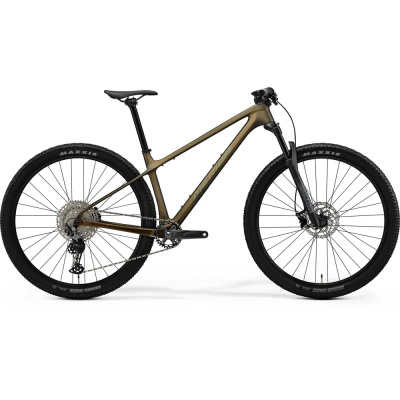
Merida BIG.NINE 3000
Lightweight carbon XC hardtail that climbs efficiently, descends confidently, and leaves room to grow.
- CF3 carbon frame: light, stiff, race-ready
- Shimano Deore 1x12: wide-range 10-51t climbing
- RockShox Judy Gold fork with remote lockout
- 29x2.4" tyre clearance for proper grip
- Dropper-ready frame with internal cable routing
- Weighs around 11.7 kg in medium
Merida BIG.NINE 3000 Deals
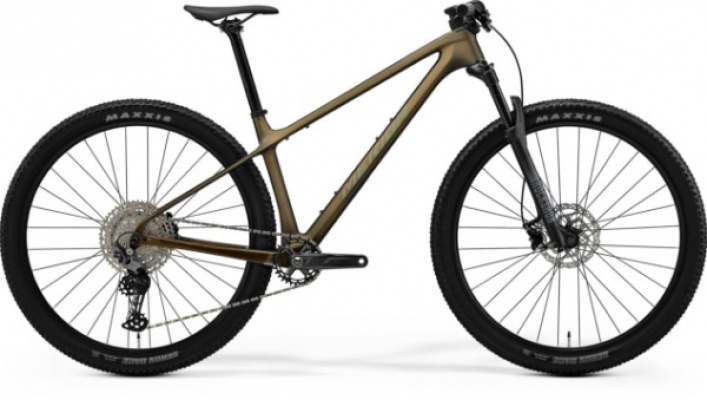

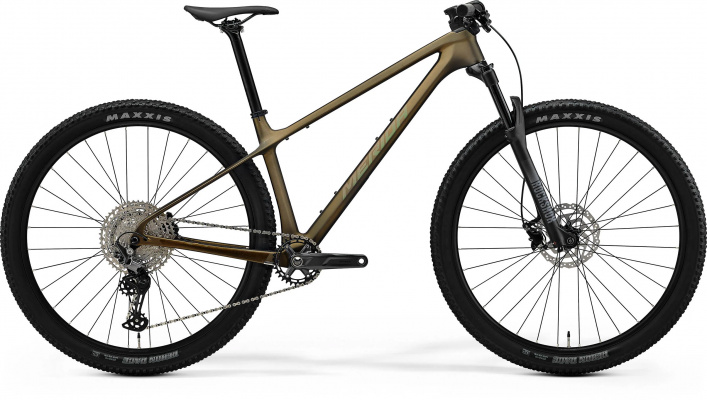
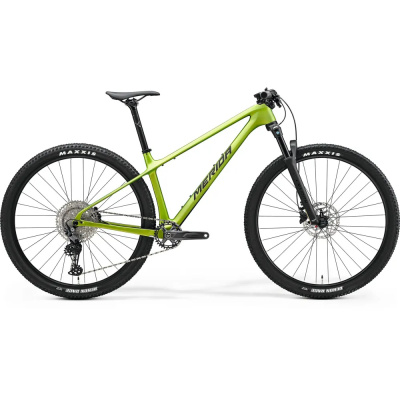
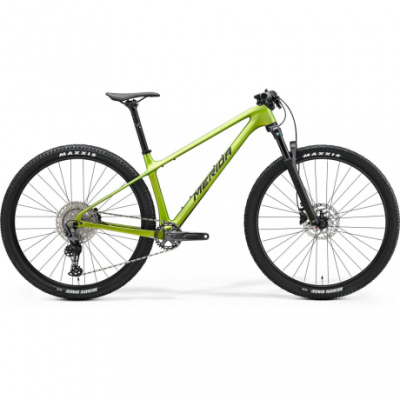
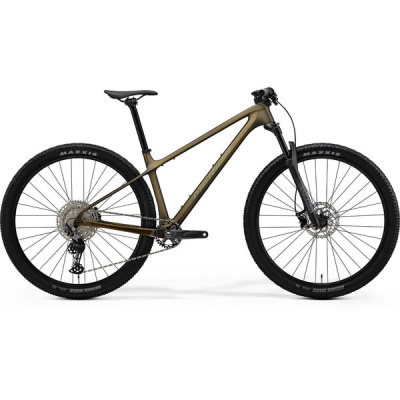
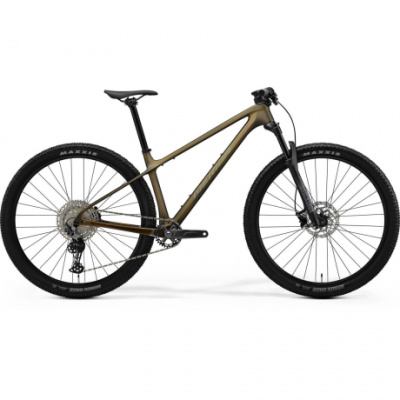
Prices and availability can change quickly. Delivery charges are not always included in listed prices.
Final price, stock status and delivery terms are set by retailer. We may receive a commission on purchases made.
Bikesy's Verdict
The BIG.NINE 3000 nails the brief: a lightweight carbon XC hardtail that climbs with intent, descends with confidence, and doesn't demand immediate upgrades. The CF3 frame's the star - stiff, light, backed by a lifetime warranty - and the modern geometry means you're not wrestling a twitchy race bike when the trail tilts down. Shimano Deore 1x12 and a RockShox Judy Gold fork deliver reliable performance, and the 2.4" tyre clearance gives you room to run proper trail rubber.
It's a bike that works now and leaves room to grow. The frame's the real investment, and the stock spec's pitched to get you riding hard without breaking the bank. If you're racing XC, tackling marathon events, or just want a fast, capable hardtail for long trail rides, the BIG.NINE 3000 makes a lot of sense. It's not the lightest or the flashiest, but it's a proper tool that'll rack up miles and reward commitment.
Pros
- Lightweight CF3 carbon frame with lifetime warranty
- Modern progressive geometry balances climbing and descending
- Shimano Deore 1x12 drivetrain with wide 10-51t range
- Dropper-ready frame with clean internal cable routing
- Generous 29x2.4" tyre clearance for proper trail rubber
Cons
- RockShox Judy Gold fork is functional but may feel limiting if you're pushing hard descents
- Shimano MT200 brakes lack ultimate power for steep, technical trails
- Heavier than top-tier race hardtails if you're chasing podiums
About the Merida BIG.NINE 3000
Merida's BIG.NINE 3000 lands squarely in that sweet spot where carbon performance meets sensible money. The CF3 frame brings proper race-day stiffness without the weight penalty, and the geometry's been nudged into modern territory - longer reach, slacker head angle - so you're not wrestling a twitchy XC relic when the trail tilts down. It's a hardtail that climbs with intent but doesn't punish you when the descent gets scrappy.
The 2026 model refines what was already a solid package. RockShox Judy Gold RL fork replaces the Suntour units that appeared on some earlier builds, Shimano Deore 1x12 delivers wide-range gearing that's proven and fuss-free, and the frame's FLEX STAY seatstays take the sting out of chatter without going soft. Tyre clearance stretches to 2.4", so you've got room to run proper rubber when the going gets loose. It's dropper-ready, internally routed, and built around Boost spacing - all the modern hardtail essentials without the faff.
This isn't a bike that shouts. It's the one that quietly racks up miles, slots into marathon events, and still feels lively when you're chasing mates through singletrack. The frame's the star here - light, responsive, backed by Merida's lifetime warranty - and the spec's pitched to get you riding hard without demanding immediate upgrades. If you want a carbon XC hardtail that works now and leaves room to grow later, the BIG.NINE 3000 makes a lot of sense.
Merida BIG.NINE 3000 geometry
Merida's AGILOMETER sizing system translates into a progressive stance that favours confidence over twitchiness. Reach grows steadily across the five sizes - 432 mm on the small, 512 mm on the XXL - so you're stretched out enough to weight the front wheel on climbs without feeling cramped. Stack climbs gently too, keeping the bars within reach for longer efforts. The 68-degree head angle is calm by race-hardtail standards, lending stability when the trail gets rough or steep, and the 75.3-degree seat angle plants you over the pedals for efficient climbing.
Chainstays hover around 430 - 442 mm depending on size, short enough to keep the bike snappy in tight corners but not so stubby that the front wheel lifts on punchy climbs. Wheelbase stretches from 1123 mm to 1226 mm, and that extra length translates into composure at speed - less ping-pong, more planted tracking. Bottom bracket drop sits at 65 mm, a middle-ground figure that balances pedal clearance with a low centre of gravity. You'll feel stable through rock gardens without clipping pedals on every root.
The upshot? You sit in the bike rather than perched on top of it. The front end inspires commitment on descents, the rear stays lively enough to flick through switchbacks, and the overall posture suits all-day efforts without leaving you hunched or overstretched. It's geometry that works across a broad range of XC terrain, from fire-road slogs to technical singletrack.
Component choices & upgrades
The stock build is well-judged for the price. Shimano Deore 1x12 with a 10-51t cassette covers everything from steep pinches to flat-out fire roads, and the Deore crankset's proven tough. RockShox Judy Gold RL fork brings 100 mm of air-sprung travel with a remote lockout - handy for long climbs - and while it's not a RockShox SID, it's a solid step up from the Suntour units that appeared on earlier models. Shimano MT200 brakes are entry-level two-piston units; they'll haul you down reliably, but they're not brimming with power or modulation.
Merida's own-brand alloy cockpit - 760 mm bars, stems sized to the frame - keeps things tidy, and the COMP CC seatpost is dropper-ready when you're ready to add one. Maxxis Rekon Race tyres in 2.25" offer low rolling resistance and decent grip, though they're not the burliest option if you're riding proper rocks. Wheels are Merida COMP CC II rims laced to Shimano hubs, tubeless-ready with a 25 mm internal width that suits the tyre clearance.
If you're racing regularly or pushing harder descents, the fork's the first place to look. A RockShox SID or Fox 32 Step-Cast would sharpen handling and add adjustability. Brakes are next - Shimano Deore four-piston or SLX calipers bring more bite and better modulation. A dropper post transforms technical descents, and if you're riding rougher trails, swapping to a burlier tyre like a Maxxis Ikon or Ardent Race in 2.35" makes sense. But the frame's the real investment here, and the stock kit won't hold you back until your skills or terrain demand more.
Where the Merida BIG.NINE 3000 excels
This bike's built for XC racing and long trail rides where climbing efficiency matters as much as descending confidence. The lightweight carbon frame and progressive geometry mean you'll spin up technical climbs without the front wheel wandering, and the 68-degree head angle keeps things calm when the trail points down. It's outstanding on marathon events, multi-lap races, and all-day epics where you need a bike that climbs fast but doesn't punish you on the descents.
It also handles general trail riding with ease. The 2.4" tyre clearance and stable wheelbase mean you can run proper rubber and tackle rougher singletrack without feeling out of your depth. The frame's FLEX STAY technology adds a touch of compliance, so chatter and small bumps don't rattle your fillings. It's a bike that rewards smooth, efficient riding but doesn't fall apart when you push the pace or hit a rough section.
Where it's less ideal: aggressive enduro-style descents or bike-park laps. The 100 mm fork and hardtail platform have limits, and the entry-level brakes won't inspire confidence on long, steep descents. If you're spending most of your time on technical downhill trails or need a bike for shuttle days, you'll want more travel and burlier components. But for XC racing, trail centres, and big-mileage rides where climbing matters, the BIG.NINE 3000 hits the mark.
Merida BIG.NINE 3000 FAQs
What is the Merida BIG.NINE 3000 good for?
It's built for cross-country racing, marathon events, and long trail rides where climbing efficiency and descending confidence both matter. The lightweight carbon frame and modern geometry make it a strong choice for XC racers and riders who want a fast, capable hardtail for varied terrain.
Is the Merida BIG.NINE 3000 a good beginner mountain bike?
It's a capable bike, but it's pitched at riders who already know they want to race or ride hard. The carbon frame and race-oriented geometry reward efficient pedalling and confident handling, so it's better suited to riders with some experience. Beginners might find an aluminium hardtail with more forgiving geometry a better starting point.
What is the weight of the Merida BIG.NINE 3000?
Around 11.7 kg for a medium-sized bike. That's competitive for a carbon XC hardtail at this price point, and light enough to make a real difference on climbs and long rides.
Can you fit a dropper post on the Merida BIG.NINE 3000?
Yes, the frame's dropper-ready with internal cable routing. You'll need a 30.9 mm diameter post, and the internal routing keeps things clean once it's installed.
What is the tyre clearance on the Merida BIG.NINE 3000?
The frame clears up to 29x2.4" tyres, which gives you plenty of room to run proper trail rubber for grip and comfort without worrying about mud clearance or rub.
How does the Merida BIG.NINE 3000 compare to the Scott Scale?
Both are carbon XC hardtails with modern geometry, but the Scott Scale range often features lighter frames and higher-spec components at comparable price points. The BIG.NINE 3000 counters with Merida's lifetime frame warranty and a slightly more relaxed geometry that suits longer rides and rougher trails. The Scale's typically sharper and more race-focused; the BIG.NINE's a touch more versatile.
What kind of riding is the Merida BIG.NINE 3000 best suited for?
XC racing, marathon events, and long trail rides where you need a bike that climbs efficiently and descends confidently. It's also a solid choice for trail centres and general singletrack riding, but it's not built for aggressive enduro descents or bike-park laps.
Key Features & Benefits
- CF3 carbon frame with FLEX STAY technology: Light, stiff pedalling platform with enough compliance to smooth chatter on rough trails
- Shimano Deore 1x12 drivetrain with 10-51t cassette: Wide-range gearing tackles steep climbs and fast flats without fuss or frequent maintenance
- Progressive AGILOMETER geometry with 68° head angle: Confident, stable handling on descents without sacrificing climbing efficiency or agility
- 29x2.4" tyre clearance and tubeless-ready rims: Run proper trail rubber for grip and comfort, with room for mud clearance in all conditions
- Dropper-ready frame with internal cable routing: Clean cockpit and easy upgrade path for a dropper post when you're ready to tackle technical descents
Merida BIG.NINE 3000 2025 and 2024 differences
The 2025 model shared much of the 2026 spec, though some builds featured SR Suntour Raidon or Manitou Markhor Comp forks instead of the RockShox Judy Gold RL that's now standard. Bottom bracket standards varied - some 2025 listings cited BB92 Pressfit, while the 2026 model consistently uses BSA threaded. Brakes on some 2025 builds were Tektro M275 rather than Shimano MT200. Geometry remained broadly similar, with Merida's AGILOMETER sizing system carrying over.
The 2024 model was slightly heavier at around 12.3 kg (versus 11.7 kg for the 2026 medium), and fork options again varied between Suntour and RockShox depending on market and spec level. Drivetrain remained Shimano Deore 1x12, and the CF3 carbon frame with FLEX STAY technology was consistent across all three years. The 2026 model refines the package with more consistent component choices and a modest weight saving.
Alternatives to Consider
Within Merida's range, the BIG.NINE TFS XT-Edition steps up with an aluminium frame, more relaxed geometry, and Shimano XT components if you want a burlier build for rougher trails. The BIG.NINE 5000 offers a lighter CF2 carbon frame and higher-spec suspension if you're chasing race results and can stretch the budget. For riders who prefer 27.5" wheels, the BIG.SEVEN 3000 shares the same carbon platform and Deore spec but with smaller hoops for a more playful feel.
Cross-brand, the Scott Scale 940 is a direct rival - carbon frame, Shimano Deore 1x12, and race-focused geometry - though it's typically lighter and sharper-handling at a similar price. The Orbea ALMA M30 offers a carbon frame with slightly more relaxed geometry and a similar Deore build, appealing if you want a touch more comfort on long rides. The Trek X-Caliber 9 brings an aluminium frame with higher-spec components and a more versatile trail stance if you're not set on carbon. The Cube Reaction C:62 Race delivers a stiffer carbon platform and sharper race geometry, though it's often pricier. Finally, the Specialized Chisel Comp offers a carbon frame with a more aggressive XC race setup and slightly lighter weight if podiums are the priority.
Reviews
Longer reach and a calmer head angle bring poise to descents without dulling the bike's climbing edge. The CF3 frame feels taut under power - no wasted watts flexing the bottom bracket - and the FLEX STAY seatstays add just enough give to smooth out trail chatter without going mushy. When you're grinding up a technical climb, the 75-degree seat angle plants you over the pedals, and the front wheel tracks cleanly through roots and rocks.
Shimano Deore shifts crisply across the 10-51t cassette, and the wide range means you're never hunting for a gear on steep pinches or flat-out fire roads. The RockShox Judy Gold fork's remote lockout is handy for long climbs, and while it's not the plushest fork on the market, it's a solid step up from the Suntour units that appeared on earlier models. Braking power from the MT200 calipers is adequate for most XC riding, though they lack the bite and modulation you'd want for steep, technical descents.
Tyre clearance for 2.4" rubber is a real asset. You can run proper trail tyres for grip and comfort, and the tubeless-ready rims make setup straightforward. The bike feels stable at speed, tracking confidently through rough sections and holding a line through fast corners. It's not a bike that demands constant input - it settles into a rhythm and lets you focus on the trail ahead.
Because the frame's the real investment here, the stock components don't hold you back until your skills or terrain demand more. A dropper post and burlier brakes are the obvious upgrades if you're pushing harder descents, but the Deore drivetrain and Judy fork are solid enough for most riders. It's a bike that rewards smooth, efficient riding and doesn't punish you when the trail gets rough.
Full Specification
| Frame Material | CF3 Carbon Fibre |
| Fork | RockShox Judy Gold RL, 100mm travel, air, tapered steerer, remote lockout |
| Drivetrain | Shimano Deore M6100, 1x12 speed |
| Shifters | Shimano Deore M6100 |
| Rear Derailleur | Shimano Deore M6100 SGS |
| Crankset | Shimano Deore MT512, 32T chainring, 170mm (S), 175mm (M and up) |
| Cassette | Shimano Deore M6100, 10-51T |
| Chain | KMC X12 |
| Brakes | Shimano MT200 hydraulic disc, 2-piston, 180mm front and rear rotors |
| Wheels | Merida Comp CC II rims (25mm internal width, aluminium, tubeless ready), Shimano TC500 hubs (110x15mm front, 148x12mm Boost rear, Centerlock), 32 spokes, black stainless |
| Tyres | Maxxis Rekon Race, 29x2.25" |
| Handlebar | Merida Expert CC, aluminium, 760mm width, flat |
| Stem | Merida Team CC III, aluminium, 31.8mm diameter, -6° angle, 60mm (S/M), 70mm (L/XL), 80mm (XXL) |
| Grips | Merida Comp EC |
| Headset | Acros ICR Merida Integrated neck, upper and lower IPS sealing |
| Seatpost | Merida Comp CC, aluminium, 30.9mm diameter, 0mm setback |
| Saddle | Merida Comp SL, V-mount |
| Bottom Bracket | BSA, 73mm, threaded |
| Rear Axle | 148x12mm Boost |
| Tyre Clearance | Up to 29x2.4" |
| Weight | Approximately 11.7 kg (medium) |
| Available Sizes | S, M, L, XL, XXL |