
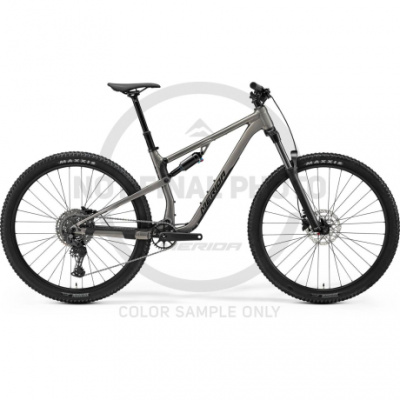
Merida ONE-TWENTY 300
Climb efficiently, descend with confidence, and ride everything in between on a dependable trail bike that punches above its price.
- 130mm P-FLEX rear suspension: smooth, low-maintenance flex-stay design
- AGILOMETER sizing: choose stable or agile handling for your height
- Shimano CUES 1x10: reliable wide-range shifting
- Dropper post included: 150 - 200mm travel depending on size
- 29x2.4" Maxxis Rekon tyres: fast-rolling all-rounder rubber
- Threaded BSA bottom bracket: simple home servicing
Merida ONE-TWENTY 300 Deals
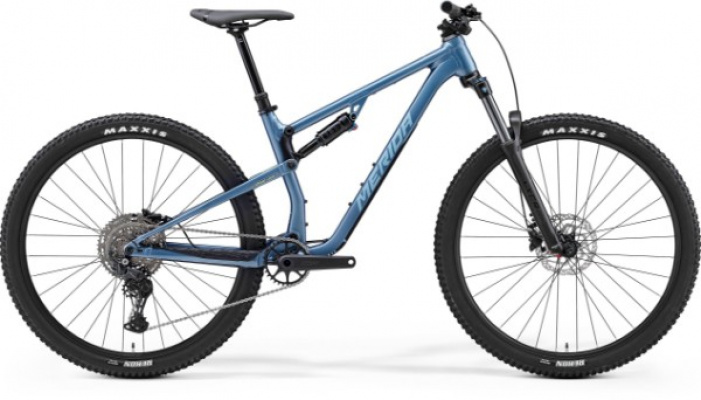
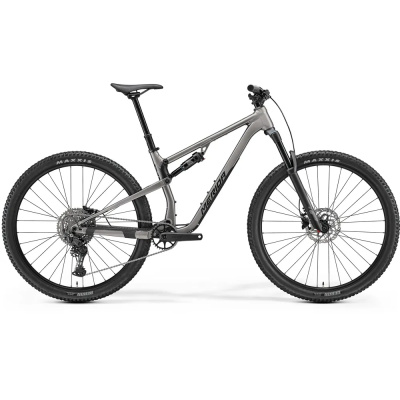

Prices and availability can change quickly. Delivery charges are not always included in listed prices.
Final price, stock status and delivery terms are set by retailer. We may receive a commission on purchases made.
Bikesy's Verdict
The Merida ONE-TWENTY 300 is that rare thing: a full-suspension trail bike that doesn't ask you to compromise on capability or empty your wallet. You're getting 130mm of supple, low-maintenance P-FLEX suspension, progressive geometry that handles climbs and descents with equal composure, and a spec that's robust enough to ride hard without constant fettling. The AGILOMETER sizing is a genuine stroke of cleverness - choose stable or agile handling within your height range, and the bike fits how you ride, not just how tall you are.
It's not the lightest rig in the category, and the stock fork and tyres will show their limits if you're pushing into properly technical terrain, but those are trade-offs, not deal-breakers. Swap the front tyre for something grippier, and you've got a bike that'll handle everything from long XC loops to rowdy afternoon blasts without breaking stride. For riders stepping up to their first full-suspension bike, or anyone hunting a dependable all-rounder that punches well above its price point, the ONE-TWENTY 300 delivers without fuss. It's the Swiss Army knife of trail bikes - versatile, dependable, and ready for whatever you throw at it.
Pros
- Exceptional value: genuine trail capability without the premium price tag
- AGILOMETER sizing tailors handling to your style, not just your height
- P-FLEX rear suspension is smooth, supple, and low-maintenance
- Shimano CUES drivetrain and MT200 brakes are reliable and easy to service
- Dropper post included with generous travel across all sizes
- Threaded BSA bottom bracket simplifies home maintenance
Cons
- Heavier than racier options if you're chasing XC podiums or Strava times
- Stock Maxxis Rekon tyres lack bite in loose or wet conditions; a grippier front tyre transforms confidence
- SR Suntour XCR34 fork is functional but less sensitive than pricier alternatives when trails get truly technical
About the Merida ONE-TWENTY 300
The Merida ONE-TWENTY 300 lands squarely in that sweet spot where value meets genuine capability. Built around 130mm of travel front and rear, it's a full-suspension trail bike that refuses to be pigeonholed - confident enough on descents to keep you grinning, efficient enough on climbs that you won't curse the extra squish. Merida's LITE aluminium frame wraps around a P-FLEX rear end (a flex-stay design that ditches bearings for simplicity), and the progressive geometry borrows cues from longer-travel siblings without the weight penalty. You're looking at a bike that punches well above its price point, whether you're threading singletrack or pointing it down something steeper than you'd planned.
What makes the ONE-TWENTY 300 particularly interesting is Merida's AGILOMETER sizing philosophy. Instead of locking you into a frame based purely on your inside leg, you pick a size that suits how you want the bike to feel - stable and planted, or nimble and playful. Short seat tubes and generous dropper travel (up to 200mm on the larger sizes) mean you're not compromising cockpit room for descending freedom. The result is a bike that adapts to your style rather than forcing you into someone else's idea of fit.
Shimano's CUES drivetrain handles the shifting, MT200 brakes haul you down, and Maxxis Rekon tyres roll fast without giving up too much grip. It's not the lightest rig in the category - you'll feel that extra kilo or so if you're chasing Strava crowns - but the trade-off is a frame that feels planted and composed when the trail gets rowdy. For riders stepping up to their first full-suspension bike, or anyone hunting a dependable all-rounder that won't demand constant fettling, the ONE-TWENTY 300 delivers without fuss.
Merida ONE-TWENTY 300 geometry
Merida's drawn a 66-degree head angle and a steep 78.5-degree seat tube into the ONE-TWENTY 300, a pairing that keeps your weight forward when you're grinding uphill but lets the front wheel track calmly over roots and rocks on the way back down. Reach grows steadily across the five sizes - from around 548mm on the X-Short to 632mm on the X-Long - so you're never cramped in the cockpit, even when the dropper's slammed and you're leaning into a berm. Stack climbs gently too, which means taller riders won't feel like they're hunched over the bars.
The chainstays sit at 435mm across every size, short enough to snap the bike around tight switchbacks but long enough to keep the rear wheel planted when you're hammering through chunder. Wheelbase stretches from roughly 1155mm to 1243mm as you move up the size range, and that extra length translates to high-speed stability without making the bike feel like a barge in tighter sections. Bottom bracket drop hovers around 30mm, a middle-ground figure that balances pedal clearance with a low centre of gravity - you'll clip a rock if you're lazy through technical climbs, but the bike corners with confidence because it's not perched too high.
Because of the AGILOMETER concept, you might find yourself sizing down for a more flickable feel or sizing up for extra stability on rough descents. The short seat tube and long dropper mean saddle height isn't the limiting factor; instead, you're choosing how much bike you want in front of you. It's a refreshing approach that acknowledges riders care as much about handling as they do about standover clearance.
Component choices & upgrades
The stock build on the ONE-TWENTY 300 is already well sorted for the money. Shimano's CUES U6000 drivetrain offers a wide 11-48T cassette and crisp, predictable shifts - it's not the flashiest groupset, but it's robust and easy to service. The MT200 brakes are two-piston hydraulics with 180mm rotors front and rear; they've got enough bite for trail riding and won't leave you pumping the levers on steep descents, though the feel is a touch wooden compared to pricier four-piston options. Merida's own COMP CC II rims are tubeless-ready with a 25mm internal width, a sensible spec that supports the 2.4" Maxxis Rekons without adding unnecessary weight.
If you're planning to push harder or ride wetter, grimier trails, the Rekon tyres are the first place to look. They roll fast and suit dry, hardpack conditions, but they'll let go earlier than you'd like in loose dirt or mud. Swapping to a grippier front tyre - something with taller, more aggressive knobs - will transform confidence on descents without slowing you down much. The SR Suntour XCR34 fork does its job, offering lockout and 130mm of air-sprung travel, but it's not the most sensitive or adjustable unit. Riders who spend serious time on technical trails will notice the difference if they upgrade to a fork with better damping and more tuning options, though that's a significant outlay and only worth it if your skills or terrain genuinely demand more.
The dropper post is already included - 150mm on the two smallest sizes, 170mm on the Mid, and a full 200mm on the Long and X-Long - so you're covered there. If you're chasing weight savings, lighter wheels or a carbon bar would shave grams, but neither upgrade will change the bike's character as much as fresh rubber or a fork swap. The threaded BSA bottom bracket is a quiet blessing; when it's time to replace bearings, you'll do it at home with basic tools rather than hunting down a press.
Where the Merida ONE-TWENTY 300 excels
This bike is outstanding at flowing trail riding where you're mixing climbs, descents, and everything in between. The 130mm travel and progressive geometry mean you can point it at rooty singletrack, rocky descents, and technical climbs without feeling like you've brought the wrong tool. It's the sort of bike that rewards smooth, efficient riding - keep your weight centred and your momentum up, and it'll carry speed through rough sections that would have you braking on a shorter-travel XC rig. The P-FLEX rear end is impressively supple for an aluminium frame, soaking up chatter without the pedal bob that plagues some budget full-suspension designs.
It also does well on longer rides where comfort matters as much as speed. The steep seat angle puts you in a strong climbing position, and the suspension platform is efficient enough that you're not haemorrhaging watts every time the trail tilts up. When the descent arrives, the slack head angle and generous wheelbase keep things calm, even if you're carrying more speed than you'd planned. It's not an enduro sled - you'll feel the limits of the travel and the fork's damping if you're charging through proper rock gardens or sending big drops - but for the vast majority of trail riding, it's more than capable.
Where it's less ideal is at the extremes. If you're racing XC and every gram counts, the ONE-TWENTY 300's weight (around 15.7 - 16.5kg) will cost you on the climbs. Conversely, if you're hunting gnarly enduro stages or spending weekends at bike parks, you'll want more travel, a slacker head angle, and burlier components. The Rekon tyres are another limiting factor in very loose or wet conditions; they're fine for general trail use, but they won't inspire confidence if you're riding year-round in the UK's muddier corners. Think of the ONE-TWENTY 300 as the dependable all-rounder that thrives on variety rather than the specialist that dominates one narrow discipline.
Merida ONE-TWENTY 300 FAQs
What is the Merida ONE-TWENTY 300 good for?
It's built for versatile trail riding - flowing singletrack, technical climbs, and confident descents all fall within its remit. The 130mm travel and progressive geometry make it a genuine all-rounder that handles everything from long XC loops to rowdier afternoon blasts without feeling out of its depth.
How much travel does the Merida ONE-TWENTY 300 have?
You get 130mm of travel front and rear. The SR Suntour XCR34 fork up front and the SR Suntour Edge Plus shock out back both offer lockout, so you can firm things up for climbs or smooth fire roads when you want to maximise efficiency.
What size Merida ONE-TWENTY 300 should I get?
Merida's AGILOMETER sizing lets you choose based on how you want the bike to handle, not just your height. If you prefer stable, planted riding, size up within your height range; if you want a more flickable, playful feel, size down. The short seat tube and long dropper mean saddle height won't be the limiting factor.
Is the Merida ONE-TWENTY 300 a good beginner mountain bike?
Absolutely. It's forgiving enough to build confidence but capable enough that you won't outgrow it quickly. The reliable Shimano CUES drivetrain, included dropper post, and progressive geometry mean you're getting a proper trail bike without the complexity or maintenance headaches of higher-end kit.
What is the weight of the Merida ONE-TWENTY 300?
A medium frame comes in at roughly 15.7kg, though some sources list up to 16.5kg depending on component tolerances and finishing. It's not the lightest in its class, but the extra weight buys you a robust frame and planted handling when the trail gets rough.
Can I fit wider tyres on the Merida ONE-TWENTY 300?
The frame clears up to 29x2.5", and the fork is specced for 29x2.4". You've got a bit of room to go wider if you want more grip or cushion, though you'll want to check mud clearance if you're riding in particularly wet, claggy conditions.
What are the best upgrades for a Merida ONE-TWENTY 300?
Start with tyres - swapping the front Rekon for something grippier will boost confidence on descents. If you're riding technical trails regularly, a fork upgrade will give you better damping and more tuning options. Beyond that, lighter wheels or a carbon bar will shave weight, but neither will transform the ride as much as fresh rubber or a better fork.
How does Merida's AGILOMETER sizing work?
Instead of locking you into a frame size based purely on height, AGILOMETER lets you choose how you want the bike to feel. The short seat tube and long dropper mean you can size down for a nimble, playful ride or size up for more stability and reach, all within the same height range. It's about handling preference, not just fit.
Key Features & Benefits
- 130mm P-FLEX rear suspension: Smooth, supple ride quality with fewer bearings to service - less faff, more trail time
- AGILOMETER sizing concept: Choose stable or agile handling within your height range, so the bike fits how you ride, not just how tall you are
- Progressive geometry with 66° head angle: Confident, calm descending without sacrificing climbing efficiency or tight-trail manoeuvrability
- Shimano CUES 1x10 drivetrain with 11-48T cassette: Wide-range gearing that's robust, predictable, and simple to maintain at home
- Included dropper post with up to 200mm travel: Full descending freedom without the extra cost - drop the saddle and commit
Merida ONE-TWENTY 300 2025 and 2024 differences
The 2025 and 2024 model years of the ONE-TWENTY 300 are virtually identical in specification and performance. Both feature the same LITE aluminium frame with P-FLEX rear suspension, 130mm travel front and rear, Shimano CUES U6000 1x10 drivetrain, Shimano MT200 hydraulic disc brakes, SR Suntour XCR34 2CR fork, SR Suntour Edge Plus 2CR shock, Maxxis Rekon 29x2.4" tyres, and MERIDA EXPERT TR II dropper post. The progressive geometry - 66-degree head angle, 78.5-degree seat tube angle, and AGILOMETER sizing concept - remains unchanged across both years.
Any differences between the two model years are limited to minor component branding updates or cosmetic changes; the core ride character, frame design, and component performance are consistent. If you're choosing between a 2024 and 2025 model, you're looking at the same bike in all the ways that matter on the trail.
Alternatives to Consider
Within Merida's own range, the ONE-FORTY 400 steps up to 140mm travel and a slacker head angle, aimed at riders who want more descending confidence and enduro capability without leaving trail-bike efficiency behind. If you're after something lighter and more XC-focused, the NINETY-SIX 400 trims travel to 100mm and sheds weight, though you'll sacrifice some of the ONE-TWENTY's descending composure.
Cross-brand, the Specialized Stumpjumper Alloy offers similar travel but often comes with a burlier spec and slightly more aggressive geometry, making it a strong choice if you're leaning towards rowdier trails. The Trek Fuel EX 5 sits in the same 130mm travel bracket and delivers a comparable ride feel, though Trek's spec choices can vary by region. The Giant Trance X 3 is another direct peer, with Maestro suspension that's known for its pedalling efficiency and a slightly more XC-leaning character. For riders who want a touch more playfulness, the Cannondale Habit 4 brings 130mm travel and a lively aluminium frame, though it's often specced with slightly lighter components. The YT Izzo Core 2 offers a similar ethos - trail-ready geometry, 130mm travel, and a focus on value - but tends to come in lighter and with a more direct-to-consumer price advantage, if you're comfortable buying online without a test ride.
Reviews
Maxxis Rekons roll fast on hardpack, and the P-FLEX rear end soaks up trail chatter with a suppleness that belies the aluminium frame. Climbs feel efficient - the steep seat angle plants your weight over the cranks, and the suspension doesn't wallow when you're out of the saddle. When the trail tips down, the 66-degree head angle and generous wheelbase bring a calm, planted feel that inspires confidence even if you're carrying more speed than planned.
Shimano CUES shifts crisply through the 11-48T cassette, and the MT200 brakes offer enough bite for trail riding, though the lever feel is a touch wooden compared to pricier four-piston options. We appreciate the threaded BSA bottom bracket - it's a quiet nod to practicality that'll save you hassle when bearings need replacing. The dropper post is a genuine highlight; 200mm of travel on the larger sizes means you can get properly behind the saddle without compromise.
Weight is the trade-off. At around 15.7kg, it's not the nimblest climber if you're chasing XC pace, but that heft translates to stability when the trail gets rough. The SR Suntour XCR34 fork does its job - lockout works, travel is adequate - but it's not the most sensitive unit when you're threading through rock gardens or trying to tune rebound for faster trails. Swap the front tyre for something grippier and you'll unlock more descending confidence; the stock Rekons are fine in the dry but let go earlier than you'd like in loose or wet conditions. Because the AGILOMETER sizing lets you choose handling feel over rigid height brackets, the bike adapts to your style rather than forcing you into someone else's idea of fit. That's worth more than a few grams.
Full Specification
| Frame Material | LITE Aluminium |
| Suspension Design | P-FLEX flexstay technology, 130mm rear travel |
| Fork | SR Suntour XCR34 2CR, 130mm travel, air sprung, lockout |
| Rear Shock | SR Suntour Edge Plus 2CR, 130mm travel, lockout |
| Drivetrain | Shimano CUES U6000, 1x10 speed |
| Cassette | Shimano CUES LG400, 11-48T |
| Crankset | MERIDA Expert TR II, 170mm, 32T chainring |
| Brakes | Shimano MT200 hydraulic disc, 2-piston, 180mm rotors front and rear |
| Wheels | MERIDA COMP CC II rims (25mm internal width, tubeless ready), Shimano TC500 hubs, 29" diameter |
| Tyres | Maxxis Rekon, 29x2.4" |
| Handlebar | MERIDA COMP TR aluminium, 780mm width, 20mm rise |
| Stem | MERIDA EXPERT TR aluminium, 40mm length, 0° angle |
| Seatpost | MERIDA EXPERT TR II dropper, 34.9mm diameter, 150mm travel (X-Short/Short), 170mm (Mid), 200mm (Long/X-Long) |
| Saddle | MERIDA COMP SL |
| Bottom Bracket | BSA threaded, 73mm |
| Rear Axle | 148x12mm Boost thru-axle |
| Front Axle | 110x15mm thru-axle |
| Maximum Tyre Clearance | 29x2.5" (frame) |
| Approximate Weight | 15.7 - 16.5 kg |