
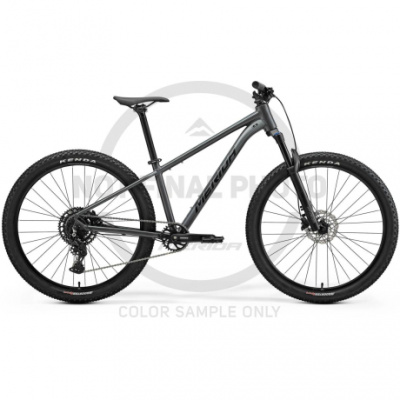
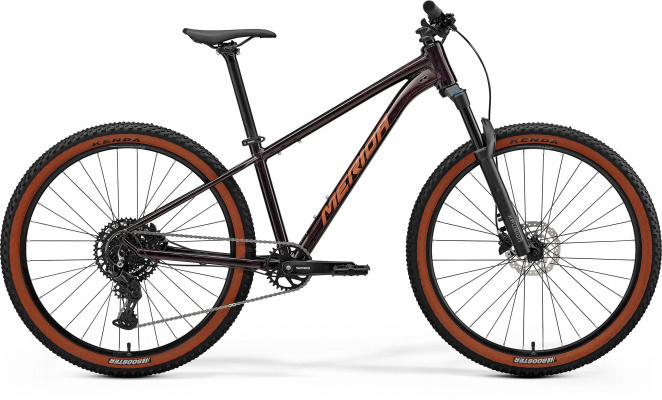
Merida BIG.SEVEN 40
Build trail skills and explore singletrack with modern geometry, reliable kit, and hardtail efficiency that won't break the bank.
- 120mm X-Fusion air fork with lockout
- Shimano CUES 1x9: simple, wide-range shifting
- Hydraulic disc brakes for all-weather control
- TFS aluminium frame: modern geometry, clean finish
- Clearance for 2.4" tyres and dropper post
- Size-tuned cockpit across XXS to XL
Merida BIG.SEVEN 40 Deals
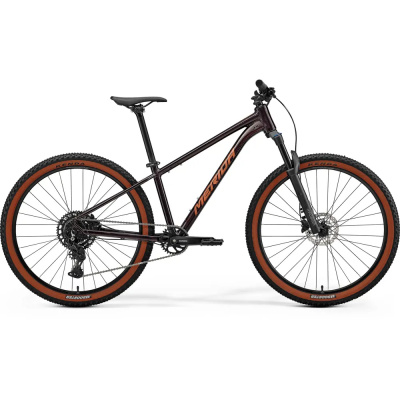
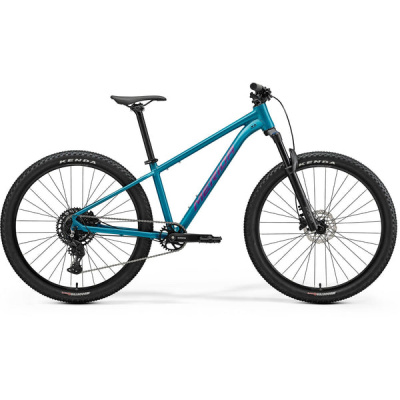
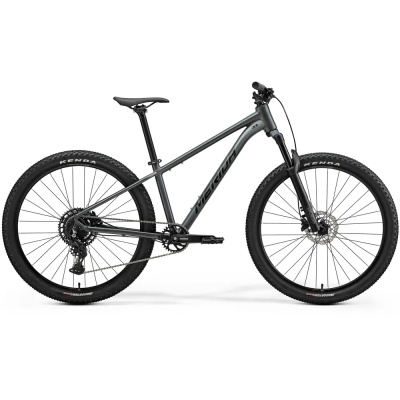
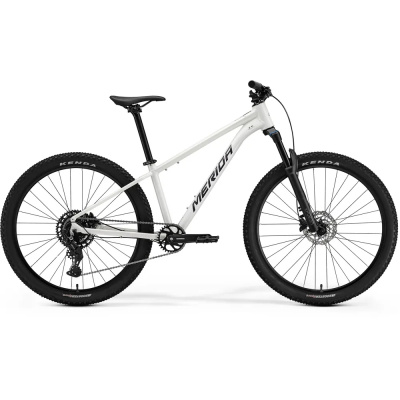
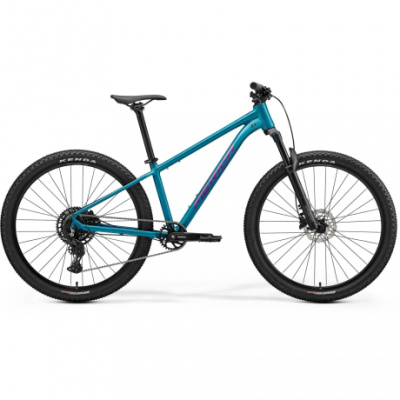
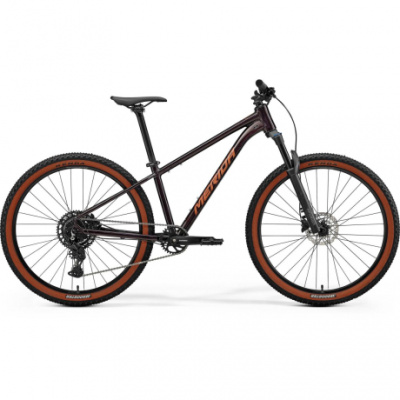
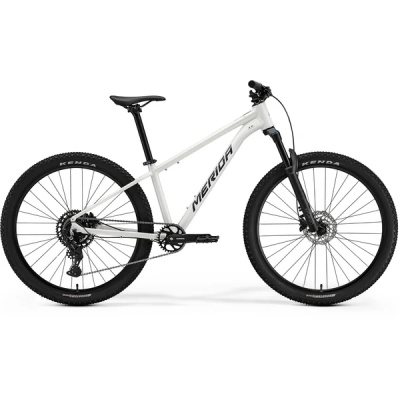
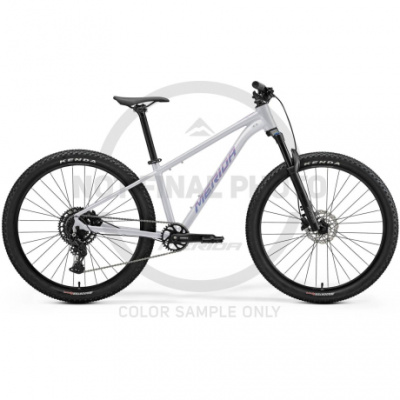

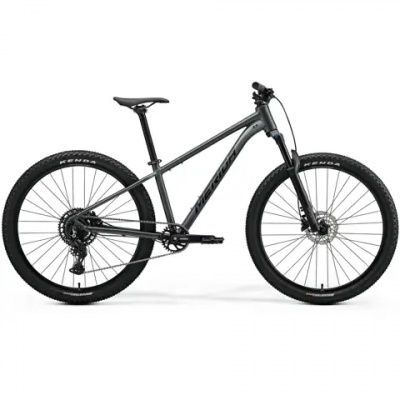
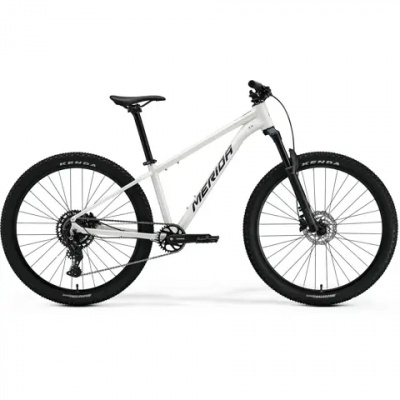
Prices and availability can change quickly. Delivery charges are not always included in listed prices.
Final price, stock status and delivery terms are set by retailer. We may receive a commission on purchases made.
Bikesy's Verdict
The BIG.SEVEN 40 is a hardtail that punches well above its price tag. Merida has nailed the fundamentals - modern geometry that inspires confidence, a capable air fork, simple and reliable componentry - and wrapped them in a frame that's built to last and ready to grow with you. It's not trying to be a race bike or a budget enduro rig; it's a versatile, dependable trail hardtail that rewards commitment and makes skill development feel natural rather than forced.
If you're new to mountain biking, returning after a break, or simply want a low-maintenance bike that handles trails, commutes, and weekend adventures without fuss, this is a smart choice. The dropper-post compatibility and tyre clearance mean you can tailor it to your riding as your skills and ambitions evolve, and the size-tuned cockpit ensures a proper fit whether you're 145cm or well over six feet. It's a bike that gets the job done, keeps you smiling, and doesn't demand constant attention or deep pockets.
Pros
- Modern geometry delivers confident handling on climbs and descents
- 120mm air fork with lockout offers adjustability and trail capability
- Shimano CUES 1x9 drivetrain: simple, reliable, wide-range shifting
- Hydraulic disc brakes provide consistent all-weather stopping power
- Dropper-post compatibility and clearance for 2.4" tyres
- TFS aluminium frame is well-finished and robust
Cons
- Heavier than carbon or higher-spec alloy hardtails if weight matters to you
- 135mm quick-release rear axle offers less stiffness than modern thru-axles
- Entry-level componentry may warrant upgrades if you're pushing hard or riding demanding terrain regularly
About the Merida BIG.SEVEN 40
The BIG.SEVEN 40 lands squarely in the sweet spot where modern trail geometry meets accessible pricing. Merida's TFS aluminium frame brings clean lines and progressive angles that make this hardtail feel more planted and capable than its entry-level billing suggests, while the 120mm X-Fusion air fork and Shimano CUES 1x9 drivetrain deliver the kind of simplicity and performance that lets you focus on the trail ahead rather than fiddling with kit. It's a bike that doesn't pretend to be a race weapon but won't hold you back when the gradient kicks up or the descent gets loose.
You'll find dropper-post routing, internal cables, clearance for proper 2.4-inch rubber, and a tapered head tube that leaves the door open for future fork upgrades. Merida has also added an XXS frame size, widening the reach for shorter riders who've historically been squeezed out of the 27.5-inch hardtail market. The result is a bike that feels considered rather than cost-cut, with enough trail manners to keep you grinning on technical climbs and confident when the trail tilts downward.
This is a hardtail for riders who want to explore singletrack, link fire roads into proper off-road loops, and build skills without the complexity or maintenance overhead of full suspension. Whether you're new to mountain biking or returning after a break, the BIG.SEVEN 40 offers a stable, forgiving platform that rewards commitment and grows with your confidence.
Merida BIG.SEVEN 40 geometry
Merida has nudged the BIG.SEVEN's geometry into more progressive territory, slackening the head angle and steepening the seat tube to deliver a posture that climbs efficiently and descends with composure. You sit further forward over the bottom bracket when pedalling, which keeps weight on the front tyre and stops the front end wandering on steep, loose climbs. When the trail points down, that slacker head angle gives the fork more time to react, smoothing out the ride and letting you lean into corners without the bike feeling twitchy or nervous.
Reach has grown across the size range, stretching you out slightly for better weight distribution and control at speed. The longer front centre means the bike tracks straighter through ruts and over roots, while the relatively short rear end keeps it playful enough to flick through tight switchbacks. It's not as long and low as an enduro sled, but it's a world away from the steep, cramped geometry of older budget hardtails. The result is a bike that feels stable without being sluggish, and agile without being skittish.
Merida also tunes cockpit components to frame size, so smaller riders get narrower bars and shorter stems, while taller riders get the extra width and reach they need. It's a detail that makes a tangible difference to comfort and control, especially if you're at either end of the size spectrum. The new XXS option opens the door for riders under 155cm, pairing a compact frame with 27.5-inch wheels that keep handling sharp and standover clearance generous.
Component choices & upgrades
The stock build is well-judged for the bike's intended audience. Shimano's CUES drivetrain offers crisp, reliable shifting across a wide-range 1x9 cassette, and the simplicity of a single chainring means less to go wrong and less to maintain. The Shimano MT200 hydraulic brakes deliver consistent, predictable stopping power in all conditions, with enough bite for steep descents and enough modulation to avoid locking up on loose surfaces. The X-Fusion Migo air fork brings 120mm of travel with a lockout lever, so you can firm it up for climbs and open it up when the trail gets rough. It's a significant step up from the coil forks that used to populate this price bracket, offering better small-bump sensitivity and the ability to tune air pressure to your weight.
Kenda Booster tyres in 2.4-inch width provide decent grip and volume, though they're not the lightest or fastest-rolling rubber you'll encounter. If you find yourself riding harder, more technical terrain regularly, a tyre upgrade to something with more aggressive side knobs and a stickier compound will sharpen handling and boost confidence. Similarly, if you're spending long days in the saddle, a saddle swap to something that suits your sit-bone width and riding style will pay dividends in comfort.
The frame's dropper-post compatibility is a standout feature at this price point. Adding a dropper post transforms the bike's descending capability, letting you drop your centre of gravity and move freely without fighting a static seatpost. It's the single most impactful upgrade you can make if you're serious about improving your trail riding. Beyond that, the tapered head tube means you can slot in a more capable fork down the line if your skills and ambitions outgrow the stock unit. The rear axle is a traditional 135mm quick-release rather than a thru-axle, which is typical for this segment but does mean slightly less rear-end stiffness under hard braking or sprinting.
Where the Merida BIG.SEVEN 40 excels
This bike is built for trail exploration and skill development. It excels on flowing singletrack, fire-road climbs, and moderate technical descents where a hardtail's efficiency and direct feedback help you read the trail and refine your line choice. The 120mm fork and modern geometry give it enough capability to handle rocky sections, root-strewn descents, and loose corners without feeling out of its depth, while the 27.5-inch wheels keep it nimble and responsive in tighter terrain.
It's also a strong choice for riders who want a low-maintenance bike that can handle commuting, towpath rides, and weekend trail sessions without needing constant attention. The simplicity of the 1x drivetrain and the reliability of hydraulic brakes mean you'll spend more time riding and less time wrenching. The frame's mudguard and kickstand mounts add practicality if you're using it for mixed-purpose riding, and the internal cable routing keeps things tidy and protects cables from trail debris.
Where it's less ideal is on genuinely rough, high-speed descents or extended technical terrain where full suspension would offer more control and comfort. The hardtail rear end transmits every bump and rock strike directly to your body, which can be fatiguing on long, rough descents. It's also not a race bike - the weight and componentry won't trouble podiums, and riders chasing KOMs or competitive results will want something lighter and more aggressive. But if your weekends involve exploring new trails, building confidence on technical features, and enjoying the ride rather than chasing times, the BIG.SEVEN 40 delivers exactly what you need.
Merida BIG.SEVEN 40 FAQs
What is the intended use for the Merida BIG.SEVEN 40?
It's designed for trail riding, recreational mountain biking, and general off-road exploration. The modern geometry and 120mm fork give it enough capability for moderate technical terrain, while the efficient hardtail platform suits climbs and longer rides. It's a versatile choice for riders building skills or looking for a dependable all-rounder.
What type of fork does the Merida BIG.SEVEN 40 have?
The bike comes with an X-Fusion Migo 32 air fork offering 120mm of travel and a lockout lever. The air spring allows you to tune pressure to your weight, and the lockout firms things up for efficient climbing on smoother terrain. It's a solid, adjustable fork that handles trail riding well.
Is the Merida BIG.SEVEN 40 a good mountain bike for beginners?
Absolutely. The stable geometry, forgiving hardtail platform, and simple 1x drivetrain make it easy to ride and maintain, while the hydraulic brakes and capable fork provide enough performance to grow with your skills. It's a bike that won't intimidate new riders but won't hold you back as you progress.
What is the frame material of the Merida BIG.SEVEN 40?
The frame is built from TFS (Techno Forming System) aluminium, a mechanical forming process that allows Merida to create complex tube shapes and varied wall thicknesses without expensive hydroforming. The result is a lightweight, stiff frame with clean welds and a modern aesthetic.
What is the wheel size of the Merida BIG.SEVEN 40?
It runs 27.5-inch (650b) wheels across all sizes, including the new XXS option. The smaller wheel diameter keeps the bike agile and responsive, making it easier to manoeuvre through tight singletrack and technical features compared to 29-inch wheels.
Does the Merida BIG.SEVEN 40 have hydraulic disc brakes?
Yes, it's equipped with Shimano MT200 hydraulic disc brakes with 160mm rotors front and rear. They deliver consistent, reliable stopping power in all weather conditions, with good modulation and enough bite for steep descents.
What are the latest updates for the 2026 Merida BIG.SEVEN 40?
The 2026 model features updated geometry with a slacker head angle and steeper seat tube for improved handling, a 120mm X-Fusion air fork, Shimano CUES 1x9 drivetrain, and clearance for 2.4-inch tyres. Merida has also introduced an XXS frame size to accommodate shorter riders, and the frame includes dropper-post routing and internal cable routing for a cleaner, more modern setup.
Key Features & Benefits
- TFS aluminium frame with progressive geometry: Delivers stable, confident handling on technical trails without the weight or cost of carbon
- 120mm X-Fusion air fork with lockout: Smooths rough terrain and absorbs impacts, with the ability to firm up for efficient climbing
- Shimano CUES 1x9 drivetrain: Simple, wide-range gearing that's easy to maintain and shifts reliably under load
- Dropper-post compatibility and 2.4" tyre clearance: Lets you upgrade to a dropper for better descending control and run wider, grippier rubber for more traction
- Size-tuned cockpit components (XXS to XL): Ensures proper fit and control across the full size range, including shorter riders often overlooked
Merida BIG.SEVEN 40 2025, 2020 & 2019 differences
The 2026 model represents a significant step forward in geometry and componentry. Earlier iterations - 2020, 2019, and the 2015/2016 models - ran SR Suntour XCM HLO coil forks with 100mm of travel, which were heavier and less adjustable than the current 120mm X-Fusion air fork. Older bikes also used Shimano Altus 2x9 or 3x9 drivetrains, adding complexity and weight compared to the modern CUES 1x9 setup. Brakes varied between Promax hydraulic units and lower-tier Shimano models, whereas the 2026 bike standardises on Shimano MT200 hydraulics across the range.
Geometry has been progressively updated, with the 2026 frame featuring a slacker head angle, steeper seat tube, and longer reach than earlier models. The addition of the XXS size for 2026 is new, as is the increased tyre clearance (up to 2.4 inches) and dropper-post routing, which weren't standard on older BIG.SEVEN 40 frames. Internal cable routing and a tapered head tube have also been refined for a cleaner aesthetic and easier future upgrades. The shift from a 100mm coil fork to a 120mm air fork with lockout is the most noticeable performance upgrade, offering better small-bump sensitivity and the ability to tune the fork to rider weight.
Alternatives to Consider
Within Merida's own range, the BIG.SEVEN 20 steps up with a more capable fork and higher-tier componentry if you want extra performance without leaving the family, while the BIG.SEVEN 60 offers a more budget-conscious entry point with slightly simpler kit. If you prefer 29-inch wheels, Merida's BIG.NINE 40 shares the same frame philosophy and spec level but rolls on larger hoops for more momentum and smoother rollover on rough terrain.
Cross-brand, the Trek Marlin 7 is a direct rival with similar geometry, a 120mm fork, and a 1x drivetrain, though it typically runs 29-inch wheels and offers slightly different cockpit tuning. The Specialized Rockhopper Comp sits in the same price and capability bracket, delivering a capable hardtail platform with modern geometry and trail-ready componentry. Giant's Talon 1 offers strong value with a similar alloy frame, 120mm fork, and 1x drivetrain, while the Cube Attention SL provides a European alternative with comparable spec and a focus on trail versatility. The Vitus Nucleus 27 VR is another solid contender, often praised for its progressive geometry and well-chosen components at a competitive price.
Reviews
Longer reach and a calmer head angle bring poise to descents that would have felt sketchy on older, steeper hardtails. The X-Fusion fork soaks up trail chatter without wallowing, and the lockout lever is easy to reach when you want to firm things up for a long fire-road climb. Shimano's CUES drivetrain shifts cleanly across the range, and the single-ring simplicity means there's one less thing to think about when you're focused on the trail ahead.
Hydraulic brakes deliver the kind of consistent, predictable power that builds confidence, especially when the trail gets steep or loose. Kenda Booster tyres grip well enough for most trail conditions, though they're not the stickiest or most aggressive rubber you'll encounter - swapping them for something with more bite sharpens handling noticeably. The frame feels solid and well-damped, absorbing some of the harshness that comes with a hardtail rear end, and the internal cable routing keeps things tidy and protected from trail debris.
When you're climbing, the steeper seat angle keeps your weight forward and stops the front wheel lifting on loose, technical sections. Because the rear end is relatively short, the bike flicks through tight switchbacks and feels playful rather than plodding. On faster, rougher descents, the longer front centre and slacker head angle give the fork time to work, smoothing out the ride and letting you lean into corners without the bike feeling nervous. It's not as forgiving as full suspension, but it's a long way from the harsh, skittish hardtails that used to dominate this price point.
Full Specification
| Spec | Value |
|---|---|
| Frame Material | TFS (Techno Forming System) aluminium |
| Frame Features | Internal cable routing; tapered headtube; inboard disc brake mounts; dropper post compatible; kickstand mount; mudguard mounts; downtube bottle cage mount; accessory mount under top tube |
| Tyre Clearance | Up to 2.4 inches |
| Standards (Bottom Bracket) | BSA threaded |
| Standards (Rear Axle) | 135×9 mm quick release |
| Fork | X-Fusion Migo 32 Air |
| Fork Travel | 120 mm |
| Fork Adjustments | Air-sprung with lockout |
| Drivetrain | 1×9 speed |
| Shifters | Shimano CUES |
| Rear Derailleur | Shimano CUES U4000 |
| Crankset | Shimano CUES |
| Cassette | 11 - 32T |
| Chain | KMC X-Glide |
| Brakes | Hydraulic disc |
| Brake Levers & Calipers | Shimano MT200 |
| Rotors (Front) | 160 mm |
| Rotors (Rear) | 160 mm |
| Wheels | 27.5 inches |
| Rims | Merida Comp CC 27.5 inches |
| Spokes | Black steel, stainless silver |
| Hubs (Rear) | Merida |
| Tyres (Front) | Kenda Booster 27.5 inches × 2.4 inches |
| Tyres (Rear) | Kenda Booster 27.5 inches × 2.4 inches |
| Handlebar | Merida CC, 15 mm rise, size-tuned |
| Stem | Merida Comp CC, 31.8 mm diameter |
| Grips | Merida Comp EC |
| Seatpost | Merida Comp CC, 27.2 mm diameter |
| Saddle | Merida Sport comfort |
| Pedals | VP VPE 536 |
| Available Sizes | XXS, XS, S, M, L, XL |