
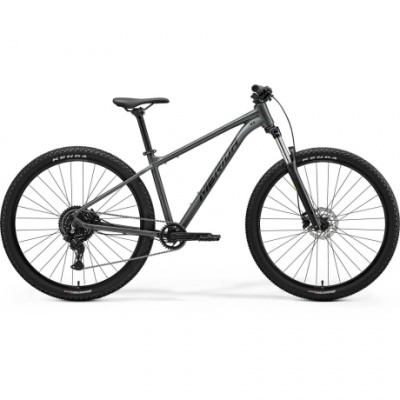
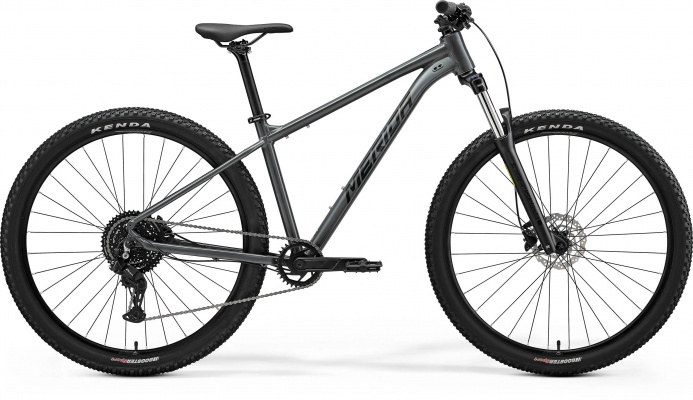
Merida BIG.NINE 20
Explore trails with confidence on a comfortable, stable hardtail that won't punish your wallet or your learning curve.
- Modern geometry: longer reach, slacker head for trail confidence
- 120mm SR Suntour fork with lockout for varied terrain
- 1x8 Shimano ESSA drivetrain keeps things simple
- Shimano MT200 hydraulic discs: reliable stopping power
- 29x2.4" Kenda Booster tyres: grip and roll-over
- Size-tuned cockpit: bars and stem matched to frame
Merida BIG.NINE 20 Deals
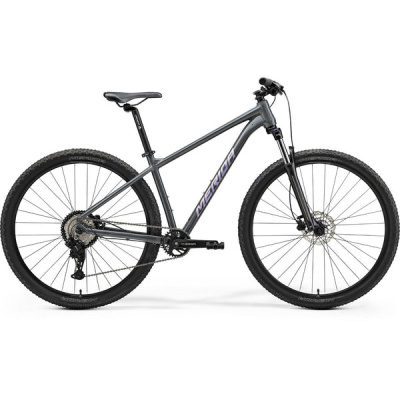
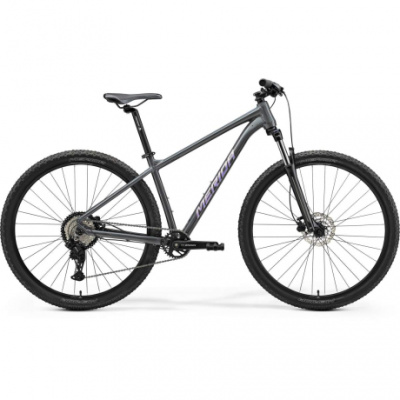

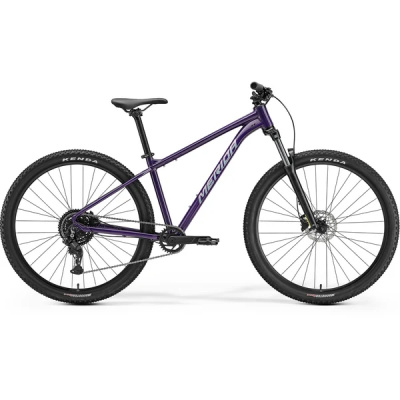
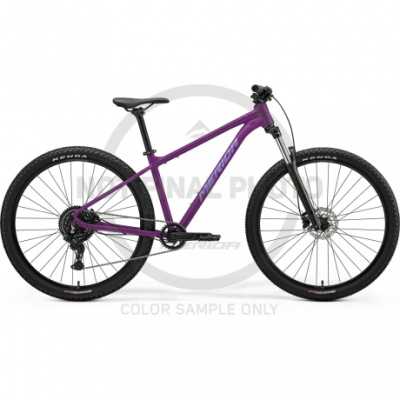
Prices and availability can change quickly. Delivery charges are not always included in listed prices.
Final price, stock status and delivery terms are set by retailer. We may receive a commission on purchases made.
Bikesy's Verdict
The BIG.NINE 20 is what happens when a brand takes modern mountain bike geometry seriously and applies it to a price point that doesn't require a loan. You're getting a frame that descends with composure, climbs without feeling like a punishment, and corners with the kind of planted confidence that lets you focus on the trail rather than fighting the bike. The 120mm fork, hydraulic brakes, and 1x8 drivetrain are well-matched to the frame's intent: reliable, low-maintenance, and capable enough to grow with you as your skills sharpen.
It's not the lightest or the flashiest, but it's built to take knocks, fitted with practical mounts, and sized properly across the range. If you're new to mountain biking or returning after years away, this bike will get you out on singletrack without the anxiety of breaking something expensive or the frustration of outdated geometry holding you back. It's a proper trail hardtail that knows its place - and does that job very well indeed.
Pros
- Modern geometry with longer reach and slacker head angle for confident trail riding
- 120mm fork travel smooths rough sections without wallowing on climbs
- Shimano MT200 hydraulic brakes offer reliable, predictable stopping power
- Clearance for 2.4-inch tyres and mounts for mudguards and kickstand add versatility
- Size-tuned cockpit components ensure proper fit across the range
Cons
- 14.4 kg weight will slow you on long climbs if you're chasing faster riders
- Coil fork and entry-level spec limit performance on very rough or aggressive terrain
- 1x8 drivetrain offers narrower gearing range than higher-spec setups if you tackle steep or varied routes
About the Merida BIG.NINE 20
Merida's BIG.NINE 20 lands in that sweet spot where modern mountain bike design meets accessible pricing. The frame borrows geometry cues from bikes costing twice as much - longer reach, slacker head angle, steeper seat tube - so you're not fighting an outdated chassis when the trail tilts down or the roots multiply. It's a hardtail that knows its job: get you out on singletrack, build your skills, and keep grinning when mates on pricier kit are nursing punctures or bleeding brakes.
The 120mm SR Suntour fork is a step up from the 100mm units that populated earlier BIG.NINE 20 models, giving you a bit more cushion when the trail gets choppy without turning the bike into a wallowing mess on climbs. Shimano's new ESSA drivetrain keeps the 1x8 setup tidy and predictable, while MT200 hydraulic discs deliver the kind of braking confidence that lets you focus on line choice rather than whether you'll actually stop. At 14.4 kg it's no featherweight, but you're trading a few hundred grams for a frame that'll take knocks, mounts for mudguards and a kickstand, and clearance for proper 2.4-inch rubber.
This isn't a bike pretending to be something it's not. It's aimed squarely at riders who want to explore bridleways, fire roads, and flowing singletrack without the faff of high-maintenance kit or the anxiety of damaging something expensive. You'll find internal cable routing for a clean look, a tapered headtube if you fancy a fork upgrade down the line, and size-specific bars and stems so the cockpit doesn't feel like an afterthought. Merida's TFS aluminium forming keeps the frame stiff where it counts and compliant enough that you're not rattled to bits on the rough stuff.
Merida BIG.NINE 20 geometry
The updated geometry shifts the BIG.NINE 20 from cautious beginner-mobile to something that'll hold its own when the gradient drops. A slacker head angle plants the front wheel further ahead, so steep chutes don't pitch you over the bars and the bike tracks straighter through rock gardens. Longer reach means you're not cramped over the front end, which opens up your chest on climbs and gives you room to shift your weight back when things get rowdy. The steeper seat tube puts your hips over the pedals, so you're driving through the cranks rather than spinning in space - especially noticeable on technical climbs where traction is everything.
Size-tuned cockpit components mean a small frame doesn't get the same 760mm bar as an XXL; instead, you're matched to a width and stem length that suits your proportions. It's a detail that matters when you're learning to corner or trying to manual over a log. The upright position keeps your back happy on longer rides and gives you a commanding view of the trail, though it's not so slack that you feel like you're piloting a sofa. When you stand to sprint or pump through a roller section, the bike responds without the vague, flexy feel that plagues some budget hardtails.
Standover clearance is generous across the size range, so you're not tiptoeing at lights or panicking on steep dismounts. The 29-inch wheels roll over obstacles with the momentum of a freight train, smoothing out the kind of trail chatter that would have a 27.5-inch wheel pinging you around. Combined with the 120mm fork, the overall package feels planted and predictable - less like a nervous pony, more like a steady trail horse that'll get you home even when you're tired and making mistakes.
Component choices & upgrades
The stock build is well-judged for the bike's mission. Shimano's ESSA drivetrain is new to the entry-level segment, offering the simplicity of a single chainring with an eight-speed cassette that covers the basics. It's not going to give you the range of a 12-speed setup, but for rolling terrain and moderate climbs it's perfectly adequate, and there's one less thing to adjust or break. The Shimano MT200 hydraulic brakes are a known quantity - predictable lever feel, easy to bleed, and powerful enough that you're not white-knuckling the levers on steep descents. Kenda Booster tyres in 2.4-inch width offer decent grip and a bit of cushion, though they're the first thing you might swap if you're chasing more traction in mud or looser conditions.
The SR Suntour XCM32 fork with its coil spring and lockout does the job for general trail riding. It's not as plush or adjustable as an air fork, but it's also less fussy and won't lose pressure if you leave the bike in the shed for a month. If you find yourself riding harder trails regularly or you're starting to outpace the fork's damping, an air-sprung upgrade with better compression and rebound control will transform the front end - but that's a decision for when your skills demand it, not something you need on day one.
Wheels are solid rather than spectacular: Shimano TX505 hubs and Merida's own rims with a 20mm internal width. They'll take a beating and keep rolling, though if you're heavy, aggressive, or both, you might consider a wheelset with wider rims and stouter spokes down the line. The aluminium seatpost is fixed, but the frame is dropper-ready if you want to add one later - a worthwhile upgrade once you're confident enough to be shifting your weight around on descents. Grips, saddle, and pedals are functional; swap them if they don't suit your hands or sit-bones, but don't feel obliged to throw money at the bike before you've ridden it enough to know what you actually need.
Where the Merida BIG.NINE 20 excels
This bike is built for exploration and skill-building on flowing singletrack, fire roads, and moderate technical trails. It's outstanding at giving new and intermediate riders a stable, confidence-inspiring platform that doesn't punish mistakes or demand constant fettling. The modern geometry means you can tackle steeper descents and tighter corners without feeling like you're wrestling the bike, while the 120mm fork smooths out the kind of trail chatter that would have you wincing on a rigid or short-travel setup.
It's also excellent for mixed-surface rides where you're linking tarmac, gravel, and dirt. The 29-inch wheels roll efficiently on smoother sections, and the upright position keeps you comfortable over longer distances. Mudguard and kickstand mounts make it practical for commuting or utility rides, so the bike doesn't have to live in the garage between weekend adventures. The 1x8 drivetrain is simple enough that you're not fumbling with front shifts when you're concentrating on the trail, and the hydraulic brakes mean you can ride in all weathers without worrying about stopping power.
Where it's not ideal: aggressive, high-speed descending on very rough or steep terrain will expose the limits of the coil fork and entry-level components. If you're chasing Strava times or riding with a fast group, the weight and gearing range will hold you back. It's also not the bike for big jumps, drops, or bike-park laps - the frame and fork are robust, but they're not designed for repeated hard landings. Think of it as a brilliant all-rounder for the first few years of your mountain biking journey, not a tool for pushing limits at the sharp end.
Merida BIG.NINE 20 FAQs
Is the Merida BIG.NINE 20 good for beginners?
Absolutely. The modern geometry and stable handling make it forgiving when you're still learning line choice and body position, while the reliable components mean you're spending time riding rather than fixing things. The upright position is comfortable for longer rides, and the bike's weight and build quality inspire confidence rather than anxiety.
What kind of riding is the Merida BIG.NINE 20 suitable for?
It's designed for cross-country trails, fire roads, and general off-road adventuring - think flowing singletrack, moderate climbs, and descents that don't require full-on enduro kit. It'll handle light gravel and bridleways happily, and the mounts mean you can press it into commuting or utility duty when needed. It's not built for bike parks, big jumps, or highly technical rock gardens.
How much travel does the Merida BIG.NINE 20 have?
The fork offers 120mm of travel, a useful step up from the 100mm units on earlier models. That extra 20mm takes the edge off rougher trails without making the bike feel sluggish on climbs. It's a hardtail, so there's no rear suspension - all the cushioning comes from the fork, tyres, and your body position.
What are the key upgrades for the 2026 Merida BIG.NINE 20?
The frame gets Merida's updated TFS geometry with longer reach, a slacker head angle, and a steeper seat tube for better climbing and descending. Fork travel increases to 120mm, tyre clearance grows to 2.4 inches, and the cockpit components are now size-tuned. The drivetrain switches to Shimano's new ESSA 1x8 setup, and brakes move to Shimano MT200 hydraulics for more consistent stopping power.
Can I fit wider tyres on the Merida BIG.NINE 20?
Yes, the frame and fork clear up to 2.4-inch tyres, which is what the bike ships with. That's wide enough for proper trail grip and cushioning without feeling sluggish. You won't fit plus-size rubber, but you've got room to experiment with different tread patterns and compounds to suit your local trails.
Is the Merida BIG.NINE 20 a good value mountain bike?
It offers strong value if you want modern geometry and reliable components without spending big. You're getting a frame design that borrows from more expensive bikes, practical features like internal routing and dropper-ready mounts, and a spec that'll last through the learning curve. It's not the lightest or flashiest, but it's built to take knocks and keep rolling.
What is the weight of the Merida BIG.NINE 20?
The complete bike weighs 14.4 kg. That's heavier than race-focused hardtails, but it's a reasonable trade-off for durability and a price point that doesn't require a second mortgage. You'll notice the weight on long climbs or if you're carrying the bike, but it's not a deal-breaker for the kind of riding this bike is designed for.
What kind of drivetrain does the Merida BIG.NINE 20 have?
It runs a 1x8 Shimano ESSA setup with a 32-tooth chainring and an eight-speed cassette. The single chainring keeps things simple and reduces maintenance, while the eight gears cover the basics for rolling terrain and moderate climbs. It's not as wide-ranging as a 10- or 12-speed system, but it's intuitive to use and reliable.
Key Features & Benefits
- Updated TFS aluminium frame with modern geometry: Longer reach and slacker head angle deliver stability on descents and confidence in corners without feeling cramped or nervous
- 120mm SR Suntour XCM32 fork with lockout: Takes the sting out of rough trails and roots while the lockout firms things up for climbs and smoother sections
- Shimano ESSA 1x8 drivetrain: Simple, reliable shifting with one less thing to adjust or break, ideal for learning and low-maintenance riding
- Shimano MT200 hydraulic disc brakes: Consistent, powerful braking in all conditions without the fade or fuss of mechanical systems
- 29-inch wheels with 2.4-inch Kenda Booster tyres: Roll over obstacles smoothly, maintain momentum, and offer grip and cushion on varied terrain
Merida BIG.NINE 20 2025, 2024 & 2023 differences
The 2026 model brings the most significant updates in several years. The frame moves to Merida's TFS V design with longer reach, a slacker head angle, and a steeper seat tube - geometry that brings the BIG.NINE 20 in line with more expensive trail hardtails. Fork travel increases from 100mm to 120mm, and the SR Suntour XCM32 NLO replaces the older XCT30 HLO unit. Tyre clearance grows to 2.4 inches, and the cockpit components are now size-tuned rather than one-size-fits-all. The drivetrain switches to Shimano's new ESSA 1x8 setup, replacing the mix of double and triple chainring options that populated earlier models, and brakes move to Shimano MT200 hydraulics for more consistent performance.
The 2025 model ran a TFS IV frame (or TFS III on some early builds) with more conservative geometry and typically featured a 100mm fork, Tektro HD-M275 brakes, and a choice of single or double chainring drivetrains depending on the specific variant. The 2024 and 2023 models used the TFS III frame with even more upright geometry, 100mm forks, and often 2x or 3x drivetrains - Shimano TY301 cranksets with 42-34-24 chainrings were common on 2023 builds. Tyre clearance was limited to 2.2 inches, and cockpit components were not size-specific. The shift to 1x8 for 2026 simplifies operation and reduces maintenance, while the geometry and fork updates transform the bike's capability on technical terrain.
Alternatives to Consider
Within Merida's own range, the BIG.NINE 400 steps up with an air fork and a more refined drivetrain, typically a 1x10 or 1x11 setup that broadens your gearing options and sharpens shifting performance. It's worth the extra outlay if you're already confident and want components that'll keep pace as your skills grow. Stepping down, the BIG.NINE 40 trims the spec further, often reverting to mechanical disc brakes and a narrower tyre clearance, which makes it a solid choice if budget is tight but you still want Merida's updated frame geometry.
Cross-brand, the Specialized Rockhopper Elite offers similar modern geometry and a 1x drivetrain, often with an air fork at comparable price points; it's a well-established benchmark in this category with strong dealer support. The Scott Aspect 950 brings a slightly racier edge with a focus on efficient climbing and lighter weight, though it may sacrifice a touch of descending composure. The Trek Marlin 7 is another familiar face, typically spec'd with hydraulic brakes and a 1x drivetrain, and it shares the BIG.NINE 20's practical mounts and versatile character. For a bit more trail aggression, the Giant Talon 1 leans into slacker geometry and wider tyres, making it a strong pick if you're drawn to rougher, more technical terrain. Finally, the Vitus Nucleus 27 VR often punches above its weight with a well-chosen component mix and playful handling, though availability can be spottier than the bigger brands.
Reviews
Longer reach and a calmer front centre bring poise to descents that would have earlier budget hardtails feeling twitchy. The 120mm fork soaks up trail chatter without turning climbs into a slog, and the lockout is there when you hit fire road or tarmac. Shimano MT200 brakes deliver the kind of predictable power that lets you brake later and harder without drama, which matters when you're still learning how much grip you've got.
When the trail tilts up, the steeper seat angle keeps your weight over the pedals so you're driving rather than spinning. It's not featherlight, but the bike doesn't feel like an anchor either - more like a steady companion that won't punish you for being a bit out of shape or choosing a harder line. The 1x8 drivetrain is refreshingly simple; you're not hunting for the right front ring or cross-chaining by accident, just clicking up or down as the terrain demands.
Corners feel planted. The 29-inch wheels track through ruts and roots with momentum that smaller hoops can't match, and the wider Kenda tyres offer enough grip that you can lean into berms with confidence. Because the cockpit is sized to the frame, the bike doesn't feel like you're wrestling a barge on a small or riding a BMX on an XXL - it's proportioned, which is rarer than it should be at this price.
Rough trails expose the coil fork's limits; it's not as supple or controlled as an air unit, and if you're charging hard you'll feel it pack down or blow through travel. The weight shows on long climbs or if you're trying to keep up with lighter, faster bikes. But for building skills, exploring new trails, and riding with mates who aren't racing, the BIG.NINE 20 delivers exactly what it promises: a stable, capable, low-fuss hardtail that gets you out and keeps you grinning.
Full Specification
| Spec | Value |
|---|---|
| Frame Material | 6061 aluminium, double butted and technoformed (TFS V) |
| Frame Construction | TFS V aluminium frame with modern geometry |
| Frame Features | Full internal cable routing; tapered headtube; chain stay mounted disc brake; mudguard and kickstand mounts |
| Tyre Clearance | Up to 2.4 inches |
| Bottom Bracket | BSA threaded |
| Rear Axle | 135×9 mm |
| Fork | SR Suntour XCM32 NLO |
| Fork Travel | 120 mm |
| Fork Type | Coil spring with lockout |
| Drivetrain | 1×8 speed |
| Shifters | Shimano ESSA SL-315-8R |
| Rear Derailleur | Shimano ESSA RD-U2000-8, GS |
| Crankset | Prowheel Epro-MD26S, 32 tooth |
| Bottom Bracket Standard | Shimano BB-UN101 LL123 |
| Chain | KMC Z8.3 |
| Brakes | Hydraulic disc |
| Brake Levers | Shimano MT200 |
| Brake Calipers | Shimano MT200 |
| Rotors (Front) | Shimano RT10 |
| Rotors (Rear) | Shimano RT10 |
| Wheels | 29 inch |
| Rims | Merida Comp CC 29 inch, 20 mm internal width |
| Hubs (Front) | Shimano TX505 |
| Hubs (Rear) | Shimano TX505 |
| Spokes | Black steel |
| Tyres (Front) | Kenda Booster, 29×2.4 inch |
| Tyres (Rear) | Kenda Booster, 29×2.4 inch |
| Handlebar | Merida CC, size-tuned (S: 720 mm; M/L: 740 mm; XL/XXL: 760 mm) |
| Stem | Merida CC aluminium, 6° angle, size-tuned (S: 50 mm; M/L: 60 mm; XL/XXL: 70 mm) |
| Headset | FSA NO.55R/57SC/57B |
| Seatpost | Merida Comp CC aluminium, 30.9 mm diameter |
| Saddle | Merida Sport |
| Weight (Approx) | 14.4 kg |