
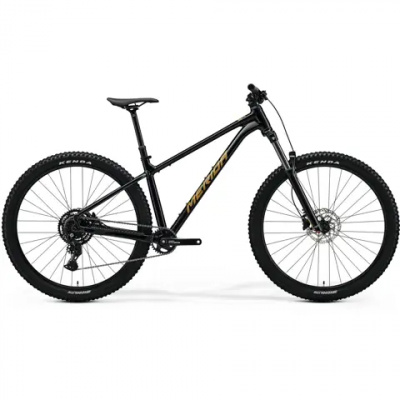
Merida BIG.TRAIL 300
Rip technical descents with hardtail directness, climb efficiently, and grin through every berm without the full-suspension faff.
- Progressive geometry: slack 64° head, steep 76.5° seat
- 140mm SR Suntour XCR34 Air fork smooths trail chatter
- Dropper post included: instant saddle drop for descents
- 29" x 2.4" Kenda Regolith tyres: grip and rollover
- Boost 148mm rear: stiffer wheel, wider tyre clearance
- Double-butted aluminium frame with internal routing
Merida BIG.TRAIL 300 Deals
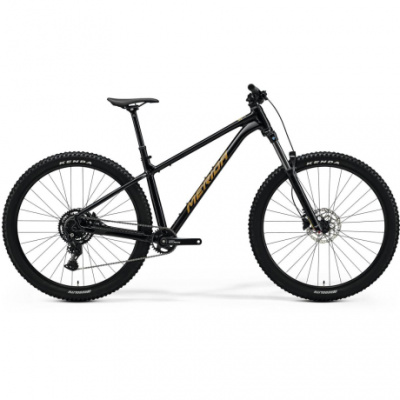
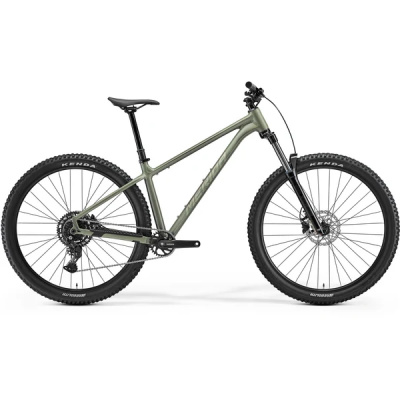
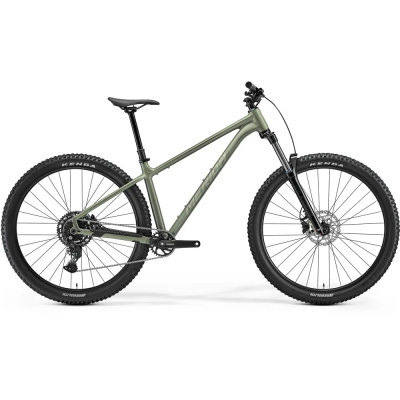
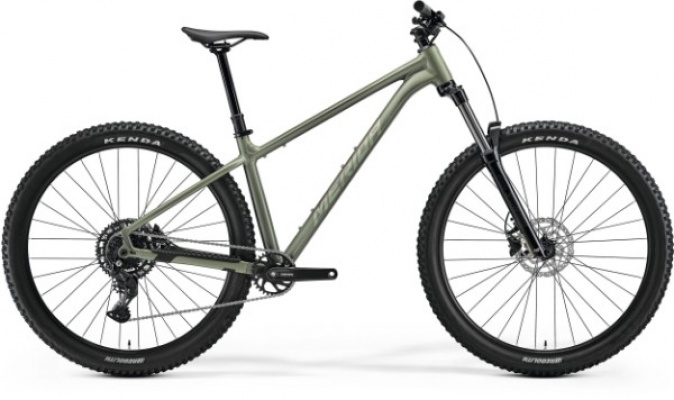
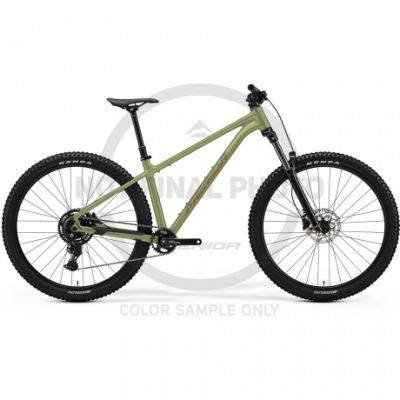
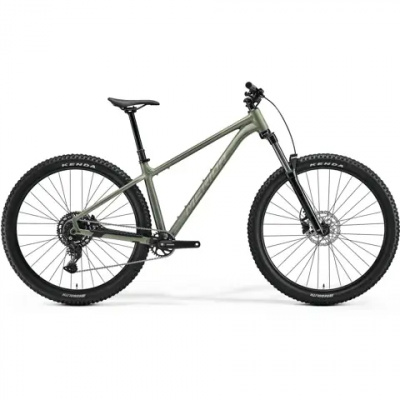

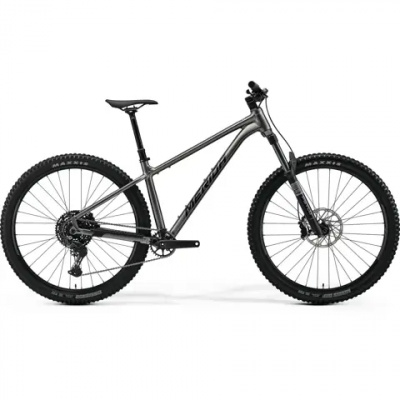
Prices and availability can change quickly. Delivery charges are not always included in listed prices.
Final price, stock status and delivery terms are set by retailer. We may receive a commission on purchases made.
Bikesy's Verdict
The Merida BIG.TRAIL 300 is one of those bikes that reminds you why hardtails remain so much fun. It's got the geometry to handle serious trails, the componentry to back it up, and the simplicity to keep you riding rather than wrenching. You'll grin through every berm, feel every root and rock, and learn to ride smoother and faster because the bike rewards commitment and clean lines.
If you're stepping up from a basic cross-country hardtail, curious about what modern trail geometry can do, or simply want a low-maintenance machine that's ready for all-day adventures, the BIG.TRAIL 300 delivers. It's not the lightest or the flashiest, but it's honest, capable, and genuinely fun - and that's worth more than a spec sheet full of superlatives.
Pros
- Progressive geometry delivers confidence on descents and efficient climbing
- 140mm fork and dropper post included at an accessible price point
- Durable double-butted aluminium frame with internal routing and multiple mounts
- 29-inch wheels with 2.4-inch tyres offer grip, rollover, and stability
- Low-maintenance hardtail design rewards clean riding and sharp line choice
Cons
- Entry-level componentry may feel limiting if you're pushing hard on demanding terrain
- Rigid rear end means less comfort and traction on very rough, high-speed descents compared to full-suspension options
- Heavier than racier cross-country hardtails if you're chasing KOMs on smooth climbs
About the Merida BIG.TRAIL 300
Merida's BIG.TRAIL 300 lands squarely in that sweet spot where modern trail geometry meets hardtail simplicity, and the result is a bike that punches well above its price point. Built around a double-butted aluminium frame shaped using Merida's TFS process, it's designed to handle aggressive trail riding without the weight, cost, or maintenance overhead of a full-suspension rig. The 2026 iteration carries forward the progressive geometry overhaul introduced in 2025 - longer reach, slacker head angle, steeper seat tube - so you're getting a bike that feels planted on rough descents yet climbs with purpose when the trail tilts upward.
What makes the BIG.TRAIL 300 compelling isn't just the numbers on paper; it's how those choices translate into ride feel. Paired with a 140mm SR Suntour XCR34 Air fork, 29-inch wheels wrapped in meaty 2.4-inch Kenda Regolith rubber, and a dropper post that varies travel by frame size, this hardtail delivers a level of capability that'll surprise riders stepping up from shorter-travel cross-country machines or those curious about what modern trail hardtails can do. It's a bike that rewards commitment, encourages you to pick faster lines, and reminds you why hardtails remain so much fun when the trail gets twisty.
Merida positions the BIG.TRAIL 300 as the accessible entry point into their trail hardtail range, sitting below the 500 and 600 models but sharing the same frame DNA. That means you're not compromising on geometry or frame features - just starting with a more sensible component spec that still covers the essentials. For riders seeking maximum trail fun without the complexity or expense of rear suspension, the BIG.TRAIL 300 offers a compelling case.
Merida BIG.TRAIL 300 geometry
The geometry here is what transforms the BIG.TRAIL 300 from a simple hardtail into a proper trail weapon. That 64-degree head angle is slack enough to inspire confidence when the trail drops away beneath you, keeping the front wheel tracking predictably over roots, rocks, and ruts rather than deflecting nervously. Paired with a reach that stretches from 415mm in the smallest frame to 505mm in the largest, you're sitting in a position that's centred and balanced, not cramped or overly stretched.
The 76.5-degree seat angle is equally important. It pitches you forward over the bottom bracket when you're seated and climbing, keeping weight on the front wheel so it doesn't wander on steep, technical ascents. You'll feel more efficient, less like you're fighting the bike to maintain traction. When you drop the saddle and shift your weight back for descents, that steep angle gets out of the way, giving you room to move without the saddle jabbing you in the back of the thighs.
Chainstays hold steady at 435mm across all sizes, short enough to keep the rear end playful and responsive in tight corners but not so stubby that the bike feels twitchy or prone to looping out on steep climbs. The wheelbase grows with frame size, ranging from around 1165mm to 1272mm, which means larger frames feel stable and composed at speed while smaller sizes retain a nimble, flickable character. Bottom bracket drop sits at 70mm, a sensible compromise that keeps pedal strikes manageable on technical terrain while maintaining enough ground clearance for confident cornering.
Merida calls their sizing approach the "Agilometer," which is a fancy way of saying you can size up for stability and speed or size down for agility and manoeuvrability. If you're the sort who loves to pop off features and carve tight switchbacks, consider the shorter end of your size range. If you prefer charging through rough sections and holding speed on open trails, go longer. The geometry accommodates both styles without feeling compromised.
Component choices & upgrades
The stock build on the BIG.TRAIL 300 is well-judged for the bike's intended use. Shimano's CUES U4000 drivetrain delivers reliable 1x9 shifting (some markets saw 1x10 on 2025 models, but the 2026 spec leans toward nine speeds), and while it's not the flashiest groupset, it's durable, easy to service, and perfectly adequate for trail riding. The Shimano MT200 hydraulic brakes offer predictable stopping power with 180mm rotors, and though they're not the most powerful brakes on the market, they're consistent and require minimal fuss.
The SR Suntour XCR34 Air fork provides 140mm of travel with lockout and platform adjustment, which is more than enough cushion for trail abuse. It's not as plush or tuneable as a RockShox Pike or Fox 34, but it does the job without adding unnecessary weight or cost. The Kenda Regolith tyres are aggressive trail rubber with decent grip and rolling speed, though they're not the lightest or most supple option out there. The included dropper post - with travel ranging from 150mm on the smallest frame to 230mm on the largest - is a genuine highlight at this price point, giving you on-the-fly saddle adjustment that's essential for varied terrain.
If you're planning to push the bike harder or ride more demanding trails, a few targeted upgrades can sharpen its edge. Swapping the tyres for something like a Maxxis Minion DHF up front and a Dissector or Aggressor out back will boost grip and confidence on loose or steep descents. If you're riding frequently in wet or muddy conditions, upgrading to four-piston brakes - Shimano Deore or SRAM Guide - will give you more power and modulation. A shorter stem (say, 35mm instead of the stock 40mm) can quicken steering response if you prefer a more playful feel, though the stock setup is already well-balanced.
For riders whose skills outpace the fork's performance, a mid-travel air fork from RockShox or Fox (140 - 150mm) will deliver better small-bump sensitivity and more tuneable damping. But here's the thing: the stock build is already sorted enough that you can ride this bike hard for a long time before any component becomes a genuine limitation. Upgrades should be driven by your riding style and terrain, not by a sense that the stock kit is inadequate.
Where the Merida BIG.TRAIL 300 excels
This bike is outstanding at aggressive trail riding where the terrain mixes technical climbs, rough descents, and plenty of corners. If your local trails feature rooty singletrack, rocky sections, and the occasional drop or jump, the BIG.TRAIL 300 will feel right at home. The progressive geometry and 140mm fork give you the confidence to push harder on descents, while the steep seat angle and efficient drivetrain mean you're not suffering on the way back up.
It's also excellent for riders who want a low-maintenance, durable machine that doesn't require constant fettling. Hardtails are simpler to service, lighter to carry, and less prone to the niggles that plague full-suspension bikes - no pivot bearings to wear out, no shock linkages to clean and grease. The BIG.TRAIL 300 rewards riders who value directness and feedback from the trail, and it's a brilliant tool for honing your line choice and bike-handling skills because there's no rear suspension to mask mistakes.
Where it's less ideal is on extremely rough, high-speed descents where a full-suspension bike would offer more comfort and traction. The rigid rear end means you'll feel every bump, and on prolonged rocky descents, your arms and lower back will work harder to absorb impacts. It's also not the best choice for riders who prioritise outright speed on smooth, flowing trails - a lighter cross-country hardtail or a full-suspension trail bike will be faster in those scenarios.
But for all-day adventures, trail centre laps, and exploring varied terrain without the complexity of rear suspension, the BIG.TRAIL 300 is a brilliant choice. It's playful enough to keep you grinning, capable enough to handle serious trails, and simple enough that you'll spend more time riding and less time wrenching.
Merida BIG.TRAIL 300 FAQs
What kind of riding is the Merida BIG.TRAIL 300 good for?
It's built for aggressive trail riding - technical climbs, rough descents, tight corners, and the occasional jump or drop. The progressive geometry and 140mm fork make it confident on challenging terrain, while the steep seat angle keeps climbing efficient. It's also well-suited to all-day adventures and trail centre laps where you want a durable, low-maintenance machine.
Is the Merida BIG.TRAIL 300 a good beginner mountain bike?
Yes, it's a strong choice for beginners stepping into trail riding, provided they're ready for a bike with more capability than a basic cross-country hardtail. The stable geometry inspires confidence, the dropper post teaches good descending habits, and the hardtail rear end encourages clean line choice. It's also forgiving enough that new riders won't feel overwhelmed, but capable enough to grow with their skills.
What are the advantages of a trail hardtail like the Merida BIG.TRAIL 300?
Hardtails are simpler, lighter, and cheaper to maintain than full-suspension bikes - no rear shock or linkage bearings to service. They offer a more direct connection to the trail, which sharpens your bike-handling skills and rewards smooth riding. The BIG.TRAIL 300 also delivers excellent value, packing modern geometry and capable components into a package that costs less than most full-suspension options.
How does the geometry of the 2025 Merida BIG.TRAIL 300 compare to older models?
The 2025 update brought longer reach, a slacker 64-degree head angle, and a steeper 76.5-degree seat angle compared to the 2021 generation. These changes make the bike more stable and confident on descents while improving climbing efficiency. The 2026 model carries forward this geometry, so you're getting the same progressive handling.
What upgrades are common for the Merida BIG.TRAIL 300?
Tyres are the most popular upgrade - swapping to Maxxis Minion or Schwalbe Magic Mary rubber boosts grip on loose or steep terrain. Some riders upgrade to four-piston brakes for more power, or fit a shorter stem for quicker steering. A mid-travel air fork from RockShox or Fox improves small-bump sensitivity, though the stock fork is perfectly adequate for most riders.
Is the Merida BIG.TRAIL 300 suitable for downhill riding?
It's capable on trail centre descents and rough singletrack, but it's not a dedicated downhill bike. The 140mm fork and hardtail rear end mean you'll feel every bump on extremely rough, high-speed descents, and the geometry - while slack - isn't as gravity-focused as a true downhill rig. For aggressive trail riding and occasional steep descents, it's excellent; for lift-accessed downhill, you'd want more travel and rear suspension.
What tyre pressure should I use on Merida BIG.TRAIL 300's Kenda Regolith tyres?
Start around 25 - 28 psi for the front and 28 - 30 psi for the rear, then adjust based on your weight, terrain, and riding style. Lower pressures improve grip and comfort on rough trails but increase the risk of pinch flats or burping the tyre off the rim if you're running tubeless. Higher pressures reduce rolling resistance and protect the rims on rocky terrain but can feel harsh and reduce traction. Experiment to find what works for your local trails.
Key Features & Benefits
- Progressive trail geometry with 64° head angle and 76.5° seat angle: Stable and confident on descents, efficient and balanced when climbing technical terrain
- 140mm SR Suntour XCR34 Air fork with lockout: Smooths trail chatter and absorbs impacts without adding excessive weight or complexity
- Included dropper post with size-specific travel (150 - 230mm): Instant saddle height adjustment lets you shift weight back for descents and forward for climbs
- Boost 148x12mm rear axle and tubeless-ready rims: Stiffer rear wheel, wider tyre clearance, and the option to run lower pressures for better grip
- Double-butted TFS aluminium frame with internal routing: Durable, stiff, and clean-looking with protected cables and multiple mounts for bottles and gear
Merida BIG.TRAIL 300 2025 differences
The 2025 model brought the most significant update to the BIG.TRAIL platform in years, with a complete geometry overhaul that introduced longer reach, a slacker 64-degree head angle, and a steeper 76.5-degree seat angle compared to the 2021 generation. These changes transformed the bike's handling, making it more stable and confident on descents while improving climbing efficiency. The 2025 spec typically featured a Shimano CUES U4000 1x10 drivetrain, Shimano MT200 hydraulic brakes, and a 140mm SR Suntour XCR34 Air fork, along with 29-inch wheels wrapped in 2.4-inch Kenda Regolith tyres. A dropper post was included across most sizes, with travel varying from 150mm to 230mm depending on frame size.
The 2026 model carries forward the same progressive geometry and frame design, with minor regional variations in drivetrain spec - some markets list a 1x9 setup rather than the 1x10 seen on most 2025 builds. Aesthetics may have been refreshed, but the core ride character and capability remain consistent. If you're choosing between a 2025 and 2026 model, the differences are minimal; both deliver the same modern trail-hardtail experience that made the updated BIG.TRAIL such a strong contender in this category.
Alternatives to Consider
Within Merida's own range, the BIG.TRAIL 500 steps up with a RockShox Recon Silver fork, Shimano Deore drivetrain, and four-piston brakes, offering noticeably sharper performance for riders who want more capability without changing the frame's character. The BIG.TRAIL 600 pushes further still with a RockShox Pike fork, Shimano SLX components, and wider rims, making it the choice for riders who plan to ride hard and often. Both share the same progressive geometry, so you're upgrading componentry rather than handling.
Cross-brand, the Trek Roscoe 7 offers similar trail-hardtail intent with a RockShox Recon fork, Shimano Deore drivetrain, and slightly more aggressive geometry, though it typically costs more. The Specialized Fuse Comp brings a slacker head angle and longer fork (130 - 150mm depending on spec), making it feel more gravity-focused but less efficient on climbs. The Marin San Quentin 2 is another strong contender, with a steel frame, slack geometry, and a playful, poppy ride feel that suits riders who love to manual and jump. The Kona Honzo has long been a benchmark in this category, offering a similar blend of progressive geometry and hardtail simplicity, though component specs vary widely across the range. The Cannondale Trail SE 2 leans slightly more toward all-mountain capability with a longer fork and burlier build, but it's also heavier and less nimble in tight terrain.
The BIG.TRAIL 300 distinguishes itself with its balance of modern geometry, sensible componentry, and accessible pricing, making it a strong choice for riders who want trail capability without the complexity or cost of full suspension.
Reviews
Longer reach and a calmer front centre bring poise to rough descents, while the steep seat angle keeps your weight centred over the pedals when the trail tilts upward. We rate the way the geometry inspires confidence without feeling sluggish - it's stable enough to charge through rock gardens but still flicks through tight corners with intent. The 140mm fork absorbs trail chatter without wallowing, and the dropper post transforms the bike's versatility, letting you shift weight back for descents and forward for climbs without stopping to fiddle with a quick-release.
When the trail gets technical, the hardtail rear end demands cleaner lines and smoother inputs, which sharpens your riding over time. Because there's no rear suspension to mask mistakes, you learn to pick better lines, weight the bike more deliberately, and carry speed through rough sections rather than relying on travel to bail you out. That directness is addictive - every pedal stroke translates into forward motion, and you feel the trail in a way that full-suspension bikes often mute.
Componentry is sensible rather than flashy. The Shimano CUES drivetrain shifts reliably, the MT200 brakes offer predictable stopping power, and the Kenda Regolith tyres grip well enough on most surfaces, though they're not the lightest or most supple rubber out there. Upgrade paths are clear if you want more - better tyres, four-piston brakes, a plusher fork - but the stock build is already sorted enough that you can ride hard for a long time before any component becomes a genuine limitation.
Value is where this bike really shines. You're getting modern trail geometry, a capable fork, a dropper post, and a durable frame at a price point that undercuts most full-suspension options. Short travel.