
Merida Mountain Bikes
Merida mountain bikes sit in a genuinely interesting position in the market - German engineering direction, Taiwanese manufacturing precision, and a product range that runs from cross-country hardtails right through to full-fat enduro rigs. They're one of the largest premium bike producers on the planet, yet the bikes rarely feel like they've been designed by committee. Geometry is modern and deliberate, component specs are honest at each price point, and the carbon work is seriously accomplished.
One thing worth knowing before you dig in: the Agilometer sizing system flips the traditional approach on its head. Instead of sizing by seat tube length, Merida uses reach as the primary number. Short seat tubes across the range mean you can size up for stability on longer, faster descents without sacrificing dropper post travel - a genuine advantage if you're riding anything technical. It rewards riders who know what handling feel they're after rather than just grabbing their usual size off the shelf.
This page covers acoustic, pedal-powered MTBs only. If you're looking at the Merida eOne-Sixty or eOne-Forty, those live in the Merida E-Bikes category - worth a separate look if motor assistance is on your radar.
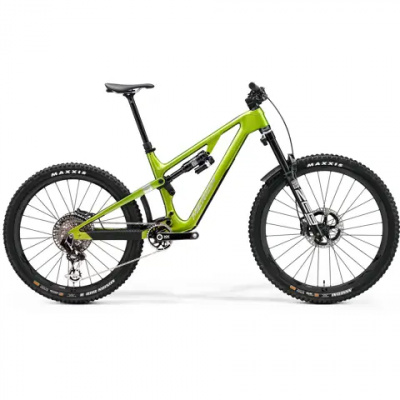
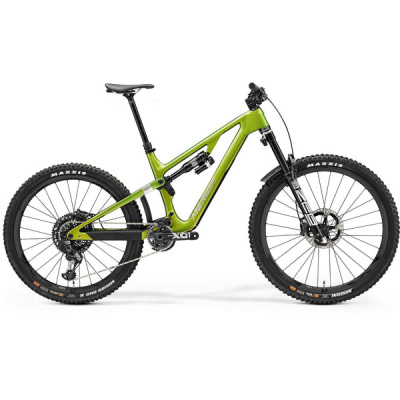
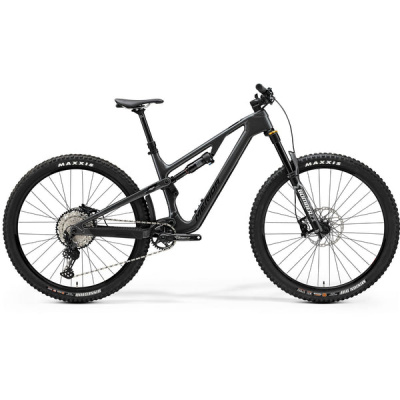
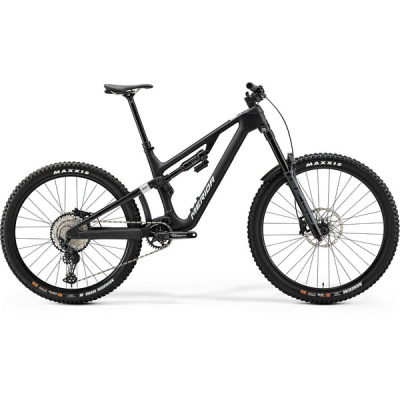
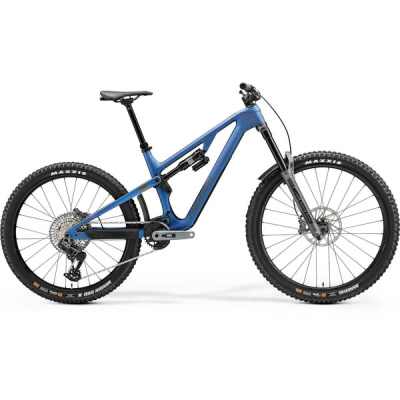
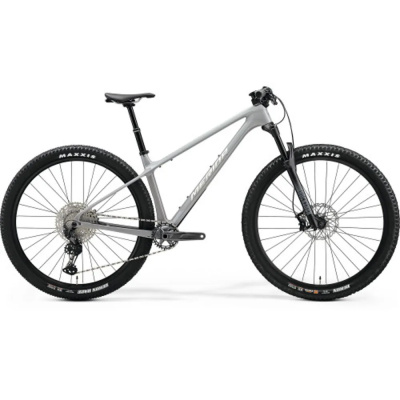
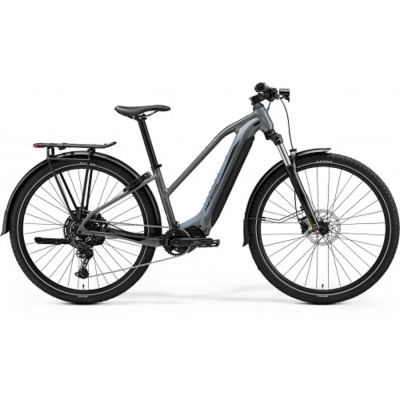
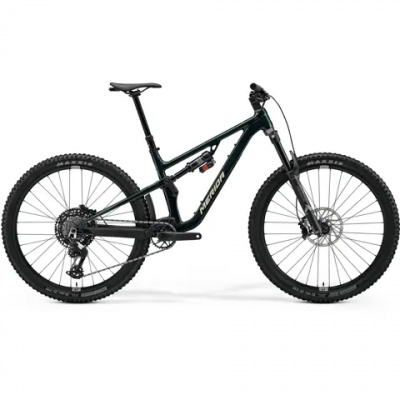
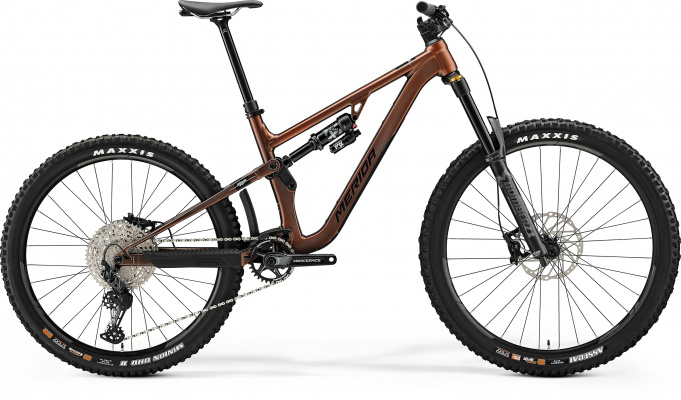

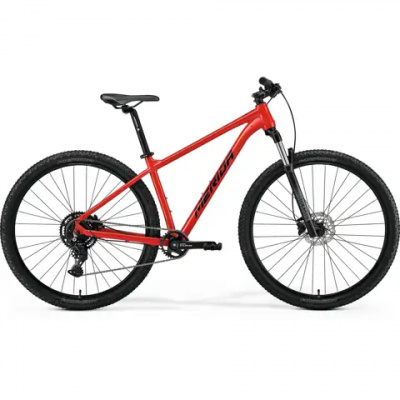
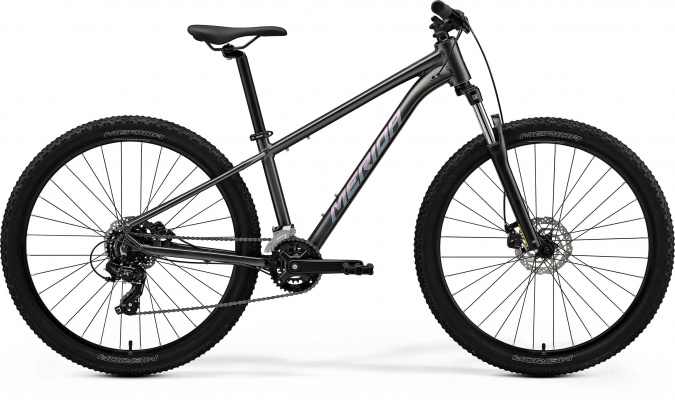
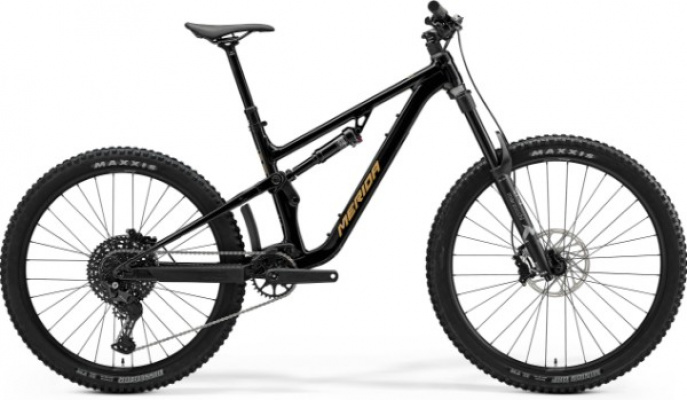
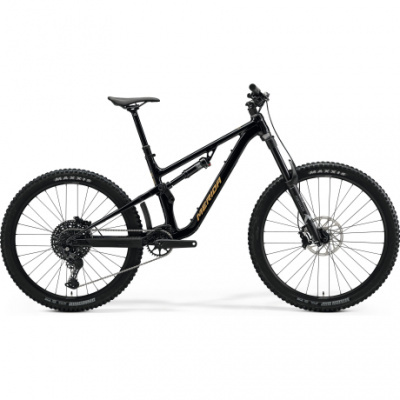
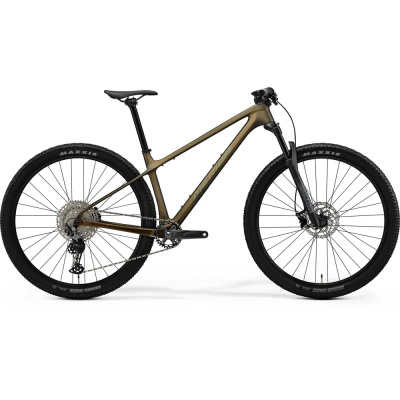
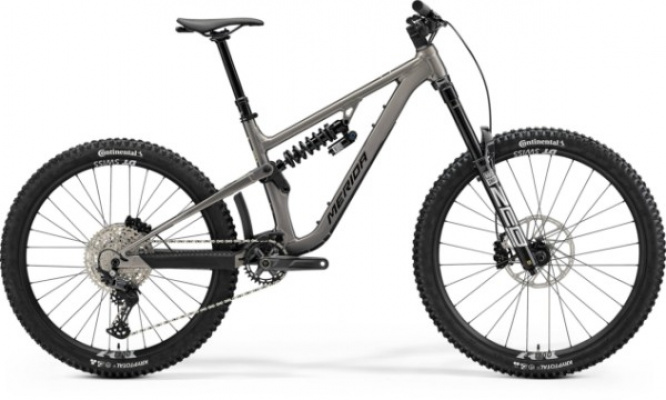
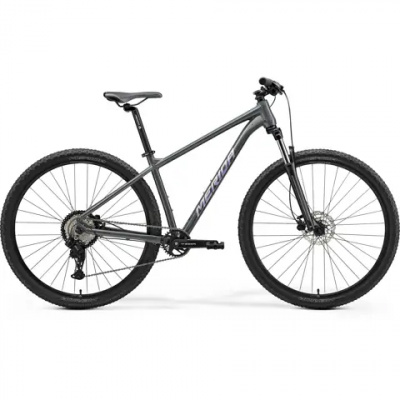
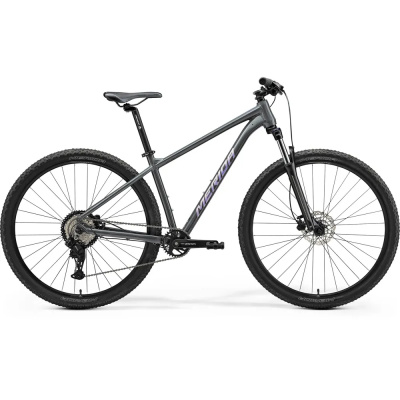
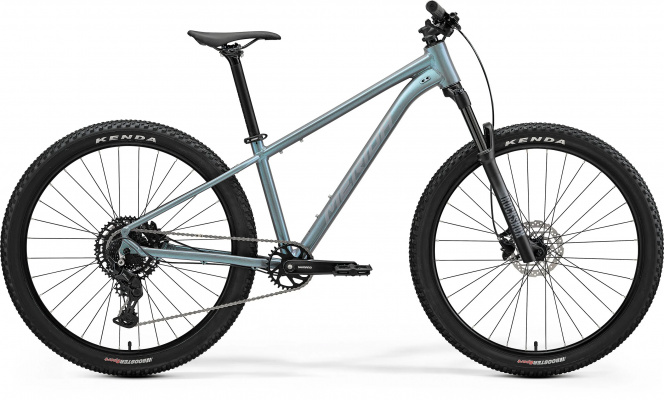
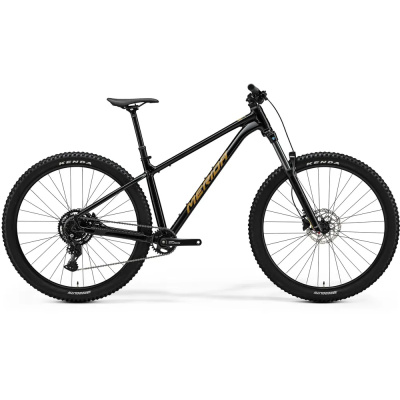
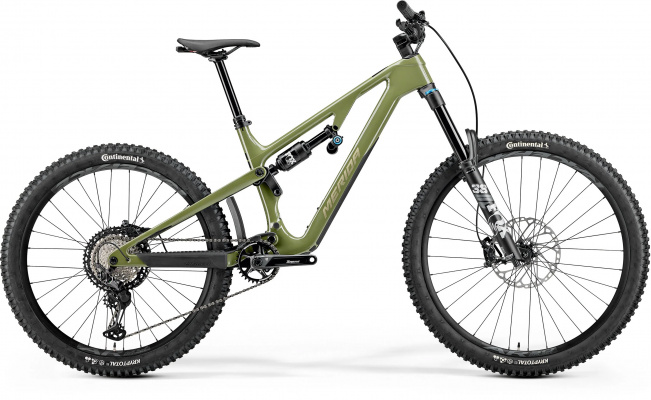
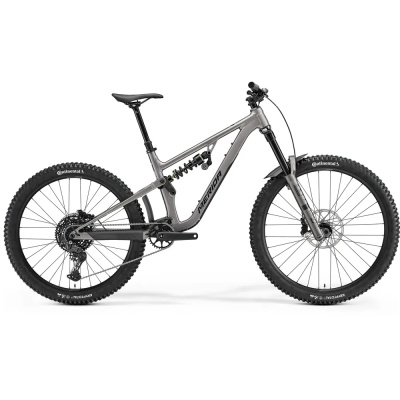
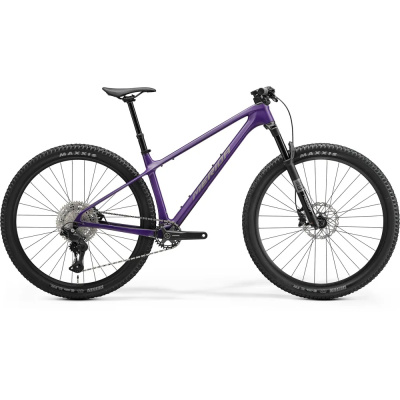
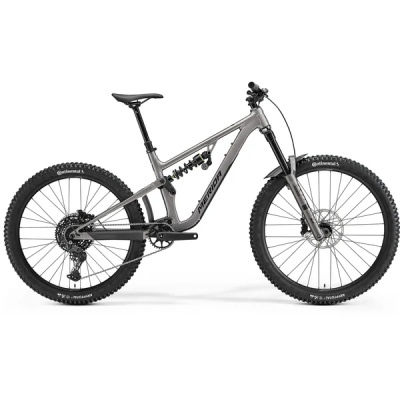
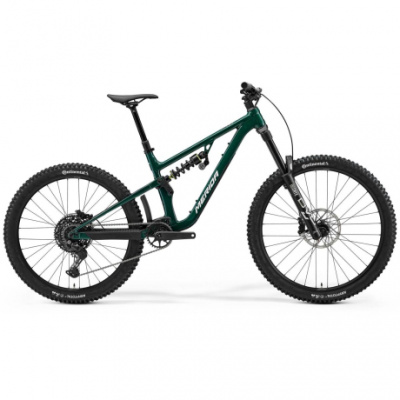
Prices and availability can change quickly. Delivery charges are not always included in listed prices.
Final price, stock status and delivery terms are set by retailer. We may receive a commission on purchases made.
Making Sense of the Merida Range
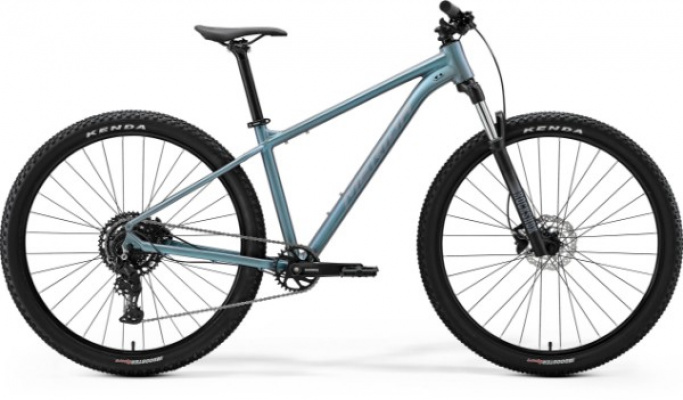
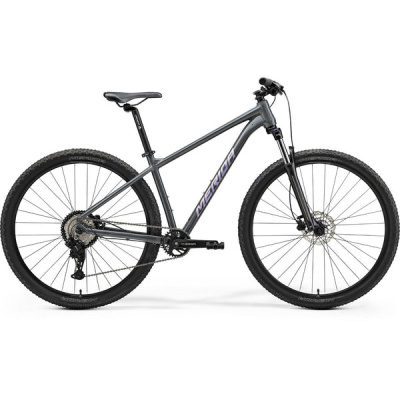
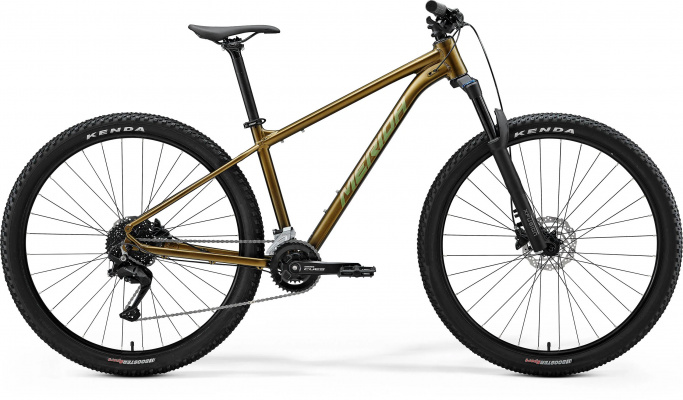
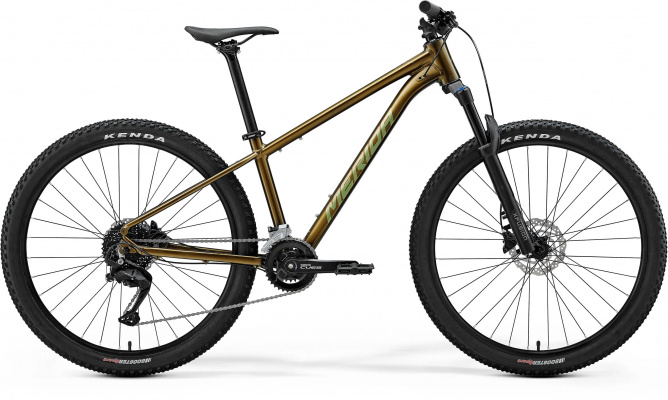
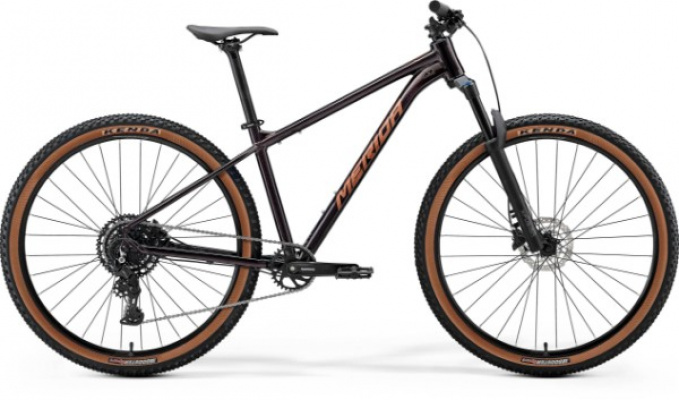
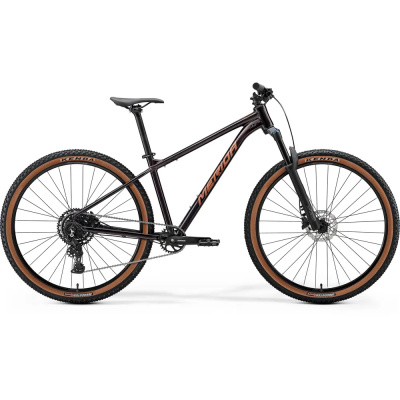
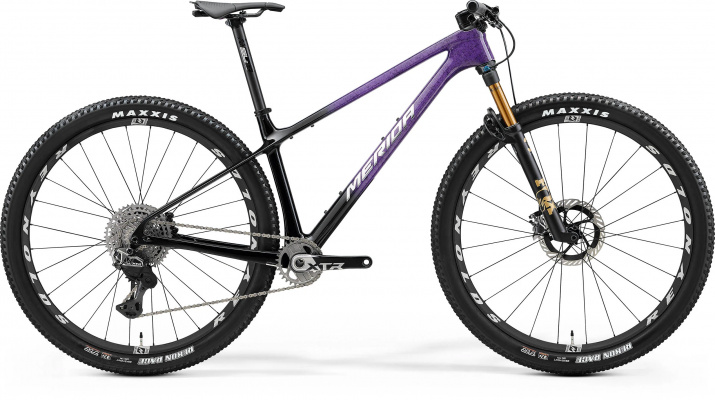
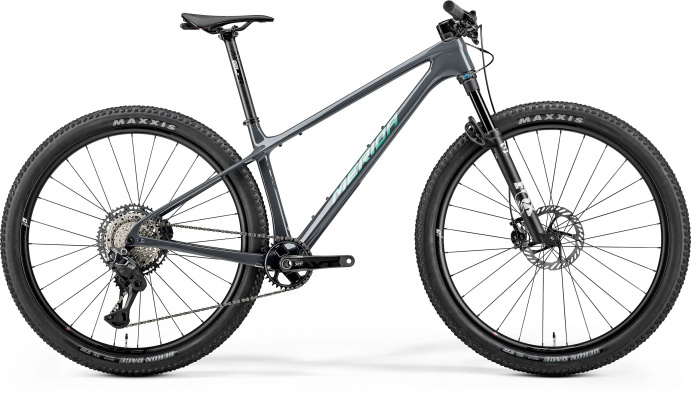
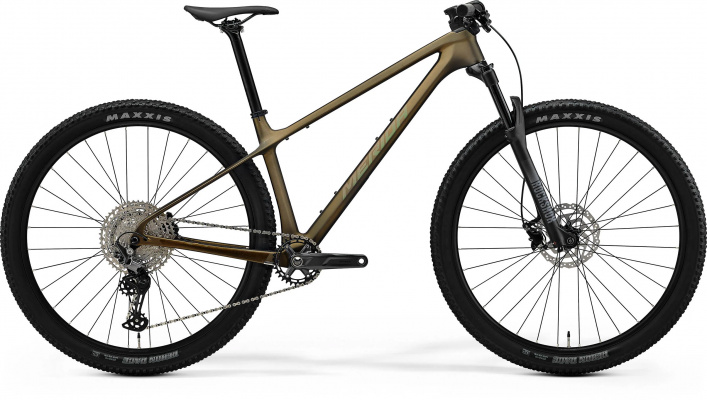
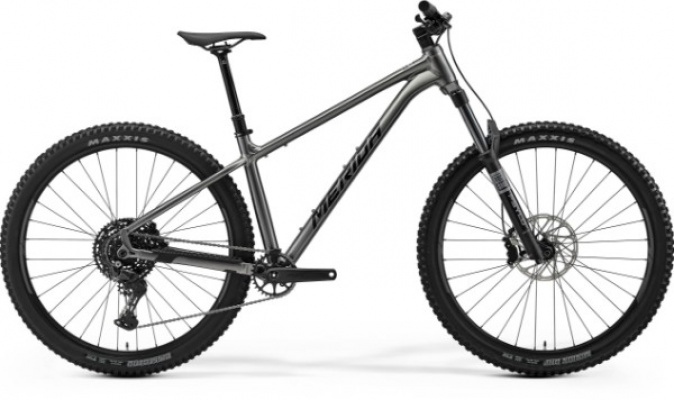
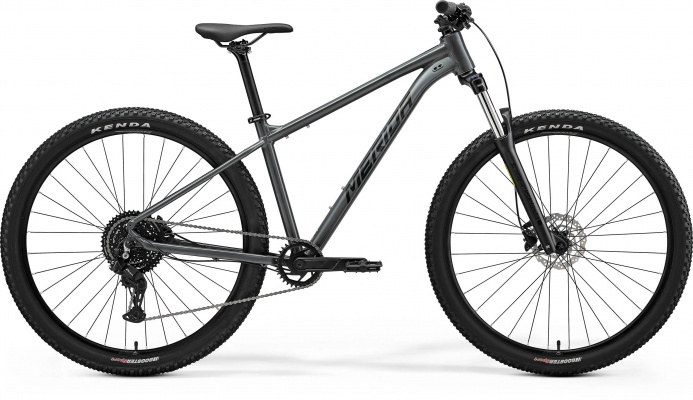
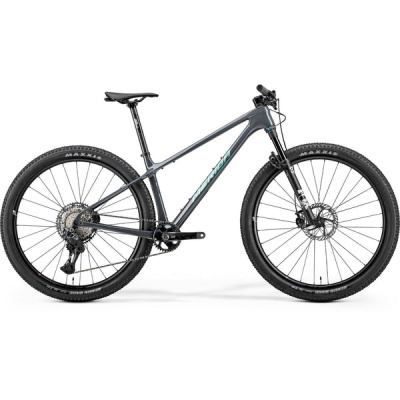
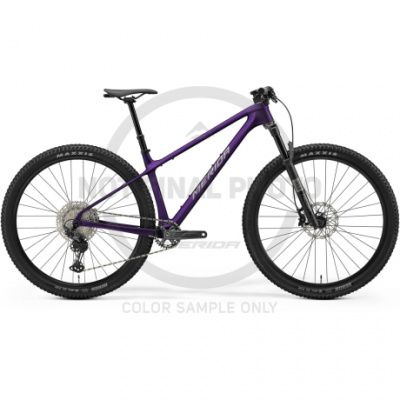
Merida keep their MTB lineup logical once you know the naming conventions. The Big.Nine is their 29er XC hardtail - 29-inch wheels, efficient geometry, built for riders who want speed on smoother trails and race-ready handling. The Big.Seven runs 27.5-inch wheels, which makes it more manoeuvrable in tight trees and a natural fit for smaller riders or anyone who prefers a snappier front end. The Merida Big Nine vs Big Seven choice really comes down to where you ride: open cross-country XC loops suit the Nine, twistier, more technical riding suits the Seven.
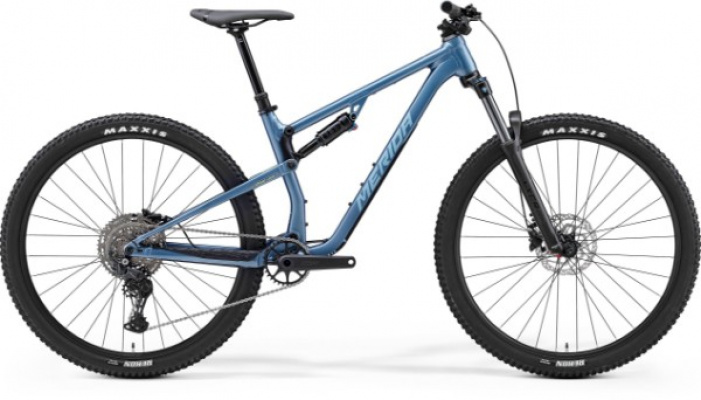
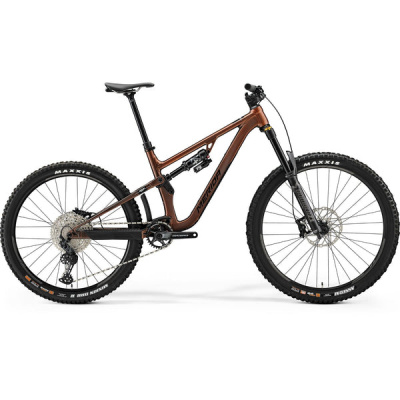
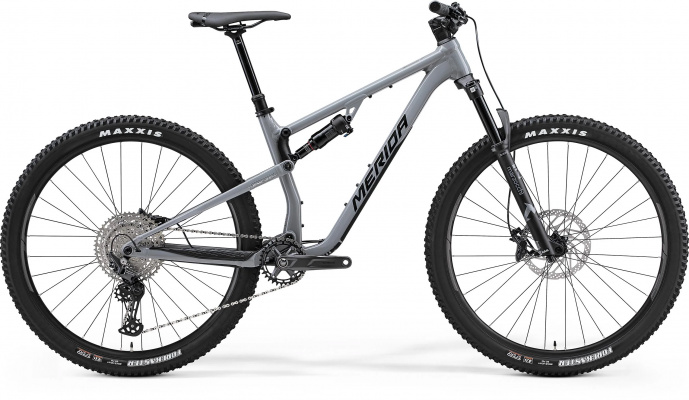
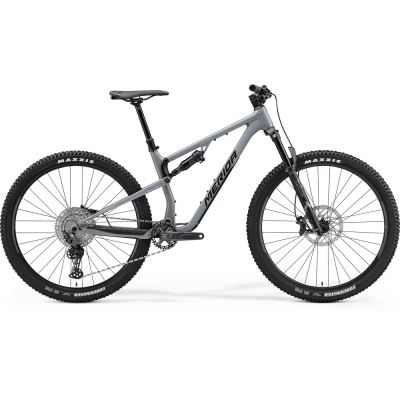
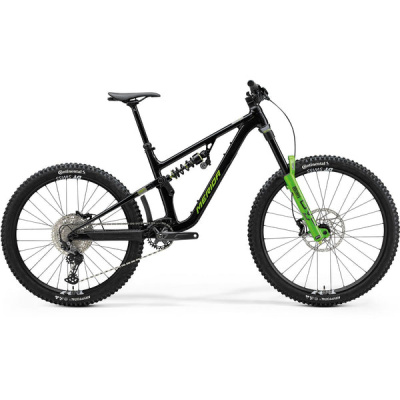
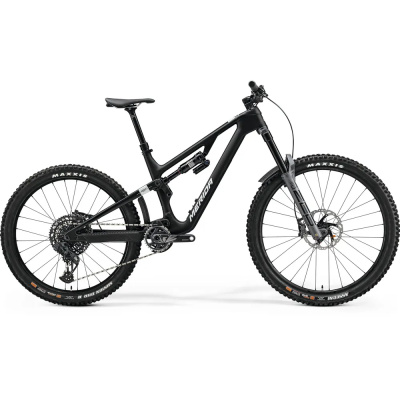
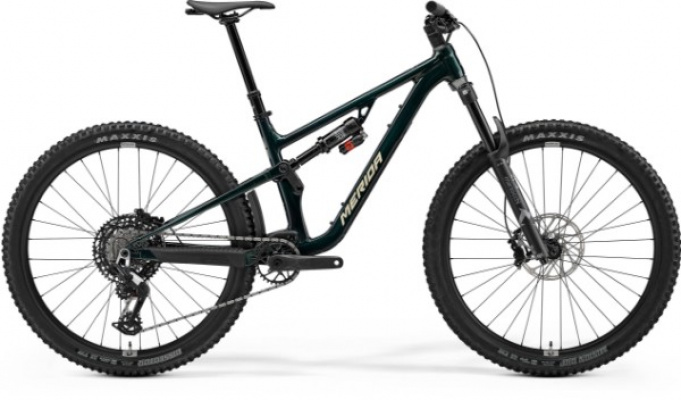
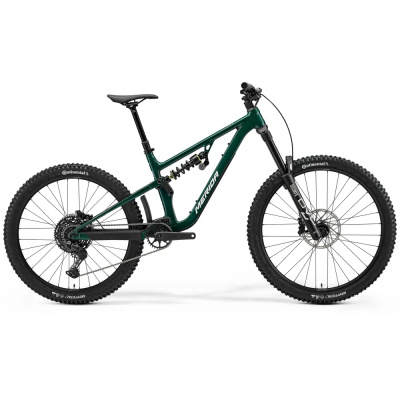
The full-suspension range splits into three clear brackets. The One-Twenty sits at the downcountry end - short travel, efficient, fast - ideal if you're climbing as much as descending and want a bike that doesn't drag its feet on the way up. The One-Forty is the all-mountain and trail bike, covering most of what UK riders actually need: enough travel for chunky Peak District gritstone or a weekend at Bike Park Wales without feeling wallowy on the climbs back up. The One-Sixty is the enduro rig - more travel, slacker angles, and built with the assumption that the descents are the main event.
Trim level naming follows a consistent logic too. Aluminium frames carry three-digit model numbers - 400, 700 and so on - while carbon frames step up to four digits: 6000, 8000. It's a quick shorthand for knowing whether you're looking at alloy or Nano Matrix Carbon before you even read the spec sheet. Useful when you're comparing prices across the range.
How the Tech Actually Works
Merida's proprietary FAST kinematic suspension - Flexure Adjustable Suspension Technology - is the most discussed bit of engineering in their full-suspension lineup, and for good reason. Traditional linkage designs use a pivot at the seat stay junction; FAST replaces that pivot with a flex element. Fewer moving parts means less bearing maintenance, marginally lower weight, and a stiffer rear triangle overall. In practice, it changes how the rear end tracks over rough ground - more direct, less mechanical noise, and nothing to seize up after a particularly grim winter in the Peaks.
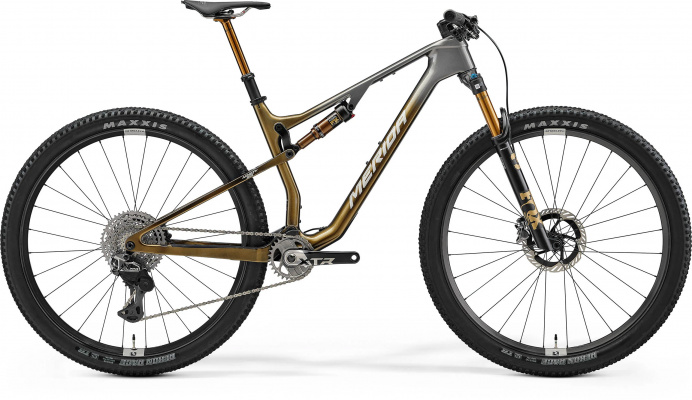
The Nano Matrix Carbon layup used across the higher-end frames is Merida's answer to impact resistance in carbon construction. Carbon is normally a trade-off between stiffness and toughness - stiffer layups can be brittle, tougher ones can feel dead. Nano Matrix aims to thread that needle with a matrix structure that resists crack propagation on impact. It's the kind of thing that matters on British trails where rock strikes and unexpected compressions are part of the deal, not occasional hazards.
Then there's Agilometer sizing. As mentioned above, this is reach-based rather than seat-tube-based. Merida run unusually short seat tubes across every frame size, so the reach number becomes the meaningful dimension. Size up and you get a longer, more stable platform for fast, open riding. Size down and the bike feels sharper, more flickable. It's worth spending five minutes with Merida's Agilometer chart before you buy - it genuinely changes which size makes sense for your riding style, not just your inseam. If you're unsure, that's a question worth putting to any retailer before you commit.
Thermo Gate is Merida's internal cable routing integration system - essentially a sealed port design that tidies cable entry points and reduces the chance of water ingress into the frame. Less faff when routing, less corrosion risk over time. Not glamorous, but the kind of detail that saves irritation further down the line.
If you're comparing against the broader market, Giant mountain bikes and Cube mountain bikes occupy similar ground at overlapping price points - both strong, both worth shortlisting - but Merida's geometry on the One-Forty and One-Sixty tends to read as more progressive at equivalent specs. Cannondale mountain bikes are another sensible comparison if you're drawn to the downcountry end of the range.
Running a Merida on UK Trails
The Agilometer system earns its keep on steep, technical UK descents. Riders who've previously been caught between sizes - too cramped on a small, too stretched on a large - often find Merida's reach-first approach resolves the dilemma. Sizing up gives you a longer cockpit and more standover room for a longer dropper post, which on something like the Tweed Valley's more committing lines is a practical difference, not a marginal one.
Mud clearance on the One-Forty and One-Sixty platforms is generous. Welsh winter riding has a way of separating bikes that claim to handle mud from bikes that actually do - clogged chainstays and seized pivots are a real-world issue, not an edge case. The One-Sixty's frame clearances are wide enough to run 2.5-inch tyres with room to spare, and the FAST kinematic's reduced pivot count means fewer bearings packing with grit and clay over a season of regular riding. If you're running the One-Forty through genuinely grim conditions week in, week out, it's worth checking bearing preload periodically - the oversized pivot bearings Merida spec are durable, but no bearing is immune to sustained abuse without some attention.
Hardtail riders doing cross-country XC riding on drier tracks - think the South Downs or Cannock Chase in summer - will find the Big.Nine a composed, capable tool without the weight penalty of full suspension. It won't float over square-edged roots the way an One-Twenty would, but that's the trade-off you accept and the reason hardtails remain relevant. If your riding is 80% climbing and smooth singletrack with occasional technical sections, it's a perfectly rational choice.
Worth mentioning: if gravel ever pulls you off the MTB for a change of pace, Merida's range extends there too - Merida gravel bikes share the same engineering ethos and are worth considering if your route planning occasionally drifts onto the lanes.
Related searches:
Merida Mountain Bikes FAQs
Are Merida mountain bikes any good?
Yes, comfortably so. Merida is one of the world's largest premium bike manufacturers, and their MTB range reflects genuine engineering investment rather than badge-engineered spec lists. The One-Forty and One-Sixty have picked up trail and enduro bike of the year recognition across major UK and European publications, and the geometry holds up well against more expensive rivals.
Where are Merida mountain bikes made?
Merida bikes are designed and engineered in Germany, then built in Merida's own manufacturing facilities in Taiwan. It's not outsourced production - they own the factories, which means tight quality control and access to advanced carbon manufacturing processes, including the Nano Matrix Carbon layup used on their higher-end frames.
What is the difference between Merida Big Nine and Big Seven?
Wheel size, primarily. The Big.Nine runs 29-inch wheels, which roll faster over rough ground and carry momentum more efficiently - a real advantage on open cross-country XC trails. The Big.Seven uses 27.5-inch wheels, giving a snappier, more agile feel on tighter, more technical riding. Smaller riders often find the Seven's geometry more natural too.