
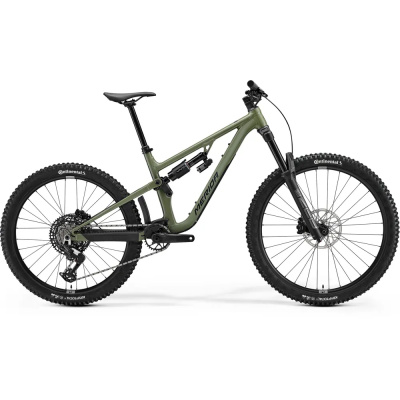
Merida ONE-SIXTY 700
Smash technical descents with enduro travel and poise, then climb back out without hating every pedal stroke.
- 170mm fork, 162 - 171mm rear: proper enduro travel
- Flexstay design cuts pivots, boosts stiffness and reliability
- Flip chip swaps mullet to 29er without wrecking geometry
- Steep seat angle keeps you over the pedals on climbs
- Agilometer sizing: pick reach, not just height
- Wire Port routing quietens the cockpit, cleans the lines
Merida ONE-SIXTY 700 Deals
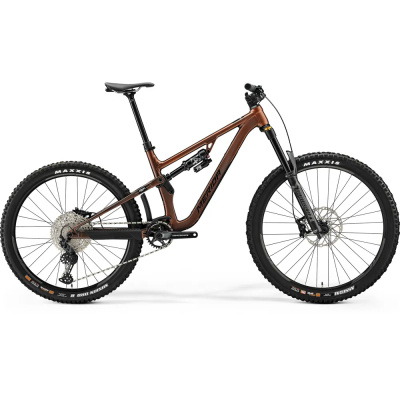
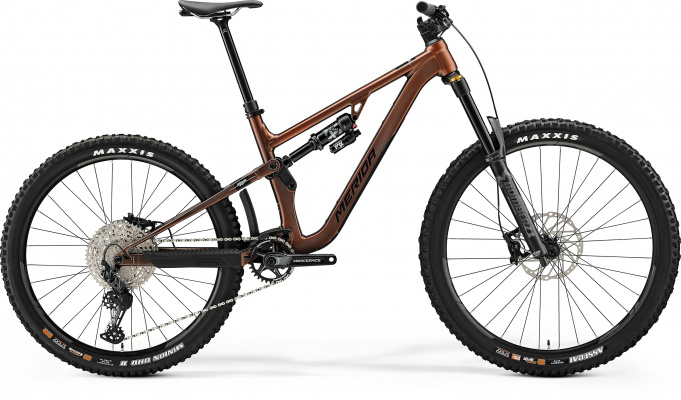
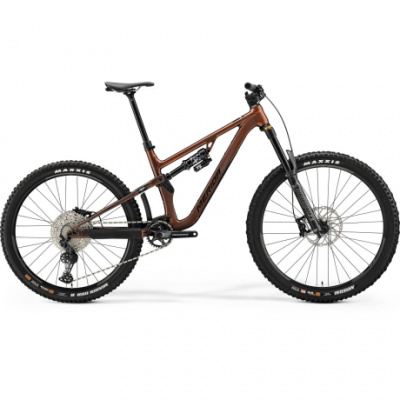
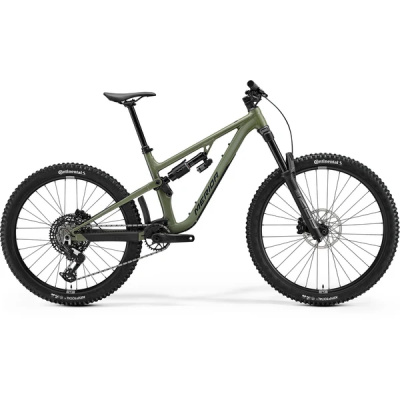

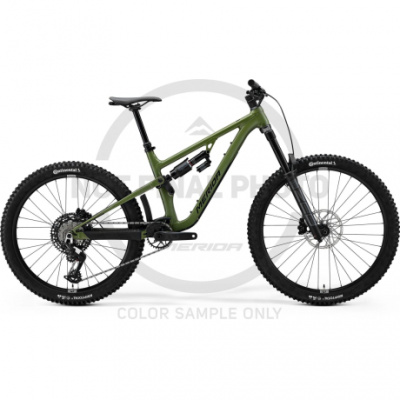
Prices and availability can change quickly. Delivery charges are not always included in listed prices.
Final price, stock status and delivery terms are set by retailer. We may receive a commission on purchases made.
Bikesy's Verdict
The Merida ONE-SIXTY 700 delivers enduro capability without the usual compromises. You get 170mm up front and a choice of 162mm or 171mm out back depending on whether you run full 29er or mullet - and the flip chip means you can swap between them without turning the bike into a geometry disaster. That's rare flexibility at this price point.
Merida's FAST kinematic suspension and Flexstay rear end combine to give you a supple, supportive platform that doesn't wallow on the pedals or pack down mid-stage. The steep seat tube angle keeps your weight forward on technical climbs, so you're not constantly fighting the front end for traction. When the trail tips down, the slack head angle and generous travel inspire the kind of confidence that lets you carry more speed into rough sections than you thought you would.
It's not the lightest enduro rig out there, but the aluminium frame is tough, well protected, and sensibly specced with kit that works. If you want a bike that'll handle bike park laps, enduro stages, and rowdy trail days without needing a second mortgage or a support van, this is worth your attention.
Pros
- Supple, supportive suspension that tracks rough ground without packing down
- Steep seat tube angle keeps you over the pedals on technical climbs
- Flip chip swaps mullet to 29er without wrecking geometry or handling
- Durable aluminium frame with generous protection and practical features
- Confident, stable descending with slack geometry and generous travel
- Well-specced for the price with capable suspension and reliable components
Cons
- Heavier than carbon rivals if you're chasing the lightest enduro rig
- Internal cable routing can be fiddly when you're swapping cables or bleeding brakes
- Overkill for mellow trail centres or pure XC riding where less travel would be more efficient
About the Merida ONE-SIXTY 700
The Merida ONE-SIXTY 700 sits in that sweet spot where enduro ambition meets trail-day reality. It's a bike built to descend fast and hard - 170mm of fork travel, up to 171mm out back, slack geometry that holds a line through chunder - but it doesn't punish you on the way back up. Merida's FAST kinematic suspension and Flexstay rear end deliver a ride that's supple enough to track rough ground yet supportive enough to keep your momentum when you're out of the saddle and driving hard. The steep seat tube angle keeps your weight over the front wheel on technical climbs, so you're not constantly wrestling for traction or feeling like you're sat on the back tyre.
This is the aluminium workhorse of the ONE-SIXTY range, and it's specced to match: RockShox ZEB Base fork, Vivid Select shock, SRAM or Shimano drivetrains depending on the year, and four-piston brakes front and rear. The frame itself is built to take a beating - generous rubber protection on the downtube and chainstays, an integrated fender over the main pivot, and Wire Port cable routing that keeps things quiet and tidy. You get a bottle cage mount inside the front triangle, threaded bottom bracket for easy maintenance, and a flip chip that lets you switch between mullet and full 29er setups without wrecking the geometry. It's a bike that's been thought through for riders who actually ride, not just for catalogue photos.
Merida's Agilometer sizing encourages you to pick a frame based on reach and riding style rather than just your height, and the long-travel dropper posts give you plenty of adjustment to dial in your fit. The result is a bike that feels composed and planted when you're charging, but still nimble enough to flick through tight sections or pop off features when the mood takes you.
Merida ONE-SIXTY 700 geometry
The geometry here is modern enduro through and through: a 64-degree head angle that's slack enough to inspire confidence at speed but not so extreme that you're fighting the bike in tighter sections. The steep seat tube angle - around 79 degrees - is the real key to the climbing performance. It pitches you forward over the bottom bracket, keeping weight on the front tyre and making technical climbs feel less like a front-wheel-lift lottery. You're not sat back on the rear wheel hoping for traction; you're over the pedals, driving the bike up.
Reach figures span from 425mm in the X-Short up to 520mm in the X-Long, and Merida's Agilometer philosophy means you're encouraged to size based on how you want the bike to feel rather than just your inseam measurement. Shorter reach gives you a more flickable, playful ride; longer reach adds stability and room to move when the trail gets rowdy. The chainstays are a consistent 432mm across the range, which keeps the rear end snappy and responsive without making the bike feel nervous. Wheelbase grows with frame size, but even the longer sizes don't feel like you're piloting a barge - there's still enough agility to thread through tight trees or adjust your line mid-corner.
Stack height is generous enough to keep you comfortable over long days, though some riders on the shorter end of a size range might find themselves wanting a few more spacers under the stem. The flip chip lets you toggle between mullet and full 29er setups, and crucially it does so without drastically altering the head angle or bottom bracket height. That means you can experiment with wheel sizes to suit the terrain or your mood without having to relearn how the bike handles. When you're in mullet mode, the smaller rear wheel quickens the steering and adds a touch more pop; full 29er smooths things out and keeps momentum rolling through rough sections.
Component choices & upgrades
The stock build on the ONE-SIXTY 700 is already well sorted for the kind of riding this bike is aimed at. The RockShox ZEB Base fork offers 170mm of travel with enough adjustability to tune for your weight and riding style, and the Vivid Select shock provides a supportive platform that doesn't feel harsh or wooden. SRAM NX Eagle or Shimano SLX/XT drivetrains give you a wide 10-50T or 10-51T cassette range, which is plenty for grinding up technical climbs without spinning out on the descents. The four-piston SRAM DB8 or Maven brakes deliver strong, consistent stopping power with 200mm rotors front and rear - more than adequate for long descents and bike park laps.
Maxxis Assegai up front and DHR II out back are a proven pairing: the Assegai grips hard in loose or wet conditions, while the DHR II balances rolling speed with cornering confidence. The 29×2.5" front tyre gives you a big contact patch and plenty of cushion; the rear is either 27.5×2.4" or 29×2.4" depending on your wheel setup. If you're riding drier, hardpack trails, you might consider swapping the Assegai for a Minion DHF or even a faster-rolling Dissector, but the stock rubber is a solid all-rounder.
Where might you upgrade? If you're racing enduro or spending a lot of time in the bike park, a fork with more sophisticated damping - something like a ZEB Ultimate or a Fox 38 - will give you finer control over high-speed chatter and better support through repeated big hits. The Vivid Select is a capable shock, but a coil option or a higher-tier air shock with more adjustability (Fox Float X2, RockShox Super Deluxe) can add plushness and mid-stroke support if you're a heavier rider or you're pushing the bike hard on rough terrain. Wheels are another area where you can shed weight and add stiffness: the stock MERIDA EXPERT TR II rims are durable and reasonably light, but a set of carbon hoops with wider internal width will improve tyre support and reduce rotational weight.
Drivetrain upgrades are less urgent unless you're chasing grams or you want the shift quality of SRAM's Transmission or Shimano XT/XTR. The NX Eagle or SLX setup shifts reliably and holds up well to mud and abuse. If you do upgrade, consider whether you actually need it - spending money on suspension, tyres, or a dropper post with more travel will often make a bigger difference to how the bike rides than a lighter cassette.
Where the Merida ONE-SIXTY 700 excels
This bike is outstanding at aggressive, technical descending. The combination of generous travel, slack geometry, and a suspension platform that stays composed through rough ground means you can carry speed into sections that would have you backing off on a shorter-travel trail bike. It holds a line through rock gardens, absorbs repeated square-edge hits without packing down, and inspires the kind of confidence that lets you focus on the trail ahead rather than worrying about what the bike's doing underneath you. If you're racing enduro, hitting bike parks regularly, or your local trails are steep, loose, and littered with roots and rocks, the ONE-SIXTY 700 is in its element.
It's also surprisingly capable on the climbs. The steep seat tube angle and efficient suspension platform mean you're not fighting the bike on technical ascents - you're over the pedals, the front wheel stays planted, and the rear end doesn't bob excessively when you're out of the saddle. It's not an XC race bike, and you'll feel the weight on long fire-road slogs, but for the kind of climbing you do to reach the descents, it's more than competent. The flip chip and mullet option add versatility: if you're riding tighter, punchier trails, the mullet setup quickens the handling and adds a bit more pop; if you're after maximum rollover and stability, the full 29er setup smooths things out.
Where it's less ideal: pure XC or marathon racing. The weight and travel are overkill if you're chasing lap times on smooth, flowing trails, and you'll be working harder than you need to on long, steady climbs. It's also not a bike for riders who want the absolute lightest, most efficient climber - there are shorter-travel options in Merida's range (the ONE-FORTY series) that'll suit that brief better. If your riding is mostly mellow trail centres or you rarely encounter technical descents, you're carrying more bike than you need.
Merida ONE-SIXTY 700 FAQs
What is the travel on a Merida ONE-SIXTY 700?
The fork offers 170mm of travel. Rear travel is 171mm in mullet configuration (29" front, 27.5" rear) or 162mm in full 29er setup. The flip chip lets you switch between the two without compromising the geometry.
Is the Merida ONE-SIXTY 700 good for climbing?
Yes, it climbs better than you'd expect for an enduro bike. The steep seat tube angle keeps your weight forward, so the front wheel stays planted on technical ascents. The FAST kinematic suspension is efficient enough that you're not fighting excessive bob, though the weight means long fire-road climbs will feel like work.
What size Merida ONE-SIXTY 700 should I get?
Merida's Agilometer sizing encourages you to choose based on reach and riding style, not just height. Shorter reach (X-Short, Short) gives a more playful, flickable feel; longer reach (Long, X-Long) adds stability and room to move when the trail gets rough. The long-travel dropper posts offer plenty of adjustment, so you've got more flexibility than traditional sizing would suggest.
How much does the Merida ONE-SIXTY 700 weigh?
The complete bike weighs around 17.1kg. That's reasonable for an aluminium enduro rig with this much travel and capability, though it's not the lightest option if you're counting every gram.
What are the main differences between the Merida ONE-SIXTY models?
The 700 is the aluminium workhorse with a solid mid-range spec. Higher-numbered models (6000, 7000) use carbon frames and lighter, more sophisticated components. The ONE-FORTY series offers less travel and a more trail-focused geometry if you don't need full enduro capability.
Can I run 29er wheels on the rear of a Merida ONE-SIXTY 700?
Yes. The flip chip lets you switch between mullet (29"/27.5") and full 29er setups. The geometry adjusts to maintain proper handling characteristics in either configuration, so you're not compromising the bike's balance or ride height.
What are the key features of Merida's FAST kinematic suspension?
FAST kinematic suspension uses size-specific progression rates and anti-squat figures to balance pedalling efficiency with descending performance. The Flexstay design eliminates some rear pivots by using controlled flex in the chainstays, which reduces weight, improves stiffness, and cuts down on maintenance.
What type of riding is the Merida ONE-SIXTY 700 best suited for?
It's built for aggressive, technical descending: enduro racing, bike park laps, and rowdy trail days where the climbs are just a means to reach the fun stuff. It handles rough, steep terrain with confidence and still climbs well enough that you're not dreading the return journey.
Key Features & Benefits
- FAST kinematic suspension with Flexstay design: Supple, supportive travel that pedals efficiently and stays composed through rough descents, with fewer pivots to maintain
- Geometry-preserving flip chip for mullet or 29er setup: Switch wheel sizes to suit terrain or preference without compromising handling or ride height
- Steep 79° seat tube angle: Keeps your weight over the front wheel on technical climbs, improving traction and reducing front-end wander
- Agilometer sizing with long-travel dropper posts: Choose frame size based on reach and riding style, with plenty of saddle adjustment for a wide range of rider heights
- Wire Port cable routing and robust frame protection: Quieter cockpit, cleaner aesthetics, and durable frame that shrugs off rock strikes and trail debris
Merida ONE-SIXTY 700 2024 & 2023 differences
The 2024 model featured a Marzocchi Z1 fork and Marzocchi Bomber Air shock, paired with SRAM DB8 brakes and SRAM NX Eagle drivetrain. Wheels used Novatec SL-TEAM hubs rather than the Shimano units found on the 2025 build. The 2023 iteration ran a similar Marzocchi Z1 fork but swapped to a Fox Float X Performance shock, Shimano SLX M7120 four-piston brakes, and a mixed Shimano SLX/XT drivetrain with Deore cassette. Geometry and frame design remained consistent across these years, with the core FAST kinematic suspension and Flexstay rear end carrying over. The 2025 update brings RockShox suspension front and rear (ZEB Base fork, Vivid Select shock) and refines the component spec, but the fundamental ride character and capability remain unchanged.
Alternatives to Consider
Within Merida's own range, the ONE-FORTY 700 offers a more trail-focused option with less travel and a lighter feel if you don't need full enduro capability. Step up to the ONE-SIXTY 6000 or 7000 for carbon frames and higher-tier suspension and drivetrain components, though you'll pay a premium for the weight savings and extra refinement.
Cross-brand, the Specialized Stumpjumper EVO delivers similar enduro capability with adjustable geometry and a slightly more playful character. The Giant Reign 29 2 offers comparable travel and a proven suspension platform at a competitive price, though it's a touch heavier. The YT Capra Base undercuts on price while delivering solid enduro performance, though you'll sacrifice some of the Merida's climbing efficiency. The Norco Range A2 brings a bit more downhill bias with slacker geometry and coil-shock options, while the Santa Cruz Hightower sits slightly shorter on travel but offers a more versatile, all-mountain feel if you want a bike that climbs with less penalty. Each brings its own balance of descending aggression, climbing efficiency, and value - your choice depends on whether you prioritise outright downhill confidence, all-day versatility, or budget.
Reviews
Longer reach and a calmer front centre bring poise at speed, while the steep seat tube keeps you driving through technical climbs without the front wheel wandering. The FAST kinematic suspension delivers a supple, poppy feel that tracks rough ground without packing down mid-stage, and the Flexstay rear end adds stiffness and reliability by cutting out pivots. When the trail tips down, the bike holds a line through rock gardens and absorbs repeated hits with the kind of composure that lets you carry more speed than you thought you would.
The flip chip earns its keep: mullet mode quickens the steering and adds pop, while full 29er smooths things out and keeps momentum rolling. We appreciate the steep seat angle on technical ascents - it pitches you forward over the bottom bracket, so you're not constantly fighting for front-wheel traction. Pedalling efficiency is better than you'd expect for a bike with this much travel, though the weight makes itself known on long fire-road slogs.
Component spec is sensible and durable. The RockShox ZEB Base and Vivid Select provide capable suspension with enough adjustability for most riders, and the four-piston SRAM brakes deliver strong, consistent stopping power. Maxxis Assegai and DHR II tyres are a proven pairing that grips hard in loose or wet conditions. Because the aluminium frame is tough and well protected, it shrugs off rock strikes and trail debris without drama. Short punchy sentence: it works.
Full Specification
| Frame Material | PROLITE 66 Triple Butted Aluminum |
| Fork | RockShox ZEB Base, 170mm travel, air spring |
| Rear Shock | RockShox Vivid Select, platform damping |
| Rear Travel | 171mm (mullet) / 162mm (29er) |
| Drivetrain | 1×12 speed, SRAM NX Eagle |
| Cassette | SRAM PG-1210 Eagle, 10-50T |
| Brakes | SRAM DB8 hydraulic disc, 4-piston |
| Brake Rotors | 200mm front and rear |
| Front Tyre | Maxxis Assegai, 29×2.5", 3C MaxxGrip DD |
| Rear Tyre | Maxxis DHR II, 27.5×2.4" or 29×2.4", 3C MaxxTerra DD |
| Rims | Merida Expert TR II, 28mm internal width |
| Front Hub | Shimano TC500-B, 110×15mm |
| Rear Hub | Shimano TC500-HM-B, 148×12mm Boost |
| Handlebar | Merida Expert TR II aluminium, 780mm width |
| Stem | Merida Expert eTRII aluminium, 35mm diameter, 40mm length |
| Seatpost | Merida Team TR II, 34.9mm, 30-230mm travel (size-dependent) |
| Saddle | Merida Comp SL, V-mount |
| Bottom Bracket | BSA threaded |
| Rear Axle | 148×12mm Boost |
| Weight | 17.1kg (37.7lbs) |