
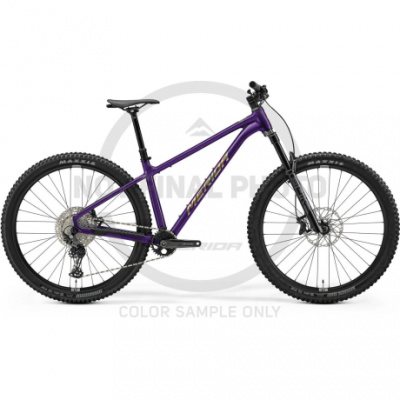
Merida BIG.TRAIL 600
Rip technical descents with full-suspension confidence, climb efficiently, and keep maintenance simple on a hardtail that punches above its weight.
- Progressive geometry: slack head, steep seat, long reach
- RockShox Pike 140mm fork with adjustable damping
- Shimano XT 4-piston brakes: confident stopping power
- Maxxis Minion DHF front, Dissector rear: grip and roll
- Dropper post up to 230mm travel (size-dependent)
- Threaded BB and UDH: easier maintenance, simpler spares
Merida BIG.TRAIL 600 Deals
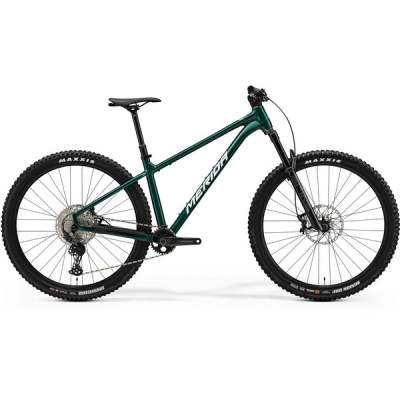
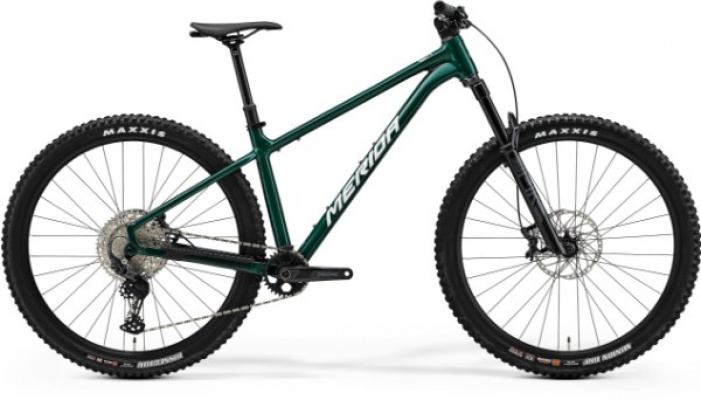
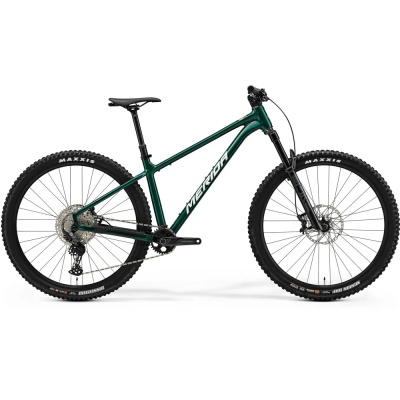
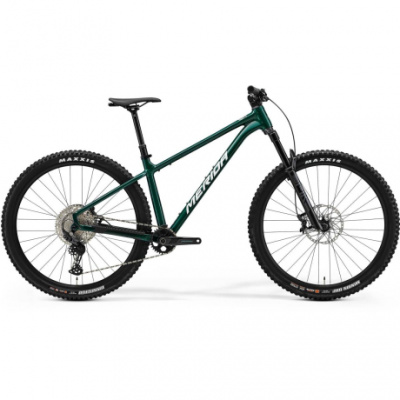
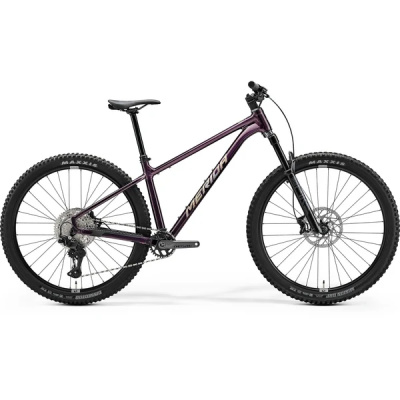
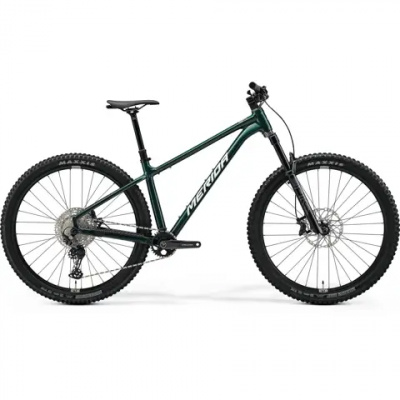

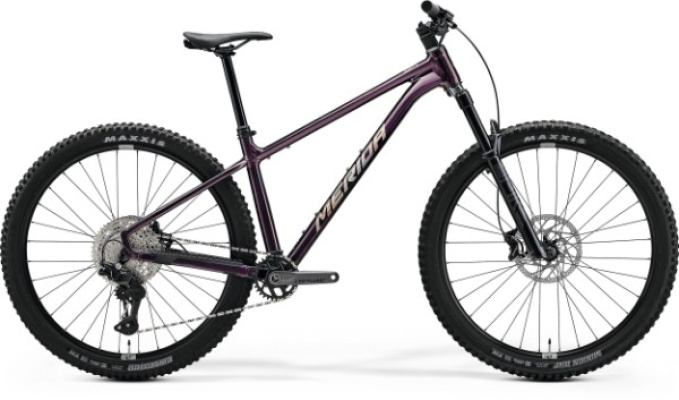
Prices and availability can change quickly. Delivery charges are not always included in listed prices.
Final price, stock status and delivery terms are set by retailer. We may receive a commission on purchases made.
Bikesy's Verdict
The Merida BIG.TRAIL 600 is one of those bikes that makes you question why you'd spend more on a full-suspension rig for the sort of riding most of us actually do. It climbs efficiently, descends with genuine confidence, and the spec - Pike fork, XT brakes, Deore drivetrain, Maxxis rubber - is chosen for real-world trail performance rather than catalogue appeal. The progressive geometry puts you in a position where steep, technical descents feel manageable rather than terrifying, and the steep seat angle means you're not constantly fighting to keep weight over the rear tyre when the gradient kicks up.
It's a hardtail that rides like Merida spent time thinking about what trail riders actually need: practical mounts, sensible tyre clearance, a threaded bottom bracket, and a frame that's built to take a beating without needing constant fettling. You'll notice the lack of rear suspension on truly rough, high-speed terrain, and the low bottom bracket means you need to pick your lines carefully, but for the vast majority of trail riding - the stuff you'll be doing most weekends - this bike delivers. If you want one machine that'll handle technical singletrack, all-day epics, and the occasional bikepacking trip without breaking the bank or your back, the BIG.TRAIL 600 is a very smart choice.
Pros
- Progressive geometry delivers full-suspension-like descending confidence and efficient climbing
- Shimano XT four-piston brakes and RockShox Pike fork offer genuine trail performance
- Practical frame with mounts for bottles, tools, mudguards and racks
- Threaded bottom bracket and UDH make maintenance and spares simpler
- Maxxis Minion DHF and Dissector tyres are well-chosen for real-world trail grip and durability
Cons
- Low bottom bracket invites pedal strikes if you're not careful with line choice
- Headset cable routing can be fiddly when servicing or replacing cables
- Heavier than dedicated XC hardtails if you're chasing race-day watts
About the Merida BIG.TRAIL 600
Merida's BIG.TRAIL 600 lands squarely in that sweet spot where progressive hardtail geometry meets a spec you'd actually want to ride hard. Built around a double-butted 6061 aluminium frame with a head angle that's slacker than many trail full-sussers and a seat angle steep enough to keep you driving through climbs, this bike doesn't apologise for its hardtail status - it leans into it. The result is a machine that descends with the poise of something wearing rear suspension yet climbs with the directness and efficiency only a rigid rear end can deliver.
You're looking at a RockShox Pike fork with 140 millimetres of travel, Shimano XT four-piston brakes, a Deore twelve-speed drivetrain, and Maxxis rubber that's been chosen for real-world trail abuse rather than catalogue appeal. The frame itself is refreshingly practical: internal cable routing through the headset keeps things tidy, there are mounts for bottles, tools, mudguards and racks, and the whole package tips the scales around fourteen and a half kilos. It's a bike that wants to be ridden, not polished.
What sets the BIG.TRAIL apart is how it translates numbers into sensations. That slack front end and long reach don't just look good on paper - they plant you in a position where steep, loose descents feel manageable rather than terrifying, and the steep seat angle means you're not constantly fighting to keep weight over the rear tyre when the gradient kicks up. It's a hardtail that rides like Merida spent time thinking about what trail riders actually do, rather than what marketing departments think they should do.
Merida BIG.TRAIL 600 geometry
The geometry here is what transforms this from 'just another hardtail' into something genuinely capable. That sixty-four-degree head angle is slacker than many trail bikes were running five years ago, and it brings a sense of calm when you're picking lines down rocky chutes or letting off the brakes on fast, loose corners. You're not fighting the bike to stay composed; it wants to point downhill and track straight.
Pair that with a seventy-six-and-a-half-degree seat angle and you've got a bike that climbs with your weight stacked over the rear wheel, keeping traction where it counts and letting you spin efficiently without feeling like you're perched on the nose of the saddle. The reach is generous across all sizes - Merida calls it their Agilometer system, which is really just a sensible way of saying 'pick longer if you want stability, shorter if you want flick'. Most riders will find the numbers put them in a centred, balanced position that works whether you're grinding up fire roads or threading through tight singletrack.
The bottom bracket sits seventy millimetres below the axle line, which is low enough to give you a planted, confident feel through corners but does mean you'll need to pick your lines carefully over roots and rocks if you don't want to kiss a pedal into the ground. Chainstays are a consistent 435 millimetres across the size range, keeping the rear end snappy and responsive without feeling twitchy. The overall wheelbase grows with frame size, so larger riders get the stability they need without the bike feeling like a barge, and smaller riders aren't left wrestling something that won't turn.
Component choices & upgrades
The stock build on the BIG.TRAIL 600 is already well sorted. That RockShox Pike fork is a proper trail workhorse with low-speed compression and rebound adjustment, so you can tune it to your weight and riding style without needing a degree in suspension dynamics. The Shimano XT four-piston brakes are some of the best stoppers you'll find at this price point - powerful, consistent, and easy to modulate when you're threading through technical sections. The Deore twelve-speed drivetrain offers a ten-to-fifty-one-tooth cassette range that'll get you up most climbs without resorting to walking, and the clutch mech keeps the chain quiet and secure.
Maxxis has specced a Minion DHF up front in 3C MaxxTerra with EXO casing, which is a sensible choice for grip and durability, paired with a Dissector on the rear in EXO+ for a bit more puncture protection and faster rolling. The Reynolds or Merida rims are tubeless-ready with a thirty-millimetre internal width, so you can drop pressures for better traction and compliance without worrying about pinch flats. The Merida dropper post offers up to 230 millimetres of travel depending on frame size, which is generous and lets you get properly low on descents.
If you're the sort of rider who's already pushing the limits of what a hardtail can do, there are a few sensible upgrade paths. Swapping the rear tyre for something with a more aggressive tread - perhaps a Minion DHR II or an Assegai - will give you more confidence in loose or wet conditions, though you'll sacrifice a bit of rolling speed. If you find the dropper return sluggish (some riders do), a higher-end post from OneUp or PNW might feel snappier. Beyond that, you're really just tweaking contact points - grips, saddle, pedals - to suit your personal preferences. The frame is compatible with forks up to 150 millimetres of travel, so if you want a bit more cushion and don't mind slackening the angles slightly, that's an option, though we'd argue the 140-millimetre Pike is already well matched to the bike's character.
Where the Merida BIG.TRAIL 600 excels
This bike is outstanding at technical trail riding where you want the efficiency and simplicity of a hardtail but need the geometry and capability to tackle terrain that would normally have you reaching for a full-suspension rig. If your local trails are a mix of punchy climbs, rooty singletrack, and rocky descents with the odd drop or jump thrown in, the BIG.TRAIL 600 will feel right at home. It's also brilliant for riders who want one bike that can handle weekend epics, after-work blasts, and the occasional bikepacking trip without needing a quiver.
It climbs efficiently thanks to that steep seat angle and rigid rear end - there's no suspension bob to sap your watts, and you can really drive through the pedals without feeling like you're fighting the bike. On descents, the progressive geometry and capable fork mean you can carry speed and hold lines that would feel sketchy on a more traditional hardtail. It's not quite as forgiving as a full-suspension bike when things get truly rough, but it's closer than you'd expect, and the direct feel through the rear end gives you a level of feedback and control that some riders prefer.
Where it's not ideal is if you're chasing absolute speed on ultra-rough, high-speed enduro stages where a full-suspension bike's rear wheel tracking and bump absorption would make a tangible difference to your times. It's also not the lightest hardtail out there, so if you're racing XC or prioritising weight above all else, there are faster-climbing options. The low bottom bracket means pedal strikes are a real possibility if you're not careful with line choice, and the headset cable routing, while tidy, can be a faff when you need to service or replace cables. But for the vast majority of trail riding - the stuff most of us actually do most of the time - this bike delivers.
Merida BIG.TRAIL 600 FAQs
What is the best tyre pressure for a Merida BIG.TRAIL 600?
Start around 25 - 28 psi front and 28 - 30 psi rear for a rider of average weight on tubeless tyres, then adjust based on terrain and feel. Lower pressures give more grip and compliance but increase the risk of rim strikes; higher pressures roll faster but can feel harsh and reduce traction. Experiment in five-psi increments until you find the sweet spot for your weight and riding style.
How much suspension travel does the Merida BIG.TRAIL 600 have?
The RockShox Pike fork offers 140 millimetres of travel, which is a solid middle ground for trail riding - enough to smooth out rough sections and absorb impacts without feeling wallowy or over-forked. The frame can accommodate forks up to 150 millimetres if you want a bit more cushion, though that will slacken the geometry slightly.
Is the Merida BIG.TRAIL 600 suitable for beginners?
Absolutely, though it's a bike that'll grow with you rather than one you'll quickly outgrow. The progressive geometry inspires confidence on descents, which helps newer riders push their limits safely, and the efficient climbing means you won't be left gasping on the way up. The spec is solid enough that you won't need to upgrade components immediately, and the hardtail simplicity keeps maintenance straightforward.
What is the maximum rider weight for a Merida BIG.TRAIL 600?
Merida doesn't publish a specific rider weight limit, but as a general rule, aluminium trail hardtails like this are typically rated for riders up to around 120 kilograms including gear. If you're a heavier rider, consider running slightly higher tyre pressures and checking spoke tension regularly, and perhaps opt for a burlier rear tyre with a thicker casing.
Can I fit wider tyres on the Merida BIG.TRAIL 600?
The frame clears up to 29-inch by 2.5-inch tyres, and the fork will take up to 2.6 inches, so you've got a bit of room to play with. Going wider than that risks rub on the chainstays or fork legs, especially if the tyre grows when inflated or picks up mud. The stock Maxxis rubber is already generous, so unless you're chasing extreme grip or cushion, you're unlikely to need more.
How does the geometry of the Merida BIG.TRAIL 600 compare to full-suspension bikes?
The BIG.TRAIL's head angle and reach numbers are very similar to many modern trail full-suspension bikes, which is part of why it descends with such confidence. The steep seat angle also mirrors what you'd find on a contemporary trail bike, keeping you efficient on climbs. The main difference is the lack of rear suspension, which means less bump absorption and traction on very rough terrain, but also a more direct, engaging feel and simpler maintenance.
What kind of riding is the Merida BIG.TRAIL 600 best for?
Technical trail riding where you want efficiency, simplicity, and capability without the weight or complexity of full suspension. It's brilliant for mixed terrain - climbs, descents, singletrack, fire roads - and it's versatile enough for day rides, weekend epics, or even light bikepacking if you load it up with the available mounts. It's not an XC race bike or a full-on enduro smasher, but it covers a huge middle ground very well.
How do I size a Merida BIG.TRAIL 600?
Merida's Agilometer system encourages you to think about riding style as well as height. If you prioritise stability, speed, and descending confidence, size up; if you want a more playful, flickable feel and ride tighter, twistier trails, size down. As a rough guide, the Short suits riders around 160 - 170 centimetres, Mid covers 165 - 175, Long fits 170 - 180, and XLong works for 175 and above, but personal preference and inseam length matter as much as overall height.
Key Features & Benefits
- 64° head angle and long reach: Plants you in a stable, confident position for steep, technical descents without feeling nervous or twitchy
- 76.5° seat angle: Keeps your weight over the rear wheel on climbs, improving traction and efficiency without feeling nose-heavy
- RockShox Pike 140mm fork with adjustable damping: Absorbs trail chatter and big hits while letting you tune compression and rebound to your weight and riding style
- Shimano XT four-piston brakes: Delivers powerful, consistent stopping with excellent modulation for threading through technical sections
- Threaded BSA bottom bracket and UDH: Simplifies maintenance, reduces creaking, and makes derailleur hanger replacement quick and standardised
Merida BIG.TRAIL 600 2024 & 2023 differences
The 2024 model shares the same progressive geometry as the 2025 bike - sixty-four-degree head angle, seventy-six-and-a-half-degree seat angle, and seventy-millimetre bottom bracket drop - so the ride character is very similar. Component spec is also consistent, with the RockShox Pike fork, Shimano Deore twelve-speed drivetrain, and Shimano XT four-piston brakes carrying over. Some earlier 2024 reviews mention a Marzocchi Z2 fork or Shimano Deore brakes on lower-tier models, but the 600 spec remained stable. The 2025 model may feature minor updates to cable routing or finishing kit, but the core package is unchanged.
The 2023 BIG.TRAIL 600 ran a slightly steeper sixty-five-and-a-half-degree head angle and a less steep seventy-five-and-a-half-degree seat angle, with a sixty-six-and-a-half-millimetre bottom bracket drop. This made the bike a touch more traditional in its handling - still progressive by hardtail standards, but not quite as planted on steep descents or as efficient on climbs as the 2024 and 2025 iterations. Fork travel remained at 140 millimetres, and some 2023 models featured a Marzocchi Z2 fork and Shimano M4100 brakes rather than the Pike and XT combination, which represented a step down in damping refinement and braking power. The geometry update for 2024 was the most significant change, bringing the BIG.TRAIL in line with modern trail bike expectations.
Alternatives to Consider
Within Merida's own range, the BIG.TRAIL 500 shares the same progressive frame but steps down to a Marzocchi Bomber Z2 fork and Shimano SLX brakes, saving a bit of cash if you're happy to sacrifice some damping refinement and braking power. The BIG.TRAIL 300 drops further still with a RockShox Recon fork and Deore brakes, which is fine for less demanding trails but starts to feel the pinch when things get steep or rough.
Cross-brand, the Orbea Laufey H10 is the most frequently cited rival - it offers similarly progressive geometry, a RockShox Pike fork, and Shimano XT brakes, and the two bikes trade blows on spec and ride feel. The Trek Roscoe 9 is another direct competitor with a slack head angle, capable fork, and a playful character, though some riders find the Merida's geometry a touch more composed on fast descents. The Nukeproof Scout 290 Comp has long been a benchmark in this category, with a reputation for toughness and capability, though it often commands a higher price for a similar spec. If you're after something a bit more budget-focused but still progressive, the Vitus Sentier 29 VRS offers good value with a Marzocchi Bomber Z2 fork and Deore drivetrain, though the brakes and finishing kit aren't quite as refined as the Merida's. The Marin San Quentin 3 is another option with a steel frame and aggressive geometry, appealing if you want a bit more compliance and a different ride character, though it's heavier and the spec is a step down.
Reviews
Longer reach and a calmer front centre bring poise to descents that would have older hardtails feeling nervous. The Pike fork soaks up square-edged hits and roots without wallowing, and the XT brakes haul speed off with a reassuring bite that never feels grabby or wooden. When you're threading through tight singletrack, the bike feels direct and responsive - there's no vagueness through the rear end, and you know exactly where the tyres are tracking.
Climbs reveal the benefit of that steep seat angle. You're not sliding forward on the saddle or fighting to keep weight over the rear tyre; instead, you're centred and driving through the pedals with a directness that only a hardtail can deliver. The Deore drivetrain shifts cleanly and the clutch mech keeps the chain quiet, even when you're bouncing over roots or rocks. Because there's no rear suspension to bob or sag, every watt goes into forward motion, which makes a tangible difference on long fire-road slogs or punchy technical climbs.
On fast, rough descents, the bike holds its line with a composure that belies its lack of rear suspension. The slack head angle and long wheelbase mean you can let off the brakes and trust the front end to track straight, while the wide Maxxis Minion DHF up front digs in and holds. The Dissector on the rear rolls faster than a full-on gravity tyre but still offers enough grip for most conditions, though in truly wet or loose terrain you might wish for something more aggressive. Pedal strikes are a real consideration - that low bottom bracket plants you firmly in corners but means you need to pick your lines carefully over obstacles.
Practical touches add up. The dropper post offers generous travel, letting you get properly low and centred on descents, and the frame's mounts mean you can bolt on mudguards, a rack, or extra bottle cages without resorting to zip ties and hope. The headset cable routing keeps things tidy but can be a bit of a faff when you need to service or replace cables, and some riders find the dropper return a touch sluggish, though it's not a deal-breaker. Overall, the BIG.TRAIL 600 delivers a ride that's engaging, capable, and refreshingly honest - it doesn't try to be a full-suspension bike, but it doesn't feel like it's missing much either.
Full Specification
| Specification | Detail |
|---|---|
| Frame Material | Double butted 6061 aluminium alloy |
| Frame Design | Progressive trail geometry with Technoformed alloy construction |
| Available Sizes | XShort, Short, Mid, Long, XLong |
| Bottom Bracket Type | BSA threaded (Shimano MT501) |
| Rear Axle Standard | Boost 148×12 mm |
| Fork Model | RockShox Pike Select+ or Pike Base, 140 mm travel |
| Fork Compatibility | Frame compatible with up to 150 mm travel forks |
| Drivetrain | Shimano Deore M6100, 1×12 speed (10 - 51T cassette, 32T chainring) |
| Crankset | Shimano Deore M6120, 165 mm (XShort/Short) or 170 mm (Mid/Long/XLong) |
| Brakes | Hydraulic disc; Shimano XT M8120 4-piston calipers, 200 mm rotors front and rear |
| Wheels | Reynolds 309 Enduro Comp or Merida Expert TR II, 30 mm or 28 mm internal width, Tubeless Ready; Shimano TC500-B hubs, Boost 110×15 mm front / 148×12 mm rear |
| Tyres | Front: Maxxis Minion DHF 29×2.5″ 3C MaxxTerra EXO TR; Rear: Maxxis Dissector 29×2.4″ 3C MaxxTerra EXO+ TR |
| Tyre Clearance | 29″ × 2.5″ (frame), 29″ × 2.6″ (fork) |
| Handlebar | Merida Expert TR II or Merida Comp TR, 780 mm width, 30 mm rise |
| Stem | Merida Expert eTRII, 35 mm clamp diameter, 40 mm length |
| Grips | Merida Comp EC lock-on |
| Headset | Acros ICR Merida External with IPS sealing |
| Seatpost | Merida Expert TR II dropper post; travel varies by size: XShort 150 mm, Short 170 mm, Mid/Long 200 mm, XLong 230 mm |
| Saddle | Merida Comp SL |
| Frame Mounts | Two bottle cage mounts (front triangle), accessory mount (under top tube), mudguard mounts, rack mounts, kickstand mount |
| Cable Routing | Internal routing through headset with two-piece plastic port |
| Approximate Weight | Around 14.5 kg (size L) |