
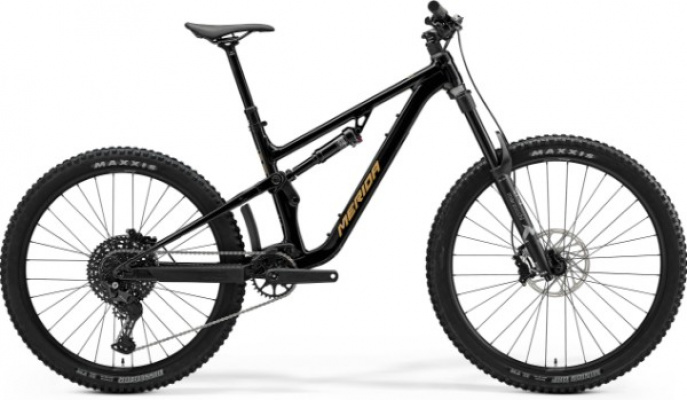
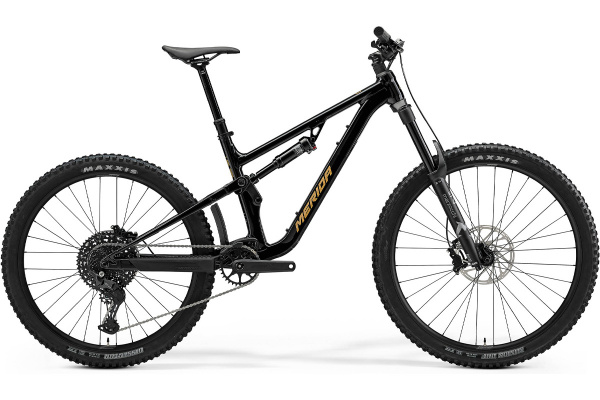
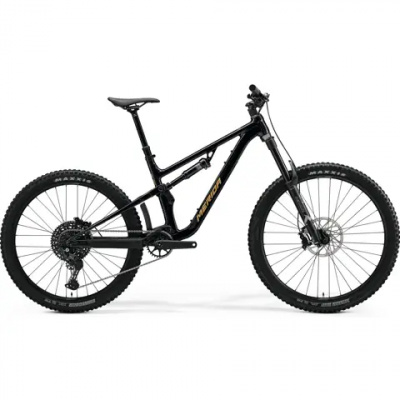
Merida ONE-SIXTY 400
Charge steep, technical descents with confidence, climb back up without hating life, all in a durable package.
- 170mm Marzocchi Z1 fork: plush over chunk, holds line
- 162mm rear travel: enduro capability without park-only weight
- Mullet or 29er setup: tailor wheel size to terrain
- Steep seat angle: keeps you centred on climbs
- FAST suspension: supple off top, supportive mid-stroke
- SRAM four-piston brakes: confident modulation on long descents
Merida ONE-SIXTY 400 Deals

Prices and availability can change quickly. Delivery charges are not always included in listed prices.
Final price, stock status and delivery terms are set by retailer. We may receive a commission on purchases made.
Bikesy's Verdict
The Merida ONE-SIXTY 400 is a no-nonsense enduro bike that delivers where it counts: steep, rough descents, technical trails, and bike-park laps. The slack geometry and supple Marzocchi suspension inspire confidence when you're committed, the steep seat angle makes climbs manageable, and the robust aluminium frame takes repeated abuse without complaint. At 16.9 kilograms it's not light, and the Shimano CUES drivetrain sits at the entry tier, but the frame is durable, the suspension is proven, and the four-piston brakes deliver confident modulation when you need it.
Mullet or full 29er wheel compatibility adds versatility, letting you tailor handling to your terrain or preference without compromising geometry or suspension performance. AGILOMETER sizing and size-tuned suspension progression mean you're choosing reach and handling feel rather than simply matching your height to a letter. It's a thoughtful approach that acknowledges riders come in different shapes and have different priorities.
If you're after a capable, durable workhorse for aggressive trail riding, enduro racing, or weekend bike-park sessions without needing a second mortgage, the ONE-SIXTY 400 makes a compelling case. It won't match lighter trail bikes on mellow, flowing trails, and the long wheelbase feels sluggish in tight, flat corners, but that's not what it's built for. Point it downhill, commit, and it rewards you with composure and capability that punches well above its price point.
Pros
- Confident, slack geometry that holds line over rough descents and inspires commitment
- Versatile mullet or 29er wheel compatibility tailors handling to terrain and preference
- Steep seat angle and efficient suspension make climbs manageable for the travel on offer
- Durable aluminium frame and proven Marzocchi suspension handle repeated abuse without complaint
- Four-piston SRAM brakes deliver strong, modulated power on long, steep descents
Cons
- 16.9kg weight will slow you on extended climbs if you're chasing lighter trail bikes
- Shimano CUES eleven-speed drivetrain is entry-tier; twelve-speed offers tighter steps if you upgrade later
- Long wheelbase and slack geometry feel sluggish in tight, flat corners or mellow, flowing trails
About the Merida ONE-SIXTY 400
The Merida ONE-SIXTY 400 lands squarely in the enduro sweet spot: enough travel and slack geometry to let you commit on steep, rough descents, yet a steep seat angle and efficient suspension platform that won't punish you on the climb back up. Built around a Lite III aluminium frame with 170mm Marzocchi Z1 fork and 162mm of rear travel, it's designed for riders who want to charge technical trails, session bike parks at the weekend, or toe the line at local enduro races without needing a second mortgage. Merida's FAST kinematic suspension underpins the ride, blending suppleness off the top with mid-stroke support that resists wallowing when you're on the gas.
What sets the ONE-SIXTY 400 apart is its flexibility. The frame accommodates either full 29-inch wheels or a mullet configuration - 29-inch front, 27.5-inch rear - so you can tailor handling to your local trails or riding style. Merida's AGILOMETER sizing philosophy lets you choose reach rather than simply matching your height to a letter, and the suspension progression is tuned to each frame size. It's a thoughtful approach that acknowledges riders come in different shapes and have different preferences for how a bike pivots beneath them.
At 16.9 kilograms it's no featherweight, and the Shimano CUES eleven-speed drivetrain sits at the entry tier for this category. But the frame is robust, the Marzocchi suspension is proven, and the SRAM four-piston brakes deliver confident modulation when you're leaning into long, steep descents. If you're after a durable workhorse that'll handle aggressive riding without demanding constant fettling or a premium outlay, the ONE-SIXTY 400 makes a compelling case.
Merida ONE-SIXTY 400 geometry
Merida pitches the ONE-SIXTY 400 with modern enduro geometry: a slack head angle that plants the front wheel ahead of you, a long front centre for stability at speed, and a steep seat tube that keeps your weight over the cranks when the gradient kicks up. The result is a bike that feels composed rather than nervous when the trail gets rowdy, yet doesn't tip you onto the bars when you're grinding uphill.
Reach grows across the five sizes - XShort through to XLong - so you can dial in how much cockpit space you want. Shorter riders benefit from a more compact front end that's easier to muscle through tight switchbacks, while taller riders get the room to stay centred without feeling cramped. Stack height rises in step, keeping bar height proportional and ensuring you're not folded over the front end regardless of frame size.
The long wheelbase and slack head angle mean the bike holds its line over rough ground and resists deflection when you're committed. It's not a bike that darts into corners; you'll need to weight the front and trust the geometry to carve rather than flick. On climbs the steep seat angle brings your hips forward, improving traction on loose or steep pitches and making it easier to stay seated when the gradient ramps. The low bottom bracket adds stability but you'll need to mind pedal strikes on technical climbs or tight, rocky corners.
Component choices & upgrades
The stock build on the ONE-SIXTY 400 is sensibly chosen for the price point. Marzocchi's Z1 fork and Bomber Inline shock deliver reliable performance - plush enough to take the sting out of repeated hits, with a lockout on the shock for fire-road slogs. The Shimano CUES eleven-speed drivetrain offers a wide 10-50t range that'll get you up most climbs, and the SRAM DB4 four-piston brakes provide ample power and modulation for steep, sustained descents. Maxxis rubber front and rear - Minion DHF up front, Dissector at the back - gives you proven grip and rolling speed straight out of the box.
That said, if your riding pushes harder or you're chasing marginal gains, there are logical upgrade paths. Swapping to a twelve-speed drivetrain - Shimano Deore or SRAM NX Eagle - tightens gear steps and adds a touch more range. A coil shock in place of the air Bomber Inline will add suppleness and mid-stroke support if you're a heavier rider or spend most of your time in bike parks, though you'll sacrifice some pedalling efficiency and add weight. Lighter wheels or a move to tubeless inserts can sharpen handling and reduce pinch-flat risk without compromising durability.
Cockpit tweaks are personal. The 780mm bar is generous, but if you prefer more leverage or a roomier feel you can go wider; conversely, shorter riders might trim a centimetre or two for better manoeuvrability in tight trees. A shorter stem - say, 35mm down to 30mm - will quicken steering if you find the front end too stable. But these are refinements, not necessities. The stock setup is well-sorted for the bike's intended use, and most riders will find it capable as delivered.
Where the Merida ONE-SIXTY 400 excels
This bike is built for aggressive trail riding and enduro racing. If your weekends involve steep, technical descents, rock gardens, and rooty chutes where you need travel and composure, the ONE-SIXTY 400 is in its element. The suspension soaks up repeated hits without packing down, the geometry inspires confidence when you're leaning into rough corners, and the four-piston brakes let you modulate speed without grabbing a fistful of lever. It's equally at home in a bike park, where the robust aluminium frame and proven Marzocchi suspension will take the punishment of repeated laps without complaint.
It's also surprisingly capable on the climbs for a bike with this much travel. The steep seat angle and efficient suspension platform mean you're not fighting the bike on long fire-road grinds or technical ascents. You'll feel the weight on extended climbs, and it won't match a trail bike for outright efficiency, but it's far from a one-way ticket. The mullet option sharpens handling if you prefer a more playful rear end, while the full 29er setup rolls faster and holds momentum better over rough ground.
Where it's less ideal is on mellow, flowing trails or long XC-style rides where the extra travel and weight become a burden rather than an asset. The slack geometry and long wheelbase make it feel sluggish in tight, flat corners, and the knobby Maxxis tyres drag on smoother surfaces. If your local trails are more about rhythm and flow than raw technicality, a shorter-travel trail bike will feel livelier and more engaging. Similarly, if you're chasing outright speed on race-pace XC loops, the ONE-SIXTY 400's enduro DNA will hold you back.
Merida ONE-SIXTY 400 FAQs
What is the best suspension travel for enduro?
Most modern enduro bikes run 160 - 180mm of travel, balancing descending capability with climbing efficiency. The ONE-SIXTY 400's 170mm front and 162mm rear sits in the middle of that range, offering enough cushion for aggressive descents without feeling like a downhill sled on the way back up. If you're racing or riding very steep, technical terrain, more travel helps; if your trails are mellower, less travel keeps the bike livelier.
How much does the Merida ONE-SIXTY 400 weigh?
The complete bike weighs approximately 16.9 kilograms. That's typical for an aluminium enduro bike at this price point, though lighter than some burlier park-focused builds. You'll notice the weight on long climbs, but the trade-off is durability and a frame that'll take repeated hits without complaint.
Is a mullet bike good for enduro?
A mullet setup - 29-inch front, 27.5-inch rear - can sharpen handling and make the bike feel more playful, especially in tight, technical sections where you want the rear to snap around quickly. The larger front wheel maintains stability and rollover, while the smaller rear shortens the wheelbase slightly. It's a matter of preference: full 29er setups hold momentum better and feel calmer at speed, while mullet configurations suit riders who prioritise agility.
What is the geometry of the Merida ONE-SIXTY 400?
The geometry is modern enduro: slack head angle for stability, long front centre for confidence at speed, and a steep seat angle to keep you centred on climbs. Reach grows across the five sizes, and the low bottom bracket adds stability but requires care on technical climbs to avoid pedal strikes. The long wheelbase means the bike holds its line over rough ground rather than darting into corners.
What are the best tyres for enduro riding?
The ONE-SIXTY 400 comes with Maxxis Minion DHF front and Dissector rear, both proven choices. The DHF offers predictable cornering grip and braking traction, while the Dissector rolls faster and sheds mud better. For wetter UK conditions you might consider a Minion DHR II or Assegai on the rear for extra bite, or a High Roller II if you want a middle ground between grip and rolling speed. Tyre choice depends on your local terrain and how much you prioritise grip versus efficiency.
How does Merida's AGILOMETER sizing work?
AGILOMETER lets you choose frame size based on reach - the horizontal distance from bottom bracket to head tube - rather than simply matching your height to a size chart. Merida also tunes suspension progression to each frame size, so smaller frames aren't just scaled-down versions of larger ones. It's a more personalised approach that acknowledges riders have different preferences for cockpit space and handling feel, even if they're the same height.
Is the Merida ONE-SIXTY 400 good for climbing?
For an enduro bike, yes. The steep seat angle keeps your weight over the cranks, improving traction and making it easier to stay seated on steep or loose climbs. The FAST suspension platform resists bob without feeling harsh, and the lockout on the rear shock firms things up for fire-road grinds. You'll feel the 16.9-kilogram weight on extended climbs, and it won't match a trail bike for outright efficiency, but it's far more capable uphill than its travel and geometry might suggest.
Key Features & Benefits
- FAST kinematic suspension with 170mm fork and 162mm rear travel: Soaks up repeated hits on rough descents while staying supportive mid-stroke, so you can commit without the bike packing down or wallowing when you're on the gas.
- Mullet or full 29er wheel compatibility with geometry preservation: Lets you tailor handling to your terrain - full 29er for momentum and stability, mullet for a more playful, agile rear end - without compromising frame geometry or suspension performance.
- AGILOMETER sizing with size-tuned suspension progression: Choose reach based on your preference for cockpit space and handling feel, with suspension tuned to each frame size so smaller riders aren't left with a scaled-down compromise.
- Steep seat tube angle and efficient pedalling platform: Keeps your weight centred over the cranks on climbs, improving traction and making it easier to stay seated on steep or loose pitches without fighting the bike.
- SRAM DB4 four-piston hydraulic brakes with 200mm rotors: Delivers confident, modulated power on long, steep descents so you can scrub speed without grabbing a fistful of lever or overheating the system.
Merida ONE-SIXTY 400 2024 and 2023 differences
The 2024 ONE-SIXTY 400 FR (Freeride) variant shifted focus toward bike-park duty with a beefier SR Suntour Durolux 38 fork offering 180mm travel and a DVO Jade X coil shock with 171mm rear travel. That model also ran Tektro Gemini brakes and a Shimano CUES ten-speed drivetrain, trading some climbing efficiency for added descending plushness and durability. The standard 2024 ONE-SIXTY 400 retained similar geometry and travel to the 2025 model but featured slightly different component choices depending on market.
The 2023 ONE-SIXTY 400 came with RockShox Yari RC fork (170mm travel) and RockShox Deluxe Select+ shock (165mm rear travel), paired with a Shimano Deore M5100 eleven-speed drivetrain and Shimano Deore M6120 four-piston brakes. Many 2023 models shipped with 27.5-inch wheels as standard rather than offering mullet or full 29er compatibility out of the box. The shift to Marzocchi suspension for 2025 brings a slightly different feel - more supple off the top, with a touch less mid-stroke ramp - but the overall geometry and frame design remain consistent across recent model years.
Alternatives to Consider
Within Merida's own range, the ONE-SIXTY FR 400 offers a more gravity-focused alternative with longer travel - 180mm front, 171mm rear - and a coil shock, making it better suited to bike parks and shuttle days where climbing efficiency matters less. If you want the same frame DNA with electric assist, the eONE-SIXTY 400 adds a motor and battery, though it shifts the bike's character toward all-day epics rather than pure descending prowess. For a shorter-travel option that's livelier on mellower trails, Merida's ONE-FORTY series drops to 140 - 150mm travel and sharpens handling without sacrificing too much capability on rough ground.
Cross-brand, the YT Jeffsy Core 2 offers similar enduro geometry and travel in an aluminium frame at a comparable price, with a direct-sales model that often delivers slightly higher-spec components. The Norco Range A2 sits in the same aggressive-trail-to-enduro bracket, with a reputation for composed descending and a slightly more rearward weight bias that suits steeper terrain. If you prefer a more established suspension pedigree, the Specialized Enduro Comp brings RockShox suspension and a proven alloy frame, though it typically commands a higher price. The Commencal Meta AM Essential is another direct-sales contender with modern geometry and a playful character, while the Nukeproof Mega 275 Comp offers a 27.5-inch wheelbase and a reputation for agility in tight, technical terrain. Each brings slightly different handling priorities - the Jeffsy and Meta lean playful, the Range and Nukeproof favour agility, the Enduro Comp offers refinement - but all sit in the same aggressive-trail-to-enduro envelope as the ONE-SIXTY 400.
Reviews
Aggressive geometry and supple suspension combine to deliver confidence on steep, technical descents. The slack head angle and long front centre plant the front wheel ahead of you, holding line over rock gardens and resisting deflection when you're committed. Marzocchi's Z1 fork stays plush off the top, taking the sting out of repeated hits without packing down, while the Bomber Inline shock supports mid-stroke and resists wallowing when you're on the gas. Four-piston SRAM brakes offer strong, modulated power on long descents, letting you scrub speed without overheating or grabbing a fistful of lever.
Climbing ability surprises for a bike with this much travel. The steep seat angle keeps your weight centred over the cranks, improving traction on loose or steep pitches and making it easier to stay seated when the gradient ramps. FAST suspension resists bob without feeling harsh, and the lockout on the rear shock firms things up for fire-road grinds. You'll feel the 16.9-kilogram weight on extended climbs, but the bike doesn't fight you the way some enduro sleds do.
Mullet or full 29er wheel compatibility adds versatility. Full 29-inch wheels hold momentum better and roll over rough ground with less fuss, while the mullet setup - 29-inch front, 27.5-inch rear - sharpens handling and makes the rear end feel more playful in tight, technical sections. When you're threading through tight trees or snapping the bike around in steep chutes, the smaller rear wheel responds quicker. Because the frame preserves geometry across both configurations, you're not compromising suspension performance or handling balance whichever route you choose.
Durability stands out. The aluminium frame takes repeated hits without complaint, and the Marzocchi suspension is proven in bike parks and enduro racing. Internal cable routing keeps things tidy, though it can be fiddly when you're replacing cables or bleeding brakes. The Shimano CUES eleven-speed drivetrain sits at the entry tier for this category - gear steps are wider than twelve-speed, and the cassette isn't as refined - but the 10-50t range covers most climbs, and the system is reliable. Maxxis Minion DHF and Dissector tyres offer proven grip and rolling speed straight out of the box, though you might swap the Dissector for a DHR II if you want more bite in wet, loose conditions.
Long wheelbase and slack geometry mean the bike holds its line at speed but feels less nimble in tight, flat corners. You'll need to weight the front and trust the geometry to carve rather than flick. On mellow, flowing trails the extra travel and weight become a burden, and the knobby tyres drag on smoother surfaces. If your local trails are more about rhythm than raw technicality, a shorter-travel bike will feel livelier. But if you're chasing steep, rough descents or toeing the line at local enduro races, the ONE-SIXTY 400 delivers the capability and durability you need without demanding a premium outlay.
Full Specification
| Frame Material | Lite III Aluminium |
| Fork | Marzocchi Z1, Air, 170mm travel |
| Rear Shock | Marzocchi Bomber Inline with lockout, 162mm travel (29er) / 171mm travel (mixed wheel) |
| Shifters | Shimano CUES U6000 |
| Rear Derailleur | Shimano CUES U6000 GS |
| Crankset | MERIDA Expert TR II, 32t, 165mm |
| Cassette | SunRace ZX11 10-50t, 11-speed |
| Chain | KMC xGlide |
| Brakes | SRAM DB4 hydraulic disc, 4-piston |
| Brake Rotors | SRAM CenterLine, 200mm |
| Rims | MERIDA COMP TR II, 28mm internal width, tubeless ready |
| Front Hub | Shimano TC500-B, 110x15mm, Centerlock |
| Rear Hub | Shimano TC500-HM-B, 148x12mm Boost, Centerlock |
| Front Tyre | Maxxis Minion DHF, 29x2.5", EXO wire, tubeless ready |
| Rear Tyre | Maxxis Dissector, 27.5x2.4" (XS/S/M) or 29x2.4" (L/XL), EXO wire, tubeless ready |
| Handlebar | MERIDA COMP TR II, aluminium, 780mm width |
| Stem | MERIDA COMP TR, aluminium, 35mm diameter, 40mm length |
| Headset | Acros ICR MERIDA EXTERNAL neck |
| Seatpost | MERIDA EXPERT TR II, 34.9mm diameter, 150mm travel (XS/S), 170mm (M), 200mm (L), 230mm (XL) |
| Saddle | MERIDA COMP SL, 25% recycled material |
| Bottom Bracket | Samox BSA 24mm EB2401 |
| Approximate Weight | 16.9 kg |