
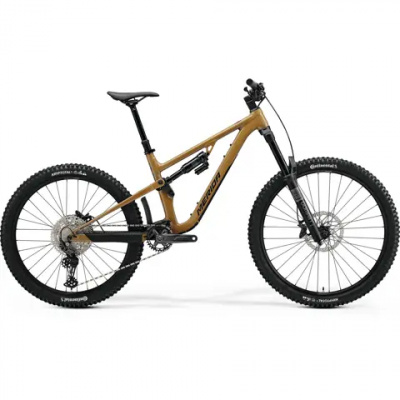
Merida ONE-SIXTY 500
Enduro geometry and suspension design that climbs better than it should, descends like you'd hope.
- 170mm fork, 162mm rear: proper enduro travel
- FAST kinematic flexstay: fewer pivots, less faff
- Flip-chip rocker: run full 29er or mullet
- Steep seat angle keeps you over the pedals
- Shimano Deore 12-speed: reliable, wide-range shifting
- Long-travel dropper up to 200mm included
Merida ONE-SIXTY 500 Deals

Prices and availability can change quickly. Delivery charges are not always included in listed prices.
Final price, stock status and delivery terms are set by retailer. We may receive a commission on purchases made.
Bikesy's Verdict
The Merida ONE-SIXTY 500 delivers enduro performance and modern geometry at a price that doesn't demand a second mortgage. You're getting the same frame platform and suspension design as bikes costing significantly more, just with more sensible componentry that prioritises durability and function over weight savings and bling. The aluminium frame is tough, the geometry inspires confidence on steep, rough trails, and the suspension platform climbs better than you'd expect while still devouring descents.
It's not the lightest bike in the category, and some components - particularly the brakes and shock tune - might need attention if you're racing or riding especially demanding terrain. But for riders stepping into enduro or looking for a capable, no-nonsense bike that handles aggressive trail riding and bike park days with equal enthusiasm, the ONE-SIXTY 500 offers serious value. Flip-chip adjustability, long-travel dropper, and proven Maxxis rubber sweeten the deal further. If you want a bike that lets you focus on riding rather than fettling, this one deserves a close look.
Pros
- Exceptional value with modern enduro geometry and proven suspension design
- Climbs surprisingly well for 162mm of rear travel thanks to steep seat angle
- Flip-chip rocker allows full 29er or mullet setups without geometry compromise
- Durable aluminium frame with flexstay design reduces maintenance
- Long-travel dropper post and capable Maxxis tyres included as standard
Cons
- Heavier than carbon rivals if you're chasing race-day speed
- Resin-only brake rotors and entry-level shock tune may need upgrading for very aggressive riding
- Internal cable routing through the headset can be fiddly during maintenance
About the Merida ONE-SIXTY 500
Merida's ONE-SIXTY 500 lands squarely in that sweet spot where enduro capability meets sensible money. Built around the same award-winning FAST kinematic suspension and modern geometry as its pricier siblings, this aluminium-framed bruiser offers 170mm up front and 162mm out back - travel figures that signal serious intent on steep, rough ground. Yet the steep seat angle and efficient suspension platform mean you're not condemned to a death-march every time the trail points upward.
The frame itself is Merida's ONE-SIXTY LITE III alloy, shaped around a flexstay rear end that ditches a couple of pivots for reduced weight, simpler maintenance, and a stiffer back end. An adjustable rocker lets you flip between full 29er and mullet configurations without wrecking the geometry, so you can tailor wheel size to your local trails or riding style. Internal cable routing threads through the headset - tidy to look at, occasionally fiddly to service - and there's space for a bottle on the downtube plus an accessory mount higher up.
Spec-wise, the 500 sits at the accessible end of the ONE-SIXTY range, leaning on Shimano Deore 12-speed shifting, four-piston Deore brakes, and a RockShox Domain Gold R fork paired with a Deluxe Select+ shock. Maxxis rubber - Assegai up front, Minion DHR II out back - comes fitted as standard, and you get a long-travel dropper post included. It's a build that prioritises function and durability over bling, and the result is a bike that punches well above its price point when the trail gets gnarly.
Merida ONE-SIXTY 500 geometry
The numbers here translate to a bike that feels planted and confident rather than nervous or darty. A 64-degree head angle is slack enough to inspire trust on steep, fast descents, while the 79-degree seat angle plants you forward over the bottom bracket when you're grinding uphill. Reach grows from 448mm in XShort through to 548mm in XLong, giving a broad spread of fit options - Merida calls this their AGILOMETER sizing, and it's designed so you pick reach based on how you want the bike to handle, not just your inseam.
Chainstays hover around 434 - 437.5mm depending on size, short enough to keep the back end lively without making the wheelbase feel cramped. Speaking of wheelbase, it stretches from 1211mm up to 1311mm as you move through the sizes, delivering stability at speed and a composed feel through rough, off-camber sections. Bottom bracket drop sits at 27.5mm, low enough to anchor you into the bike but not so deep that you're clipping rocks on every pedal stroke.
When you flip the chip to mullet mode, the geometry holds its shape - no sudden shift in angles or handling quirks - so you can experiment with a 27.5-inch rear wheel if you want a more flickable back end or need clearance for bigger tyres. The overall posture is modern enduro: long front centre for high-speed calm, steep seat tube for pedalling efficiency, and enough stack to keep your weight centred without folding you in half.
Component choices & upgrades
Out of the box, the ONE-SIXTY 500 arrives well sorted. Shimano's Deore 12-speed drivetrain offers a 10 - 51-tooth cassette and a 32-tooth chainring, giving you a wide enough range to spin up technical climbs and still have legs left for the descent. The four-piston Deore brakes haul you down reliably, though the 203mm rotors are resin-pad compatible only - something to note if you're planning long, steep days or prefer the bite of sintered pads.
The RockShox Domain Gold R fork and Deluxe Select+ shock handle the suspension duties capably, with the shock offering a lockout for fire-road slogs. Some riders pushing hard into compressions report the shock tune leans toward the supple side and could use more mid-stroke support, but for most trail and enduro riding it strikes a good balance between small-bump sensitivity and bottom-out resistance.
Maxxis Assegai and Minion DHR II tyres are a proven pairing - grippy, predictable, and tough - though the EXO+ casing on the front and Double Down on the rear mean you're not carrying excessive weight. If your local trails are especially sharp or you're racing, a beefier casing or insert might be worth considering. The MERIDA COMP TR II rims are tubeless-ready with a 28mm internal width, plenty wide enough for those 2.5-inch tyres to sit well and offer good support in corners.
Upgrade paths? If you're racing or riding particularly demanding terrain, a shock with more tunability - perhaps a coil if you prefer that feel - and sintered-pad-compatible rotors would be sensible first steps. A lighter wheelset or carbon bars can shave a bit of heft if you're chasing speed, but the stock build is honest and durable enough that you can ride it hard for a long time before anything feels like a limitation.
Where the Merida ONE-SIXTY 500 excels
This bike is built for enduro racing and aggressive trail riding where the descents matter most but the climbs can't be ignored. Point it down a steep, rough chute littered with rocks and roots, and it eats the terrain with a calm, composed manner that inspires you to carry more speed than you thought sensible. The suspension stays active, the geometry keeps you centred, and the long travel means you can push into compressions without the bike bucking you off line.
Surprisingly, it climbs better than its travel and weight suggest. That steep seat angle and efficient suspension platform mean you're not fighting the bike on technical ascents, and the lockout on the shock helps on smoother fire roads. It's not an XC whippet, but you won't dread the uphills either - more a case of steady progress than suffering.
Bike parks, big mountain days, and rowdy trail centres are where the ONE-SIXTY 500 feels most at home. The robust aluminium frame, long-travel dropper, and grippy Maxxis rubber let you session features, session jumps, and generally ride with confidence. It's also versatile enough that if you fancy experimenting with a mullet setup for tighter, twistier trails, the flip-chip makes the swap straightforward without compromising the handling.
Where it's less ideal: if you're chasing lightweight XC speed or prefer a more playful, poppy feel on mellower trails, this bike will feel like overkill. The weight - around 17.4 - 17.6kg depending on size - means it's not the quickest to accelerate or the easiest to manual, and on smoother, flatter trails you might find yourself wishing for something nimbler. It's also worth noting that the component spec, while solid, is entry-level for the enduro category; if you're already an experienced rider with high expectations, you might find yourself upgrading brakes or suspension sooner than later.
Merida ONE-SIXTY 500 FAQs
What is the travel on the Merida ONE-SIXTY 500?
You get 170mm of travel up front from the RockShox Domain Gold R fork and 162mm at the rear with the Deluxe Select+ shock in 29er mode. Flip to a mullet setup and the rear travel increases slightly to 171mm, though the geometry stays consistent thanks to the adjustable rocker.
Is the Merida ONE-SIXTY 500 good for climbing?
Better than you'd expect for a bike with this much travel. The 79-degree seat angle puts you in an efficient pedalling position, and the FAST kinematic suspension platform stays stable under power. The shock's lockout helps on smoother climbs, and while it's no XC racer, you won't be walking sections your mates on trail bikes are riding.
What tyre size can fit on the Merida ONE-SIXTY 500?
The frame is designed for up to 2.5-inch tyres as standard, with enough clearance to run 2.6-inch rubber if you need more volume or grip. There's also decent mud clearance, so you're not packing the frame with crud on wet days.
Can I run a mullet setup on the Merida ONE-SIXTY 500?
Yes, the adjustable rocker lets you switch between full 29er and mullet (29-inch front, 27.5-inch rear) configurations. The geometry adjusts to maintain consistent handling across both setups, so you can tailor wheel size to your trails or riding preference without compromise.
What is the weight of the Merida ONE-SIXTY 500?
Around 17.4 to 17.6 kilograms depending on frame size and exact build spec. It's not the lightest enduro bike out there, but the aluminium frame and durable component choices mean it's built to take a beating rather than chase grams.
What type of bottom bracket does the Merida ONE-SIXTY 500 use?
A BSA threaded bottom bracket, 73mm wide. It's a standard, reliable design that's easy to service and widely compatible with most cranksets.
Is the Merida ONE-SIXTY 500 suitable for enduro racing?
Absolutely. The geometry, suspension platform, and travel figures are all designed with enduro racing in mind, and the bike's been praised as a solid entry point into the category. You get the same frame and suspension design as higher-spec ONE-SIXTY models, just with more accessible componentry.
What are the key differences between the Merida ONE-SIXTY 500 and other models?
The 500 sits at the entry level of the ONE-SIXTY range, using an aluminium frame rather than carbon and speccing Shimano Deore components instead of higher-tier XT or XTR. Higher-numbered models - like the 700, 6000, or 8000 - offer lighter frames, plusher suspension, and more premium parts, but they all share the same core geometry and suspension kinematic.
Key Features & Benefits
- FAST kinematic flexstay suspension: Fewer pivots mean less maintenance, more stiffness, and active bump absorption that keeps the rear wheel tracking on rough ground
- Adjustable rocker with flip-chip: Switch between 29er and mullet wheel configurations while maintaining consistent geometry and handling feel
- 79-degree seat tube angle: Plants you forward over the bottom bracket for efficient climbing without compromising descending posture
- RockShox Domain Gold R fork (170mm) and Deluxe Select+ shock (162mm): Generous travel and supple suspension soak up big hits and keep you composed on steep, technical descents
- Shimano Deore 12-speed drivetrain with 10 - 51T cassette: Wide gear range lets you spin up technical climbs and still have gears left for fast, rough descents
Merida ONE-SIXTY 500 2024 & 2023 differences
The 2024 model brought the RockShox Domain R fork (some earlier 2023 builds used the Yari RC) and refined the spec around Shimano Deore M6120 four-piston brakes and Deore M6100 12-speed shifting. Maxxis Assegai and Minion DHR II tyres became standard fitment, replacing earlier Continental Kryptotal rubber on some builds. The MERIDA COMP TR II rims with 28mm internal width were introduced, offering better tyre support and tubeless compatibility.
The 2023 iteration featured similar geometry and the FAST kinematic suspension platform, though some models ran 11-speed drivetrains and different fork options. Cranksets varied between Race Face Ride and Shimano units depending on region and spec. The core frame design, flexstay rear end, and adjustable rocker for mullet/29er compatibility have remained consistent across recent years, with updates focused on component refinement and tyre choices rather than wholesale geometry or suspension changes.
Alternatives to Consider
Within Merida's own range, the ONE-SIXTY 700 steps up with a carbon frame and higher-spec suspension - RockShox Lyrik fork and Super Deluxe shock - plus Shimano XT or SRAM GX components, shaving weight and adding refinement if your budget stretches. Step down to the ONE-FORTY 600 and you'll find a more trail-focused platform with 150mm travel front and rear, better suited to all-day epics where the climbs and descents share equal billing.
Cross-brand, the Specialized Enduro Comp offers similar enduro intent with 170mm travel and a proven suspension layout, though it typically commands a higher price for comparable spec. The Trek Slash 8 brings adjustable geometry and a playful character, while the Giant Reign 2 delivers value and capability with Maestro suspension and a slightly more relaxed geometry. For a different flavour, the Norco Range A2 leans into a coil-sprung rear end and burly build, and the Commencal Meta AM Essential offers direct-sales value with a lively, poppy ride feel. Each brings its own suspension kinematic and geometry philosophy, but all occupy the same aggressive trail and enduro space where descending speed matters most.
Reviews
Geometry and suspension work together to deliver a ride that feels bigger than the spec sheet suggests. Longer reach and a slack front end bring poise at speed, while the steep seat angle keeps your weight forward enough that technical climbs don't turn into a wrestling match. When the trail tilts down, the 170mm fork and 162mm rear travel soak up square-edged hits and keep the wheels tracking through rough, off-camber sections.
Shimano Deore components handle shifting and braking duties without fuss, though the four-piston calipers and resin-only rotors can feel a touch wooden on long, steep descents if you're riding hard. The RockShox Domain fork stays supple over chatter, and the Deluxe shock offers enough support for most riders, though those pushing into big compressions might find the mid-stroke a bit soft. Maxxis Assegai and Minion DHR II tyres inspire confidence in loose, steep corners and provide predictable grip across a wide range of conditions.
Climbing reveals the bike's efficiency. That steep seat angle and active suspension platform mean you're not fighting the bike on technical ascents, and the lockout on the shock helps when the gradient eases. It's not featherweight, but the geometry and kinematics do enough of the work that you're not gasping for air every time the trail points up. Descending is where the ONE-SIXTY 500 truly shines - stable, composed, and eager to carry speed through rough sections that would have lesser bikes pinging you off line.
Because the frame accommodates both 29er and mullet setups via the flip-chip, you can tailor the bike's character to your local trails. Full 29er offers momentum and roll-over, while a 27.5-inch rear wheel brings a more flickable, playful feel. Either way, the handling stays predictable and the geometry remains consistent. Worth it if you want enduro capability without the carbon-frame price tag.
Full Specification
| Frame Material | Aluminum (ONE-SIXTY LITE III) |
| Front Suspension | RockShox Domain Gold R, 170mm travel, air spring |
| Rear Suspension | RockShox Deluxe Select+ with lockout, 162mm travel (29er) / 171mm travel (mullet) |
| Drivetrain | Shimano Deore M6100, 1x12 speed |
| Cassette | Shimano Deore M6100, 10-51 teeth |
| Crankset | Shimano Deore MT512, 32 tooth chainring, 170mm crank arms |
| Chain | KMC X12 |
| Brakes | Shimano Deore M6120, 4-piston hydraulic disc, 203mm rotors front and rear |
| Rims | MERIDA COMP TR II, 28mm internal width, aluminum, tubeless ready |
| Front Hub | Shimano TC500-B, 110x15mm thru-axle, Centerlock |
| Rear Hub | Shimano TC500-MS-B, 148x12mm Boost thru-axle, Centerlock |
| Front Tyre | Maxxis Assegai, 29x2.5", TR EXO+ 3C MaxxGrip |
| Rear Tyre | Maxxis Minion DHR II, 29x2.4", Double Down casing, Maxx Terra compound |
| Handlebar | MERIDA COMP TR II, aluminum, 780mm width, 35mm rise |
| Stem | MERIDA EXPERT eTRII, 35mm diameter, 40mm length |
| Headset | Acros ICR MERIDA EXTERNAL neck, upper and lower IPS sealing |
| Seatpost | MERIDA EXPERT TR II dropper, 34.9mm diameter, 0mm setback (XS/S: 150mm, M: 170mm, L/XL: 200mm travel) |
| Saddle | MERIDA COMP SL, V-mount |
| Bottom Bracket | BSA threaded, 73mm |
| Rear Axle | 148x12mm Boost |
| Approximate Weight | 17.4 - 17.6 kg (size dependent) |