
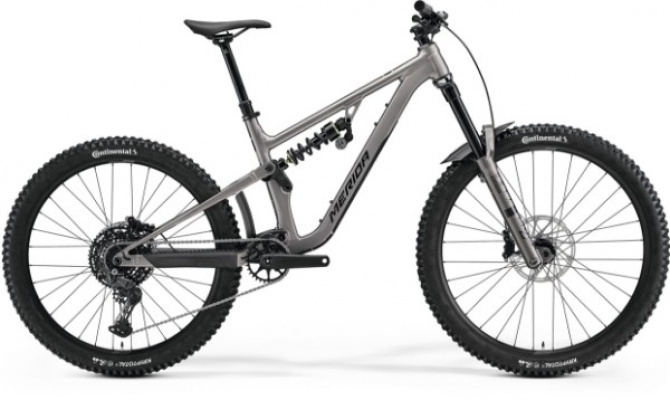
Merida ONE-SIXTY FR 400
Bike park laps and aggressive trail riding sorted with plush DVO suspension, robust build, and geometry that rewards commitment.
- DVO Onyx 38 fork and Jade X coil: plush, consistent damping
- 180mm front, 171mm rear: bike park and enduro ready
- P-FLEX flexstay: lighter, less maintenance, natural compliance
- Mullet setup convertible to full 29er via flip chip
- Category 5 rated: built for maximum abuse
- Coil shock with progressive spring rates per frame size
Merida ONE-SIXTY FR 400 Deals
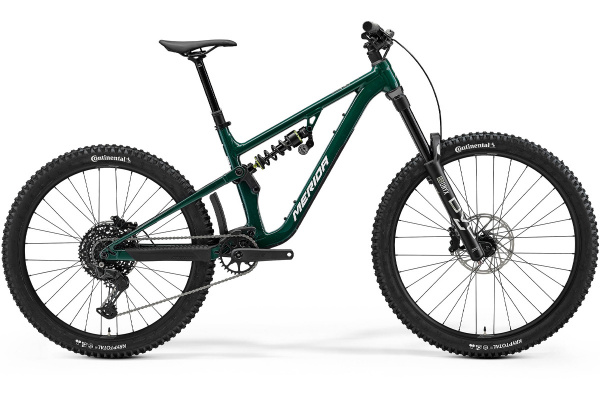
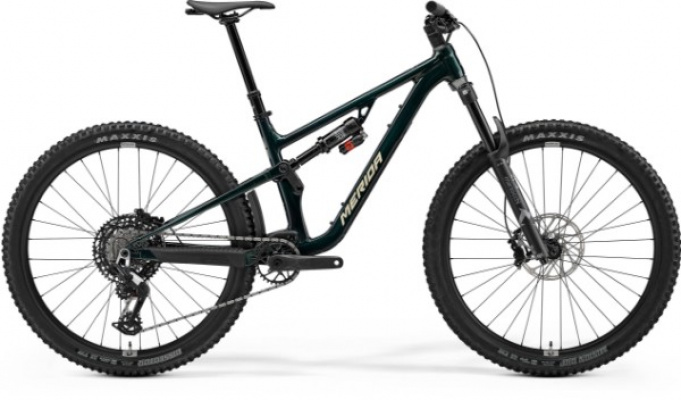
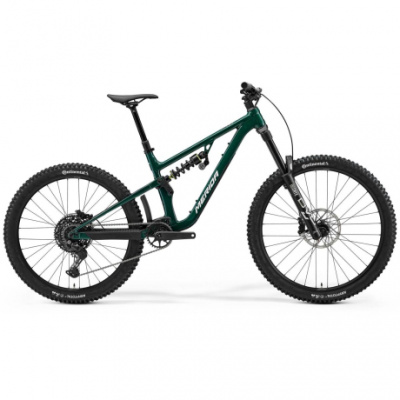
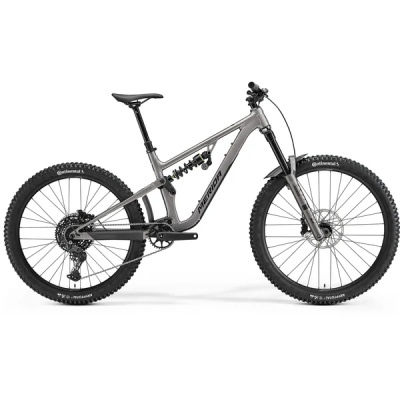
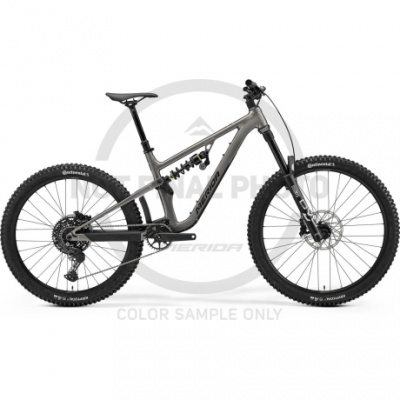

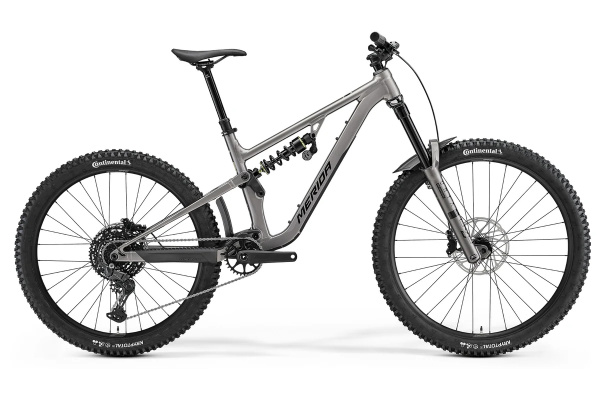
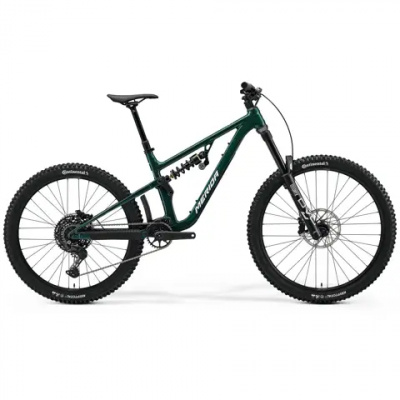
Prices and availability can change quickly. Delivery charges are not always included in listed prices.
Final price, stock status and delivery terms are set by retailer. We may receive a commission on purchases made.
Bikesy's Verdict
The Merida ONE-SIXTY FR 400 is a bike that knows exactly what it is: a robust, capable freeride machine built to survive bike park abuse and aggressive trail riding without costing mortgage money. DVO suspension front and rear delivers plush, consistent damping that rewards commitment, and the Category 5 aluminium frame shrugs off impacts that would leave lighter bikes creaking. The geometry inspires confidence on steep, technical descents, and the mullet wheel setup balances stability with playfulness in a way that suits rowdy riding.
It's heavier than racier enduro options, and the drivetrain is durable rather than refined, but those are deliberate trade-offs. Merida's prioritised suspension performance and durability over gram-shaving, and that focus shows the moment you point it downhill. If your weekends involve shuttle runs, lift-accessed descents, or trails where robustness trumps race-day weight, the ONE-SIXTY FR 400 delivers exactly what it promises. Proper bike park capability at a price that won't leave you eating beans for the rest of the season.
Pros
- DVO suspension front and rear delivers plush, consistent damping and tunability
- Robust Category 5 aluminium frame built to survive bike park abuse and aggressive riding
- Confidence-inspiring geometry with slack head angle and balanced stance
- Mullet wheel setup convertible to full 29er via flip chip for versatility
- Excellent value for money with high-performance suspension and brakes at this price point
Cons
- Heavier than racier enduro options if you're chasing KOMs or long liaison climbs
- Drivetrain is durable but not the lightest or most refined; upgrade if you want crisper shifts
- Overkill for mellow trails or cross-country riding where weight and travel become a burden
About the Merida ONE-SIXTY FR 400
The Merida ONE-SIXTY FR 400 exists to answer a simple question: what if you could afford a bike that actually survives bike park season? Built around a triple-butted aluminium frame that wears its Category 5 rating like a badge of honour, this is Merida's statement that freeride progression needn't cost mortgage money. The 2026 model brings DVO suspension front and rear - Onyx 38 fork up top, Jade X coil out back - paired with a geometry that's slack enough to inspire confidence yet playful enough to reward commitment. It's a bike that prioritises suspension performance and durability over gram-shaving, and that focus shows the moment you point it downhill.
Merida's FAST kinematic suspension platform underpins the whole package, working with that coil shock to deliver sensitivity at the top of the stroke, support through the middle, and proper bottom-out resistance when you overshoot the landing. The P-FLEX flexstay design ditches the traditional seat stay pivot, shedding weight and maintenance while adding a touch of natural compliance that takes the sting out of square-edged hits. You're looking at 180mm of fork travel and 171mm at the rear, wrapped around a mullet wheel setup - 29-inch front, 27.5-inch rear - that balances stability with the ability to flick the bike around tight sections. If you prefer full 29er manners, a flip chip lets you convert without fuss.
This isn't a bike that pretends to be a lightweight trail dancer. At around 17.6 kilograms, it's honest about its intentions: bike park laps, rowdy enduro stages, and trails where robustness trumps race-day weight. The aluminium frame might not win stiffness-to-weight contests, but it'll shrug off impacts that would leave carbon frames weeping in the workshop. For riders who want maximum fun and progression without the premium price tag, the ONE-SIXTY FR 400 delivers exactly what it promises.
Merida ONE-SIXTY FR 400 geometry
Merida's Agilometer sizing concept lets you choose reach independently of your height, which means you can dial in the handling character you want rather than simply fitting onto a frame. The head angle sits at 63.5 degrees across all sizes - slack enough to inspire confidence on steep, technical descents without feeling like you're wrestling a shopping trolley through tighter sections. Paired with a 78-degree seat angle, you're positioned forward enough to weight the front wheel on climbs and keep traction when the gradient kicks up, yet the overall stance remains balanced when you're charging downhill.
Reach grows progressively from 409mm on the XShort through to 519mm on the XLong, and Merida's deliberately kept chainstay length varied by size - from 400mm on the smallest frame to 470mm on the largest - so the bike's agility and suspension feel scale with the rider. Shorter stays on smaller sizes keep the bike flickable; longer stays on bigger frames add stability without sacrificing playfulness. Stack height climbs from 620mm to 643mm as you move up the range, ensuring taller riders aren't folded into a cramped cockpit.
The 44mm fork offset and moderate bottom bracket drop work together to deliver a front end that's planted yet responsive. You'll feel the bike settle into rough ground rather than skitter across it, and when you need to change direction mid-descent, it responds without the vague, ploughing sensation that overly slack bikes can suffer. The mullet wheel setup shortens the rear centre slightly compared to a full 29er, which sharpens turn-in and makes manual-ing over obstacles easier, while the big front wheel rolls over chatter and holds momentum through rock gardens. If you want the calmer, faster-rolling feel of dual 29-inch wheels, the flip chip conversion is there, though you'll trade a little of that playful rear-end snap.
Component choices & upgrades
The stock build on the ONE-SIXTY FR 400 is already well-sorted for its intended use. DVO's Onyx 38 fork and Jade X coil shock are proper enduro-grade suspension components, offering the kind of damping performance and tunability that used to live only on pricier builds. The coil shock comes with progressive spring rates matched to frame size - 300 pounds for XS, scaling up to 500 pounds for XL - so you're not left hunting for the right spring out of the box. Four-piston brakes (Tektro Gemini or SRAM DB4, depending on final spec) with 203mm rotors front and rear deliver stopping power that won't fade halfway down a long descent, and Continental Kryptotal tyres - Enduro compound up front, Downhill compound at the rear - give you grip where it counts.
The Shimano CUES drivetrain is durable and shifts cleanly under load, though it's not the lightest or most refined option. If you're chasing marginal gains or prefer crisper, faster shifts, an upgrade to Shimano Deore XT or SRAM GX would sharpen the experience, but for most riders the stock setup will handle everything from bike park abuse to long enduro stages without complaint. The 32-tooth chainring and 11-48 cassette (or 10-50, depending on final 2026 spec) offer enough range for steep climbs without leaving you spinning out on fire roads.
Where you might consider upgrades is if your riding consistently pushes beyond the bike's stock intentions. A lighter wheelset would wake up acceleration and climbing, though the Merida COMP TR II rims are tough enough to survive repeated impacts. If you're racing enduro rather than sessioning jump lines, swapping to a lighter saddle and grips will shave a few hundred grams without compromising durability. The dropper post travel varies by size - 150mm on XS/S, 170mm on M, 200mm on L/XL - which is generous, though taller riders on the XL might appreciate a 230mm post if their inseam allows. Tyres are always personal, but the Kryptotal pairing is a smart choice; if you want more rolling speed on hardpack, a faster rear tyre won't hurt, though you'll sacrifice some braking traction.
Where the Merida ONE-SIXTY FR 400 excels
This bike is outstanding at bike park laps and aggressive trail riding where suspension performance, durability, and confidence-inspiring geometry matter more than outright weight. Point it at a jump line, a rock garden, or a steep, root-strewn chute, and it rewards commitment with planted, predictable handling and suspension that soaks up mistakes. The coil shock delivers consistent damping lap after lap, and the robust aluminium frame shrugs off the kind of abuse that would leave lighter bikes creaking and cracked. If your weekends involve shuttle runs, lift-accessed descents, or trails where you're more concerned with survival than Strava times, the ONE-SIXTY FR 400 is in its element.
It also handles enduro racing and long, technical descents with composure. The geometry keeps you balanced through steep sections, and the mixed-wheel setup gives you the stability of a big front wheel with the manoeuvrability of a smaller rear. When the trail tightens or you need to hop over an obstacle, the bike responds without feeling sluggish. Climbing is competent for a long-travel freeride machine - you'll notice the weight on sustained fire road slogs, but the steep seat angle and suspension platform mean you're not fighting the bike on technical ascents. It's not a trail bike that moonlights as an enduro rig; it's the other way around, and that focus is deliberate.
Where it's not ideal is if you're chasing lightweight performance, racing cross-country, or spending most of your time on mellow, flowing trails. The weight and travel are overkill for less demanding terrain, and you'll feel every kilogram when you're trying to accelerate out of corners or sprint up short climbs. If your riding is more trail-centre loops than bike park carnage, a shorter-travel enduro bike or an aggressive trail bike will feel livelier and more efficient. The ONE-SIXTY FR 400 is built for riders who want maximum capability on descents and don't mind carrying a bit of extra weight to get it.
Merida ONE-SIXTY FR 400 FAQs
What is the Merida ONE-SIXTY FR 400 best suited for?
Bike park laps, aggressive trail riding, freeride, and enduro racing where suspension performance and durability are priorities. It's built for riders who want a robust, capable bike that handles rough terrain and repeated impacts without breaking the bank.
Is the Merida ONE-SIXTY FR 400 a good bike for bike parks?
Absolutely. The 180mm fork, 171mm coil-sprung rear, and Category 5-rated frame are designed to survive the demands of bike park riding. The suspension soaks up landings and rough sections, and the geometry inspires confidence on jumps, drops, and technical features.
What are the key differences between the Merida ONE-SIXTY FR 400 and other enduro bikes?
The FR 400 prioritises suspension performance and durability over lightweight components, with a coil shock and robust aluminium frame. It's heavier than some competitors but offers excellent value, and the mullet wheel setup (convertible to full 29er) adds versatility that many rivals don't offer at this price point.
How does the mixed wheel setup on the ONE-SIXTY FR 400 affect its ride?
The 29-inch front wheel rolls over obstacles and holds momentum, while the 27.5-inch rear keeps the bike playful and easier to manual or flick through tight sections. It's a balance of stability and agility that suits aggressive riding, though you can convert to full 29er if you prefer calmer, faster-rolling handling.
What is the warranty on the Merida ONE-SIXTY FR frame?
Merida typically offers a limited lifetime warranty on frames, but specific terms vary by region and retailer. Check with your local Merida dealer for exact coverage details, as warranties often depend on proof of purchase and proper maintenance.
Can the Merida ONE-SIXTY FR 400 be converted to a full 29er?
Yes. The frame includes a flip chip that lets you swap from the stock mullet setup (29-inch front, 27.5-inch rear) to full 29-inch wheels. You'll need a 29-inch rear wheel and tyre, but the conversion is straightforward and doesn't require additional parts.
What are the recommended suspension settings for the Merida ONE-SIXTY FR 400?
Start with 25 - 30% sag on the coil shock and around 20 - 25% on the fork, then adjust based on your weight, riding style, and terrain. The coil shock's progressive spring rates are matched to frame size, so most riders will find the stock spring works well. Fine-tune rebound and compression damping to suit your preferences.
Is the Merida ONE-SIXTY FR 400 suitable for long enduro races?
It's capable on enduro stages, especially technical descents, but the weight will be noticeable on long liaison climbs. If your races involve significant pedalling between stages, a lighter enduro bike might be more efficient. For shuttle-assisted or lift-accessed enduro events, the FR 400 is a strong choice.
Key Features & Benefits
- DVO Onyx 38 fork and Jade X coil shock: Plush, consistent damping that soaks up repeated impacts and delivers tunability for your weight and terrain
- P-FLEX flexstay design: Eliminates seat stay pivot for lighter weight, less maintenance, and natural compliance on rough trails
- Mullet wheel setup with flip chip conversion: Balances stability and agility with 29-inch front and 27.5-inch rear; swap to full 29er for calmer, faster-rolling handling
- Category 5-rated aluminium frame: Built to survive bike park abuse, drops, and aggressive riding without cracking or creaking
- FAST kinematic suspension platform: Optimises suspension performance across the travel range for sensitivity, mid-stroke support, and bottom-out protection
Merida ONE-SIXTY FR 400 2025 and 2024 differences
The 2025 and 2024 models featured an SR Suntour Durolux 38 RC fork rather than the DVO Onyx 38 D3 that arrives on the 2026 bike. Both earlier years ran a Shimano CUES U6000 1x10 drivetrain with an 11-48T cassette, while 2026 listings suggest a potential upgrade to an 11-speed Shimano Deore U6000 setup with a SunRace 10-50T cassette, though final spec may vary. Brakes on 2024 and 2025 were consistently Tektro Gemini HD-M535 four-piston units, whereas some 2026 sources list SRAM DB4 four-piston brakes. The DVO Jade X coil shock has been present across all three years, with progressive spring rates matched to frame size. Frame design, geometry, and the P-FLEX flexstay platform remain unchanged, as does the mullet wheel setup with flip chip conversion to full 29er. The 2023 model year marked the launch of the FR concept with its 180mm fork, 171mm rear travel, and mixed-wheel configuration.
Alternatives to Consider
Within Merida's own range, the ONE-SIXTY 6000 steps up with a lighter carbon frame and higher-spec components if you want more refinement and less weight, while the ONE-FORTY 600 offers shorter travel (150mm rear, 160mm front) for riders who want enduro capability on less extreme terrain. Both share Merida's FAST kinematic and modern geometry but shift the focus toward efficiency or all-mountain versatility.
Cross-brand, the Specialized Enduro Comp delivers similar travel and aggressive geometry with a more refined suspension platform and lighter build, though at a higher price. The Trek Slash 8 offers comparable enduro credentials with adjustable geometry and a reputation for planted, confidence-inspiring descending. For riders chasing value, the Vitus Sommet CRX and Nukeproof Mega 290 Comp both offer long-travel capability and robust builds at competitive prices, though component specs and suspension platforms differ. The Santa Cruz Nomad sits at the premium end, with VPP suspension and a playful character that rewards aggressive riding, but you'll pay significantly more for the privilege.
Reviews
Robust aluminium construction and DVO suspension combine to create a bike that thrives on abuse. The Onyx 38 fork stays composed through rock gardens and repeated landings, while the Jade X coil shock delivers the kind of consistent, plush damping that rewards commitment on steep, technical descents. When you're lapping a bike park or sessioning a jump line, the suspension soaks up mistakes and keeps the bike planted, even when you're pushing beyond your comfort zone.
Geometry inspires confidence without feeling sluggish. The 63.5-degree head angle and balanced stance mean the bike settles into rough ground rather than skittering across it, and the mullet wheel setup sharpens turn-in without sacrificing front-end stability. Shorter chainstays on smaller sizes keep the bike flickable; longer stays on bigger frames add composure. Because the P-FLEX flexstay eliminates the seat stay pivot, there's less maintenance to worry about and a touch of natural compliance that takes the sting out of square-edged hits.
Climbing is competent for a long-travel freeride machine, though the weight becomes noticeable on sustained fire road slogs. The steep seat angle keeps you positioned forward enough to maintain traction on technical ascents, and the suspension platform doesn't wallow or bob excessively when you're out of the saddle. It's not a bike that pretends to be a lightweight trail dancer, but it won't punish you on the way to the top either. Worth it if you want maximum descending capability and don't mind carrying a bit of extra weight to get there.
Full Specification
| Spec | Value |
|---|---|
| Frame Material | Lite III Aluminium (PROLITE 66 TRIPLE BUTTED ALUMINUM) |
| Frame Design | Next-generation enduro geometry, FAST kinematic suspension platform, P-FLEX flexstay design |
| Frame Features | Internal cable routing (Wire Port), threaded bottom bracket, trail mount, bottle bosses, flip chip for mullet or 29er setup, Category 5 rated |
| Available Sizes | XShort, Short, Mid, Long, XLong |
| Bottom Bracket | BSA threaded, Samox BSA 24mm EB2401 |
| Rear Axle | 148x12mm Boost |
| Fork | DVO Onyx 38 D3 Air |
| Fork Travel | 180mm |
| Fork Offset | 44mm |
| Fork Adjustments | Air, Tapered steerer |
| Rear Shock | DVO Jade X Coil |
| Rear Travel | 171mm |
| Rear Shock Adjustments | Coil with progressive spring rates tailored to frame size (XS 300 lbs, S 350 lbs, M 400 lbs, L 450 lbs, XL 500 lbs) |
| Suspension Platform | FAST kinematic with linear coil-sprung shock |
| Drivetrain | 1x10 speed |
| Shifters | Shimano CUES U6000 |
| Rear Derailleur | Shimano CUES U6000 GS |
| Crankset | Merida Expert TR II, 32 tooth |
| Crank Length | 165mm |
| Cassette | Shimano LG300, 11-48 teeth, 10 speed |
| Chain | KMC xGlide |
| Brakes | Hydraulic Disc Brakes |
| Brake Calipers | Tektro Gemini HD-M535 4-piston |
| Rotors (Front) | 203mm |
| Rotors (Rear) | 203mm |
| Rims | Merida COMP TR II |
| Hubs | Shimano TC500, Boost spacing |
| Tyres (Front) | Continental Kryptotal F (Enduro), 29 x 2.4 |
| Tyres (Rear) | Continental Kryptotal R (Downhill), 29 x 2.5 |
| Tubeless Ready | Yes |
| Handlebar | Merida Expert TR II, aluminium, 780mm wide |
| Handlebar Rise | XS/S 18mm, M/L/XL 30mm |
| Stem | Merida Comp TR |
| Headset | Acros ICR Merida external neck |
| Seatpost Diameter | 34.9mm |
| Seatpost Travel | XS/S 150mm, M 170mm, L/XL 200mm |
| Saddle | Merida COMP SL |
| Grips | Merida Comp TR |
| Weight (Approx) | 17.6 - 17.7 kg |