

Merida eSpeeder 400
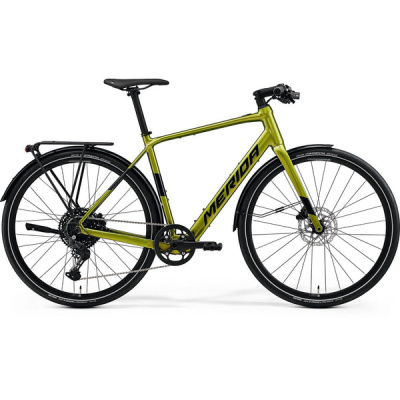
The Merida eSpeeder 400 is a light, flat-bar e-bike with a compact rear-hub motor, aimed at commuters and fitness riders who want subtle assistance on roads and cycle lanes.
- MAHLE X35+ rear-hub motor: Compact, unobtrusive assistance built into the rear wheel, rather than a bulky mid-drive unit.
- 250 Wh B1-D battery: A small, light battery that keeps the bike's overall weight down for everyday riding.
- Approximately 14.04 kg published weight: Light enough for an e-bike to lift onto a rack, carry up steps or ride comfortably even without assistance.
- Shimano CUES 6000 rear derailleur: Shimano's newer groupset generation, fitted on the current LITE II build.
- Shimano MT-200 / UR300 brakes: Dependable stopping power for road and cycle-lane commuting.
- MERIDA Mission CX fork: A fork designed specifically for this fitness-bike format and riding position.
Merida eSpeeder 400 Deals

Prices and availability can change quickly. Delivery charges are not always included in listed prices.
Final price, stock status and delivery terms are set by retailer. We may receive a commission on purchases made.
Bikesy's Verdict
The Merida eSpeeder 400's current X35+ EQ build suits a rider who wants light, road-focused assistance rather than a heavy do-everything e-bike. The rear-hub MAHLE X35+ motor, small 250 Wh battery and a published weight around 14.04 kg keep it feeling closer to a quick fitness bike than a typical e-commuter, and the CUES 6000 rear derailleur brings a genuinely current groupset to the build. The real catch is knowing exactly what you're buying: the eSpeeder 400 EQ name has covered different frame generations and, globally, a different motor and battery, and no range figure is published for this battery. Anyone comparing listings needs to check the specific frame, motor and battery before committing, but for the confirmed current build, this is a sensible, well-equipped choice for assisted commuting and fitness riding.
Pros
- A properly light e-bike, with Merida's published weight of approximately 14.04 kg making the X35+ EQ build easy to lift, carry and manoeuvre compared with heavier mid-drive commuters.
- The MAHLE X35+ rear-hub motor and 250 Wh battery keep the assistance compact and unobtrusive, suited to riders who want help on hills or headwinds without a bulky motor unit.
- The current build's Shimano CUES 6000 rear derailleur brings Merida's newer groupset generation to this build.
- Available across five frame sizes, from XS to XL, giving most adult riders a starting point for fit.
Cons
- Merida hasn't published a range figure for the 250 Wh battery, so there's no stated number of miles to plan a commute around.
- The eSpeeder 400 EQ name has covered more than one frame generation and, globally, a different motor and battery combination, so buyers need to check exactly which specification an individual listing describes.
- The UK listing specifies only the rear derailleur rather than the full drivetrain, so some groupset details aren't confirmed before purchase.
The Merida eSpeeder 400 is a flat-bar fitness bike built for riders who want a light touch of electric assistance rather than a heavy do-everything e-bike. The current build pairs a discreet rear-hub motor with a compact battery, keeping the whole package close in feel to a quick road or fitness bike, and it's aimed at commuting and fitness riding on roads, cycle lanes and permitted firm tracks, a use Merida places under its Category 2 cross-use classification. Within the current eSPEEDER LITE II lineup, the 400 EQ sits above the eSPEEDER 200, and the documented difference between them is the rear derailleur: the 400 EQ runs a newer Shimano CUES 6000, while the 200 uses a CUES U3020.
How the assistance works day to day
The current X35+ EQ build uses a MAHLE X35+ rear-hub drive paired with a 250 Wh B1-D battery. A rear-hub motor sits in the back wheel rather than at the pedals, so there's no bulky mid-drive unit changing the bike's balance or adding drag when you're riding without power. That's a big part of why Merida's own published weight for this build comes in at approximately 14.04 kg, properly light for an assisted bike and easy to lift onto a rack, carry up a step, or simply push around when you're not riding it. Merida hasn't published a range figure for this battery, so there's no stated number of miles to plan a commute or route around; treat the 250 Wh capacity as the only firm reference point rather than assuming a specific range from other e-bikes you've seen.
What's fitted on the current build
Merida's UK listing for the eSPEEDER 400 EQ specifies a MERIDA Mission CX fork built for this fitness-bike format, a Shimano CUES 6000 rear derailleur, and Shimano MT-200 / UR300 brakes. CUES is Shimano's newer, simplified groupset line, so having it on the rear derailleur points to a reasonably current spec, though the listing doesn't itemise the rest of the drivetrain, so the chainring and cassette aren't confirmed. The frame comes in five sizes, XS through XL, giving most adult riders a starting point before checking fit more closely. One thing worth flagging before you buy: the EQ suffix doesn't guarantee lights, a rack, mudguards or a kickstand are fitted. Merida's UK listing doesn't itemise that equipment, so it's worth checking exactly what accessories come with an individual offer rather than assuming a full commuter package is included.
Which eSpeeder 400 EQ are you actually looking at?
The name eSPEEDER 400 EQ has covered more than one specification over time, so it pays to know which one is in front of you. The current UK build uses the eSPEEDER LITE II frame with that CUES 6000 rear derailleur. An earlier UK-listed version used the older eSPEEDER LITE frame paired with a Shimano Deore M5120 rear derailleur instead, so an older or unusually cheap listing may well be this earlier spec rather than the current one. There's also a separate configuration in Merida's global listings, built around an X30 motor and an ix250 Wh battery rather than the X35+ and B1-D battery fitted to the UK build; its UK availability isn't established, so it shouldn't be treated as the same bike as the one described here. It's also worth being careful with search results generally, since Merida sells an unassisted Speeder 400 as well, and searches for "eSpeeder 400" can throw up that non-electric bike alongside the assisted EQ versions, so check that any listing actually has a motor before comparing it further.
Because the motor and battery here are so compact, this is a bike that suits riders who want e-assist for the tougher days, the headwind commute or the hillier fitness loop, without it turning into a completely different bike to ride when you'd rather leave the battery at home.
Key Features & Benefits
- Five frame sizes, XS to XL: A wide size range improves the chance of finding a comfortable fit before checking exact geometry.
- Merida's Category 2 cross-use classification: Confirms the bike is intended for roads, cycle lanes and permitted firm tracks, not technical off-road riding.
Full Specification
X35+ EQ build (current, eSPEEDER LITE II generation)
| Component | Detail |
|---|---|
| Frame and sizes | eSPEEDER LITE II; available in XS, S, M, L, XL |
| Fork | MERIDA Mission CX |
| Rear derailleur | Shimano CUES 6000 (UK listing does not itemise the rest of the drivetrain) |
| Brakes | Shimano MT-200 / UR300 |
| Electric system | MAHLE X35+ rear-hub drive; B1-D 250 Wh battery (no official range figure published) |
| Published weight | Approximately 14.04 kg (Merida's manufacturer approximate figure; weighing size and conditions not specified) |
Earlier X35+ EQ build (historical, eSPEEDER LITE generation)
| Component | Detail |
|---|---|
| Frame | eSPEEDER LITE (earlier frame generation) |
| Rear derailleur | Shimano Deore M5120 |