
Merida E-Bikes
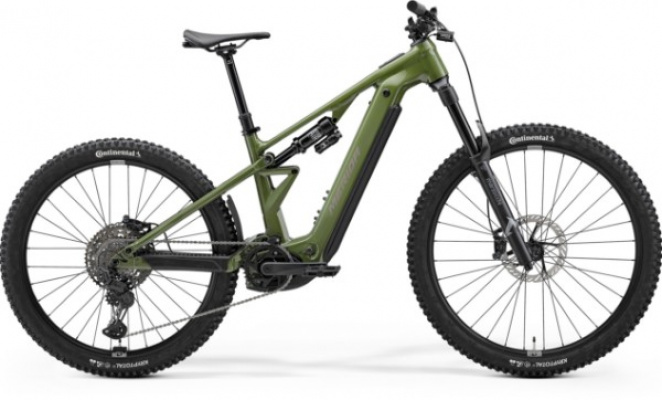
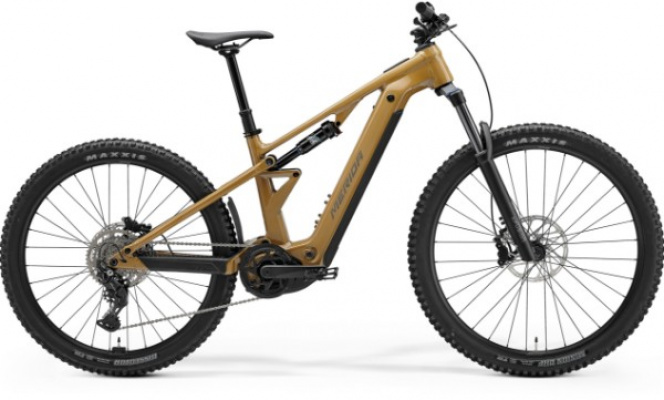
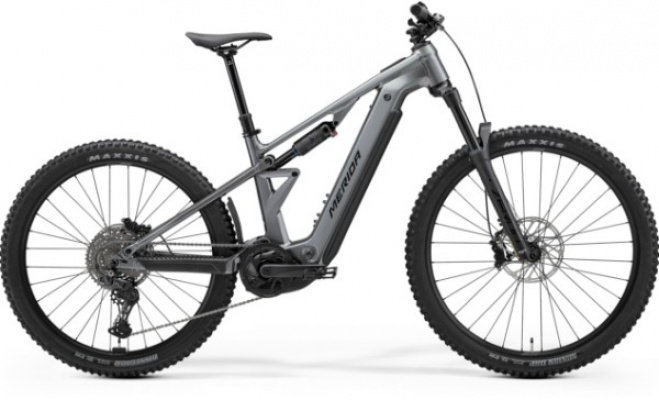
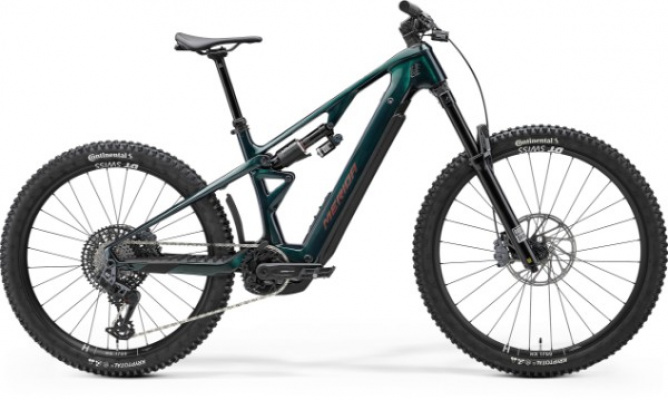
Merida E-Bikes represent some of the most considered pedal-assist engineering you'll find at any price point - and the range is broader than most riders realise. Two distinct philosophies run through the lineup. The mountain and hybrid models lean on high-torque Shimano EP8 and EP6 motors for serious grunt on steep, technical ground, while the e-gravel and e-road bikes hide a Mahle X35+ hub motor in the rear wheel for a ride that looks and feels remarkably close to an acoustic bike. Whether you're grinding up a loose Welsh climb on a full-travel e-MTB or trying to keep your kit clean on a sodden commute, Merida has thought about the conditions you're actually riding in. Proprietary features like Thermo Gate ventilation and the Energy Guard battery cover aren't marketing padding - they're engineering responses to real problems. The 630Wh internal battery on the flagship e-MTBs gives you enough range to get properly lost without the anxiety. Compare the latest UK prices across the full Merida electric range below.


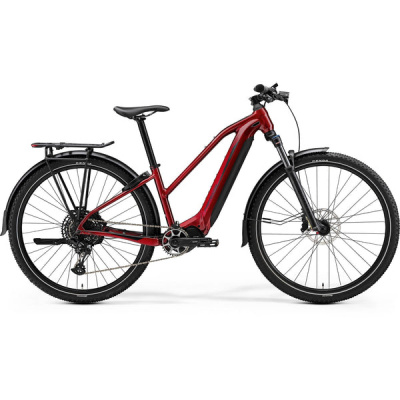
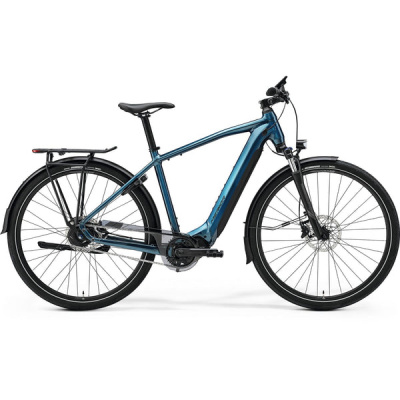
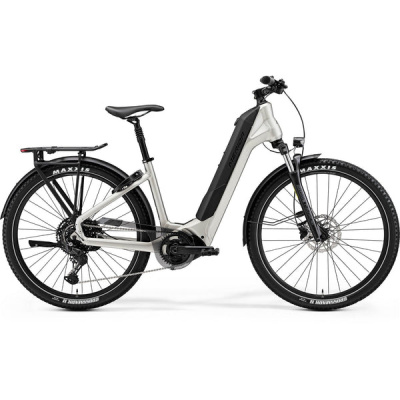
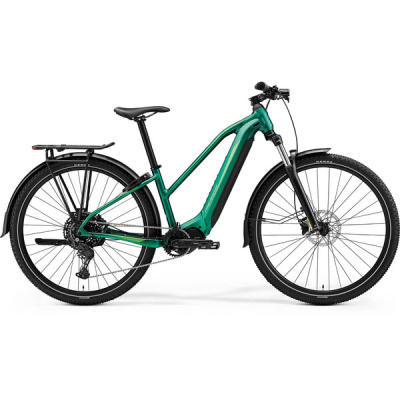
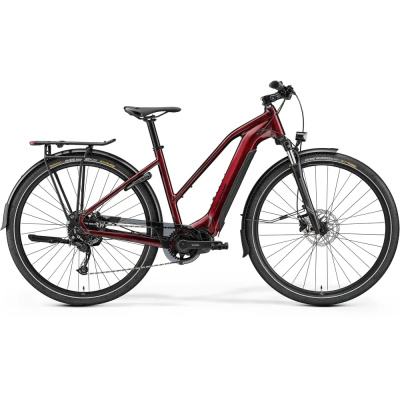
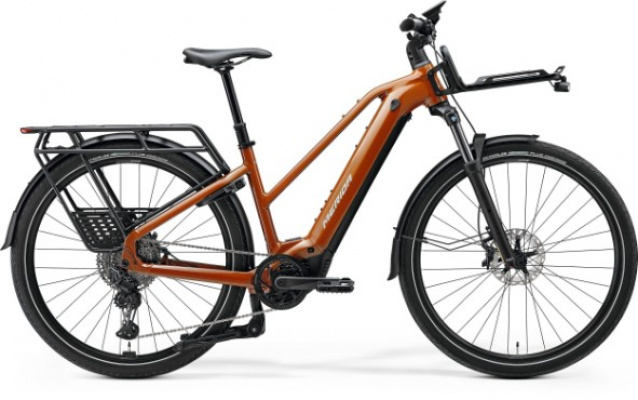
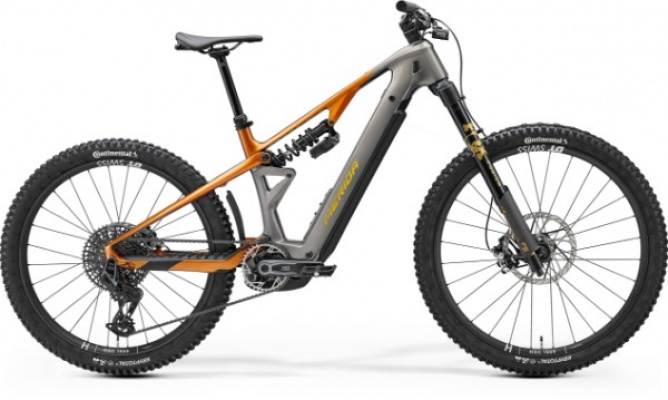
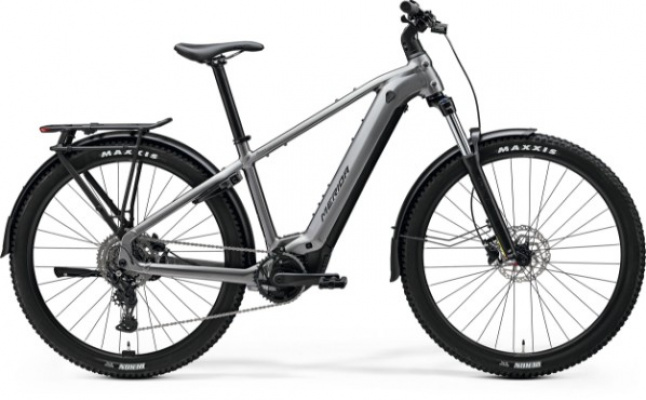


Prices and availability can change quickly. Delivery charges are not always included in listed prices.
Final price, stock status and delivery terms are set by retailer. We may receive a commission on purchases made.
Decoding the Merida E-Bike Lineup
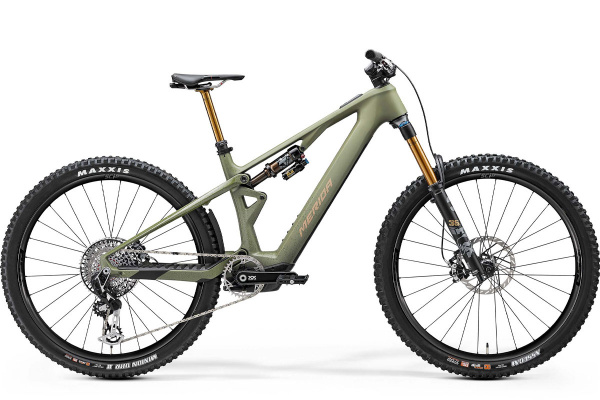
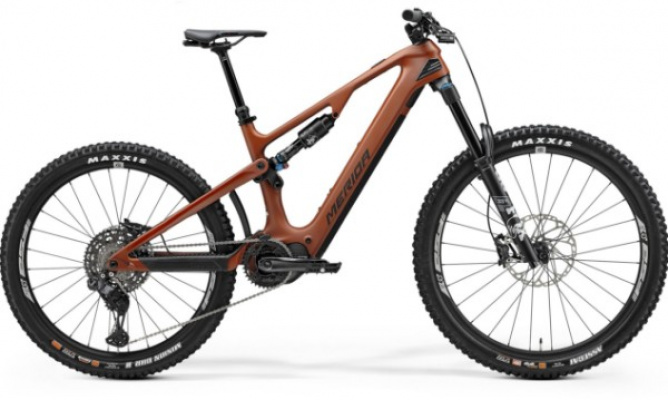
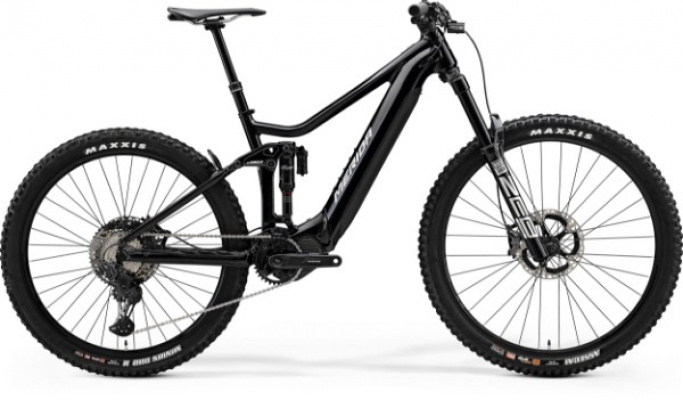
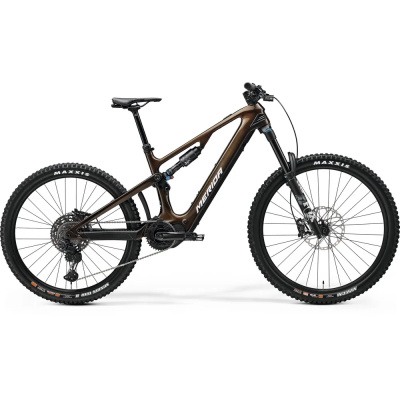
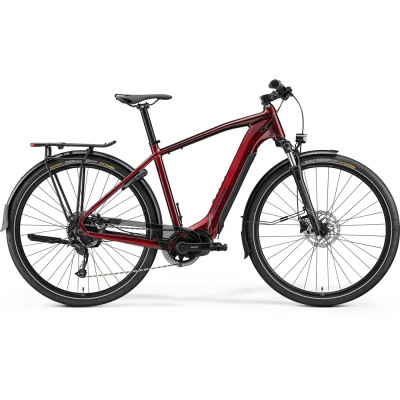
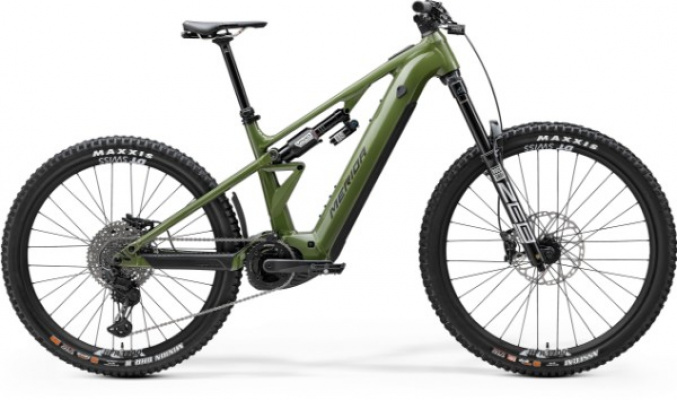
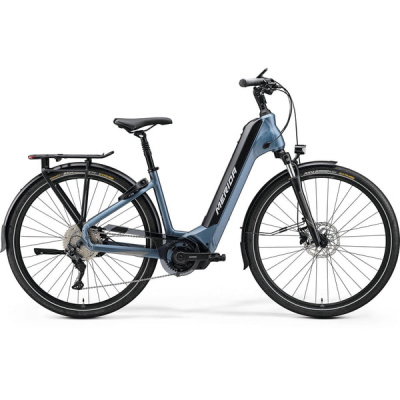
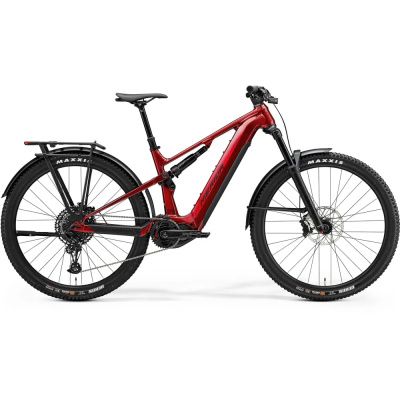
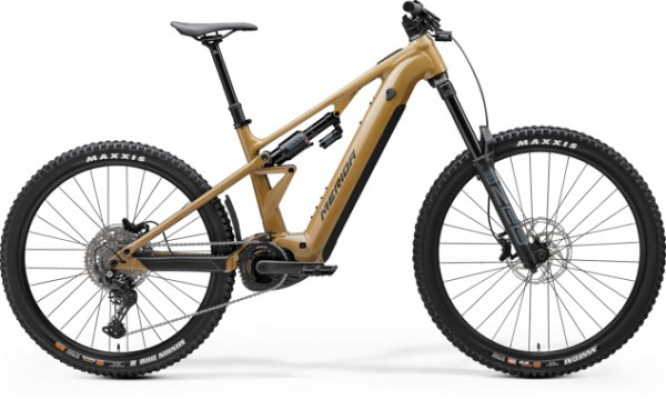
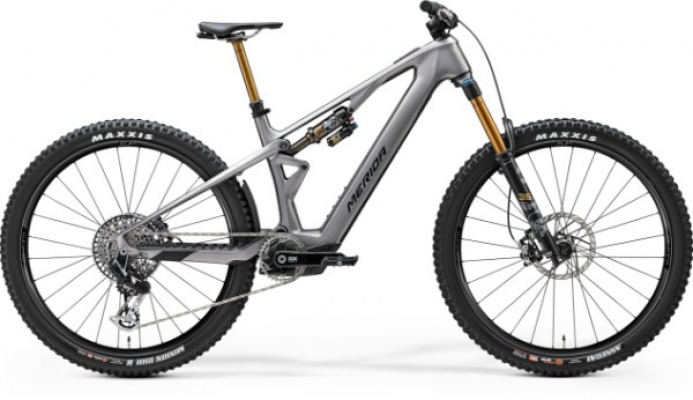
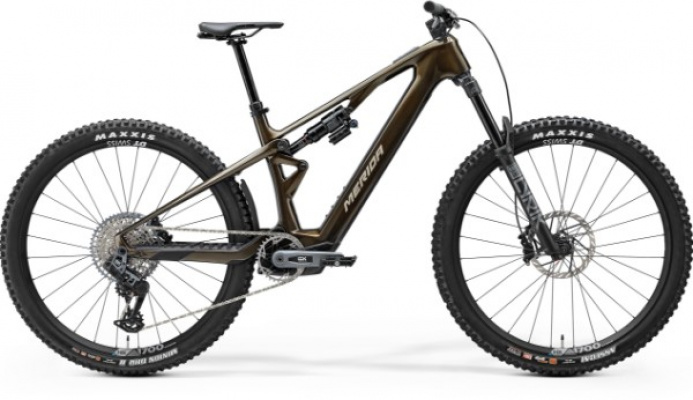
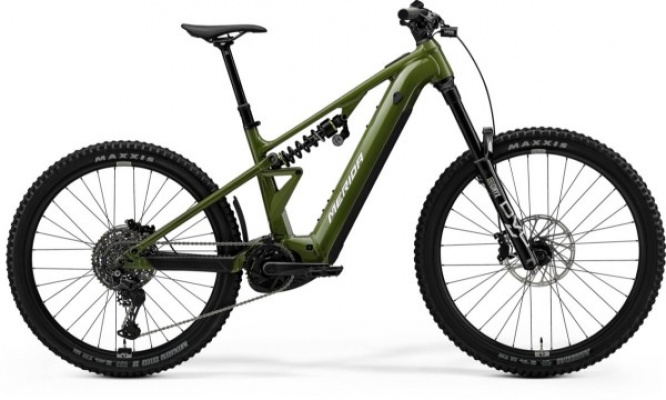
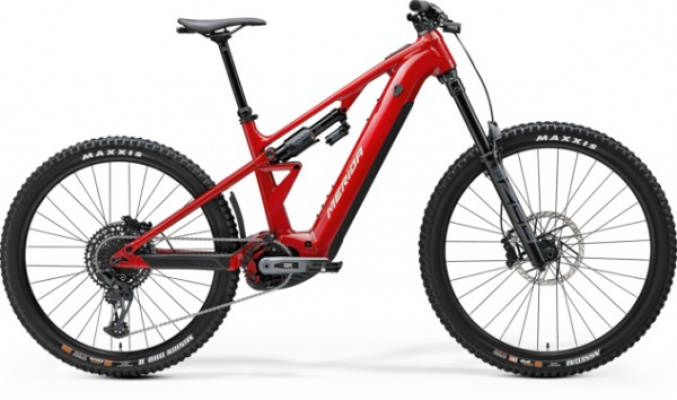
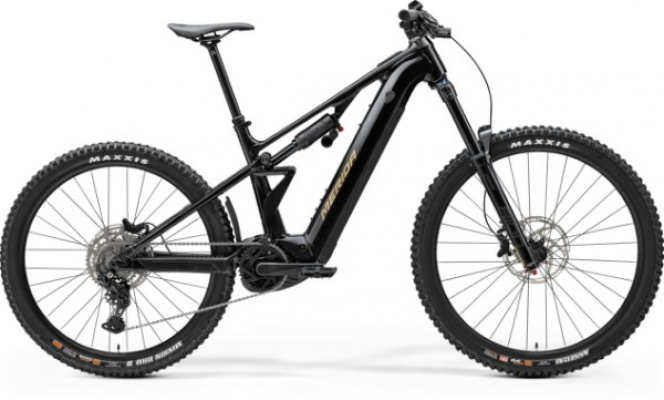
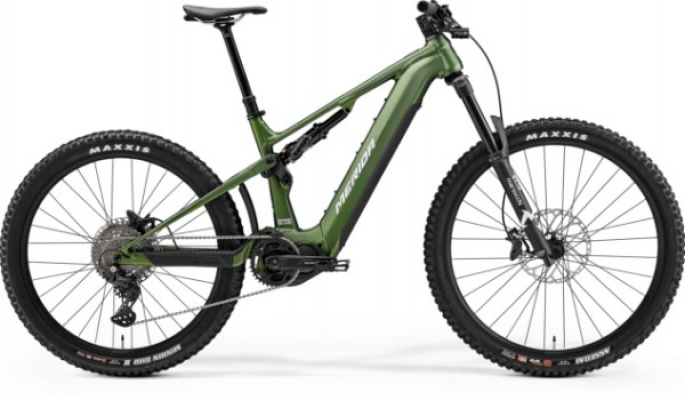
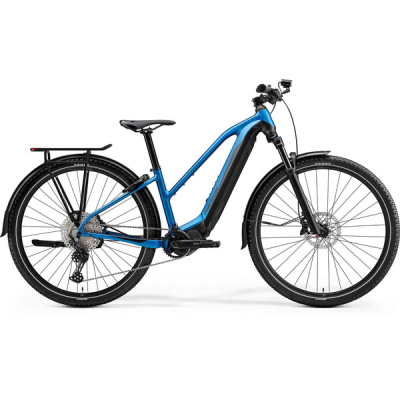
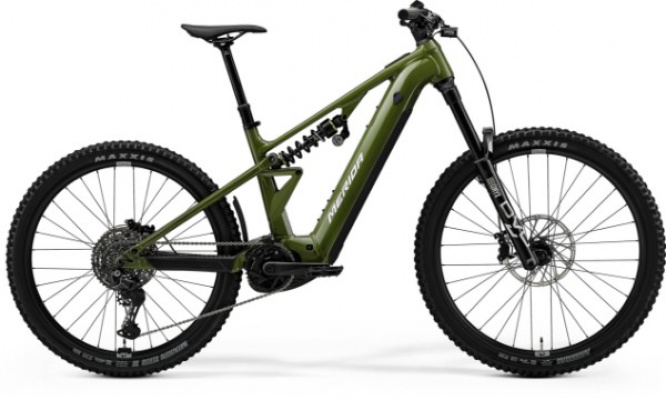
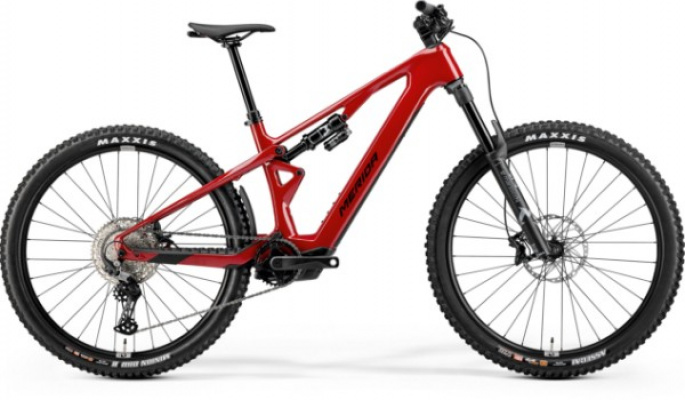
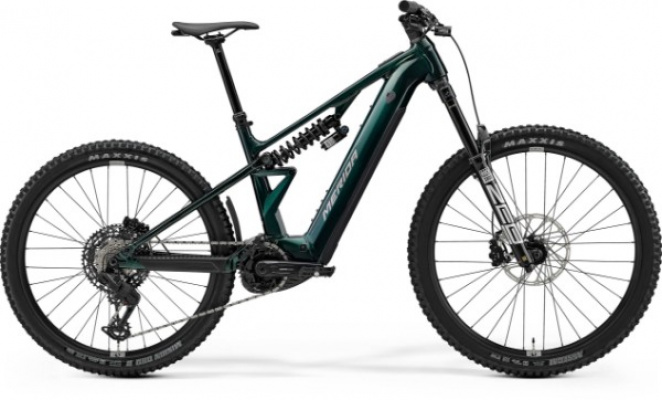
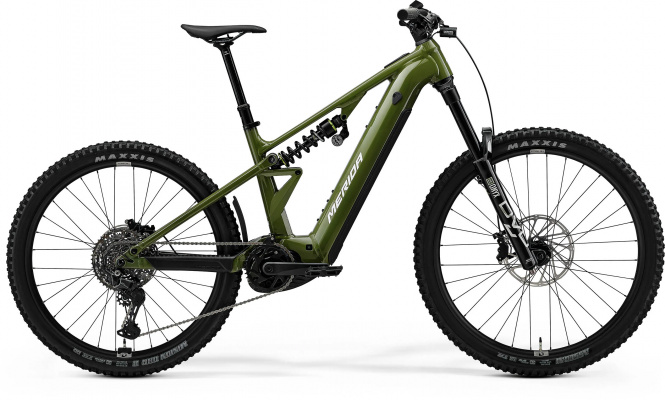
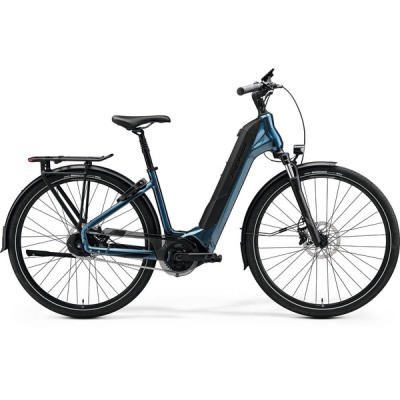
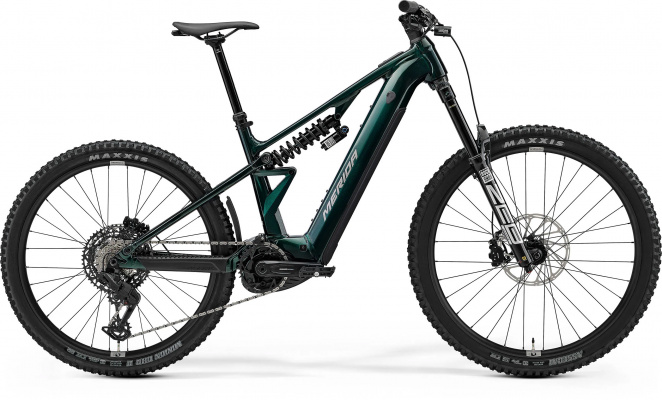
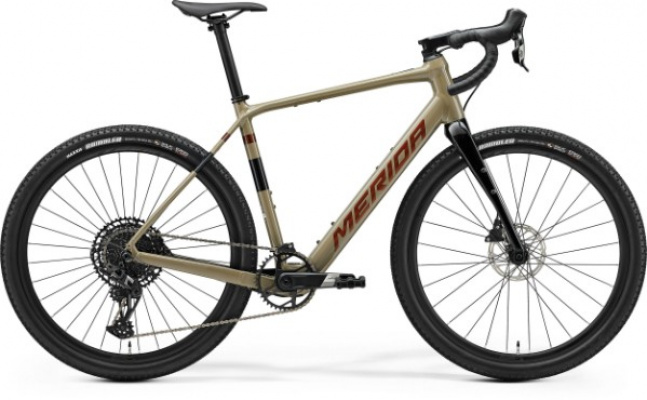
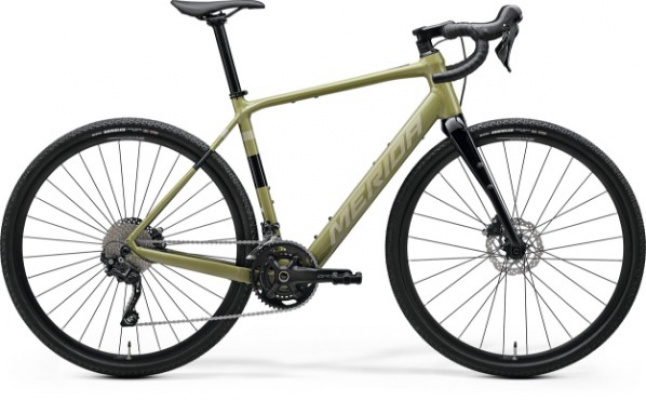
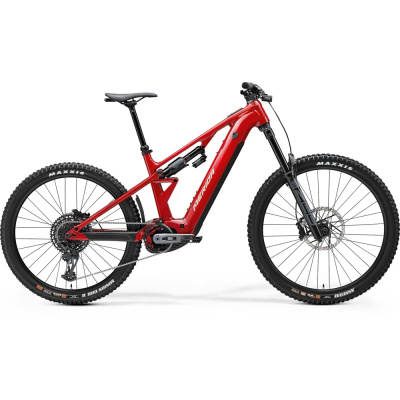
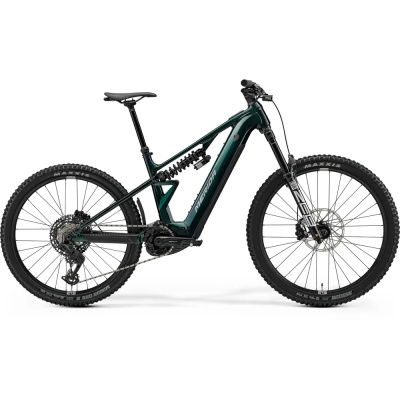
The model names tell you most of what you need to know, once you crack the code. The eOne-Sixty is Merida's enduro-focused carbon frame e-MTB, built for aggressive trail riding with 160mm of travel front and rear. The eOne-Forty trims that to 140mm and suits riders who want trail capability without quite so much commitment - think Bike Park Wales on a good day rather than a full enduro race. If gravel riding is your thing, the eSilex is the one to look at; it pairs the Mahle hub motor with drop bars and clearance for chunky tyres, making it genuinely useful on mixed-surface days in the Peak District or the Chilterns. The eScultura covers road riding with a similarly stealthy motor setup, and the eSpresso range handles urban and touring duties with practical features that most trail-focused brands forget exist.
The trim-level numbering is worth understanding before you start comparing models. Numbers in the hundreds - 500, 700 - indicate aluminium frames. Step into the thousands - 8000, 9000 - and you're into carbon frame e-MTB territory, with the weight, stiffness and price tag that brings. For most UK riders, the mid-range alloy builds hit a genuine value point without sacrificing the motor or suspension components that actually determine how the bike rides. If you're after the non-assisted version of any of these disciplines, we list Merida's mountain bikes, gravel bikes, and hybrid bikes separately - worth a look if you're weighing up whether to go electric at all.
How Merida Builds the Motor and Battery In
Integration is where Merida genuinely separates itself from brands that bolt a motor to an existing frame and call it done. The Thermo Gate system is a good example. The head tube features carefully positioned vents that draw hot air away from the Shimano EP8 motor and battery during sustained climbs - effectively acting as a passive chimney. It sounds like a small detail, but motors that overheat throttle their own output as a protection measure, which is the last thing you want halfway up a long drag in the Brecon Beacons.
The Energy Guard battery cover is a dual-material shield: a harder outer layer handles rock strikes and frame bag abrasion, while a softer inner layer stops the battery from rattling in its housing on rough ground. Anyone who's ridden a cheaper e-MTB and heard that hollow clonking from the down tube on a rocky section will appreciate why this matters. It also keeps the battery seated securely, which affects both noise and longevity.
The Internal Block steering limiter is a smaller but equally considered feature. On carbon-framed models, it physically prevents the fork crown from rotating far enough to strike the down tube - a real risk on a bike that gets thrown around on technical trails. On a standard bike the consequences are cosmetic; on a carbon frame with a battery inside the tube, they're considerably more expensive. The FAST kinematic suspension design addresses a problem specific to e-MTBs: the added weight of a motor and battery changes how a rear suspension platform behaves through its travel. Merida's linkage geometry is tuned around that extra unsprung mass, so the bike doesn't feel wallowy or over-damped in a way that a standard suspension design would when loaded up. The result is a rear end that tracks accurately without feeling artificially stiff. Compared to how Cube e-bikes and Cannondale e-bikes approach suspension calibration, Merida's solution is notably purpose-built rather than adapted from an acoustic platform.
On the Merida eSilex, the Mahle X35+ hub motor sits unobtrusively in the rear wheel, keeping the bottom bracket area completely clear. The trade-off with hub motors versus mid-drive systems is real: you lose some of the natural pedalling feel and the assistance doesn't respond to cadence in quite the same way, but the bike looks and sounds like a standard gravel bike, which matters to plenty of riders. The Mahle system is also lighter than a mid-drive setup, which keeps handling close to what you'd expect from an unassisted bike on fast descents.
Living with a Merida E-Bike in the UK
A few practical points that make a difference once you're out of the shop. The eOne-Sixty's rear triangle is sculpted to clear thick mud without it packing between the tyre and the motor housing - a real consideration if you're riding Welsh clay in January, where the wrong chainstay design turns your back wheel into a brake. Check that clearance spec before buying if winter riding is part of your plan.
On the eSilex, keep the Mahle X35+ charging port clean. Grit from winter gravel rides - the kind of surface muck you get on the South Downs or any unclassified road after rain - works into the port and can cause charging issues over time. A quick wipe and a port cover (often included, worth checking) sorts it. It's the same discipline you'd apply to any exposed connector on a bike that sees wet-weather use regularly.
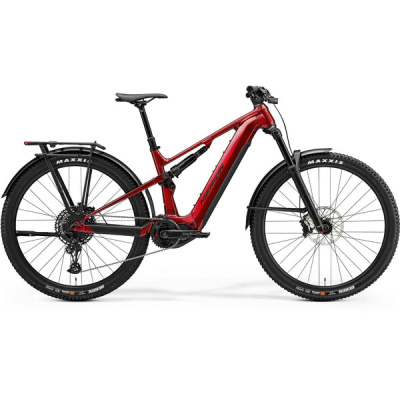
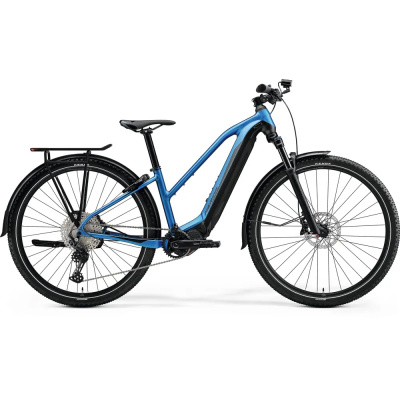
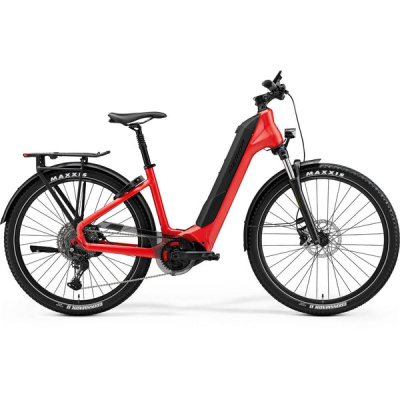
Battery care in a British winter is straightforward but worth stating: if temperatures drop below around five degrees, store your removable battery indoors rather than leaving it in the garage overnight. Lithium cells lose capacity in the cold, and a chilled battery at the start of a ride will give you noticeably less range than the same battery at room temperature. This applies to the 630Wh internal battery on the eOne-Sixty and eOne-Forty - some models allow battery removal; check your specific trim. For e-hybrid riders considering the eSpresso as a daily commuter, the full-length mudguards and sealed bearings handle British downpours well, but the battery advice still stands. If you're comparing options, Boardman e-bikes are a reasonable point of reference in the commuter space, though Merida's build spec at equivalent price points tends to be more trail-capable if your route has any ambition to it.
Related searches: