
Merida Hybrid Bikes
Merida hybrid bikes sit in a genuinely useful space - quick enough to make a dent in your commute time, relaxed enough to enjoy a Sunday morning canal path without feeling like you're fighting the bike. That range comes from real manufacturing depth. Merida is one of the largest frame builders on the planet, and that scale means they can press genuinely clever aluminium engineering into bikes that don't cost a fortune.
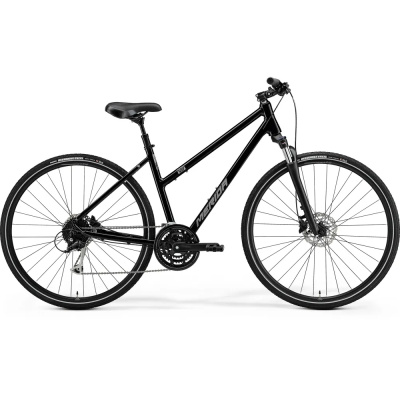
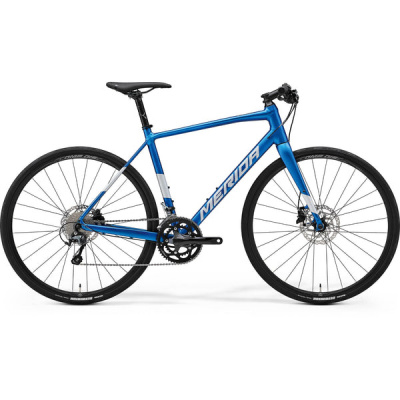
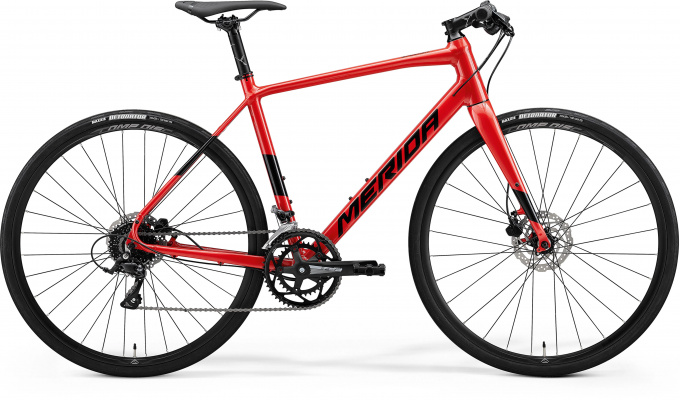
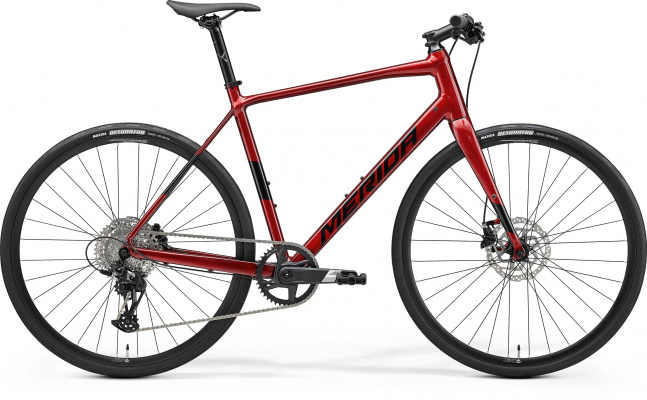
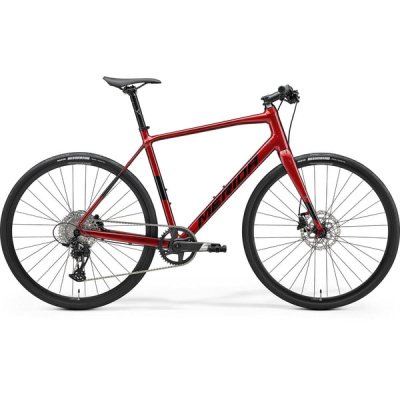
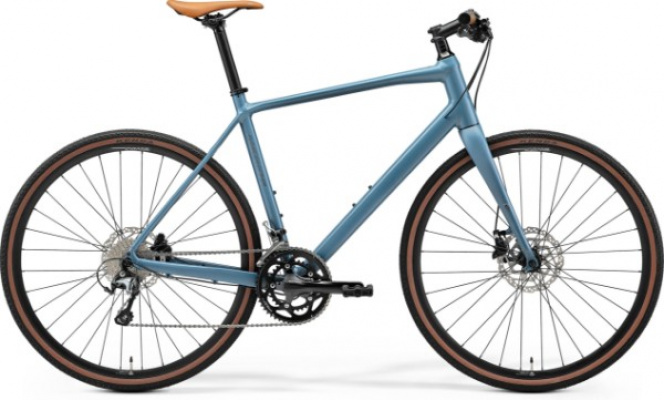
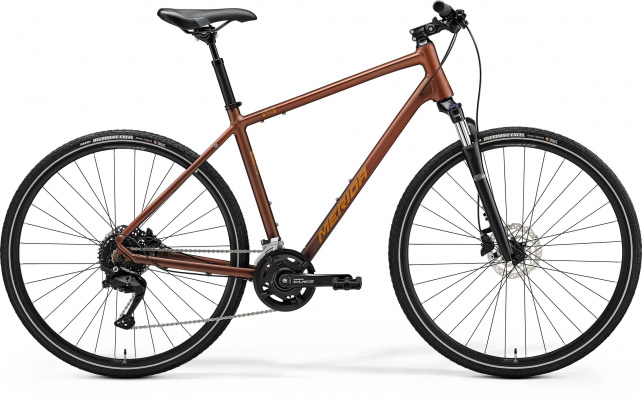
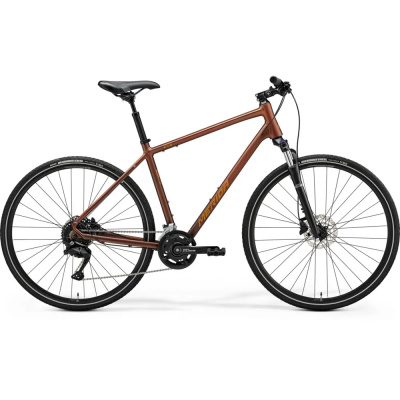
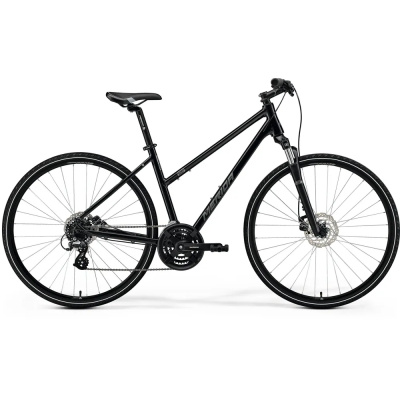
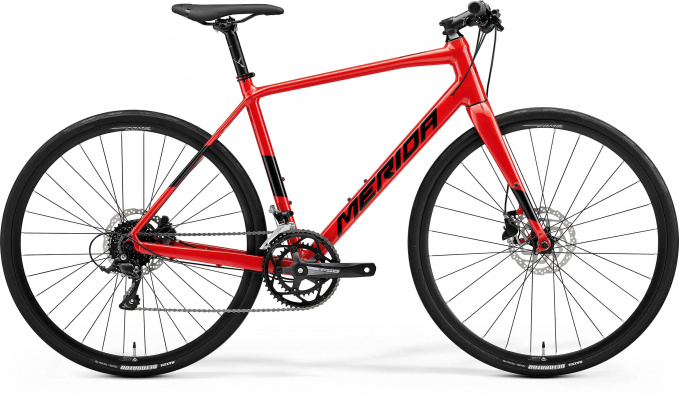
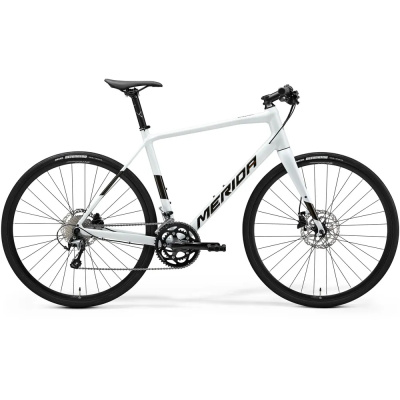
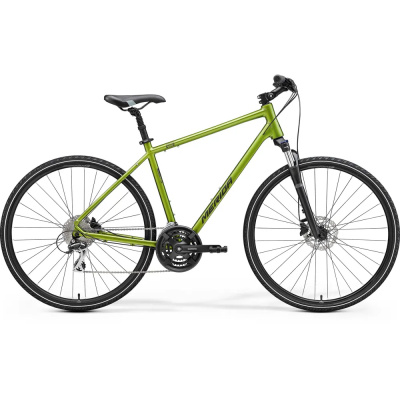
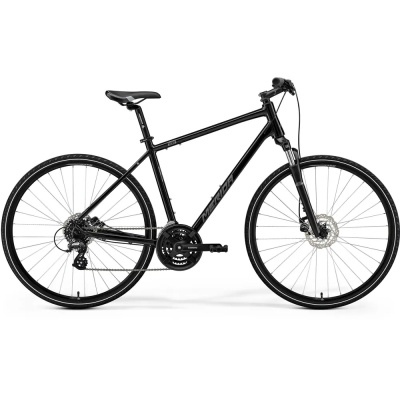
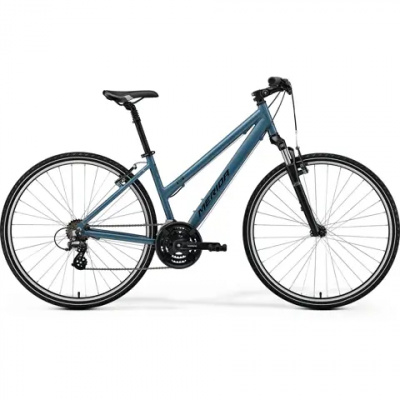
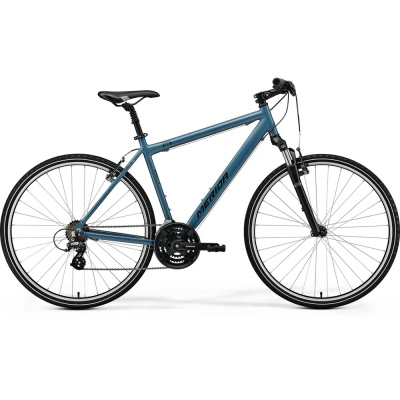
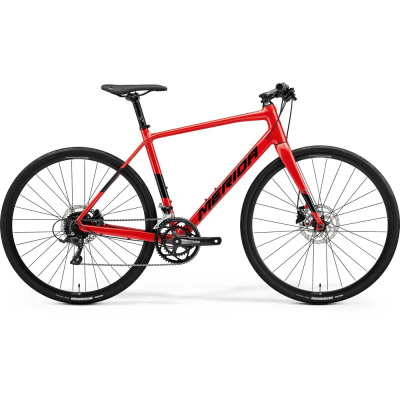
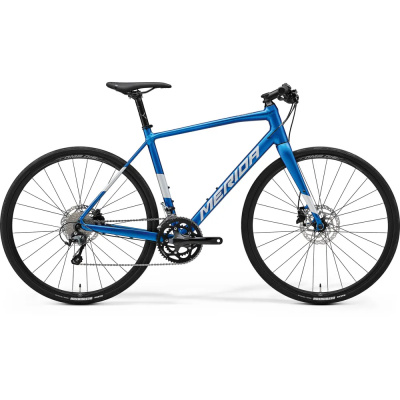
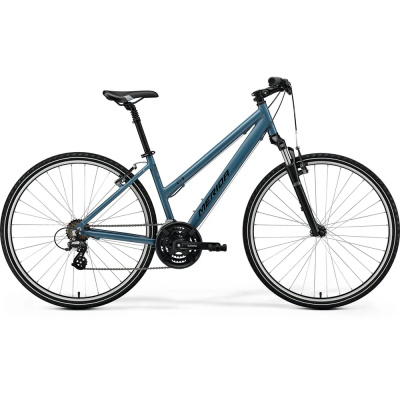
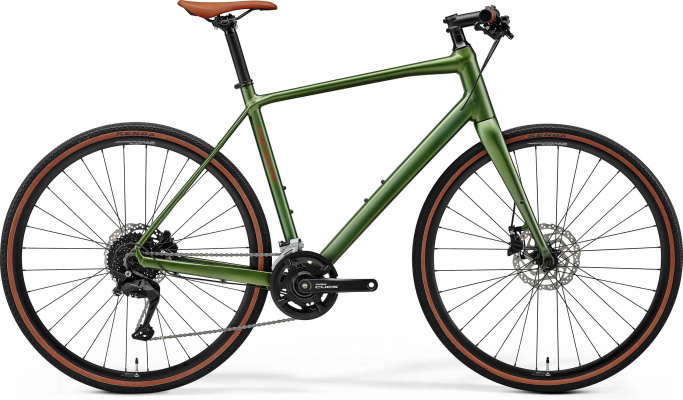
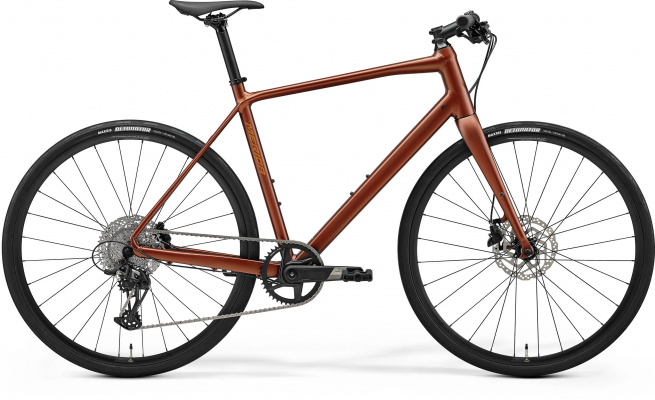
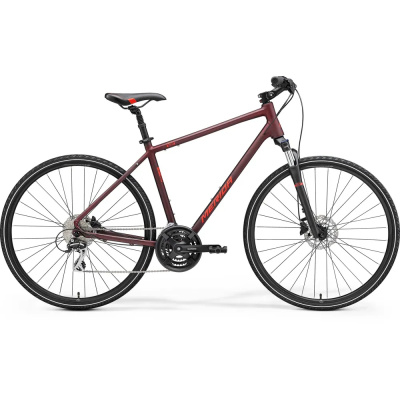
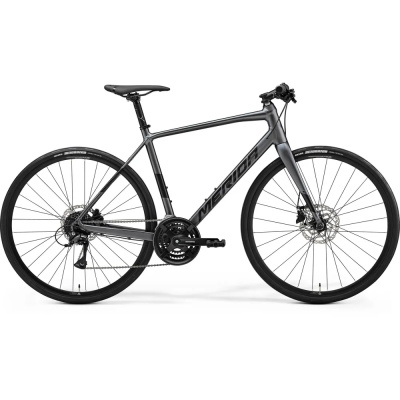
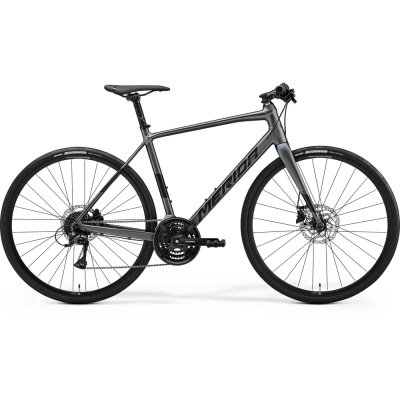
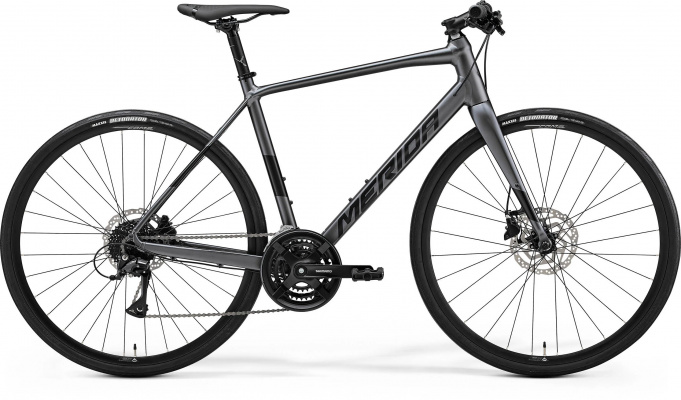
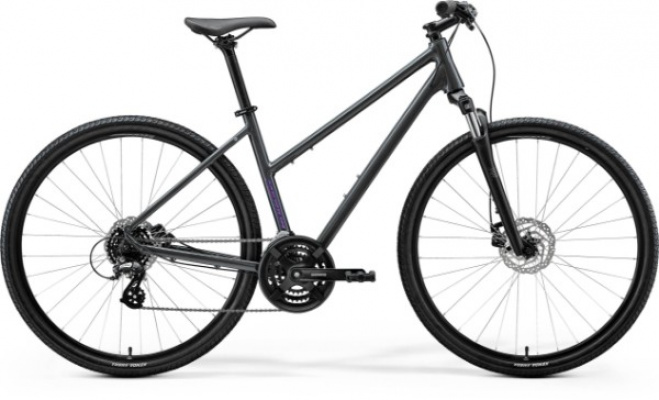
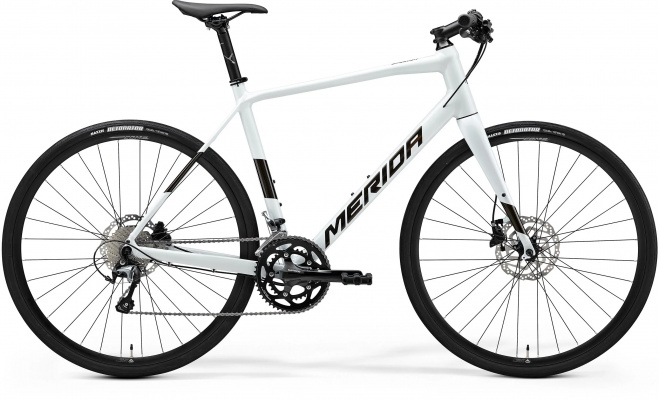
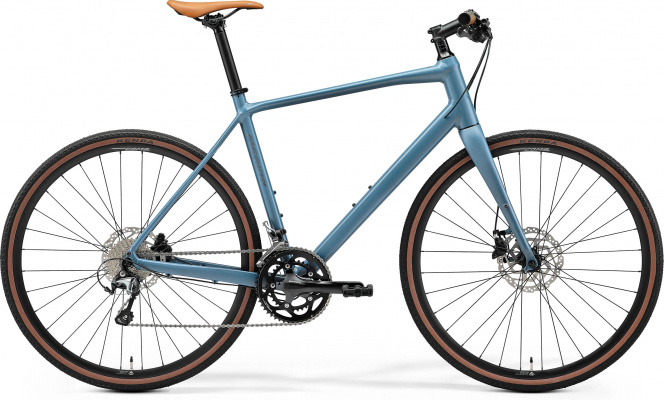
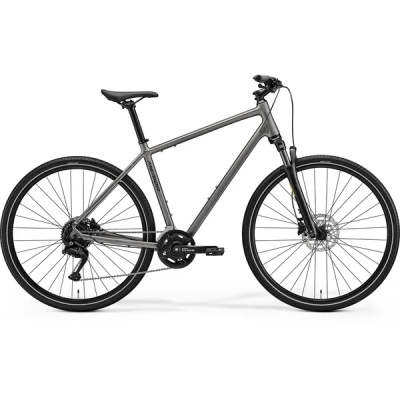
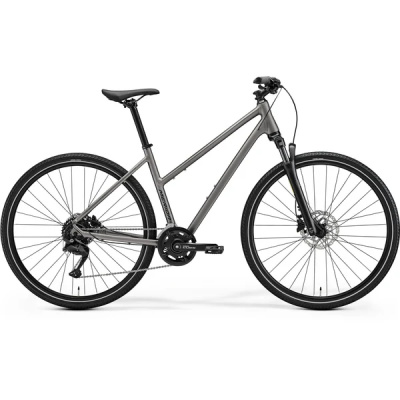
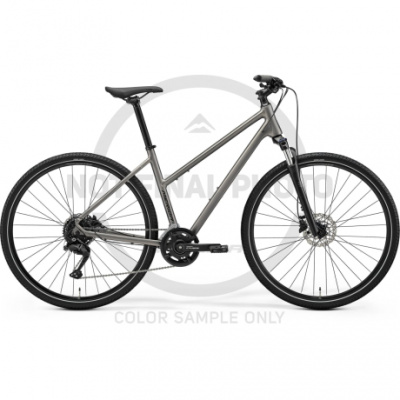
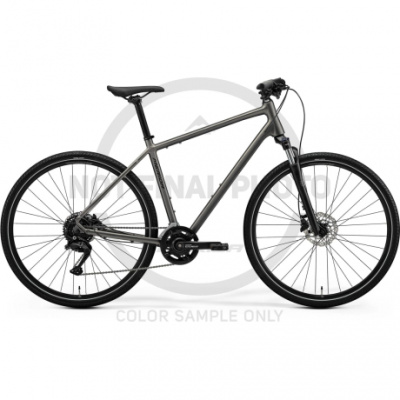
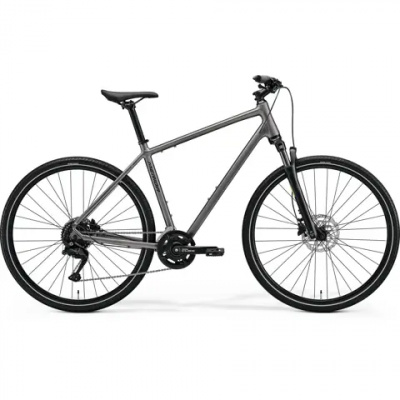
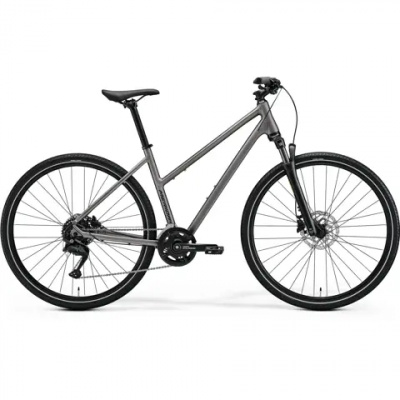
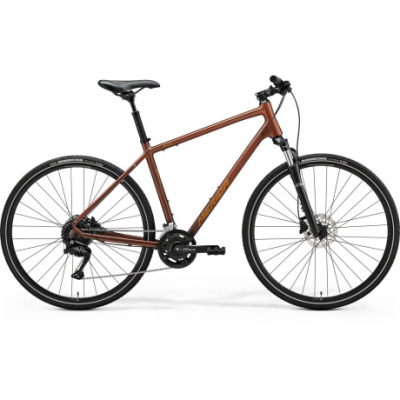
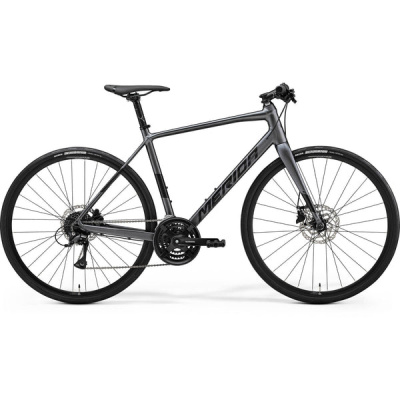
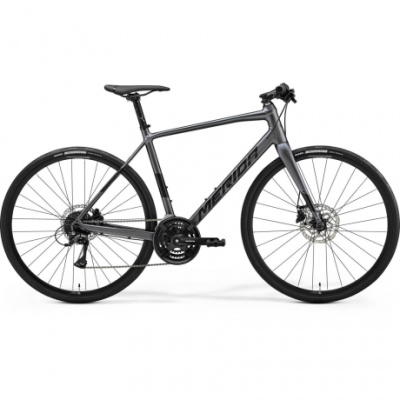
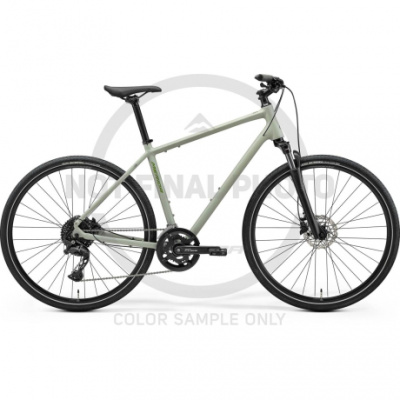
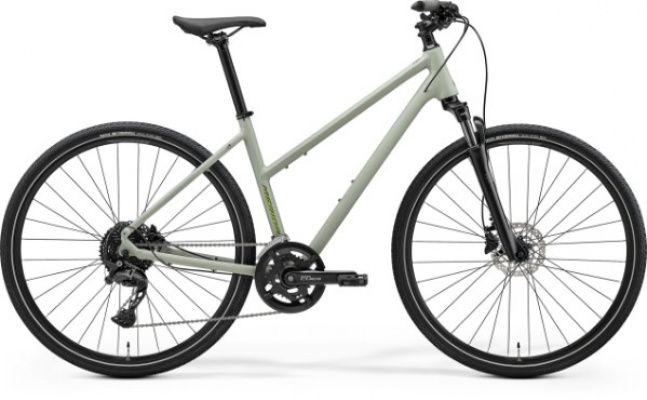
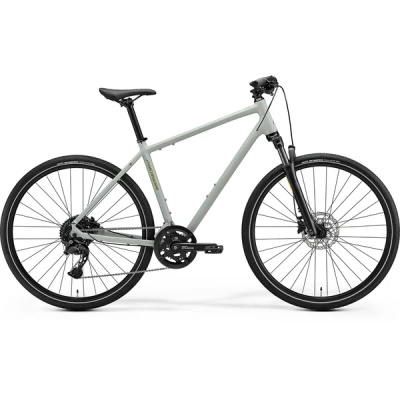
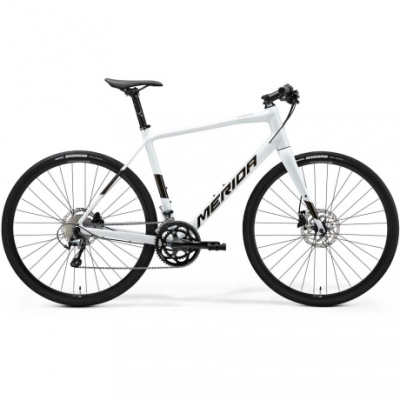
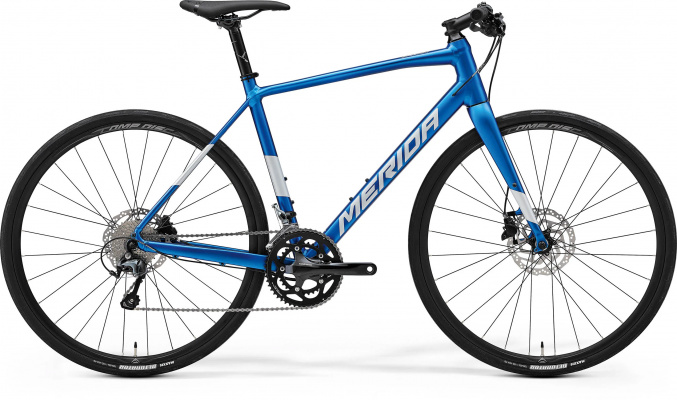
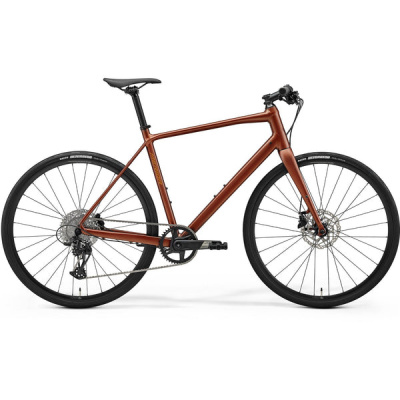
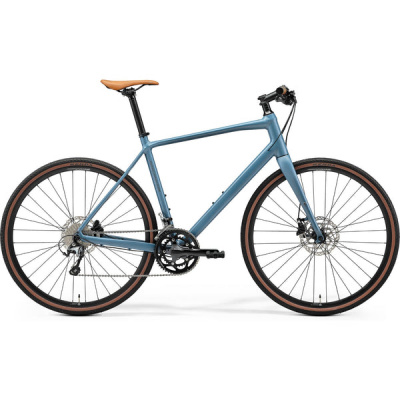
The lineup splits into two clear families. The Speeder is a rigid, flat-bar fitness bike that wants to move - point it at tarmac and it rewards effort. The Crossway takes a different angle: a short-travel suspension fork, a more upright position, and the kind of geometry that makes potholed back roads and gravel towpaths feel considerably less hostile. Both lines use Merida's TFS aluminum frame construction, and both come with mudguard mounts - which, if you're commuting in Britain, is a non-negotiable.
If pedal assistance is on your list, our Merida e-bikes page is where you want to be. For everyone else, here's how the hybrid range breaks down.
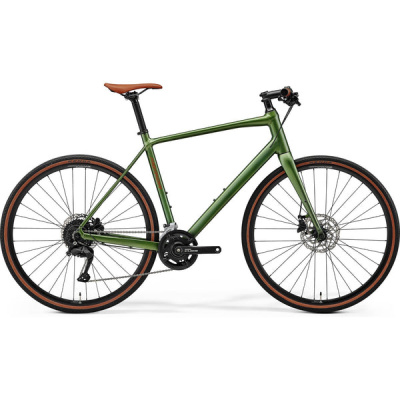
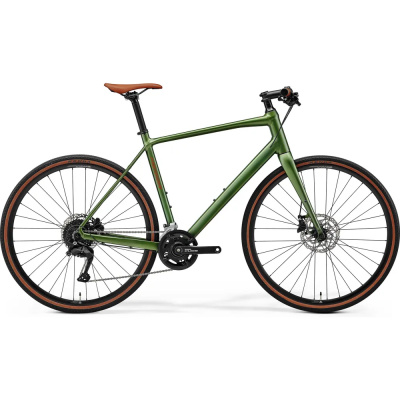

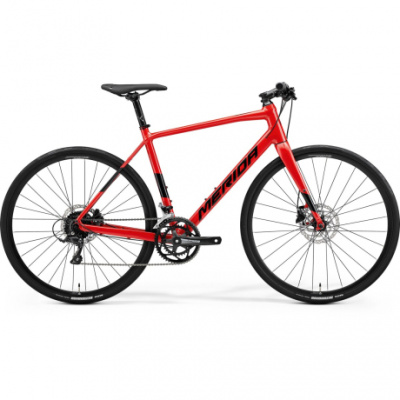
Prices and availability can change quickly. Delivery charges are not always included in listed prices.
Final price, stock status and delivery terms are set by retailer. We may receive a commission on purchases made.
Decoding the Merida Hybrid Lineup
Merida keeps the naming logic straightforward once you know the system. The two main families - Speeder and Crossway - cover different rider intentions, and within each, the number suffix tells you where you sit on the component ladder. A Crossway 100 runs entry-level Shimano gearing and mechanical brakes; step up to a Crossway 500 and you're into better Shimano groupsets, hydraulic disc brakes, and typically a more refined suspension fork. Same logic applies across the Speeder range.
The Speeder is Merida's flat-bar road bike - rigid fork, 700c wheels, a geometry that pitches you forward into an efficient position. It suits riders who want to cover ground quickly, whether that's a 12-mile commute or a brisk fitness loop. There's no suspension here to soak up energy; every pedal stroke goes into forward motion. Compare that to something like a Cannondale hybrid at a similar price and the Speeder tends to feel notably snappier on smooth tarmac.
The Crossway is the more forgiving option. A short-travel suspension fork takes the edge off broken surfaces, and the upright geometry keeps your weight back and your neck comfortable over longer rides. It's the one to pick if your route mixes cycle paths, towpaths, and the sort of urban roads that look like they've been repaired with a blindfold. Higher Crossway models come with internal cable routing, which matters more than it sounds once November arrives and the grit starts flying.
Worth noting: the Speeder Vs Crossway decision - what some riders search as Merida Speeder vs Crossway - really comes down to surface type and riding position preference, not pure speed. Both are capable Merida commuter bikes and solid Merida fitness bikes; it's the road quality on your regular route that should swing the call.
The Frame Tech Behind the Bikes
Merida's TFS (Techno Forming System) aluminum shaping is the foundation of the entire hybrid range. In plain terms, TFS allows Merida to manipulate tube profiles into complex shapes - varying wall thickness and cross-section along the length of a tube - without the cost overhead of full hydroforming. The result is a frame that's stiffer where it needs to be (the bottom bracket area, the head tube) and more compliant where you want a little give. It's a process most manufacturers only use at premium price points; Merida applies it across the range.
On higher-specification models, the X-Taper headtube is worth understanding. It accepts a tapered steerer fork, which stiffens the front end - particularly noticeable when you're braking hard into a junction or pushing the bike into a fast corner. For a Merida flat bar road bike like the Speeder 500, that's a meaningful handling improvement over a standard straight headtube setup.
The F-Flex technology on select models is subtler but practical. Merida engineers compliance into the seatpost and chainstays - not suspension, just a calibrated amount of give built into the carbon or alloy layup. On a long commute over chip-seal or rougher road surfaces, it translates to noticeably less fatigue through your lower back. Think of it as a passive shock absorber that adds nothing to the weight and requires zero maintenance. Cube's hybrid range takes a similar approach with their seatpost flex designs, though the execution differs.
Living with a Merida in the UK
The mudguard mounts across the Merida hybrid range aren't a footnote - they're a practical necessity. British roads in October through March are wet, gritty, and unpleasant, and a hybrid without full mudguard compatibility is a fair-weather tool at best. Merida builds these mounting points into both the Speeder and Crossway frames, so fitting a proper set of guards is a five-minute job rather than a compromise.
Tyre choice is the other thing worth sorting early. Stock rubber on most hybrid bikes is fine for dry conditions but can feel thin on the kind of 700c wheel setups these bikes run. If your commute involves patched tarmac or gravel cut-throughs, swapping to a 35c puncture-resistant tyre - something in the Schwalbe Marathon or Continental Contact range - is one of the cheapest and most effective upgrades you can make. The Crossway models tend to have more tyre clearance than the Speeder, so check the spec before you buy if wider rubber is a priority.
The internal cable routing on mid-to-upper Crossway models keeps winter salt and grit away from your gear cables, which genuinely preserves shifting quality over a full season. The trade-off is that if you're servicing the bike yourself at home, re-routing a snapped cable takes longer than on an externally routed frame. It's worth knowing before you commit, especially if you're a home mechanic who hates threading cables through tight frame channels. That said, for day-to-day durability on UK roads, it's the right call.
If the Crossway feels like more bike than you need but the Speeder feels too road-focused, it's also worth browsing Boardman's hybrid range or Giant's hybrid lineup for a different take on the same segment. Or if you find yourself eyeing gravel routes more than towpaths, Merida's own gravel bikes are worth a look alongside these.
Related searches:
Merida Hybrid Bikes FAQs
Are Merida hybrid bikes any good?
They're genuinely well-made. Merida is one of the biggest frame manufacturers in the world, and that expertise shows in the quality of their TFS aluminum construction and the reliability of the Shimano component packages across the range. You get a lot of bike for the money, with build quality that punches above the price point.
What is the difference between Merida Speeder and Crossway?
The Speeder is a rigid flat-bar road bike - fast on tarmac, efficient geometry, no suspension. The Crossway adds a short-travel suspension fork and a more upright riding position, making it the better fit for rougher surfaces, towpaths, and riders who want a less aggressive posture. If your commute is mostly smooth road, go Speeder. If it's mixed, go Crossway.
What size Merida hybrid bike do I need?
Merida hybrids run from XS to XL. As a rough guide, a rider around 5'9" typically fits a Medium, but the Crossway has a slightly shorter reach than the Speeder due to its more upright geometry - so the same rider might size differently between the two. Always cross-reference the geometry chart for the specific model before buying.