
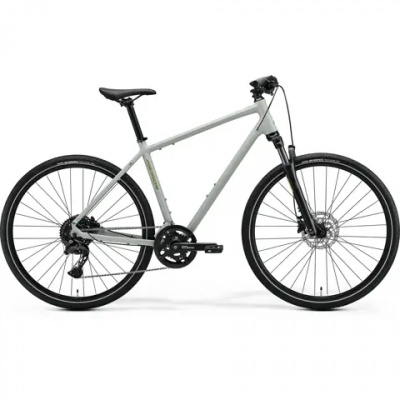
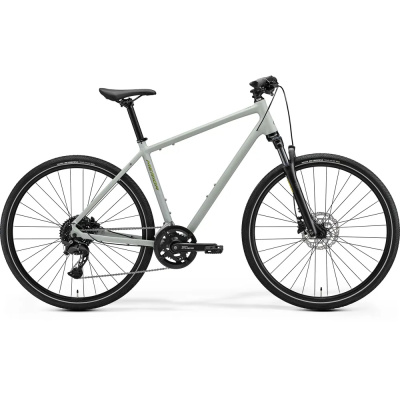
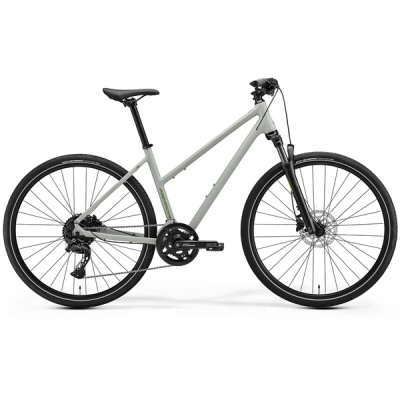
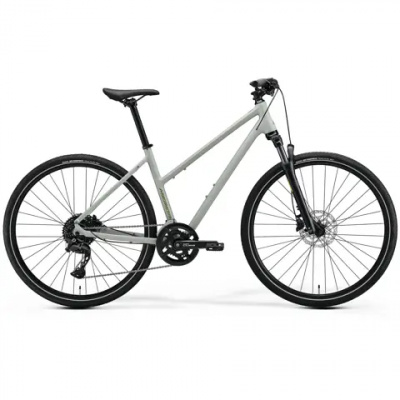
Merida CROSSWAY 300
Comfortable, practical hybrid that handles commutes, fitness rides, and light gravel without fuss or drama.
- Comfort geometry puts you upright for all-day ease
- Lockable Suntour fork: smooth bumps, firm on tarmac
- Shimano CUES 2×10: wide gears for hills and flats
- Hydraulic discs: confident stops in any weather
- Rack and mudguard mounts: commute-ready practicality
- 700×50C clearance: fit chunkier rubber for grip
Merida CROSSWAY 300 Deals
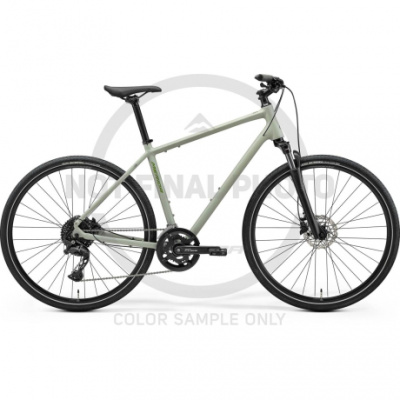
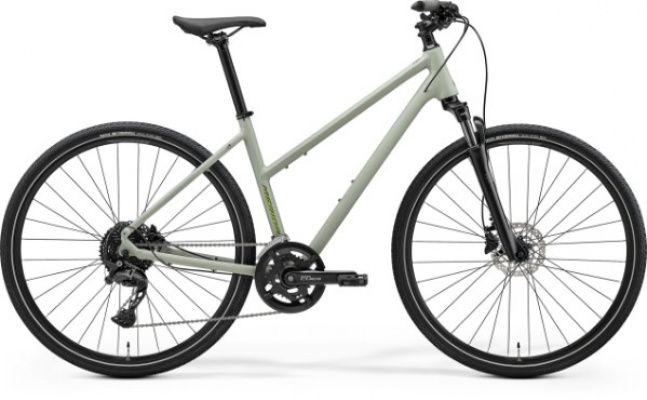
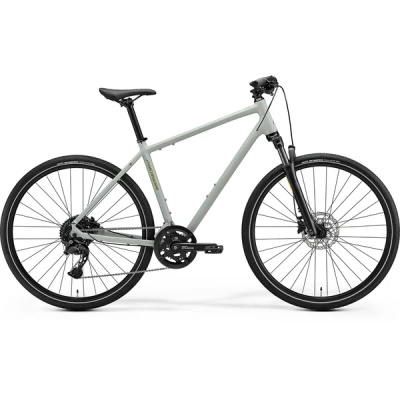

Prices and availability can change quickly. Delivery charges are not always included in listed prices.
Final price, stock status and delivery terms are set by retailer. We may receive a commission on purchases made.
Bikesy's Verdict
The Merida CROSSWAY 300 is a thoroughly sensible, well-executed hybrid that prioritises comfort, practicality, and versatile performance over outright speed. It's the sort of bike that'll handle your commute, your weekend rides, and the odd gravel byway without complaint, and it's specced well enough that you won't feel shortchanged on quality. The upright geometry and suspension fork make it genuinely comfortable for all-day riding, the wide gear range and hydraulic discs inspire confidence, and the mounts mean you can spec it for real-world use straight away.
It's not the lightest or fastest bike in its class, but that's not the point. If you want a single bike that does most things well, carries your kit, and doesn't punish you on rough roads or long rides, the CROSSWAY 300 delivers exactly that. It's dependable, capable, and refreshingly free of compromise where it matters most.
Pros
- Comfortable upright geometry suits all-day riding and commuting without strain
- Wide gear range and lockable suspension fork handle varied terrain confidently
- Hydraulic discs and practical mounts make it commute-ready in any weather
- Generous tyre clearance lets you tailor rubber to your riding
Cons
- Heavier than sportier hybrids if you're chasing speed or racing mates
- Upright position and suspension fork less efficient on long, fast tarmac rides
- Stock saddle and grips may need swapping for longer distances
About the Merida CROSSWAY 300
The Merida CROSSWAY 300 sits squarely in that sweet spot where practicality meets proper ride quality. Built around a TFS III aluminium frame with enough mounts to carry your life, it's the sort of bike that'll handle your commute on Monday, a canal-path potter on Saturday, and the odd gravel byway when you're feeling adventurous. Merida's pitched the geometry for comfort rather than speed, so you're sitting upright enough to see traffic, potholes, and the scenery without craning your neck or folding yourself in half.
Under you there's a Suntour NX1-DS fork offering 63 millimetres of squish and a lockout lever for when the road smooths out. Shimano's CUES 2×10 drivetrain delivers a broad spread of gears - low enough for laden climbs, tall enough to keep momentum on the flat - while MT200 hydraulic discs haul you up reliably in the wet. Maxxis Metropass rubber comes fitted at 700×45, but the frame will swallow up to 700×50 if you want more cushion or off-road bite. It's not trying to be a race bike or a full-blown tourer; it's the dependable middle ground that does most things well without fuss.
At 13.9 kilograms it's no featherweight, but that heft brings stability and the sort of planted feel that inspires confidence when you're threading through traffic or rolling over broken tarmac. The adjustable stem lets you fine-tune your cockpit, and the rack and mudguard eyes mean you can spec it for real-world use straight out of the box. If you want a bike that'll get you places comfortably, carry your kit, and handle the British weather without drama, the CROSSWAY 300 makes a strong case.
Merida CROSSWAY 300 geometry
Merida's drawn the CROSSWAY 300 with an upright stance that prioritises visibility and comfort over aerodynamics. Your weight sits further back, your hands rest higher, and the result is a posture that feels natural whether you're navigating city junctions or cruising a towpath. The head angle is relaxed enough to keep the front end stable at low speeds and when you're loaded with shopping or panniers, while the longer wheelbase smooths out the ride and resists twitchiness.
Reach and stack figures aren't published for the current model, but the frame comes in six sizes spanning XXS through to XL, with rider-height guidance that runs from 158 centimetres up to 187. Stem length varies by size - 95 millimetres on the smaller frames, 110 on the larger - so Merida's already tailored the cockpit to suit different proportions. The adjustable stem adds another layer of fine-tuning if you want to sit more upright or stretch out a touch.
On the road this geometry translates to a bike that steers predictably, absorbs bumps without pitching you forward, and doesn't punish your lower back on longer rides. It's not built for carving tight switchbacks or sprinting out of the saddle, but that's not the brief. When you're threading through traffic or rolling over rutted lanes, the stable, confidence-inspiring handling is exactly what you want.
Component choices & upgrades
The stock build on the CROSSWAY 300 is sensibly specced for its intended use. Shimano's CUES groupset is a relatively new platform that consolidates reliable shifting and a wide gear range without the complexity of older triple-chainring setups. The MT200 hydraulic brakes offer consistent modulation and power - more than adequate for commuting and leisure riding, even when the roads are slick. The Suntour fork won't win any weight-weenie awards, but the lockout function is genuinely useful when you hit smooth tarmac and want to firm things up for efficient pedalling.
Maxxis Metropass tyres strike a decent balance between rolling speed and grip, though if you're venturing onto rougher gravel or muddy bridleways more often, swapping to a chunkier tread pattern - perhaps something like a Schwalbe Marathon Mondial or a Continental Contact Travel - will give you more bite and puncture protection. The frame's generous clearance means you've got room to experiment. If you're mostly on tarmac and want to shave a bit of weight or improve rolling efficiency, dropping to a 700×38 slick is an easy win.
Beyond tyres, the contact points are where most riders will feel the benefit of an upgrade. The stock saddle and grips are functional, but if you're clocking longer distances, a saddle that suits your sit-bone width and a set of ergonomic grips with proper palm support will make a noticeable difference. The adjustable stem is already a bonus, so there's less need to swap that out unless you're chasing a very specific fit. Pedals aren't included, so budget for a decent set of platforms or SPDs depending on your preference. For most riders, though, the CROSSWAY 300 as it arrives is well sorted - upgrades are about tailoring to your specific use rather than fixing shortcomings.
Where the Merida CROSSWAY 300 excels
The CROSSWAY 300 is outstanding at comfortable, practical, everyday riding. If your typical week involves commuting through town, weekend rides on mixed surfaces, and the occasional loaded trip to the shops or a friend's house, this bike is built for exactly that. The upright position keeps you alert in traffic, the suspension fork takes the sting out of potholes and kerb drops, and the wide gear range means you're not grinding up hills or spinning out on descents. The hydraulic discs inspire confidence in the wet, and the rack and mudguard mounts mean you can spec it for year-round use without compromise.
It also handles light gravel and towpath riding with aplomb. The tyre clearance and stable geometry give you enough capability to explore canal paths, forest tracks, and byways without feeling out of your depth. It's not a dedicated gravel bike - the suspension fork and upright position aren't optimised for sustained off-road speed - but for mixed-surface exploration and utility riding, it's more than capable.
Where it's less ideal is fast-paced group rides or long-distance road touring. The weight and upright geometry mean you'll work harder to keep up with sportier hybrids or road bikes, and the suspension fork (even locked out) isn't as efficient as a rigid carbon fork when you're chasing speed. If you're planning multi-day tours with heavy loads, a dedicated touring bike with a stronger wheelset and more robust frame might serve you better. But for the vast majority of riders who want a single bike that does commuting, fitness, and weekend adventures without fuss, the CROSSWAY 300 hits the mark.
Merida CROSSWAY 300 FAQs
Is the Merida CROSSWAY 300 good for long distances?
The comfort-focused geometry and suspension fork make it capable of longer rides, especially on mixed surfaces where the compliance pays dividends. You'll find it more relaxed than a road bike, which suits leisurely touring and all-day comfort, though the weight and upright position mean you'll expend more energy at higher speeds. If your long rides are mostly on tarmac and you're chasing efficiency, a sportier hybrid or tourer would be a better fit.
What is the weight of the Merida CROSSWAY 300?
The current model weighs approximately 13.9 kilograms. That's typical for a comfort-oriented hybrid with a suspension fork and practical features like rack mounts. It's not a lightweight, but the stability and planted feel that come with the extra mass are part of the bike's character.
Can I fit pannier bags and mudguards to the Merida CROSSWAY 300?
Yes, the frame comes with dedicated mounts for both rear racks and mudguards, plus a kickstand mount. It's designed to be practical and commute-ready straight out of the box, so adding luggage and weather protection is straightforward.
What is the tyre clearance on the Merida CROSSWAY 300?
The frame will accommodate tyres up to 700×50C, which gives you plenty of room to fit chunkier rubber for comfort, grip, or off-road capability. The stock Maxxis Metropass tyres are 700×45, so there's scope to go wider or narrower depending on your riding.
Is the Merida CROSSWAY 300 suitable for gravel paths?
It handles light gravel and towpaths confidently thanks to the tyre clearance, stable geometry, and suspension fork. It's not a dedicated gravel bike - the upright position and fork aren't optimised for sustained off-road speed - but for mixed-surface exploration and utility riding, it's more than capable. Fit chunkier tyres if you're venturing onto rougher tracks regularly.
What type of brakes does the Merida CROSSWAY 300 have?
Shimano MT200 hydraulic disc brakes with 160-millimetre rotors front and rear. They offer reliable, consistent stopping power in all weather conditions, which is exactly what you want for commuting and mixed-surface riding.
How comfortable is the Merida CROSSWAY 300 for commuting?
Very. The upright geometry keeps you alert and visible in traffic, the suspension fork smooths out potholes and rough tarmac, and the wide gear range means you're not struggling on hills or spinning out on the flat. Add mudguards and a rack, and you've got a practical, year-round commuter that won't punish your back or wrists on the daily grind.
Key Features & Benefits
- TFS III aluminium frame with comfort geometry: Upright position reduces strain on your back and neck, keeping you comfortable and alert on longer rides and in traffic
- Suntour NX1-DS fork with 63mm travel and lockout: Absorbs potholes and rough surfaces for a smoother ride, then firms up with a lever flick when you hit smooth tarmac
- Shimano CUES 2×10 drivetrain: Wide gear range tackles steep climbs and flat sections without fuss, simpler and more reliable than older triple setups
- Shimano MT200 hydraulic disc brakes: Confident, consistent stopping power in wet or dry conditions, essential for commuting and mixed-surface riding
- Rack, mudguard, and kickstand mounts with 700×50C tyre clearance: Spec the bike for real-world use - carry your kit, stay clean in the wet, and fit chunkier tyres for comfort or off-road grip
Merida CROSSWAY 300 2025, 2024 & 2023 differences
The 2025 model shared the same TFS III aluminium frame and Shimano CUES 2×10 drivetrain as the current bike, with near-identical component spec. The 2024 version also ran the Suntour NX1-DS fork with 63-millimetre travel and lockout, paired with Shimano's 10-speed CUES groupset and MT200 hydraulic brakes - essentially the same platform with minor finishing-kit tweaks.
The 2023 model was reviewed as a dependable, comfort-focused hybrid with a huge gear range and decent hydraulic discs, though one review noted it lacked rack and mudguard mounts - a detail that conflicts with other model-year information and likely reflects a reviewer oversight, as mounts have been standard across the CROSSWAY line. Weight was flagged as a downside even then, with the bike tipping the scales on the heavier side of the hybrid category. Earlier iterations, including the 2021 and 2020 models, featured similar comfort-oriented geometry and practical mounts, though component spec varied - Tektro hydraulic brakes on the 2021, for example, and slightly different fork options across the years. The core philosophy - comfort, practicality, and versatile performance - has remained consistent throughout.
Alternatives to Consider
Within Merida's own range, the Speeder 200 offers a sportier, faster feel with a rigid fork and narrower tyres if you're prioritising tarmac speed over comfort and practicality. Step down to the CROSSWAY 100 and you'll save a bit of cash but lose the hydraulic brakes and some of the drivetrain refinement - fine if your riding is gentler and your budget tighter.
Cross-brand, the Specialized Sirrus 3.0 is a close peer with a similar comfort-first geometry, hydraulic discs, and practical mounts, though it typically runs a rigid fork for a lighter, more efficient ride on tarmac. The Trek FX 3 Disc offers comparable spec and versatility, with a slightly sportier edge and a well-regarded frame design. The Giant Escape 2 Disc undercuts on price while delivering hydraulic brakes and a wide gear range, though the fork is often mechanical rather than lockable. For a bit more off-road capability, the Cannondale Quick CX 3 brings chunkier tyres and a more adventure-ready feel, while the Marin Fairfax 2 offers a similar blend of comfort and practicality with a slightly different component mix. Each of these bikes trades slightly different strengths - weight, efficiency, off-road capability, or price - but the CROSSWAY 300's combination of comfort, practicality, and versatile performance keeps it competitive in a crowded field.
Reviews
Shimano's CUES drivetrain shifts cleanly across the 2×10 range, delivering low gears that make laden climbs manageable and tall ratios that keep you spinning on the flat. The MT200 hydraulic brakes bite predictably in the wet, with enough power to haul the bike up from speed without drama. When the road turns rough, the Suntour fork soaks up the worst of the bumps, and the lockout lever firms things up when you're back on smooth tarmac - simple, effective, and genuinely useful.
Comfort is the defining trait. Because the geometry sits you upright, your weight rests on the saddle rather than your wrists, and longer rides don't leave you with numb hands or a stiff neck. The stable handling inspires confidence when you're threading through traffic or rolling over broken surfaces, and the generous tyre clearance means you can tailor the ride feel with a simple rubber swap. It's not a bike that begs to be thrashed, but it rewards steady, purposeful riding with a planted, reassuring feel that makes everyday journeys genuinely pleasant.
Weight is the trade-off. At nearly 14 kilograms, it's not a bike you'll want to carry up flights of stairs, and you'll notice the mass when accelerating or climbing out of the saddle. Yet that heft brings stability, and for the sort of riding the CROSSWAY 300 is built for - commuting, fitness, mixed-surface exploration - the extra kilos matter less than the comfort and capability they enable. Fit a rack, load it with shopping or camping kit, and the bike just absorbs the weight and keeps rolling.
Full Specification
| Spec | Value |
|---|---|
| Frame Material | Aluminium (RACELITE 61, TFS III) |
| Frame Design | Comfort geometry, upright riding position |
| Frame Features | Concealed cable channel, mounts for rear rack and fenders, kickstand mount |
| Tyre Clearance | 700x50C |
| Bottom Bracket | BSA |
| Rear Axle | 135x9mm |
| Fork | Suntour NX1-DS |
| Fork Travel | 63mm |
| Fork Adjustments | Lockable coil suspension |
| Drivetrain | Shimano CUES 2x10-speed |
| Shifters | Shimano CUES U6000 |
| Front Derailleur | Shimano CUES U6010 |
| Rear Derailleur | Shimano CUES U6020 |
| Crankset | Shimano CUES U4010 |
| Cassette | 11-39T |
| Chain | KMC xGlide |
| Brakes | Shimano MT200 hydraulic disc |
| Rotors (Front) | Shimano RT10 160mm |
| Rotors (Rear) | Shimano RT10 160mm |
| Tyres (Front) | Maxxis Metropass 700x45c |
| Tyres (Rear) | Maxxis Metropass 700x45c |
| Handlebar | Merida Comp CC, 660mm width, 25mm rise |
| Stem | Merida Comp TK, adjustable, 31.8mm clamp diameter |
| Stem Length (XXS/XS/S/M) | 95mm |
| Stem Length (L/XL) | 110mm |
| Headset | Merida M2346 Neck |
| Seatpost Diameter | 30.9mm |
| Seatpost Setback | 15mm |
| Seatpost Length (XXS/XS) | 300mm |
| Seatpost Length (S/M) | 350mm |
| Seatpost Length (L/XL) | 400mm |
| Saddle | Merida Cross Sport |
| Weight (Approx) | 13.9 kg |