
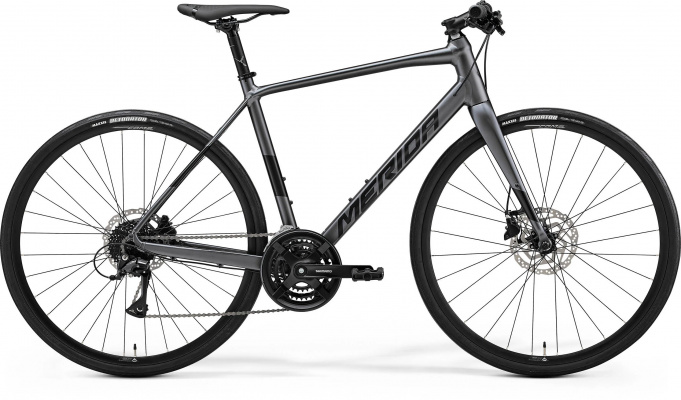
Merida SPEEDER 100
Fast, practical fitness bike that blends road-bike pace with flat-bar control and genuine year-round versatility.
- Speeder Lite III frame: hydroformed triple-butted aluminium
- Full carbon fork with tapered steerer
- Shimano CUES 2x9 drivetrain for smooth shifts
- Shimano MT200 hydraulic discs: confident all-weather braking
- Clearance for 35mm tyres; 32mm with mudguards
- Rack, fender and kickstand mounts for versatility
Merida SPEEDER 100 Deals

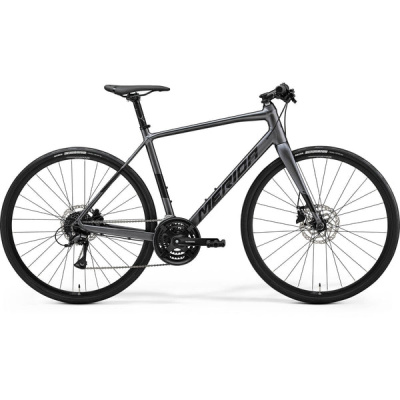
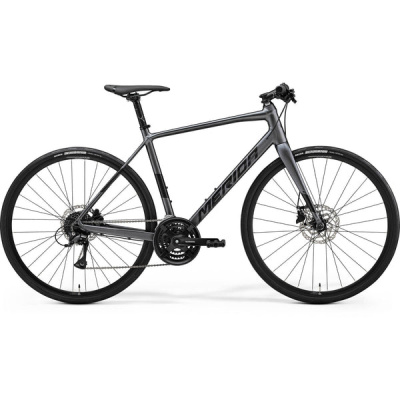
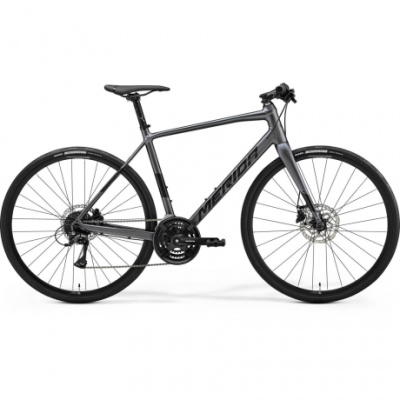
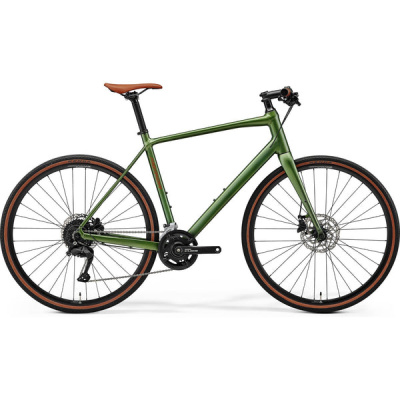
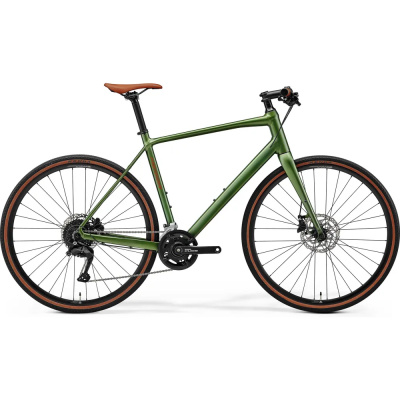
Prices and availability can change quickly. Delivery charges are not always included in listed prices.
Final price, stock status and delivery terms are set by retailer. We may receive a commission on purchases made.
Bikesy's Verdict
The Merida Speeder 100 is one of those rare bikes that does exactly what it says on the tin - and does it well. It's light enough to feel quick, comfortable enough for long rides, and practical enough to handle mudguards, a rack, and year-round commuting without breaking a sweat. The hydroformed aluminium frame and full carbon fork give you a ride quality that punches well above the price, while the Shimano CUES drivetrain and MT200 hydraulic brakes deliver the reliability and performance you need for daily use.
If you're after a single bike that'll handle the commute, the weekend fitness loop, and the occasional gravel path without complaint, the Speeder 100 is a brilliant choice. It's not the lightest or the most specialised, but it's genuinely versatile, well built, and excellent value. You'll be hard-pressed to find a more capable all-rounder at this price point.
Pros
- Lightweight hydroformed aluminium frame with full carbon fork
- Shimano MT200 hydraulic discs: powerful, consistent braking in all weathers
- Shimano CUES 2x9 drivetrain offers smooth, reliable shifts
- Clearance for 35mm tyres; mounts for mudguards, rack and kickstand
- Stable, comfortable geometry suits commuting and fitness riding
- Excellent value for the spec and build quality
Cons
- Heavier than pricier carbon fitness bikes if you're chasing outright speed
- Rigid fork and limited tyre clearance compared to dedicated gravel machines
- Flat bar won't suit riders wanting drop-bar hand positions or aero efficiency
About the Merida SPEEDER 100
The Speeder 100 sits in that sweet spot where road-bike speed meets flat-bar practicality. Merida's taken their Speeder Lite III frame - hydroformed triple-butted 6066 aluminium that's shared DNA with their endurance road machines - and paired it with a full carbon fork, hydraulic discs, and a Shimano CUES 2x9 drivetrain. The result is a bike that'll sprint away from the lights, hold a brisk tempo on your evening loop, and still let you bolt on mudguards and a rack when the weather turns or you need to haul a laptop.
It's not trying to be a gravel bike or a pure road racer. Instead, it carves out a niche for riders who want one machine that handles the commute, the weekend fitness ride, and the occasional detour down a towpath without complaint. The geometry borrows from Merida's endurance road stable - longer reach for stability, upright enough to see over traffic, sporty enough that you won't feel like you're piloting a barge. You get proper stopping power from the MT200 hydraulics, clearance for 35mm rubber (32mm if you fit guards), and a frame weight that hovers around 10.5 to 11 kilograms depending on build and size.
We've spent time examining the Speeder 100 at expos and in showrooms, poring over the spec sheets and comparing it against the wider fitness-hybrid field. The consensus from trusted test coverage is clear: this is a bike that punches well above its price point, blending quality materials, sensible component choices, and genuine versatility. It's the kind of machine that rewards you for putting in the effort - responsive when you push, comfortable when you ease off, and practical when you need it to be.
Merida SPEEDER 100 geometry
Merida's dialled in a geometry that prioritises stability and visibility without sacrificing pace. The reach grows progressively from XXS through to L, giving you a stretched-out position that's stable at speed but never feels like you're lying on the top tube. Stack climbs in step, so the cockpit stays upright enough for traffic awareness and all-day comfort. The head angle steepens slightly as you move up the sizes - 70 degrees on the XXS, 72 on the L - which keeps the front end responsive without getting twitchy.
Chainstays are a consistent 438 millimetres across the range, short enough to keep the rear wheel tucked in for snappy acceleration but long enough that the bike doesn't feel nervous when you're carrying a pannier or two. The wheelbase stretches from just over a metre on the smallest frame to 1075 on the L, giving you planted, predictable handling whether you're threading through rush-hour traffic or holding a line on a fast descent. Bottom bracket drop is a modest 65 millimetres, so you've got decent cornering clearance for pedals and won't clip a kerb when you're filtering.
What does that translate to in the saddle? You sit upright enough to scan junctions and potholes, but the reach means you're not bolt-upright like a Dutch city bike. When you stand to sprint or climb, the front end stays composed - no wandering or flex. The longer wheelbase soaks up road buzz and keeps the bike tracking straight even when the surface gets rough or you hit a patch of gravel. It's a geometry that flatters less experienced riders while still giving confident cyclists the control they want.
Component choices & upgrades
The stock build is already well sorted. Shimano's CUES 2x9 drivetrain delivers crisp, reliable shifts across a wide enough range to tackle urban hills and longer rides without spinning out on the flat. The MT200 hydraulic brakes are a step up from mechanical discs - consistent lever feel, powerful modulation, and they work just as well in the wet. The full carbon fork is a genuine highlight, damping vibration and keeping the front end precise without adding weight. Merida's own-brand finishing kit - Comp SL saddle, Comp TK bars, Comp CC stem and post - is functional and light enough that you won't feel the need to swap it immediately.
That said, there's room to tailor the bike if your riding evolves. The Kenda or Maxxis tyres that come fitted are decent all-rounders, but if you're spending more time on rough lanes or towpaths, a set of 35mm Schwalbe Marathons or Continental Contact Speeds will add grip and puncture protection. The Merida Comp SL wheels are tubeless-ready, so you can ditch the inner tubes, drop a bit of weight, and run lower pressures for better comfort and traction - just budget for sealant and valves. If you're chasing every gram or planning longer sportives, a lighter saddle or a set of alloy pedals with proper grip will make a noticeable difference.
The beauty of the Speeder 100 is that the frame and fork are strong enough to grow with you. You don't need to upgrade immediately - ride it as it comes, figure out what you actually need, then spend your money where it'll make the biggest impact. The hydraulic brakes and CUES drivetrain are solid enough that most riders won't outgrow them; any upgrades are about personalising the bike to your terrain and ambitions, not fixing shortcomings.
Where the Merida SPEEDER 100 excels
This bike is outstanding at fast, efficient commuting and fitness riding on tarmac and smooth gravel. If your typical ride involves a mix of urban roads, cycle paths, and the occasional canal towpath, the Speeder 100 will feel like it was designed for exactly that. The lightweight frame and carbon fork mean you can hold a brisk pace without feeling like you're fighting the bike, while the upright position and powerful brakes give you the control and confidence you need in traffic. The wide tyre clearance and accessory mounts mean you can fit mudguards, a rack, and still have room for proper rubber - so it's genuinely practical for year-round use.
It's also excellent for weekend fitness rides where you want to cover distance without discomfort. The geometry strikes that rare balance between sporty and sustainable: you can push hard on the climbs, settle into a rhythm on the flat, and still feel fresh after a couple of hours. The CUES drivetrain gives you enough gears to spin up steep pitches or wind it out on descents, and the hydraulic discs mean you can brake late and hard without worrying about fade or inconsistency.
Where it's not ideal: this isn't a bike for technical off-road riding or proper gravel racing. The rigid fork and relatively narrow tyre clearance (compared to dedicated gravel machines) mean you'll feel every root and rock if you venture onto singletrack. It's also not the lightest option if you're chasing Strava KOMs or planning to race - there are pricier carbon fitness bikes that'll shave a kilo or more. And while the flat bar is perfect for visibility and control, it won't give you the hand positions or aerodynamics of a drop-bar road bike. Think of the Speeder 100 as a brilliant generalist: it does a lot of things very well, but it's not a specialist tool.
Merida SPEEDER 100 FAQs
What is the tyre clearance on a Merida Speeder 100?
The frame and fork will take up to 700x35C tyres. If you fit mudguards, you're limited to 32mm rubber, which is still plenty for most mixed-surface riding. That clearance gives you the flexibility to run wider, more comfortable tyres for rough roads or towpaths without rubbing.
Is the Merida Speeder 100 a good bike for commuting?
Absolutely. The upright position gives you excellent visibility in traffic, the hydraulic discs work reliably in all weathers, and there are mounts for mudguards, racks, and a kickstand. It's light enough to feel quick but practical enough to carry a week's shopping or a change of clothes. The wide tyre clearance means you can fit puncture-resistant rubber and keep rolling through winter.
What is the weight of the Merida Speeder 100?
Complete bike weight sits around 10.5 to 11.1 kilograms depending on size and exact build spec. That's competitive for an aluminium fitness bike with hydraulic discs and a carbon fork - light enough to feel responsive, sturdy enough to handle daily use and a loaded rack.
What type of brakes does the Merida Speeder 100 have?
Shimano MT200 hydraulic disc brakes with 180mm rotors front and rear. They offer consistent, powerful stopping in all conditions - rain, mud, or dust - and the hydraulic actuation means less hand effort and better modulation than mechanical discs or rim brakes.
Can I fit fenders and a rack to a Merida Speeder 100?
Yes. The frame has multiple eyelets for mudguards, a rear rack, and even a kickstand. When you fit guards, you'll need to drop to 32mm tyres, but that's still wide enough for comfortable all-weather riding. It's a genuinely practical setup for year-round commuting or light touring.
What is the gearing range of the Merida Speeder 100?
The Shimano CUES 2x9 drivetrain gives you 18 gears with a wide enough spread to tackle steep urban climbs and still have top-end speed on the flat. The exact cassette range isn't confirmed for the newest model, but previous iterations ran an 11-36 tooth cassette paired with a compact double chainset - plenty for most riders' needs.
Is the Merida Speeder 100 suitable for light gravel paths?
Yes, within reason. The rigid carbon fork and clearance for 35mm tyres mean you can handle smooth gravel paths, canal towpaths, and packed dirt without trouble. The longer wheelbase and stable geometry keep the bike composed on loose surfaces. It's not designed for technical singletrack or deep gravel, but for mixed-surface fitness rides it's more than capable.
What size Merida Speeder 100 should I get for my height?
Merida publishes rider height ranges for each frame size: XXS suits 151 - 164 cm, XS covers 156 - 166 cm, S fits 163 - 174 cm, M is for 171 - 182 cm, and L accommodates 179 - 189 cm. If you're between sizes, consider your riding style - smaller for a more agile feel, larger for stability and comfort on longer rides. A proper test ride or bike fit will always give you the best answer.
Key Features & Benefits
- Speeder Lite III hydroformed aluminium frame: Lightweight, responsive ride with endurance-road comfort and stability for all-day efforts
- Full carbon fork with tapered steerer: Damps vibration, sharpens steering precision, and keeps the front end stiff without adding weight
- Shimano MT200 hydraulic disc brakes: Consistent, powerful stopping in wet or dry conditions with less hand effort and better modulation
- Shimano CUES 2x9 drivetrain: Wide gear range and smooth, reliable shifts for tackling hills and holding pace on the flat
- Clearance for 35mm tyres and multiple accessory mounts: Fit wider rubber for comfort and grip, add mudguards and a rack for year-round practicality
Merida SPEEDER 100 2025 and 2024 differences
The 2025 model introduced Shimano's CUES 2x9 drivetrain, replacing the older 3x8 setup found on 2024 and earlier iterations. The CUES groupset brought smoother, more reliable shifting and a wider gear range with fewer chainrings - simpler to maintain and less prone to chain drops. Shimano QC300 hubs replaced the previous Joytech front and Shimano TX505 rear combination, offering improved durability and easier servicing.
The 2024 and 2022 models ran a Shimano 3x8 drivetrain with a TY301 crankset (48-38-28 teeth) and an 11-32 tooth 8-speed cassette. While functional, the triple chainset added weight and complexity compared to the newer 2x9 setup. Brakes remained Shimano MT200 hydraulics across both years, though rotor sizes varied slightly between 160mm and 180mm depending on regional spec. Tyre spec also shifted: earlier models came with Maxxis Detonator 700x32C tyres, while later builds moved to Kenda Tanwall 35mm rubber for better comfort and grip on mixed surfaces.
Frame geometry and material remained consistent across 2024, 2025, and 2026 - the same Speeder Lite III hydroformed aluminium and full carbon fork - so the ride character and handling are largely unchanged. The key improvements in the 2025 and 2026 models centre on drivetrain refinement and component quality rather than a wholesale redesign.
Alternatives to Consider
Within Merida's own range, the Speeder 200 steps up with a higher-spec Shimano drivetrain and lighter finishing kit if you want more refinement without leaving the family. The Speeder 300 pushes further still with better wheels and components for riders chasing outright performance. If you prefer a more relaxed, comfort-first position, Merida's Crossway 100 offers a similar price point but with a more upright geometry and slightly wider tyres as standard - ideal if your riding is less about pace and more about practicality.
Cross-brand, the Specialized Sirrus 2.0 is a direct peer: aluminium frame, flat bar, hydraulic discs, and a similar fitness-hybrid brief. The Sirrus leans slightly more towards urban agility, while the Speeder 100's longer wheelbase favours stability. The Trek FX 3 Disc is another close match, with a comparable spec and geometry that's equally at home on commutes and weekend rides. Giant's Escape 2 Disc offers similar versatility and value, though the Speeder's carbon fork gives it an edge in ride quality. For riders wanting a touch more off-road capability, the Cannondale Quick CX 3 adds a suspension fork and slightly knobbier tyres, though you'll sacrifice some on-road efficiency. The Boardman HYB 8.9 is worth a look if you're after a British-designed alternative with a similar blend of speed and practicality, though availability can be more limited.
Reviews
Trusted test coverage consistently highlights the Speeder 100 as a standout in the fitness-hybrid category, particularly for its blend of performance and value. The hydroformed aluminium frame and full carbon fork deliver a ride quality that feels closer to a road bike than a typical hybrid - responsive when you push, smooth over rough tarmac, and light enough that you're not fighting the weight on climbs. Steering precision impresses: the tapered carbon fork keeps the front end composed even when you're threading through traffic or carving into a fast corner.
Shimano's MT200 hydraulic brakes earn praise for their consistent, powerful modulation. We rate the confidence they inspire in wet conditions and heavy traffic, where rim brakes or mechanical discs would leave you second-guessing. The CUES 2x9 drivetrain shifts cleanly across the range, and the gear spread is wide enough that most riders won't feel under- or over-geared on typical mixed-terrain rides. When you're sprinting away from lights or grinding up a steep pitch, the drivetrain responds without fuss.
Comfort and practicality are recurring themes. The geometry strikes a rare balance: upright enough for all-day comfort and visibility, sporty enough that you don't feel like you're sitting on a park bench. Tyre clearance and accessory mounts mean the bike adapts to your needs - fit mudguards and a rack for winter commuting, swap in wider tyres for towpath detours, or strip it down for fast summer fitness rides. Because the frame and fork are genuinely capable, the bike grows with you rather than feeling like a compromise.
Minor criticisms centre on component mix in older model years - some iterations featured lower-tier front derailleurs or heavier finishing kit - but the current build addresses those niggles. Weight is competitive for the category, though riders chasing every gram will find lighter options at higher price points. Overall, the Speeder 100 delivers exactly what it promises: a fast, versatile, practical machine that rewards effort and handles the everyday grind without complaint.
Full Specification
| Spec | Value |
|---|---|
| Frame Material | Triple butted 6066 series aluminium, hydroformed |
| Frame Design | Speeder Lite III |
| Frame Features | Internal cable routing; eyelets for fenders, rack, and kickstand; maximum tyre clearance 700x35C (32mm with mudguards) |
| Available Sizes | XXS, XS, S, M, L, XL |
| Bottom Bracket | BSA threaded |
| Rear Axle | 135x9mm Quick Release |
| Fork | Merida Speeder CF2, full carbon, tapered steerer, rigid bladed design |
| Drivetrain | Shimano CUES 2x9 |
| Shifters | Shimano CUES U4000-L/R |
| Rear Derailleur | Shimano CUES U3020 SGS |
| Front Derailleur | Shimano CUES FD-U4010-L |
| Crankset | Shimano CUES |
| Cassette | 9-speed |
| Chain | KMC xGlide or Sunrace CN-M84 |
| Brakes | Hydraulic disc |
| Brake Levers | Shimano MT200 |
| Brake Calipers | Shimano MT200 |
| Rotors | 180mm front and rear |
| Rims | Merida Comp SL, 17mm internal width, 22mm height, aluminium, tubeless ready |
| Hubs (Front) | Shimano QC300, centerlock |
| Hubs (Rear) | Shimano FH-QC300-HM, centerlock |
| Spokes | Black stainless |
| Tyres | 700x32C or 700x35C |
| Handlebar | Merida Comp TK, aluminium, 600mm width, flat |
| Stem | Merida Expert CC or Merida Comp CC, aluminium, 31.8mm diameter, 6° or 7° angle; length varies by size: 80mm (XXS/XS), 90mm (S), 100mm (M), 110mm (L/XL) |
| Headset | Merida M2331 Neck or Merida M2341 Neck |
| Seatpost | Merida Comp CC, aluminium, 30.9mm diameter, 5mm setback |
| Saddle | Merida Comp SL, 22% recycled material, V-mount |
| Pedals | VP VPE-891 |
| Weight (Approx) | 10.56 - 11.1 kg |