
Merida Gravel Bikes
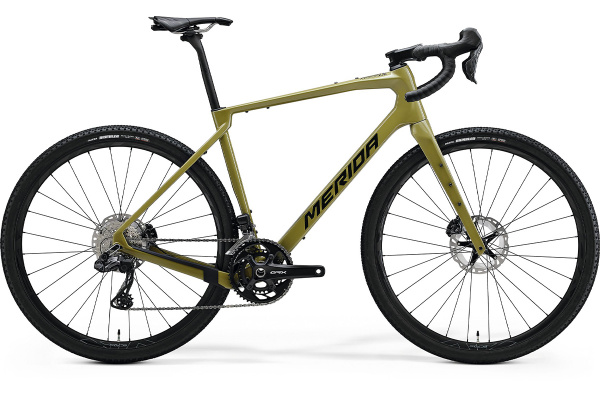
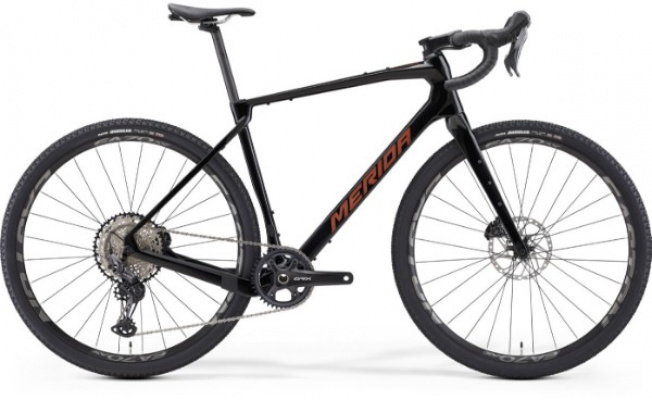
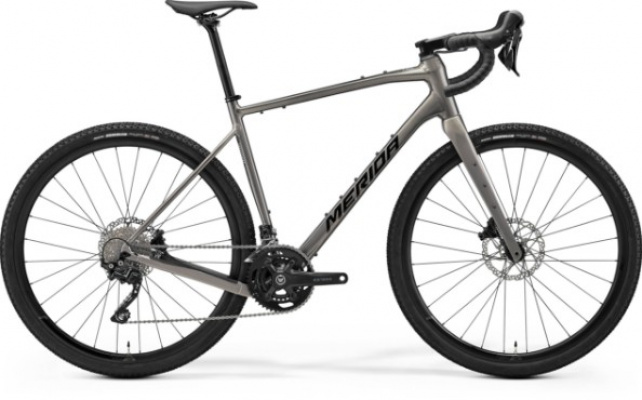
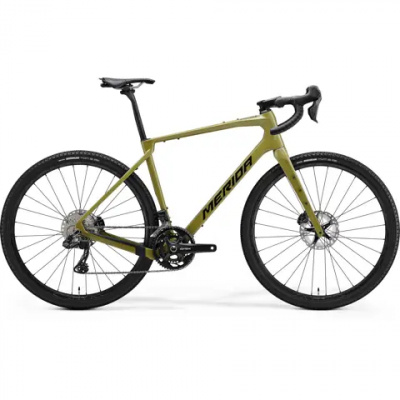
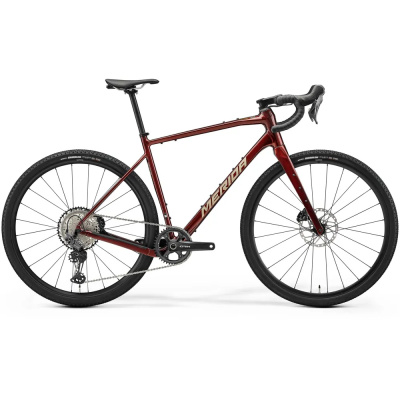
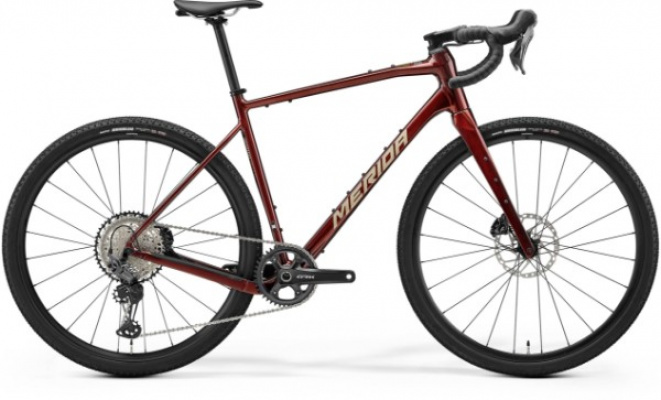
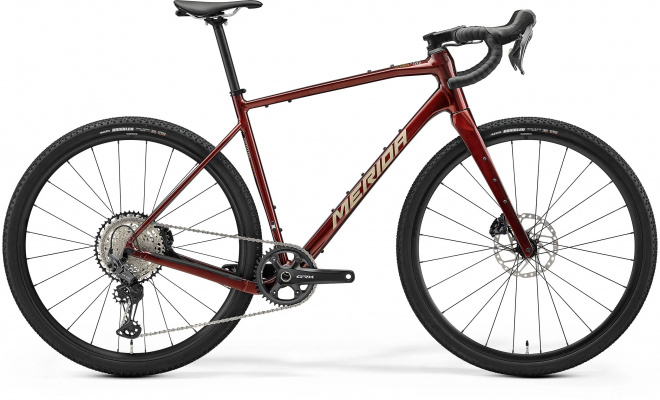
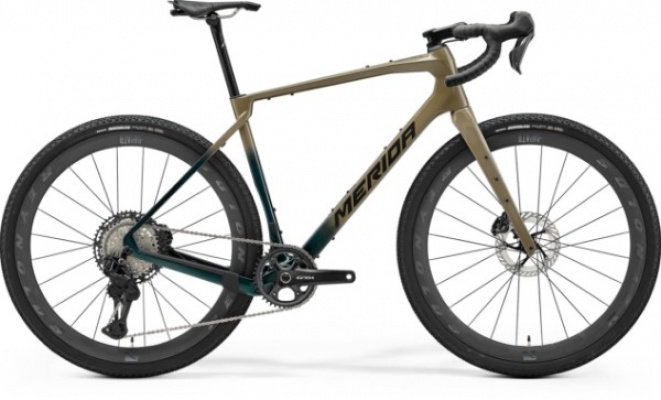
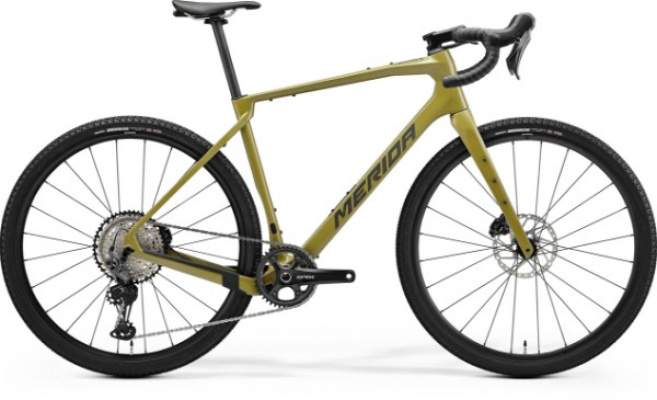
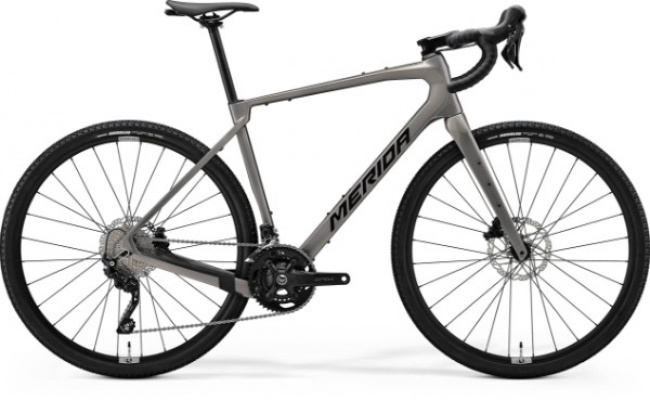
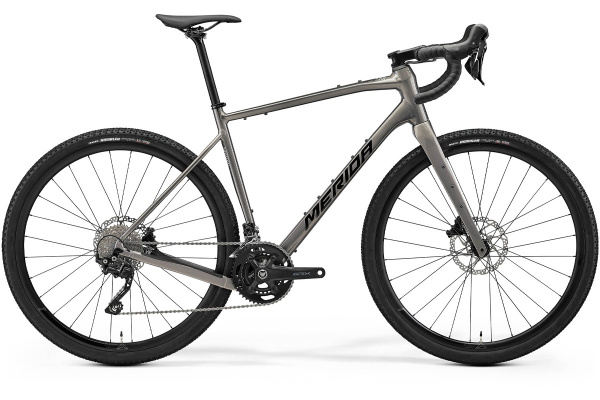
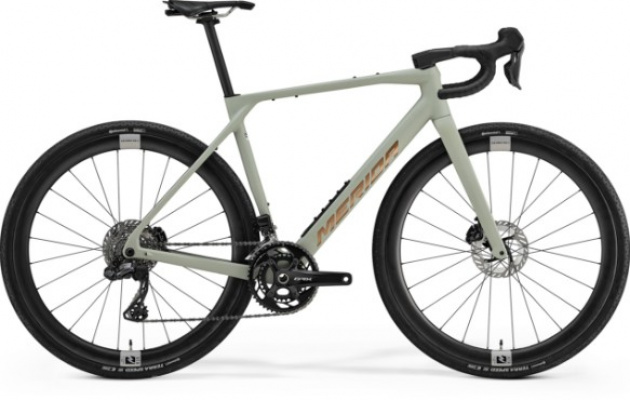
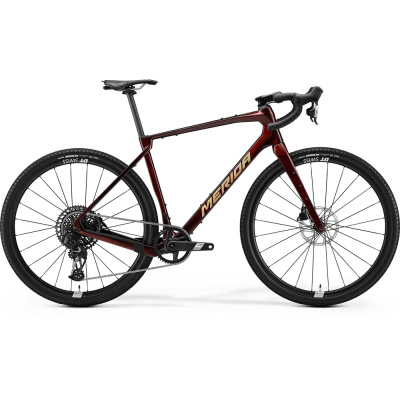
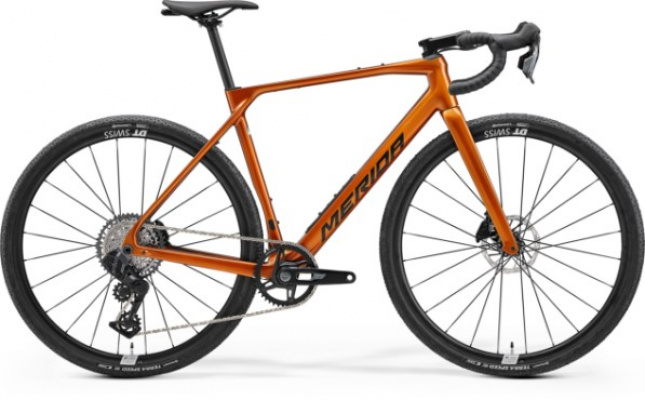
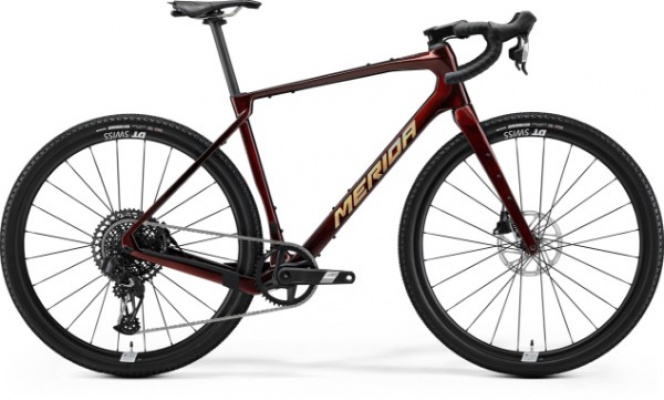
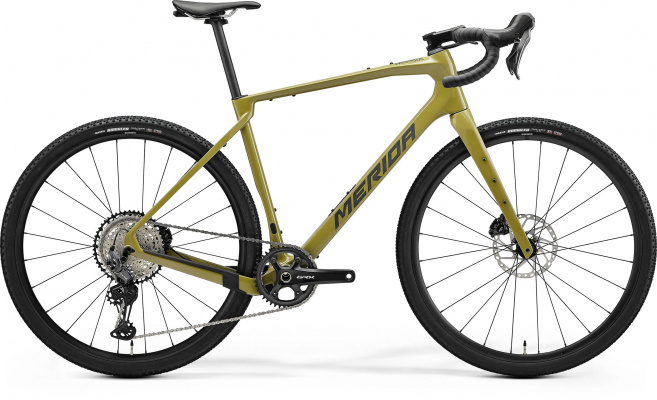
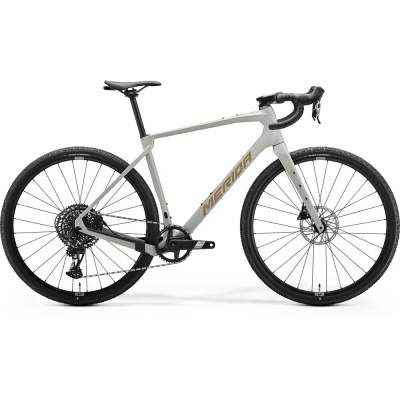
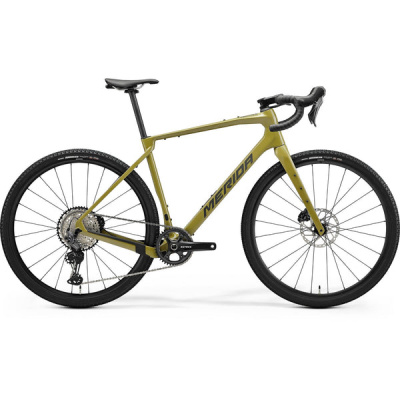
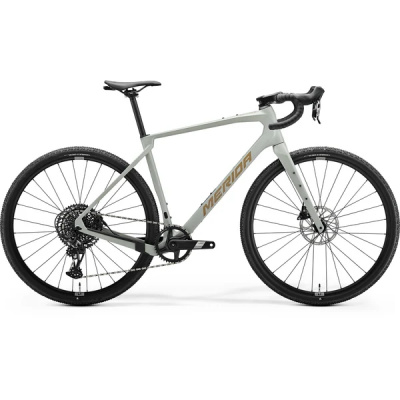
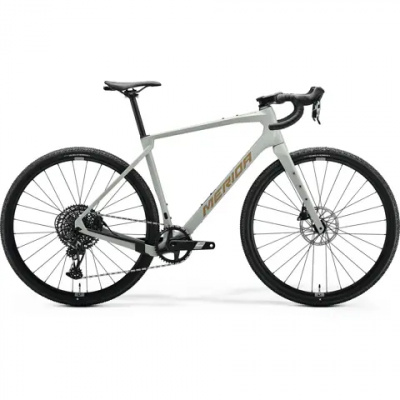
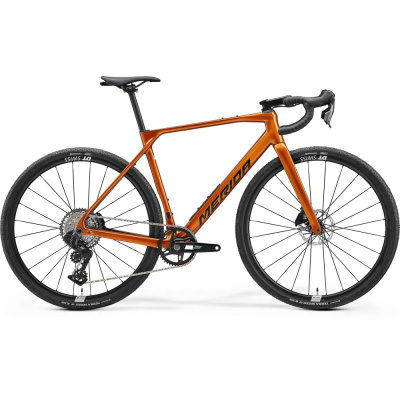
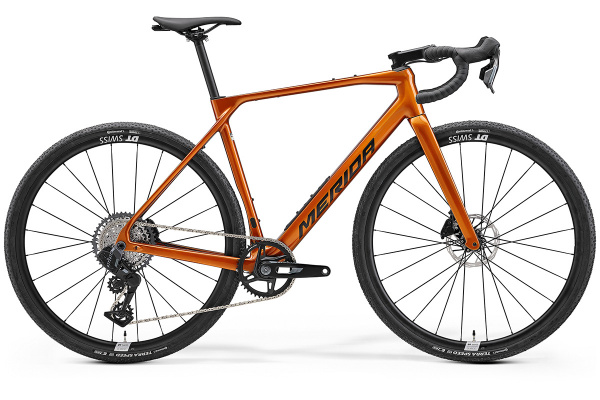
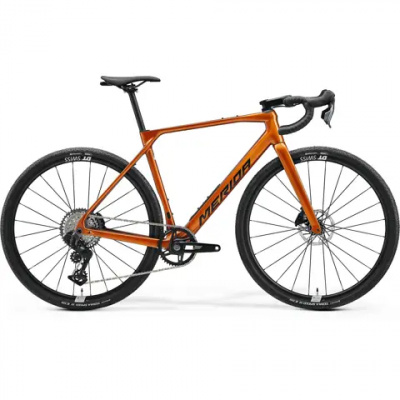
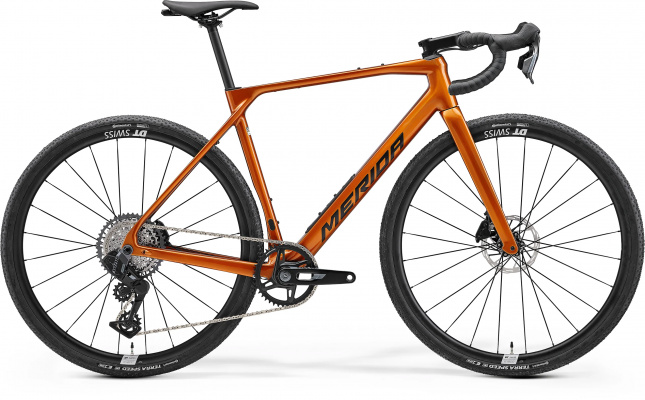
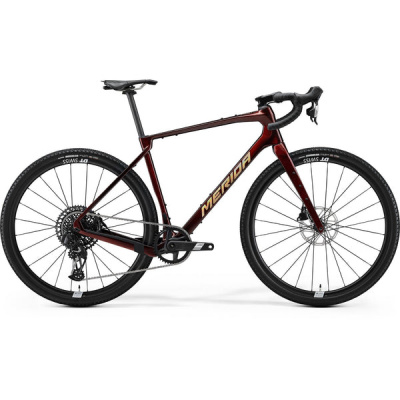
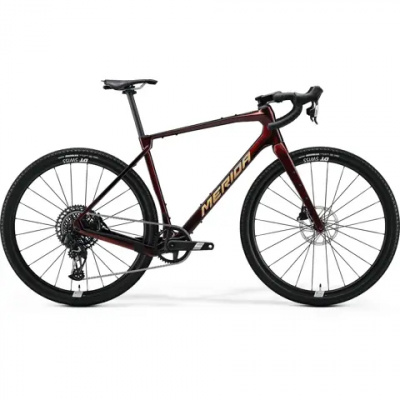
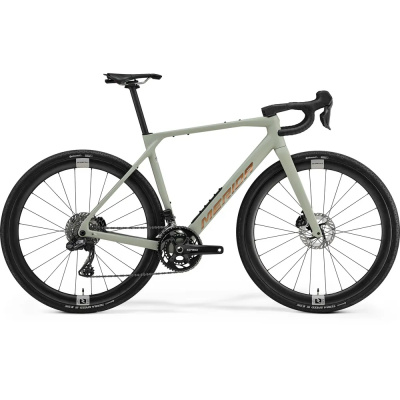
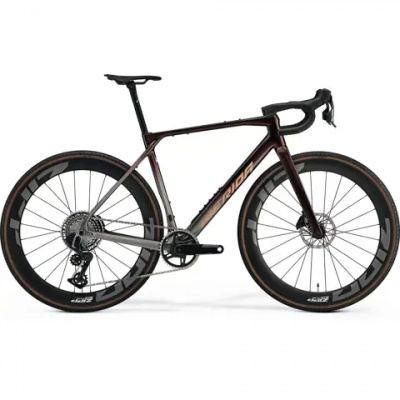
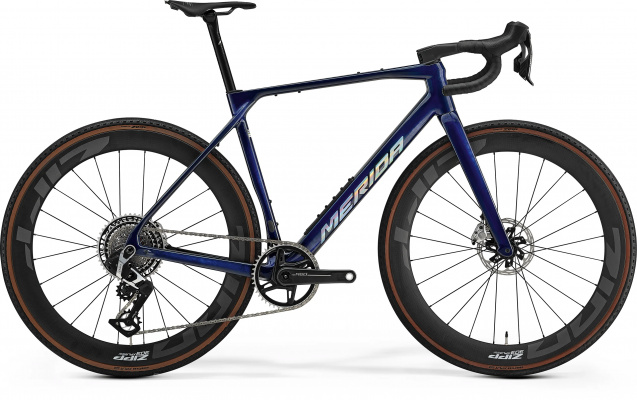
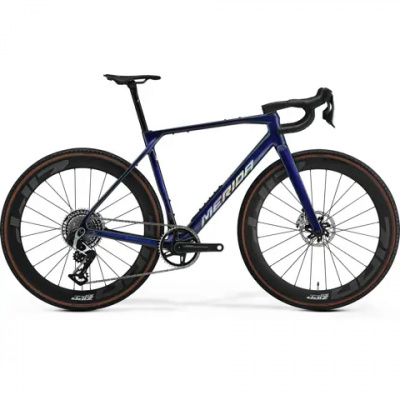
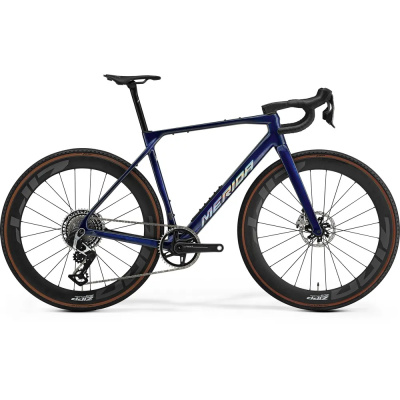
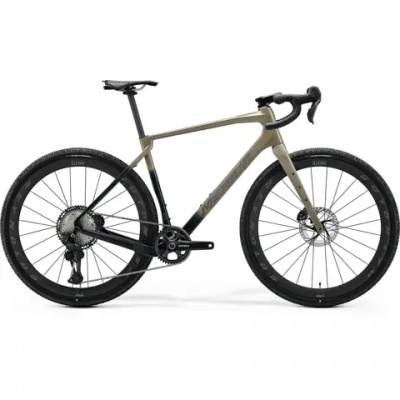
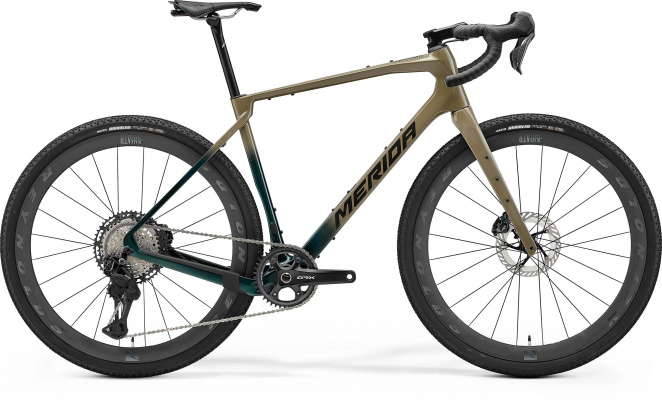
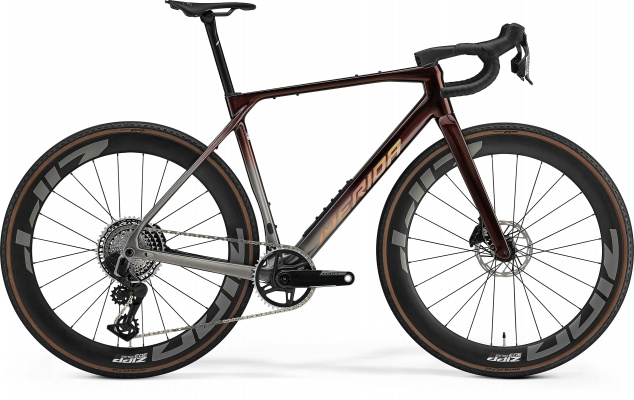
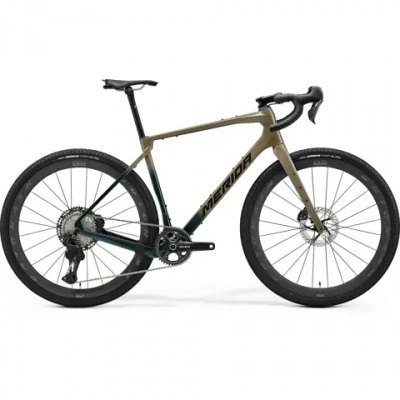
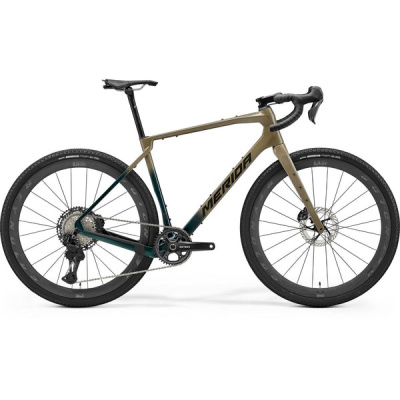
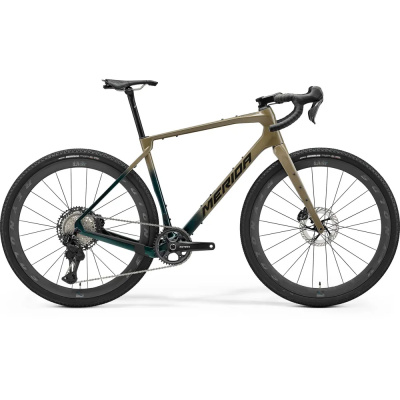
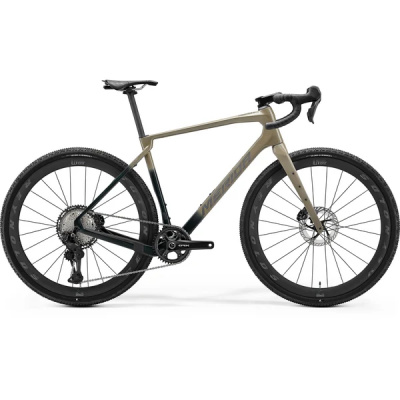
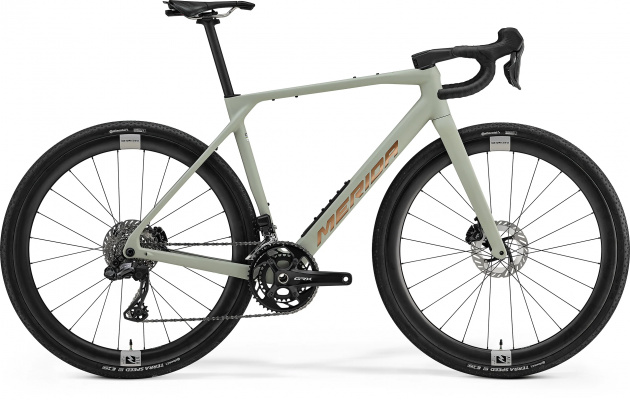
Merida gravel bikes split cleanly into two personalities, and knowing which one suits you makes all the difference. The Silex is the adventure animal - an off-road-focused machine built around mountain-bike-inspired geometry that keeps you planted and confident when a bridleway turns steep and loose. The Scultura Endurance GR sits at the other end of the dial: a race-tuned, aerodynamically efficient bike that blurs the boundary between a fast endurance road bike and a light gravel racer. Both families share Merida's commitment to serious frame engineering - CF3 carbon layups and Prolite 66 triple-butted aluminium - so whichever direction you lean, the foundation is genuinely capable rather than just price-point padding.
For UK riders, the distinction matters. If you're loading up for a multi-day Scottish route or pointing the front wheel at a flint-strewn South Downs bridleway in November, the Silex's clearance, stability, and bikepacking mounts put it firmly in the conversation. If your gravel riding is more café-to-café with a bit of grit thrown in, the Scultura Endurance GR keeps the speed on. Trim levels run from entry aluminium builds to carbon-framed, high-spec machines, so there's a practical entry point across both lines regardless of budget.



Prices and availability can change quickly. Delivery charges are not always included in listed prices.
Final price, stock status and delivery terms are set by retailer. We may receive a commission on purchases made.
Decoding the Merida Gravel Lineup
The Silex and Scultura Endurance GR aren't just different bikes - they're aimed at different riders entirely, and the trim-level naming tells you a lot before you even look at the spec sheet. A number like 400 signals an aluminium frame paired with Shimano GRX400-level components: solid, no-nonsense, built for riders getting into gravel without a big outlay. Step up to four-digit suffixes like 4000 or 7000 and you're into CF3 or CF5 carbon frames with GRX600 or GRX810 groupsets. The jump in frame stiffness, weight, and overall feel is genuine, not marginal.
The Silex is the more adventurous of the two. It's designed around bikepacking mounts throughout the frame - top tube, down tube, fork legs - so you can actually use it for loaded riding without bolting on awkward aftermarket solutions. The Scultura Endurance GR, by contrast, borrows heavily from Merida's road bike DNA, with a geometry that suits faster, lighter gravel work rather than overnight epics. If you've ridden the Scultura road range, the GR variant will feel immediately familiar - just with tyre clearance and confidence to handle loose surfaces.
Worth knowing: if you're after something with a motor, the eSilex uses a discreet Mahle hub system that slots neatly into the Silex geometry. You can explore the full Merida e-bikes range if pedal-assist off-road riding is on your radar.
The Merida Tech Philosophy
Merida's approach to gravel geometry on the Silex is genuinely MTB-influenced rather than just marketing copy. The headtube is tall, the reach is long, and the stem is short - a combination that moves your weight back and keeps the front wheel tracking rather than washing when you hit something unexpected on a descent. It's the difference between a controlled drop and a sudden, involuntary bike-and-rider separation. For riders coming from mountain biking, it'll feel intuitive immediately. For road converts, there's a short adjustment period, but most riders find they prefer it within a couple of rides.
The CF3 and CF5 carbon layups are Merida's own system, with CF3 using a standard-modulus carbon weave and CF5 stepping up to a higher-modulus construction that reduces weight and increases stiffness where the frame needs it most. Practically, CF3 frames offer a balance of compliance and rigidity that suits longer gravel days well - they absorb the relentless small-hit chatter of gravel grinding without feeling vague. CF5 is sharper, more race-oriented. The Prolite 66 triple-butted aluminium used in the entry Silex builds is worth calling out too - it's not generic tube stock. Triple butting means the tube walls vary in thickness, thicker at the stress points and thinner elsewhere, which takes weight out without compromising durability.
Two pieces of proprietary kit stand out on closer inspection. The Wire Port headset cable routing system runs cables cleanly into the frame at the headtube, eliminating external loops and reducing the drag and snag points you'd get with older routing designs. It looks clean. The Disc Cooler system is more unusual - forged aluminium heat sinks bolted to the brake mount that draw heat away from the caliper during long descents. On a loaded Silex rolling down a long Welsh descent, that's not a trivial concern. Overheated brake fluid leads to spongy lever feel at the worst possible moment, and the Disc Coolers are a proper engineering solution rather than a cosmetic detail.
Living with a Merida in the UK
A few things are worth flagging before you commit to a size. The Silex runs long in the reach compared to a lot of competitors - if you're sitting between two sizes, sizing down is the right call for most riders. It's the kind of thing that catches people out when they go off the standard size chart alone. Check the reach figure specifically rather than just the frame size number.
The 700c x 45mm tyre clearance on the Silex is genuinely useful in the UK context. Welsh winter bridleways get sloppy in a way that punishes anything under 40mm, and 45mm with a tubeless setup gives you enough volume to run lower pressures without courting pinch flats on South Downs flint. If you're running the bike through the winter, go tubeless from the start rather than retrofitting it later. A Giant gravel bike at a similar price point might offer comparable clearance, but the Silex geometry keeps the handling more composed when the mud starts stacking up.
The Wire Port routing and Disc Coolers both require a bit more attention on winter maintenance than a conventional setup. Salty, gritty UK roads are effective at finding any gap where corrosion can start, and the cable entry points and heat sink bolts are places where anti-seize compound is worth applying during any winter service. It's not a dealbreaker - just factor it into your maintenance routine rather than leaving it until something seizes. The payoff in clean routing and braking performance is worth the extra ten minutes when you're doing a seasonal strip-down. Compared to something like a Cube gravel bike or a Cannondale gravel bike at equivalent spec, the Silex's thermal management is a genuinely differentiated feature - neither of those brands offer anything directly comparable at this price.
Related searches:
Merida Gravel Bikes FAQs
Is the Merida Silex a good gravel bike?
It's a strong choice if your riding leans toward proper off-road work, loaded touring, or technical descents. The MTB-inspired geometry - long reach, short stem, tall headtube - gives it real stability when things get rough. It's less suited to riders who want a fast, road-biased gravel bike; that's the Scultura Endurance GR's territory.
What is the maximum tyre clearance on a Merida Silex?
Current Silex frames clear 700c x 45mm tyres with room to spare. That's enough volume for tubeless setups at lower pressures - useful for preventing pinch flats on flint-heavy surfaces or handling the kind of soft, sloppy bridleways you'll find across the UK in winter.
What is the difference between Merida Silex and Scultura Endurance GR?
The Silex is built for adventure riding: upright geometry, wide tyre clearance, bikepacking mounts, and MTB-influenced handling. The Scultura Endurance GR is based on an endurance road platform and optimised for speed on light gravel and tarmac. If you're bikepacking or riding technical off-road, the Silex. If you're racing or riding fast mixed surfaces, the Scultura Endurance GR.