
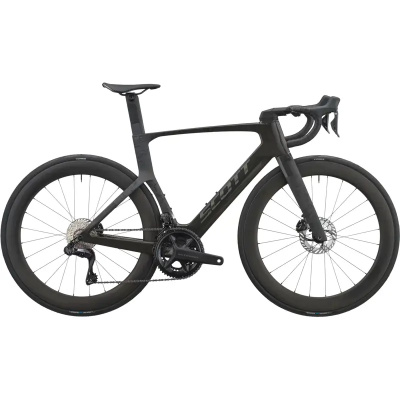
Scott Foil RC 10
Aero speed that doesn't punish you on long rides, built to win crits and sportives without the harsh ride of older race bikes.
- HMX carbon frame with F01 Airfoil aero optimisation
- Shimano Ultegra Di2: crisp 12-speed electronic shifting
- Syncros Capital 1.0 Aero 60mm wheels slice through air
- Duncan SL Aero seatpost absorbs road chatter without sapping watts
- Dropped seat stays hide the caliper, smooth the airflow
- Clearance for 30mm tyres balances speed with real-world grip
Scott Foil RC 10 Deals
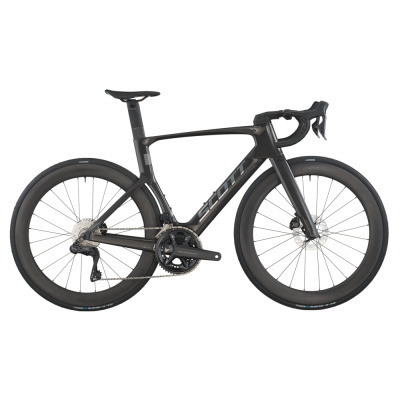
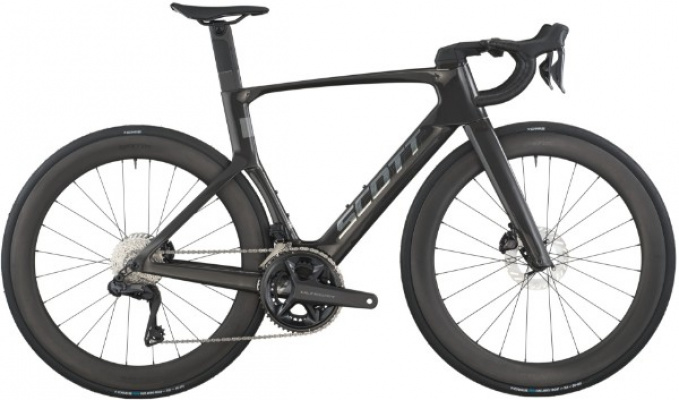
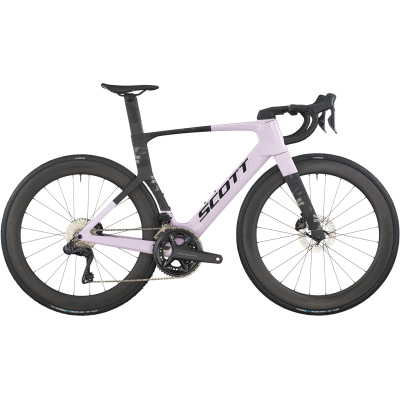

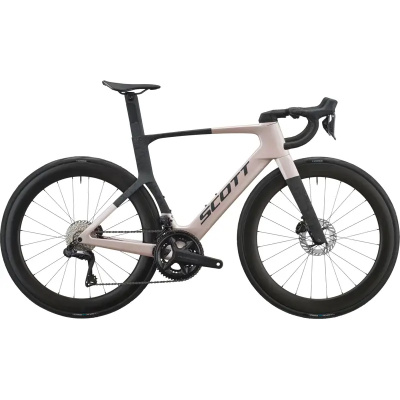
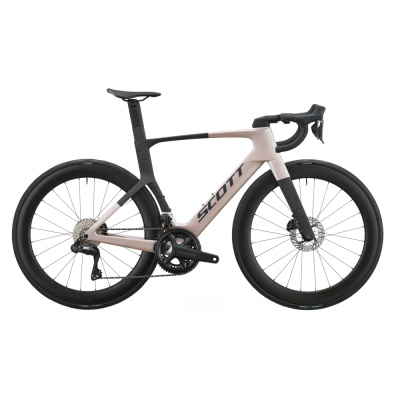
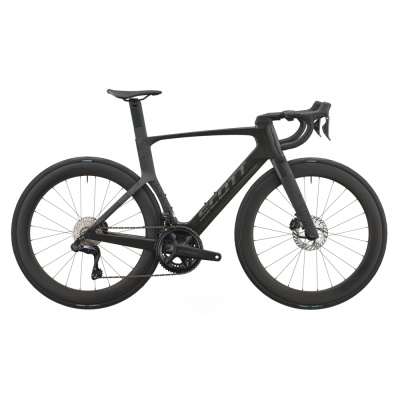
Prices and availability can change quickly. Delivery charges are not always included in listed prices.
Final price, stock status and delivery terms are set by retailer. We may receive a commission on purchases made.
Bikesy's Verdict
The Scott Foil RC 10 is a proper aero race bike that doesn't make you pay for its speed with a punishing ride. It's fast on the flat, stable through corners, and surprisingly comfortable over rough tarmac - thanks to clever frame details like the Duncan SL seatpost and dropped seat stays. The HMX carbon frame is light enough to climb competently, stiff enough to reward hard efforts, and shaped by wind-tunnel hours that show in the way it holds speed with less effort than a traditional road bike.
Shimano Ultegra Di2 and Syncros Capital 1.0 Aero wheels deliver a cohesive, race-ready build that doesn't leave you hunting for upgrades on day one, and the clearance for 30-millimetre tyres means you can run pressures that suit real-world roads. The integrated cockpit is sleek but limits adjustability, so get your fit dialled early. If your riding is focused on going fast on tarmac - whether that's racing, chasing Strava times, or simply enjoying the sensation of speed - the Foil RC 10 is hard to fault. It's a dedicated tool for a specific job, and it does that job very well indeed.
Pros
- Exceptional aerodynamic efficiency on fast, flat roads
- Surprisingly comfortable for an aero bike, thanks to seatpost and dropped stays
- Lightweight HMX carbon frame climbs competently for its category
- Shimano Ultegra Di2 and Syncros Capital 1.0 Aero wheels deliver a cohesive, race-ready build
- Stable, predictable handling at speed and through corners
Cons
- Integrated cockpit limits adjustability if your fit needs change
- Heavier and less nimble than pure climbing bikes when the gradient steepens
- No power meter included if you train with data
About the Scott Foil RC 10
The Foil RC 10 sits at the sharp end of Scott's aero road range, built around HMX carbon and shaped by countless wind-tunnel hours. Every tube profile, every junction has been honed under Scott's F01 Airfoil philosophy - the idea that speed isn't just about slippery tubes but about how those tubes work together when you're hammering into a headwind or chasing down a break. The result is a bike that feels fast before you've even clipped in, and faster still once you're up to tempo.
This isn't a bike that apologises for its aero focus. The dropped seat stays tuck the rear brake out of the airstream and let the stays flex just enough to take the sting out of rough tarmac; the integrated cockpit routes every cable inside the bar and stem, leaving nothing to disturb the air. Yet for all that wind-cheating intent, the Foil RC 10 doesn't punish you on long rides. The patented Duncan SL Aero seatpost - a two-piece design that pivots subtly at its clamp - absorbs road buzz without the bobbing feel of a traditional flexy post, so you get compliance where it counts and stiffness where it matters. Clearance for tyres up to 30 millimetres means you can run a bit more volume and pressure that suits British B-roads, rather than being locked into rock-hard 25s.
Shimano's Ultegra Di2 groupset delivers the shifts, hydraulic discs the stopping power, and Syncros Capital 1.0 Aero wheels - 60 millimetres deep - keep momentum high once you're rolling. It's a cohesive package that doesn't leave you hunting for upgrades on day one, though there's headroom if you want to chase marginal gains later. The frame itself is light enough that climbs don't feel like a penalty, yet stiff enough through the bottom bracket and head tube that sprints and tight corners inspire confidence rather than second-guessing. If your riding mixes fast club runs, crits, sportives and the occasional road race, the Foil RC 10 is built to win - or at least make you feel like you're in the hunt.
Scott Foil RC 10 geometry
Scott has drawn the Foil's geometry to put you in a position that's low enough to cheat the wind but not so slammed that you're gasping after an hour. Reach grows steadily across the size run - from 380 millimetres in XXS to 409 in XXL - while stack climbs in step, so taller riders aren't forced into an overly aggressive crouch. The head angle steepens as you move up the sizes, from 70.5 degrees at the smallest to 73.3 at the largest, keeping the front end responsive without twitchiness. Chainstays are a consistent 412 millimetres across the board, short enough to snap the rear wheel forward under power but long enough to keep the bike planted when you're descending at speed.
On the road, that geometry translates to a bike that feels eager when you stand on the pedals but stable when you're tucked and flying. The front end doesn't wander in crosswinds - a common worry with deep-section wheels - and the slightly longer wheelbase (compared to pure crit bikes) means the Foil tracks predictably through fast sweepers. You'll notice the low bottom-bracket drop - 66 millimetres - which plants your weight closer to the tarmac and adds a sense of security when you're leaning hard into a corner. The trade-off is that pedal strikes are possible if you're careless through tight roundabouts, but that's the price of a race-focused platform.
If you're coming from an endurance bike, the Foil will feel more stretched out and lower at the front; if you're stepping down from a pure crit machine, it'll feel a touch more stable and forgiving. Either way, the geometry is designed to let you hold an aero tuck for long stretches without your back screaming, and to reward smooth, powerful pedalling rather than constant fidgeting in the saddle.
Component choices & upgrades
Out of the box, the Foil RC 10 is well sorted. Shimano's Ultegra Di2 groupset is the sweet spot in the electronic hierarchy - reliable, crisp, and light enough that you're not hauling extra grams for the sake of a badge. The 52/36-tooth chainrings paired with an 11-30 or 11-34 cassette give you enough range for rolling terrain and the odd steep ramp, though if you live somewhere truly hilly you might consider swapping the cassette for an 11-34 if it's not already specced. The Syncros Capital 1.0 Aero wheels are stiff, reasonably light, and those 60-millimetre rims do the job in all but the gustiest conditions; they're not the flashiest hoops on the market, but they're dependable and well-matched to the frame's aero intent.
Schwalbe PRO ONE Aero tyres in 28 millimetres strike a sensible balance between rolling speed and real-world grip, and they're tubeless-ready if you want to ditch the inner tubes and run lower pressures. The Syncros cockpit - Creston bar and Foil stem - is integrated for aerodynamics, which means cable routing is tidy but adjustability is limited; if you need a radically different stem length or bar width, you'll be looking at a full cockpit swap rather than a quick stem change. That's the trade-off with integrated systems, and it's worth getting your fit dialled before you commit.
If you're chasing upgrades, the obvious targets are wheels and tyres. A set of carbon hoops with better hubs - DT Swiss 240s or similar - will sharpen acceleration and save a bit of weight, though the stock Syncros wheels are no slouch. A power meter isn't included, so if you train with data you'll want to budget for a power-measuring chainset or pedals. The Syncros Duncan SL seatpost is a clever piece of kit, but it does require occasional maintenance to keep the pivot smooth; if you're not fussed about the compliance, a simpler one-piece aero post will work just fine. Beyond that, the build is solid enough that you can ride it hard for a season or two before you start hunting for marginal gains.
Where the Scott Foil RC 10 excels
The Foil RC 10 is built for speed on tarmac - full stop. If your weekends involve fast club runs, road races, crits or sportives where the pace stays high and the road stays smooth-ish, this bike will reward you. It excels on long, rolling stretches where aerodynamics matter more than outright weight, and it holds speed with less effort than a traditional all-rounder. When the road tilts up, the Foil climbs competently for an aero bike; it's not as lively as a lightweight climber, but it doesn't anchor you to the tarmac either. Descents are where the geometry and stiffness really shine - the bike tracks confidently through fast corners and doesn't get unsettled by mid-corner bumps.
It's also surprisingly comfortable for a pure aero machine, thanks to the seatpost and dropped stays. If you're doing a hilly sportive or a long training ride on chipseal, the Foil won't beat you up the way some older aero bikes did. The tyre clearance means you can run a bit more volume if the roads are rough, and the hydraulic discs give you confident braking in all weathers. Where the Foil is less ideal is on truly mountainous terrain - if you're climbing for hours at a time, a lighter, more nimble bike will feel more at home. It's also not a gravel bike; the clearance and geometry will handle the odd stretch of hardpack or smooth gravel, but this is a road bike first and last.
If you're after a do-it-all bike that's equally happy pottering to the café or tackling technical singletrack, look elsewhere. But if your riding is focused on going fast on the road - whether that's racing, chasing Strava times, or simply enjoying the sensation of speed - the Foil RC 10 is hard to fault. It's a dedicated tool for a specific job, and it does that job very well indeed.
Scott Foil RC 10 FAQs
Is the Scott Foil RC 10 a good bike for climbing?
The Foil RC 10 climbs well for an aero bike, holding speed on rolling terrain and shorter ascents without feeling sluggish. It's not as lively as a lightweight climber when the gradient kicks up, but the HMX carbon frame keeps weight competitive and the stiff bottom bracket rewards smooth power. If you're doing long Alpine climbs, a pure climbing bike will feel more nimble; for everything else, the Foil copes admirably.
What is the maximum tyre clearance on a Scott Foil RC 10?
Scott recommends tyres up to 30 millimetres, with some sources suggesting 32 millimetres may fit at the rear depending on rim and tyre combination. The stock 28-millimetre Schwalbe PRO ONE Aeros leave enough room for real-world clearance, and running 30s is a sensible choice if you want a bit more comfort or grip on rougher roads.
How does the Scott Foil RC 10 compare to the Specialized Tarmac?
The Tarmac SL7 and SL8 are more all-rounder focused, blending aero efficiency with lighter weight and more versatile handling. The Foil leans harder into pure aerodynamics, with deeper tube profiles and a more aggressive aero cockpit, so it's faster on flat, fast roads but slightly less nimble on technical climbs. If you want one bike for everything, the Tarmac is the safer bet; if speed on the flat is your priority, the Foil delivers.
Is the integrated cockpit on the Scott Foil RC 10 adjustable?
The Syncros integrated cockpit routes cables internally for aerodynamics, but that limits adjustability - you can't simply swap the stem length or bar width without replacing the entire cockpit. It's worth getting your fit dialled with spacers and saddle position before committing, because changes later are more involved than on a traditional setup.
What is the actual weight of a Scott Foil RC 10?
A size 56 Foil RC 10 weighs around 7.4 to 7.8 kilograms depending on spec and build, which is competitive for an aero bike with this level of kit. The HMX carbon frame and Ultegra Di2 groupset keep weight in check without sacrificing stiffness or durability, so you're not hauling extra mass for the sake of aerodynamics.
Is the Scott Foil RC 10 comfortable for long rides?
Yes, surprisingly so for a pure aero bike. The Syncros Duncan SL Aero seatpost absorbs road buzz without feeling flexy, the dropped seat stays add a bit of compliance, and the clearance for 28 or 30-millimetre tyres lets you run pressures that suit real-world roads. It's not as plush as a dedicated endurance bike, but it won't punish you on a four-hour sportive either.
What are the benefits of the dropped seat stays on the Scott Foil RC 10?
Dropped seat stays hide the rear brake caliper in the airflow, reducing drag, and they allow the stays to flex slightly, which smooths out road vibration without compromising power transfer. The design also directs airflow into the spokes rather than around the seat tube, further improving aerodynamics. It's a clever detail that delivers both speed and comfort.
What level of rider is the Scott Foil RC 10 best suited for?
The Foil RC 10 is aimed at competitive cyclists, club racers, and experienced riders who prioritise speed and efficiency on the road. If you're racing crits, doing fast sportives, or simply enjoy riding hard on tarmac, the bike's aero focus and stiff platform will reward your effort. Newer riders or those after a more relaxed, versatile bike will find better options in Scott's Addict or endurance ranges.
Key Features & Benefits
- HMX carbon frame with F01 Airfoil tube shaping: Cuts through air with less effort, so you hold higher speeds for the same power output on flat and rolling roads
- Syncros Duncan SL Aero CFT seatpost: Absorbs road vibration without bobbing or sapping watts, keeping you comfortable on long rides without sacrificing stiffness
- Dropped seat stays with hidden brake caliper: Reduces drag and adds rear-end compliance, smoothing rough tarmac while improving aerodynamics
- Shimano Ultegra Di2 12-speed electronic shifting: Delivers crisp, reliable shifts under load, with minimal maintenance and precise trim adjustments
- Clearance for 30mm tyres: Lets you run more volume and lower pressures for better grip and comfort on real-world roads, without compromising aero performance
Scott Foil RC 10 2025, 2024 & 2023 differences
The 2026 Foil RC 10 maintains the core HMX carbon frame, Shimano Ultegra Di2 groupset, and Syncros Capital 1.0 Aero 60mm wheels introduced in recent years, with minor spec updates including a potential 11-34T cassette option (alongside the 11-30T) and new colourways such as Violet black and Violet pink. The 2025 model featured the same HMX carbon frame, Ultegra Di2, and 60mm Syncros wheels, with Schwalbe PRO ONE Aero 700x28C tyres as standard. A size 56 weighed approximately 7.43kg.
The 2024 iteration was similarly specced, with HMX carbon, Ultegra Di2, and Syncros Capital 1.0 Aero wheels, though some builds used 50mm-depth wheels rather than 60mm. The 2023 model featured the same HMX carbon and Ultegra Di2 foundation, but was equipped with Syncros Capital 1.0 50 Disc wheels and Schwalbe ONE Race-Guard 700x25C tyres - narrower rubber than the 28mm standard adopted in later years. Across all three years, the frame geometry, dropped seat stays, integrated cockpit, and Duncan SL Aero seatpost remained consistent, with the primary changes being wheel depth, tyre width, and cassette range options to suit evolving rider preferences.
Alternatives to Consider
Within Scott's own range, the Addict RC 10 offers a lighter, more all-rounder focused platform if you value climbing agility over pure aero speed, while the Foil RC Pro steps up to Dura-Ace Di2 and lighter wheels if you're chasing marginal gains and have the budget. Cross-brand, the Specialized Tarmac SL7 blends aero efficiency with lighter weight and more versatile handling, making it a strong choice if you want one bike for everything from crits to Alpine climbs. The Trek Madone SL 6 leans harder into aerodynamics with integrated storage and adjustable compliance, though it's a touch heavier; the Cervélo S5 Ultegra is a direct aero competitor with similarly aggressive tube profiles and a race-focused ride. For a slightly different take, the Cannondale SystemSix Carbon Ultegra offers comparable aero performance with a more traditional cockpit setup, giving you easier fit adjustments. Each of these bikes prioritises speed on tarmac, but the Foil RC 10's balance of aerodynamics, comfort and build quality makes it a compelling choice if you're after a dedicated race machine that doesn't punish you on long rides.
Reviews
Aerodynamic performance is the headline act here, and the Foil RC 10 delivers. Once you're up to tempo, the bike feels like it's on rails - holding speed with less effort than a traditional road frame, especially on long, flat stretches or rolling terrain. The HMX carbon frame is stiff through the bottom bracket and head tube, so power transfer is immediate and cornering inspires confidence even when you're leaning hard into a fast sweeper. Climbs are handled competently for an aero bike; it's not as lively as a lightweight climber when the gradient kicks up, but the frame's low weight keeps it from feeling like an anchor.
Comfort is a pleasant surprise. The Syncros Duncan SL Aero seatpost absorbs road chatter without the bobbing feel of a traditional flexy post, and the dropped seat stays add just enough compliance to smooth out rough tarmac. When paired with 28-millimetre tyres (or 30s if you prefer), the Foil copes with chipseal and imperfect surfaces far better than older aero bikes. Descents are where the geometry and stiffness really shine - the bike tracks predictably through fast corners and doesn't get unsettled by mid-corner bumps, so you can carry speed with confidence.
Shimano's Ultegra Di2 groupset is crisp and reliable, shifting cleanly under load, and the hydraulic discs offer confident stopping power in all weathers. The Syncros Capital 1.0 Aero wheels are stiff and reasonably light, though they're not the flashiest hoops on the market; they do the job without drama, and the 60-millimetre depth strikes a sensible balance between aero benefit and crosswind stability. Because the integrated cockpit limits adjustability, getting your fit right from the start is important - you can't simply swap the stem length without replacing the entire cockpit.
Acceleration from a standstill can feel a touch sluggish compared to lighter, more nimble bikes, but once you're rolling the Foil rewards smooth, sustained power. It's a bike that feels fast when you're riding hard, and faster still when you're tucked and flying. If your riding mixes fast club runs, road races, sportives and the occasional crit, the Foil RC 10 is a dedicated tool that does its job very well indeed.
Full Specification
| Spec | Value |
|---|---|
| Frame Material | FOIL Disc HMX Carbon |
| Frame Construction | Aerodynamically optimized tubes and junctions |
| Frame Features | Internal cable routing, replaceable derailleur hanger, dropped seat stays, oversized head tube, asymmetrical chainstays, F01 Airfoil Technology |
| Tyre Clearance | Recommended up to 30mm, potential for 32mm rear |
| Bottom Bracket | Shimano SM-BB71-41B (PressFit) |
| Fork | FOIL Disc HMX Carbon, 1" Eccentric Carbon steerer |
| Drivetrain | 2x12-speed |
| Shifters | Shimano Ultegra Di2 ST-R8170 |
| Rear Derailleur | Shimano Ultegra Di2 RD-R8150 |
| Front Derailleur | Shimano Ultegra Di2 FD-R8150 |
| Crankset | Shimano Ultegra FC-R8100, 52/36T |
| Crank Length | 172.5mm |
| Cassette | Shimano Ultegra CS-R8100-12, 11-30T or 11-34T |
| Chain | Shimano M8100 12-speed |
| Brakes | Hydraulic Disc |
| Brake Calipers | Shimano Ultegra BR-R8170 Hyd.Disc |
| Rotors (Front) | Shimano RT-CL800, 160mm |
| Rotors (Rear) | Shimano RT-CL800, 160mm |
| Rims | Syncros Capital 1.0 Aero 60mm |
| Hubs (Front) | Syncros Capital 1.0 Aero |
| Hubs (Rear) | Syncros Capital 1.0 Aero |
| Spokes | Syncros SL Axle, bladed |
| Tyres (Front) | Schwalbe PRO ONE Aero, TL-Easy, Fold, 700x28C |
| Tyres (Rear) | Schwalbe PRO ONE Aero, TL-Easy, Fold, 700x28C |
| Handlebar | Syncros Creston 1.0 Aero or Syncros Creston 2.0 Aero |
| Stem | Syncros Foil 1.5 Aero |
| Headset | Acros AIF-1138 |
| Seatpost | Syncros Duncan SL Aero CFT |
| Saddle | Syncros Belcarra V2.0 NEO Cut Out or Syncros Belcarra V-Concept 2.0 |
| Weight (Approx) | 7.8 kg (size 56cm: 7.43 kg) |