
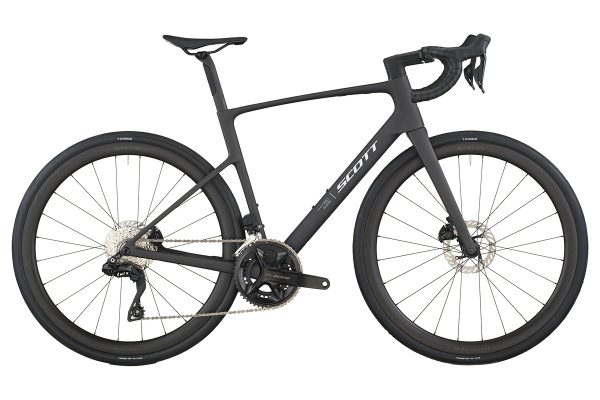
Scott Addict 30
Rack up big miles in comfort with endurance geometry, compliant carbon, and proper all-road versatility.
- HMF carbon: 25% more compliant than race frames
- Shimano 105 Di2: wireless electronic precision
- Clearance for 38mm tyres: proper all-road versatility
- Integrated frame storage: tools stashed, lines clean
- Endurance geometry: taller stack, less fatigue
- Hydraulic discs: confident braking in all weathers
Scott Addict 30 Deals

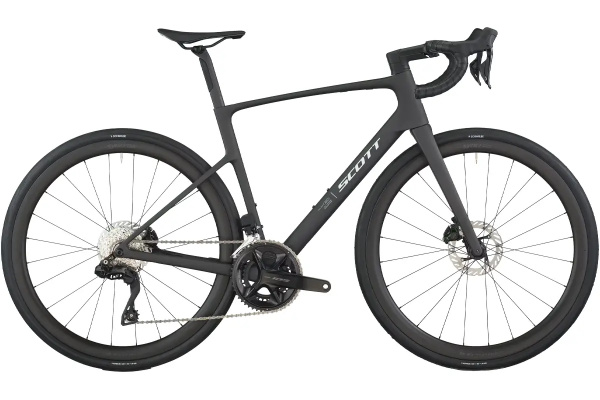
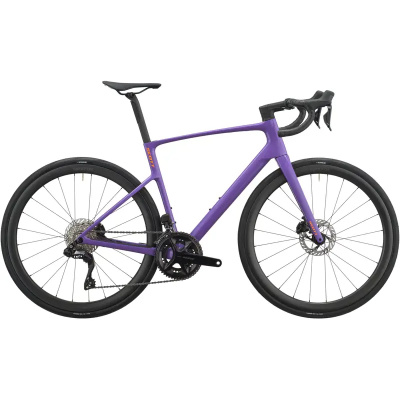
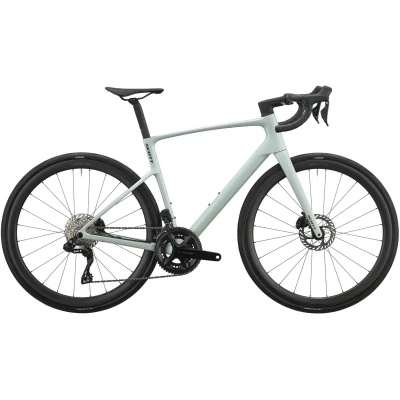
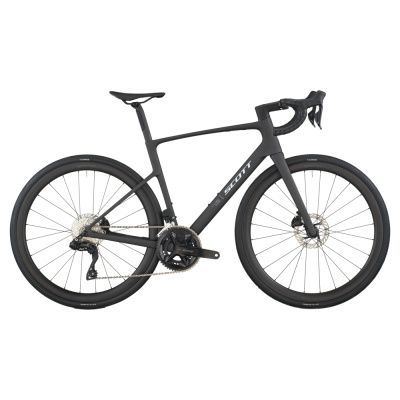
Prices and availability can change quickly. Delivery charges are not always included in listed prices.
Final price, stock status and delivery terms are set by retailer. We may receive a commission on purchases made.
Bikesy's Verdict
The Addict 30 nails the brief for riders who measure success in hours spent comfortably in the saddle rather than seconds saved in a sprint. Scott's HMF carbon frame delivers genuine compliance without feeling sluggish, the endurance geometry keeps you upright and breathing properly over long distances, and Shimano's 105 Di2 groupset brings wireless electronic precision at a price that makes sense. Clearance for thirty-eight-millimetre tyres and integrated storage signal that this is a bike designed for real-world riding - sportives, mixed-surface adventures, winter training - not just sunny-day posing.
It's quick enough to hold its own in a fast group, stable enough to inspire confidence on technical descents, and versatile enough to tackle gravel byways without feeling out of its depth. The stock build is well sorted, and while lighter wheels would sharpen the response, the bike as it arrives is ready to ride seriously from day one. If you're after a pure race machine or the lightest possible frame, look elsewhere; the Addict 30 is built for riders who value comfort, versatility, and all-day capability over outright aggression. It's a bike that rewards patience and delivers on the promise of long, enjoyable miles.
Pros
- Compliant HMF carbon frame smooths rough roads without sacrificing efficiency
- Shimano 105 Di2 delivers wireless electronic precision at a sensible price
- Generous tyre clearance and fender mounts make it genuinely versatile
- Endurance geometry keeps you comfortable over long distances
- Stable, predictable handling inspires confidence when you're tired
Cons
- Stock wheels are solid but not exceptional if you're chasing performance gains
- Heavier than dedicated race bikes if outright weight is your priority
- Internal cable routing can be fiddly when maintenance time comes around
About the Scott Addict 30
The Addict 30 sits in that sweet spot where comfort doesn't mean compromise. Scott's HMF carbon frame delivers a quarter more vertical compliance than the race-bred Addict RC, yet it's still stiff enough to reward a hard dig out of the saddle. You're looking at a bike that'll carry you through a long sportive without leaving your lower back pleading for mercy, but won't feel sluggish when the pace lifts on a club run. The geometry is endurance-focused - stack is thirty-five millimetres taller than the RC - so you're upright enough to breathe properly and scan the road ahead, rather than staring at your stem for five hours.
Shimano's 105 Di2 groupset brings wireless electronic shifting to a price point that makes sense, and the twelve-speed cassette with its thirty-four-tooth bailout cog means you'll spin up most climbs without grinding cartilage. Syncros components - cockpit, seatpost, wheels - keep the aesthetic tidy and the weight reasonable; the complete bike hovers around eight and a half kilos, which is light enough to feel lively but not so feathery that you're sacrificing durability. Clearance for thirty-eight-millimetre rubber opens the door to rougher lanes, gravel byways, and winter training on less-than-perfect tarmac, while integrated frame storage and fender mounts signal that Scott designed this for real-world riding, not just sunny-day posing.
It's a bike that rewards patience rather than aggression. The dropped seatstays and compliant layup smooth out chipseal and patched roads, so you arrive at the café stop less rattled. Handling is stable and predictable - think composed rather than twitchy - which inspires confidence when you're tired or the descent gets technical. If you're after a pure crit racer or the stiffest possible sprint platform, look elsewhere; the Addict 30 is built for riders who measure success in hours spent comfortably in the saddle, not seconds saved in a town-sign sprint.
Scott Addict 30 geometry
The numbers translate to a riding position that's upright enough to keep your neck and shoulders happy over distance, but not so relaxed that you feel like you're piloting a touring barge. Stack grows progressively with frame size, so taller riders aren't forced into a slammed-stem crouch, and reach stays moderate - you're stretched out enough for efficient pedalling but not so far that you can't comfortably reach the hoods or drops for hours on end. The head angle is calm without being slack, which means the front end tracks predictably through corners and doesn't get nervous when you're descending on tired legs or rough surfaces.
Chainstays are a consistent four-twenty millimetres across the size run, keeping the rear end snappy enough for responsive acceleration but stable enough that the bike doesn't feel skittish when you load it with a saddlebag or hit a pothole mid-corner. The longer wheelbase - just over a metre on most sizes - adds to that planted, confidence-inspiring feel, especially when you're carrying speed through sweeping bends or navigating technical descents. It's a geometry that prioritises all-day comfort and predictable handling over razor-sharp race reflexes, which suits the bike's endurance brief perfectly.
Shorter riders on the XXS and XS frames get a slightly slacker head angle to maintain stability, while the taller end of the range (XL and XXL) keeps things consistent so handling character doesn't shift dramatically as you size up. The result is a bike that feels composed and planted regardless of your height, with enough front-centre length to prevent toe overlap even when you fit wider tyres and mudguards. It's a setup that makes sense for long days, mixed surfaces, and riders who value comfort and control over outright aggression.
Component choices & upgrades
The stock build is well sorted. Shimano's 105 Di2 groupset delivers crisp, reliable shifts with the convenience of wireless operation, and the fifty-thirty-four compact chainset paired with an eleven-to-thirty-four cassette gives you a wide enough range to tackle steep climbs without resorting to a granny gear. Hydraulic disc brakes - Shimano's R7170 callipers with one-sixty-millimetre rotors front and rear - offer predictable, powerful stopping in all conditions, which matters when you're descending on wet roads or carrying extra weight. The Syncros cockpit components are functional and tidy, with internal cable routing keeping the front end clean.
Syncros Capital 1.0 40 Disc wheels are a solid all-rounder: they're reasonably light, wide enough to support the thirty-four-millimetre Schwalbe ONE tyres well, and durable enough for everyday riding. That said, if you're chasing marginal gains or spending a lot of time on fast group rides, a lighter or more aerodynamic wheelset will sharpen the bike's response and make it feel more eager when the pace lifts. Schwalbe ONE tyres are fast-rolling and grippy on tarmac, but if you're planning to venture onto gravel regularly, swapping to something with a bit more tread and puncture protection - perhaps a Schwalbe G-One or Continental Terra Speed - will give you more confidence on loose surfaces.
The Syncros Tofino saddle works for many riders, but saddles are deeply personal; if it doesn't suit your sit bones or riding style, don't hesitate to swap it. Similarly, the alloy handlebar and stem are sturdy and affordable, but if you're after a bit more compliance or want to fine-tune your position, a carbon bar or a stem with a different length or angle is an easy upgrade. The seatpost is already carbon, which helps take the sting out of rough roads. Pedals aren't supplied, so budget for a set that matches your cleat system - Shimano SPD-SL or Look Keo are the usual road choices.
Ultimately, the Addict 30's stock spec is thoughtfully chosen and won't hold you back unless you're pushing hard into racing or ultra-distance events. Upgrade when your skills, ambitions, or terrain demand it, not because you feel the stock kit is inadequate. A fresh set of tyres or a wheelset swap will deliver the most noticeable improvement, but the bike as it arrives is ready to ride seriously from day one.
Where the Scott Addict 30 excels
This is a bike for riders who rack up big miles and want to arrive feeling fresh rather than beaten up. Long sportives, multi-hour training rides, and all-day adventures are where the Addict 30 shines: the compliant frame and endurance geometry mean you're not fighting discomfort after the third hour, and the stable handling keeps you composed when fatigue sets in. It's equally at home on a fast club run where the pace is brisk but not brutal, or a solo exploration of quiet lanes where the surface quality varies and you'd rather not be rattled to pieces.
The generous tyre clearance and fender mounts make it a genuinely versatile all-road machine. Fit thirty-eight-millimetre rubber and you can confidently tackle gravel byways, towpaths, and rough farm tracks without worrying about pinch flats or losing traction. The bike's weight and geometry mean it's not as nimble as a dedicated gravel racer on technical singletrack, but for mixed-surface rides - tarmac linking gravel sections, or winter training on gritty lanes - it's spot on. The integrated storage is a practical touch for carrying tools, a spare tube, or snacks without resorting to a saddlebag that swings around on rough ground.
Where it's less ideal: pure racing. The Addict 30 isn't built for crits, aggressive bunch sprints, or chasing KOMs on every climb. It's quick enough to hold its own in a fast group, but if you're after the stiffest possible sprint platform or the lightest possible frame, the Addict RC or a dedicated race bike will suit you better. Similarly, if you're planning serious off-road riding - rocky descents, rooty singletrack, or bikepacking on rough trails - a proper gravel bike with flared bars, lower gearing, and more aggressive tyre tread will be more capable. The Addict 30 is a road bike that can handle rougher surfaces, not a gravel bike that's fast on tarmac.
Scott Addict 30 FAQs
What is the difference between the Scott Addict 30 and Addict RC?
The Addict RC uses a lighter, stiffer HMX carbon frame with race geometry - lower stack, longer reach - designed for aggressive riding and competition. The Addict 30's HMF carbon frame is twenty-five per cent more compliant, with endurance geometry that prioritises comfort over outright speed. The RC is lighter (around seven-point-seven kilos) and sharper-handling, while the Addict 30 is more forgiving and versatile, with wider tyre clearance and integrated storage.
Is the Scott Addict 30 suitable for gravel riding?
Yes, within reason. Clearance for thirty-eight-millimetre tyres means you can fit rubber with enough volume and tread for gravel byways, towpaths, and rough lanes. The stable geometry and compliant frame handle mixed surfaces well, and the hydraulic discs provide confident braking on loose ground. It's not a dedicated gravel racer - the geometry is still road-focused and the cockpit isn't flared - but it's more than capable of linking tarmac with gravel sections or tackling winter training on rougher roads.
What tyre size can fit on a Scott Addict 30?
The frame and fork accommodate tyres up to thirty-eight millimetres wide, which gives you plenty of room to experiment. The stock Schwalbe ONE tyres are thirty-four millimetres, which is a good balance of speed and comfort on tarmac. If you're venturing onto gravel or want more cushioning, you can go wider; if you're sticking to smooth roads and want a bit more speed, you could drop to thirty-two or even thirty millimetres, though you'd be sacrificing some of the bike's all-road versatility.
What is the weight of the 2026 Scott Addict 30?
Approximately eight-point-five kilograms for a medium frame with the stock build, including the Shimano 105 Di2 groupset, Syncros wheels, and thirty-four-millimetre tyres. That's competitive for an endurance road bike at this price point - light enough to feel lively on climbs without sacrificing durability or comfort. Swapping to lighter wheels or tyres would shave a bit more weight if that's a priority.
How does the Scott Addict 30 compare to the Trek Domane?
Both are endurance-focused road bikes with stable geometry and generous tyre clearance, but the Domane leans harder into comfort with its IsoSpeed decoupler and slightly more relaxed handling. The Addict 30 is a bit lighter and feels more responsive, with a stiffer frame that rewards harder efforts. The Domane is arguably more forgiving on truly rough roads, while the Addict 30 strikes a better balance between comfort and performance. Component spec and price will vary depending on the Domane model you're comparing.
Is Shimano 105 Di2 a good groupset for endurance riding?
Absolutely. It offers the precision and convenience of wireless electronic shifting at a price that's accessible to most serious riders. Shifts are crisp and reliable, the hoods are comfortable for long days, and the hydraulic disc brakes provide excellent modulation and power. The twelve-speed cassette gives you a wide enough range for steep climbs, and the system is robust enough to handle all-weather riding. It's a significant step up from mechanical 105 and punches well above its weight in terms of performance.
What is the intended rider for the Scott Addict 30?
Riders who prioritise comfort and versatility over outright speed, and who spend long hours in the saddle on varied terrain. If you're training for sportives, exploring mixed-surface routes, or simply want a capable road bike that won't leave you aching after a big day, the Addict 30 fits the brief. It's also a smart choice for riders stepping up from entry-level bikes who want electronic shifting and modern features without paying race-bike prices. Less suitable for pure racers or riders who demand the lightest, stiffest possible frame.
Key Features & Benefits
- HMF carbon frame with 25% more compliance than RC: Smooths out rough tarmac and gravel without feeling sluggish, so you arrive less fatigued
- Shimano 105 Di2 wireless electronic shifting: Crisp, reliable shifts with no cables to maintain, plus hydraulic disc braking in all weathers
- Clearance for 38mm tyres and fender mounts: Tackle mixed surfaces, winter lanes, and gravel byways without worrying about clearance or spray
- Endurance geometry with taller stack: Upright enough to breathe properly and stay comfortable over long distances, without feeling ponderous
- Integrated frame storage: Stash tools and spares inside the frame for a cleaner look and less saddlebag swing
Scott Addict 30 2025 and 2024 differences
The 2025 Addict 30 shared the same HMF carbon frame and endurance geometry as the 2026 model, but typically came with Syncros Capital 1.0 35 Disc wheels (narrower than the 2026's 40mm rims) and Schwalbe ONE tyres in a thirty-two-millimetre width rather than thirty-four. Tyre clearance was often quoted at thirty-two or thirty-five millimetres rather than the 2026's confirmed thirty-eight, though the frame design was similar. Shimano 105 Di2 twelve-speed was common across both years, so the electronic shifting experience remained consistent. The 2026 model brought updated frame shaping for a more modern aesthetic and confirmed integrated storage as standard, though some 2025 bikes also featured this depending on spec level.
The 2024 Addict RC 30 was a different beast entirely: it used the lighter, stiffer HMX carbon frame with race geometry rather than endurance, making it more aggressive and less forgiving. Weight dropped to around seven-point-seven kilos, and the bike was aimed squarely at competitive riders rather than long-distance comfort seekers. Some 2024 RC models came with SRAM groupsets instead of Shimano, and tyre clearance was tighter - typically twenty-eight to thirty millimetres. The RC's handling was sharper and more nervous, trading the Addict 30's stability and compliance for outright speed and responsiveness. If you're comparing a 2024 RC to a 2026 Addict 30, you're looking at fundamentally different bikes with different priorities.
- 2026: Syncros Capital 1.0 40 Disc wheels, thirty-four-millimetre Schwalbe ONE tyres, confirmed thirty-eight-millimetre clearance, updated frame aesthetic
- 2025: Syncros Capital 1.0 35 Disc wheels, thirty-two-millimetre tyres, similar HMF frame and geometry, slightly narrower stated clearance
- 2024 RC: HMX carbon race frame, lighter weight (circa 7.7kg), tighter tyre clearance, more aggressive geometry, sometimes SRAM groupsets
Alternatives to Consider
Within Scott's own range, the Addict RC 30 is the obvious step up if you're after a lighter, stiffer frame with race geometry - it sheds nearly a kilo and sharpens handling, but you'll sacrifice some comfort and tyre clearance. If you want more aero focus without leaving the Addict family entirely, the Foil 30 brings deeper tube profiles and a more aggressive position, though it's less forgiving on rough roads. Step down and the Addict 20 offers similar endurance geometry with mechanical Shimano 105 shifting, saving you money if wireless electronics aren't a priority.
Cross-brand, the Specialized Roubaix Sport is a direct rival: it leans even harder into comfort with Future Shock suspension and a similarly relaxed geometry, though it's a touch heavier and less responsive when you push the pace. The Trek Domane SL 5 brings IsoSpeed compliance and stable handling, but feels more planted than lively compared to the Addict 30. If you want something a bit racier while keeping endurance manners, the Giant Defy Advanced 2 offers a stiffer frame and sharper handling at a competitive price, though tyre clearance is tighter. The Cannondale Synapse Carbon 2 splits the difference nicely - comfortable enough for long days but still eager when the pace lifts - and comes with similar electronic shifting. Finally, the Cervélo Caledonia 105 is worth a look if you value outright speed alongside comfort; it's a bit more aggressive in geometry but still endurance-focused, with excellent tyre clearance and a reputation for planted, confident handling.
Reviews
Longer fire-road climbs reveal the frame's efficient stiffness - power transfers cleanly without the dead, over-damped feel of some comfort-focused machines. When the gradient eases and the surface deteriorates, that extra compliance becomes obvious: chipseal and patched tarmac don't rattle your fillings loose, and the bike tracks predictably through corners even when the road's breaking up. Descents feel composed rather than nervous, with enough front-centre length to keep the handling stable when you're tired or the line gets technical.
Shimano's 105 Di2 groupset impresses with its crisp, reliable shifts and the convenience of wireless operation - no cables to snag or maintain, just clean lines and predictable performance. The hydraulic discs offer strong, progressive braking that inspires confidence in all weathers, and the fifty-thirty-four compact chainset paired with the eleven-to-thirty-four cassette gives you enough range to spin up steep climbs without grinding. Syncros wheels are solid rather than spectacular: they're durable and reasonably light, but a lighter or more aerodynamic set would sharpen the bike's response noticeably.
Because the geometry is endurance-focused, you're upright enough to breathe properly and scan the road ahead, which matters on long rides when fatigue sets in. The bike doesn't feel ponderous or slow - it's still quick enough to hold its own in a fast group - but it prioritises comfort and stability over razor-sharp race reflexes. Tyre clearance for thirty-eight millimetres opens the door to proper all-road versatility: fit wider rubber and you can confidently tackle gravel byways or winter training on rough lanes. Integrated storage is a practical touch that keeps the aesthetic tidy.
Weight hovers around eight-point-five kilos, which is light enough to feel lively without sacrificing durability. It's not the stiffest sprint platform or the lightest race machine, but that's not the brief. Worth it if you want a bike that'll carry you comfortably through long sportives, mixed-surface adventures, and fast club runs without leaving you aching or wishing you'd brought something more forgiving.
Full Specification
| Spec | Value |
|---|---|
| Frame Material | Addict HMF Carbon |
| Frame Design | Endurance geometry |
| Frame Features | Internal cable routing, integrated storage, Syncros fender kit ready |
| Tyre Clearance | Up to 38mm |
| Available Sizes | XXS, XS, SM, MD, LG, XL, XXL |
| Bottom Bracket | Shimano BB-RS500-PB (PressFit BB86/BB92) |
| Rear Axle | 12mm thru-axle |
| Drivetrain | 2x12 speed |
| Shifters | Shimano 105 Di2 ST-R7150 |
| Rear Derailleur | Shimano 105 Di2 RD-R7150 |
| Front Derailleur | Shimano 105 Di2 FD-R7150 |
| Crankset | Shimano 105 FC-R7100 Hollowtech II, 50x34T |
| Cassette | Shimano CS-R7101, 11-34T |
| Chain | Shimano CN-M6100-12 |
| Brakes | Hydraulic disc |
| Brake Levers | Shimano BR-R7170 |
| Brake Calipers | Shimano BR-R7170 |
| Rotors (Front) | Shimano SM-RT70 CL, 160mm |
| Rotors (Rear) | Shimano SM-RT70 CL, 160mm |
| Wheels | Syncros Capital 1.0 40 Disc |
| Hubs | Syncros with thru-axle |
| Tyres (Front) | Schwalbe ONE Fold, 700x34C |
| Tyres (Rear) | Schwalbe ONE Fold, 700x34C |
| Handlebar | Syncros HB-R100-AL |
| Stem | Syncros ST-R300-AL |
| Headset | Acros AIF-1317 |
| Seatpost | Syncros SP-R101-CF |
| Saddle | Syncros Tofino V 2.0 Cut Out |
| Weight (Approx) | 8.5 kg (18.7 lbs) |