
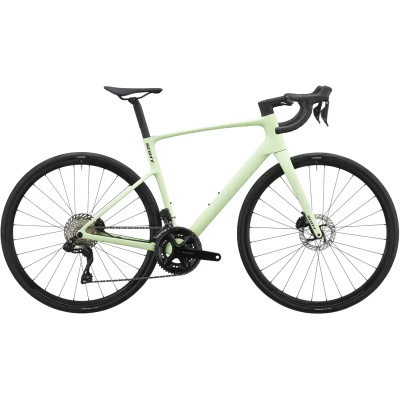
Scott Addict 40
Eat miles in comfort with electronic precision, proper carbon stiffness, and enough tyre clearance for real British roads.
- HMF carbon frame: light, stiff, built for distance
- Shimano 105 Di2: electronic precision at this price
- Clearance for 34mm tyres: comfort over rough tarmac
- Endurance geometry: upright enough for all-day rides
- 8.5 kg complete: climbs without the weight penalty
- Internal routing keeps cables clean and protected
Scott Addict 40 Deals
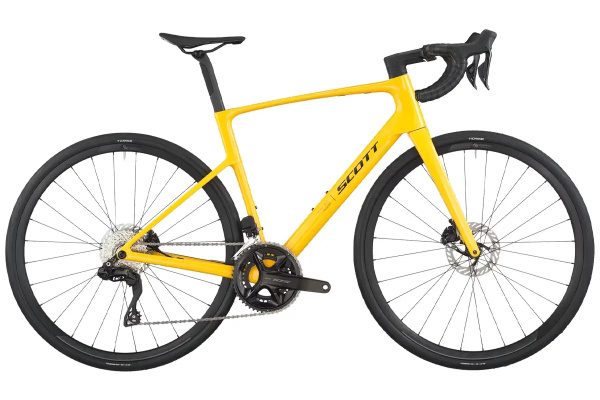
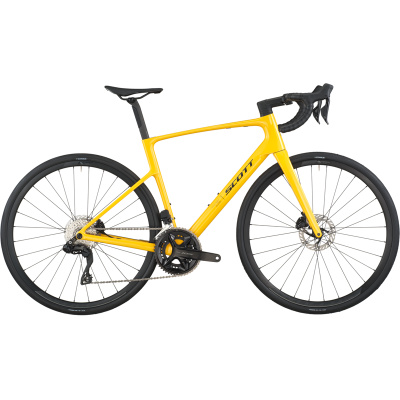
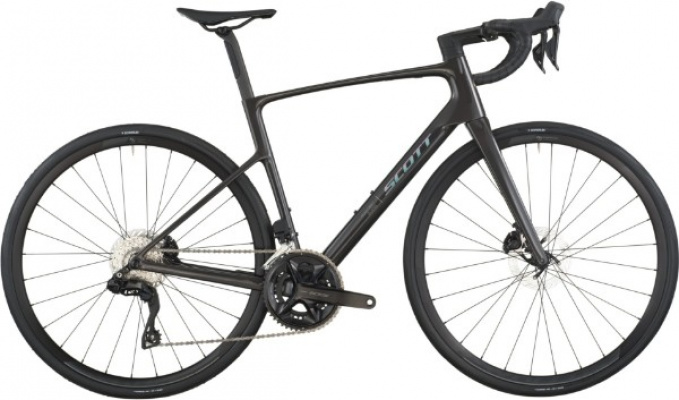
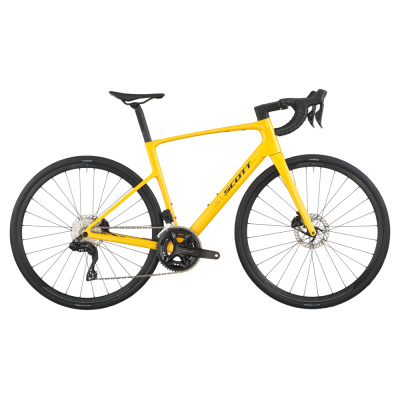
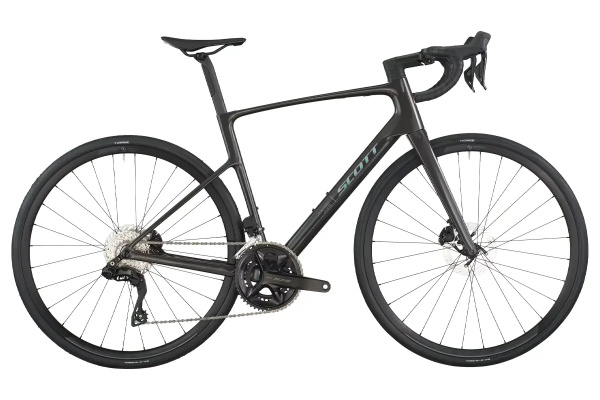
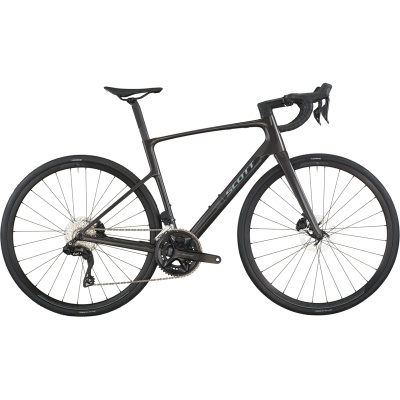
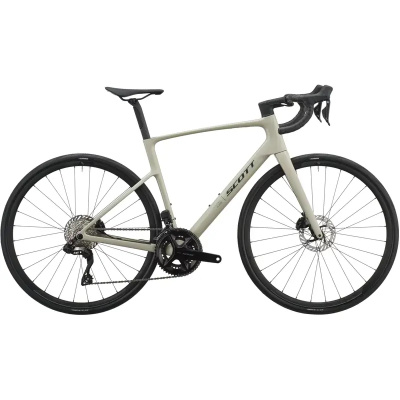

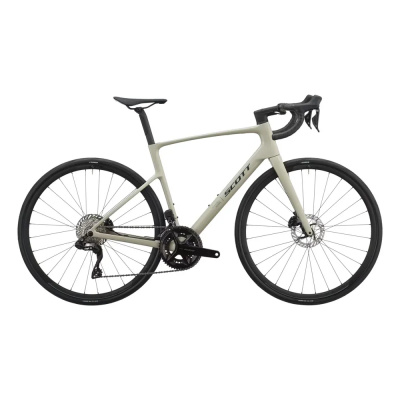
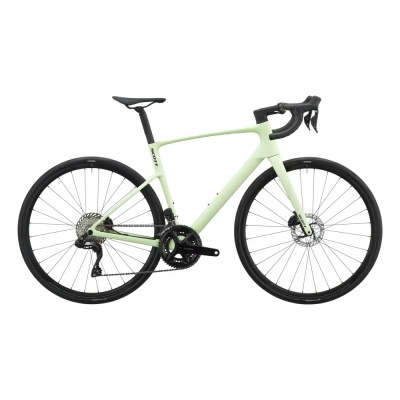
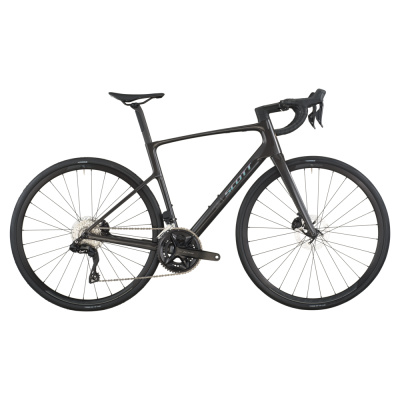
Prices and availability can change quickly. Delivery charges are not always included in listed prices.
Final price, stock status and delivery terms are set by retailer. We may receive a commission on purchases made.
Bikesy's Verdict
The Scott Addict 40 is one of the smartest buys in the endurance road category. You're getting a proper carbon frame that's light, stiff, and comfortable, paired with Shimano's excellent 105 Di2 electronic shifting - a combination that used to cost hundreds more. The endurance geometry keeps you fresh over long distances without sacrificing efficiency, and the clearance for 34mm tyres means you can tackle rough tarmac, chip-seal, and even light gravel without suffering.
It's not the lightest bike in its class, and the stock wheels are more training-grade than race-ready, but those are easy fixes if you want to sharpen the ride later. What matters is the frame, the shifting, and the overall balance, and the Addict 40 nails all three. If you're serious about covering ground - sportives, club rides, solo training loops - this bike will keep you comfortable, efficient, and smiling for as long as you're willing to pedal.
Pros
- Shimano 105 Di2 electronic shifting at a competitive price
- HMF carbon frame balances light weight, stiffness, and comfort
- Endurance geometry keeps you fresh on long rides
- Clearance for 34mm tyres handles rough tarmac and light gravel
- Hydraulic disc brakes offer reliable stopping in all conditions
Cons
- Syncros RP2.0 wheels are heavier than performance options if you chase faster times
- Geometry prioritises comfort over aggressive handling when racing demands sharper responses
- Not a dedicated gravel bike if technical off-road is your regular terrain
About the Scott Addict 40
Scott's Addict 40 lands squarely in that sweet spot where proper performance meets sensible money. Built around the brand's HMF carbon frame - lighter and stiffer than alloy, more accessible than their top-shelf HMX layup - it's aimed at riders who rack up serious miles without needing a second mortgage. The 2026 version keeps the formula tight: endurance geometry that won't fold you in half, Shimano's 105 Di2 electronic shifting (a spec bump that matters), and clearance for 34mm rubber. It's not trying to win crits, but it'll happily eat sportives, club runs, and long solo efforts without complaint.
What sets this bike apart is the balance. You're getting electronic shifting reliability that used to live only on bikes twice the price, wrapped in a frame that prioritises comfort without going soft. The HMF carbon offers enough compliance to smooth out chip-seal and patched tarmac, yet it's stiff enough through the bottom bracket that your watts don't vanish into flex when you're grinding up a long drag. Dropped seatstays and a D-shaped post (depending on spec) help filter vibration before it reaches your sit bones, and the wider tyre clearance means you can dial in the cushion you need for your local roads.
It's a bike that knows its job: cover ground efficiently, keep you fresh enough to enjoy the last hour, and handle the British road network's variable quality without drama. If you're after an endurance machine that doesn't compromise on the bits that matter - frame stiffness, shifting precision, real-world comfort - the Addict 40 delivers without the usual compromises at this price point.
Scott Addict 40 geometry
The Addict 40's geometry leans towards stability and comfort rather than twitchy race-bike aggression. Stack figures are generous across the size run, so you're not diving onto the bars; reach numbers stay moderate, giving you a posture that's efficient without demanding yoga-level flexibility. The head angle sits relaxed enough to inspire confidence on fast descents and in crosswinds, while the longer wheelbase plants the bike firmly when you're cruising at tempo or navigating rough patches.
Chainstays hold steady at 420mm across all sizes, which keeps the rear end predictable and planted - useful when you're out of the saddle on a steep ramp or carrying speed through a sweeping bend. The bottom bracket drop is conservative, so you're not scraping pedals through tight corners, and the seat tube angle positions you over the cranks without tipping you too far forward. It's a geometry that rewards smooth, sustained efforts rather than explosive sprints, and it won't punish you if your core strength fades after four hours in the saddle.
Smaller riders get a slacker head angle on the XXS and XS frames to maintain stability with shorter wheelbases, while larger sizes steepen slightly to keep handling responsive. The result is a bike that feels composed whether you're threading through a paceline or solo-grinding a lumpy route, and it won't leave you wrestling the front end when fatigue sets in.
Component choices & upgrades
The stock build is already well sorted. Shimano's 105 Di2 groupset delivers crisp, reliable shifts with the kind of electronic precision that used to cost serious money, and the 50/34 chainrings paired with an 11-34 cassette give you enough range to tackle steep climbs without spinning out on the flat. The hydraulic disc brakes - also 105 - offer consistent, powerful stopping in all weathers, and the internal cable routing keeps everything tidy and protected from road spray.
Where you might consider an upgrade is the wheelset. The Syncros RP2.0 hoops are solid training wheels - durable, reliable, nothing flashy - but they're not light, and they won't flatter your acceleration or climbing efforts. If you're chasing faster times or simply want a more responsive ride, a lighter set of carbon or mid-depth alloy wheels will sharpen the bike's character noticeably. Similarly, the Schwalbe ONE tyres are dependable all-rounders, but swapping to a lighter or grippier model can fine-tune comfort and rolling speed to suit your local roads.
The Syncros cockpit components - stem, bars, seatpost - do the job without fuss, and unless you've got specific fit or comfort needs, there's little reason to change them. If you're particularly sensitive to road buzz, a carbon bar or a more compliant saddle might be worth exploring, but the stock setup is already geared towards long-distance comfort. The frame's clearance for up to 34mm tyres (or potentially wider on some builds) means you can experiment with tyre volume and pressure to dial in the ride quality you want, which is often more effective than chasing exotic components.
Where the Scott Addict 40 excels
This bike is outstanding at eating miles. Long sportives, multi-hour club rides, solo training loops that stretch into the afternoon - the Addict 40 thrives when the route demands sustained effort and all-day comfort. The endurance geometry keeps you upright enough to breathe freely and look ahead, while the HMF carbon frame filters out the worst of rough tarmac without sacrificing the stiffness you need to push a steady tempo. It's equally happy on rolling terrain or long climbs, and the wide-range gearing means you won't run out of options when the gradient kicks up.
It also handles mixed-surface riding better than many pure road bikes. The clearance for 34mm tyres opens up well-maintained gravel lanes, towpaths, and rough byways, so you're not limited to pristine tarmac. The stable handling inspires confidence on descents and in variable conditions, and the hydraulic discs give you control in the wet without the fade or inconsistency of rim brakes. If your rides regularly mix smooth roads with patched sections, chip-seal, or the occasional dirt shortcut, the Addict 40 won't complain.
Where it's not ideal: aggressive racing or crit-style riding. The geometry prioritises comfort and stability over razor-sharp handling, so if you're chasing tight corners at race pace or need explosive sprint response, a more aggressive frame - like Scott's own Addict RC - will suit you better. It's also not a dedicated gravel bike; while it'll handle light off-road, technical singletrack or deep gravel is beyond its remit. And if you're weight-obsessed, the Syncros wheels add a bit of heft that faster riders might want to shed. But for the rider who values comfort, reliability, and the ability to cover serious distance without suffering, the Addict 40 is hard to fault.
Scott Addict 40 FAQs
What is the difference between Scott Addict and Addict RC?
The Addict RC uses a more aggressive, race-focused geometry with a lower stack and longer reach, designed for riders who prioritise speed and aerodynamics over comfort. The standard Addict (including the Addict 40) features endurance geometry with a more upright position, greater tyre clearance, and a focus on all-day comfort. The RC is built for racing and fast group rides; the Addict is built for covering ground efficiently without the physical toll.
Is the Scott Addict 40 a good bike for beginners?
Yes, it's an excellent choice for beginners who are serious about road cycling. The endurance geometry is forgiving and comfortable, the Shimano 105 Di2 electronic shifting is intuitive and reliable, and the bike's stability inspires confidence. It's capable enough to grow with you as your fitness and skills improve, so you won't outgrow it quickly.
What tyre pressure should I use for the Schwalbe ONE 32mm tyres on my Scott Addict 40?
Start around 60 - 70 psi for a rider of average weight (70 - 80 kg) and adjust based on comfort and road conditions. Lower pressures (towards 60 psi) offer more comfort and grip on rough surfaces; higher pressures (towards 70 psi) reduce rolling resistance on smooth tarmac. Experiment within that range to find what suits your weight, riding style, and local roads.
How much does the Scott Addict 40 weigh?
The complete bike weighs approximately 8.5 kg (18.74 lbs) in a medium frame size for the 2026 model. That's competitive for an endurance bike at this price point, though lighter wheels or components could shave a bit more if weight is a priority.
Can I fit wider tyres on the Scott Addict 40?
The 2026 model officially clears 34mm tyres, and some sources suggest clearance for up to 38mm depending on the specific frame build. Check your frame's actual clearance at the chainstays and fork crown before fitting anything wider than 34mm, but there's definitely room to experiment with more volume if you want extra comfort or light gravel capability.
What is the ideal rider height for a size Medium Scott Addict 40?
A medium frame typically suits riders between 177 and 185 cm tall, though individual proportions (leg length, torso length, arm reach) matter more than height alone. If you're at the edges of that range or have unusual proportions, it's worth checking the geometry numbers or getting a professional fit to confirm the best size.
Is the Shimano 105 Di2 groupset on the Scott Addict 40 reliable?
Extremely. Shimano's 105 Di2 is known for consistent, precise shifting with minimal maintenance, and the electronic system is less prone to cable stretch or contamination than mechanical setups. Battery life is long (several hundred kilometres per charge), and the system is robust enough to handle British weather without fuss. It's one of the standout features at this price point.
Key Features & Benefits
- HMF carbon frame and fork: Light enough to climb efficiently, stiff enough to transfer power, compliant enough to smooth rough roads over long distances.
- Shimano 105 Di2 12-speed electronic groupset: Precise, reliable shifting with minimal maintenance, offering performance previously reserved for much pricier bikes.
- Endurance geometry with generous stack and moderate reach: Keeps you comfortable and efficient for hours in the saddle without demanding extreme flexibility or causing back strain.
- Clearance for up to 34mm tyres: Lets you dial in comfort and grip for rough tarmac, chip-seal, or light gravel without sacrificing road speed.
- Hydraulic disc brakes with 160mm rotors: Consistent, powerful stopping in wet or dry conditions, with better modulation and less hand fatigue than rim brakes.
Scott Addict 40 2025 and 2024 differences
The 2025 model introduced Shimano 105 Di2 12-speed electronic shifting as standard, a significant upgrade over the 2024 version, which shipped with mechanical Shimano Tiagra 10-speed on many builds (though some late-2024 listings showed 105 Di2, suggesting a mid-year spec change). The 2025 bike also featured Schwalbe ONE 700x32C tyres and the Syncros RP2.0 wheelset, with a claimed weight of approximately 8.5 kg. Internal cable routing and fender mounts remained consistent across both years.
The 2024 Addict 40 typically came with Syncros Race 24 Disc wheels and Maxxis Detonator 700x28C tyres, and weighed around 9.25 kg - noticeably heavier due to the lower-spec components and narrower rubber. The frame itself - HMF carbon with endurance geometry - remained largely unchanged between the two years, though the 2025 model refined details like dropped seatstays for improved compliance. The jump to electronic shifting and wider tyre clearance makes the 2025 (and now 2026) version a more compelling package for the same approximate price point.
Alternatives to Consider
Within Scott's own range, the Addict 30 steps up with a higher-spec groupset and lighter wheels if you want more performance without changing the frame's endurance character, while the Addict RC 30 offers a more aggressive, race-focused geometry for riders who prioritise speed over comfort. If budget is tighter, the Speedster 30 delivers similar endurance geometry in an alloy frame with mechanical shifting, though you'll sacrifice some weight and refinement.
Cross-brand, the Specialized Roubaix Sport is a direct competitor, featuring the brand's Future Shock suspension for extra compliance and a similar endurance focus, though it typically costs more for comparable spec. The Trek Domane AL 4 Disc offers IsoSpeed vibration damping in an alloy frame with mechanical Shimano 105, making it a more budget-friendly option if electronic shifting isn't essential. For a closer match on spec and price, the Giant Defy Advanced 2 pairs a carbon frame with Shimano 105 Di2 and endurance geometry, though its ride character leans slightly firmer. The Ribble Endurance SL Enthusiast also competes in this space with a carbon frame and 105 Di2, offering similar performance with a more customisable build-to-order approach.
Reviews
Stable handling and a forgiving frame make this bike easy to live with over long distances. The HMF carbon strikes a useful balance: stiff enough that your effort translates into forward motion, compliant enough that rough tarmac doesn't rattle your fillings loose after three hours. When the road tilts upward, the 50/34 chainrings and 11-34 cassette offer enough range to spin comfortably without grinding, and the frame's stiffness through the bottom bracket means your watts don't vanish into flex.
Shimano's 105 Di2 groupset is the headline upgrade here, and it delivers. Shifts arrive crisply and reliably, even under load, and the electronic system requires far less fiddling than mechanical setups. Battery life stretches for weeks of regular riding, and the hydraulic disc brakes offer consistent power in all weathers without the fade or squealing that can plague cheaper systems. It's a spec level that used to live on bikes costing significantly more, and it shows in the day-to-day experience.
Wider tyre clearance opens up the bike's versatility. Fitting 34mm rubber softens the ride noticeably on chip-seal or patched roads, and it gives you the confidence to explore well-maintained gravel lanes without worrying about pinch flats or losing traction. The endurance geometry keeps you upright enough to breathe freely and look ahead, which matters when you're five hours into a sportive or grinding through the final climb of a long loop. Because the frame doesn't demand an aggressive tuck, you're less likely to suffer neck or lower-back fatigue, and that translates into fresher legs when it counts.
The Syncros RP2.0 wheels are the most budget-conscious component on the build - solid, durable, but not light. They're fine for training and general riding, though faster riders will notice the weight penalty on climbs and accelerations. Swapping to a lighter wheelset sharpens the bike's responsiveness noticeably, but the stock hoops won't hold you back unless you're chasing podiums. Overall, the Addict 40 feels like a bike designed by people who actually ride long distances: it's practical, comfortable, and capable, without the compromises that often come at this price point.
Full Specification
| Spec | Value |
|---|---|
| Frame | Scott Addict HMF Carbon |
| Frame Design | Endurance geometry |
| Frame Features | Internal cable routing, Syncros fender kit ready, replaceable derailleur hanger |
| Tyre Clearance | 32mm (or 34mm on newer models) |
| Bottom Bracket | Shimano BB-RS500-PB PressFit |
| Axles | 12mm through-axles front and rear |
| Shifters | Shimano 105 Di2 R7170 Hydraulic |
| Rear Derailleur | Shimano 105 Di2 RD-R7150, 12-speed |
| Front Derailleur | Shimano 105 Di2 FD-R7150 |
| Crankset | Shimano 105 FC-R7100 Hollowtech II, 50/34T |
| Cassette | Shimano 105 R7101, 12-speed, 11-34T |
| Chain | Shimano M6100 12-speed |
| Brakes | Shimano 105 R7170 Hydraulic Disc |
| Rotors (Front) | Shimano RT70 or SM-RT64 CL, 160mm |
| Rotors (Rear) | Shimano RT70 or SM-RT64 CL, 160mm |
| Rims | Syncros RP2.0 Disc, 28 spokes |
| Spokes | 14G Stainless Black 2mm |
| Hubs (Front) | Formula Team II Disc 28H or Syncros |
| Hubs (Rear) | Formula Team II Disc 28H or Syncros |
| Tyres (Front) | Schwalbe ONE Fold 700x32C (or 700x34mm on 2025/2026 models) |
| Tyres (Rear) | Schwalbe ONE Fold 700x32C (or 700x34mm on 2025/2026 models) |
| Handlebar | Syncros Creston 2.0 Compact Alloy, 31.8mm clamp diameter |
| Stem | Syncros RR2.0 |
| Headset | Acros AIF-1134 |
| Seatpost | Syncros Duncan 1.0 (27.2mm, 350mm) or Syncros RR1.2 |
| Saddle | Syncros Tofino Regular 2.0 Channel or Syncros Tofino Regular 2.5 Channel |
| Weight (Approx) | 8.5 kg (18.74 lbs) |
| Available Sizes | XXS, XS, S, M, L, XL, XXL |