
Scott Road Bikes
Scott road bikes sit at a precise crossroads: frames light enough to make a Swiss climb feel manageable, yet shaped to cut through the air on a flat-out chaingang. That dual focus is what makes the range worth paying attention to. Scott has been deep in WorldTour racing long enough to feed genuine competition knowledge back into the frames you can actually buy, and it shows in the details - carbon layups that vary by model purpose, aerodynamic tube profiles borrowed from the peloton, and Syncros components dialled in from the factory rather than bolted on as an afterthought.
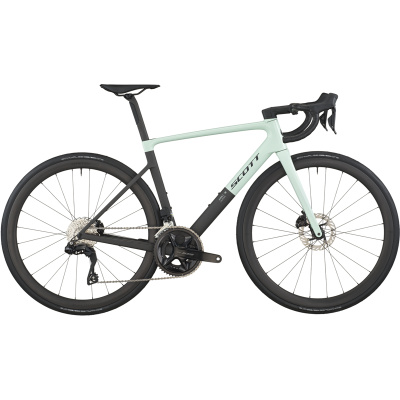
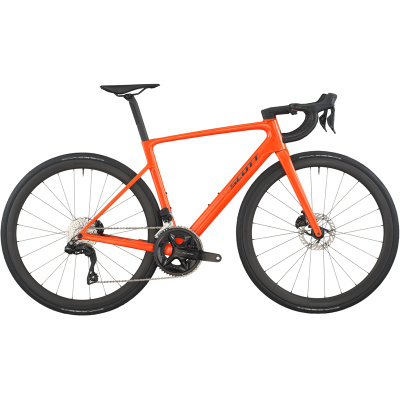
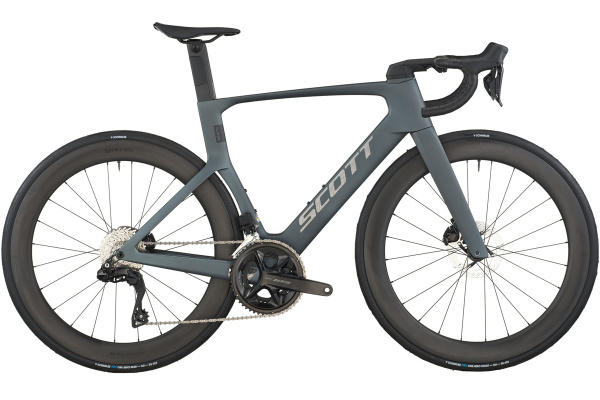
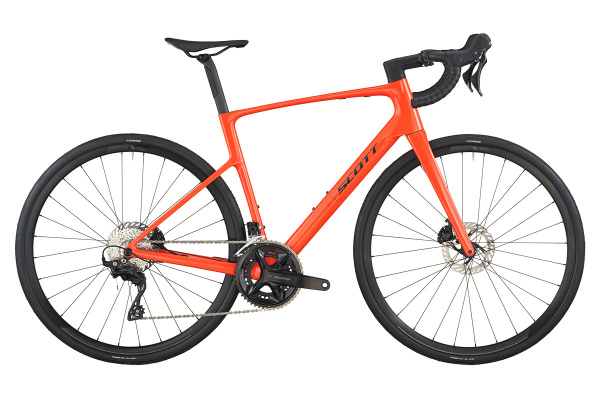
The lineup breaks into clear families. The Foil is Scott's aero weapon: stiff, fast, and shaped to reduce drag at race pace. The Addict RC is the lightweight climbing machine, built around HMX carbon and a race geometry that rewards riders who want every gram to count. The standard Addict broadens the brief toward endurance comfort, with more tyre clearance and a less aggressive position. And the Speedster brings the Scott DNA into alloy and entry-level carbon, keeping things accessible without losing the brand's engineering rigour.
Whether you're chasing a club ride PB or planning a long summer audax, there's a Scott that fits the ambition. Here's how to find yours.
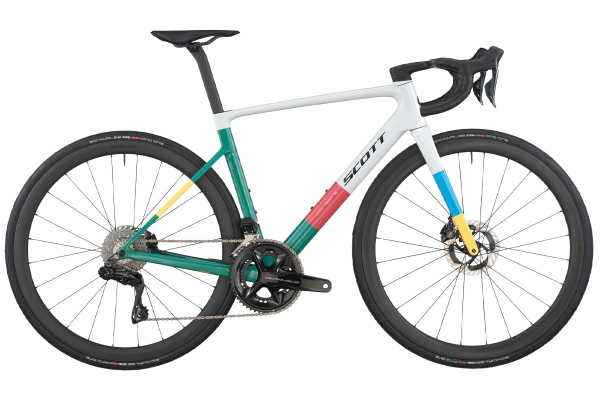
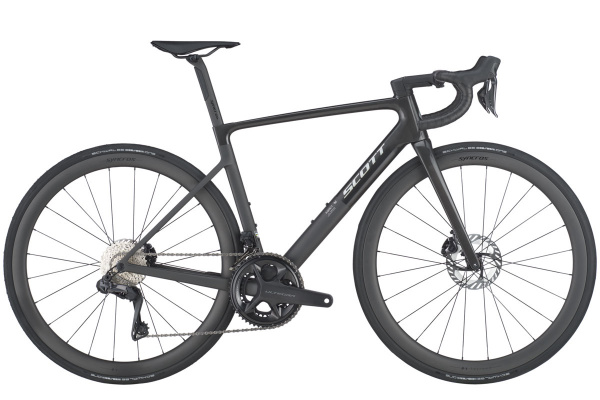
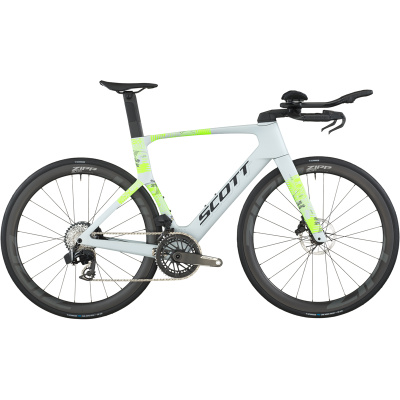
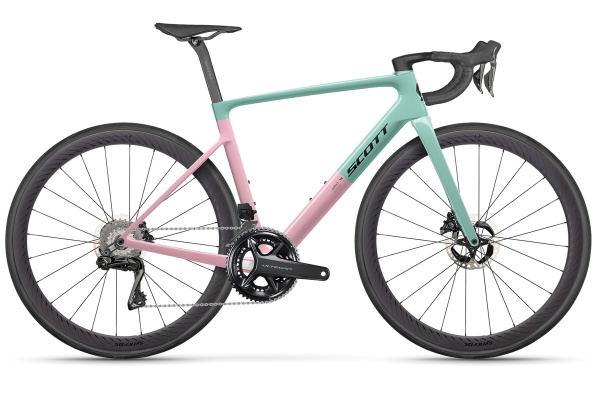
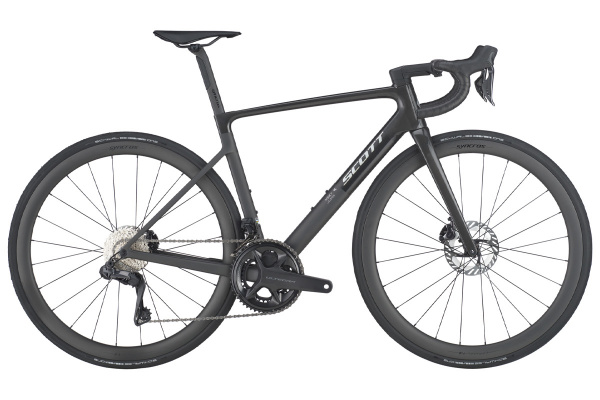
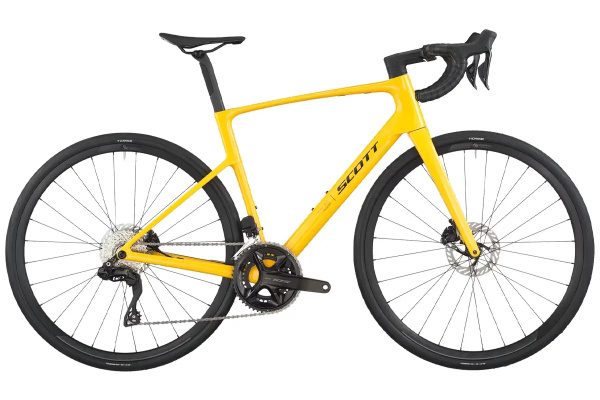
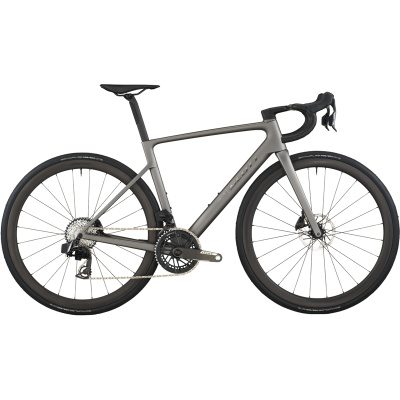
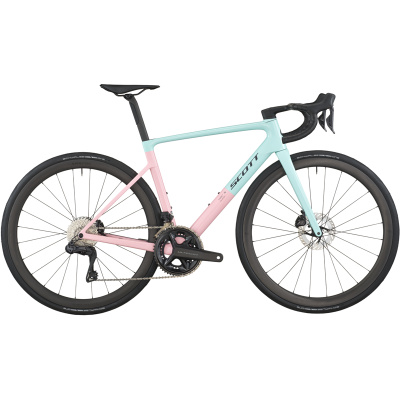
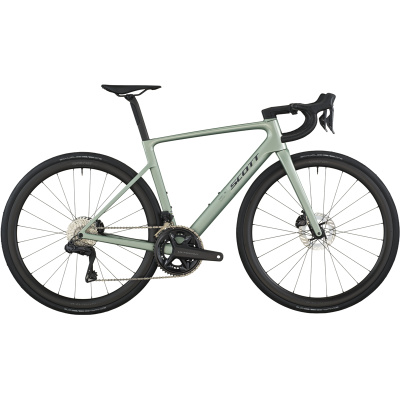
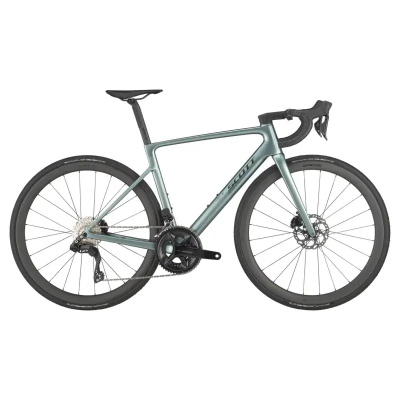
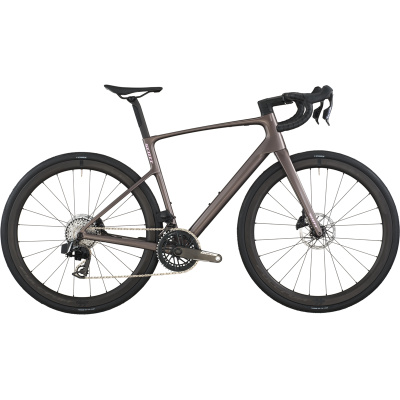
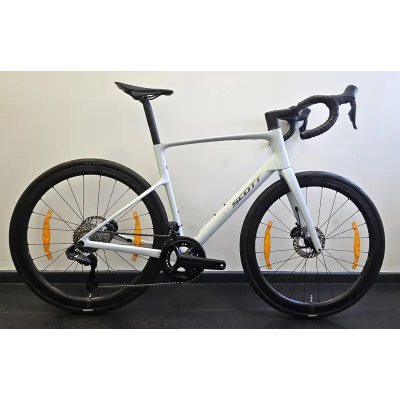
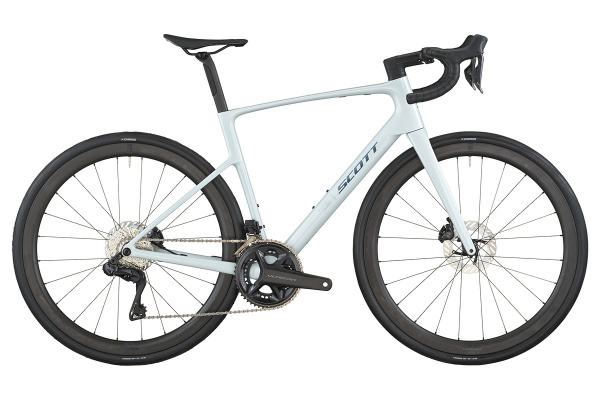
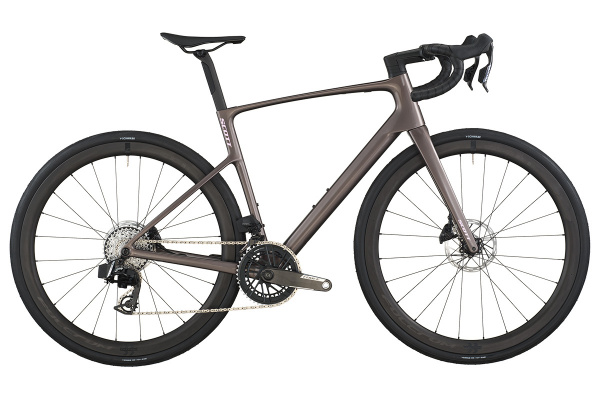
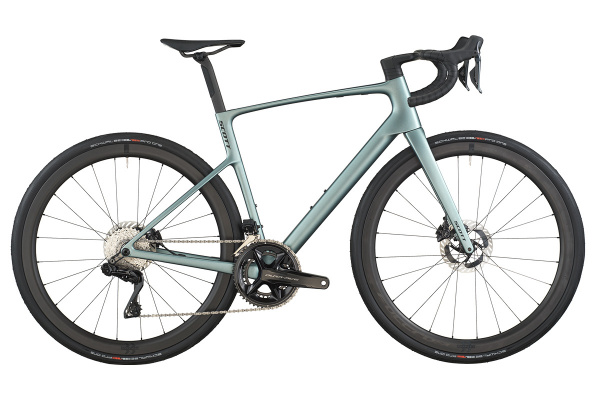
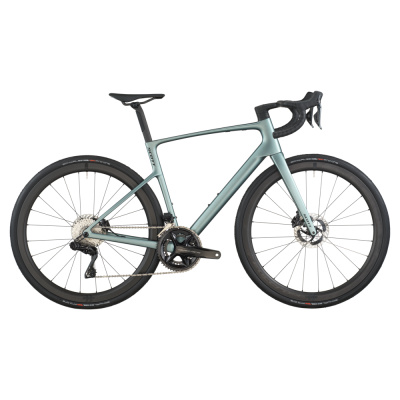
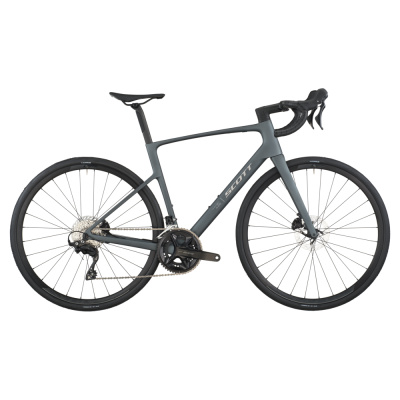
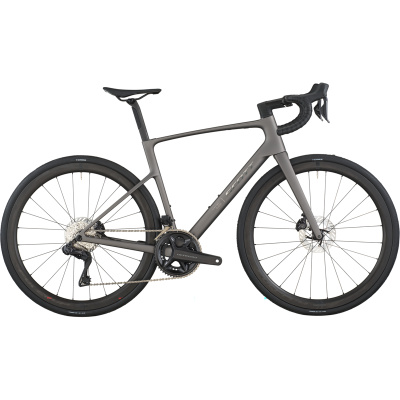
Prices and availability can change quickly. Delivery charges are not always included in listed prices.
Final price, stock status and delivery terms are set by retailer. We may receive a commission on purchases made.
Decoding the Scott Road Bike Lineup
Scott organises its road range around four core families, each with a distinct purpose. Getting the family right matters more than agonising over trim levels - pick the wrong platform and no amount of component upgrades will fix the geometry mismatch.
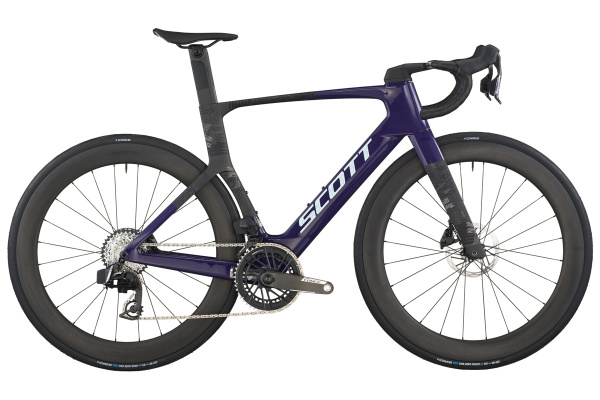
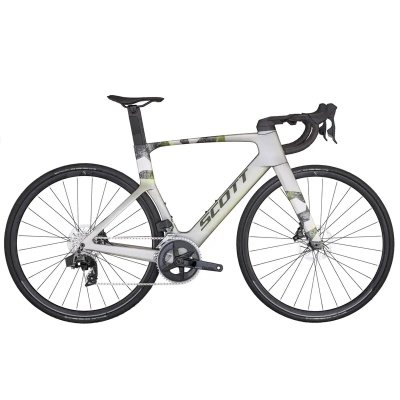
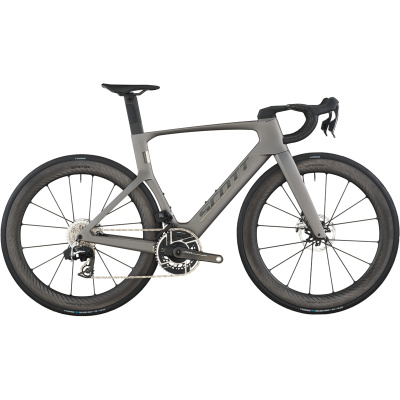
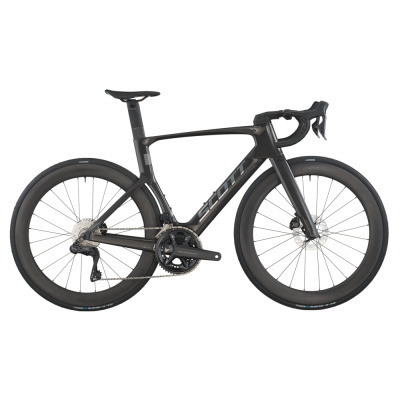
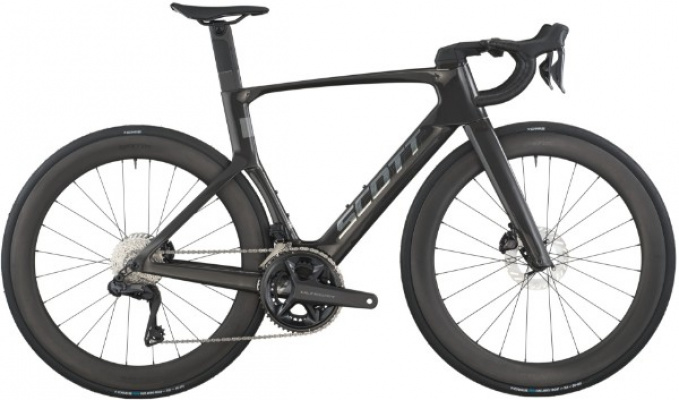
The Scott Foil is the aero road bike in the range. Deep tube sections, a stiff front end, and fully integrated cable routing all point toward one goal: going fast on flat and rolling roads. It's the bike for riders who do a lot of chaingang miles, sportives with long exposed sections, or anyone whose Strava segments are mostly below 500 metres of climbing.
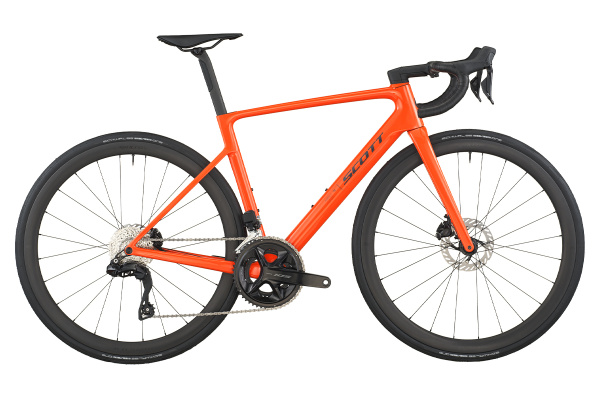
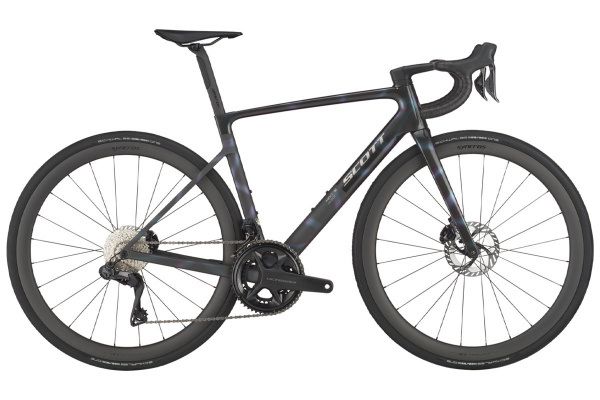
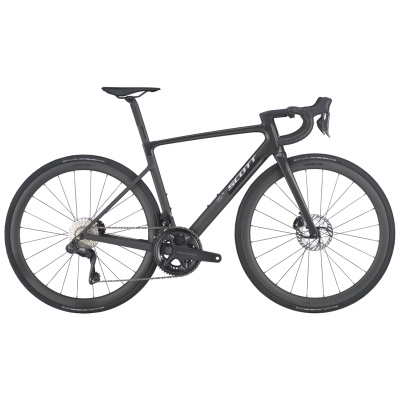
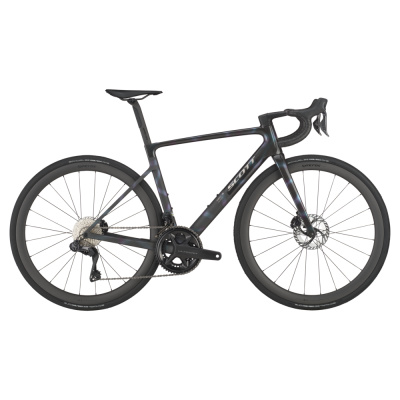
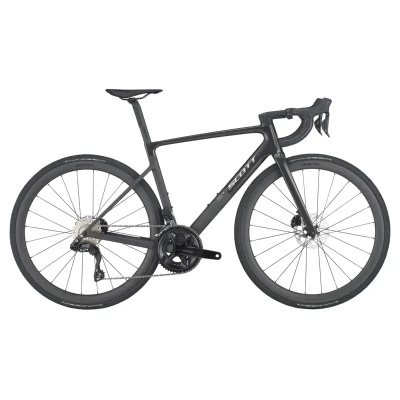
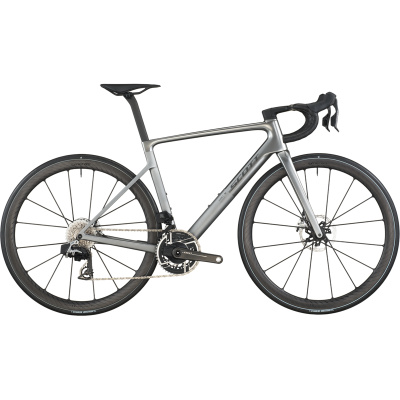
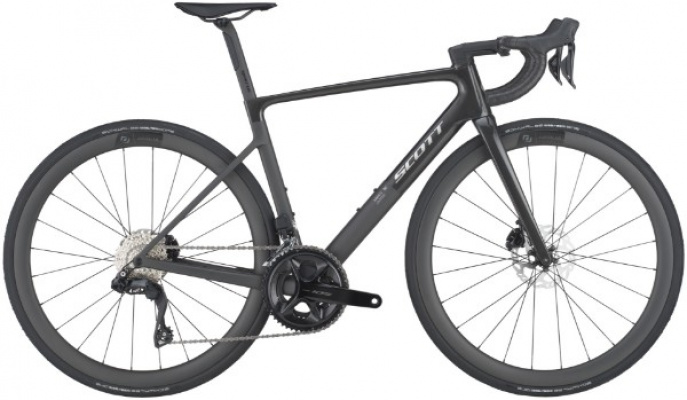
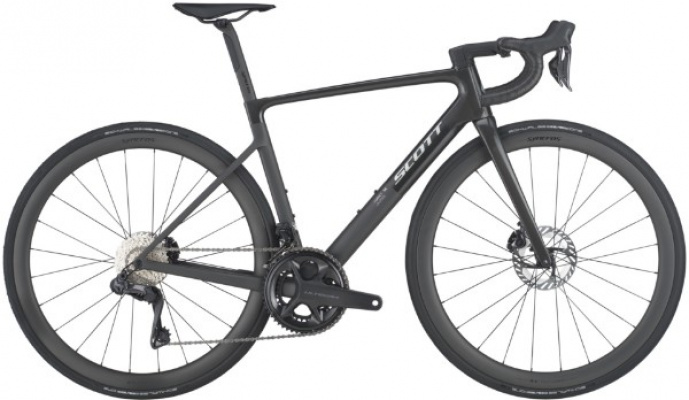
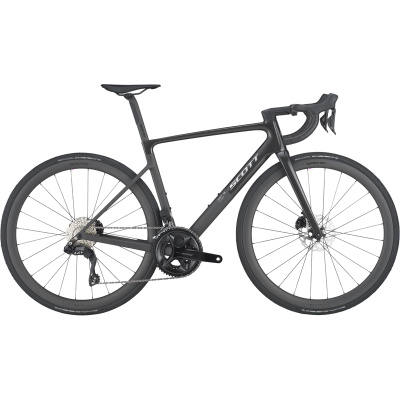
The Scott Addict RC is where the lightweight carbon road bikes Scott produces hit their peak. HMX-SL carbon - Scott's highest-grade layup - keeps the frame weight to a minimum without sacrificing torsional stiffness where you need it. If your rides involve sustained climbing, the Addict RC is the one to look at.
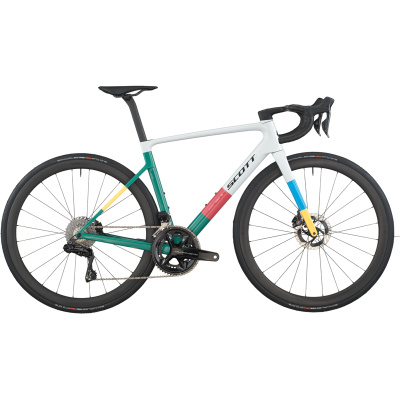
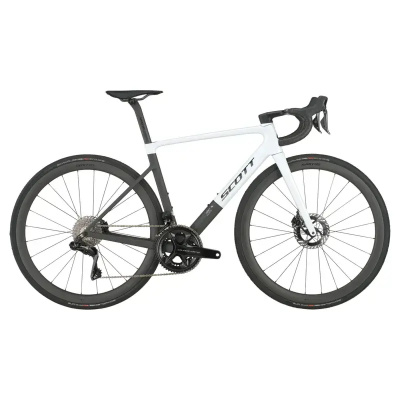
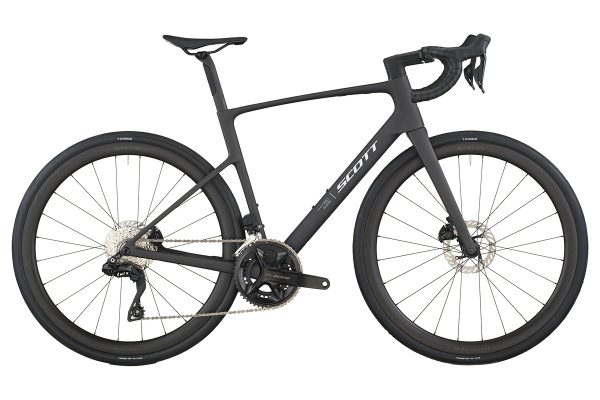
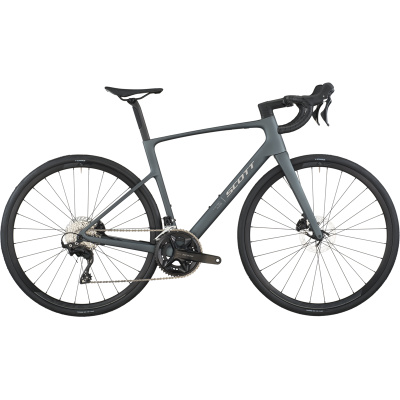
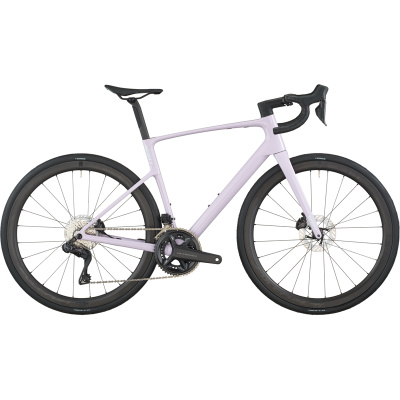
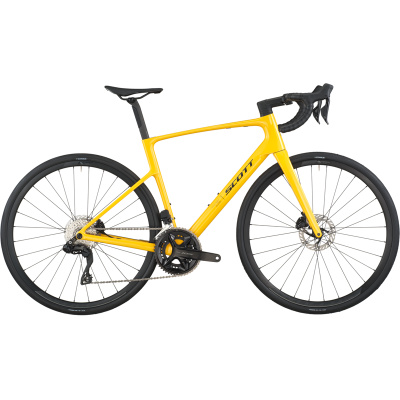
The standard Scott Addict softens the race focus into something more liveable. Endurance geometry means a slightly higher stack and shorter reach, and 32mm tyre clearance gives you options when the road surface deteriorates. It's a capable all-rounder that doesn't punish you on a four-hour Sunday ride.
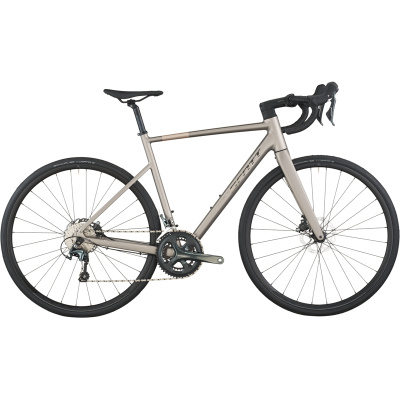
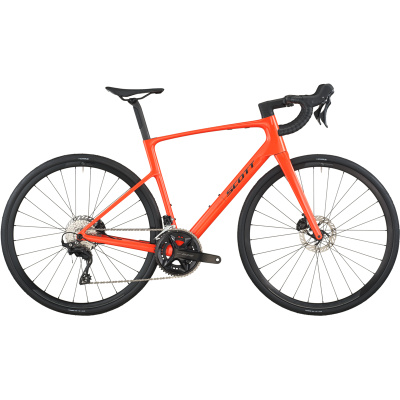
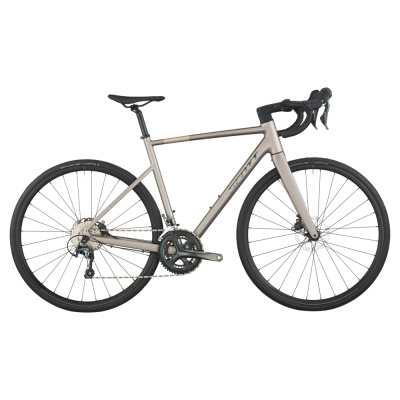
The Scott Speedster covers the entry point: alloy frames at the lower end, entry carbon above. Build quality is solid for the money, and the geometry borrows from the endurance Addict rather than trying to mimic the race models. Good starting point if you're new to drop bars or moving up from a hybrid.
Trim levels run numerically - RC 10, RC 20, RC 30, and so on - where lower numbers mean higher-spec groupsets and lighter finishing kit. The frame and fork remain consistent within each family across most of the range, so it's primarily the drivetrain and wheels that change. Worth knowing when you're deciding how much to spend.
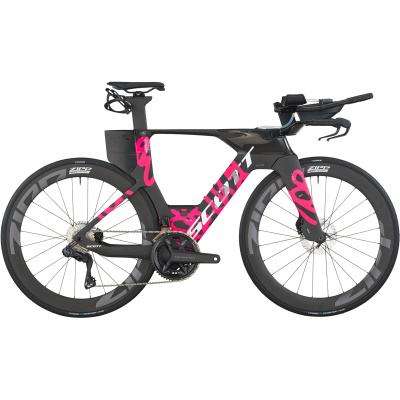
Looking to race against the clock, head off-road, or get a motorised boost? Explore our dedicated Scott Time Trial & Triathlon Bikes, Scott Gravel Bikes, and Scott E-Bikes pages.
The Tech Behind the Frames
Scott's carbon story runs deeper than a single grade. HMF - high modulus fibre - is the baseline carbon used across the mid-range Addict and Speedster models. It's stiff, reliable, and lighter than alloy by a meaningful margin. Step up to HMX, and you're into stiffer, lighter material with a finer weave that allows more precise layup angles. HMX-SL, reserved for the top Addict RC builds, takes that further still - the result is a frame that gives very little under hard efforts while staying on the right side of harsh.
On the Foil, Scott's F01 Airfoil Technology shapes the tubes using truncated aerofoil profiles rather than traditional round sections. The effect is measurable drag reduction at the speeds a road race or fast sportive actually produces - roughly 40 - 50 km/h rather than the wind tunnel's often-cited 45 km/h ideal. The tube shapes are also engineered to handle crosswinds without deflecting violently, which matters when you're descending an exposed moorland road with your hands on the hoods.
The Syncros Creston iC SL integrated bar and stem cockpit appears on the upper Foil and Addict RC builds. Cables route entirely internally from lever to frame, which tightens up the front-end aerodynamics and keeps the cockpit looking clean. The clever part is the eccentric fork steerer: a rotating inner sleeve that allows full internal routing without requiring an oversized, drag-inducing headtube. Steering feel stays direct. It's a smarter solution than simply bulking up the front end and hoping for the best. Fully integrated cable routing does mean bar swaps take longer, so if you like experimenting with different handlebar widths or shapes, factor that in.
For comparison, brands like Canyon road bikes and Cervélo road bikes take different approaches to aero integration - Canyon leans on their CP bar system, Cervélo on their SAVE micro-suspension concept - but Scott's eccentric steerer solution is genuinely distinct in how it solves the routing problem.
Running a Scott on British Roads
UK roads have a way of testing a bike's real-world credentials quickly. Potholes, crumbling tarmac, and the kind of winter grit that gets into everything - these are the conditions your bike has to handle, not just race courses and dry summer sportives.
The standard Addict's 32mm tyre clearance is one of the most practically useful specs in the range. Run a 30mm tyre with a touch of extra volume and you'll feel the difference on broken B-roads - less buzz through the bars, more confidence into rough bends. The RC models are tighter on clearance (designed around 25 - 28mm), which is fine for clean roads but worth knowing if your regular routes include anything resembling a farm track.
Disc brakes across the current range mean reliable stopping in the wet, and they genuinely matter in October through March. Fully sealed integrated cable routing is another advantage in winter: grit and salt water that would normally migrate into an external cable stop and wreck your shifting stays out. The trade-off is that replacing headset bearings - something UK winter riding accelerates - takes longer when the bars need to come off first. Budget for a bit more workshop time on the integrated-cockpit models if you're riding year-round.
Pairing a Scott with the right Scott saddle makes a noticeable difference on longer rides, and it's worth sorting Scott bib shorts and a Scott jersey at the same time if you want components that are designed to work together. If you're also weighing up alternatives, Giant road bikes offer strong value at similar price points and are worth a look before you decide.
Bottom bracket stiffness is another area worth noting: Scott uses threaded bottom brackets on the Addict RC, which is good news for longevity on damp British rides - press-fit BBs and persistent wet conditions are a combination that tends to end in creaking.
Related searches:
Scott Road Bikes FAQs
Is Scott a good brand for road bikes?
Scott is a well-regarded premium manufacturer with a long track record in WorldTour racing. Their frames use proprietary carbon layups developed at the sharp end of professional cycling, and the build quality across the range reflects that. They're not the cheapest option, but you're getting genuine engineering rigour rather than a badge on an off-the-shelf frame.
What is the difference between the Scott Addict and Scott Foil?
The Addict prioritises low weight and compliance - it's the climbing and endurance platform, with more tyre clearance and a geometry that works for long days. The Foil is built around F01 Airfoil tube shaping and a stiffer chassis optimised for flat and rolling speed. If your rides involve sustained hills, go Addict. If you're mostly riding fast and flat, the Foil makes more sense.
Are Scott road bikes true to size?
Generally, yes - Scott's sizing is consistent and most riders find their usual size works. The exception is the Addict RC and upper Foil models, which run a longer reach and lower stack to suit an aggressive race position. If you prefer sitting a bit more upright or have a shorter torso, try the standard Addict or Speedster, or check Scott's geometry tables before ordering.