
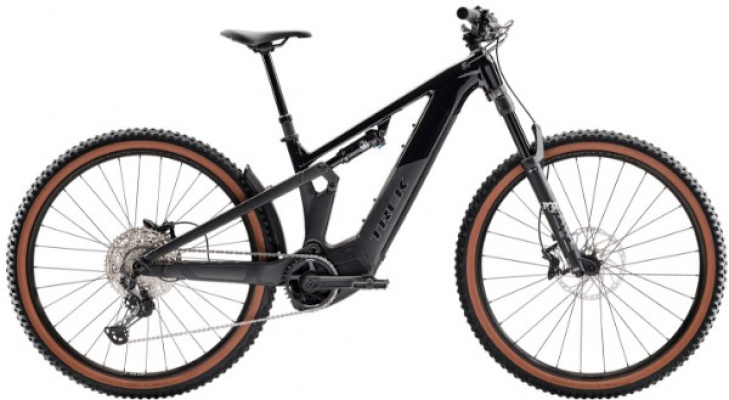
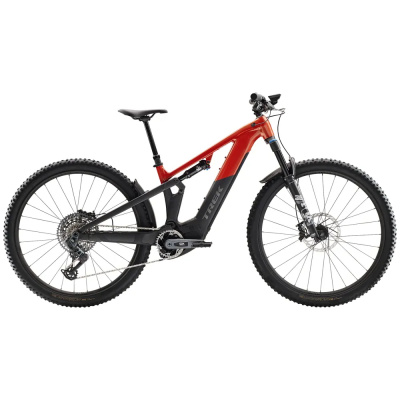
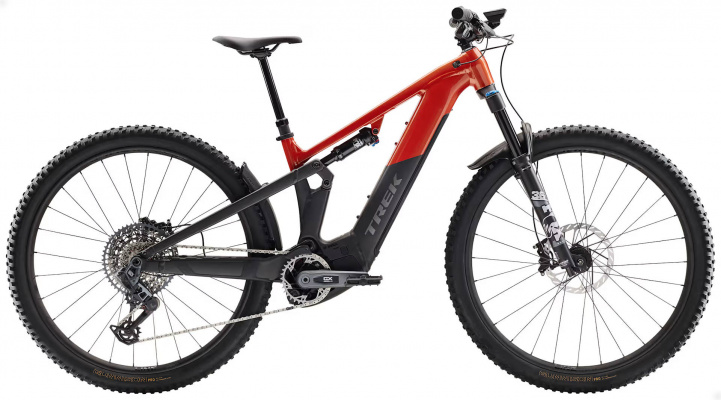
Trek Powerfly FS 4
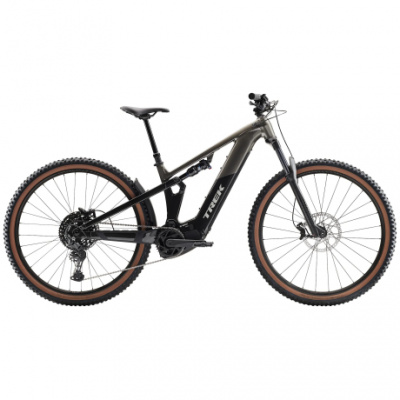
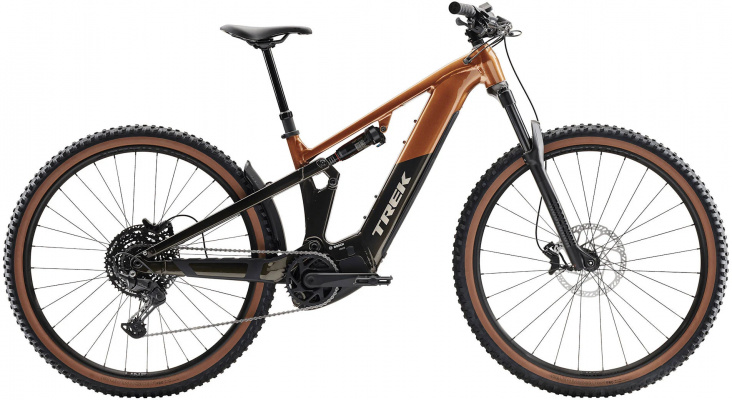
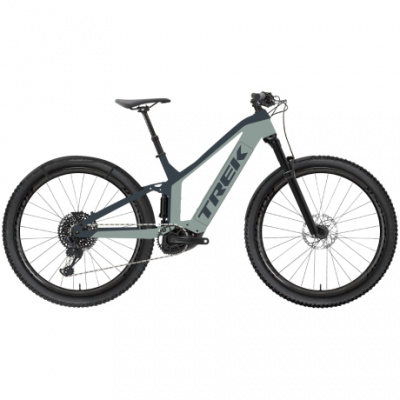
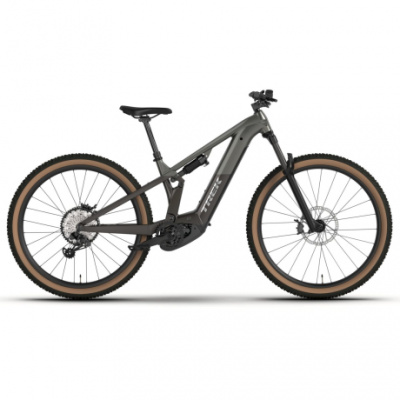
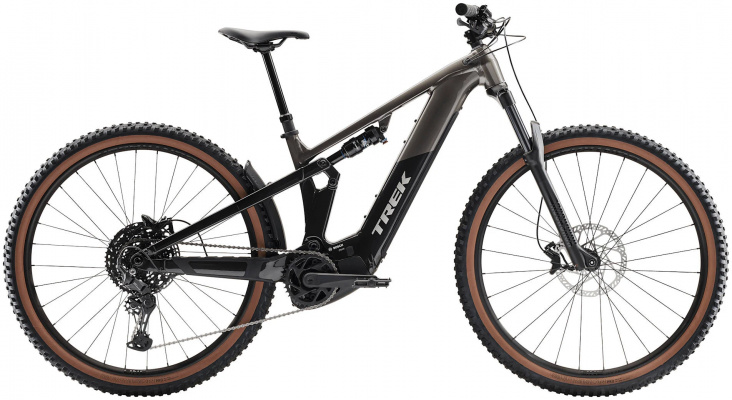
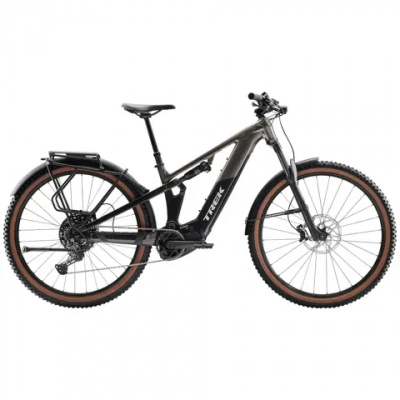
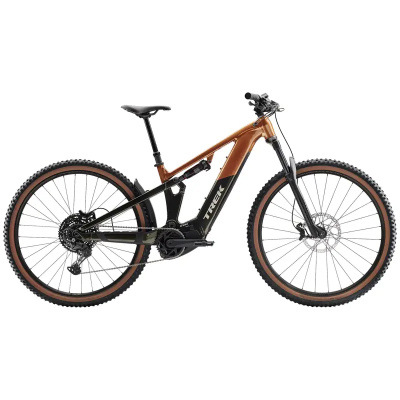
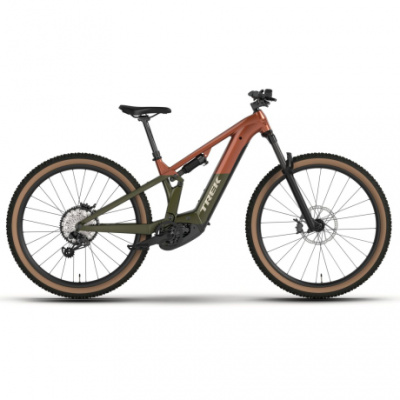
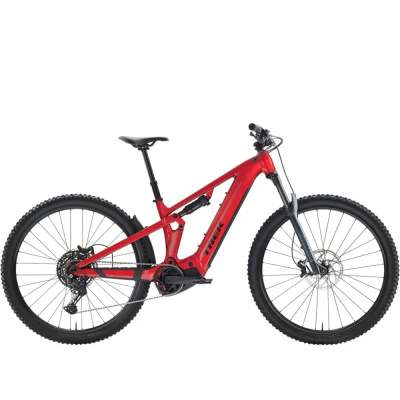
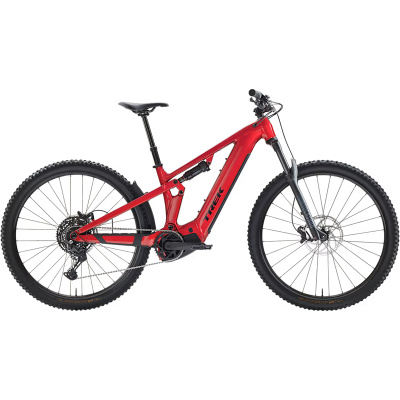
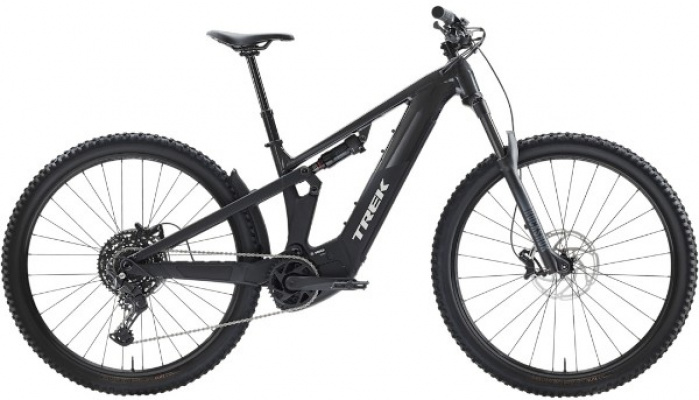
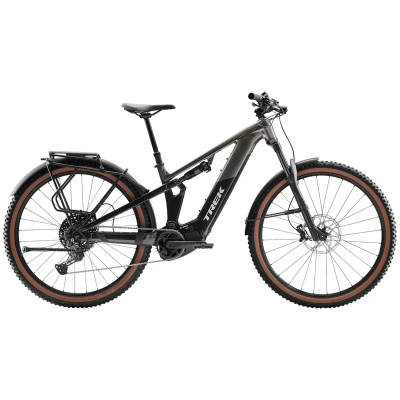
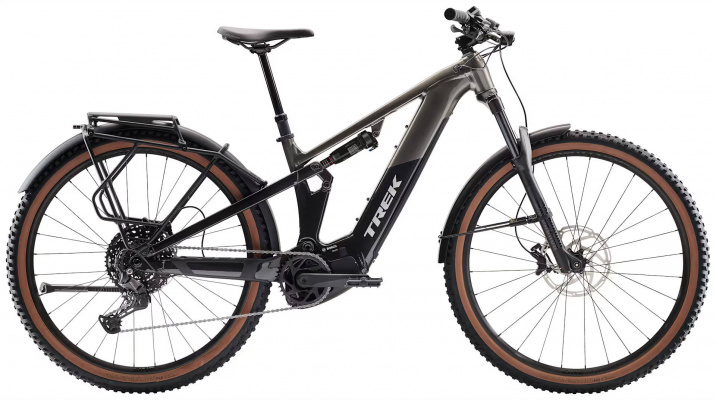
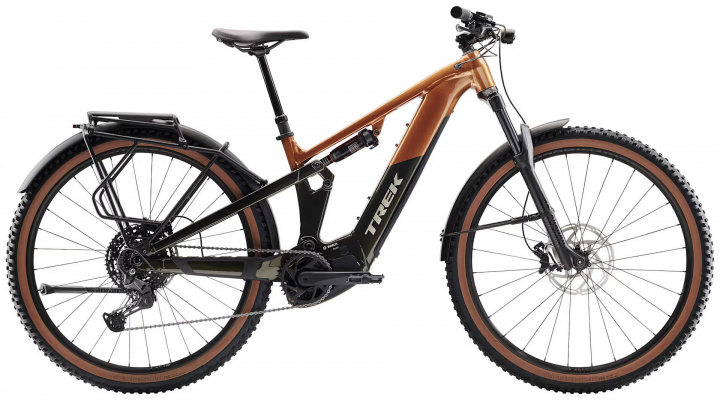
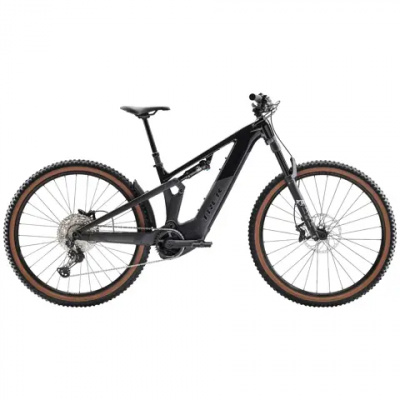
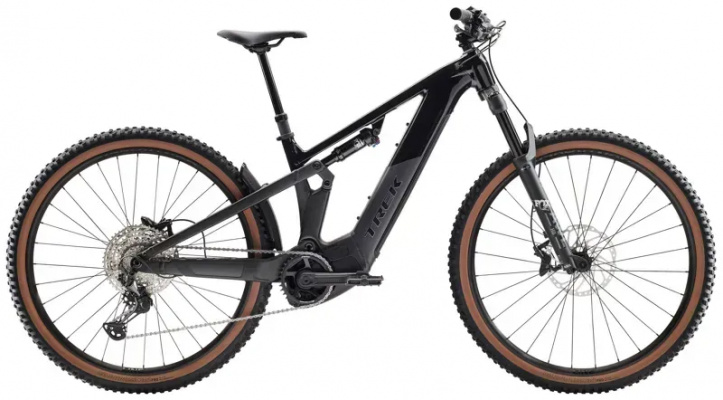
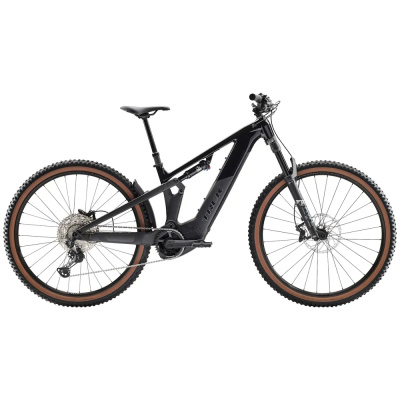
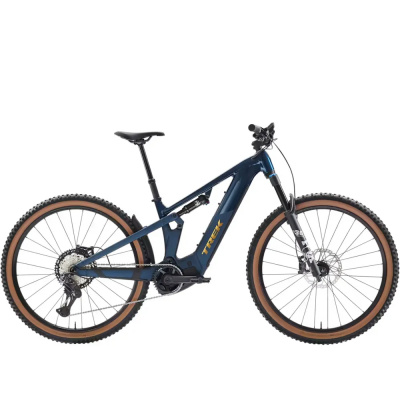
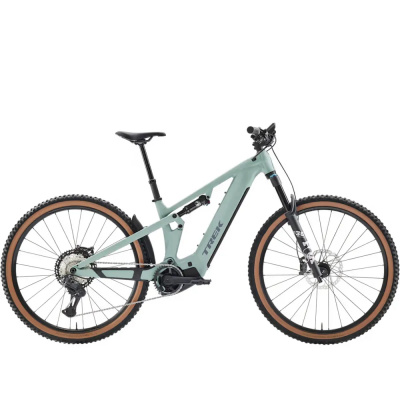
The Trek Powerfly FS 4 is a full-power, full-suspension e-MTB for comfortable hill-and-trail exploration, available with 600 Wh or 800 Wh batteries and optional factory utility equipment.
- Bosch CX power: Full-power assistance makes steep climbs and long routes far more manageable.
- Full suspension: 130 mm front and 120 mm rear travel smooth rough tracks and rooted bridleways.
- 600 Wh or 800 Wh: Choose lower initial outlay or more stored energy for bigger days out.
- Removable RIB 2.0 battery: Charge and store the main battery indoors with less fuss.
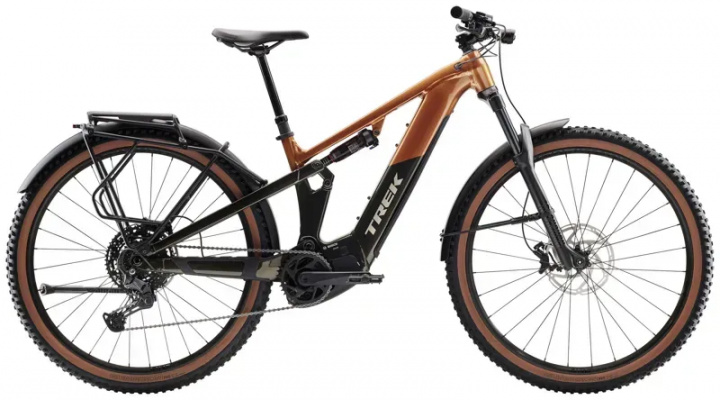
- Equipped versions available: Factory lights, mudguards, rack and kickstand add everyday usefulness.
- Size-specific wheel setup: The compact S uses 27.5-inch wheels, while M-XL use 29-inch wheels.
Trek Powerfly FS 4 Deals

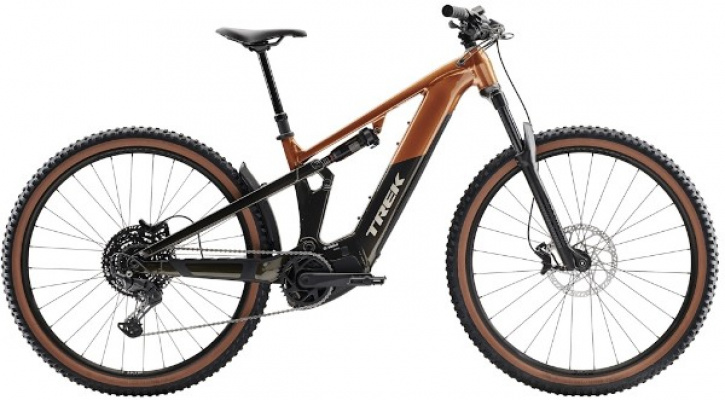
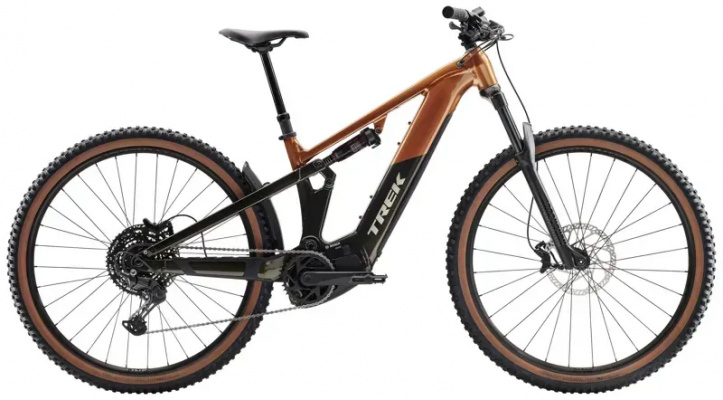
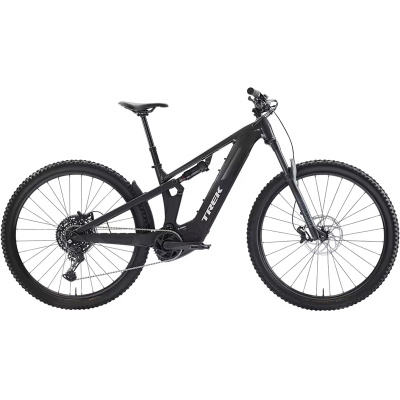
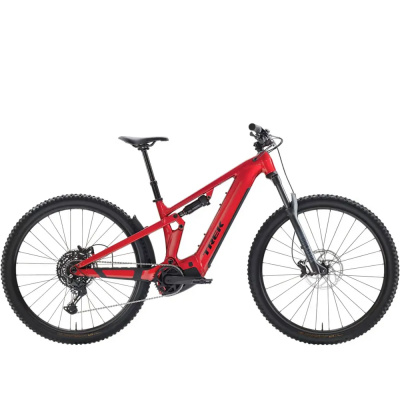
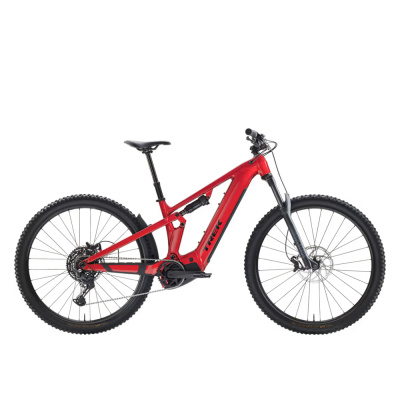
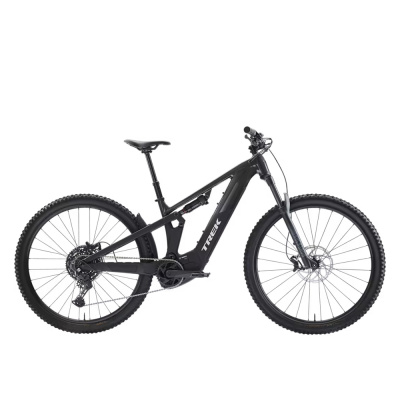
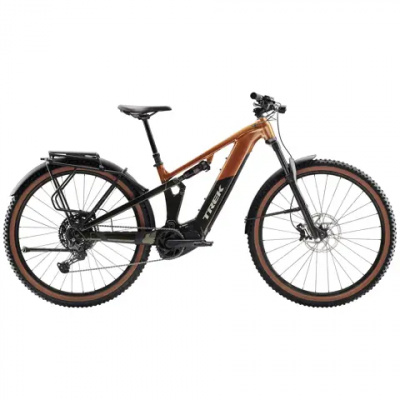
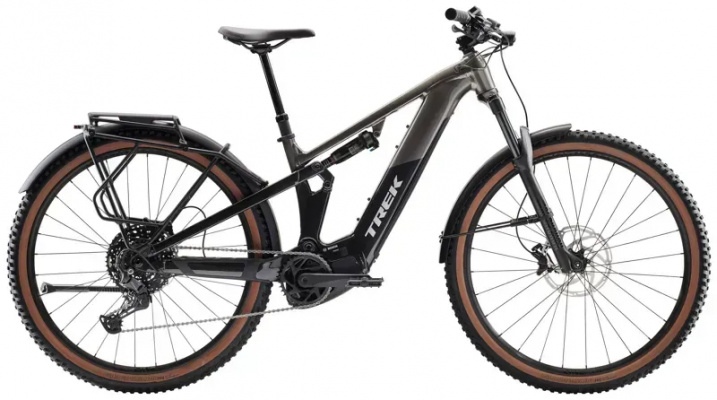
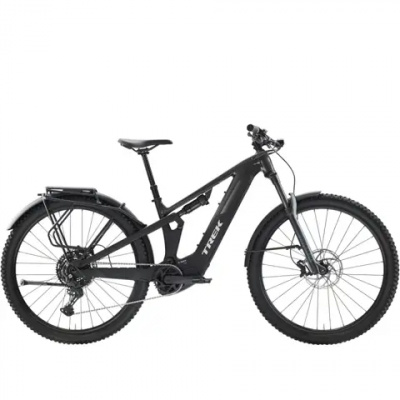
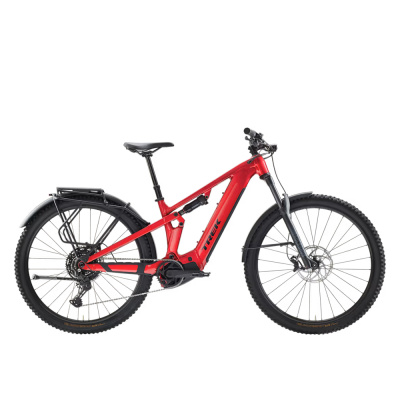
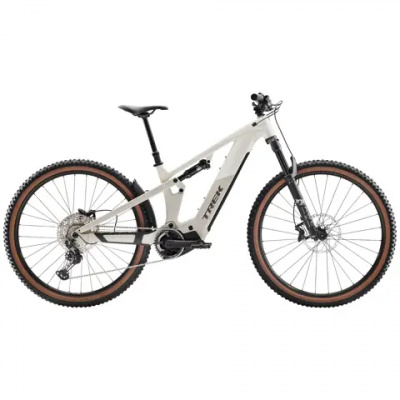
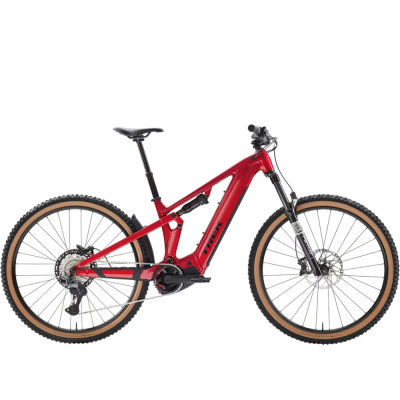
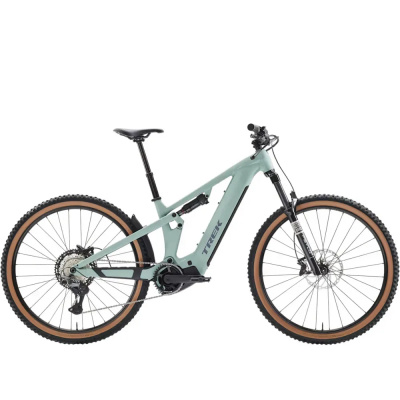
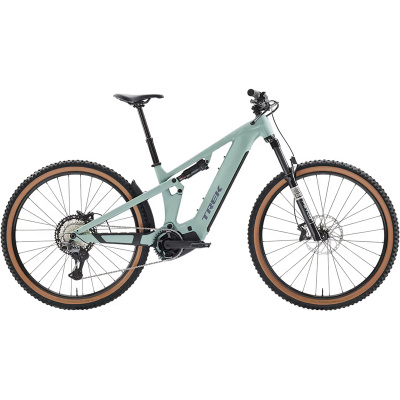
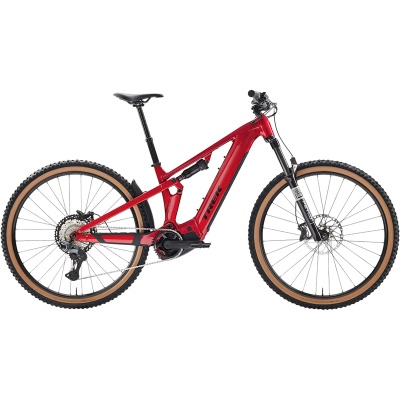
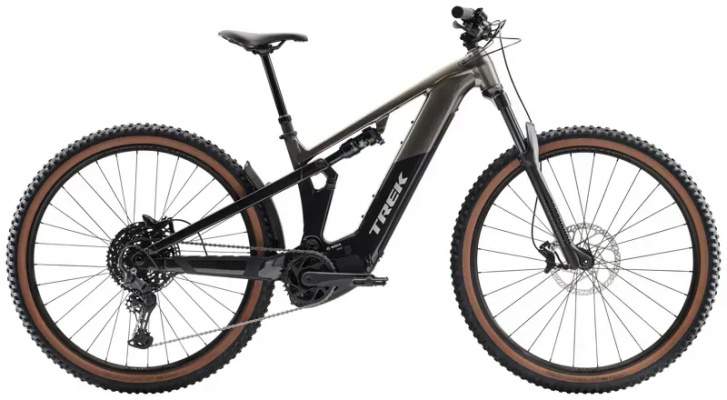

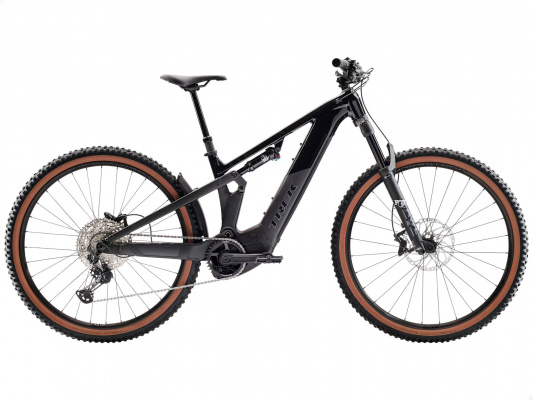
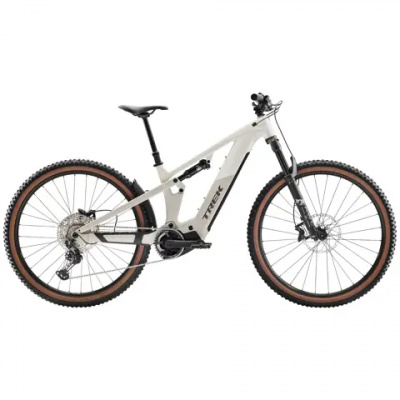
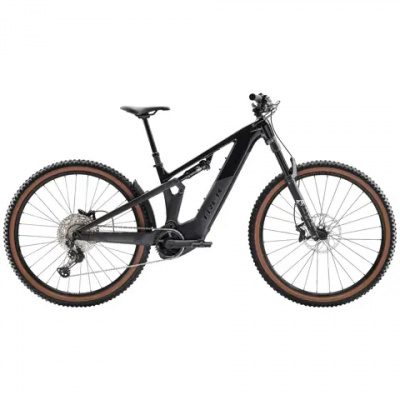
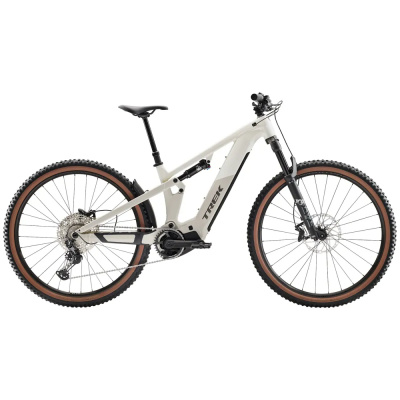
Prices and availability can change quickly. Delivery charges are not always included in listed prices.
Final price, stock status and delivery terms are set by retailer. We may receive a commission on purchases made.
Bikesy's Verdict
The Trek Powerfly FS 4 is a very appealing way into Trek's current full-suspension e-MTB range if your rides mix bridleways, forest trails, rough tracks and proper hills. Bosch CX assistance, a removable battery and 130 mm front with 120 mm rear suspension give it the ingredients for longer, more comfortable adventures, while the Equipped builds make genuine everyday use much easier. Choose battery capacity first, then decide whether factory lights, rack and mudguards suit your routine. The detailed 600 Wh base build is sensibly equipped for recreational trail riding, but its 24.58 kg size-M weight and modest charging speed reward ground-level storage and an overnight charging habit. It is an explorer's bike, not a regular gravity-bike substitute.
Pros
- Bosch Performance Line CX assistance suits steep, long exploratory rides
- 130 mm front and 120 mm rear suspension add comfort and rear-wheel traction
- Choice of 600 Wh, 800 Wh and factory-equipped configurations
- RIB 2.0 battery can be removed for indoor charging and storage
- Size S has its own 27.5-inch wheel format for a more compact fit
Cons
- The 24.58 kg size-M base build is awkward to carry upstairs or lift onto a vehicle
- The supplied 2A charger makes a full charge an overnight job
- Base-build suspension and 120 mm rear travel are for recreational trail riding, not repeated gravity use
Long climbs, lumpy bridleways and rough forest tracks are much more inviting when the bike takes some of the sting out of them. The Trek Powerfly FS 4 is Trek's value-led full-suspension, full-power e-MTB for riders who want that extra comfort and traction without stepping into a premium long-travel build. It makes particular sense if you are moving on from an e-MTB hardtail, returning to riding, or planning bigger mixed-surface days where a removable battery and a calmer ride matter more than a low headline weight.
What is the latest Trek Powerfly FS 4?
The familiar Powerfly FS 4 name remains useful, but Trek officially calls the current bike the Powerfly+ FS 4 Gen 4. It is a full-suspension platform with 130 mm of fork travel and 120 mm at the rear, plus the Bosch Performance Line CX smart system. The current frame uses Trek's RIB 2.0 removable battery arrangement, so you can take the main battery indoors for charging, storage or transport rather than having to park beside a socket.
This is an adventure-minded e-MTB rather than a gravity race bike. The suspension, dropper post and trail tyres should make roots, ruts and broken tracks less tiring, while the Bosch assistance helps keep a long day moving when the route turns steep. It is well matched to light singletrack and recreational descending, but regular enduro racing, big jump lines, downhill tracks and repeated bike-park laps call for a longer-travel machine with more specialised suspension.
Compare the current configurations by battery and equipment
The useful first choice is stored energy. The entry-level configuration has a 600 Wh PowerTube battery, while clearly named 800 Wh versions carry the larger battery. The 800 Wh option stores 200 Wh more energy, which can be valuable for longer, hillier days, but no battery capacity promises a fixed mileage: rider weight, climbing, temperature, tyre pressure, surface and assistance setting all have a say.
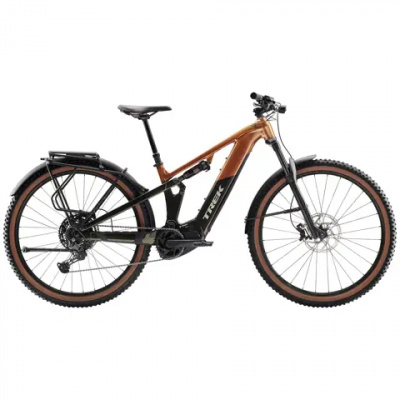
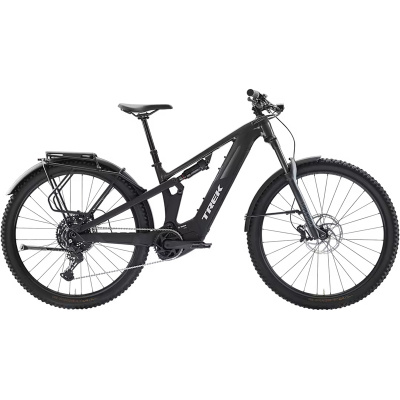
Next, decide whether practical equipment belongs on the bike from day one. Equipped versions arrive with integrated lights, mudguards, a rack and a kickstand, making them especially appealing for touring, everyday errands and rides that begin on wet lanes before heading onto a bridleway. The other configurations have frame mounts for a rack and mudguards, but those fittings are not the same as having the complete utility package supplied.
The 600 Wh base build is the fully detailed component reference, pairing its Bosch system with Shimano CUES LINKGLIDE 1x10 gearing, four-piston Tektro brakes, a RockShox Recon Silver RL fork and a RockShox Deluxe Select R shock. The 800 Wh and Equipped configurations retain the Gen 4 adventure platform, but their remaining component lists can differ between offers. Battery capacity and factory equipment are the dependable way to separate them before comparing the finer details.
Frame, wheel sizes and ride feel
An Alpha Platinum Aluminium frame, Boost thru-axles, guided internal routing and Trek's Active Braking Pivot form the backbone of the current platform. It is a substantial bike rather than a light, poppy trail toy, and that mass combines with the full-suspension layout to favour a planted, confidence-building character over rapid direction changes. On a long, rough route, that can mean less battering through your hands, feet and lower back.
Frame size changes more than reach. Size S uses 27.5-inch wheels and a 100 mm dropper on the fully specified 600 Wh base build, giving shorter riders a distinctly more compact package. Sizes M, L and XL use 29-inch wheels and have 170 mm droppers on that build. Choose the frame size for fit rather than with plans to swap wheel formats later, as Trek does not support an alternative wheel-size conversion.
Climbing is a major part of the Powerfly's appeal. The Bosch Performance Line CX system on the 600 Wh base build has a 250 W rated continuous output and leaves the factory at 85 Nm. Compatible Bosch smart-system installations may allow a software setting of up to 120 Nm where the drive unit, software and bike approval permit it. Higher assistance can make steep climbs easier, but it also uses more battery energy and can increase drivetrain wear, so the standard setting remains the sensible place to begin.
Charging, storage and wet-weather ownership
The base 600 Wh build weighs 24.58 kg in size M, including tubeless sealant and without inner tubes. That is quite manageable once rolling with motor assistance, but it is a meaningful consideration for stairs, ceiling storage and loading a vehicle. Ground-level storage is the easy win, and removing the battery before lifting can make handling less awkward. An e-bike-rated rack is the appropriate choice for car transport.
With the specified 2A charger, Bosch publishes approximately 9.1 hours to charge a fully empty 600 Wh battery and approximately 12.4 hours for an 800 Wh battery. This suits an overnight routine far better than a last-minute top-up before a ride. The 600 Wh base build also has a 136 kg maximum total weight, including bike, rider and cargo; rack capacity on Equipped versions needs to be treated separately from that total.
British winter riding brings ordinary e-MTB maintenance into focus. Keep an eye on brake-pad wear, chain wear, suspension pivots and the battery interface after muddy or wet outings. The CUES LINKGLIDE transmission on the detailed 600 Wh base build is a sensible mechanical setup for e-bike loads, but it still benefits from regular cleaning and timely chain replacement. A Bosch PowerMore 250 can be added for occasional longer rides, though it is not supplied and needs the correct 100 mm reversed cable and mounting hardware.
How Gen 4 differs from the previous Powerfly FS
A previous Powerfly FS 4 Gen 3 can still be a worthwhile lower-cost route into full-suspension e-MTB riding, but it is an older platform rather than the same current bike. Gen 3 used 100 mm of rear travel and 120 mm at the fork, an earlier RIB battery system and older geometry. Battery capacities across that family reached up to 625 Wh. Keep those bikes separate from the current Powerfly+ FS 4 Gen 4 when weighing up suspension, battery fit and frame features.
Key Features & Benefits
- Bosch Performance Line CX smart system: The detailed 600 Wh base build leaves the factory at 85 Nm and has 250 W rated continuous output, helping you keep a steady rhythm on steep, sustained climbs. Compatible installations may permit higher settings, although these use more energy and can increase drivetrain wear.
- 130 mm fork and 120 mm rear travel: This suspension balance takes the sharp edges out of roots, ruts and uneven tracks without turning the bike into a specialist long-travel gravity machine. It is a strong match for all-day exploration and recreational singletrack.
- RIB 2.0 battery integration: Removing the battery for an indoor charge is genuinely handy when bike storage is away from a power socket. The frame still keeps the battery integrated and protected while you ride.
- Shimano CUES LINKGLIDE 1x10 drivetrain on the 600 Wh base build: An 11-48T cassette and 36T chainring provide a broad, straightforward range for assisted climbing. The mechanical transmission is a practical choice for routine maintenance, although it is less refined than higher-tier systems.
- Factory Equipped configurations: Choosing an Equipped build puts lights, mudguards, rack and kickstand on the bike from the outset. That is useful for a commute, touring luggage or simply getting home without a muddy stripe up your back.
Geometry
Powerfly+ Full Suspension Gen 4 geometry
| Size | Wheel size | Reach | Stack | Effective top tube | Head angle | Seat angle | Chainstay | Wheelbase | Standover | Seat tube | Actual seat tube angle | Head tube length | Bottom bracket height | Bottom bracket drop | Fork offset | Trail |
|---|---|---|---|---|---|---|---|---|---|---|---|---|---|---|---|---|
| S | 27.5 inches | 425 mm | 597 mm | 563 mm | 65 degrees | 77 degrees | 458 mm | 1201 mm | 756 mm | 380 mm | 71.1 degrees | 130 mm | 330 mm | 30 mm | 44 mm | 123 mm |
| M | 29 inches | 450 mm | 629 mm | 595 mm | 66 degrees | 77 degrees | 461 mm | 1223 mm | 780 mm | 400 mm | 71.3 degrees | 110 mm | 335 mm | 45 mm | 44 mm | 125 mm |
| L | 29 inches | 475 mm | 647 mm | 630 mm | 66 degrees | 77 degrees | 461 mm | 1257 mm | 775 mm | 420 mm | 71.2 degrees | 130 mm | 335 mm | 45 mm | 44 mm | 125 mm |
| XL | 29 inches | 500 mm | 666 mm | 654 mm | 66 degrees | 77 degrees | 461 mm | 1290 mm | 778 mm | 450 mm | 72.4 degrees | 150 mm | 335 mm | 45 mm | 44 mm | 125 mm |
Alternatives to the Powerfly+ FS 4
The Cube Stereo Hybrid ONE22 Pro 800 is a close base-build rival. Its published UK RRP is £3,499, against £3,500 for the 600 Wh Trek base build, and it has an 800 Wh battery where that Trek has 600 Wh. The Trek counters with 130 mm rather than 120 mm of front travel. Both use Bosch CX power, 120 mm rear travel and mechanical Shimano CUES 10-speed gearing.
For riders who want factory practical equipment, the Cube Stereo Hybrid ONE22 Pro 800 FE has an 800 Wh battery, rack, mudguards, lights and kickstand at a published UK RRP of £3,699. The Powerfly+ FS 4 Equipped 800 has the same broad equipment brief and 800 Wh capacity, with 130 mm rather than 120 mm of fork travel, at an original UK RRP of £3,900. The Cube is fitted with a 12-speed Shimano Deore drivetrain.
Full Specification
Current Gen 4 platform
| Item | Specification |
|---|---|
| Generation | Powerfly+ Full Suspension Gen 4 |
| Frame | Alpha Platinum Aluminium full-suspension frame with RIB 2.0 removable battery integration, Active Braking Pivot, UDH, guided internal routing and Boost thru-axles |
| Suspension travel | 130 mm front; 120 mm rear |
| Wheel format and maximum frame tyre size | S: 27.5 inches, maximum 27.5 x 2.50 inches. M-XL: 29 inches, maximum 29 x 2.50 inches |
| Axles | Boost 110 x 15 mm front and Boost 148 x 12 mm rear thru-axles |
| Routing and hanger | Guided internal routing and UDH hanger |
| Mounts | Rack and mudguard mounts |
| Bottle fit | All sizes can accept at least a small 621 ml bottle |
Current configurations
| Build | Official original UK RRP | Battery | Factory-fitted utility equipment | Known specification position |
|---|---|---|---|---|
| Powerfly+ FS 4 Gen 4, 600 Wh | £3,500 | 600 Wh PowerTube | No complete utility package | Fully specified base build, detailed below |
| Powerfly+ FS 4 800 Gen 4 | £3,700 | 800 Wh PowerTube | No complete utility package | 130 mm front and 120 mm rear platform travel; other component details are offer-specific |
| Powerfly+ FS 4 Equipped Gen 4, 600 Wh | £3,750 | 600 Wh battery | Lights, mudguards, rack and kickstand | 130 mm front and 120 mm rear platform travel; other component details are offer-specific |
| Powerfly+ FS 4 Equipped 800 Gen 4 | £3,900 | 800 Wh battery | Lights, mudguards, rack and kickstand | 130 mm front and 120 mm rear platform travel; other component details are offer-specific |
600 Wh base build
| Item | Specification |
|---|---|
| Original UK RRP | £3,500 |
| Fork | RockShox Recon Silver RL, Solo Air, Motion Control, lockout, 42 mm offset, Boost 110, 15 mm Maxle Stealth, 130 mm |
| Rear shock | RockShox Deluxe Select R, 210 x 50 mm |
| Shifter | Shimano CUES SL-U6000, mechanical, 10-speed |
| Rear derailleur | Shimano CUES RD-U6000 GS |
| Crankset | FSA Bosch CK-220, 36T, 165 mm |
| Cassette | Shimano CUES CS-LG300 LINKGLIDE, 11-48T, 10-speed |
| Chain | Shimano LG500 |
| Brake levers and calipers | Tektro Gemini SL hydraulic four-piston |
| Rotors | Tektro CentreLock, 203 mm specification |
| Rims | Bontrager Line TLR 30, tubeless-ready |
| Front hub | Shimano TC500, CentreLock, 110 x 15 mm |
| Rear hub | Shimano TC500, CentreLock, 148 x 12 mm |
| Spokes | 14 g stainless steel |
| Handlebar | Bontrager Comp alloy, 40 mm rise, 780 mm |
| Stem | Bontrager Comp, 7-degree, 50 mm |
| Headset | FSA IS-2 |
| Grips | Bontrager XR Trail Comp lock-on |
| Saddle | Bontrager Verse P3 |
| Pedals | VP-536 nylon platform |
| E-bike system | Bosch Performance Line CX smart system, 250 W rated continuous output, factory 85 Nm setting, 600 Wh PowerTube battery, Purion 200 and 2A charger. Compatible systems may permit software adjustment up to 120 Nm. |
| Claimed weight | 24.58 kg in size M, with tubeless sealant and no inner tubes |
| Maximum total weight | 136 kg, including bike, rider and cargo |
600 Wh base build size-specific components
| Size | Wheel size | Fitted tyres | Dropper travel | Maximum frame tyre size |
|---|---|---|---|---|
| S | 27.5 inches | Bontrager Gunnison Pro XR 27.5 x 2.40 inches, wire bead | 100 mm | 27.5 x 2.50 inches |
| M | 29 inches | Gunnison Pro XR 29 x 2.40 inches, aramid bead | 170 mm | 29 x 2.50 inches |
| L | 29 inches | Gunnison Pro XR 29 x 2.40 inches, aramid bead | 170 mm | 29 x 2.50 inches |
| XL | 29 inches | Gunnison Pro XR 29 x 2.40 inches, aramid bead | 170 mm | 29 x 2.50 inches |