
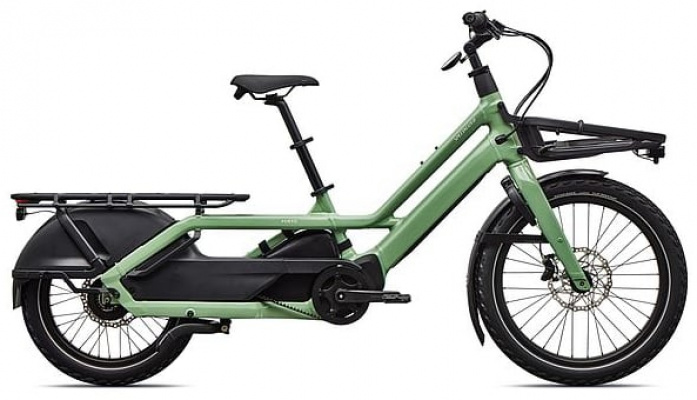
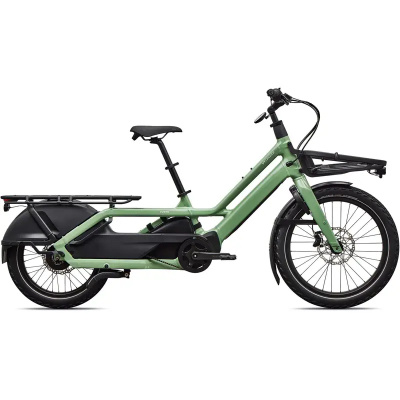
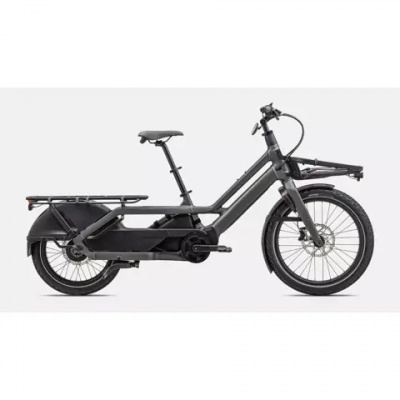
Specialized Turbo Porto
Haul two kids and a week's shopping up any hill with effortless power, radar safety, and zero maintenance faff.
- 90 Nm motor: effortless climbs with 200 kg load
- Garmin Varia Radar: alerts you to traffic behind
- Gates Carbon belt: silent, clean, zero maintenance
- MIK HD racks: click-on child seats and baskets
- Mullet wheels: nimble steering, stable cargo platform
- 710 Wh battery: up to five hours range
Specialized Turbo Porto Deals

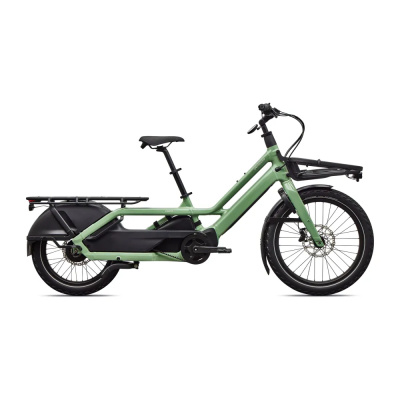
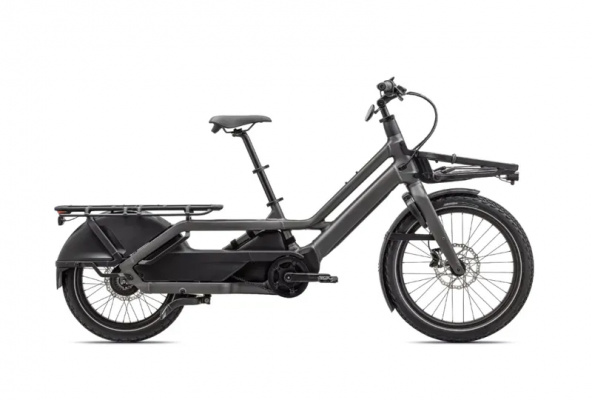
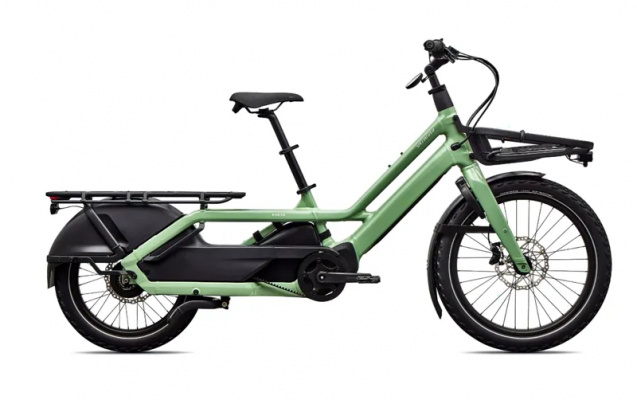
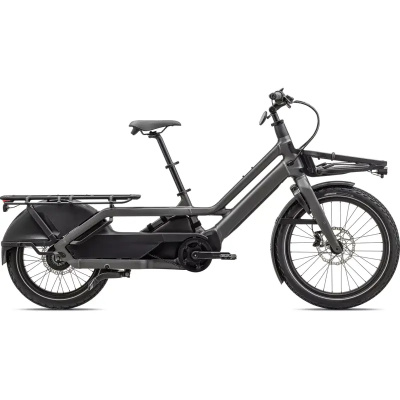
Prices and availability can change quickly. Delivery charges are not always included in listed prices.
Final price, stock status and delivery terms are set by retailer. We may receive a commission on purchases made.
Bikesy's Verdict
The Turbo Porto is Specialized's answer to the question: can a cargo bike be powerful, refined, and genuinely enjoyable to ride? The answer is yes, provided you're using it for what it's built to do. This is a bike that makes urban cargo hauling feel effortless, with motor torque that flattens hills, a battery that lasts all day, and integration - Garmin Radar, Gates belt, MIK racks - that transforms daily use from a chore into a pleasure.
It's not cheap, and it's not light, but if you're serious about replacing car trips or need a reliable workhorse for family transport, the Porto justifies its premium with refinement and capability that few longtails can match. Ride quality on rough roads is the main compromise, but for smooth urban routes, this is one of the most accomplished cargo e-bikes available.
Pros
- 90 Nm motor makes 200 kg loads feel effortless on climbs
- Garmin Varia Radar integration adds genuine urban safety
- Gates Carbon belt and internal hub: silent, clean, zero chain faff
- MIK HD racks: tool-free click-on child seats and cargo
- Stable, confident handling even when fully loaded
- 710 Wh battery offers genuine all-day range
Cons
- Rigid frame and fork mean rough roads feel harsh if your commute includes broken tarmac
- Heavy (42+ kg) when unpowered - lifting onto racks or manoeuvring in tight spaces takes effort
- One-size frame may not suit riders at height extremes despite adjustability
About the Specialized Turbo Porto
Specialized has built a cargo longtail that doesn't apologise for its weight or its purpose. The Turbo Porto is a machine designed to replace car trips, haul children, groceries, and gear, and do it all with the kind of refinement you'd expect from a brand that's spent decades obsessing over ride quality. It's not trying to be a nimble urban runabout - it's a workhorse with manners, a bike that can carry two kids and a week's shopping up a 10% gradient without breaking a sweat.
At the heart of the Porto sits Specialized's 2.2 Cargo motor, a custom-tuned unit delivering 90 Nm of torque. That's enough grunt to make a 200 kg total load feel like you're riding solo, and the power delivery is smooth enough that you won't scare passengers or upset cargo. The 710 Wh battery offers genuine all-day range - five hours is achievable if you're not constantly hammering the top assist mode - and the whole system is backed by Specialized's Mission Control app for fine-tuning power curves and monitoring battery health.
What sets the Porto apart is its integration. Garmin Varia Radar is baked into the system, feeding rear-traffic alerts directly to the Mastermind TCD display. It's a feature that transforms urban riding, giving you eyes in the back of your head when you're piloting a two-metre-long bike with precious cargo aboard. The MIK HD-compatible racks front and rear mean you can click child seats, baskets, and panniers on and off in seconds, and the Gates Carbon belt drive eliminates chain maintenance entirely. This is a bike built for daily use, not weekend tinkering.
Specialized Turbo Porto geometry
The Porto runs a mullet wheel setup - 24-inch front, 20-inch rear - that balances manoeuvrability with cargo stability. The smaller rear wheel keeps the load platform low and the centre of gravity planted, whilst the larger front wheel maintains momentum and rolls over urban obstacles with less drama. It's a compromise that works: the bike feels stable when loaded but doesn't lumber through tight spaces like a full-size longtail.
The standover height is low, making it accessible for shorter riders, and the adjustable stem offers tool-free height and angle changes to dial in your cockpit. Specialized claims the Porto fits riders from 155 cm to 195 cm, and the generous adjustment range makes that plausible. The upright riding position puts you in command, with a wide 680 mm handlebar offering leverage and control when you're wrestling a full load through traffic or up a steep ramp.
Head angle and wheelbase figures aren't published, but the ride character suggests a relaxed front end and a long rear centre to keep the tail planted. You're not going to flick this bike through chicanes, but that's not the point - it's designed to track straight, absorb steering inputs smoothly, and inspire confidence when you've got a child seat or two hanging off the back.
Component choices & upgrades
The stock build is already well sorted for its intended use. Tektro Doraldo four-piston hydraulic brakes with 203 mm front rotors offer serious stopping power - essential when you're hauling 200 kg down a hill - and the Enviolo internal hub gearing provides a claimed 380% range with stepless shifting. The Gates Carbon belt is a highlight: silent, clean, and virtually maintenance-free, it's the ideal drivetrain for a bike that'll see daily use in all weathers.
The Pathfinder Sport Reflect tyres are wide (2.8 inches) and offer decent grip and puncture protection, though riders tackling rougher surfaces or prioritising comfort might consider swapping to a more supple casing or a tyre with deeper tread. The rigid aluminium fork and frame mean there's no suspension to tune, so tyre choice becomes your primary tool for managing ride quality.
If you're planning to max out the cargo capacity regularly, consider adding Specialized's own passenger accessories - child seats, footrests, and cushions - all of which click into the MIK HD system without tools. The front rack can take a lowrider setup via the fork bosses, useful if you're touring or need to balance heavy loads. Beyond that, the Porto doesn't need much: it's a complete package out of the box, and most riders will find the stock spec more than adequate for years of daily service.
Where the Specialized Turbo Porto excels
The Porto is outstanding at one thing: moving people and cargo through urban environments with power, stability, and refinement. If your daily routine involves school runs, grocery hauls, or commuting with a laptop and a change of clothes, this bike will do it faster and more comfortably than almost any other longtail on the market. The motor's torque and the battery's capacity mean hills and headwinds become irrelevant, and the Garmin Radar integration adds a layer of safety that's genuinely useful in traffic.
It's also excellent for families who want to ditch a second car. The 200 kg total weight limit and the ability to mount two child seats or a mix of seats and cargo make it a practical replacement for short-to-medium urban trips. The Gates belt and internal hub mean you won't spend weekends cleaning chains or adjusting derailleurs, and the System Lock feature prevents theft of the motor's functionality even if the bike itself is stolen.
Where the Porto isn't ideal is off-road or on rough, broken surfaces. The rigid frame and fork mean every pothole, kerb, and cobblestone gets transmitted straight through to your hands and backside. Tyre pressure and saddle choice can mitigate this to a degree, but if your route includes long stretches of poor tarmac or gravel, you'll feel it. The bike's weight - 42 kg or more depending on accessories - also makes it a handful when unpowered: lifting it onto a rack, manoeuvring it in tight spaces, or pushing it up stairs is hard work.
It's not a bike for recreational trail riding or touring on rough tracks, and the one-size frame may not suit riders at the extreme ends of the height range despite the adjustability. But for its core mission - urban cargo hauling with power, safety, and low maintenance - the Porto is exceptional.
Specialized Turbo Porto FAQs
What is the range of the Specialized Turbo Porto?
Specialized claims up to five hours of ride time from the 710 Wh battery, though real-world range depends on assist level, load, terrain, and rider input. Expect shorter range if you're maxing out the cargo capacity and using high assist modes constantly, but for typical urban use with moderate loads, a full day's riding is achievable.
How much weight can the Specialized Turbo Porto carry?
The Porto is certified to a 200 kg gross weight limit, which includes the bike, rider, and all cargo. That leaves plenty of headroom for two children, groceries, or a mix of passengers and gear, and the frame and motor are designed to handle that load without complaint.
Is the Specialized Turbo Porto suitable for rough roads?
Not particularly. The rigid aluminium frame and fork mean bumps and vibrations are transmitted directly to the rider, and whilst wide tyres help, the Porto is most comfortable on smooth tarmac or well-maintained bike paths. If your route includes long stretches of broken road or gravel, consider tyre upgrades or accept that comfort will be compromised.
What is the maintenance like for the Gates Carbon Drive belt on the Turbo Porto?
Minimal. The belt requires no lubrication, doesn't rust, and lasts significantly longer than a traditional chain - often 20,000 km or more. You'll need to check tension occasionally and keep it clean, but compared to chain maintenance, it's virtually hands-off.
Does the Turbo Porto have suspension?
No. The Porto uses a rigid aluminium frame and fork, which keeps weight down and simplifies maintenance but means ride comfort on rough surfaces is limited. Tyre choice and pressure become your primary tools for managing bumps.
What safety features does the Specialized Turbo Porto include?
The Porto integrates Garmin Varia Radar, which alerts you to approaching vehicles from behind via the Mastermind TCD display. It also features a System Lock that prevents the motor from being used without a PIN or the rider's app, and integrated lights for visibility. The four-piston hydraulic brakes and 203 mm front rotor provide serious stopping power when loaded.
Can you fit two child seats on the Specialized Turbo Porto?
Yes. The rear MIK HD rack is designed to accept two child seats, and the frame's 200 kg weight limit and stable handling make it well suited to carrying two passengers. Specialized offers a range of compatible child seats and accessories that click into the MIK system without tools.
How does the Garmin Radar on the Turbo Porto work?
The Garmin Varia Radar mounts at the rear of the bike and detects vehicles approaching from behind, sending alerts to the Mastermind TCD display on the handlebar. It gives you advance warning of traffic, which is particularly useful when you're riding a long, loaded bike in urban environments and can't easily glance over your shoulder.
What is the price of the Specialized Turbo Porto?
Pricing varies by market, but expect the Porto to sit at the premium end of the cargo e-bike spectrum. It's a significant investment, but the refinement, power, and integration justify the cost if you're serious about replacing car trips or need a reliable daily workhorse.
Key Features & Benefits
- Specialized 2.2 Cargo motor with 90 Nm torque: Effortless acceleration and hill climbing even with two children and shopping aboard
- Garmin Varia Radar integration: Rear-traffic alerts on your display give you eyes in the back of your head in urban traffic
- Gates Carbon Drive belt and Enviolo internal hub: Silent, clean, maintenance-free drivetrain that works flawlessly in all weathers
- MIK HD-compatible front and rear racks: Click child seats, baskets, and panniers on and off in seconds without tools
- 710 Wh battery with up to five hours range: Complete a full day of school runs, errands, and commuting on a single charge
Specialized Turbo Porto 2025 and 2024 differences
The 2026 Turbo Porto appears to continue the platform established in 2024 and refined through 2025, with no significant spec or geometry changes reported. The 2025 model introduced the Specialized 2.2 Cargo motor with 90 Nm torque, the 710 Wh integrated battery, Garmin Varia Radar integration, MIK HD-compatible racks, and the Gates Carbon Drive belt system - all of which carry over to 2026. The 2024 launch year established the core design: E5 aluminium frame, mullet wheel setup (24-inch front, 20-inch rear), Enviolo internal hub gearing, and the 200 kg gross weight limit. Colour options and minor component updates may vary between years, but the fundamental capability and feature set remain consistent across the 2024, 2025, and 2026 model years.
Alternatives to Consider
Within Specialized's own Turbo range, the Turbo Vado 5.0 offers a lighter, more agile urban commuter platform if you don't need cargo capacity, whilst the Turbo Tero X 5.0 brings full suspension and off-road capability for riders who want electric assistance on rougher terrain. Neither matches the Porto's load-carrying ability, but both are more versatile for mixed-use riding.
Cross-brand, the Tern GSD S10 is a compact longtail with a smaller footprint and folding capability, making it easier to store and manoeuvre in tight urban spaces, though it sacrifices some stability when heavily loaded. The Riese & Müller Load 75 Vario offers premium build quality, full suspension, and modular cargo options, but at a significantly higher price. For a more budget-conscious option, the Yuba Spicy Curry Bosch delivers solid cargo performance and Bosch motor reliability without the Porto's refinement or integrated tech. The Benno Boost E 10D sits closer to the Porto in capability and price, with a Bosch motor and a focus on family transport, though it lacks the Garmin Radar integration and Gates belt drive. Finally, the Tern HSD P9 offers a shorter wheelbase and lighter weight for riders who prioritise agility over maximum cargo capacity, making it a nimble alternative for smaller loads and tighter spaces.
Reviews
Power delivery from the 2.2 Cargo motor is the defining characteristic: smooth, linear, and utterly relentless when you're hauling a full load up a gradient that would have you walking on a conventional bike. Torque arrives without drama, and the motor's zero-drag design means you're not fighting resistance when you exceed the 25 km/h assist limit on flat sections. When you're piloting 200 kg through stop-start traffic, that seamless power makes the difference between stress and confidence.
Stability under load impresses. The mullet wheel setup and low centre of gravity keep the rear end planted, and the long wheelbase resists twitchy steering inputs that could unsettle passengers or cargo. Handling is predictable rather than playful - you're steering a barge, not a whippet - but that's exactly what you want when you've got two children aboard. The wide handlebar offers leverage, and the upright position gives you clear sightlines over traffic.
Ride quality on smooth tarmac is composed, but rough surfaces expose the rigid frame's limitations. Potholes and cobblestones thump through to your hands and backside, and whilst the wide tyres absorb some impact, you'll feel every kerb drop and expansion joint. Because the Porto is designed for urban use, this is a reasonable trade-off, but riders on poorly maintained roads will notice the lack of suspension.
We rate the Garmin Varia Radar integration as a genuine safety upgrade. Rear-traffic alerts on the Mastermind display give you advance warning of approaching vehicles, which is invaluable when you're riding a long, loaded bike and can't easily glance over your shoulder. The System Lock feature adds peace of mind in high-theft areas, and the Gates belt drive eliminates the maintenance faff that plagues chain-driven cargo bikes. Braking performance from the four-piston Tektro calipers is strong and progressive, essential when you're scrubbing speed with a heavy load.
Weight is the Porto's Achilles heel when unpowered. Manoeuvring it in tight spaces, lifting it onto a rack, or pushing it up stairs is hard work, and the integrated battery - whilst secure - is cumbersome to remove for charging. That said, for its core mission of powered urban cargo hauling, the Porto delivers refinement, capability, and low maintenance in a package that's genuinely pleasant to ride.
Full Specification
| Spec | Value |
|---|---|
| Frame Material | E5 Aluminium |
| Frame Design | Longtail cargo e-bike with low standover height |
| Frame Features | Integrated and lockable downtube battery, internal cable routing, MIK HD-compatible front and rear racks, Tubus Duo side rack mounts, lowrider rack bosses on rigid fork, trailer hitch mounting points, bottle cage bosses, integrated ring lock, Garmin Radar integration |
| Available Sizes | One Size |
| Front Axle | 15x110mm Thru-Axle |
| Fork | Specialized E5 Aluminium, rigid |
| Drivetrain | Gates Carbon Drive CDX belt system with Enviolo internal gear hub |
| Shifters | Enviolo Twist Display Pure |
| Gearing Range | 380% |
| Brakes | Hydraulic disc |
| Brake Calipers | Tektro Dorardo, cargo-specific, 4-piston |
| Rotors (Front) | 203mm, 2.3mm thickness |
| Wheels (Front) | 24-inch, double-wall alloy |
| Wheels (Rear) | 20-inch, double-wall alloy |
| Tyres (Front) | Pathfinder Sport Reflect, 2.8-inch |
| Tyres (Rear) | Pathfinder Sport Reflect, 2.8-inch |
| Handlebar Width | 680mm |
| Handlebar Sweep | 8-degree backsweep, 6-degree upsweep |
| Handlebar Rise | 27mm |
| Handlebar Material | Alloy |
| Stem Length | 77mm |
| Stem Features | Adjustable, tool-free height and bolt angle |
| Saddle | Body Geometry Comfort Gel, 200mm with handle |
| Motor | Specialized 2.2 Cargo, 90 Nm torque |
| Battery | 710 Wh, integrated downtube |
| Assist Limit | 25 km/h (15.5 mph) |
| Gross Weight Limit | 200 kg (bike, rider, cargo combined) |
| Approximate Weight | 39.9 - 44 kg depending on accessories |
| Safety Features | Garmin Varia Radar integration, System Lock (PIN/app-controlled motor access) |
| Mounts | MIK HD front and rear racks, Tubus Duo side racks, lowrider rack bosses, trailer hitch, bottle cage bosses |