
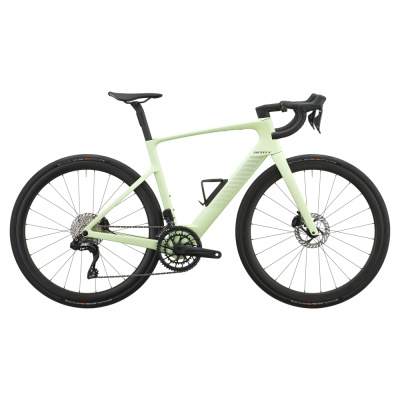
Scott Fastlane 20
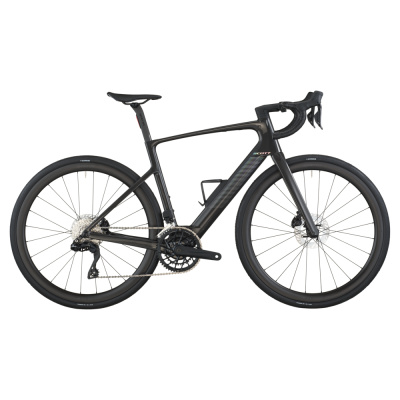
The Scott Fastlane 20 is a carbon-framed, drop-bar road bike with a 40Nm TQ mid-drive and Shimano 105 Di2 shifting, built for road cyclists who want discreet pedal assistance without losing a proper road bike's weight and handling.
- HMX carbon frame with a rigid carbon fork: Keeps the sharp, direct feel of a performance road bike rather than a heavy hybrid silhouette.
- TQ HPR40 mid-drive, 40Nm maximum torque: Adds a gentle push up climbs and into headwinds without the bulk of a full e-MTB style motor.
- Internal 290Wh battery with 2A charger: Charges from empty in around 3 hours and stays hidden inside the frame.
- Shimano 105 Di2 electronic 2x12 shifting: Precise, consistent gear changes at the push of a button.
- Syncros Capital 1.0 40 wheels with 34C Schwalbe PRO ONE tyres: A quick-rolling, road-focused wheel and tyre package straight out of the box.
- Claimed weight of around 11.1kg: Light enough that the assistance feels like a bonus rather than compensation for extra bulk.
Scott Fastlane 20 Deals
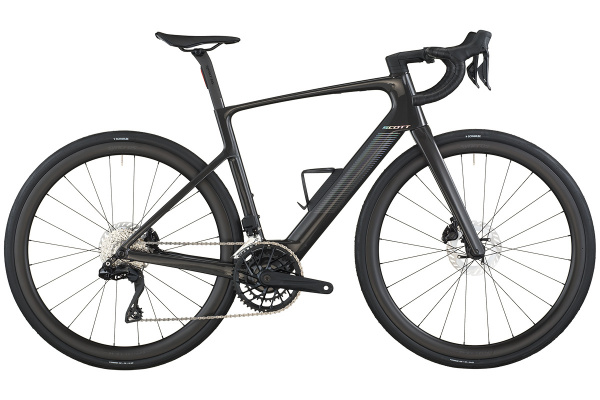
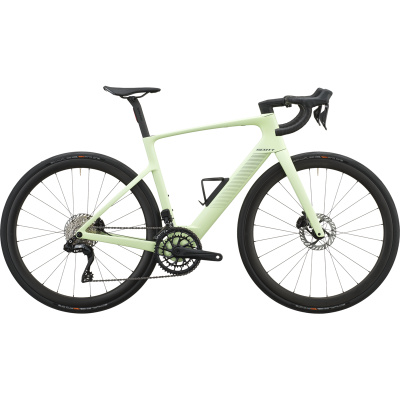

Prices and availability can change quickly. Delivery charges are not always included in listed prices.
Final price, stock status and delivery terms are set by retailer. We may receive a commission on purchases made.
Bikesy's Verdict
The Fastlane 20 earns its place for a rider who wants a genuine carbon road bike that happens to help on the climbs, rather than a utility e-bike dressed up in drop bars. Shimano 105 Di2, capable hydraulic brakes and a claimed sub-11.5kg weight all point the same way: this is meant to ride like a proper road bike first, with the TQ motor's 40Nm as a quiet bonus rather than the main event. The single-build lineup keeps the decision simple, though anyone wanting a lighter claimed weight or Ultegra-level shifting will need to look at the pricier Fastlane 10 instead. The 290Wh battery and 120kg total system weight limit are the two figures worth weighing against your own riding before you commit.
Pros
- A genuine carbon road-bike frame and rigid fork, rather than a bulked-up hybrid shape wearing drop bars.
- A discreet 40Nm TQ motor paired with electronic Shimano 105 Di2 shifting for a refined, quiet ride.
- A claimed bike weight of around 11.1kg keeps unassisted riding feeling like a normal road bike.
- An integrated rear light powered by the main battery and a bottle cage are included rather than left as optional extras.
- Shimano hydraulic disc brakes with 160mm rotors front and rear for consistent stopping power in UK conditions.
Cons
- The internal 290Wh battery is relatively modest; adding real extra range means buying a separate bottle-position range extender.
- Scott's 120kg maximum system weight covers the bike, rider and luggage together, leaving less headroom for heavier riders or loaded rides than a rider-only limit would.
- Published tyre clearance is inconsistent between Scott's product text (38mm) and the platform manual (40mm), so it's worth confirming before fitting wider tyres.
The Fastlane 20 is Scott's entry point into a small family of carbon-framed road bikes built around a discreet mid-drive motor, aimed at riders who want a bit of help on climbs and longer days without trading away the low weight and handling of a proper drop-bar bike. It pairs an HMX carbon frame and rigid carbon fork with a 40Nm TQ motor and electronic Shimano 105 Di2 shifting. Its UK list price of £6,499 sits below the Fastlane 10, at £7,399, and the Fastlane Premium above that again - though official list prices don't tell you which is actually cheaper to buy on any given day, since live offers move independently of them. There's a single current build of the Fastlane 20, the 105 Di2 specification described here, so choosing this bike comes down to whether its frame, motor and wheel package suit you, rather than picking between rival builds within the model.
Assistance that stays out of the way
The TQ HPR40 motor at the heart of this bike produces up to 40Nm of torque, a modest figure next to a mountain-bike motor, and that's deliberate: it's built to supplement your own pedalling on the road rather than replace it. Assistance cuts out at 25km/h under the EU specification that applies here, which is the point at which the motor stops helping, not a limit on how fast you can actually ride the bike under your own power. Power comes from a 290Wh battery hidden inside the frame, topped up by a 2A charger that Scott says takes around three hours to refill from empty - useful context for planning a charge overnight or between rides, though it's a charging-time figure rather than a promise about how far the battery will actually take you on any given ride. If you regularly want more than the standard battery offers, Scott lists a 160Wh range extender that fits in a bottle position; it's a separate purchase rather than something included on this build, and it does mean giving up a bottle mount to use it. You control assistance mode from a button at the brake hoods, with a small bar-end display giving you a quick check on battery state, and the TQ app adds Bluetooth and ANT+ connectivity so you can tweak motor response or hook the bike up to a cycling computer.
What's fitted on the 105 Di2 build
Shimano 105 Di2 handles shifting duties, a 2x12 electronic groupset with RD-R7150 and FD-R7150 derailleurs and ST-R7170 shift and brake levers, paired with an FSA CK-6048 crank running 50/34T rings and an 11-34 Shimano CS-R7100 cassette - a wide enough spread to make the most of the TQ motor's help on steeper ground. Braking comes from Shimano's BR-R7170 hydraulic discs with 160mm rotors front and rear, giving the kind of consistent stopping power you want on faster descents or in wet UK conditions. Wheels are Syncros' Capital 1.0 40 Disc set, fitted with 700x34C Schwalbe PRO ONE tyres, a genuinely road-focused combination rather than the wider gravel-leaning rubber some e-road bikes ship with. The cockpit is a separate Syncros bar and stem rather than an integrated one-piece unit, with a Duncan 1.0 iL D-shape seatpost, and Scott includes a Campbell iL rear light that draws power from the main battery, along with a drop-bar multi-tool and a bottle cage - useful additions that some rivals leave as optional extras. Scott claims a weight of around 11.1kg for the complete bike, though it doesn't say which frame size that figure was measured on, so treat it as indicative rather than size-specific.
If you're comparing this specification against retailer listings carrying a 2026 or 2027 label, it's worth checking the actual tyres and cassette fitted rather than trusting the year alone: Scott's current UK specification names PRO ONE tyres and a CS-R7100 cassette, while at least one differently labelled offer lists ONE tyres and a CS-R7101 cassette instead. A year in a listing title doesn't by itself tell you which parts you're actually buying.
Sizing and fit
Scott spans this build across five sizes, XS to XL, with published height guides running from 162cm at the smallest up to 196cm at the largest. Those bands overlap in places - a rider at, say, 172cm falls within both the S/52 and M/54 ranges - which is normal for road bike sizing but does mean the height guide alone won't settle a marginal case. Scott's own advice for exactly this situation is to use its individual Smartfit sizing service rather than relying on the height band in isolation, and that's sound advice here given how tight the crossover zone is between adjacent frame sizes.
Ownership: charging, servicing and things worth checking before you buy
Because the Fastlane's cabling runs internally through the frame, Scott's manual specifies that this routing should only be handled by an authorised Scott dealer - not a detail that affects day-to-day riding, but worth knowing if you're planning any bar or stem changes down the line. The manufacturer guarantee terms also ask first owners to register the bike within a year of purchase and to have it serviced through an authorised dealer for the guarantee's full frame term, so it's worth keeping that paperwork and service history together from day one. Scott specifies a maximum total system weight of 120kg, and that figure covers the bike itself as well as the rider and anything you're carrying, so it's a smaller allowance than a rider-only weight limit would give you, particularly once you add luggage for longer rides. One more thing worth confirming before buying wider tyres: Scott's current product text mentions clearance up to 38mm, but the platform's own manual instead states a 40mm maximum, so if you're planning to fit anything wider than the standard 34C tyres, it's worth checking the fit for your specific wheel and tyre combination first.
Away from the numbers, it's the way this equipment is hidden that stands out: battery inside the down tube, motor tucked low, light wired into the same battery rather than hanging off a seatpost with its own charge cycle. For a rider who wants assistance without a bike that reads as an e-bike from across the car park, that quiet integration is a big part of the Fastlane 20's appeal.
Key Features & Benefits
- Integrated Campbell iL rear light powered by the main battery: One less light to remember to charge separately, useful for early or late rides.
- Bluetooth and ANT+ connectivity via the TQ app: Lets you adjust motor response or pair a cycling computer without extra hardware.
- UDH-compatible frame interface: Keeps the frame aligned with a current derailleur-hanger standard as components evolve.
Geometry
Geometry - Fastlane 20 105 Di2 build (2026-manual Fastlane HPR40 platform)
| Size | Reach (mm) | Stack (mm) | Effective top tube (mm) | Head angle (°) | Seat angle (°) | Chainstay (mm) | Wheelbase (mm) | Standover (mm) | Head tube (mm) | Seat tube (mm) |
|---|---|---|---|---|---|---|---|---|---|---|
| XS / 49 | 378 | Not published | 521 | 71.8 | 75 | 420 | 991 | 758 | 115 | 458 |
| S / 52 | 381 | 559 | 536 | 72 | 74.5 | 420 | 1000 | 780 | 139 | 478 |
| M / 54 | 385 | 580 | 551 | 72.2 | 74 | 420 | 1009 | 802 | 161 | 500 |
| L / 56 | 388 | 602 | 566 | 72.5 | 73.5 | 420 | 1016 | 823 | 182 | 524 |
| XL / 58 | 392 | 622 | 582 | 73 | 73.1 | 420 | 1022 | 849 | 201 | 555 |
Alternatives to Consider
The Scott Fastlane 10 shares the same HMX carbon frame, TQ HPR40 motor and 290Wh battery as this bike, but swaps in Shimano Ultegra Di2 shifting and an integrated one-piece carbon cockpit in place of this build's separate bar and stem. Scott gives the Fastlane 10 a claimed weight of about 10.6kg, a little lighter than this build's 11.1kg. It's the choice for a buyer who wants the same overall recipe with Ultegra-level shifting and a more integrated front end, while the Fastlane 20 keeps 105 Di2 performance at a more accessible point in Scott's range.
Full Specification
Fastlane 20 105 Di2 build - specification
| Area | Detail |
|---|---|
| Frame and fork | Fastlane Road Disc HMX carbon frame with integrated routing and UDH interface; Fastlane Road HMX carbon rigid fork. |
| Motor and assistance | TQ HPR40 mid-drive, maximum torque 40Nm, assistance to 25km/h under the applicable EU specification (the assistance cut-off, not the bike's maximum speed). |
| Battery and charger | Internal TQ 290Wh battery; TQ 2A charger; Scott states approximately 3 hours for a full charge (a charging-time figure, not a riding-range claim). |
| Controls and connectivity | TQ bar-end display, hood-button assistance-mode control, Bluetooth, ANT+ and the TQ smartphone app. |
| Drivetrain | Shimano 105 Di2 electronic 2x12: RD-R7150 rear and FD-R7150 front derailleurs, ST-R7170 controls; FSA CK-6048 alloy crank with 50/34T rings; Shimano CS-R7100 11-34 cassette. |
| Brakes | Shimano BR-R7170 hydraulic discs with Shimano RT-CL700 160mm rotors, front and rear. |
| Wheels and fitted tyres | Syncros Capital 1.0 40 Disc wheelset; Schwalbe PRO ONE Fold 700x34C tyres, front and rear. |
| Cockpit, light and included accessories | Syncros HB-R100-AL bar, ST-R100-AL stem and Duncan 1.0 iL D-shape seatpost; integrated Campbell iL rear light powered by the main battery; iS Drop Bar Tool 2; Coupe Cage 1.0 bottle cage. |
| Claimed bike weight | Approximately 11.1kg (Scott does not state which frame size this figure was measured on). |
| Maximum system weight | 120kg total, covering bike, rider, equipment and any luggage combined. |
| UK RRP | £6,499.00 for the current Fastlane 20 105 Di2 build. |
Upgrades and compatibility
| Area | Standard fitment | Upgrade path | Practical effect |
|---|---|---|---|
| Extra battery capacity | Internal 290Wh battery; no range extender fitted as standard. | Scott-compatible 160Wh bottle-position range extender, sold separately. | Adds extra capacity but occupies a bottle mount and is an additional purchase. |
| Tyre width | 700x34C tyres fitted as standard. | Scott's current product text claims clearance up to 38mm, while the platform manual instead states a 40mm maximum. | Worth confirming clearance for your specific wheel and tyre combination before fitting wider tyres. |