
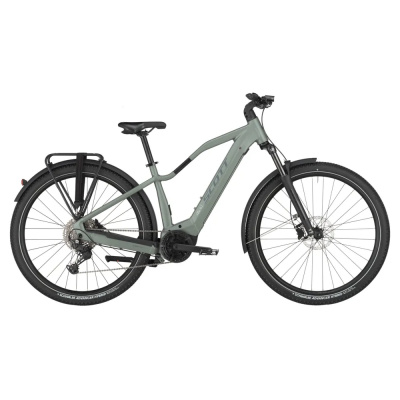
Scott Axis 40
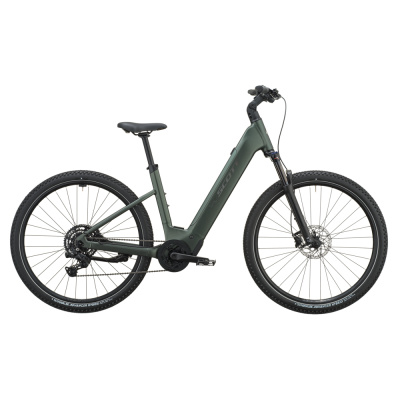
The Scott Axis 40 Wave is a low-access, Bosch-assisted e-bike for commuters and leisure riders who want easy mounting and a comfortable, adjustable ride across streets and mixed paths.
- Low-access Wave frame: Easier mounting and dismounting than a conventional step-over design, useful at every stop on a commute
- Bosch Performance Line motor, up to 75Nm: Strong assistance for hills and loaded commuting, not just flat cruising
- Removable Bosch PowerTube 540Wh battery: Charge the battery indoors without wheeling the whole bike to a socket
- 120mm SR Suntour coil fork: Softens broken tarmac, towpath ruts and light off-road sections
- Adjustable JD stem with integrated phone mount: Set your preferred riding position and keep navigation within easy view
- Shimano two-piston discs with 180mm rotors: Confident stopping power for a bike carrying a sizeable motor and battery
Scott Axis 40 Deals
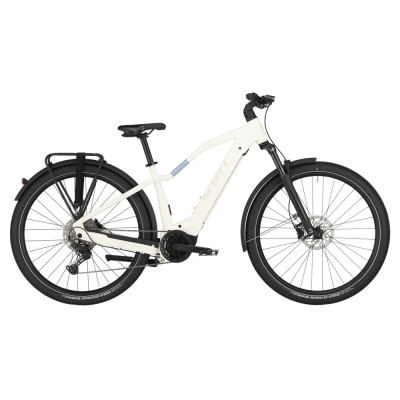


Prices and availability can change quickly. Delivery charges are not always included in listed prices.
Final price, stock status and delivery terms are set by retailer. We may receive a commission on purchases made.
Bikesy's Verdict
The Axis 40 Wave earns its place for anyone who wants an easy-mount, well-assisted bike for commuting and mixed-surface leisure riding rather than serious off-road use. Bosch's Performance Line motor and a removable 540Wh battery give genuine hill-flattening assistance and simple charging, while the coil fork and adjustable stem make it comfortable and adaptable day to day. The main thing to weigh up is that Scott's specification here doesn't confirm a fitted rack, mudguards or lights, so if you need those for a wet-weather commute, factor that cost in before comparing it against the older, pricier Axis 40 that includes them as standard.
Pros
- Low-access Wave frame makes mounting and dismounting easier than a conventional top tube design
- Bosch Performance Line motor with a removable 540Wh battery gives strong hill assistance and flexible charging
- 120mm coil-sprung fork adds real comfort on rough paths that a rigid hybrid can't match
- Adjustable stem with an integrated phone mount lets you tailor riding position and keep navigation to hand
- Priced as the most affordable current build in Scott's Axis range at £2,899.00
Cons
- Scott's specification for this build doesn't confirm a fitted rack, mudguards or lights, so budget separately for these if commuting daily
- At around 27.70kg, it's a heavy bike to lift onto a car rack or carry up stairs regularly
- Frame guarantee needs first-buyer registration within a year and annual dealer servicing to keep full five-year cover
The Scott Axis 40 Wave is built around a simple idea: make an assisted bike that's genuinely easy to get on and off, then back that up with enough motor and gearing to cope with proper hills and mixed surfaces. It suits someone commuting on streets and canal paths, or riding for leisure without wanting to feel breathless on the way home. At £2,899.00 it sits as the most affordable way into Scott's current Axis range, and the low-slung Wave frame is the detail that will matter most if you're shorter, less flexible, or simply prefer not to swing a leg over a high top tube every time you stop at the lights.
Bosch power that suits commuting and light trail use
The motor is a Bosch Performance Line unit delivering up to 75Nm of torque. That's Scott's stated maximum figure, not a promise of how the bike rides at every setting, but it's a healthy amount of assistance for a loaded commute or a steady climb on a towpath detour. It draws from a removable 540Wh PowerTube battery that extracts from the top of the frame, so you can lift it out and carry just the battery indoors to charge rather than wheeling the whole bike to a socket. Controls are handled by Bosch's Purion 200 display, and the bike comes with a 2A 230V charger, which will happily top the battery up overnight.
Suspension, gearing and brakes built for real routes
Up front, an SR Suntour XCM coil fork gives 120mm of travel, enough to take the edge off broken tarmac, towpath ruts and light off-road sections that a rigid hybrid would transmit straight into your hands. Gearing comes from Shimano's Cues system: a 9-speed setup with an 11-46T cassette and a 36T chainring fitted with its own guard, giving a wide enough range for proper hills while keeping your trouser leg away from the chain on the commute. Stopping comes from Shimano's two-piston hydraulic disc brakes with 180mm rotors front and rear. That matters more than it sounds: at around 27.70kg fully built, this is not a light bike, and brakes with genuine reserve capacity are worth having when you're carrying that much machine down a hill.
A frame built for accessibility, not just size
The Wave frame's low top tube is the headline, but Scott has thought about the rest of the riding position too. The stem adjusts through a wide range, from −10° up to +60°, so you can set the bars higher for an upright commuting posture or lower for something sportier. It also carries an integrated SP Connect phone mount, useful if you navigate by phone rather than a separate GPS unit. The bike comes in S, M, L and XL, all built around 29in wheels, and Scott quotes a maximum system weight of 160kg covering the bike, rider, luggage and any equipment together, not a separate rider-only limit. Worth bearing in mind if you're at the upper end of that scale and plan to load up panniers as well.
Wave versus the older Axis 40
Search around and you'll find two distinctly different bikes both called Axis 40. This Wave build is the newer, low-access design with a 540Wh top-loading battery and 9-speed Cues gearing. Scott's earlier conventional-frame Axis 40 remains listed too, built around a bigger 625Wh bottom-loading battery, 10-speed Cues gearing, and a fitted rack, mudguards and lights as standard, with an official £3,299.00 list price and a 130kg system weight limit. That earlier bike is arguably the more complete commuter package straight out of the box, while the Wave's appeal is the easier-access frame and adjustable riding position. A higher RRP doesn't mean the older bike costs more to actually buy, since live offers on both models move independently of list price, so it's worth treating them as two separate decisions rather than assuming one supersedes the other.
Owning one
One thing to check before committing to the Wave for daily commuting: Scott's specification for this build doesn't list a fitted rack, mudguards or lights, unlike the older Axis 40. If you need those for the school run or wet-weather riding, budget for adding them rather than assuming they're included. The bike's own weight, around 27.70kg, is also worth knowing if you'll be lifting it onto a car rack or up a step regularly, a genuine consideration with any full-power e-bike but more noticeable if storage means carrying it upstairs. On the guarantee side, Scott's frame cover runs five years, reduced to three if you skip annual servicing at an authorised dealer, and you'll need to register as the first buyer within a year of purchase to keep it, a small bit of paperwork that's easy to overlook amid the excitement of a new bike.
Key Features & Benefits
- 160kg maximum system weight limit: Covers bike, rider, equipment and luggage together, useful reassurance for taller or heavier riders planning to carry kit
- 9-speed Shimano Cues drivetrain with an 11-46T cassette and chainguard: Wide range for hills without added complexity, and the guard helps keep trousers clean on the commute
Geometry
540Wh Wave build, Wave frame geometry
| Size | Reach (mm) | Stack (mm) | Effective top tube (mm) | Head angle (°) | Seat angle (°) | Chainstay (mm) | Wheelbase (mm) | Standover (mm) | Other measurements |
|---|---|---|---|---|---|---|---|---|---|
| S | 413 | 696 | 575 | 68.2 | 76.9 | 482 | 1190 | 638 | Head tube 160.0mm; seat tube 440.0mm |
| M | 433 | 688 | 595 | 68.2 | 76.9 | 482 | 1210 | 633 | Head tube 160.0mm; seat tube 480.0mm |
| L | 450 | 705 | 615 | 68.2 | 76.9 | 482 | 1232 | 630 | Head tube 170.0mm; seat tube 520.0mm |
| XL | 450 | 705 | 615 | 68.2 | 76.9 | 482 | 1232 | 630 | Head tube 170.0mm; seat tube 560.0mm |
Full Specification
540Wh Wave build (current)
| Component | Details |
|---|---|
| UK RRP | £2,899.00 |
| Frame and wheels | 6061 alloy low-access Wave frame; 29in wheels (S–XL); top-extraction battery; UDH derailleur interface. |
| Motor and battery | Bosch Performance Line motor (BDU346Y), up to 75Nm maximum torque; removable Bosch PowerTube 540Wh battery. |
| Controls and charging | Bosch Purion 200 display; Bosch 2A 230V charger. |
| Suspension | SR Suntour XCM 32 5TA COIL LO fork, 120mm travel. |
| Drivetrain | Shimano Cues RD-U4000 rear derailleur and SL-U4000 shifter, 9-speed; CS-LG300 11–46T cassette; FSA 36T chainring with guard. |
| Brakes | Shimano BR-MT200 two-piston hydraulic discs; 180mm Shimano SM-RT30 rotors, front and rear. |
| Contact points and fittings | Adjustable JD stem (−10° to +60°) with integrated SP Connect phone mount; Selle Royal Explora Moderate Wide 195mm saddle; Ursus U-Mount kickstand. |
| Tyres | Schwalbe Advancer 60-622, front and rear. |
| Weight and load | Approximate bike weight 27.70kg; maximum system weight 160kg (bike, rider, equipment and luggage combined). |