
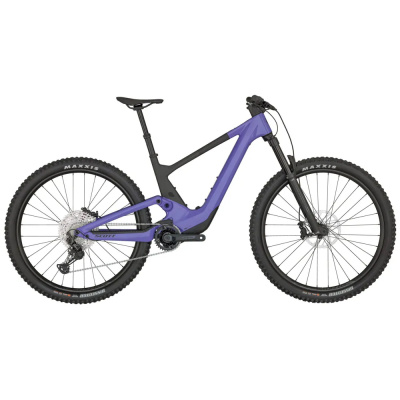
Scott Contessa Voltage eRIDE 910
Whisper-quiet electric assistance that feels like discovering hidden fitness reserves on every trail adventure.
- TQ HPR50 motor: whisper-quiet, natural-feeling assist
- Carbon frame with integrated shock design
- 150mm front, 155mm rear travel
- TwinLoc remote: instant suspension mode switching
- Range extender ready for longer adventures
- 29x2.6" Maxxis Dissector tyres tubeless ready
Scott Contessa Voltage eRIDE 910 Deals

Prices and availability can change quickly. Delivery charges are not always included in listed prices.
Final price, stock status and delivery terms are set by retailer. We may receive a commission on purchases made.
Bikesy's Verdict
The Scott Contessa Voltage eRIDE 910 represents electric mountain biking at its most refined - a machine that enhances your riding rather than overwhelming it. If you've been put off by the weight, noise, or unnatural feel of traditional eMTBs, this bike will change your perspective entirely. The TQ motor's whisper-quiet assistance and the carbon frame's agile handling create an experience that feels like riding a traditional mountain bike with a secret superpower.
Yes, you'll pay a premium for this level of refinement, and you'll need to budget for the range extender if you're planning bigger adventures. But for riders who want to extend their trail time, keep pace with faster mates, or simply have more energy left for the fun descents, the 910 delivers electric assistance done right. This isn't about maximum power - it's about maximum enjoyment, and on that measure, the Contessa Voltage eRIDE 910 absolutely delivers.
Pros
- Exceptionally quiet and natural TQ motor assistance
- Lightweight carbon frame at 19.3kg
- Agile handling that feels like a traditional mountain bike
- Clean integrated design with hidden rear shock
- TwinLoc remote for instant suspension mode changes
- Range extender compatibility for longer rides
Cons
- Limited motor power compared to burlier eMTB systems
- 360Wh battery requires range extender for full-day rides
- Premium price point
About the Scott Contessa Voltage eRIDE 910
The Scott Contessa Voltage eRIDE 910 rewrites the rulebook on what an electric mountain bike should feel like. Where most eMTBs announce their presence with motor whirr and heft, this carbon trail machine whispers its way up climbs with the kind of natural assist that makes you forget there's a motor tucked away at all. Built around Scott's TQ HPR50 system - a compact powerhouse that weighs just 1.85kg - the 910 delivers assistance so smooth and intuitive it feels like you've simply discovered hidden reserves of fitness.
This isn't about raw power or maximum torque figures. The 910's philosophy centres on preserving that pure mountain bike connection while adding just enough electric boost to extend your range and flatten the steepest pinches. The carbon HMF frame houses Scott's Integrated Suspension Technology, tucking the rear shock away inside the main triangle for protection and clean lines. At 19.3kg, it's properly light for an eMTB, and that shows in every corner and climb where the bike responds with the agility of a traditional trail bike rather than the planted heft you'd expect from electric assistance.
The 910 targets riders who want their cake and to eat it too - the endurance to tackle bigger days without sacrificing the playful, responsive character that makes mountain biking addictive. Whether you're looking to keep pace with faster mates or simply extend your riding window, this machine delivers electric assistance that enhances rather than overwhelms the experience.
Scott Contessa Voltage eRIDE 910 geometry
The 910's geometry strikes a confident balance between climbing efficiency and descending composure. The 63.9-degree head angle provides enough slack for stability on technical descents without making the front end feel sluggish on tighter trails. What's clever here is Scott's adjustable headset system - you can tweak that angle by plus or minus 0.6 degrees to fine-tune the handling to your preference or local terrain.
The riding position feels naturally athletic rather than overly aggressive. You'll find yourself comfortably centred over the bike on climbs, with enough weight over the front wheel to maintain traction on steep, loose ascents. The reach and stack proportions (varying across the SM, MD, and LG sizes) create a cockpit that doesn't feel cramped on long climbs or stretched out when things get technical.
The 455mm chainstays keep the rear end compact enough for playful handling while providing sufficient stability for confident descending. Combined with the 29-inch wheels, this creates a bike that tracks predictably through rough terrain but can still be flicked around tight switchbacks without drama. The bottom bracket height strikes that sweet spot where you get decent pedal clearance without feeling perched too high above the trail.
Component choices & upgrades
Scott's built the 910 with components that work harmoniously rather than chasing spec sheet bragging rights. The Marzocchi Z2 Air Rail fork (150mm travel) and Fox Float Custom rear shock (155mm travel) provide a suspension platform that's both supportive and supple. The TwinLoc remote lets you cycle through three modes - lockout for climbing, trail for general riding, and descend for maximum compliance - without taking your hands off the bars.
The Shimano XT rear derailleur paired with Deore shifters delivers crisp, reliable shifting across the 10-51T cassette range. That spread gives you plenty of climbing gears even with the 34T chainring, while the motor assistance means you're rarely grinding away in the easiest cogs. The Syncros wheelset with 30mm internal width handles the 29x2.6" Maxxis Dissector tyres well, providing a stable platform that's tubeless ready from the box.
For riders pushing harder or tackling more demanding terrain, the fork represents the most obvious upgrade path - a Fox 36 or similar would add stiffness and adjustability. The SRAM DB8 or Shimano Deore brakes (specification varies) provide adequate stopping power, though riders tackling steep, technical descents regularly might appreciate the extra bite of a four-piston upgrade. The Syncros Duncan dropper post does its job reliably, though riders wanting more drop might consider aftermarket options with greater travel.
Where the Scott Contessa Voltage eRIDE 910 excels
The 910 absolutely shines on flowing singletrack where its natural motor character and agile handling come together perfectly. This is the bike for riders who want to extend their trail adventures without losing that essential mountain bike feel - you'll climb with less effort but still feel connected to every root and rock. The TQ motor's quiet operation means you can enjoy the sounds of the trail rather than mechanical whirring, while its smooth power delivery prevents the lurching sensation common with more aggressive motor systems.
Technical climbing is where the 910 really proves its worth. The motor provides just enough assistance to keep momentum over obstacles that might otherwise force you to dismount, while the natural power delivery means you can modulate traction precisely on loose or steep sections. The bike's light weight compared to burlier eMTBs makes it genuinely manageable when you do need to manhandle it around tight spots or lift it over obstacles.
The 910 also excels at extending your riding window - whether that's keeping up with faster riders, tackling longer loops, or simply having enough energy left for the fun descents after big climbs. However, it's not the tool for riders seeking maximum motor power for the steepest, most technical climbs, where burlier systems provide more grunt. The 360Wh battery, while contributing to the light weight, means you'll want the range extender for full-day epics. And if you're primarily interested in bike park laps or the most aggressive terrain, there are burlier options that better suit that riding style.
Scott Contessa Voltage eRIDE 910 FAQs
What is the battery range of the Scott Contessa Voltage eRIDE 910? The 360Wh battery typically provides 40-60km of range depending on terrain, assistance level, and rider input. The TQ motor's efficiency helps maximise range, but you'll want the optional range extender for longer adventures.
How does the TQ HPR50 motor compare to other e-bike motors? The TQ system prioritises natural feel and quiet operation over raw power. It's significantly lighter and quieter than Bosch or Shimano systems but provides less maximum torque, making it ideal for riders who want subtle assistance rather than maximum grunt.
Is the Scott Contessa Voltage eRIDE 910 good for climbing steep hills? Yes, though it requires more rider input than more powerful systems. The motor provides smooth, natural assistance that helps maintain momentum and traction on technical climbs, but you'll still need to contribute effort on the steepest pitches.
What kind of maintenance does the integrated shock system require? The integrated shock follows standard Fox service intervals but requires slightly more care during removal due to the internal routing. Most bike shops can service it, though the integrated design means you can't easily swap shocks for testing different setups.
Can I fit wider tyres on the Scott Contessa Voltage eRIDE 910? The frame accommodates up to 29x2.6" tyres as standard, with the 55mm chainline providing ample clearance. You might squeeze slightly wider rubber in there, but the 2.6" Maxxis Dissectors provide excellent traction and volume for most conditions.
How does the adjustable head angle affect the bike's handling? The ±0.6-degree adjustment lets you fine-tune the steering feel and stability. Slackening the angle improves high-speed stability and descending confidence, while steepening it quickens steering response and improves climbing traction over the front wheel.
Is the Scott Contessa Voltage eRIDE 910 suitable for beginners? The natural motor assistance and manageable weight make it accessible, but the price point and trail-focused geometry suggest it's better suited to riders with some mountain biking experience who understand how to make the most of its capabilities.
Key Features & Benefits
- TQ HPR50 motor system: Whisper-quiet operation with natural power delivery that preserves traditional mountain bike feel
- Integrated Suspension Technology: Hidden rear shock creates clean aesthetics while protecting the shock from trail debris
- Carbon HMF frame construction: Keeps weight down to 19.3kg for agile handling and easier trail manoeuvring
- TwinLoc suspension remote: Instant switching between climb, trail, and descend modes without removing hands from bars
- Adjustable head angle geometry: Fine-tune handling characteristics to match your riding style and local terrain
Scott Contessa Voltage eRIDE 910 2024 and 2023 differences
The 2024 model introduced the current generation's defining technologies, including the TQ HPR50 motor system and Integrated Suspension Technology with the hidden rear shock design. Earlier iterations of the Voltage eRIDE line featured different motor systems, with some models using Bosch powertrains that provided more torque but less natural feel and greater weight.
The 2024 model also brought the adjustable head angle system via the Syncros headset, allowing riders to fine-tune geometry by ±0.6 degrees. The carbon HMF frame construction and Virtual 4 Link suspension kinematics represent the current platform, with the integrated cable routing through the headset creating the clean aesthetic that defines the modern Voltage eRIDE range. Component specifications have remained largely consistent into 2025, with the same Marzocchi Z2 fork, Fox Float rear shock, and Shimano XT/Deore drivetrain combination.
Alternatives to Consider
Within Scott's range, the Lumen eRIDE 910 offers similar TQ motor technology but with shorter travel for more XC-focused riding, while the Genius eRIDE 910 steps up to longer travel and more aggressive all-mountain capability. Both share the integrated shock design and natural motor character.
Cross-brand competitors include the Specialized Levo SL Comp Carbon, which pioneered the lightweight eMTB category with its own refined motor system and similar natural ride feel. The Trek Fuel EXe 9.7 offers comparable travel and weight with Trek's integrated motor approach, while the Orbea Rise M20 provides another excellent lightweight option with Shimano's EP8 RS motor. For riders wanting slightly more power while maintaining reasonable weight, the Giant Trance X Advanced E+ 2 delivers Yamaha's refined motor system in a capable trail package.
Reviews
Professional testers consistently praise the Contessa Voltage eRIDE 910's success in delivering electric assistance without compromising the essential mountain bike experience. The TQ HPR50 motor receives particular acclaim for its whisper-quiet operation and natural power delivery - reviewers note how the assistance feels like discovering hidden fitness reserves rather than mechanical intervention. The lightweight carbon construction and agile handling earn frequent mentions, with testers appreciating how the bike responds more like a traditional trail bike than a typical eMTB.
However, reviews also highlight the trade-offs inherent in this approach. The motor's refined character means less raw power for the steepest technical climbs, requiring more rider input than burlier systems provide. Battery range emerges as a consistent concern, with most testers recommending the range extender for anything beyond shorter local loops. The integrated shock design receives mixed feedback - praised for aesthetics and protection but noted as complicating service access. Several reviews mention that while the bike excels at extending riding range and maintaining natural feel, riders seeking maximum motor assistance for challenging terrain might find it lacking compared to more powerful alternatives.
Full Specification
| Frame | Carbon HMF |
| Frame Construction | Integrated Suspension Technology with Virtual 4 Link kinematic design |
| Frame Features | Syncros Cable Integration System, UDH interface, Range Extender Ready, adjustable head angle |
| Standards | 12x148mm rear axle spacing with 55mm chainline |
| Suspension Platform | Virtual 4 Link kinematic with Integrated Suspension Technology |
| Rear Travel | 155mm |
| Rear Shock | FOX Float Custom EVOL Performance Trunnion |
| Fork | Marzocchi Z2 Air Rail |
| Fork Travel | 150mm |
| Fork Adjustments | 3 modes, Rebound adjust |
| Drivetrain | 1x12 speed |
| Shifters | Shimano Deore SL-M6100-IR Rapidfire Plus, I-spec EV clamp |
| Rear Derailleur | Shimano XT RD-M8100 SGS, Shadow Plus |
| Crankset | FSA Alloy crankset, 34T chainring |
| Crank Length | 170mm (SM/MD), 175mm (LG/XL) |
| Cassette | Shimano CS-M6100, 10-51T |
| Chain | Shimano CN-M6100 |
| Brakes | Hydraulic Disc Brakes |
| Calipers | SRAM DB8 4-piston |
| Rotors (Front) | 200mm |
| Rotors (Rear) | 200mm |
| Rims (IW) | Syncros X-30S, 30mm internal width, tubeless ready |
| Spokes | Stainless Black 15G / 1.8mm |
| Hubs (Front) | Formula CL-811, 15x110mm Boost |
| Hubs (Rear) | Formula CL-148M, 12x148mm Boost |
| Tyres (Front) | Maxxis Dissector, 29x2.6", 60TPI Wire Bead, EXO, TR, Dual Compound |
| Tyres (Rear) | Maxxis Dissector, 29x2.6", 60TPI Wire Bead, EXO, TR, Dual Compound |
| Tubeless Ready | Yes |
| Handlebar | Syncros Hixon 2.0 Alloy 6061 D.B., 780mm width, 8° backsweep, 12mm rise (SM/MD) or 25mm rise (LG/XL) |
| Stem | Syncros AM 1.5, 4° rise, 31.8mm clamp, 40mm (SM/MD), 50mm (LG/XL) |
| Headset | Syncros - Acros Angle adjust & Cable Routing HS System, ZS56/28.6 - ZS56/40 MTB |
| Seatpost | Syncros Duncan Dropper Post 2.5, 31.6mm diameter, 125mm drop (S), 150mm drop (M), 170mm drop (L) |
| Saddle | Syncros Savona 2.0 |
| Weight (Approx) | 19.3 kg |