
RFR Pedals
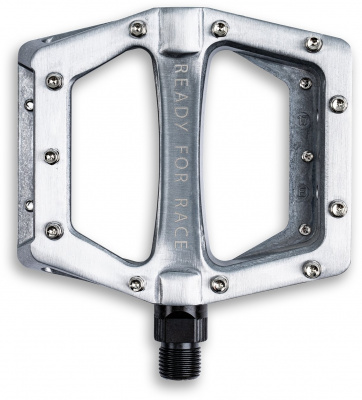
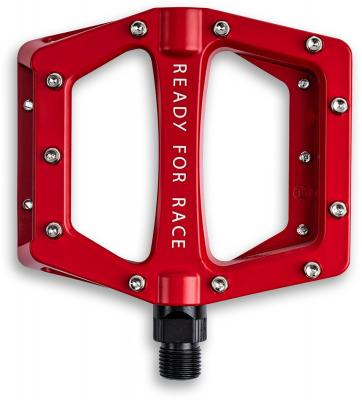
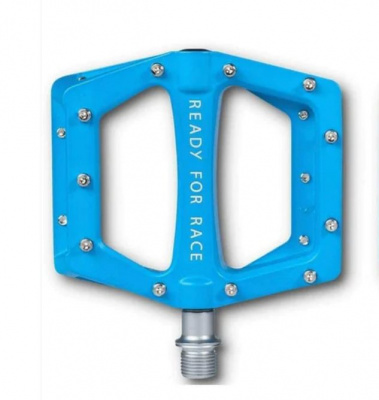
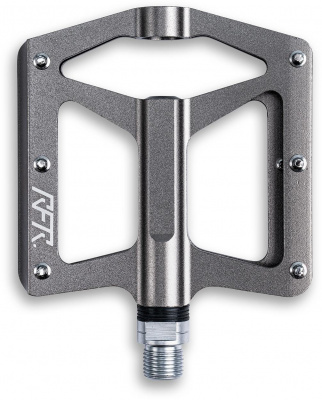
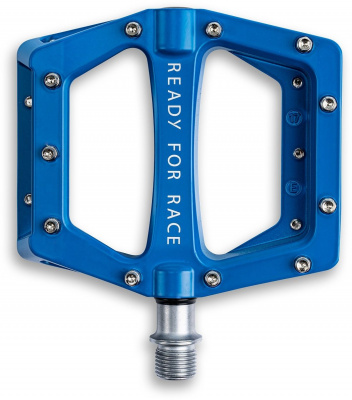
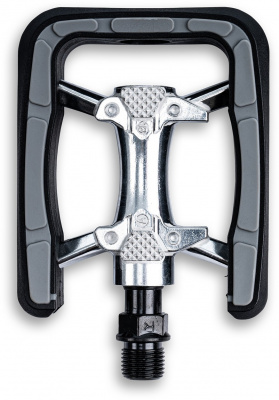
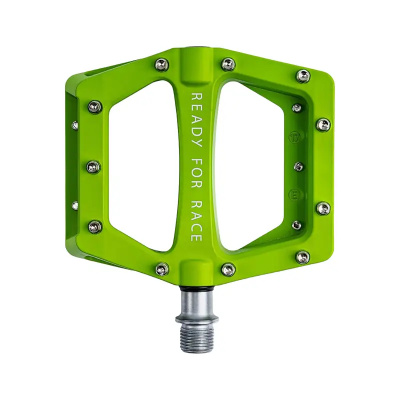
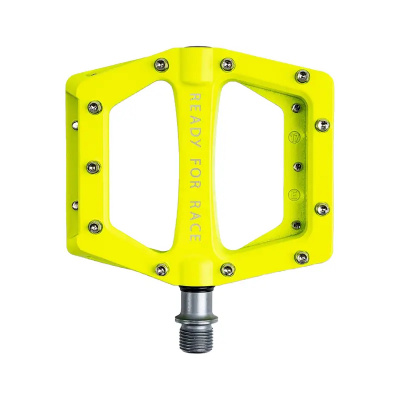
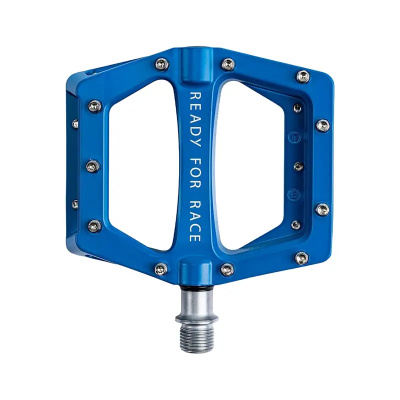
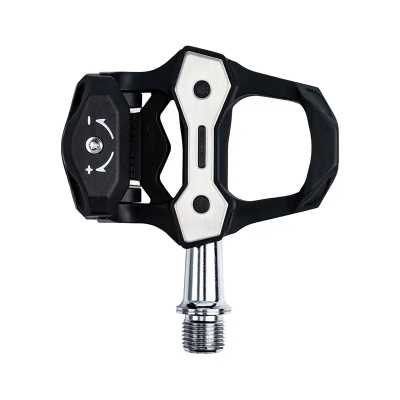
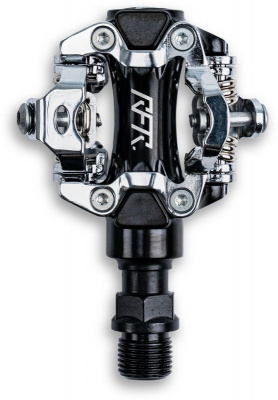
RFR Pedals bring the Ready for Race philosophy to the contact points that matter most. Born from CUBE's in-house component division, these pedals blend lightweight engineering with the sort of durability you'd expect from parts that survive OEM testing on thousands of bikes across Europe. The range covers everything from aggressive CNC machined aluminium flat pedals for enduro riding to dual-sided clipless options that suit trekking and trail duties equally well. You get Cr-Mo axles threading into sealed cartridge bearings, replaceable anti-slip pins that bite in the wet, and platform shapes designed to spread load without adding bulk. Whether you're after the mechanical security of SPD compatible clipless or the freedom of RFR flat pedals with adjustable grip, the engineering here prioritises smooth rotation and confident power transfer. No gimmicks, just functional design that works when the trails turn slippery and the miles stack up.
Prices and availability can change quickly. Delivery charges are not always included in listed prices.
Final price, stock status and delivery terms are set by retailer. We may receive a commission on purchases made.
Build Quality: Axles, Bearings, and Material Choices
RFR pedals rely on Cr-Mo axles as the backbone. Chromoly steel offers the tensile strength needed to handle side loads when you're leaning hard into berms or stamping through rock gardens, and it threads cleanly into alloy crank arms without the cross-threading risk you sometimes see with softer materials. The axles spin on sealed cartridge bearings paired with LSL bushings - Light Self-Lubricating technology that reduces friction and extends service intervals. Those bushings sit outboard, taking radial load off the bearings themselves and keeping things smooth even when grit works its way past the seals.
On the platform side, you'll find two material approaches. The CNC machined aluminium bodies deliver stiffness and a low stack height, which matters if you're chasing cornering clearance on tight singletrack. Nylon-reinforced composite options trade a bit of that rigidity for impact resistance and a quieter ride - useful if you're commuting or touring and don't want every pedal strike echoing through the frame. Both formats use replaceable pins, typically hex-socket steel studs you can swap or adjust for grip. Longer pins bite harder but wear shoes faster; shorter pins are kinder to your Vans but offer less purchase in mud. It's a trade-off you can tune to your ride style, which is more than you get with moulded platforms.
The sealed industrial bearings are the same spec you'd find in Hope pedals or Shimano mid-range models - cartridge units that resist water ingress and can be serviced or replaced without specialist tools. That's practical in the UK, where a winter ride in the Peaks or a wet loop round Coed y Brenin can pack bearings with enough grit to turn them into grinding paste if they're not properly sealed.
Cleat Systems and Shoe Interface
RFR clipless pedals use the SPD standard, which means they're compatible with Shimano SM-SH51 and SM-SH56 cleats straight out of the box. Are RFR pedals compatible with Shimano cleats? Yes, fully. The mechanism is a two-bolt design with adjustable spring tension, so you can dial release force to suit your confidence level or the technicality of the ride. Dual-sided entry makes clipping in quicker when you're dabbing through a tricky section or pulling away from lights on a commute. The platform around the mechanism varies by model - some RFR trekking pedals offer a wider cage to support your foot if you're riding in casual shoes, while MTB-focused versions keep the profile narrow to shed mud and save weight.
For flat pedals, the platform size and pin layout dictate how well they interface with your shoes. RFR flat pedals typically run a concave profile with pins arranged in a grid that matches the tread pattern of dedicated flat pedal shoes like Five Ten Freeriders. The concavity cups your foot, reducing the chance of it rolling off the edge mid-corner, and the pins punch through the rubber to lock you in place. If you're running softer-soled shoes, you'll feel more feedback through the pedal; stiffer soles spread the load but can feel a bit remote on technical climbs where you're adjusting foot position constantly. It's worth considering what you're pairing them with - Nukeproof and DMR offer similar platform sizes if you want to compare footprint dimensions.
Installation is straightforward. How do I install RFR pedals? You'll need a 15mm pedal wrench or a 6mm/8mm hex key, depending on the model. Remember the left pedal has a reverse thread - turn it counter-clockwise to tighten - and the right pedal follows standard threading. A smear of grease on the threads prevents seizing and makes future removal easier, especially if you're swapping pedals between bikes regularly.
Riding Through British Weather: Mud Clearance and Maintenance
UK trails don't do you any favours. Claggy Peak District mud, the sloppy loam of the Surrey Hills after rain, the endless Scottish drizzle - all of it conspires to gum up pedals and turn smooth bearings into grinding mush. RFR standard pedals and RFR MTB pedals use open designs with generous mud clearance, so the muck has somewhere to go rather than packing around the axle or clogging the cleat mechanism. The clipless models feature a recessed cleat channel that sheds debris as you pedal, though you'll still want to give them a tap with a stick mid-ride if you're ploughing through deep mud.
Pin height adjustment becomes useful in winter. Screwing the pins out a couple of turns gives you more bite when your shoes are wet and the rubber's lost its grip, but it also accelerates wear on the sole. Some riders run longer pins on the leading edge of the pedal and shorter ones at the rear to balance grip and longevity. It's the sort of tweak you can make in five minutes with a hex key, and it's worth experimenting to find what works for your local conditions.
Bearing maintenance is simple if you stay on top of it. After a particularly gritty ride, rinse the pedals with a hose - avoid pressure washers, which force water past seals - and let them dry. Every few months, or whenever you notice roughness in the spin, back out the end cap and flush the bearings with a light oil or degreaser, then repack with fresh grease. The LSL bushings don't need much attention, but a drop of wet lube on the axle threads keeps corrosion at bay. If you're riding year-round, this routine will double the lifespan of the bearings compared to a fit-and-forget approach.
What is the difference between RFR flat and click pedals? Flats rely on metal pins and a large platform to grip your shoe sole, ideal for technical trail riding where you want the freedom to dab or adjust foot position quickly. Click pedals - clipless, in other words - mechanically attach your shoe to the pedal, improving pedalling efficiency and stability on rough ground but requiring a deliberate twist to release.
The CUBE Link: OEM Standards at Aftermarket Availability
RFR exists as CUBE's component arm, which means every pedal in the range has to meet the standards of a brand that ships over half a million bikes a year across Europe. That's not marketing fluff - it's a practical filter. If a pedal can't survive the abuse of a hire fleet or the warranty claims of a mass-market hardtail, it doesn't make it to the catalogue. The result is a range that prioritises reliability over headline-grabbing weight figures or exotic materials. You won't find carbon bodies or titanium axles here, but you will find parts that work consistently across a wide range of riders and conditions.
The OEM connection also means availability is strong. CUBE pedals and ACID pedals - another CUBE sub-brand - share design cues and often use the same bearing and axle specs, so spares and replacements are easy to source. If you're building up a bike or replacing worn pedals on a CUBE frame, RFR components integrate seamlessly, but they're equally at home on any brand of bike with standard 9/16-inch crank threads.
The Ready for Race geometry isn't about podiums - it's about designing parts that don't hold you back when you're pushing your limits, whether that's a timed descent at a trail centre or a long day in the saddle on a bikepacking route. The pedals reflect that ethos: functional, durable, and priced to compete with Crank Brothers and mid-tier Shimano without cutting corners on the bits that matter. No frills, just parts that do the job.