
Acid Pedals
Acid pedals sit at the sharp end of what Cube's own component brand does best - practical engineering that doesn't cut corners where it counts. Whether you're threading through traffic on a winter commute or scraping through wet roots in the Peaks, these pedals are built to stay planted and keep spinning. The foundation is a CrMo axle paired with a dual-bearing system - LSL (Lightweight Self-Lubricating) bushings inboard and sealed cartridge bearings outboard - which means water and grit have far fewer places to cause trouble than on cheaper, open-bearing alternatives. That matters when UK trails are serving up a grinding paste of mud and winter grit from October through to April.
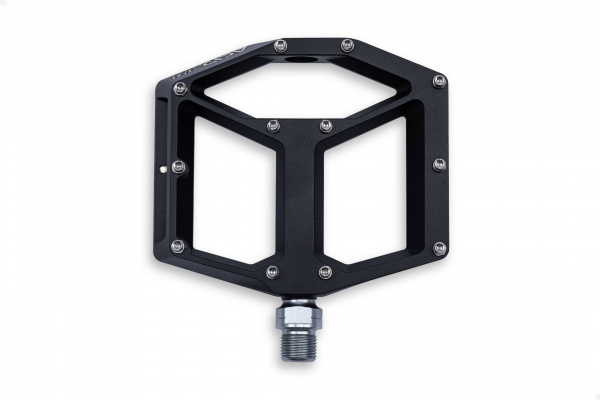
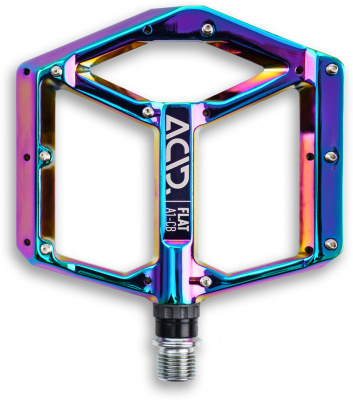
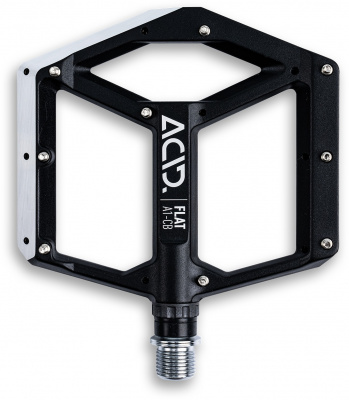
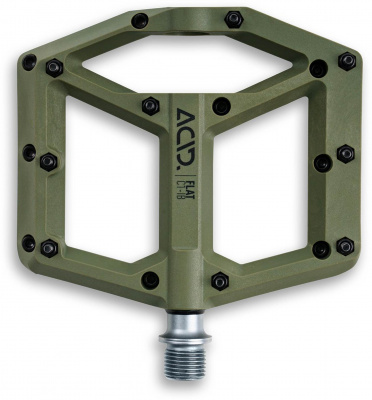
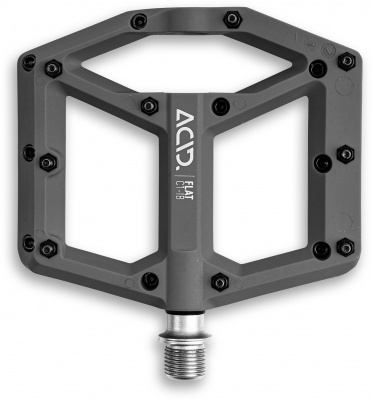
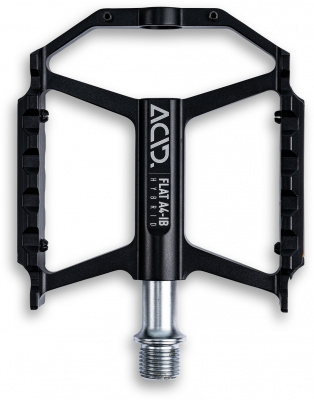
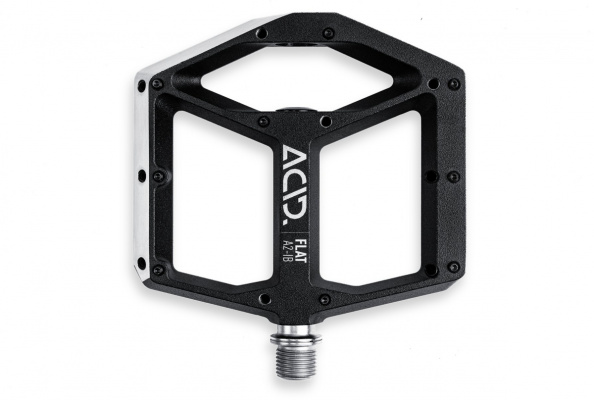
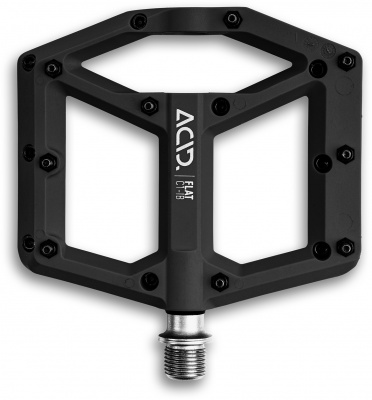
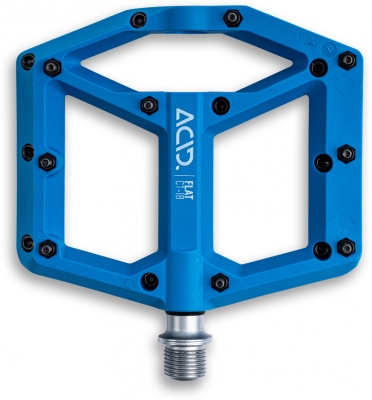
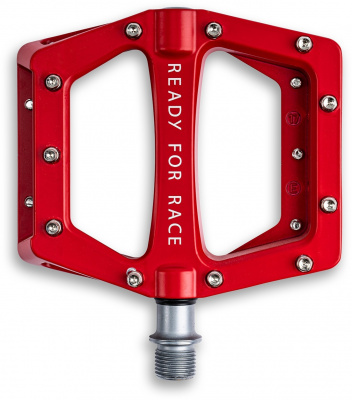
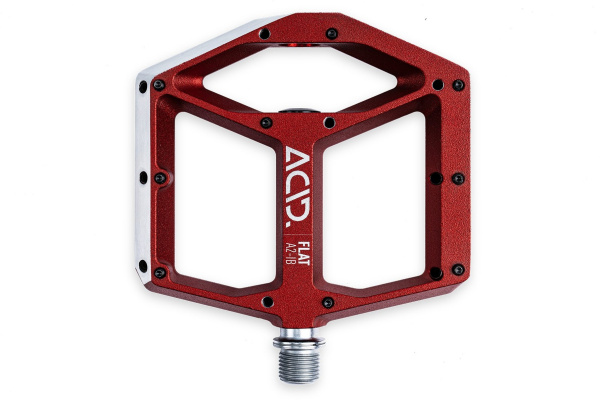
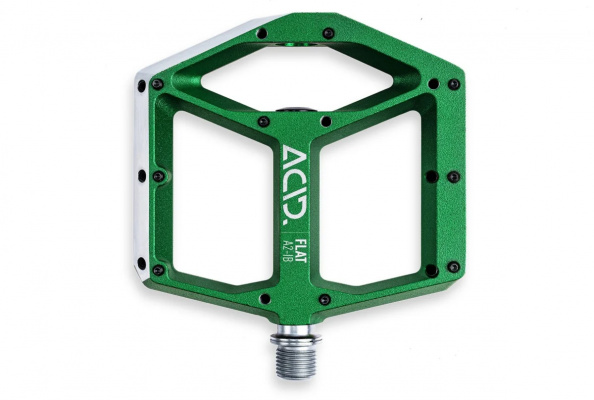
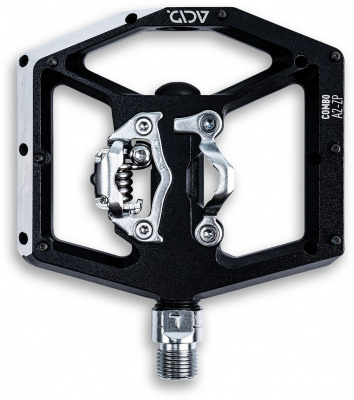
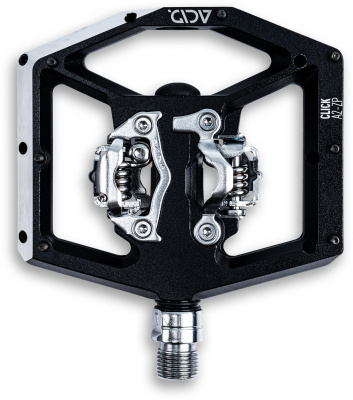
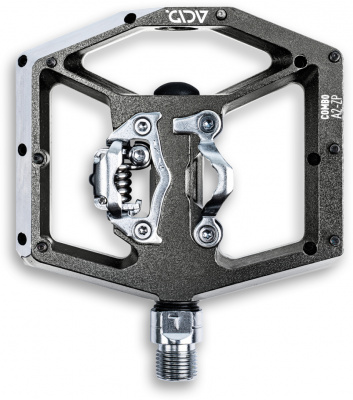
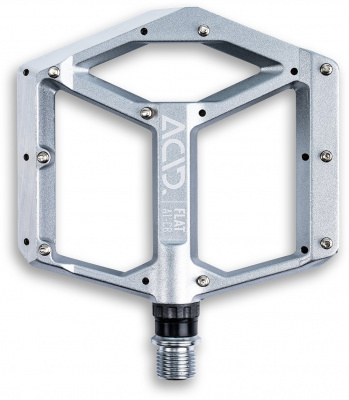
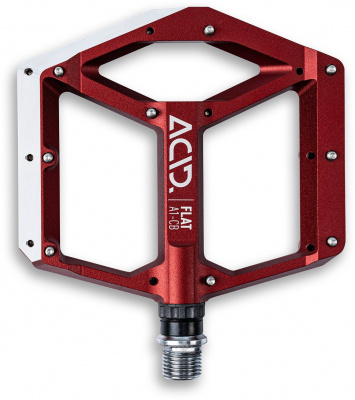
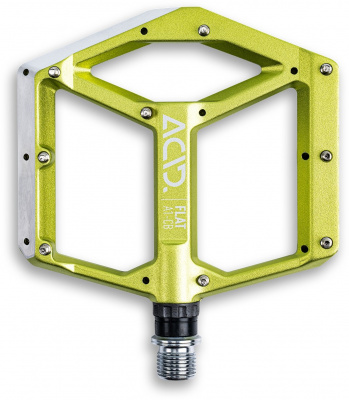
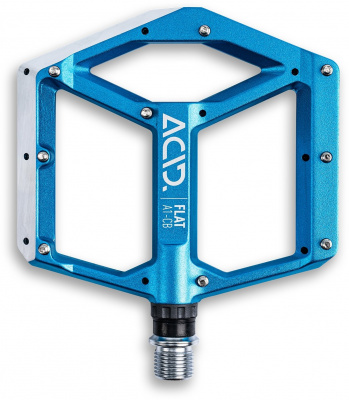
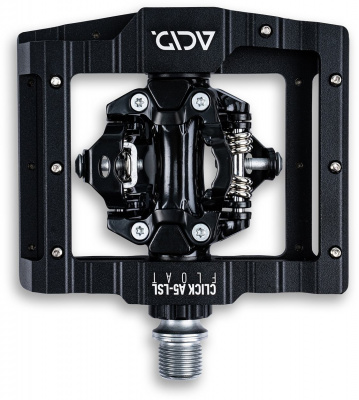
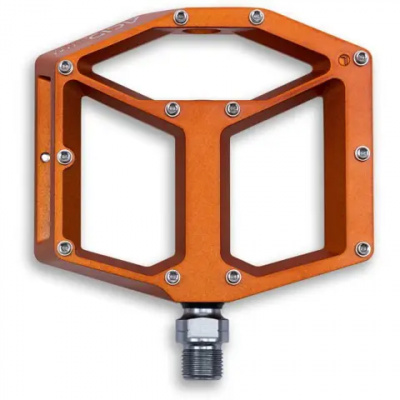
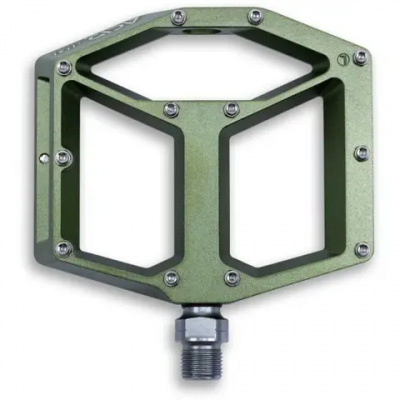
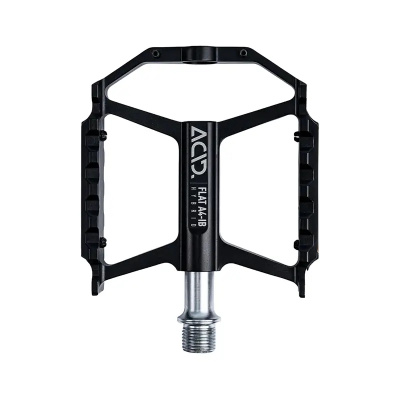
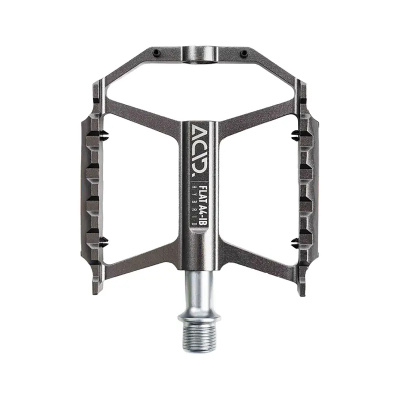
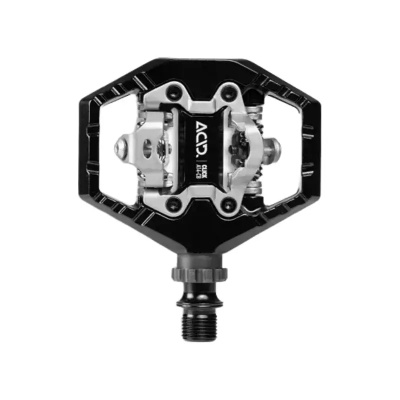
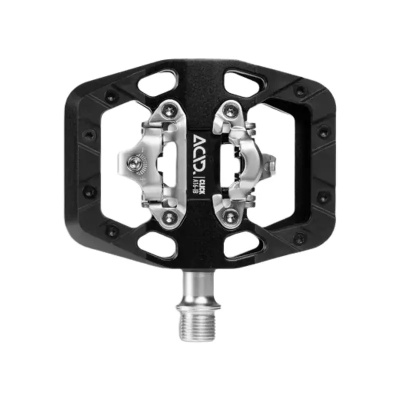
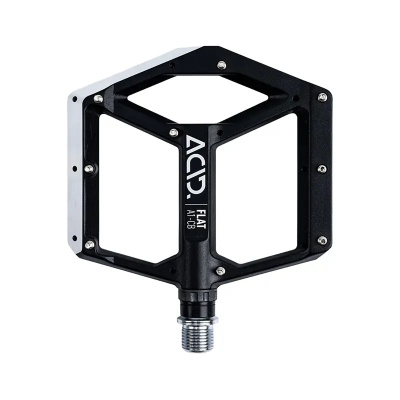
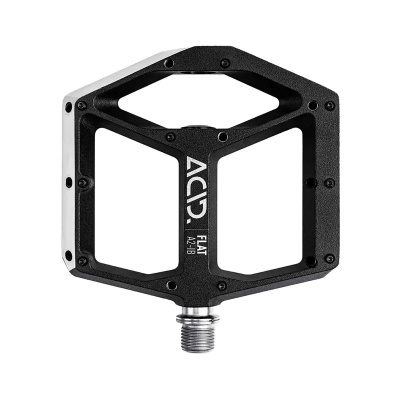
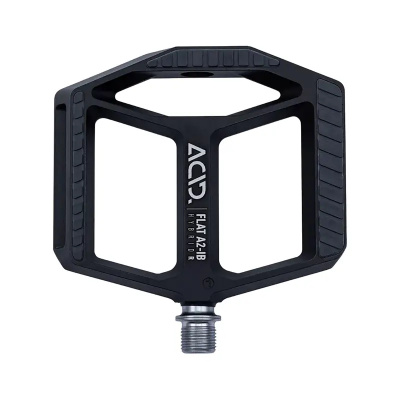
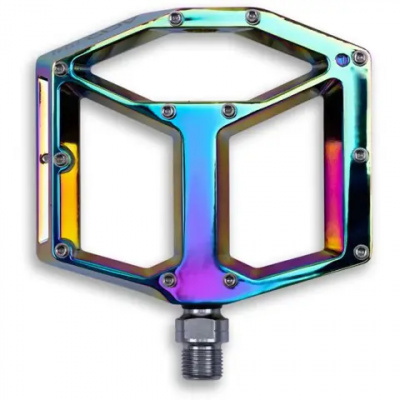
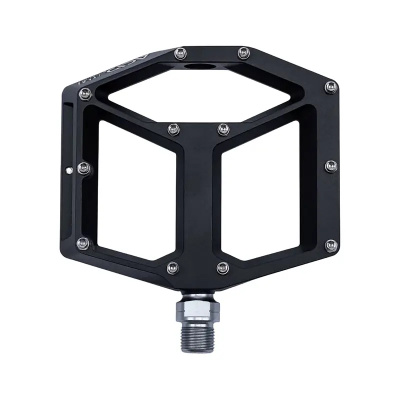
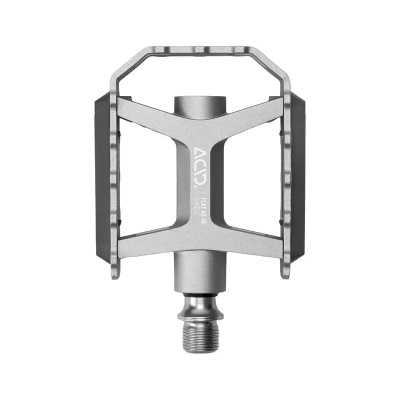
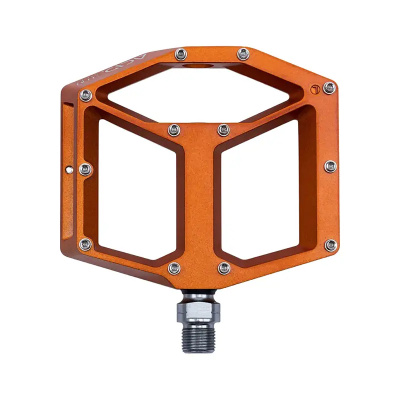
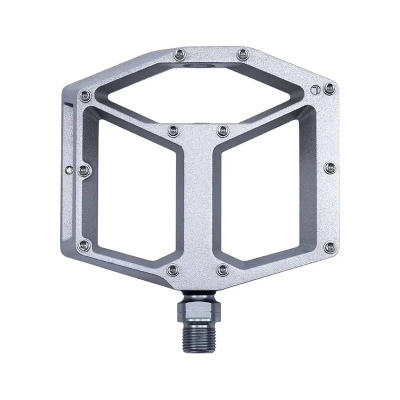
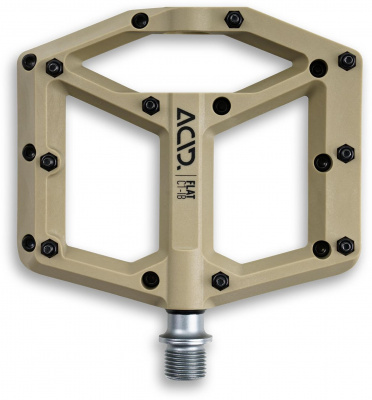
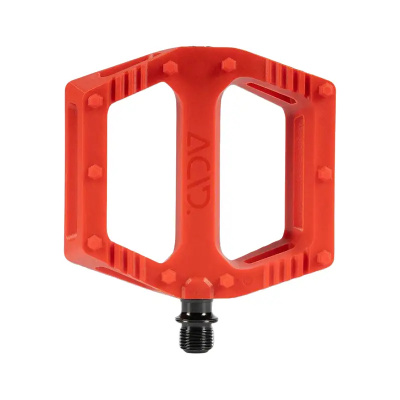
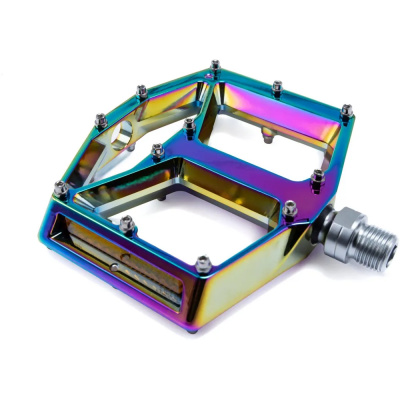
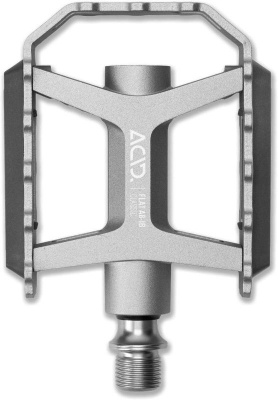
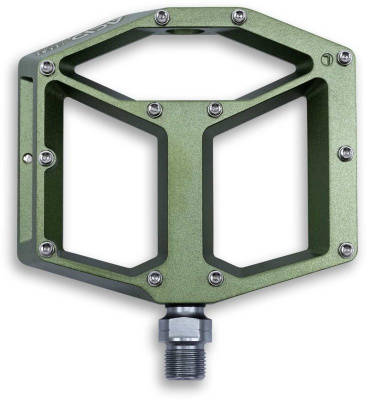
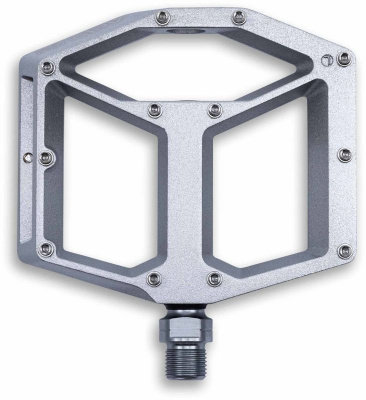
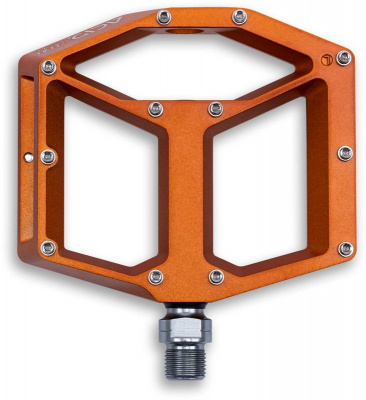
Acid splits its flat pedal range into two clear lines. The C-Series uses a two-tone nylon reinforced composite body - light, impact-friendly, and easy on the wallet. The A-Series steps up to a low-profile CNC machined aluminium platform for riders who want a stiffer, thinner base underfoot. Both use adjustable and replaceable anti-slip pins, so you can dial in grip to suit your shoes and conditions. Find the right model for your riding below.
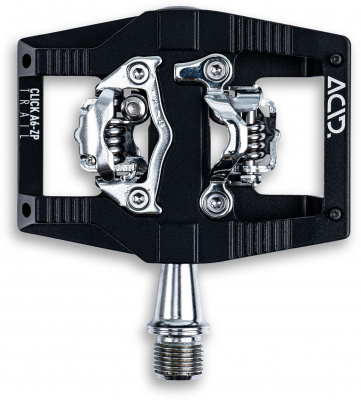
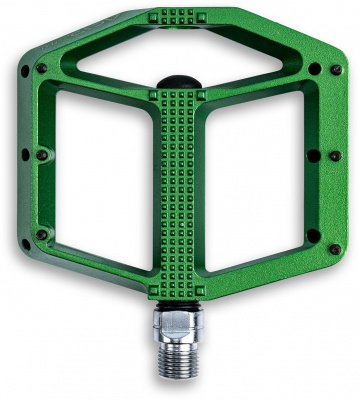
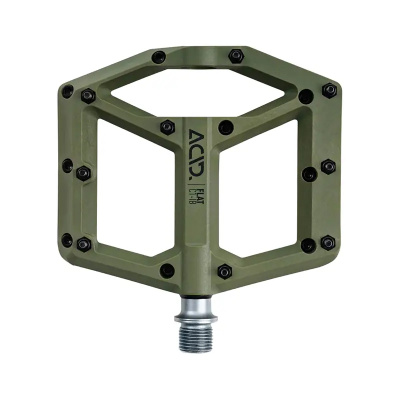
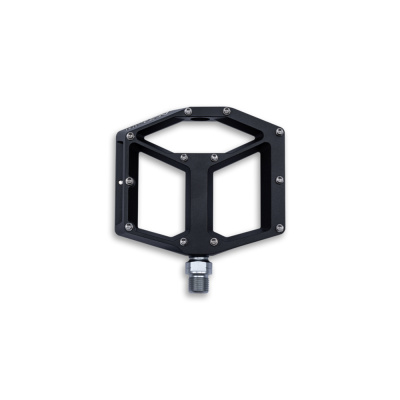
Prices and availability can change quickly. Delivery charges are not always included in listed prices.
Final price, stock status and delivery terms are set by retailer. We may receive a commission on purchases made.
Fitting Acid Pedals: Thread Standards and Installation
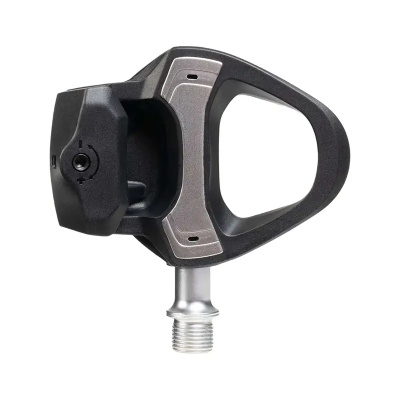
Every adult Acid pedal uses the industry-standard 9/16" thread, which fits virtually all modern MTB, road, gravel, and hybrid cranks. You'll need either an 8mm hex key inserted from the back of the crank or a 15mm pedal wrench on the flats - most home mechanics have at least one of those kicking around. Before you thread them in, apply a thin coat of anti-seize compound or waterproof grease to the spindle threads. It's a small step that makes a significant difference, particularly on alloy crankarms where the dissimilar metals can gall and lock solid over a damp winter. Don't skip it.
One thing worth checking before you fit wider-platform models: crank boot clearance. Some longer-travel bikes with pronounced crank guards can sit tight against a chunkier pedal body, so a quick visual check saves a frustrating surprise mid-ride. The left pedal is reverse-threaded - tighten it anti-clockwise - and if you forget, the trail will remind you fairly quickly.
C-Series vs A-Series: What You're Actually Paying For
Acid's naming logic is straightforward once you know the code. The C-Series (Composite) - typified by models like the FLAT C1-IB - uses a nylon reinforced composite body that's light, relatively flexible under impact, and priced to make upgrading from stock pedals a no-brainer. The composite construction means rock strikes tend to glance away rather than crack a platform, and the platform size is generous enough for most trail shoes. If you're building up a capable trail bike on a budget, the C-Series is hard to argue with.
The A-Series - such as the FLAT A1-CB - is where the CNC machined aluminium comes in. The main benefit isn't just aesthetics; it's a meaningfully thinner profile that lowers your foot's centre of gravity and gives you a few extra millimetres of ground clearance on chunky British limestone or Scottish rock slabs. The platform feels more direct underfoot, which experienced riders often describe as better feedback from the trail surface. You also get tighter manufacturing tolerances - the pins sit more precisely, the surface is flatter. Whether that justifies the price gap depends entirely on how aggressively you ride. For fast trail riding and lift-served days, the A-Series earns its keep. For general trail use and commuting, the C-Series does the job without complaint.
Both series share the same core bearing architecture and the same replaceable pin system, so durability isn't what separates them - profile and stiffness are. It's also worth noting that DMR pedals occupy a similar space, with their Vault Mag sitting in composite-versus-alloy territory too, so if you're comparing options, that's a reasonable benchmark. Burgtec pedals lean further into the aggressive trail/enduro market if that's your direction.
Keeping Acid Pedals Running Through UK Winters
British riding conditions are genuinely hard on pedal bearings. The combination of road salt, trail grit, and persistent wet means anything with a mediocre seal will be grinding within a season. Acid's dual-bearing setup - LSL bushing at the inboard end, sealed cartridge bearing at the outer end - is specifically designed to resist water ingress, and it does so more effectively than single-bearing or bushing-only designs at this price point.
Servicing is straightforward. Remove the outer dust cap with a hex key, undo the axle nut, and the pedal body slides off the CrMo axle. Clean the spindle, pack fresh waterproof grease around the LSL bushing, check the cartridge bearing for play or roughness, and reassemble to the manufacturer's torque spec. Most riders will do this once or twice a season if they're riding regularly through winter - it takes about fifteen minutes once you've done it the first time. Don't ignore it for two years and then wonder why the pedal spins like a washing machine drum.
The other thing to check regularly is your pins. Adjustable and replaceable anti-slip pins are one of the more useful features on any flat pedal - but on UK trails, a rock strike can loosen or tear out a pin you didn't notice was already backing out. Give the pins a quick check with a hex key every few rides. Loose pins drop grip faster than any amount of mud. If you're running composite pedals on particularly rocky lines, carry a couple of spare pins in your pack. They're cheap and the thread size is standard across the range.
For a complete contact-point refresh, Acid grips pair neatly with these pedals - same brand logic, same component philosophy. Worth a look if you're overhauling your cockpit at the same time. And if you're running Acid pedals on a trail or enduro build, Acid MTB wheels round out the component package from the same stable. Cube's own pedal range overlaps in places too, if you want to see how the parent brand stacks up. Nukeproof pedals are another strong comparison point if you're prioritising durability above all else. For riders who also want to sort out trail spray, Acid mudguards are a sensible addition to the order.
Acid Pedals FAQs
Are Acid pedals compatible with all bikes?
Yes. All adult Acid pedals use the standard <strong>9/16" thread</strong> that fits virtually every modern adult bicycle - MTB, road, hybrid, or gravel. One thing to remember: the left pedal is reverse-threaded, so it tightens anti-clockwise. Apply anti-seize to the threads before fitting, especially on alloy cranks.
How do I service the bearings on Acid flat pedals?
Use a hex key to remove the outer dust cap, then undo the axle nut and slide the pedal body off the <strong>CrMo axle</strong>. Clean the spindle, repack the <strong>LSL bushing</strong> with fresh waterproof grease, check the <strong>sealed cartridge bearing</strong> for roughness, and reassemble to the correct torque. Doing this once or twice a season keeps things spinning smoothly.
Are composite or aluminium Acid pedals better for MTB?
Depends on your riding. Composite C-Series pedals are lighter, cheaper, and deflect rock strikes without cracking. Aluminium A-Series pedals offer a thinner, stiffer platform with better ground clearance - useful for technical trail or enduro riding. For general trail use, composite is the practical choice; for aggressive riding, alloy earns the premium.