
DMR Pedals
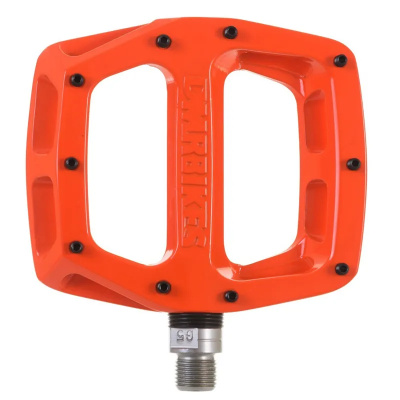
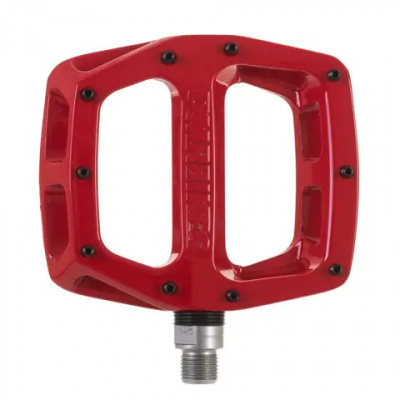
DMR pedals have earned their place as one of the most trusted names in UK mountain biking, and for good reason. From the entry-level V8 that's kept riders pinned through Gnar-soaked winters to the precision-engineered Vault that's become the flat pedal of choice for trail riders and freeriders alike, the range covers more ground than most brands manage across their entire catalogue.
What ties the lineup together is a consistent focus on grip, durability, and rideability in the kind of conditions that test kit hard - slippery chalk downs, Peak District grit, and the sort of sodden Welsh trail centres where lesser pedals turn into ice rinks. Deep concave platforms, customisable pin setups using either Moto pins for reliable everyday bite or Terror pins for maximum mud-season traction, and 4140 CroMo steel axles as standard give you a solid foundation regardless of which model you choose.
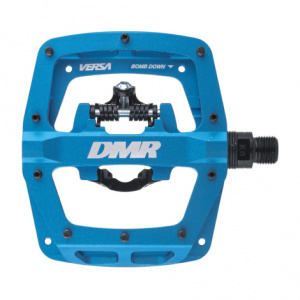
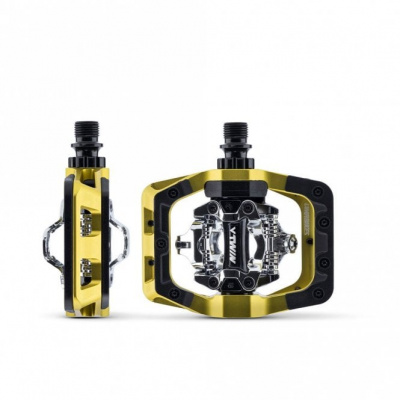
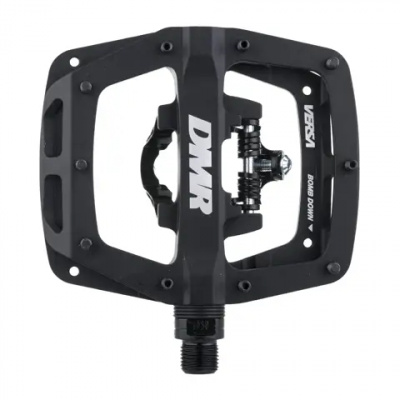
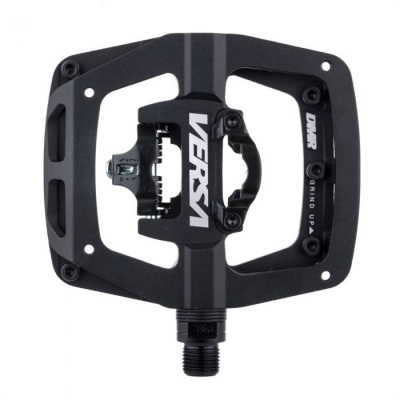
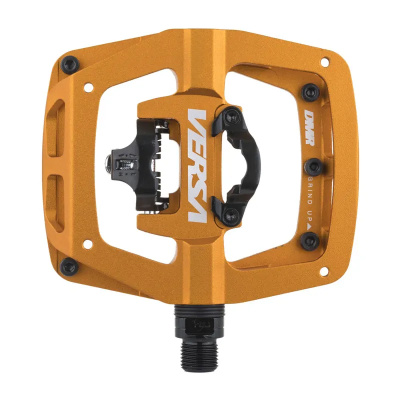
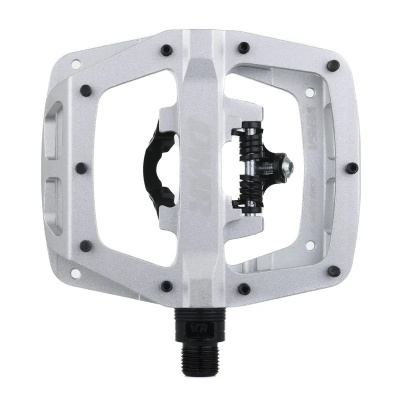
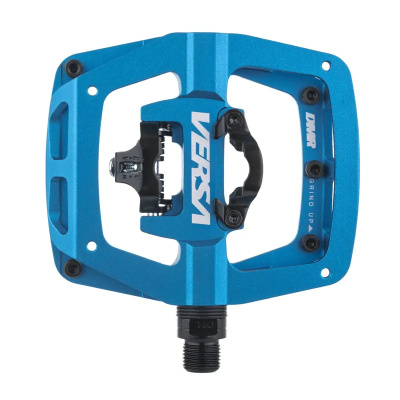
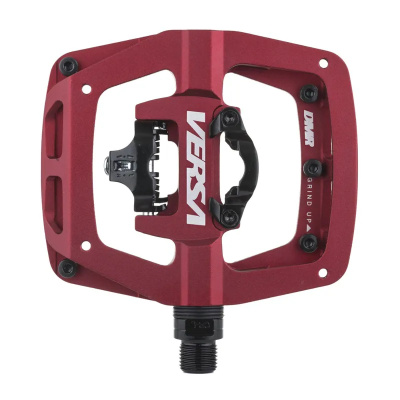
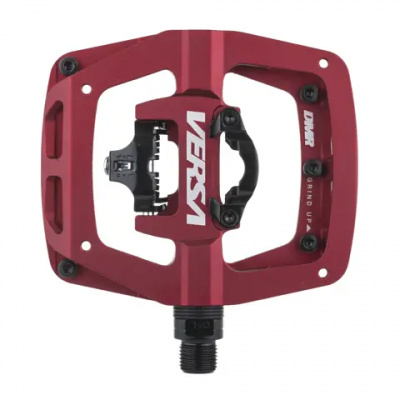
If you prefer to clip in, the V-Twin brings SPD-compatible float into the DMR ecosystem without abandoning the brand's practical, no-nonsense engineering. Whether you're building up a dirt jumper, refreshing a trail bike, or just replacing a knackered set before the next wet one, the right DMR pedal is in the range - use the grid below to find it.



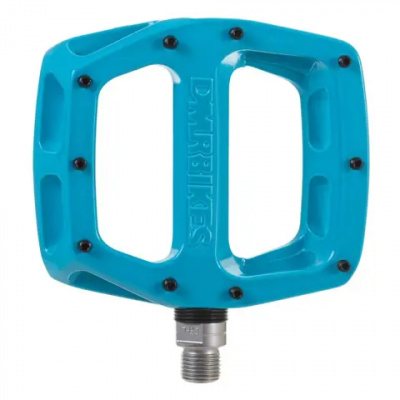
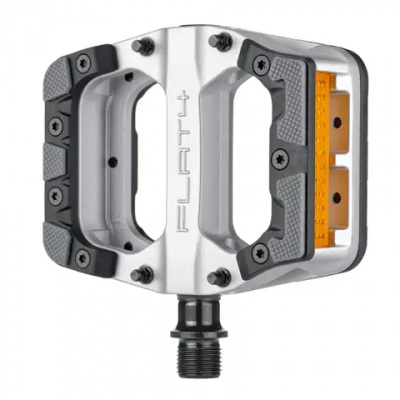
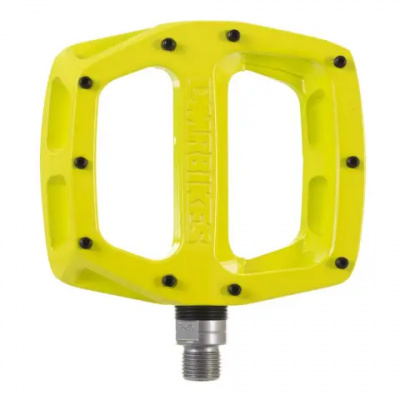
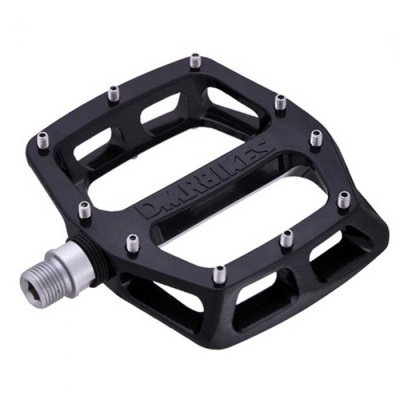

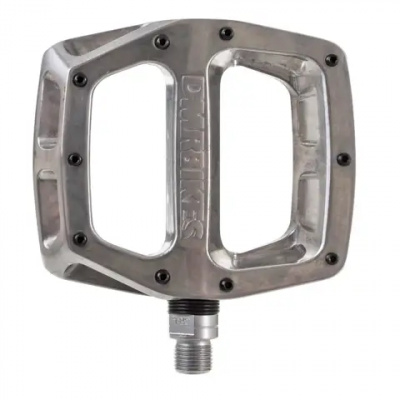
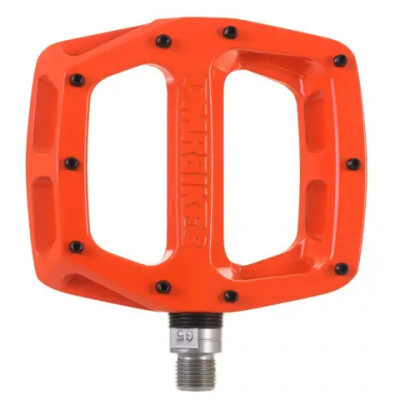
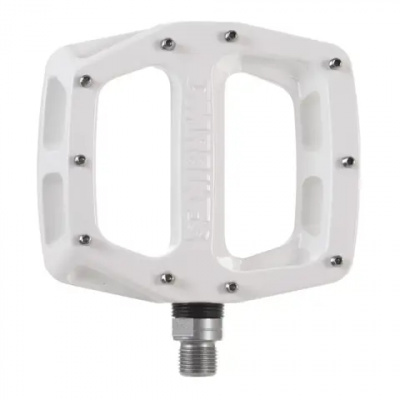
Prices and availability can change quickly. Delivery charges are not always included in listed prices.
Final price, stock status and delivery terms are set by retailer. We may receive a commission on purchases made.
Thread Standards, Axle Materials, and Clipless Compatibility
Every pedal in the DMR range runs a standard 9/16-inch thread, so they'll fit the vast majority of modern MTB cranks without any faffing. That covers everything from budget alloy arms to high-end carbon, which keeps things straightforward when you're shopping. The only exception worth knowing is one-piece kids' cranks, which use a smaller 1/2-inch thread - not relevant here, but worth filing away.
The axle material is where things get interesting. DMR fits 4140 CroMo steel axles across most of the range as standard, and these are genuinely tough - they'll handle big drops and rock strikes without the flex you'd notice on cheaper steel. For weight-conscious riders, titanium axle upgrades are available on select models, though it's worth knowing Ti axes carry a lower published weight limit than CroMo equivalents. If you're riding big lines regularly, stick with CroMo. If you're counting grams for an XC-leaning build, Ti makes sense - just check the spec sheet before you commit.
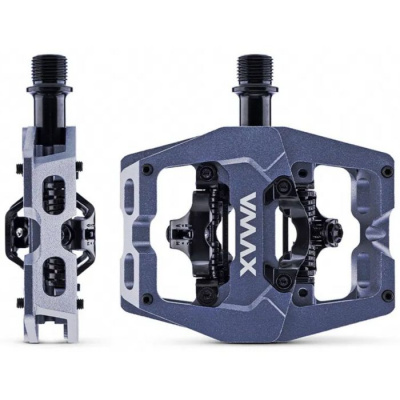
For riders who want to clip in, the V-Twin uses an SPD-compatible floating mechanism that accepts standard two-bolt cleats. The float adjustment gives you some room to dial in Q-factor to suit your natural stance width, which matters more than people give it credit for on longer days out. For cleat replacements, shims, and setup guidance, head to our DMR Cleats page - that's where we cover the specifics in full. If you're weighing up the V-Twin against pedals from other clipless-focused brands, Crank Brothers pedals are worth a look for a different take on the float-and-release mechanism.
V8, V12, and Vault: What You're Actually Paying For
DMR runs a clear tier system, and understanding it stops you from either underspending on something that won't last or overspending on performance you don't need.
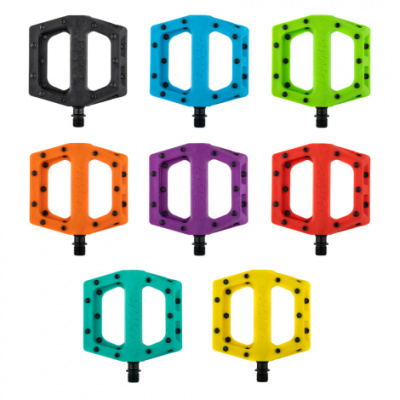
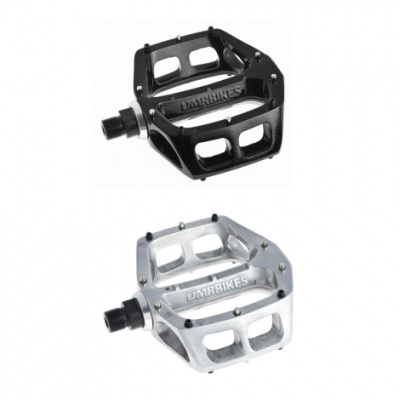
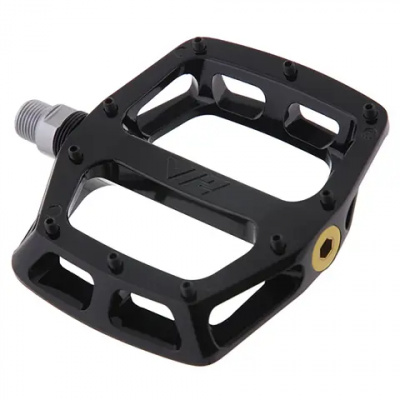
The V8 sits at the entry point. It uses a die-cast body with a dual bushing and loose ball bearing combination - functional, proven, and rebuildable in a basic sense. The platform is generous enough for most riders, and the V8's weight and price make it an obvious choice for a second bike, a build on a tighter budget, or a set you're not precious about scraping across rocks. It's not the last word in mud shedding or bearing longevity, but it's never pretended to be.
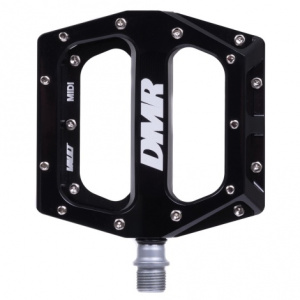
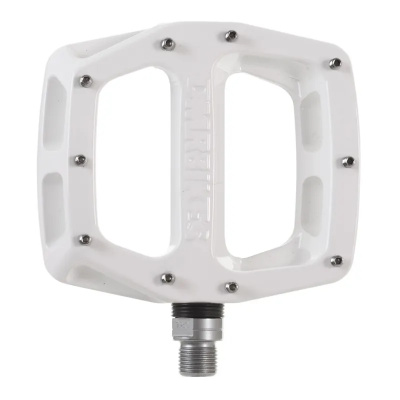
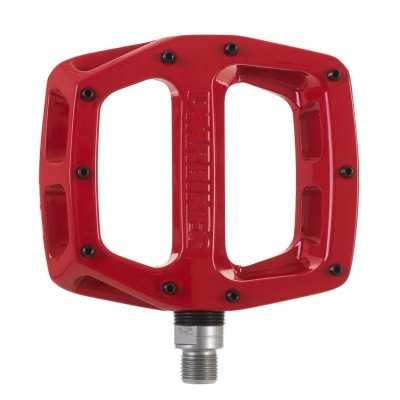
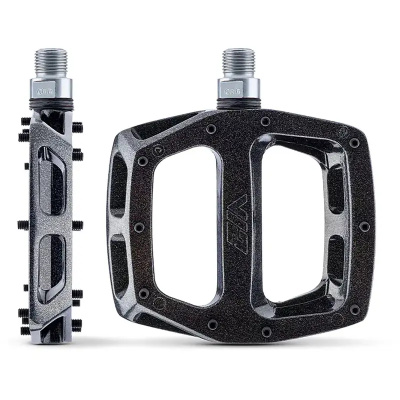
Step up to the V12 and you get a fully sealed bearing system, a lower-profile body, and a noticeable reduction in weight. The lower stack height puts your foot closer to the axle, which tightens up the feel underfoot - less platform rock, more directness. The sealed internals make a meaningful difference through a UK winter; grit that would work its way into a bushing-only setup gets kept out. If you're asking whether the V12 represents better value than the V8 for regular riding in British conditions, the answer is yes - the durability gain is real and the weight saving isn't trivial.
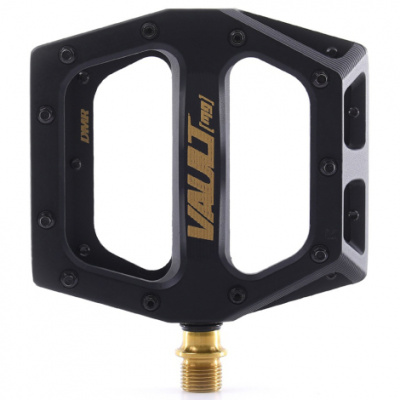
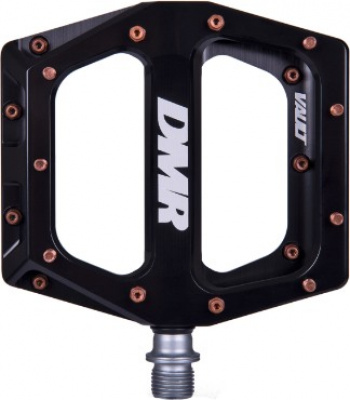
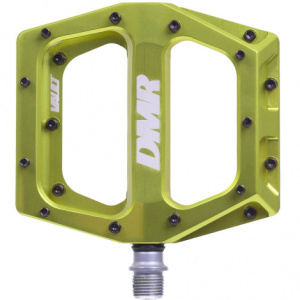
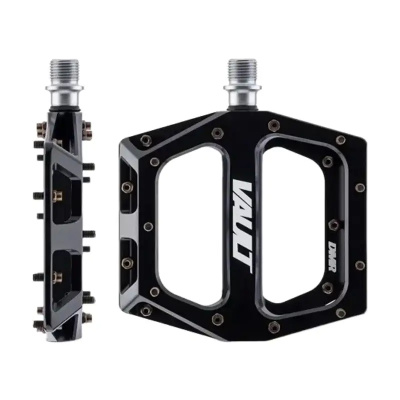
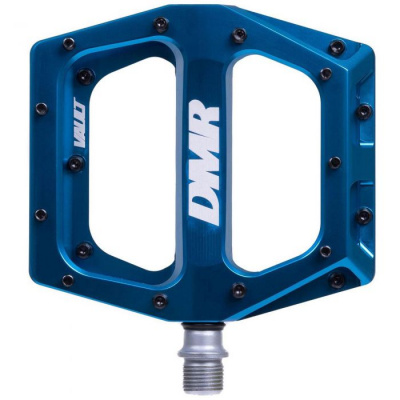
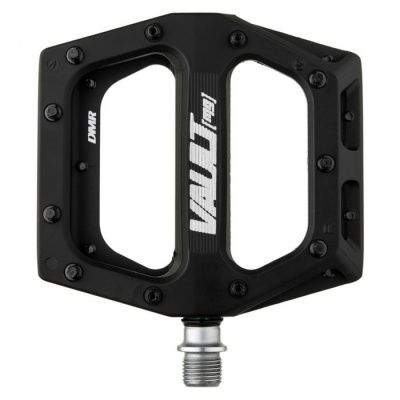
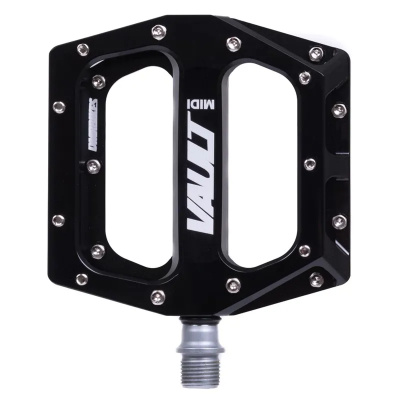
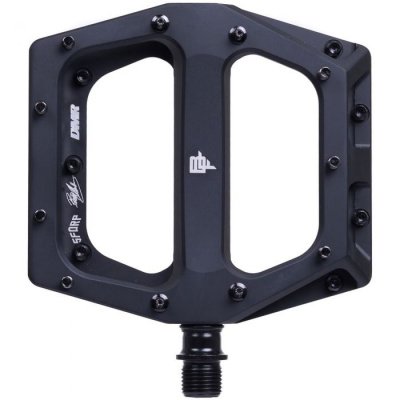
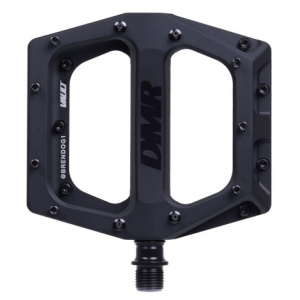
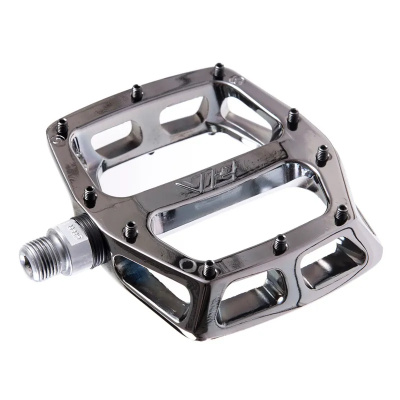
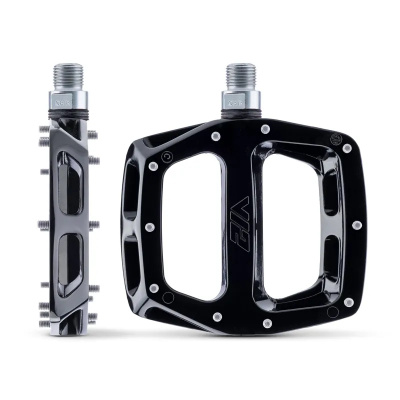
The Vault is where DMR puts its best thinking. The body is machined from extruded 6061 aluminium, which gives a better strength-to-weight ratio than die-casting and allows for tighter tolerances in the platform shape. At 105mm x 105mm, it's one of the larger platforms in the flat pedal market, and the tuned concavity keeps your foot centred without feeling like it's in a bowl. Internally, a DU bushing and cartridge bearing combination handles the load - smoother than a pure bushing setup, easier to service than a fully sealed unit that's been left too long. The open body design sheds mud actively rather than packing it in, which on a day out in the Brecon Beacons or the Tweed Valley makes a noticeable difference to grip consistency. For riders who want to compare the Vault against equally premium competition, Burgtec pedals and Hope pedals are the closest UK-relevant alternatives - both excellent, with different platform geometries and pin configurations worth comparing directly.
If you're running DMR pedals alongside other DMR contact points, it's worth looking at DMR grips to match the compound and grip character across your bar and foot contact simultaneously.
Keeping DMR Pedals Running Through a British Winter
UK mud is basically grinding paste. Peak District grit in particular gets into bearings like it has a personal grudge, so servicing intervals matter more here than they might in drier climates. A rough guide: inspect after every prolonged wet ride, and plan a full service every season as a minimum.
On the V8, the grease port is your friend - a few pumps of quality grease through the port flushes out contamination without a full strip-down. It's a two-minute job in the car park and extends bearing life significantly. Do it before you put the bike away after a filthy day, not three rides later when the damage is done.
The Vault's DU bushing and cartridge bearing internals are designed for full rebuilds using DMR's dedicated service kits. These contain replacement bushings, bearings, and seals - everything needed to bring a worn set back to new. With basic tools and the right kit, it's a straightforward bench job, and it's considerably cheaper than buying new pedals. If you're thinking about DMR pedal service kits, make sure you match the kit to your specific model, as the V8, V12, and Vault each use different internals.
One thing that catches people out: always apply anti-seize compound to the pedal threads before fitting. After a wet British winter, alloy cranks and steel axles can bond together to the point where removal needs heat or a breaker bar - sometimes both. A thin coat of anti-seize takes ten seconds and saves a lot of grief. Thread the pedals in carefully too - the left-hand pedal has a left-hand (reverse) thread, and cross-threading is a bad day waiting to happen.
For riders building out a complete contact-point setup around DMR components, pairing with DMR chainrings and DMR bottom brackets keeps the drivetrain spec consistent and simplifies future servicing. Nukeproof pedals are also worth a comparison if you're undecided - similarly UK-focused engineering with their own approach to sealed bearing durability.
DMR Pedals FAQs
Are DMR V12 pedals better than V8?
For most UK riders, yes. The V12 uses a fully sealed bearing system rather than the V8's dual bushing setup, which holds up significantly better in wet and gritty conditions. It's also lighter and sits lower to the crank, giving a more direct feel underfoot. If you ride through winter regularly, the V12's durability advantage justifies the step up in cost.
Can you rebuild DMR Vault pedals?
Completely. DMR produces specific service kits for the Vault containing replacement DU bushings, cartridge bearings, and seals. You don't need specialist tools - a basic workshop setup handles the job. Rebuilding is straightforward and substantially cheaper than replacing the pedals, making the Vault a genuinely cost-effective long-term choice if you maintain them properly.
What is the difference between DMR Moto and Terror pins?
Moto pins are DMR's standard option - solid grip with a slightly rounded tip that's less savage on your shins when things go wrong. Terror pins are longer and sharper, designed to bite hard into shoe soles in severe mud or slippery conditions. Most riders run Moto pins year-round and swap to Terror pins for particularly grim winter days. Both are interchangeable across the platform.