
Cube Pedals
Your pedals are where every watt you produce either gets transferred to the drivetrain or disappears into flex and slip - so Cube pedals, and their dedicated accessory line ACID, take that contact point seriously. Whether you're threading through muddy Pennine singletrack, grinding a winter commute across wet tarmac, or pointing downhill on a Welsh trail centre, there's a Cube or ACID pedal sized for the job.
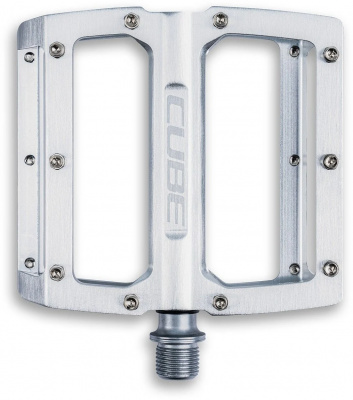
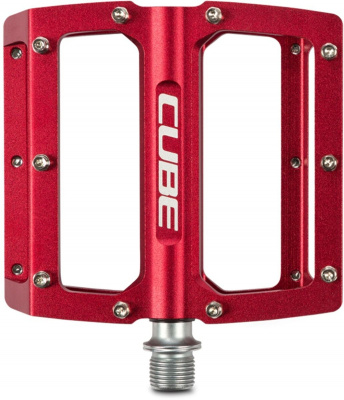
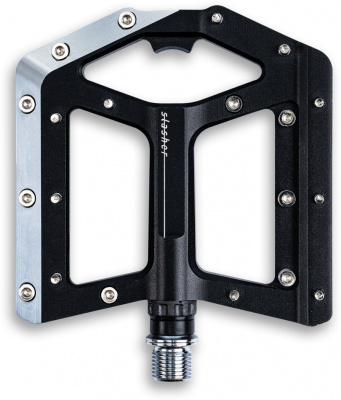
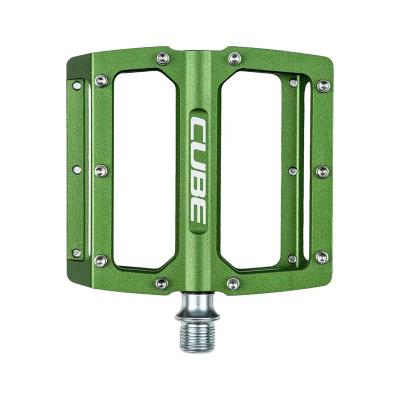
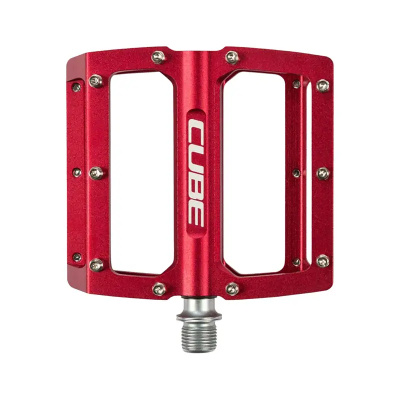
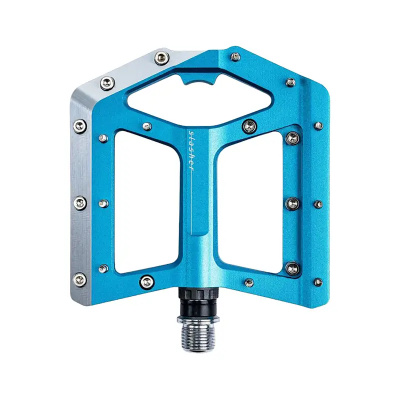
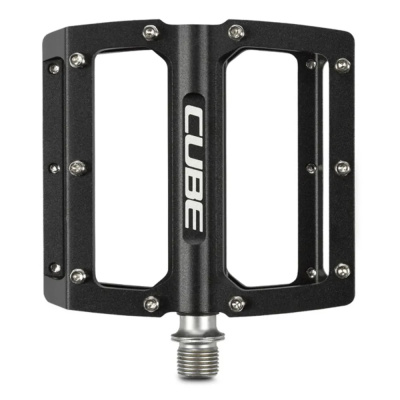
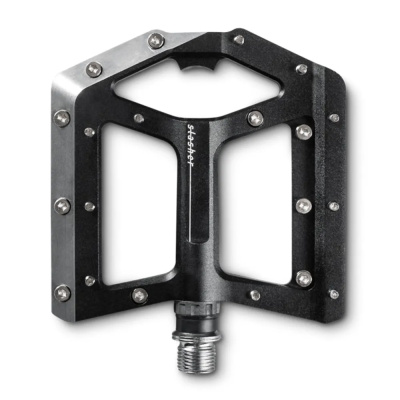
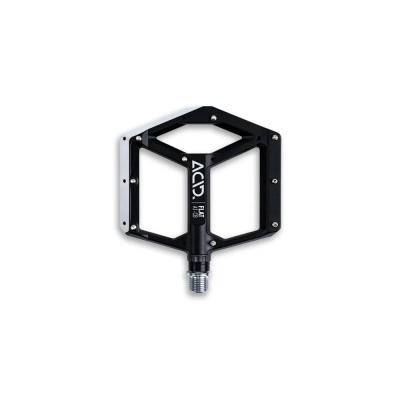
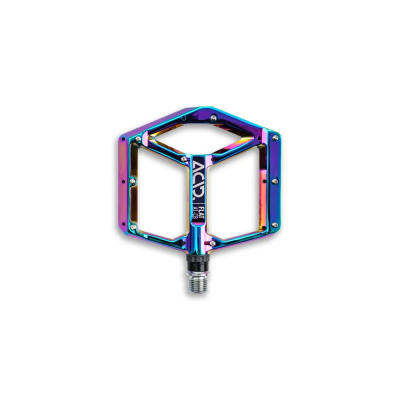
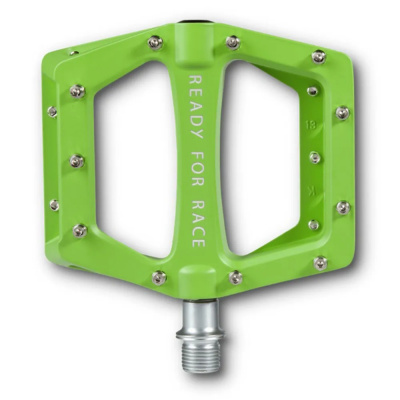
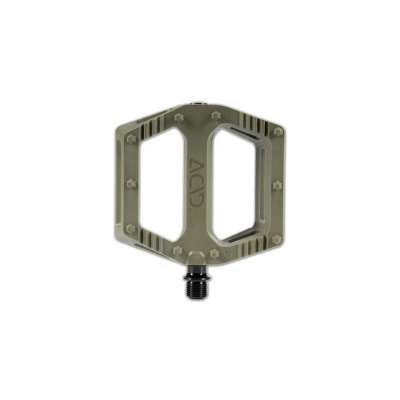
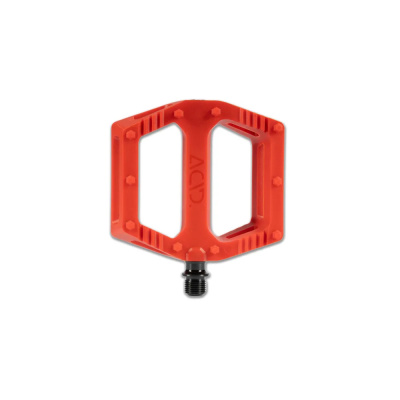
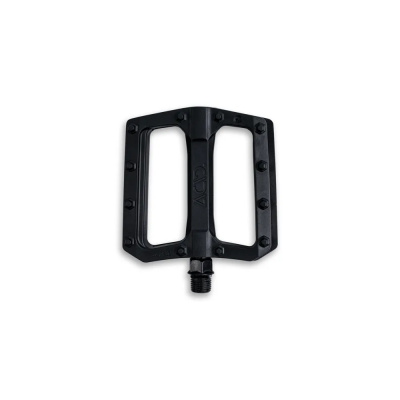
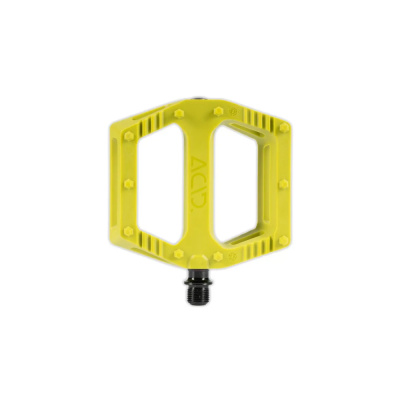
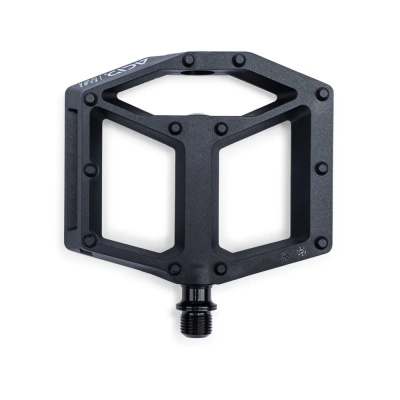
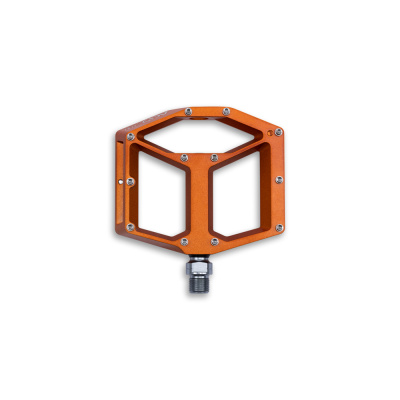
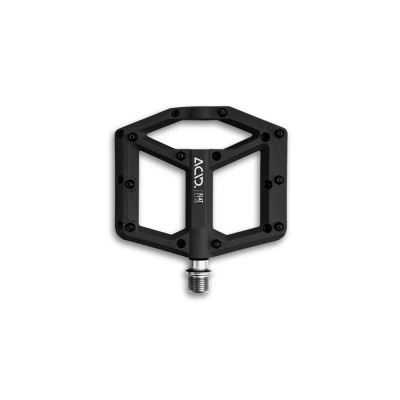
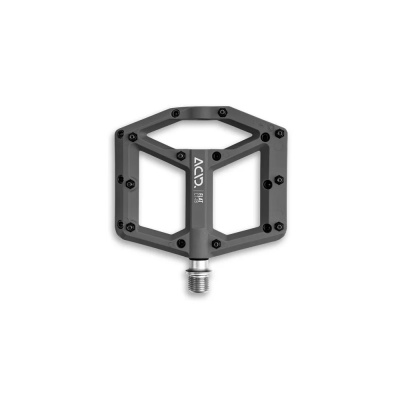
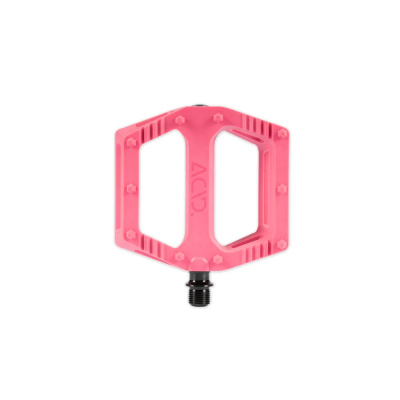
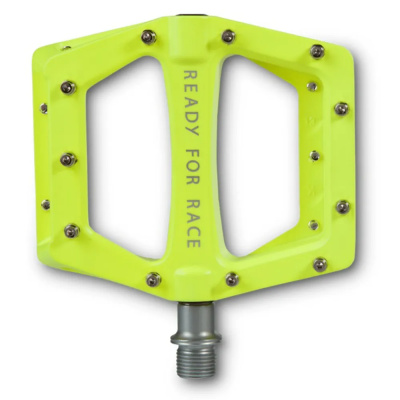
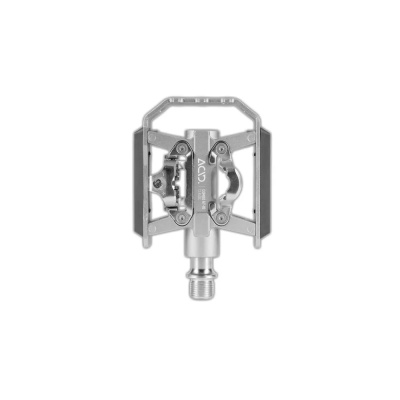
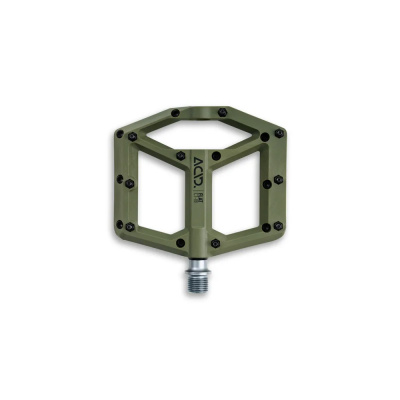
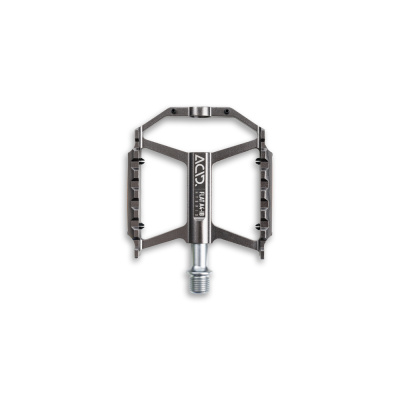
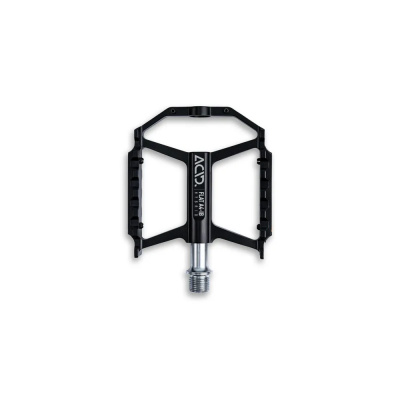
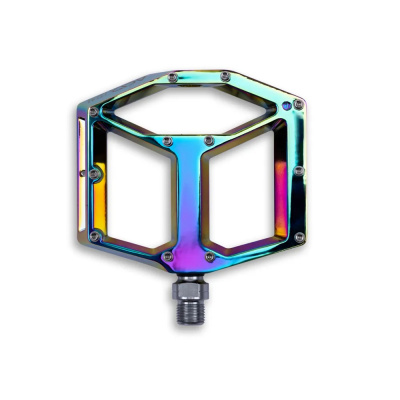
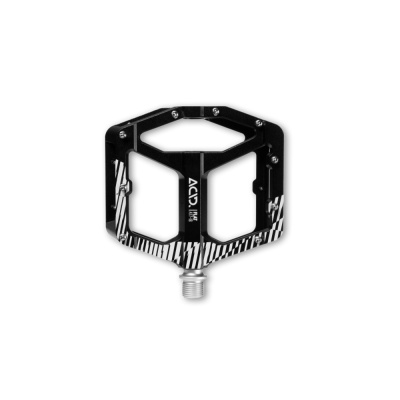
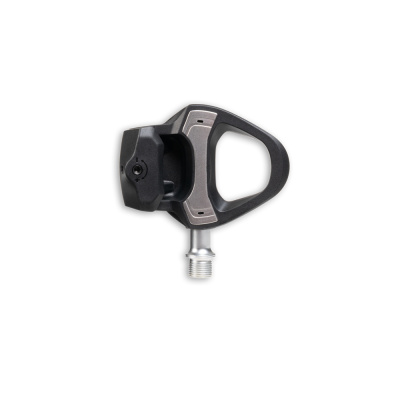
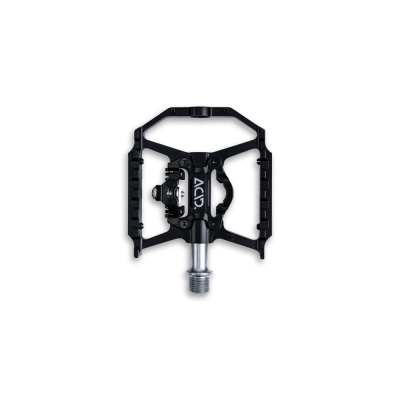
The range splits cleanly into composite flat platforms for everyday and entry-level use, CNC-machined aluminium flats for riders who need serious grip and durability, and the ACID Click clipless series for those committing to cleat engagement. All adult models run a standard 9/16" thread, sealed cartridge bearings keep grit and grinding paste out of the axle, and the adjustable anti-slip pin system on the performance flats lets you tune grip to your specific shoe sole. Chromoly axles across the range keep lateral flex in check without adding unnecessary weight. If you're building up a new Cube mountain bike or simply replacing worn-out stock pedals, this range covers most bases without overcomplicating the choice.
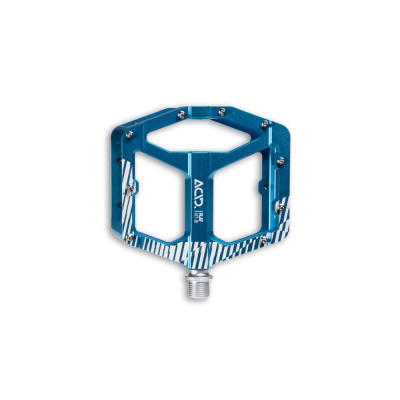
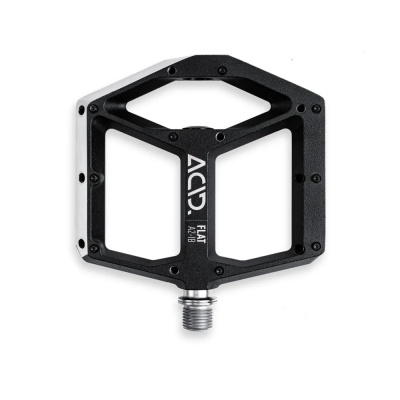
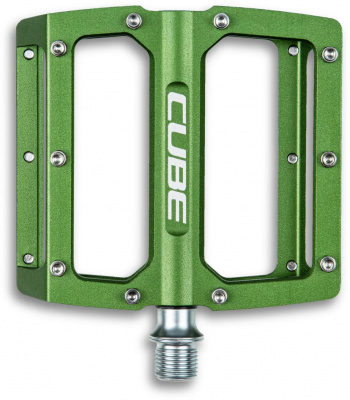
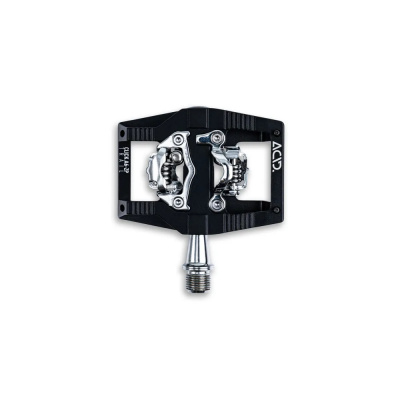
Prices and availability can change quickly. Delivery charges are not always included in listed prices.
Final price, stock status and delivery terms are set by retailer. We may receive a commission on purchases made.
Thread Standards and What Fits What
Every adult Cube and ACID pedal uses the industry-standard 9/16" x 20 tpi thread, which means they'll drop straight onto virtually any modern adult crankset without hunting for adapters. One thing worth knowing before you reach for a pedal spanner: the L/R thread orientation matters. The drive-side (right) pedal tightens clockwise; the non-drive side uses a reverse left-hand thread and tightens anti-clockwise. Forget that on a rushed install and you'll be chasing a spinning pedal down the road.
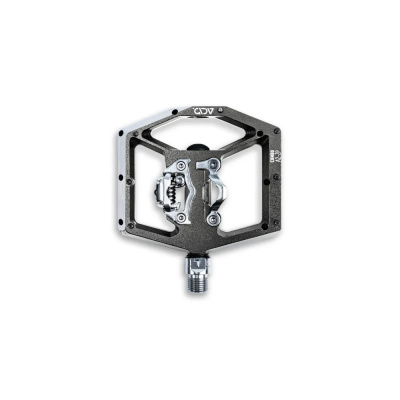
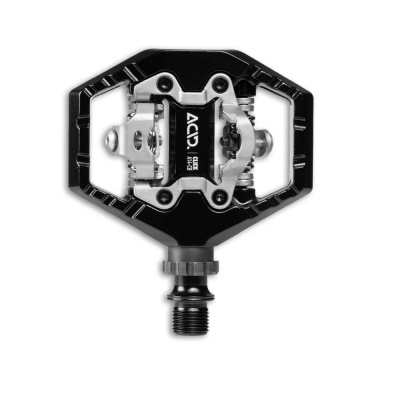
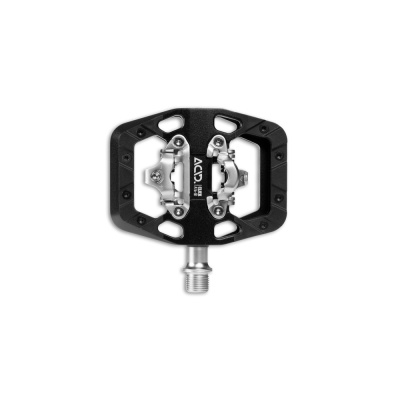
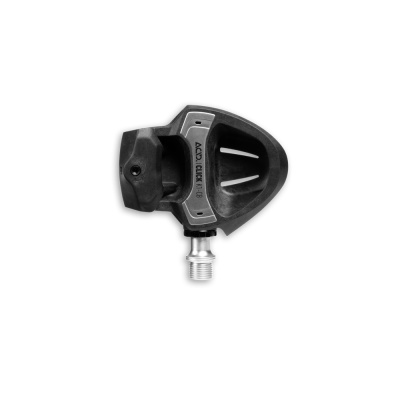
For riders moving to the ACID Click clipless models, cleat compatibility is straightforward. The Click series is fully SPD compatible, which means your existing Shimano SPD shoes - road, gravel, or mountain - work without a cleat change. That cross-compatibility matters if you're already invested in an SPD shoe setup across multiple bikes. Wider platform aluminium flat models are worth checking against your crank arm profile if you're running boots or stiff-soled shoes with a generous crank boot; clearance is rarely an issue on standard cranks but it's a two-second check that saves grief later.
Picking the Right Model for How You Ride
The entry point is the composite platform flat - a composite platform body that keeps weight and cost down, suits commuting, leisure riding, and anyone not yet committed to clipless. They're not fragile, but they won't take repeated rock strikes the way a machined alloy pedal will. Think of them as the sensible choice for a hybrid or urban bike rather than a weapon of choice for enduro laps.
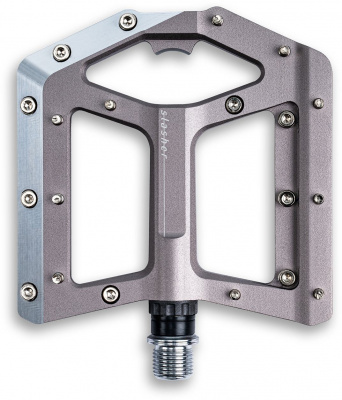
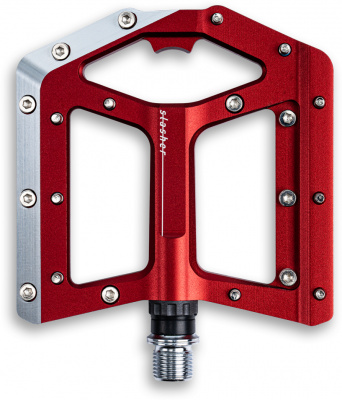
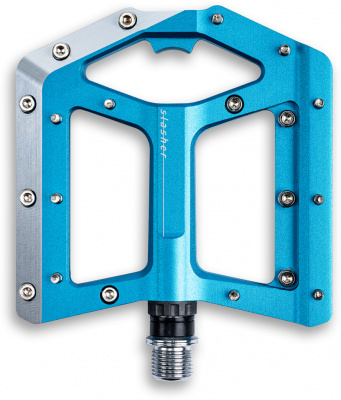
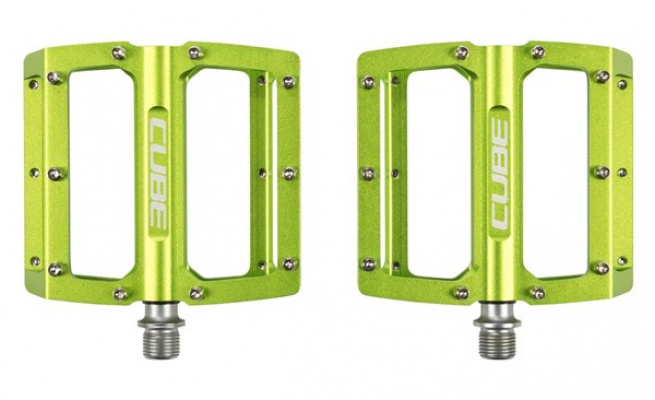
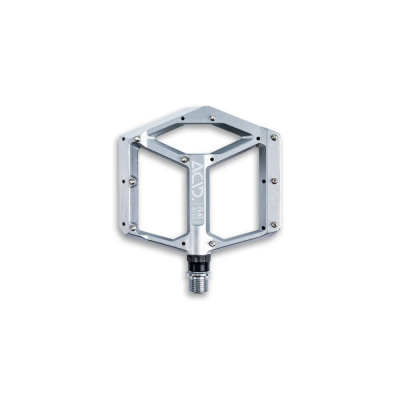
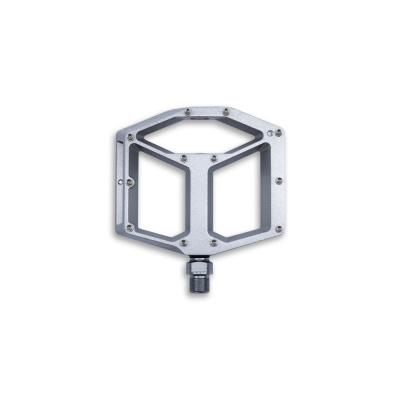
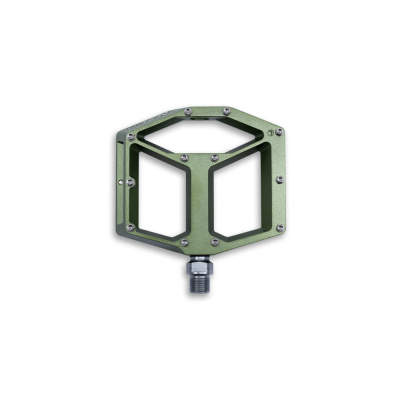
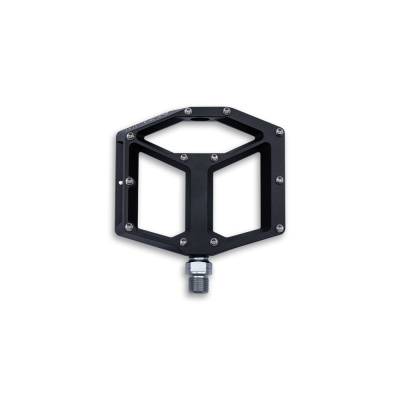
Step up to the ACID flat range and the conversation changes. These use a CNC-machined aluminium body, a wider and thinner platform profile optimised through Cube's ACID accessory development, and the adjustable anti-slip pin system that genuinely earns its place. The adjustable pins are hex-head grub screws you can wind in or out to match your shoe's tread depth - more purchase for deep-lugged MTB soles, slightly backed off for flatter rubber. If you're riding gritty Peak District moorland or slippery chalk downs in the South East, that tuneable grip is worth having. Compared to something like DMR pedals or Burgtec pedals at similar price points, the ACID aluminium flats sit in credible company - competitive platform size, serviceable bearing systems, and pins that can be replaced before they round out from rock contact.
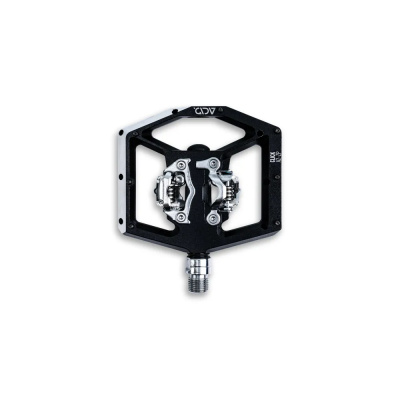
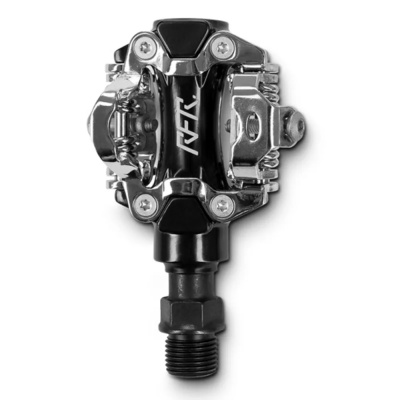
The ACID Click series handles the clipless end. Dual-sided SPD engagement means you're not fumbling for the right face of the pedal on a technical climb, and some models offer a hybrid format - clip one side, flat platform the other - which suits commuters who alternate between cycling shoes and everyday footwear. The Q-factor on the Click pedals sits in a neutral position that works for most riders without pushing knees outward, though anyone with a specific fit requirement should cross-reference with their existing cleat setup. If you're weighing up the clipless decision more broadly, Crank Brothers pedals offer a different engagement mechanism worth comparing for muddy conditions.
Keeping Them Running Through a UK Winter
Sealed cartridge bearings are not a luxury on UK pedals - they're the difference between a pedal that survives a Scottish November and one that develops lateral axle play by February. Loose-ball bearing systems pack with grit and turn into grinding paste within a few wet rides; the sealed cartridge bearings used across the ACID performance range block that ingress at source. You still need to service them periodically, but the interval is measured in seasons rather than rides.
One installation habit worth forming: apply anti-seize compound or lithium grease to the pedal threads before fitting, every time. Alloy cranks and steel axles cold-weld over winter if you skip this, and the resulting seized pedal is a workshop nightmare. It takes ten seconds and saves you a lot of bother come spring when you want to swap platforms. The C3/C4 cartridge bearing systems used in the ACID range are designed specifically to resist lateral axle play under load - relevant when you're standing on the pedals grinding up a long climb or absorbing a rough landing.
On the pin front: check them before they round out rather than after. A rounded hex socket on a pin that's taken rock strikes is awkward to extract. Keep a spare set of grub-screw pins in your workshop tin - they're cheap, and swapping them before they're destroyed keeps the pedal body serviceable far longer. If you're setting up a complete contact-point refresh, pairing new pedals with Cube grips is a straightforward way to address both ends of the handlebar-to-pedal feel at once. And if you're doing a full drivetrain strip-down, Cube tools cover the basics for pedal installation and bearing work.
One more practical note: Cube MTB pedals in the ACID flat range are a reasonable first upgrade for anyone building out a new trail bike on a budget. They won't embarrass you next to Hope pedals on a club ride, and the bearing quality holds up well enough that you're not replacing them after one winter. Cube pedals for UK winter use, particularly the sealed cartridge models, are a solid call if you're not ready to spend big on premium platforms but want something that won't let you down mid-ride in January.
Cube Pedals FAQs
Do Cube bikes come with pedals?
It depends on the model. Higher-end Cube mountain and road bikes typically ship without pedals, giving you the choice of clipless or flat system. Entry-level and hybrid models usually include basic flat pedals in the box. Check the specific model listing to confirm before buying.
Are Cube ACID pedals compatible with Shimano SPD?
Yes. The ACID Click clipless pedals use the Shimano SPD cleat standard, so any SPD-compatible mountain, gravel, or commuter shoe will work without changing cleats. It's one of the most widely supported standards around, which makes the Click a practical choice if you're already in the SPD ecosystem.
What thread size are Cube pedals?
All adult Cube and ACID pedals use the standard 9/16" x 20 tpi thread, compatible with virtually every modern adult crankset. Worth remembering: the left (non-drive) pedal is reverse-threaded and tightens anti-clockwise, so don't force it the wrong way on installation.