
Crank Brothers Pedals
When UK trails turn to liquid grinding paste, Crank Brothers pedals are one of the few clipless designs that genuinely keep working. The reason comes down to the 4-sided entry system - a geometry that lets you clip in from any angle and sheds mud rather than packing it in. That matters enormously when you're trying to get back in the pedals on a greasy Welsh root section or grinding through Peak District slop in November.
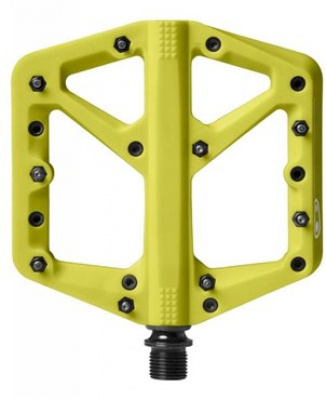
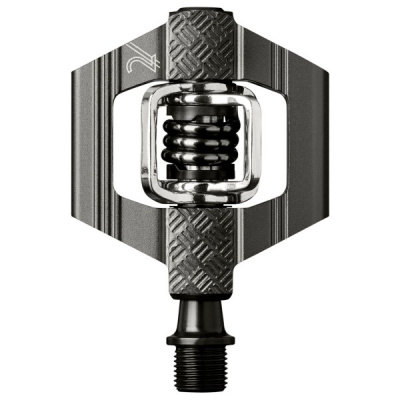
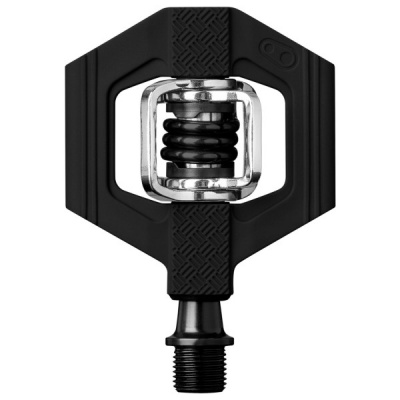
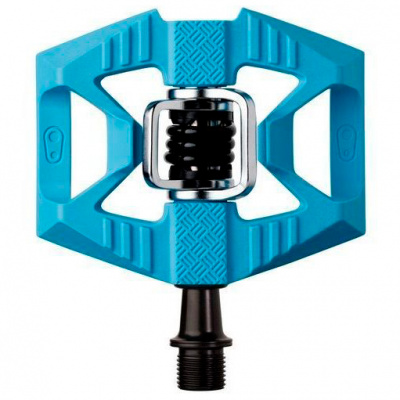
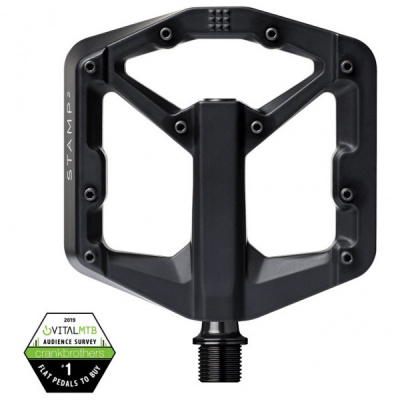
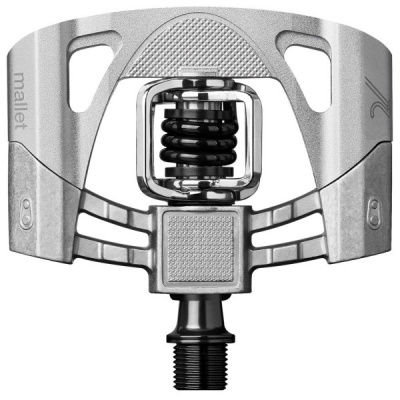
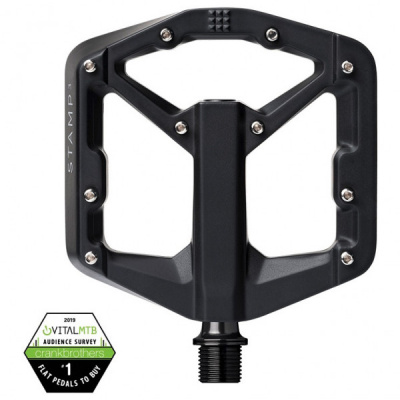
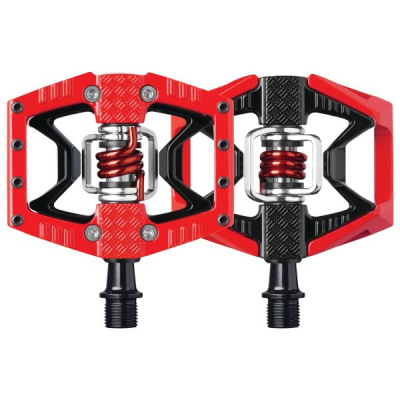
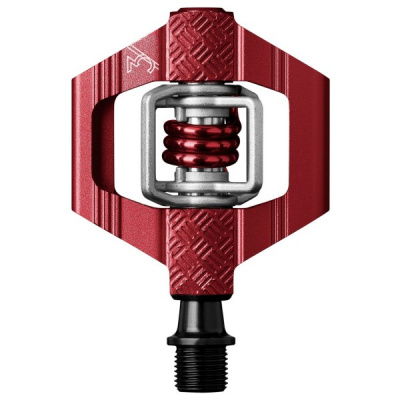
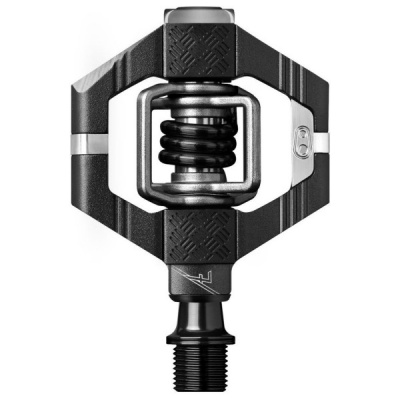
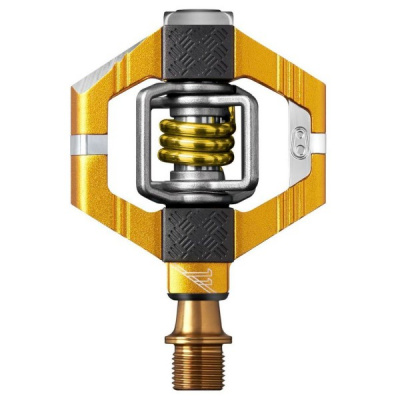
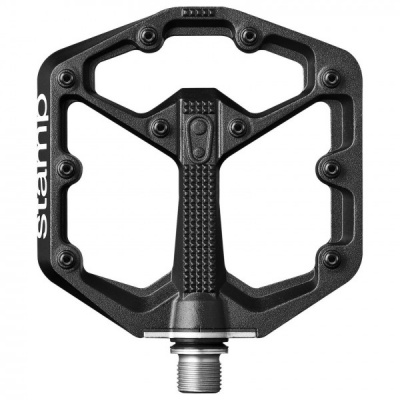
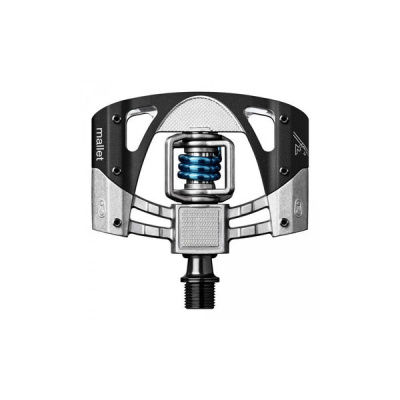
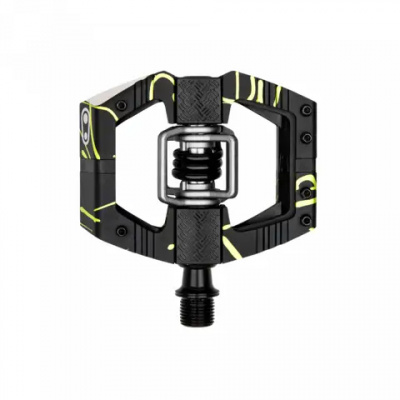
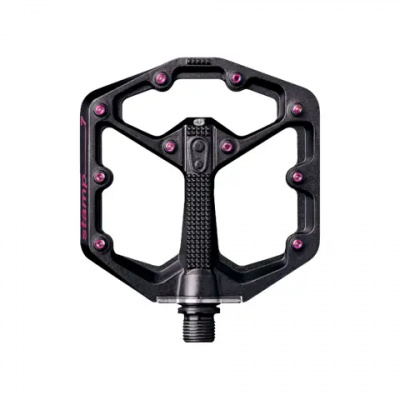
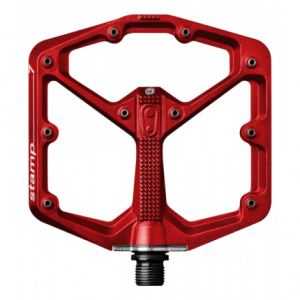
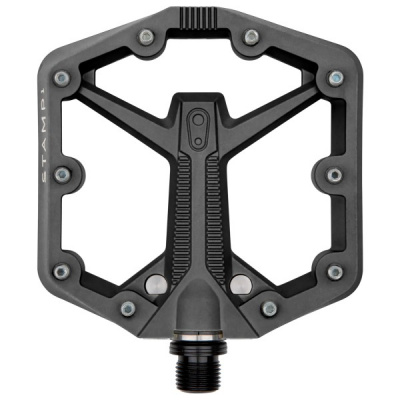
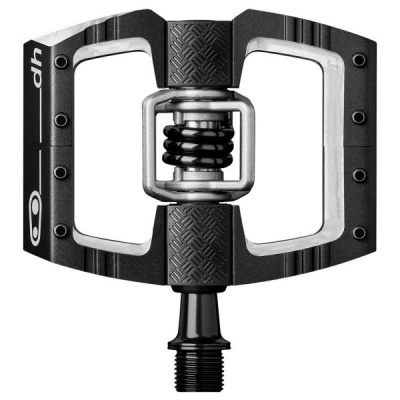
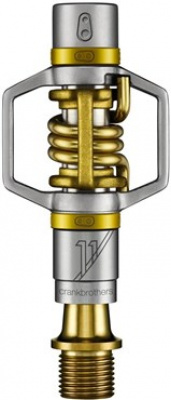
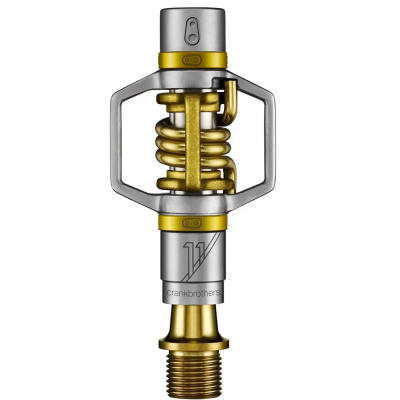
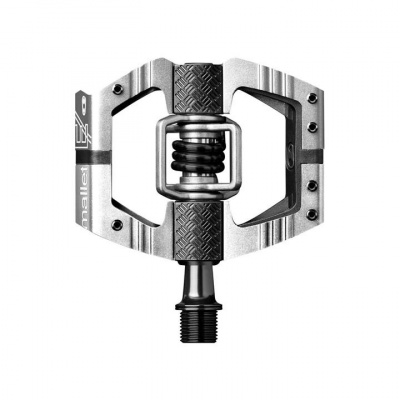
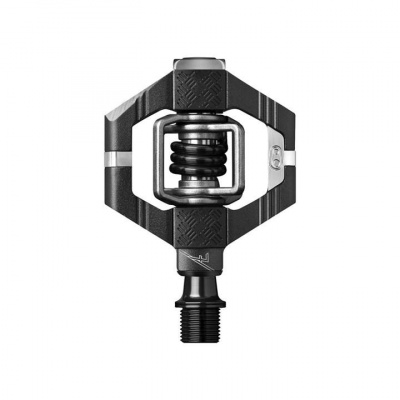
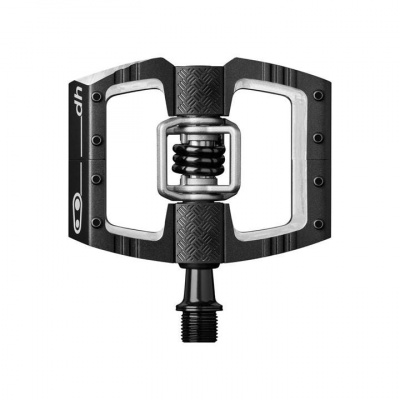
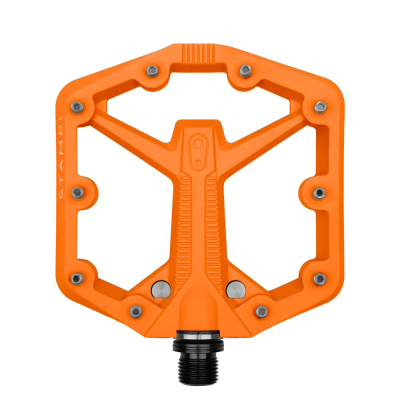
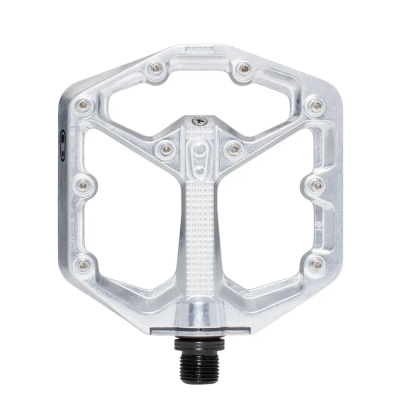
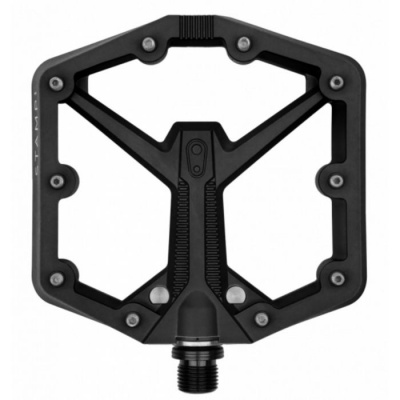
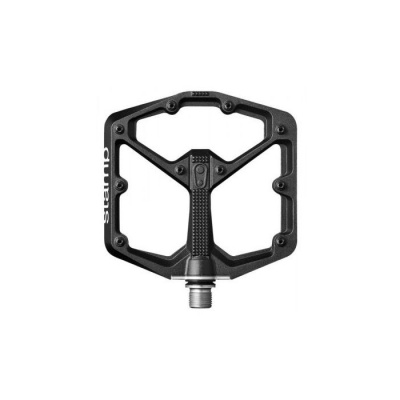
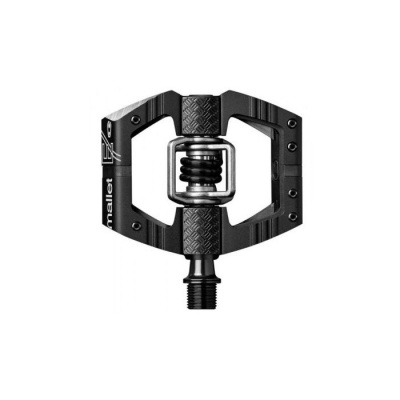
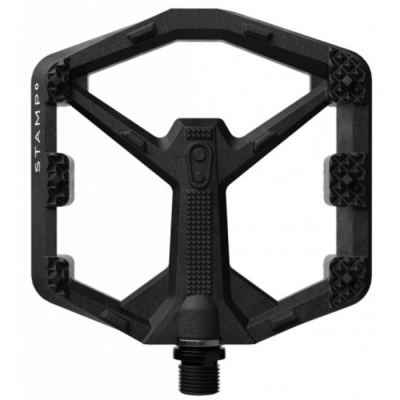
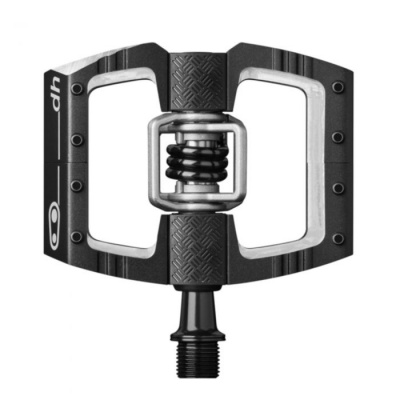
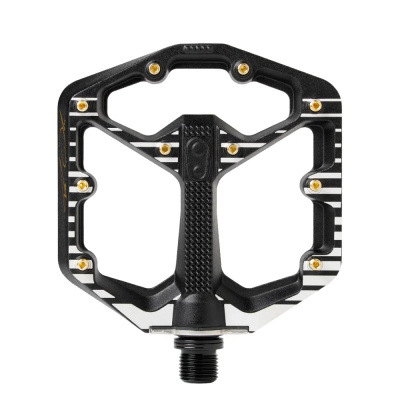
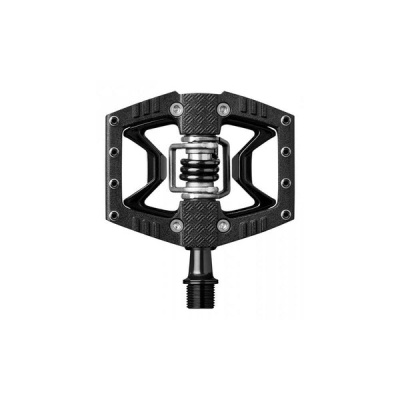
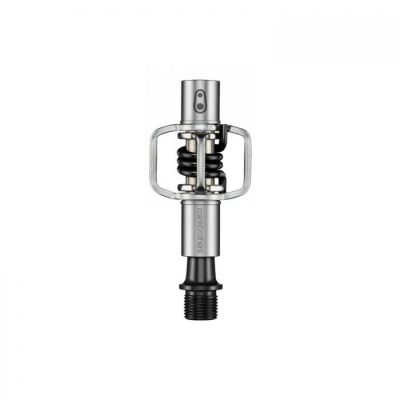
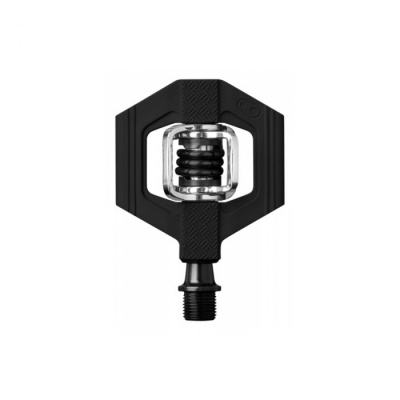
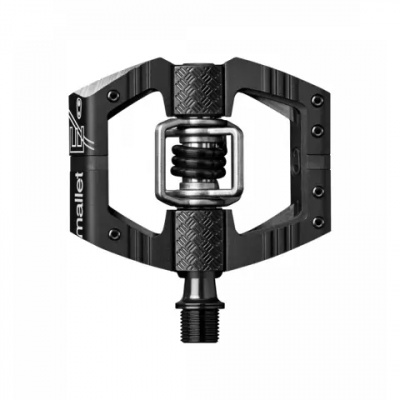
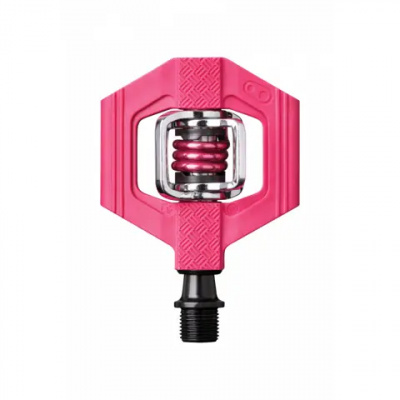
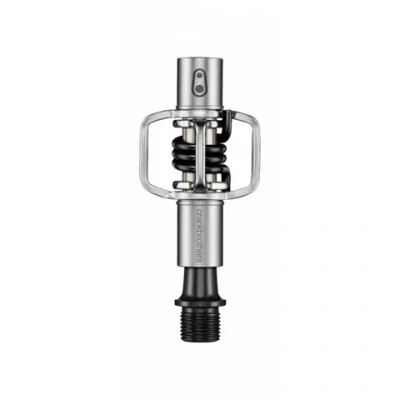
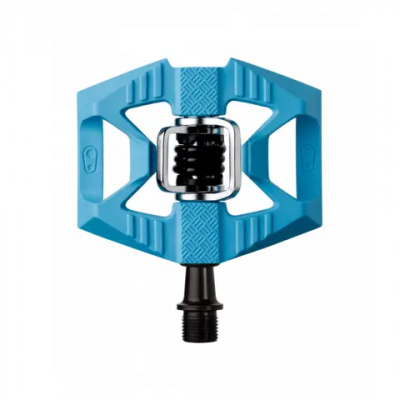
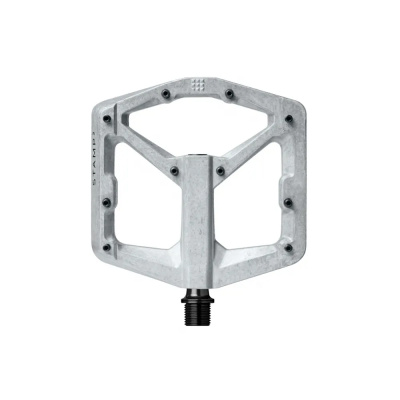
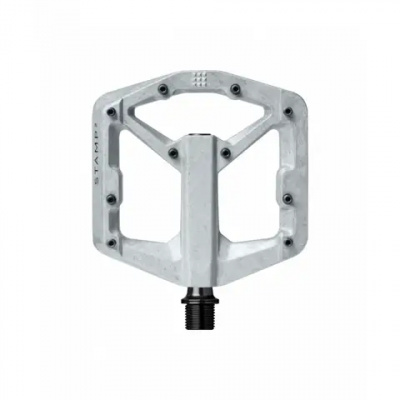
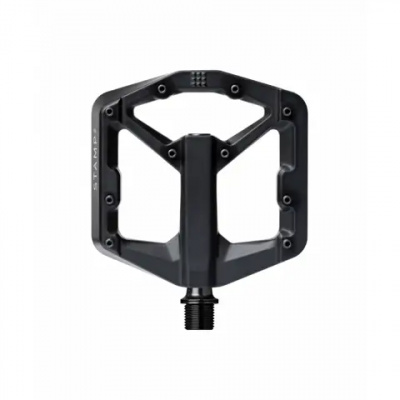
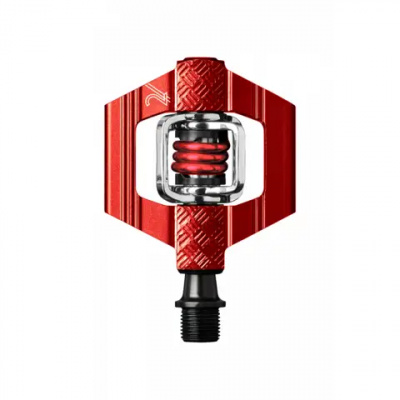
The range splits cleanly into clipless and flat. On the clipless side, you've got the Eggbeater (pure XC minimalism, essentially just a spindle with wings), the Candy (adds a small platform for trail riding), and the Mallet (a proper pinned platform for enduro and DH where you need to move your foot around). Flats are covered by the Stamp, which comes in two body sizes to match your shoe size rather than leaving you guessing. Across every model, the engineering focus is on Igus LL-glide bearings and Enduro MAX cartridge bearings that resist the abrasive grit that destroys lesser pedals through a Scottish winter. Float angle and release angle are both adjustable via cleat orientation, so you can dial the system around your knees rather than riding whatever the box defaults to.
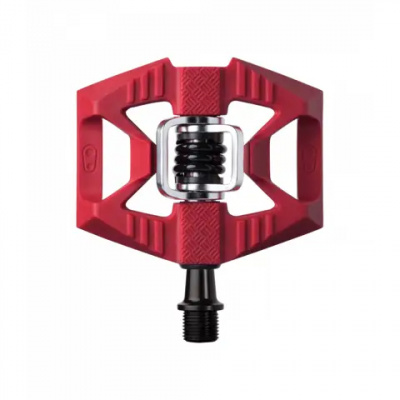
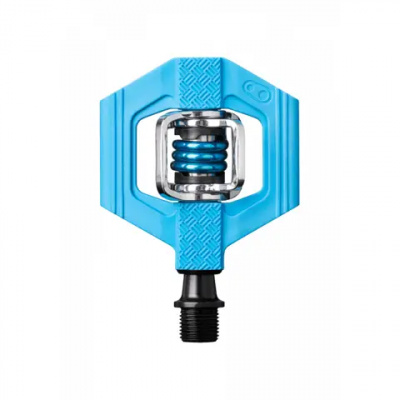
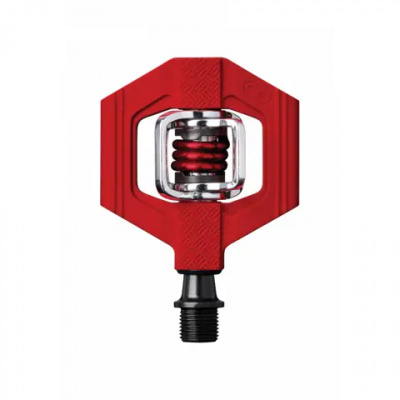
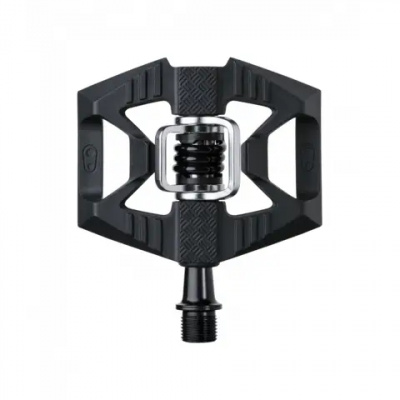
Prices and availability can change quickly. Delivery charges are not always included in listed prices.
Final price, stock status and delivery terms are set by retailer. We may receive a commission on purchases made.
Spindle Length, Shoe Sizing, and What Actually Fits
Getting the fitment right before you buy saves a lot of hassle. On clipless models, Crank Brothers offers two spindle lengths: standard at 52mm Q-factor and a long version at 57mm. The 5mm difference sounds trivial but it shifts your foot outward relative to the crank, which changes knee tracking. Riders with wider hips, or anyone who's had knee pain with standard spindles, often find the longer option makes an immediate difference. Conversely, going long on a narrow bottom bracket shell can push Q-factor wider than you actually want. Check your frame spec first.
For the Stamp flat pedals, the sizing question is simpler but still worth getting right. The Small body suits EU shoe sizes 37 - 43 (roughly UK 5 - 9), while the Large covers EU 43 - 49 (UK 9 - 14). The size difference isn't cosmetic - it determines how much of the pedal platform sits under your foot. A size 11 foot on a Small body leaves your heel unsupported and your arch doing extra work. If you're right on the EU 43 boundary, most riders go Large for the extra platform real estate.
If you're looking for replacement brass cleats or want to explore float options in detail, our dedicated Crank Brothers Cleats page covers the full range. For rebuild kits and internal hardware, head to our Crank Brothers Tools and Spares section.
Making Sense of the Model Numbers
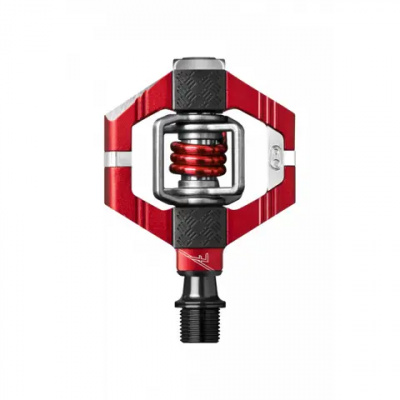
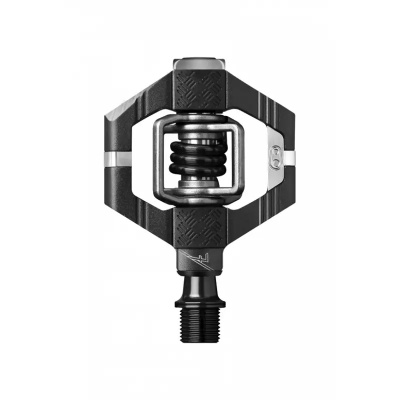
The numbering system across Crank Brothers' clipless range follows a consistent logic once you decode it. The number denotes build tier, not model type - so an Eggbeater 1, Candy 1, and Mallet 1 all sit at the entry level with composite bodies and chromoly spindles, while an Eggbeater 11 uses a titanium spindle and forged alloy construction. Here's how the tiers stack up in practice.
- 1 series: Composite body, chromoly spindle. Functional and light enough for most riders. The entry point into the system.
- 2 and 3 series: Die-cast and forged alloy bodies respectively. Meaningfully stiffer underfoot and more durable at the platform edges. The 3 series in particular has a thinner profile that keeps your foot closer to the axle.
- 7 series: Premium concave alloy body. The concave shape is noticeable - your foot sits into the pedal rather than on top of it, which improves control on rough ground without needing a platform full of traction pins.
- 11 series: Titanium spindle, forged alloy body. The weight saving over the 3 series is real; whether it justifies the cost difference depends entirely on what you're racing and how obsessive you are about grams.
The model names tell you the riding intent. Eggbeater is pure XC and gravel - no platform at all, just the cleat interface and bearings. It's the lightest clipless option in the range and works brilliantly clipped in on a fast gravel loop, but stepping off at a trail head and walking in clipless shoes with no platform underfoot is grim. Candy adds a modest platform around the cleat mechanism, enough to feel stable when you're partially clipped in or dabbing. Mallet goes further - wide pinned platform, designed for moments when you're unclipped more than clipped. If you're riding enduro stages or DH laps where you might spend half the descent with your feet loose, the Mallet is the right call. Riders coming from DMR flat pedals who want to try clipless often find the Mallet the least jarring transition.
The Stamp flat range sits separately but follows the same quality tiers. It competes directly with platforms from Burgtec and Hope - all excellent options if you want to compare profiles and pin configurations before committing.
Surviving UK Winters: Bearings, Seals, and Realistic Service Intervals
The bearing setup is where Crank Brothers earns its reputation in British conditions. Modern models use a dual approach: Igus LL-glide bearings at the outer end of the spindle (self-lubricating composite bushings that handle side loads well and don't corrode) paired with Enduro MAX cartridge bearings at the inner end where the real rotational load sits. A double-seal sits over both, keeping the abrasive grit that coats every trail in the Scottish Borders or the Peak District from grinding into the bearing surfaces.
They're not indestructible, though. The grinding paste that builds up on winter rides - wet grit, brake dust, trail crud - will work its way in eventually. The honest service interval for regular UK wet riding is a strip, clean, and re-grease every 50 - 75 hours. That sounds like a faff but it's genuinely quick with the right tools. Crank Brothers designed these pedals to be rebuilt, not replaced, which is worth something when you're looking at the cost per year of ownership. A Refresh Kit gives you new seals, O-rings, and sometimes new bearings for a fraction of a new pedal. Most riders who've used the system for years will tell you they've rebuilt the same pedal bodies multiple times. Pairing them with compatible Crank Brothers MTB shoes also helps - the cleat interface wears more evenly when the shoe sole geometry is matched to the pedal design.
If you're comparing longevity between clipless options, HT Components pedals and Nukeproof pedals are worth a look - both have strong reputations for bearing durability in similar conditions, and the comparison helps you understand what you're trading off.
One practical note: the float angle and release angle aren't fixed at 10° - you can choose between 10°, 15°, or 20° float by rotating the cleat orientation when you set up your shoes. More float suits riders with variable knee tracking or anyone prone to knee strain on long climbs. Tighter float (10°) gives more positive feedback underfoot, which some riders prefer on technical descents where they want to feel exactly where their foot is. It takes ten minutes to experiment and can make a meaningful difference to comfort on longer rides.
Crank Brothers Pedals FAQs
Do Crank Brothers pedals work with Shimano SPD cleats?
No. Crank Brothers pedals use their own proprietary brass cleats and the 4-sided entry mechanism is completely incompatible with Shimano SPD hardware. You'll need Crank Brothers cleats - check the float angle options (10°, 15°, 20°) when you buy, as the right choice depends on your knee tracking and riding style.
Which size Crank Brothers Stamp pedal do I need?
Go Small for EU shoe sizes 37 - 43 (UK 5 - 9) and Large for EU 43 - 49 (UK 9 - 14). If you're on the EU 43 boundary, most riders find the Large gives better heel and arch support. Getting this wrong doesn't just feel off - it affects how securely your foot sits on the platform under load.
How often should I service my Crank Brothers pedals?
For regular UK wet riding, aim for a strip, clean, and re-grease every 50 - 75 hours. Full bearing replacement via a Refresh Kit is typically needed every one to two years depending on how much grim winter mileage you're putting in. The good news is the whole rebuild takes around 20 minutes and keeps the same pedal bodies going indefinitely.