
Burgtec Pedals
Burgtec pedals have earned their reputation the hard way - developed in the UK and stress-tested on the World Cup Downhill circuit by the Santa Cruz Syndicate, these are flat pedals built around what actually matters when the ground is wet, loose, and thoroughly unpleasant. The signature 1mm concave profile pulls your foot into the platform and keeps it there, whether you're picking a line through slick, off-camber roots in the Tweed Valley or holding your feet on through a janky jump section at your local bike park. That locked-in feel isn't marketing copy - it's geometry doing its job.
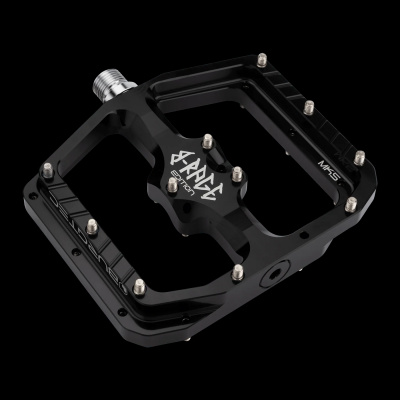
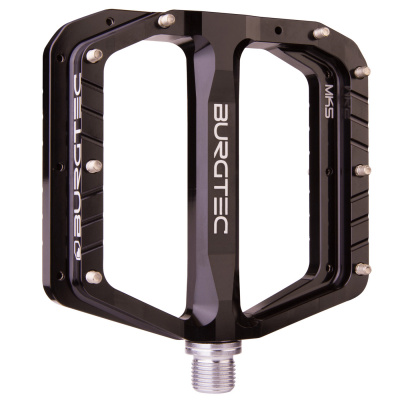
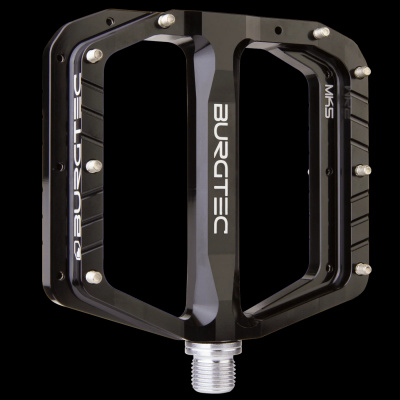
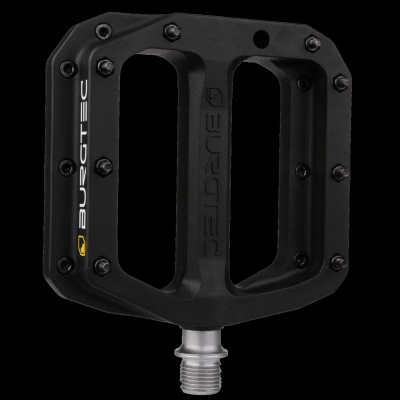
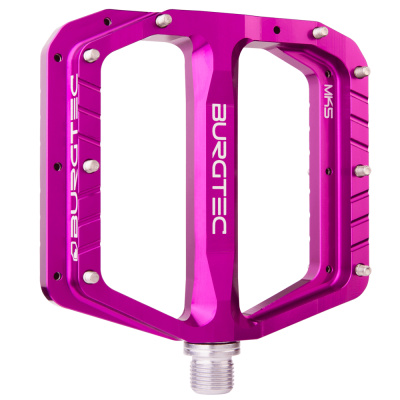
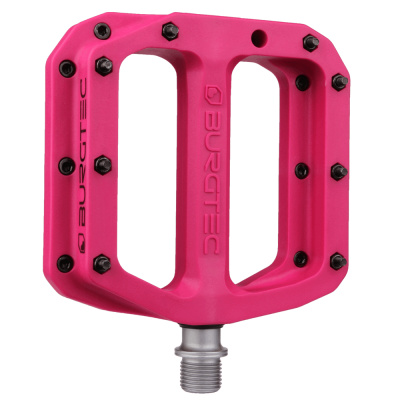
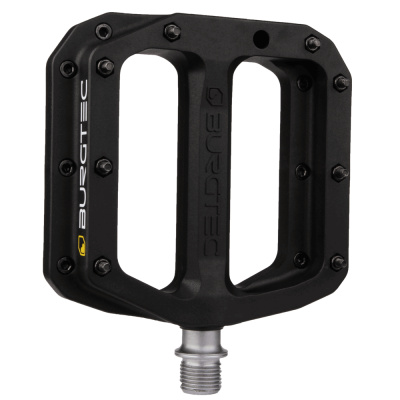
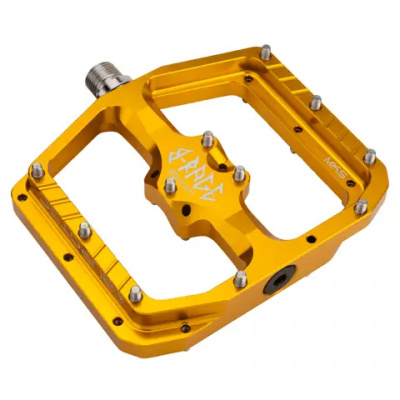
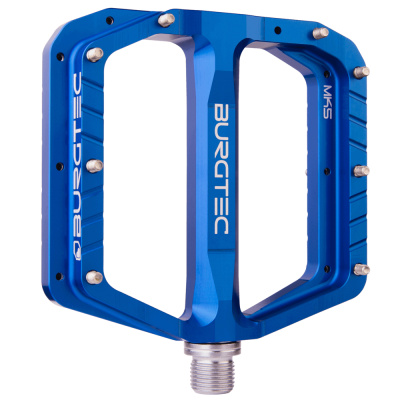
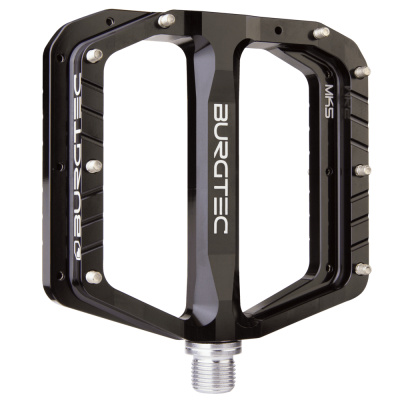
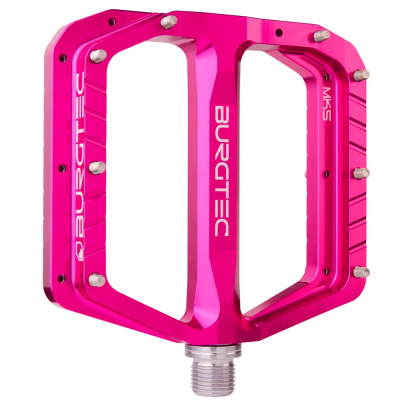
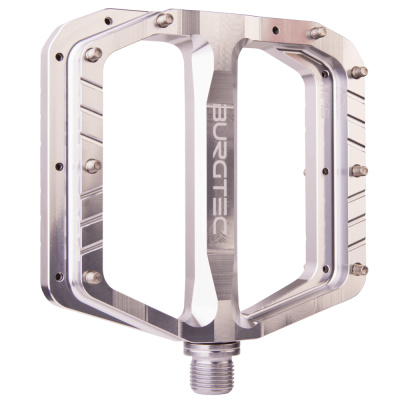
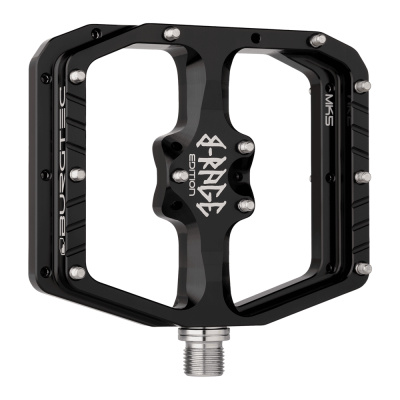
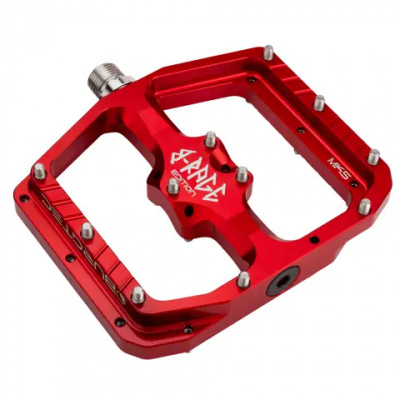
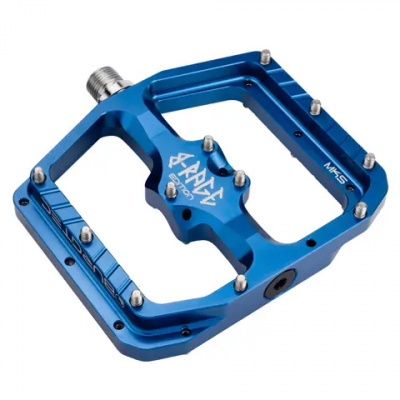
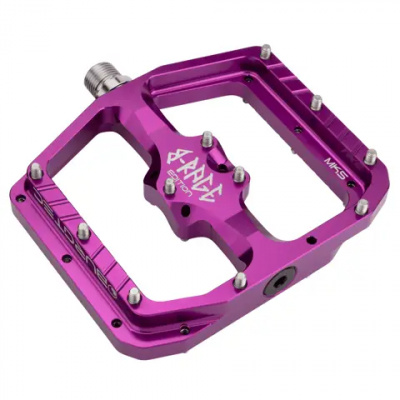
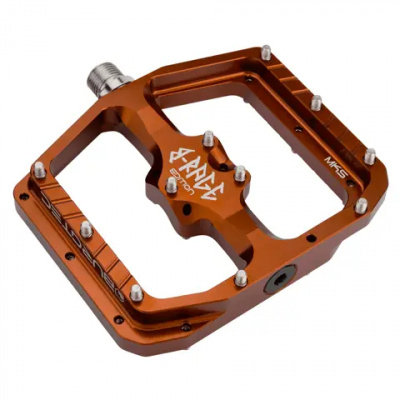
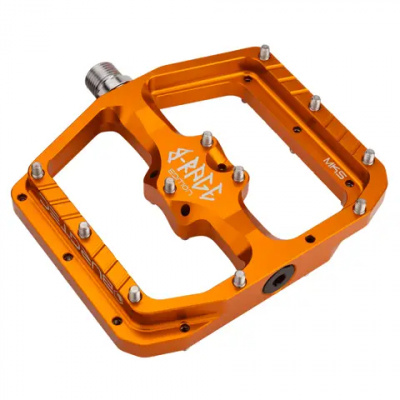
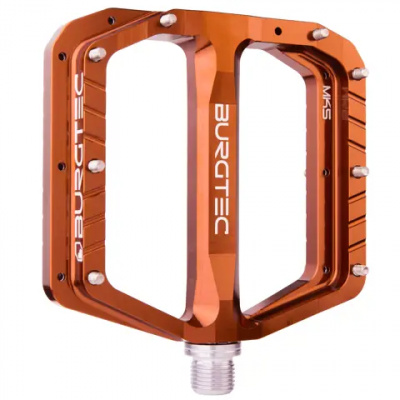
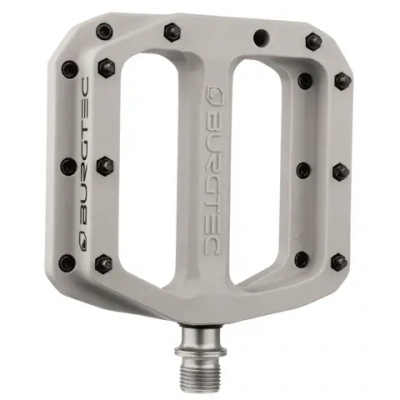
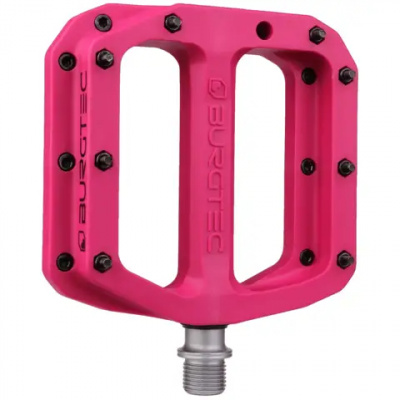
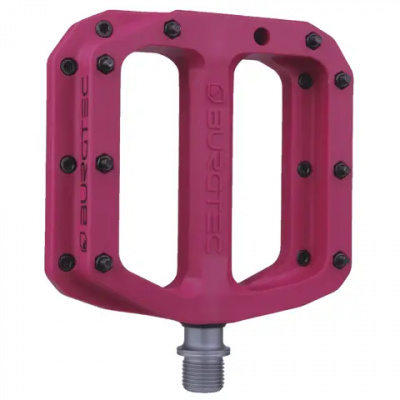
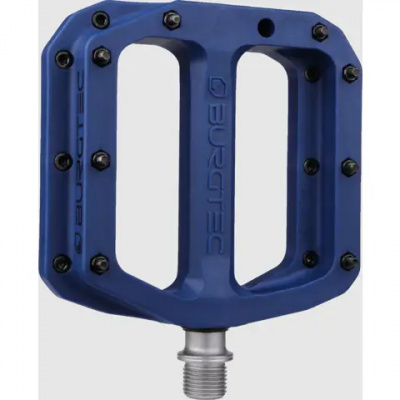
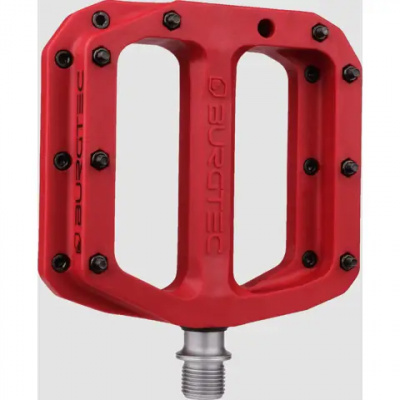
The Penthouse Flat series sits at the heart of the range, offered in alloy and composite versions to cover different budgets without cutting corners on what goes inside. Both use the same bearing and bushing layout, both run oversized 2mm stainless steel pins, and both are built to keep spinning through the kind of winter slop that destroys cheaper pedals before February. If you've ever pulled a seized, sloppy pedal off a bike in a muddy car park and sworn you'd do better next time, this is where you start looking. Browse our full range of Burgtec alloy and composite flats below.
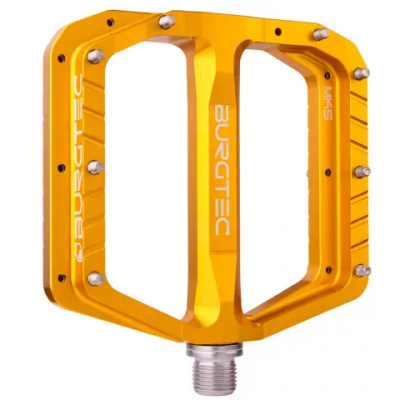
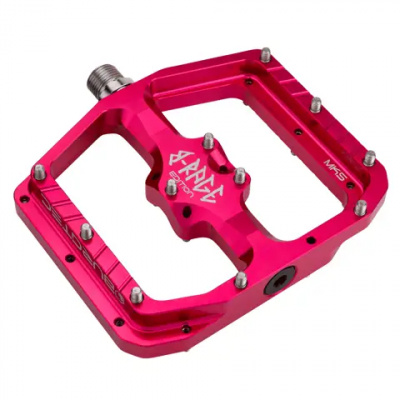
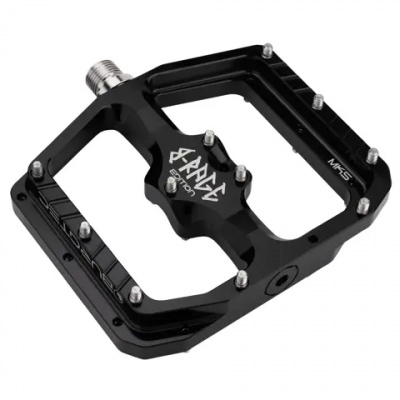
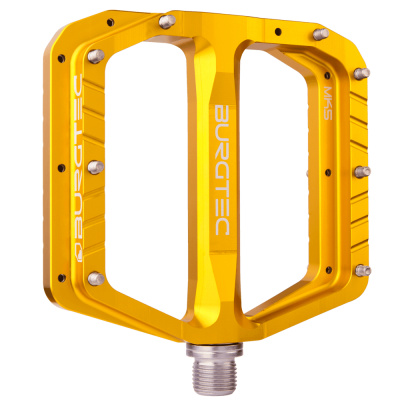
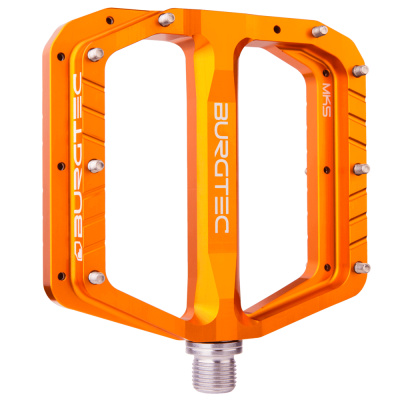
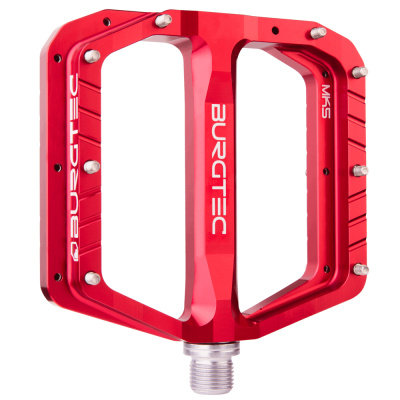
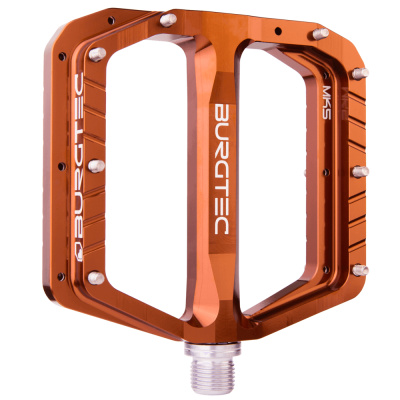
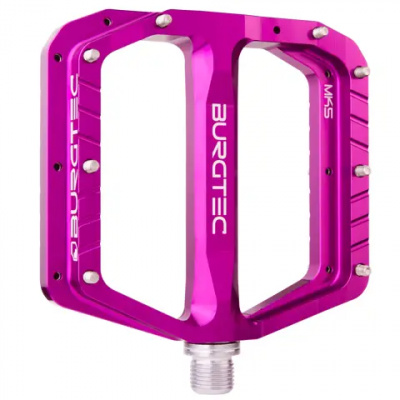
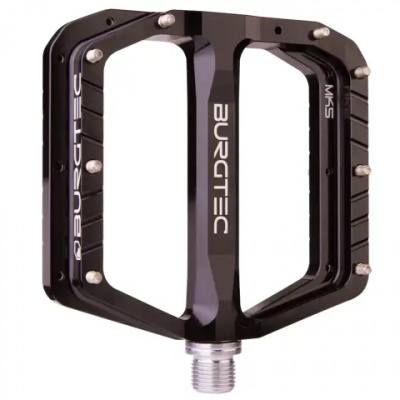
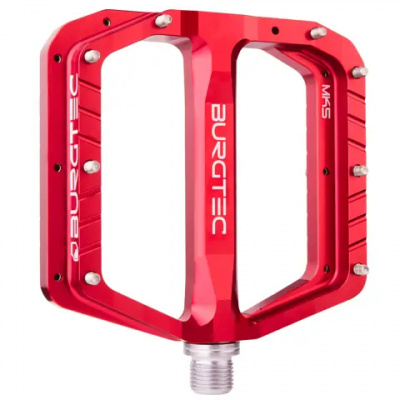
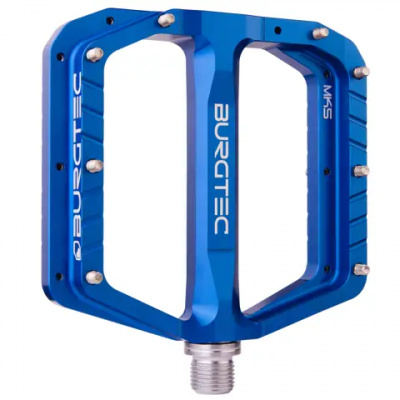
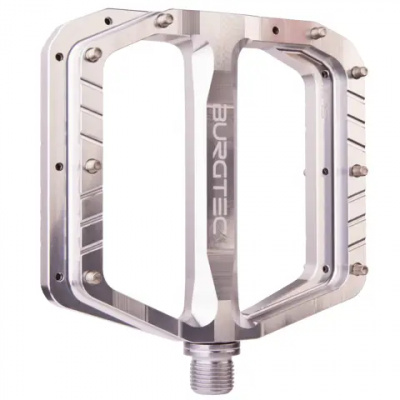
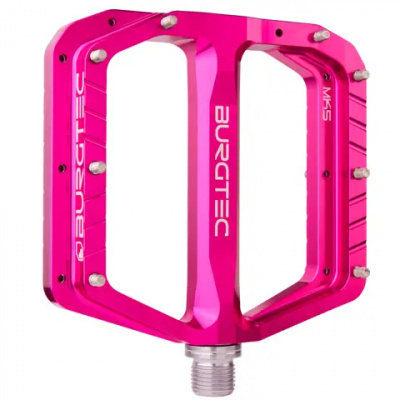
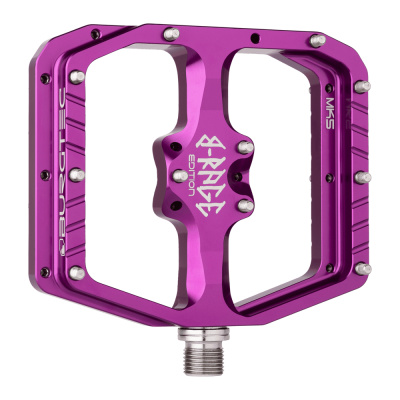
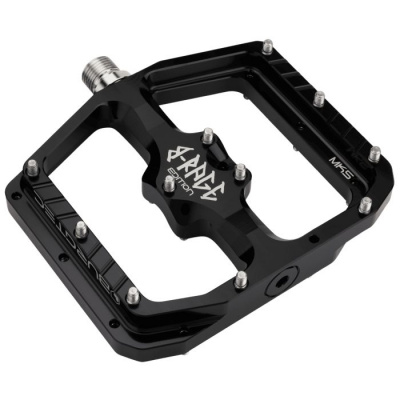
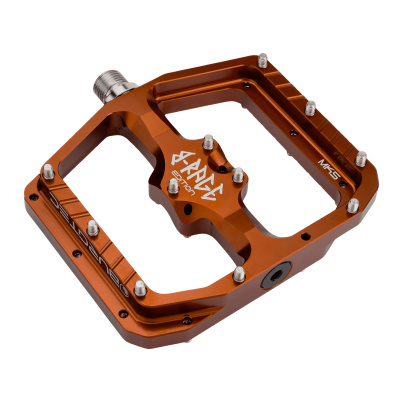
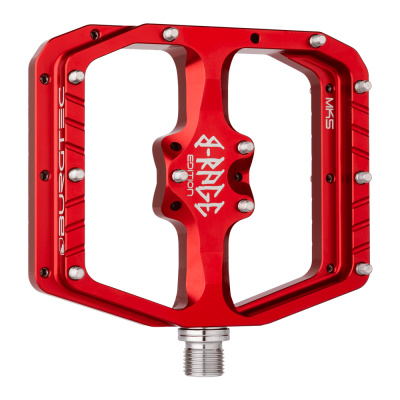
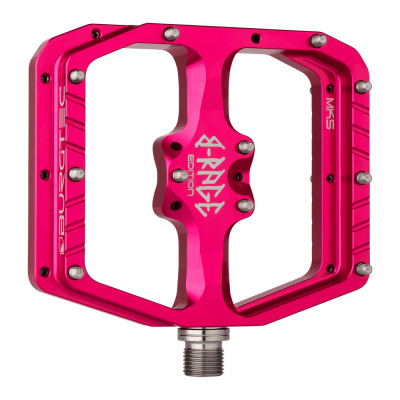
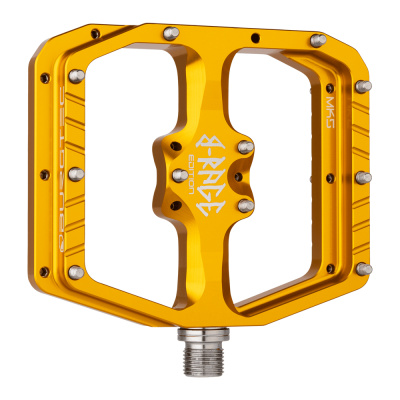
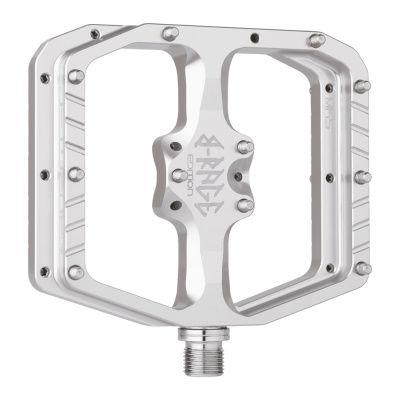
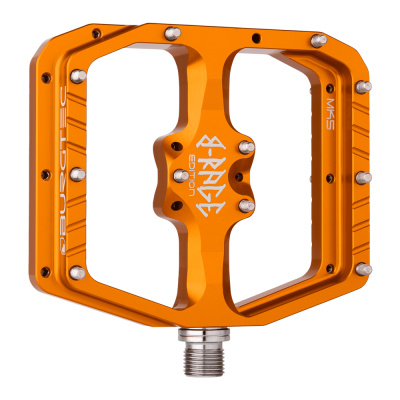
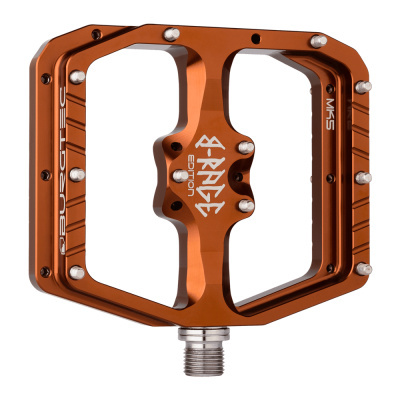
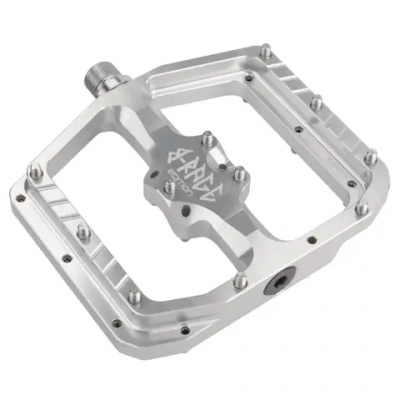
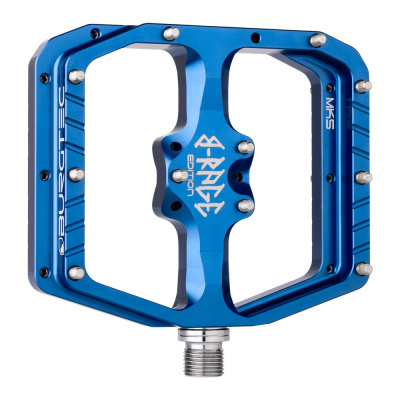
Prices and availability can change quickly. Delivery charges are not always included in listed prices.
Final price, stock status and delivery terms are set by retailer. We may receive a commission on purchases made.
Fitment, Platform Size, and Shoe Compatibility
Every Burgtec pedal runs a standard 9/16" thread, which fits all modern adult mountain bike cranks without adapters or faff. That covers the vast majority of trail, enduro, and downhill bikes on the market today - if you're unsure, check your crank arm; 9/16" is the default for anything not built for a child's bike.
Platform size matters more than most riders realise until they try a properly sized pedal. Burgtec's Penthouse Flat platforms are sized to work with modern flat pedal shoes - think Five Ten Freeriders or similar sticky-soled footwear - where a wide, supportive base stops your foot rolling off the edge under load. The concave profile drops the centre of the platform slightly relative to the edges, which gives your foot a natural cradle without forcing an unnatural stance. It's a subtle thing, but you notice it immediately when you compare it to a flat, featureless platform.
Q-factor - the lateral distance between your pedal faces - stays consistent with Burgtec's standard axle length across the range, keeping your stance width neutral and your knees tracking properly through the pedal stroke. Riders who've had knee trouble with wider-spaced platforms will appreciate that Burgtec hasn't chased an artificially wide stance.
All Burgtec pedals are fully serviceable, and replacement pins, axles, and rebuild kits are available separately. For spares and rebuild components, head to our Burgtec Pedal Spares page where you'll find everything you need to keep them running like new.
Penthouse Flat Mk5 Alloy vs. Composite - What You're Actually Paying For
The Burgtec Penthouse Flat Mk5 comes in two distinct builds, and the difference is more nuanced than simply cheap versus expensive. Understanding the trade-off helps you spend your money in the right place.
The Mk5 Alloy is CNC-machined from aluminium, which gives it a thinner overall profile and a stiffer, more direct feel underfoot. That thinness reduces the chance of pedal strikes on tight, rooty singletrack - useful if you ride anywhere with exposed granite or sandstone edges that'll catch a thick pedal body mid-corner. The machined finish is hard-wearing and resists the kind of surface damage that makes cheaper alloy pedals look wrecked after a season. You're paying for durability and precision.
The Composite version uses a nylon-fibreglass body, which does two things well: it saves meaningful weight, and it deflects rather than dents when you clip a rock or a root. Alloy pedals can develop sharp burrs on the edges from impacts; composite bodies tend to scuff and move on. For riders who aren't sending massive drops but want a high-quality pedal that's lighter and more forgiving on the wallet, the composite is a genuinely strong choice - not a budget compromise.
Here's the part worth emphasising: both versions share the same internal architecture. The same Igus W300 bushings, the same sealed cartridge bearings, the same EN795 grade chromoly axle. The performance difference between the two is about platform material and feel, not longevity or bearing quality. If you're comparing Burgtec against something like DMR pedals or Hope pedals at a similar price, that shared internal spec is worth factoring in - it's not common to get the same bearing quality across a full range like this.
On the Burgtec MK4 vs MK5 question: the Mk5 brought a larger platform, a more pronounced concave, and better mud clearance through a revised body shape. The internals were upgraded too. The Mk4 isn't a bad pedal, but the Mk5 is the one to buy new - the improvements are real, not cosmetic.
Pair your pedals with Burgtec grips and Burgtec handlebars if you want a consistent contact-point setup across the whole cockpit - it's a combination that a lot of enduro and park riders run for good reason.
Keeping Them Running Through a UK Winter
British riding conditions are uniquely hostile to pedal bearings. Peak District grit mixed with standing water creates a grinding paste that works into any gap it can find - and standard cup-and-cone bearings in cheaper pedals don't stand much of a chance against it. Burgtec's answer is a dual-system approach: sealed cartridge bearings at the outer end of the axle, and Igus W300 bushings at the inner end. The Igus material is self-lubricating and resists contamination in a way that conventional bushings don't. The result is that the pedals stay smooth and slop-free for significantly longer, even when you're riding through the kind of thick winter mud that coats everything and dries like concrete.
'Pedal slop' - that lateral wobble you get when the internals wear - is one of those things that creeps up on you gradually until one day you notice your foot moving independently of the platform. With this bearing setup, it takes a lot longer to reach that point, and when it does happen, you can rebuild rather than replace.
A couple of things worth doing before your first ride: apply anti-seize compound or waterproof grease to the 9/16" threads before installation. Aluminium crank arms and steel axles can seize together over a wet winter, and getting them apart later without the right prep can be a genuinely unpleasant experience. Check pin tightness after your first ride too - new pins can seat and loosen slightly, and catching them early saves you losing one on a trail.
Wet, off-camber roots are where aggressive stainless steel pin traction really earns its keep. The oversized 2mm pins bite into the rubber of your flat pedal shoes and hold, even when the platform itself is running with water. It's the difference between a sketchy moment and a proper off. Riders heading out on Welsh trail centres or Scottish singletrack through autumn and winter will feel that immediately.
If you're running Crank Brothers pedals or Nukeproof pedals currently and finding they need regular attention to stay smooth, the Igus bushing setup here is a meaningful step up in longevity between services. Keep a set of Burgtec stems or Burgtec mudguards in mind while you're at it - the mudguard especially earns its place in a British winter.
Burgtec Pedals FAQs
Are Burgtec pedals fully rebuildable?
Yes. Every Penthouse Flat pedal is designed to be fully serviced at home. You can swap out the Igus W300 bushings, replace the sealed cartridge bearings, and fit fresh pins using a standard Burgtec rebuild kit. It's straightforward work that restores the pedal to factory smoothness rather than binning a pedal that's just worn internals.
What is the difference between Burgtec Mk4 and Mk5 pedals?
The Mk5 runs a larger platform and a more pronounced 1mm concave profile, which gives noticeably better foot retention compared to the flatter Mk4 shape. The body was also revised to improve mud clearance, and the internals were upgraded. The Mk4 is a solid pedal, but if you're buying new, the Mk5 is the current standard and the improvements are worth it.
Do Burgtec composite pedals have metal pins?
Yes. The composite body doesn't mean composite pins - Burgtec fits the same replaceable stainless steel pins to both the alloy and composite versions. You get the same pin traction and the same ability to replace worn or missing pins. The body material is different; the grip mechanism is identical.